
Chacma baboons deposited more seeds in the dry season, and seedlings emerged from defecated seeds
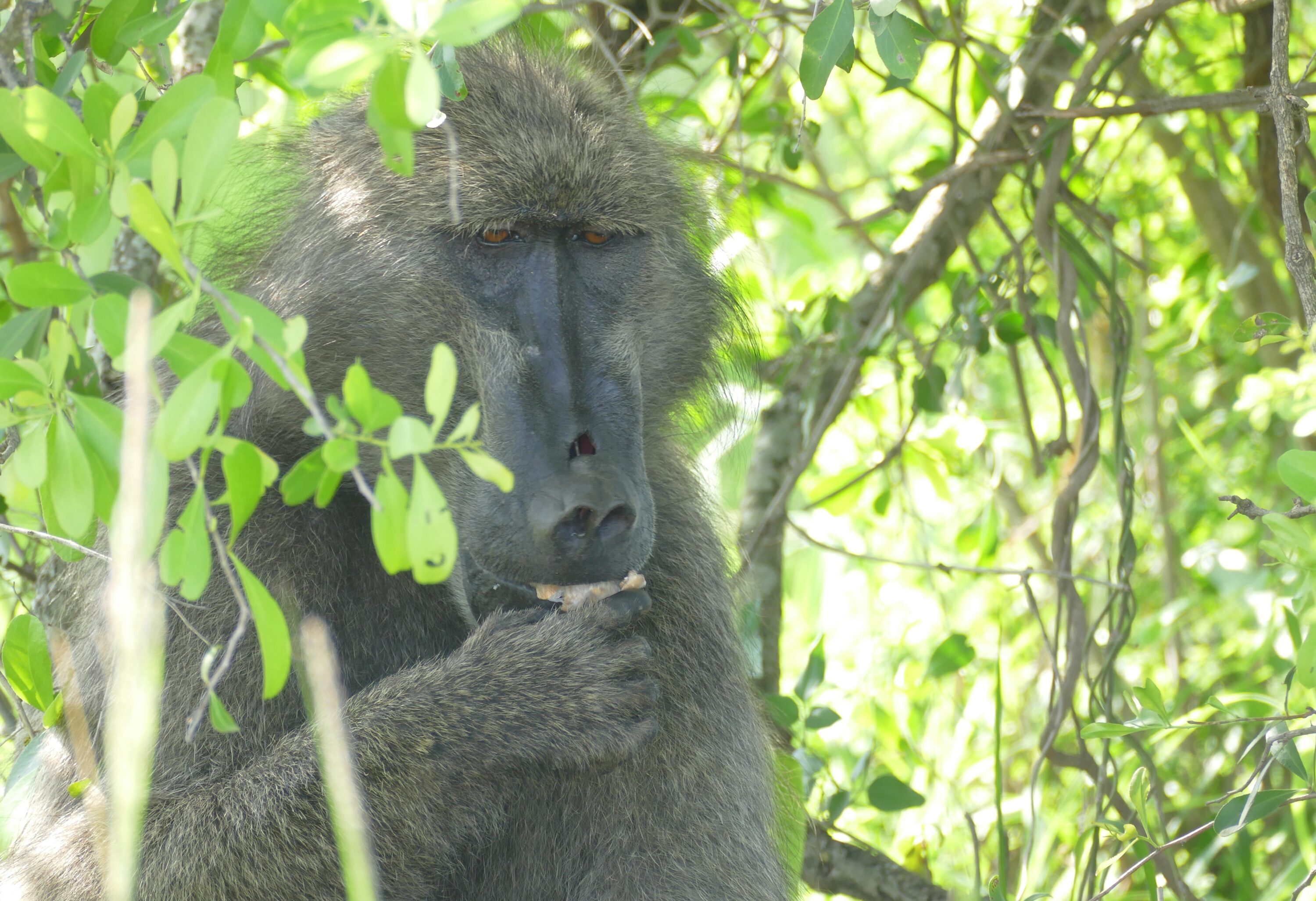
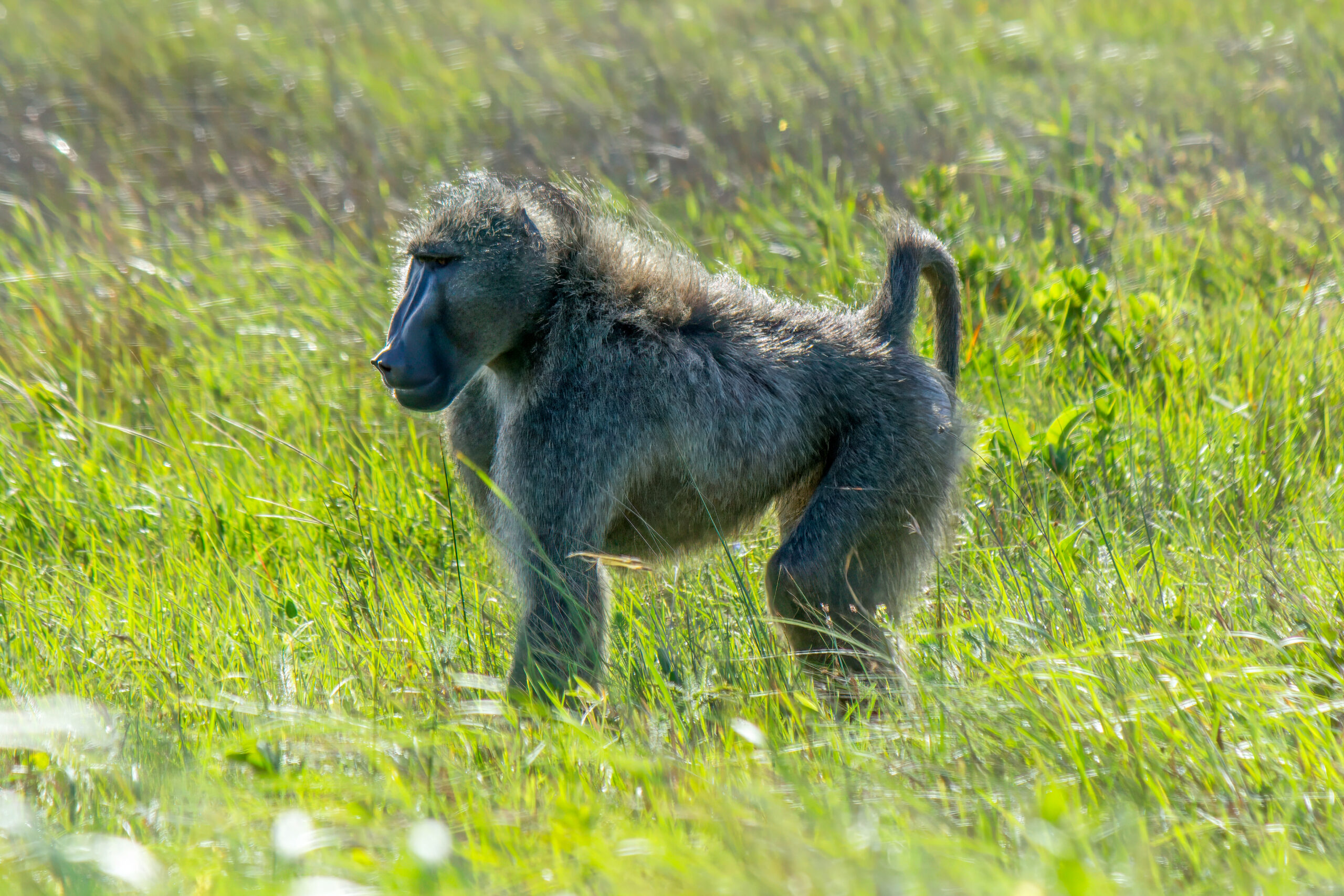
A study published in 2026 showed that chacma baboons (Papio ursinus) deposited large numbers of intact seeds in their scats in a semi-arid South African landscape, with both the quantity and composition changing between wet and dry seasons. This form of seed dispersal is called endozoochory: seeds are eaten and later deposited in faeces.
Researchers followed one habituated baboon troop in Suikerbosrand Nature Reserve in Gauteng for a year, from May 2012 to April 2013. The troop contained 38 animals at the start of the study and increased to 46 after births. Ten fresh scats were collected on each observation day, giving 240 samples in total — 120 from the dry season and 120 from the wet season.
Dry-season scats contained more seeds and more seed taxa
The researchers recovered 23,132 seeds representing 22 seed taxa. Dry-season scats contained more seeds on average than wet-season scats, with about 109 seeds per scat compared with about 84. The number of seed taxa represented per sample was also higher in the dry season.
Fruit and seeds formed the dominant dietary component in both seasons, but the rest of the diet changed with season. During the wet season, grasses, leaves, pods and invertebrates contributed more strongly. Scorpion and orthopteran remains were among the invertebrate items recorded in wet-season scats.
The seed assemblage also changed through the year. In the dry season, frequently recorded plants included mountain karee (Searsia leptodictya), white stinkwood (Celtis africana), wild olive (Olea europaea subsp. africana) and cross-berry (Grewia occidentalis). These seasonal differences show that the baboons deposited different combinations and quantities of seeds as available foods changed.
Seeds from the scats still produced seedlings
To test whether seeds recovered from the scats could still produce plants, the researchers sowed mixed seed material under greenhouse conditions. Seedlings emerged from seven taxa represented in dry-season scats and five taxa from wet-season scats. Herbaceous plants dominated the emergence records, particularly Oxalis corniculata and Chamaesyce prostrata.
The greenhouse test did not measure whether digestion improved germination
The authors are careful about what the greenhouse test demonstrates. Because the recovered seeds were sown as mixed assemblages and no untreated control seeds were included, the experiment measures the emergence potential of seeds after they had been defecated. It does not quantify germination success for each species or show whether passage through a baboon’s digestive tract increased germination.
The scat counts and greenhouse emergence show that chacma baboons can deposit large numbers of potentially viable seeds across the landscape. The authors identify this as an ecologically important seed-dispersal role in savanna and grassland systems, with the strength and composition of that role changing seasonally.
Ecology
Related news
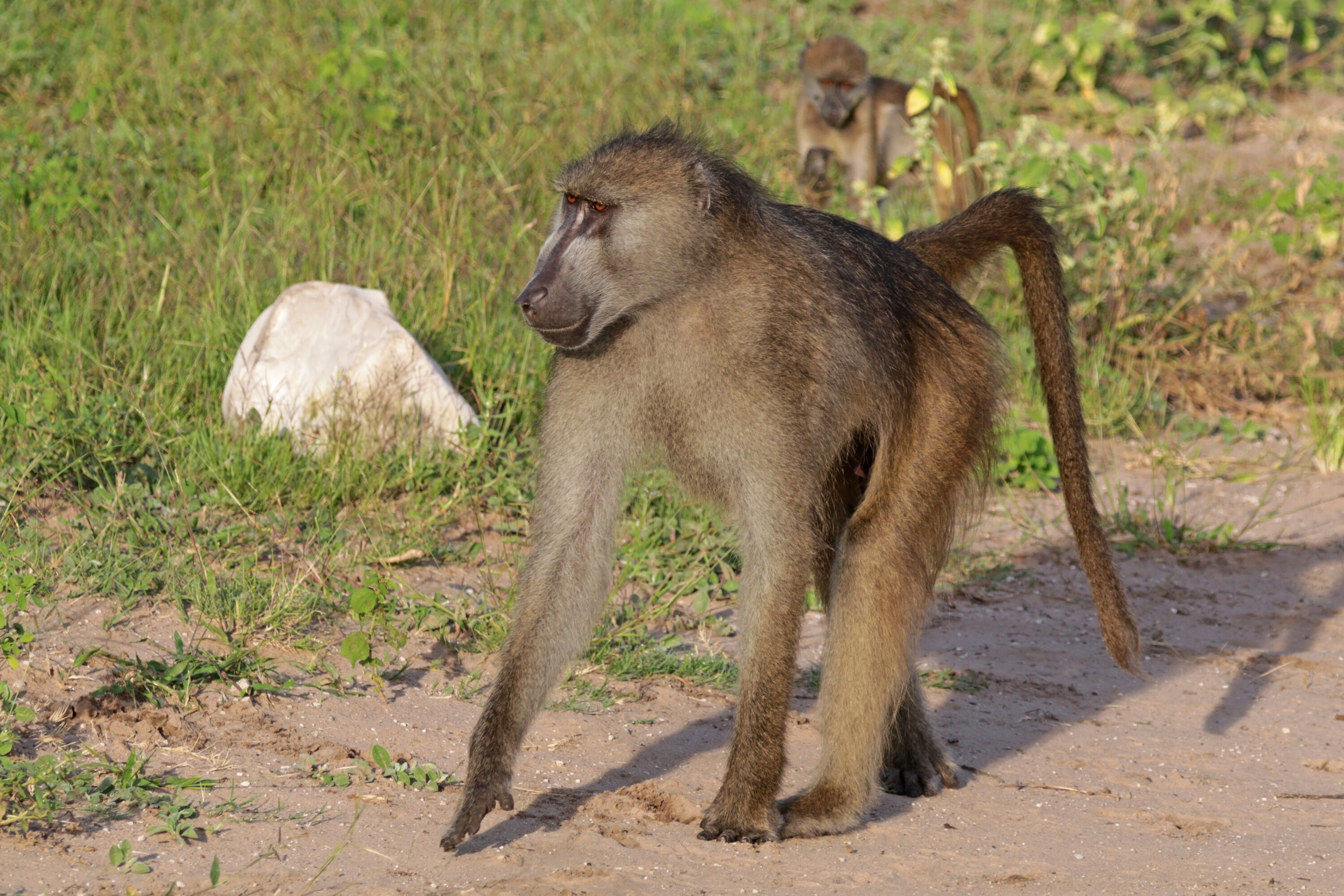
Vigilance was the most common context for bipedal behaviour in chacma baboons
Researchers recorded 231 bipedal bouts in wild chacma baboons in Gorongosa. Vigilance was the most common context, while…
Read story →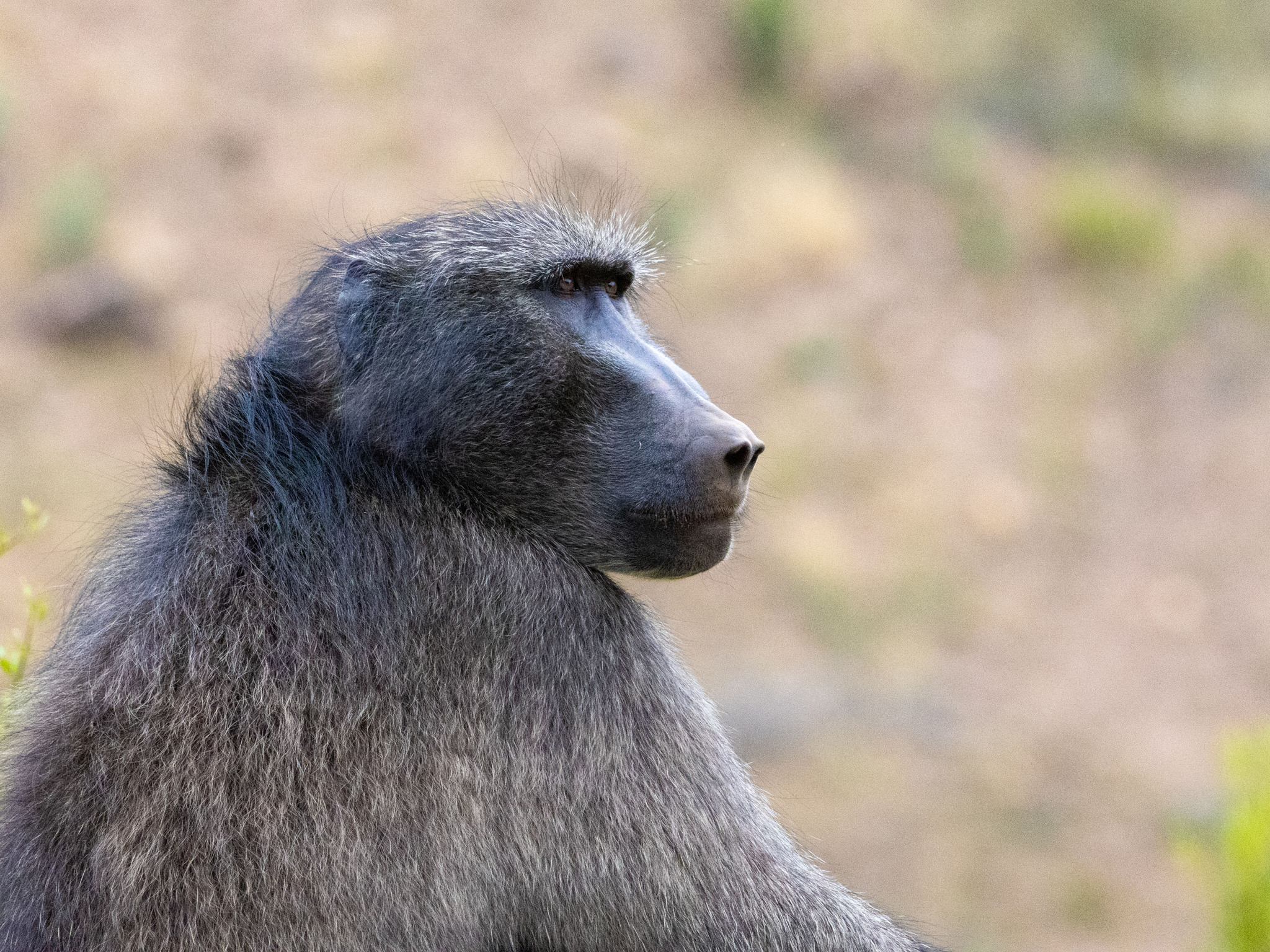
Intense vigilance was the behavioural response most closely linked to human disturbance in Garden Route baboons
Three Cape chacma baboon troops showed similar overall activity budgets across a human-disturbance gradient, but intense vigilance was…
Read story →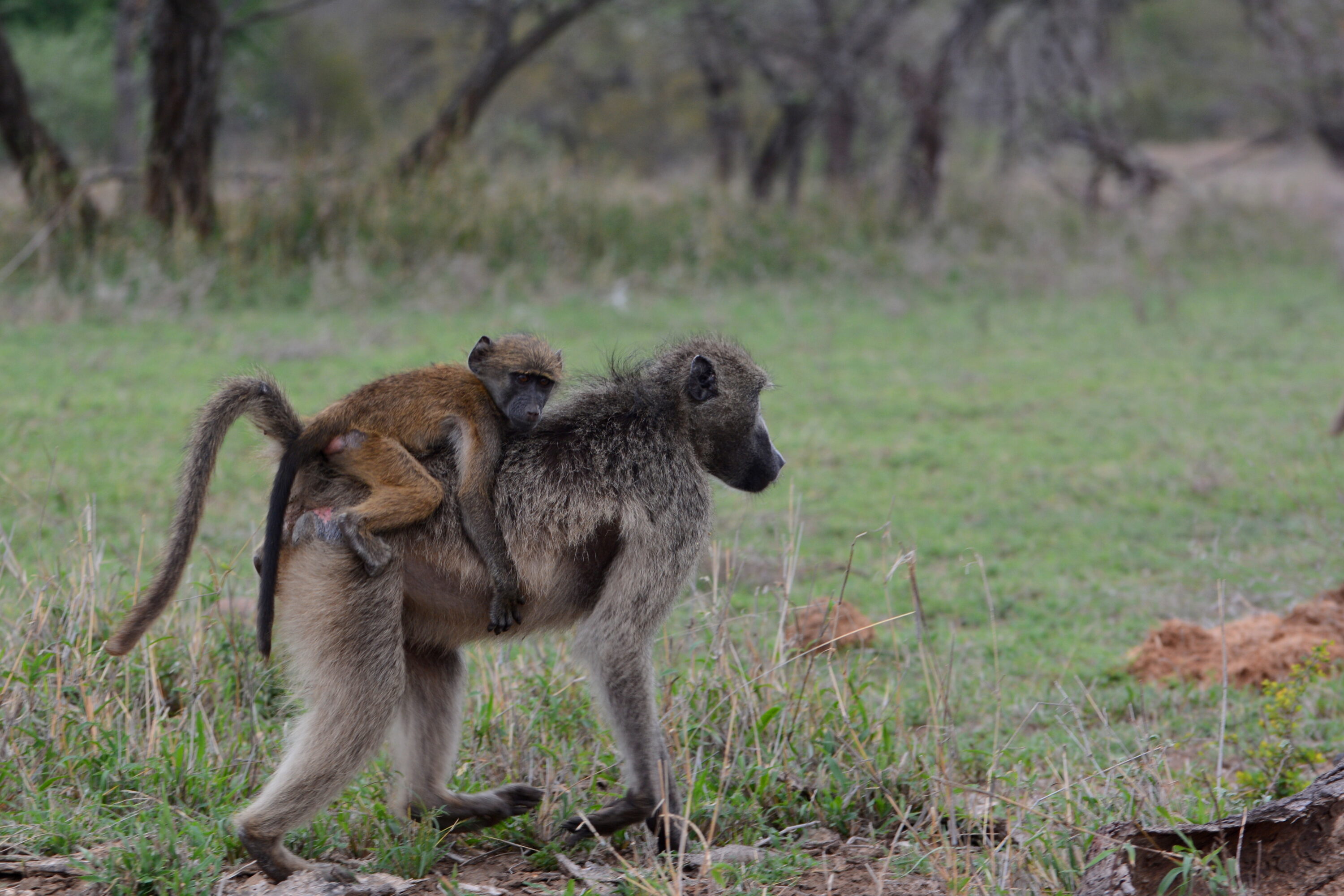
Camera traps found no evidence that baboons avoided sites for days after predators passed
Across four savanna sites, camera traps showed no clear decrease in baboon detections during the 72 hours after…
Read story →SPECIES IN THIS STORY
Species in this story
Independent research and conservation news archive
Did you find this information useful?
Wildlife Vagabond is independently built and maintained. Voluntary support helps cover source verification, hosting and continued work on research and conservation news.
Support Wildlife VagabondThe news archive will remain freely available.