
Food Leaves Its Mark on the Gut Bacteria of Kruger’s Wildlife
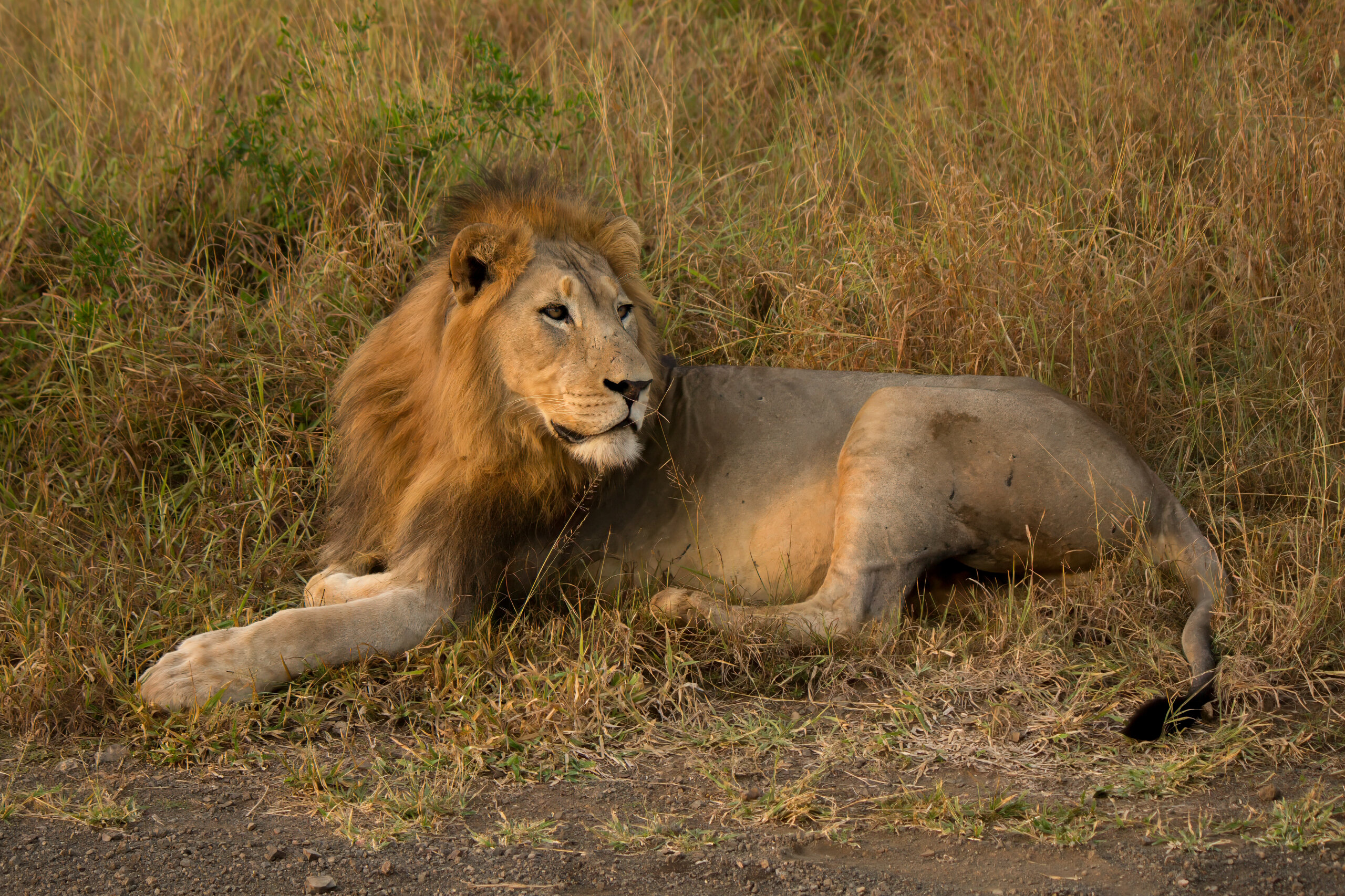
A lion eats meat, a white rhinoceros grazes on grass, and a black rhinoceros browses leaves from shrubs and trees. Those feeding differences also leave a mark inside the animals. A study of nine mammal species in South Africa’s Kruger National Park found that their gut bacteria clustered primarily according to food and digestive strategy.
Bacteria are part of the gut microbiome, the community of microorganisms in the digestive system, and help break down food. The researchers examined bacterial DNA in faeces, using 89 samples in their main analyses to build a picture of the bacterial groups living in the animals.
Three ways of processing food
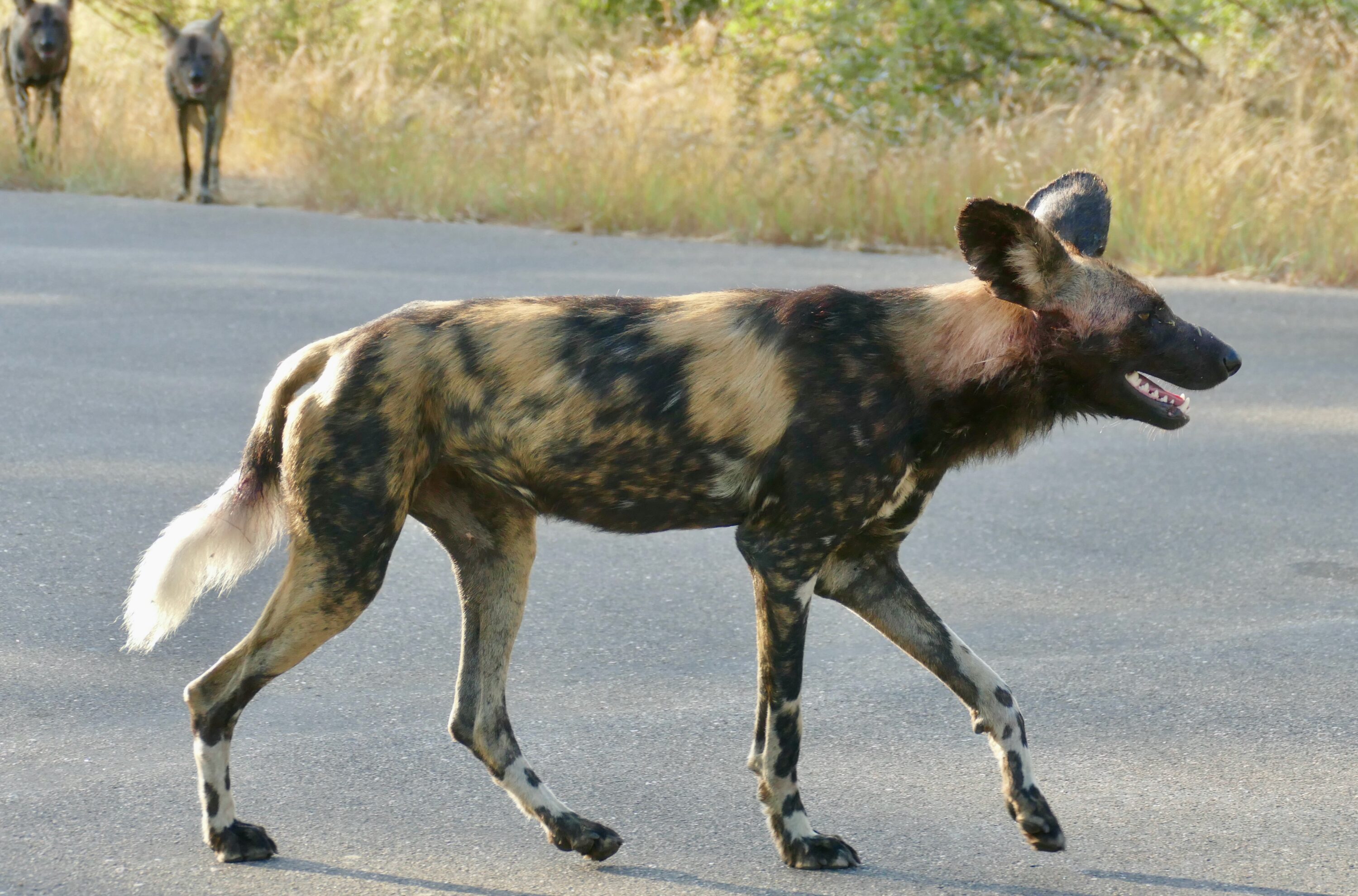
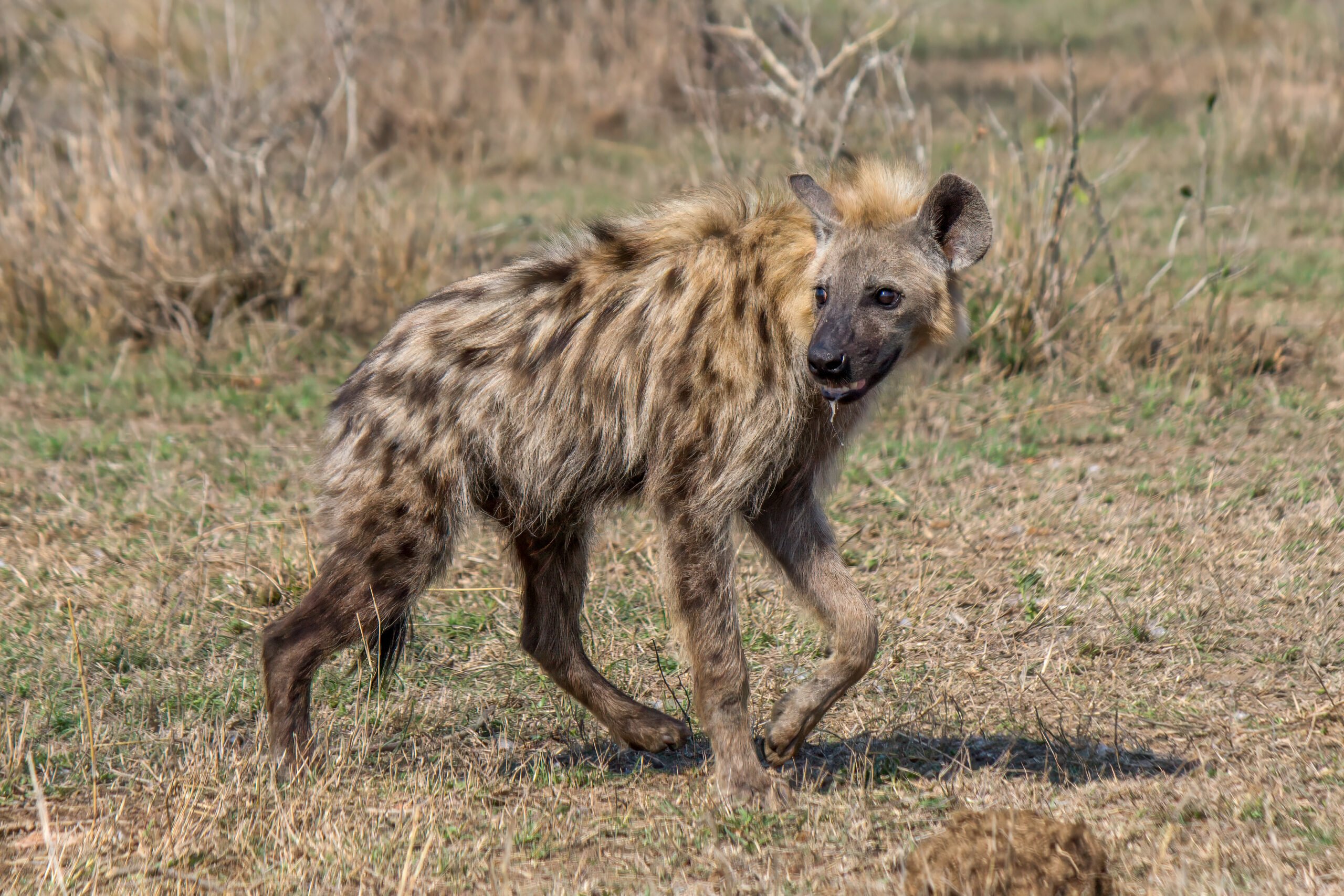
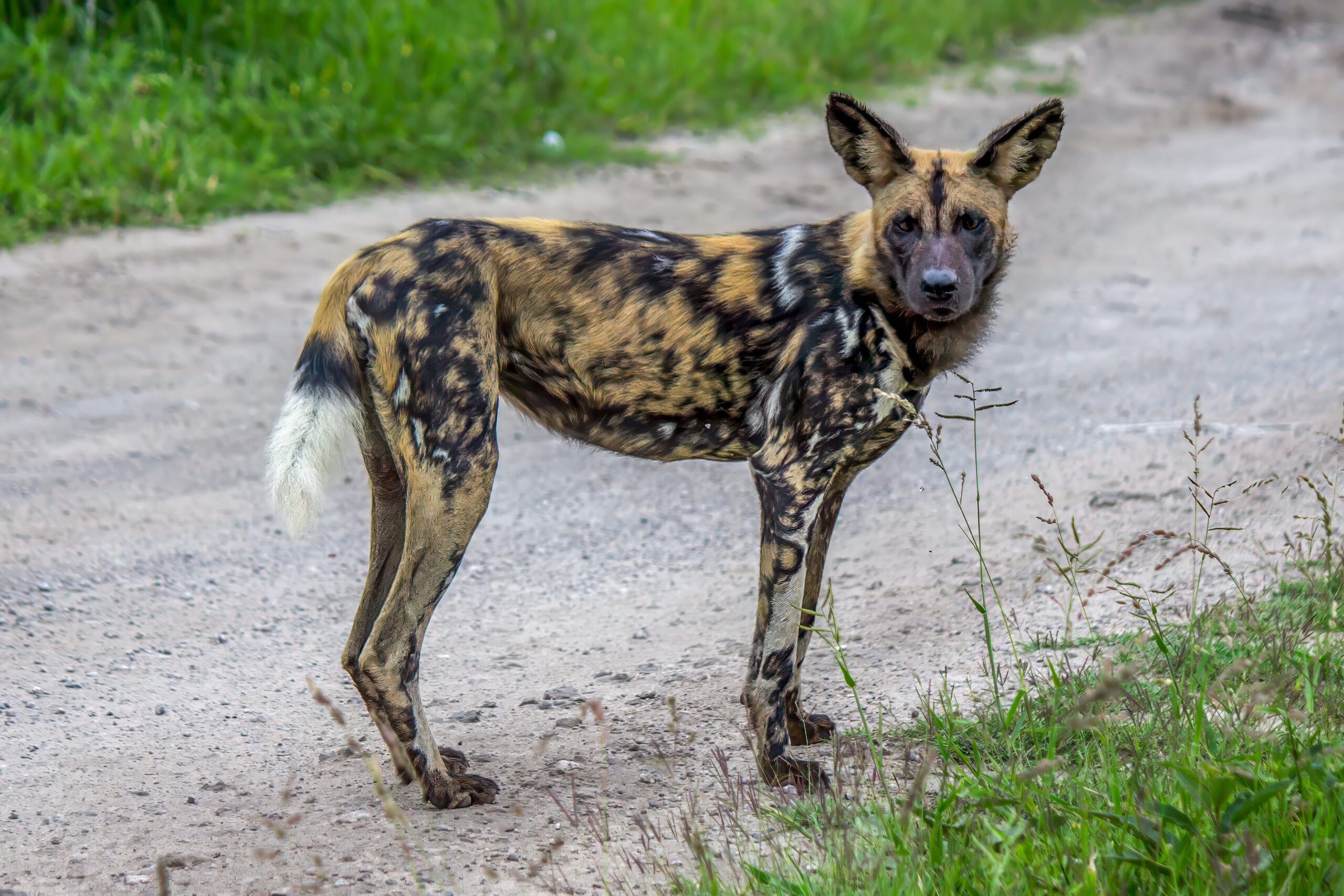
The carnivores studied were lions (Panthera leo), spotted hyenas (Crocuta crocuta) and African wild dogs (Lycaon pictus). Their bacterial communities were distinct from those of plant-eaters, with more groups associated with protein breakdown and the bile-rich environment accompanying the digestion of fatty food.
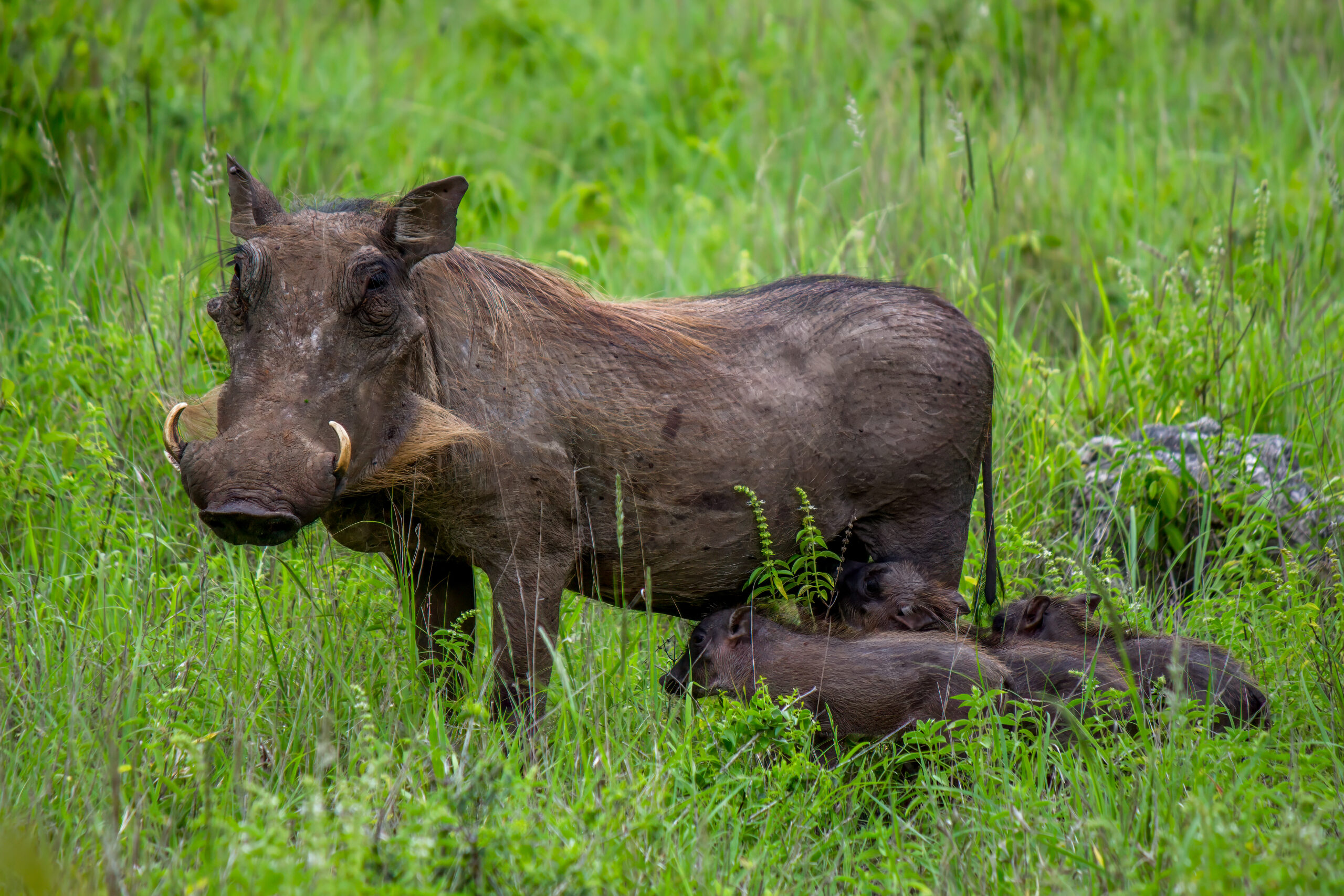
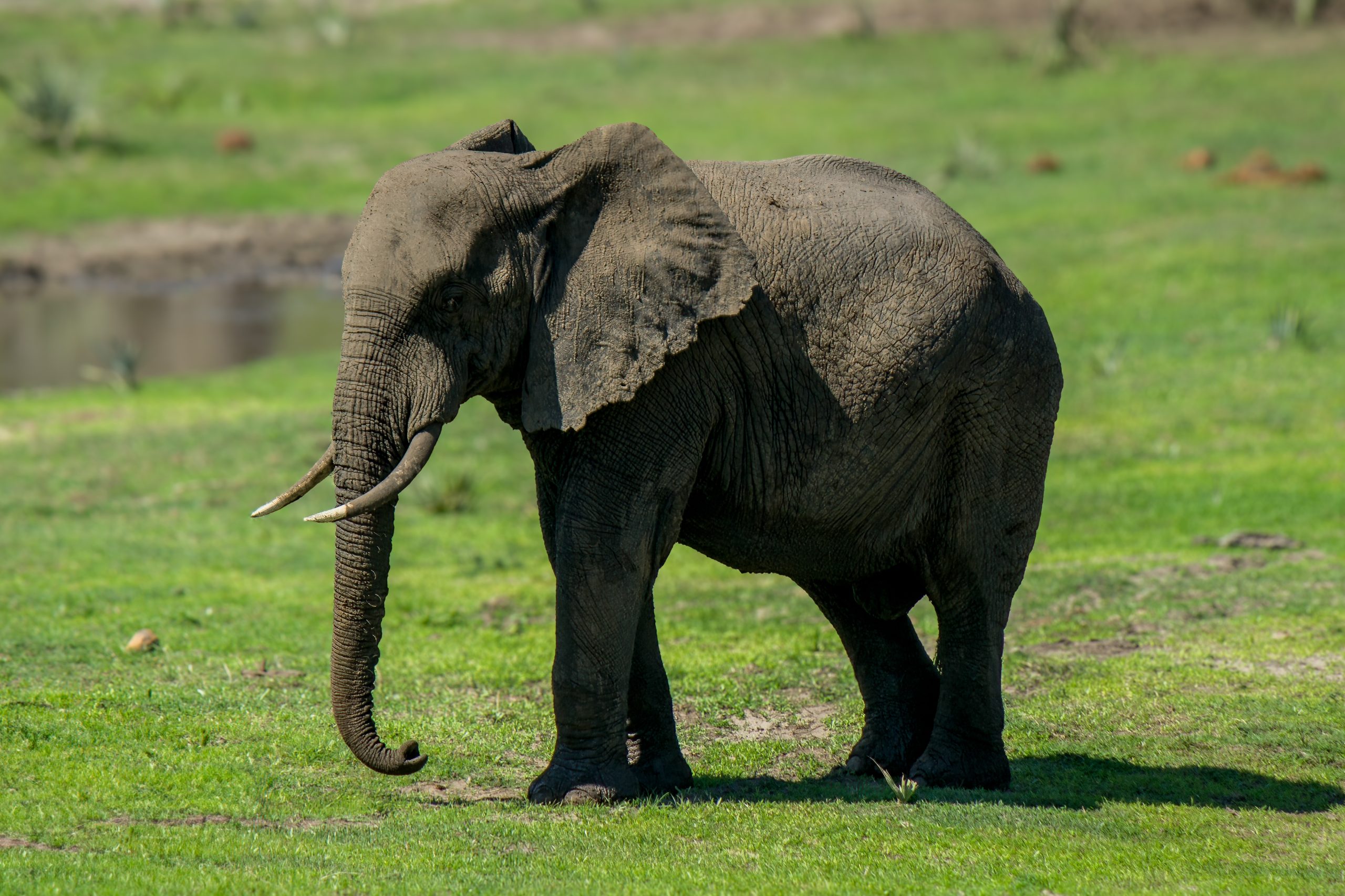
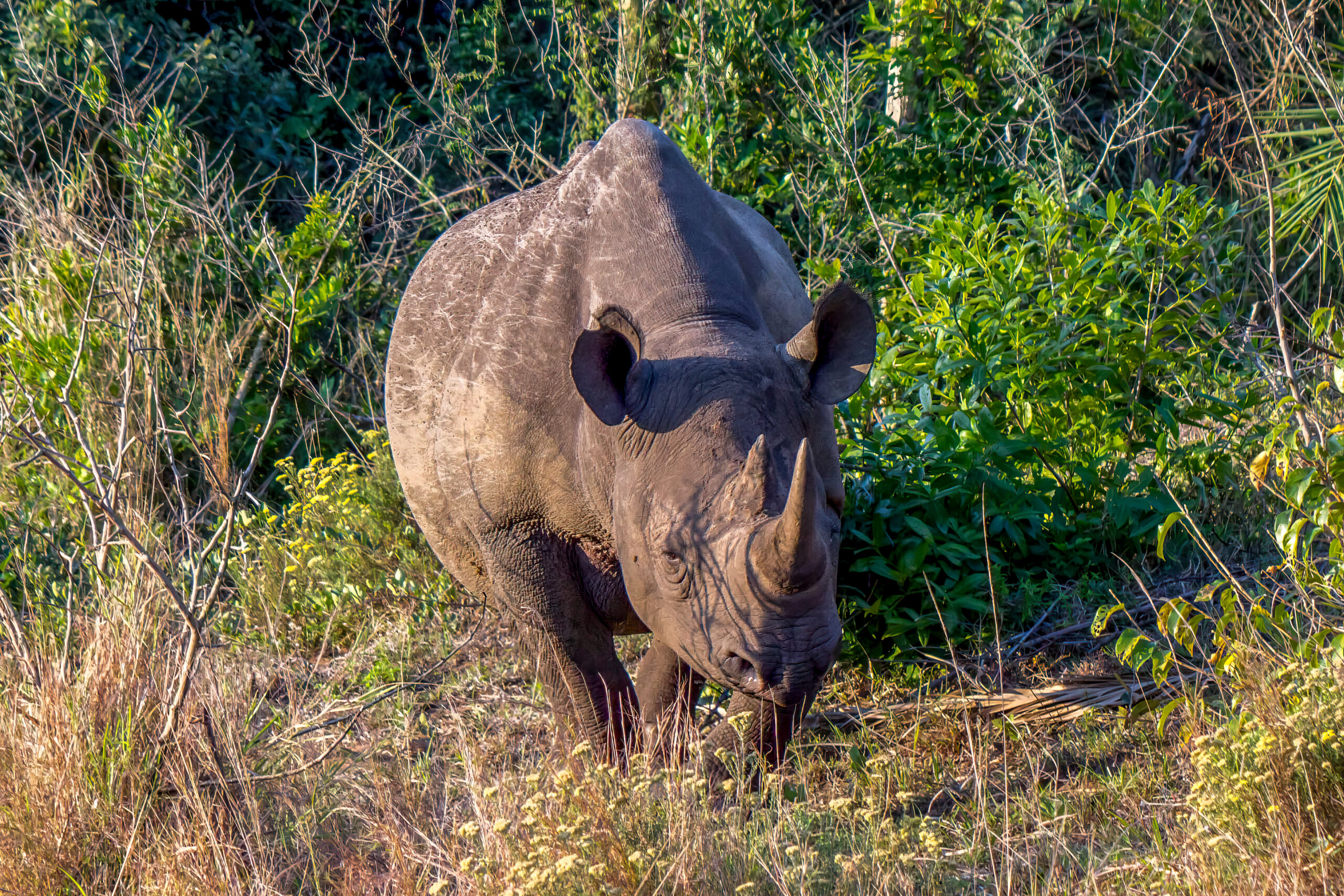
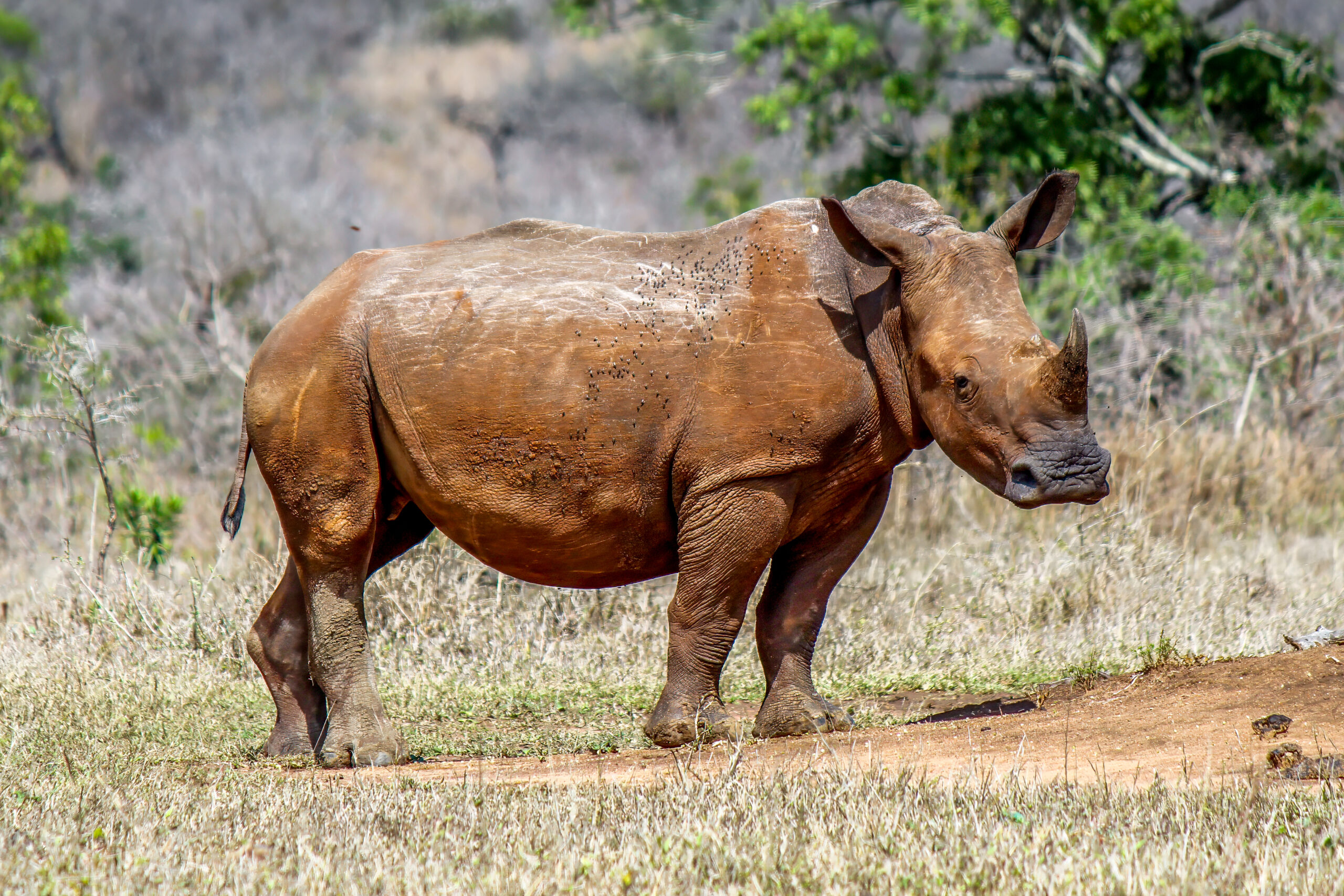
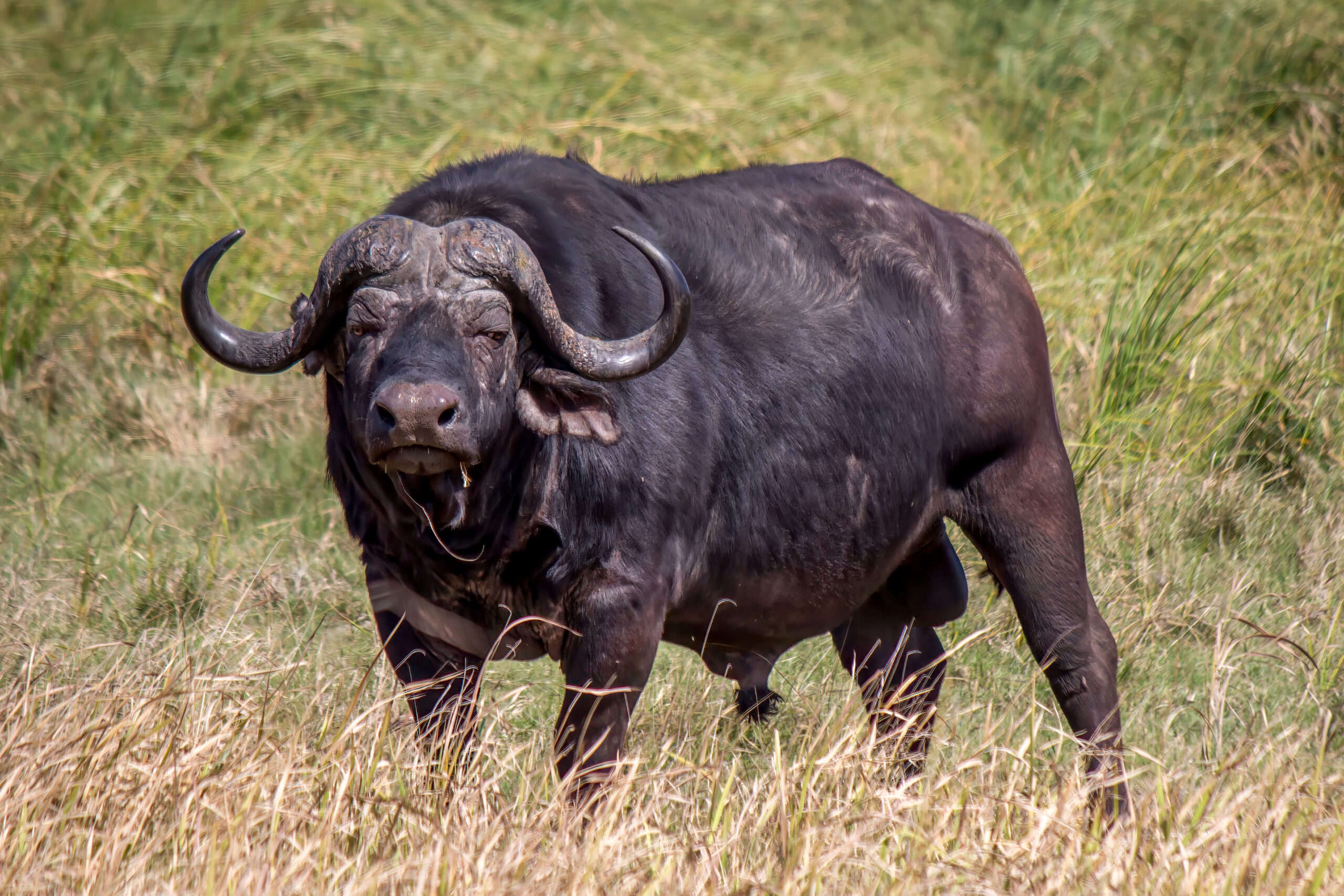
The herbivores fell into two groups. African buffalo (Syncerus caffer) and impala (Aepyceros melampus) are ruminants, relying on microbes to break down plant fibre in the rumen. African bush elephants (Loxodonta africana), common warthogs (Phacochoerus africanus), black rhinoceroses (Diceros bicornis) and white rhinoceroses (Ceratotherium simum) are hindgut fermenters: much of their microbial breakdown of plant fibre takes place in the hindgut.
This second group had the greatest bacterial diversity, followed by ruminants and then carnivores. The researchers link the difference to the variety of resources that plant material provides for bacteria, whereas the rumen creates a more specialised environment.
Both herbivore groups had high proportions of fibre-degrading bacterial families such as Rikenellaceae and Oscillospiraceae. Families including Fusobacteriaceae and Clostridiaceae were more prominent in carnivores.
Two rhinos, different bacterial communities
The broad grouping accounted for the largest differences, but species within each group were not alike. Black and white rhinoceroses process plant food in a similar way, yet eat different plants. Their bacterial communities differed in ways the researchers associate with the black rhinoceros’s diet of leaves and woody plants and the white rhinoceros’s grass diet.
Spotted hyenas also differed from lions and wild dogs. The bacterial group Clostridia UCG-014 was particularly characteristic of hyenas. The researchers link this to their consumption of carrion, bone and fatty parts of prey. Predictions also suggested differences in what the bacteria could metabolise, although this was not measured directly.
The study therefore reveals both a broad division between animals with different feeding habits and finer differences among species with similar digestive systems. The researchers suggest that understanding these bacterial communities can provide a starting point for investigating how changes in food availability and habitat affect wildlife.
Disease, parasites & microbiology
Related news
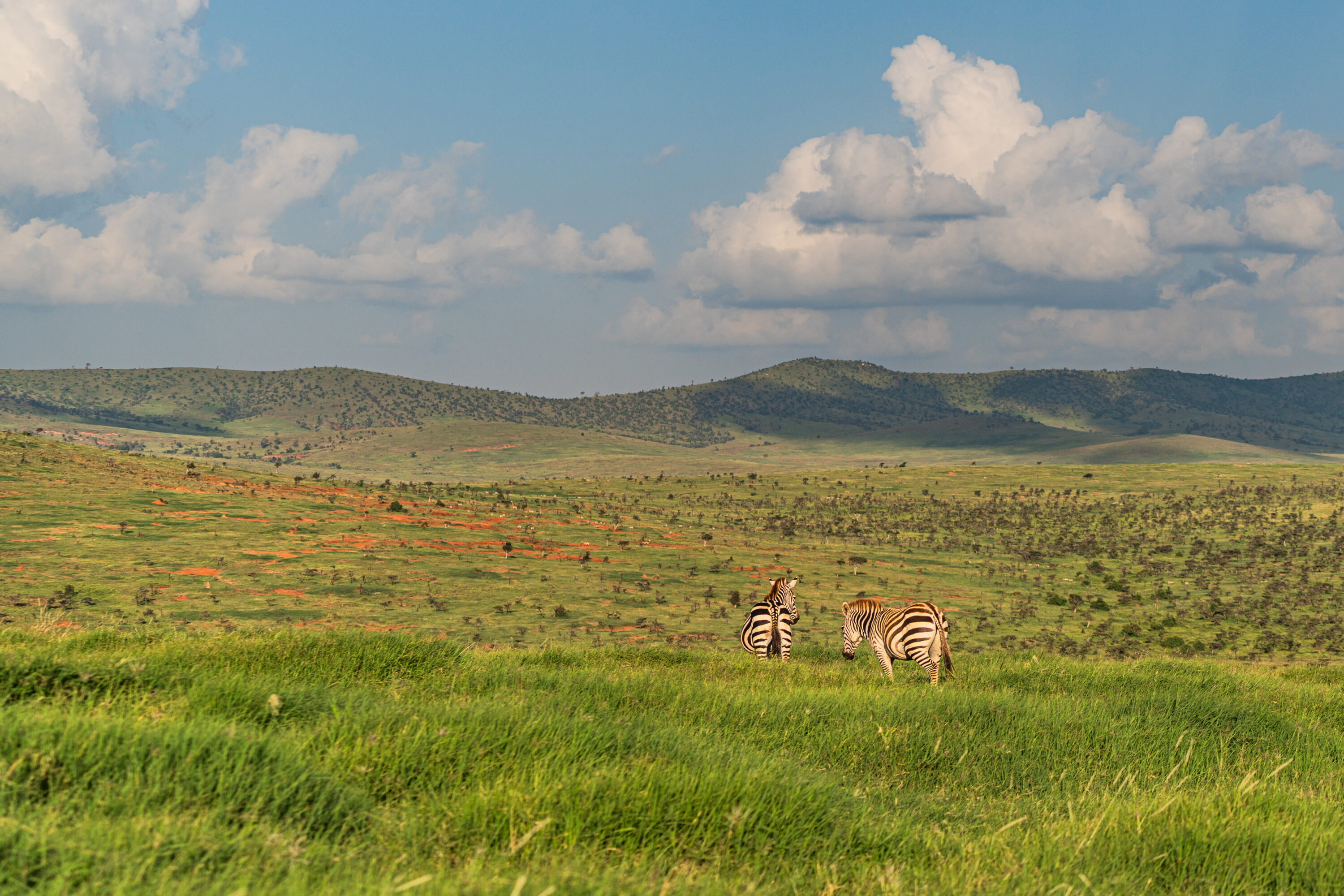
First Reported Giardia Detections in Four Wild Herbivore Species in Kenya
Molecular screening of wildlife and livestock in Laikipia produced the first reported Giardia detections in African buffalo, plains…
Read story →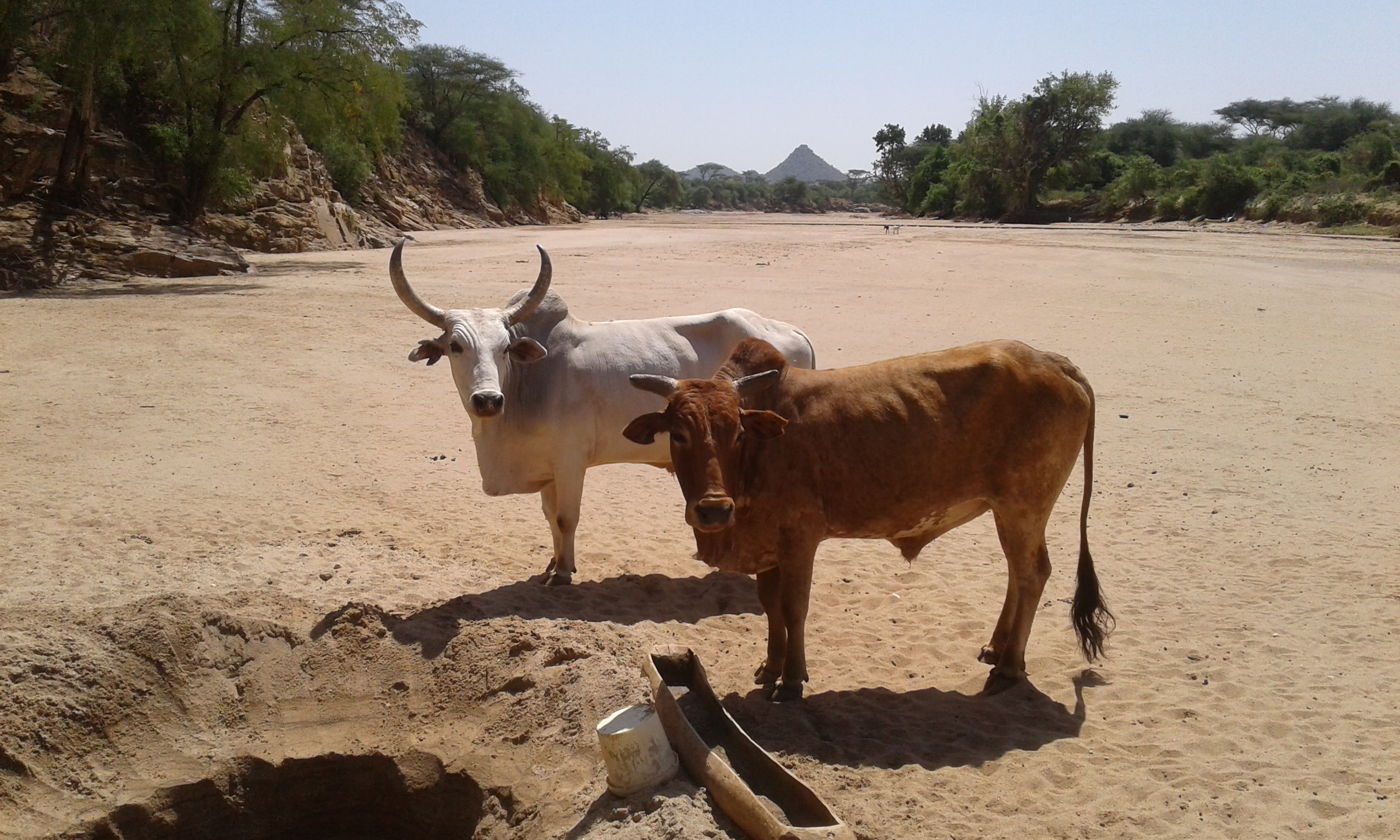
Livestock Losses Varied Strongly Among Households and Carnivores in Ethiopia’s Omo Valley
In a survey of 147 households near Omo National Park, 36.1% reported losing livestock to carnivores during the…
Read story →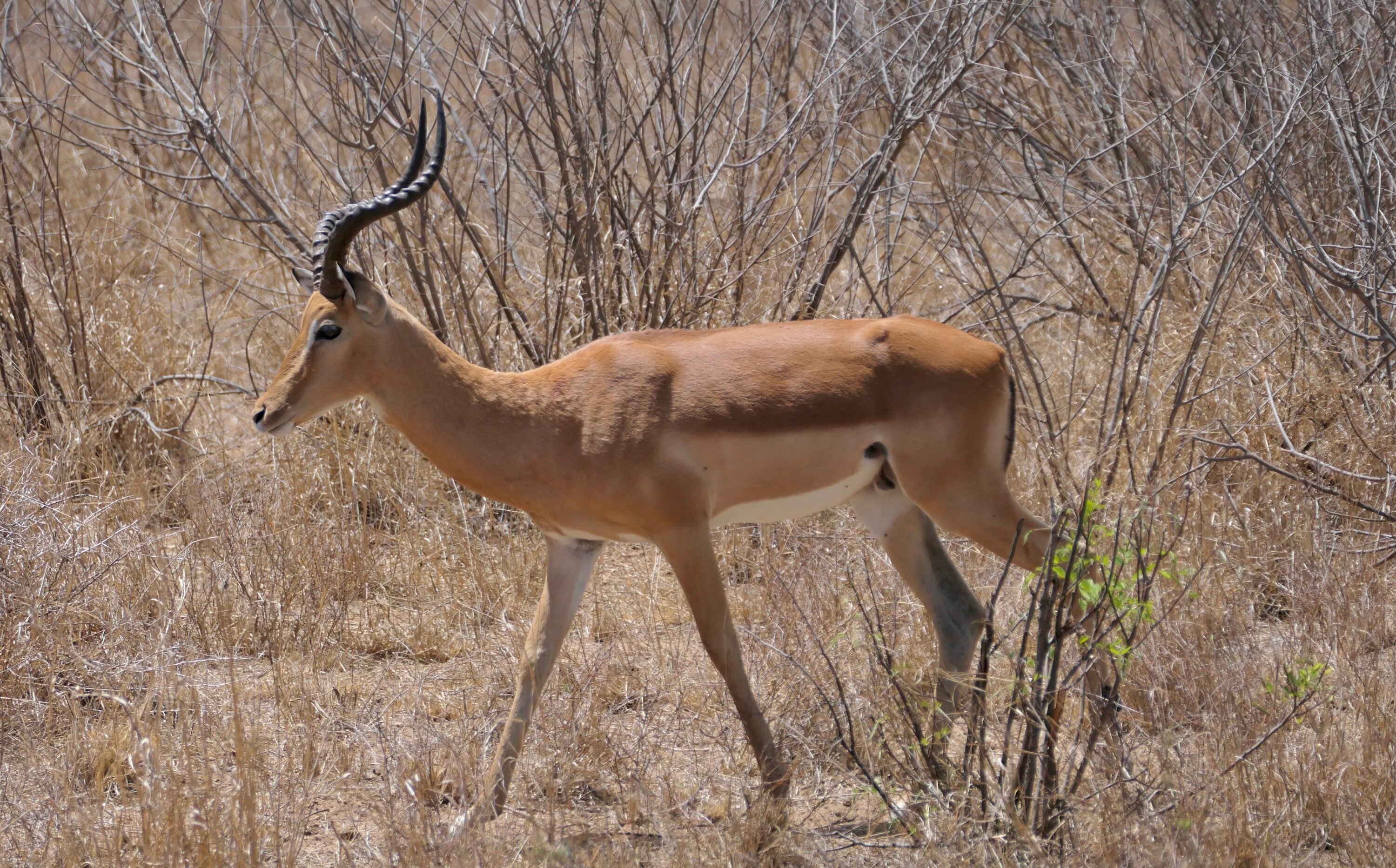
Faecal egg counts missed many nematode infections in African ungulates
In Kruger National Park, egg counts in faeces often detected fewer infections than counts of adult worms recovered…
Read story →SPECIES IN THIS STORY
Species in this story
 Lion
Panthera leo Explore species →
Lion
Panthera leo Explore species →
 Spotted Hyena
Crocuta crocuta Explore species →
Spotted Hyena
Crocuta crocuta Explore species →
 African Wild Dog
Lycaon pictus Explore species →
African Wild Dog
Lycaon pictus Explore species →
 Common Warthog
Phacochoerus africanus Explore species →
Common Warthog
Phacochoerus africanus Explore species →
 African Bush Elephant
Loxodonta africana Explore species →
African Bush Elephant
Loxodonta africana Explore species →
 Black Rhinoceros
Diceros bicornis Explore species →
Black Rhinoceros
Diceros bicornis Explore species →
 White Rhinoceros
Ceratotherium simum Explore species →
White Rhinoceros
Ceratotherium simum Explore species →
 African Buffalo
Syncerus caffer Explore species →
African Buffalo
Syncerus caffer Explore species →
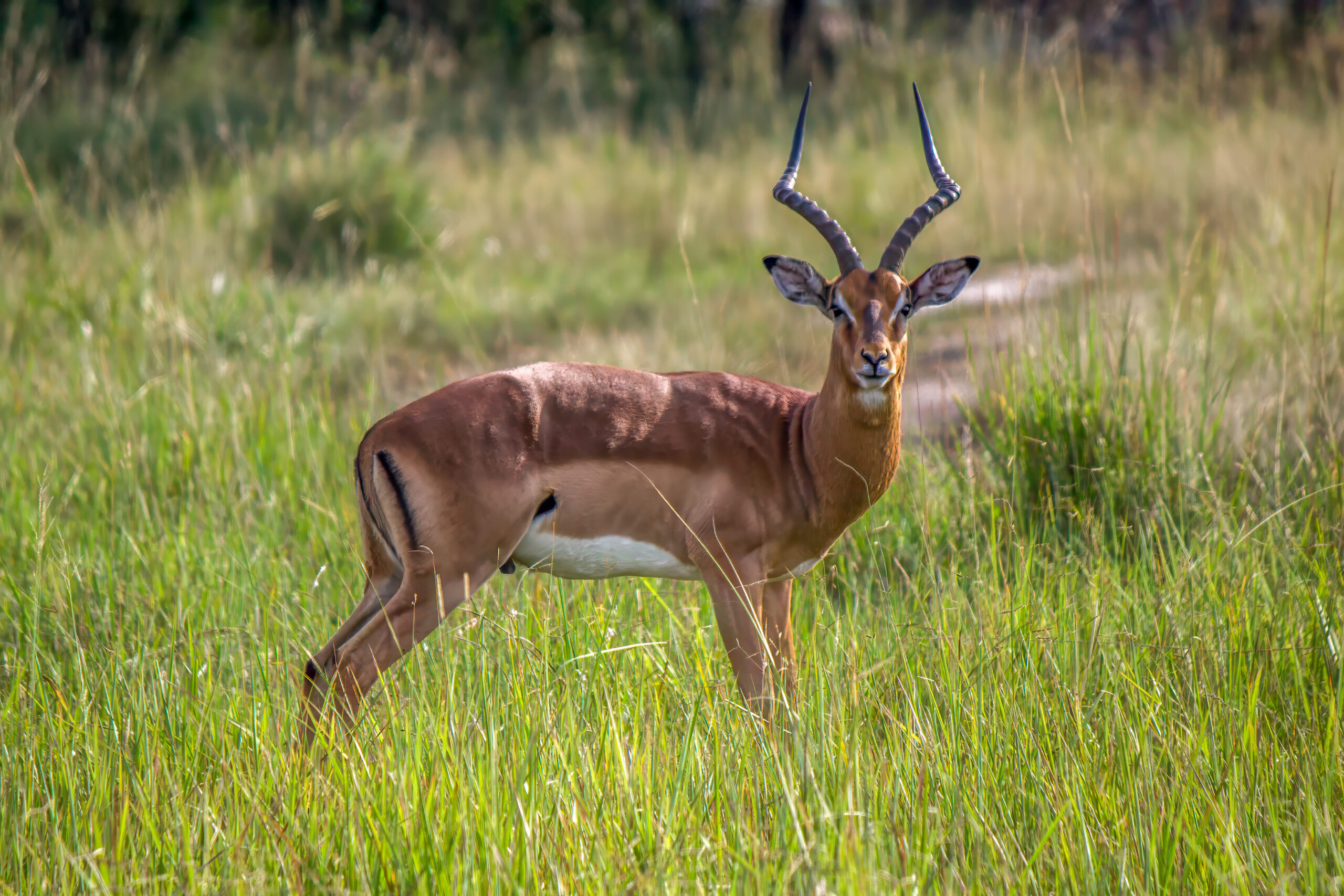 Impala
Aepyceros melampus Explore species →
Impala
Aepyceros melampus Explore species →
Independent research and conservation news archive
Did you find this information useful?
Wildlife Vagabond is independently built and maintained. Voluntary support helps cover source verification, hosting and continued work on research and conservation news.
Support Wildlife VagabondThe news archive will remain freely available.