
X-rays Found Embedded Shotgun Pellets in 17% of Northwestern European Waterfowl

A study of 3,843 waterfowl from nine species in six northwestern European countries found that 17% carried at least one embedded shotgun pellet. The birds were x-rayed in Denmark, Germany, the Netherlands, Lithuania, Norway and Sweden between 2017 and 2022.
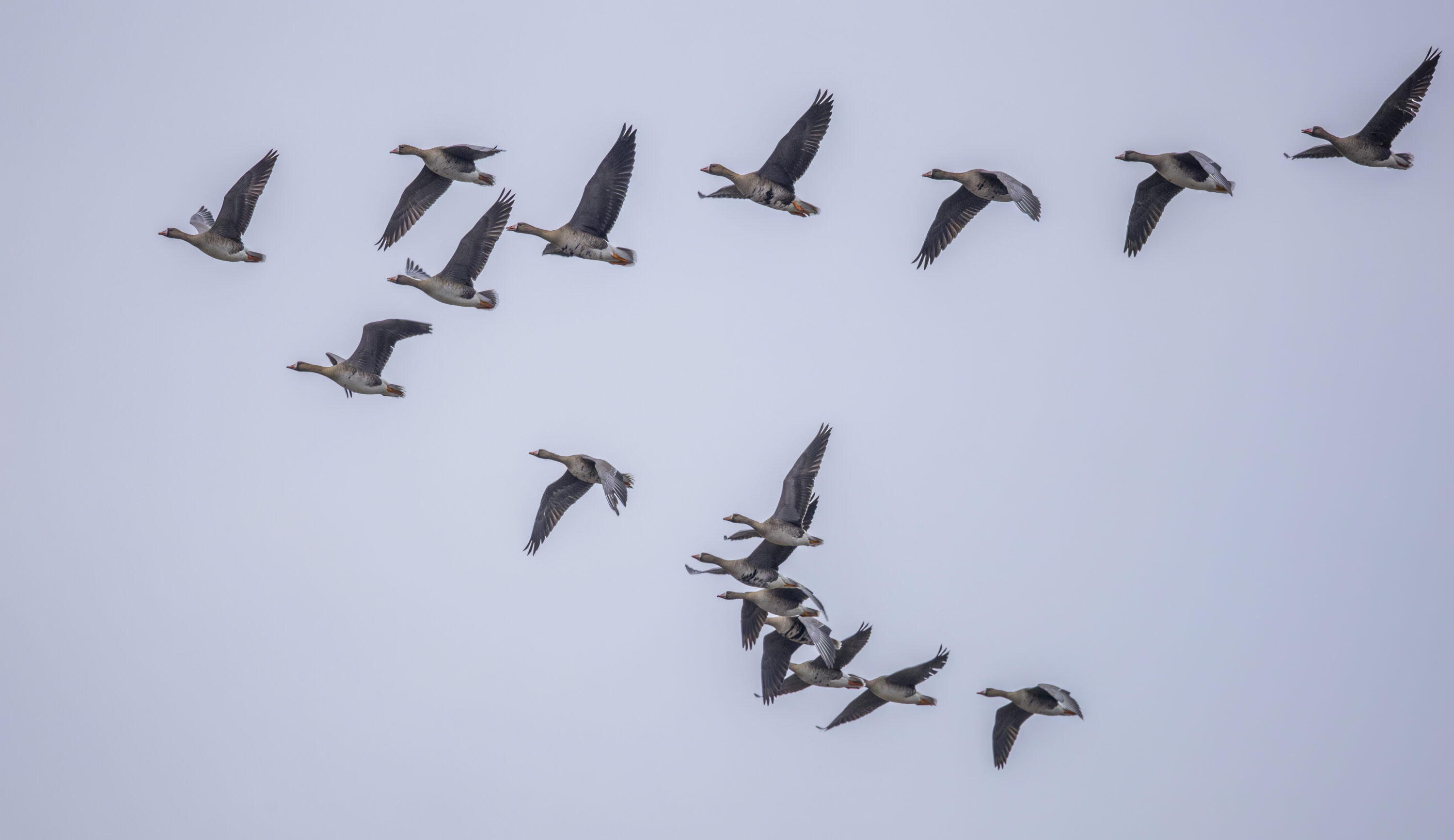
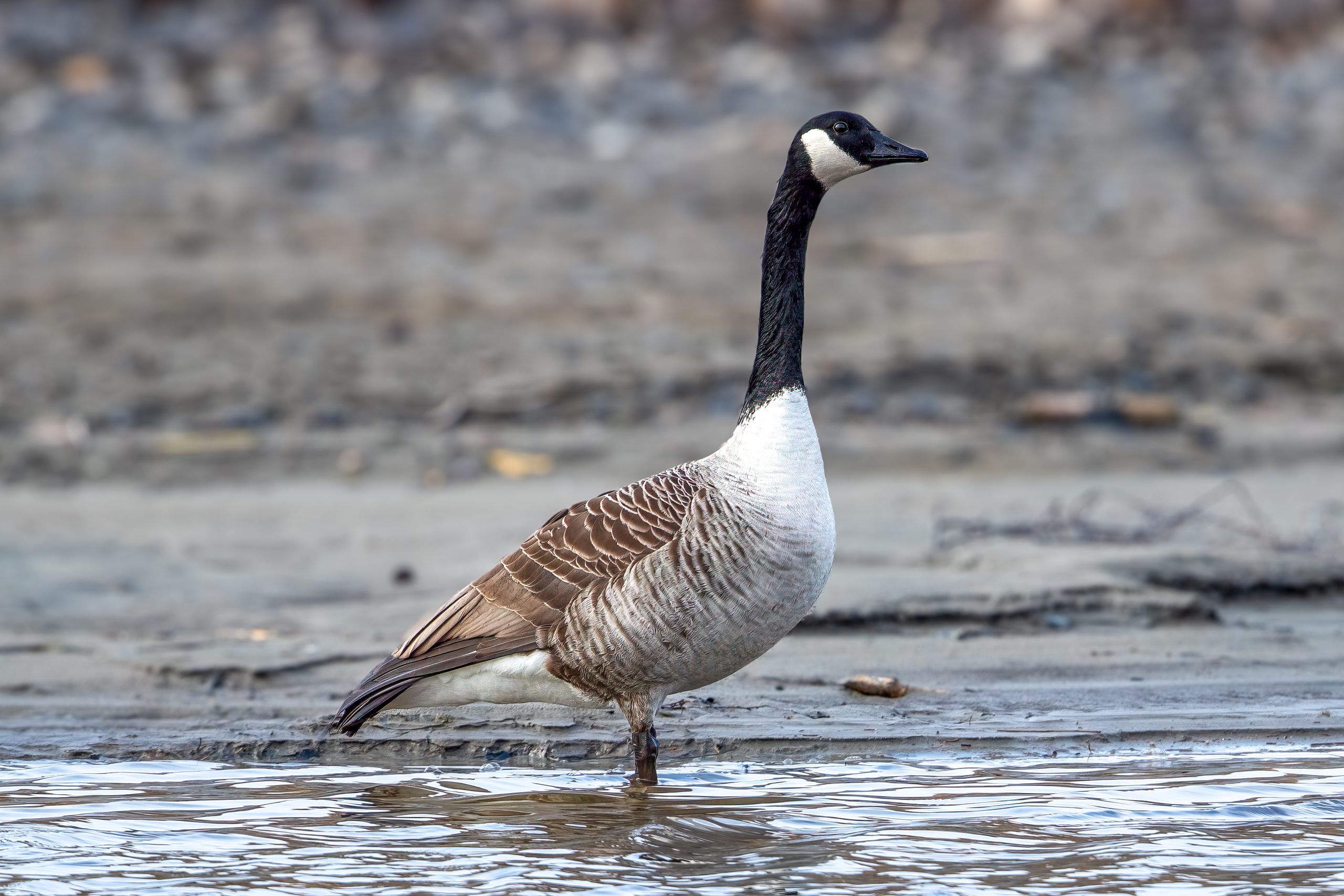
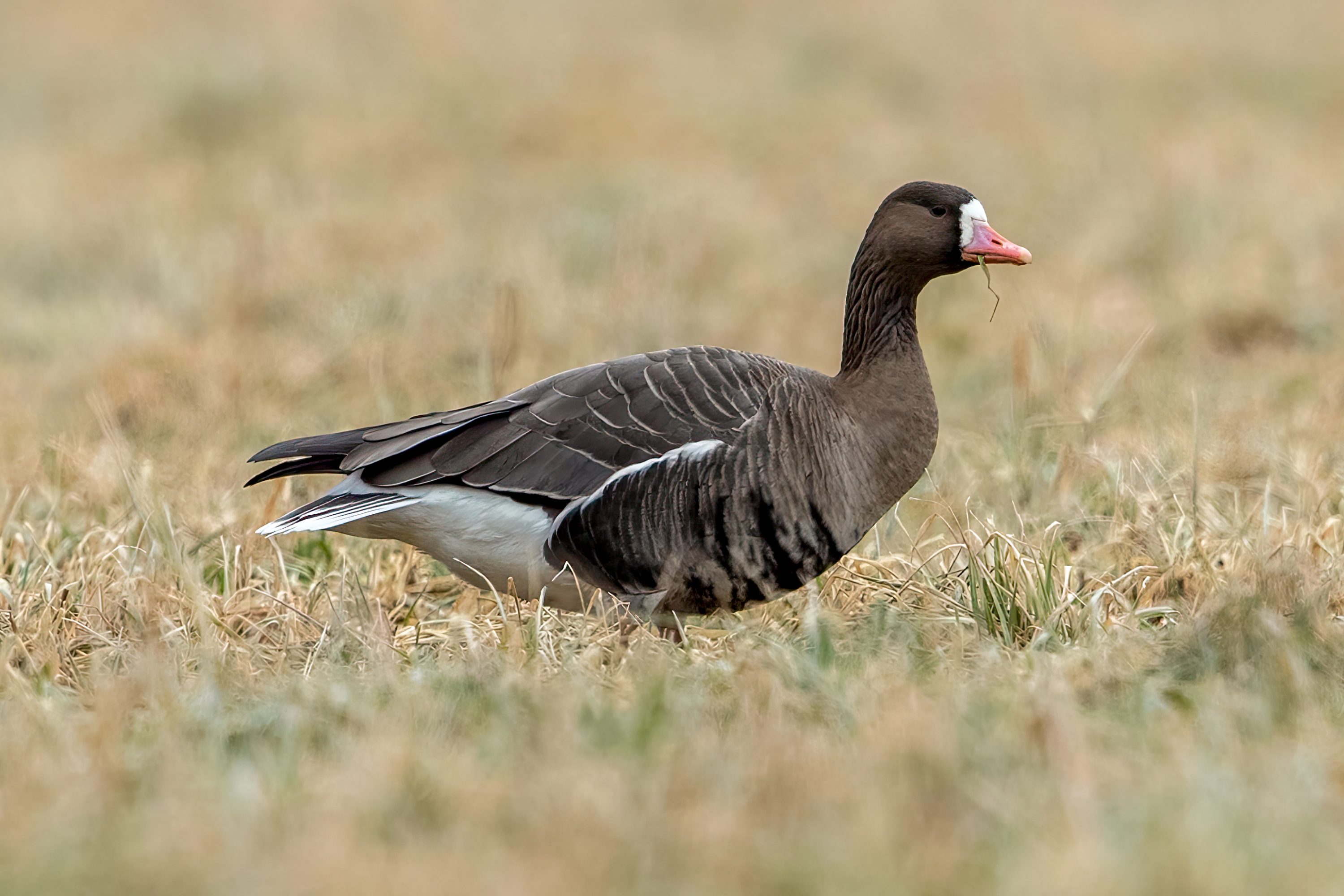
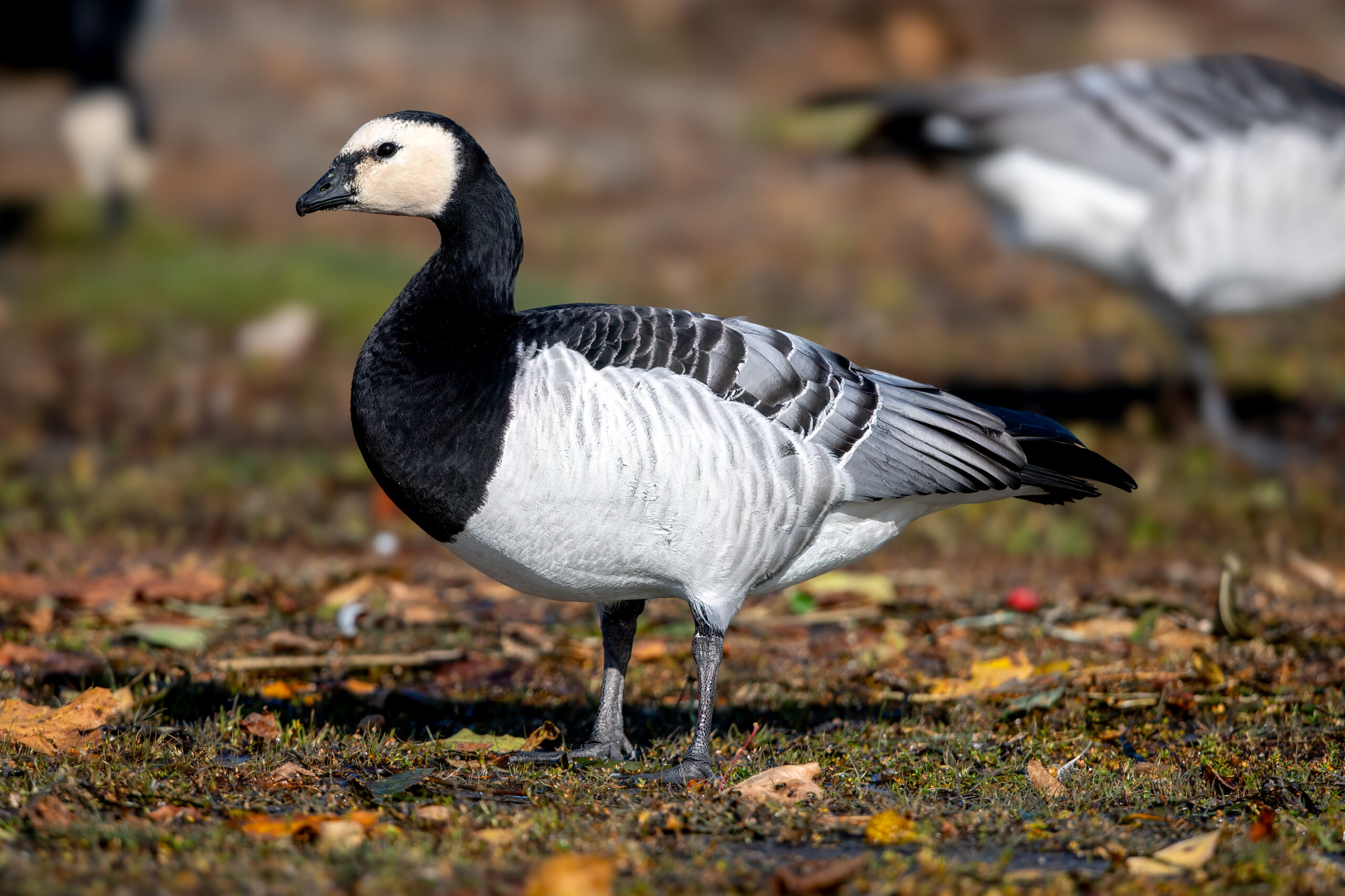
The study included Canada goose (Branta canadensis), greylag goose (Anser anser), greater white-fronted goose (Anser albifrons) and barnacle goose (Branta leucopsis), together with five other waterfowl species. The researchers defined the proportion of x-rayed birds with embedded pellets as the crippling rate: birds had been hit by shotgun pellets but survived the shooting event.
Adults carried pellets much more often
Across all nine species, 19% of adult birds carried embedded pellets, compared with 4% of first-year birds. The authors interpret this age difference mainly as the result of cumulative exposure: long-lived geese and swans can pass through several hunting seasons or control-shooting events during their lifetime.
The rates also differed strongly among species. Bewick’s swan (Cygnus columbianus bewickii) had the highest rate, with embedded pellets in 33% of examined birds, followed by greylag goose at 28%. At the other end of the comparison, Eurasian wigeon had a rate of 5% and dark-bellied brent goose 4%. Canada goose had a comparatively low rate for a large-bodied species; 14% of the 106 x-rayed Canada geese carried pellets. The authors suggest that the Canada goose result may largely reflect relatively low local exposure to shooting in the sample.
Pellet numbers also differed among species
Among birds that had been hit, most carried a single embedded pellet, although one greylag goose carried 28. Crippled greylag geese and Canada geese carried more pellets on average than barnacle geese, while greater white-fronted geese carried fewer.
Barnacle goose results also showed geographic and population differences. Among adults sampled during winter, 15% in the Netherlands carried embedded pellets compared with 9% in Germany. In the Netherlands, 21% of adults from the mainly sedentary summer population were affected, compared with 15% of adults sampled in winter, when the population consisted largely of migrants.
The authors describe non-lethal shooting injuries as both an animal-welfare and conservation concern. They recommend management developed together with hunters and other stakeholders, with particular attention to ammunition, shooting distance and hunting practices that influence the likelihood of wounding rather than killing a bird.
The study was published in the European Journal of Wildlife Research on 26 February 2026. A correction published on 26 March replaced incorrect Tables 8 and 9; the online article has been corrected.
Threats
Related news
97% of Observed Goose Aggression in Northeast Poland Was Within Species
Field observations of four goose species in Poland recorded 662 aggressive episodes; 97% were within species, while seasonal…
Read story →
Genome Assemblies Released for 73 Anseriformes Species
A 2026 data paper released whole-genome assemblies for 73 species of ducks, geese, swans and other Anseriformes. Each…
Read story →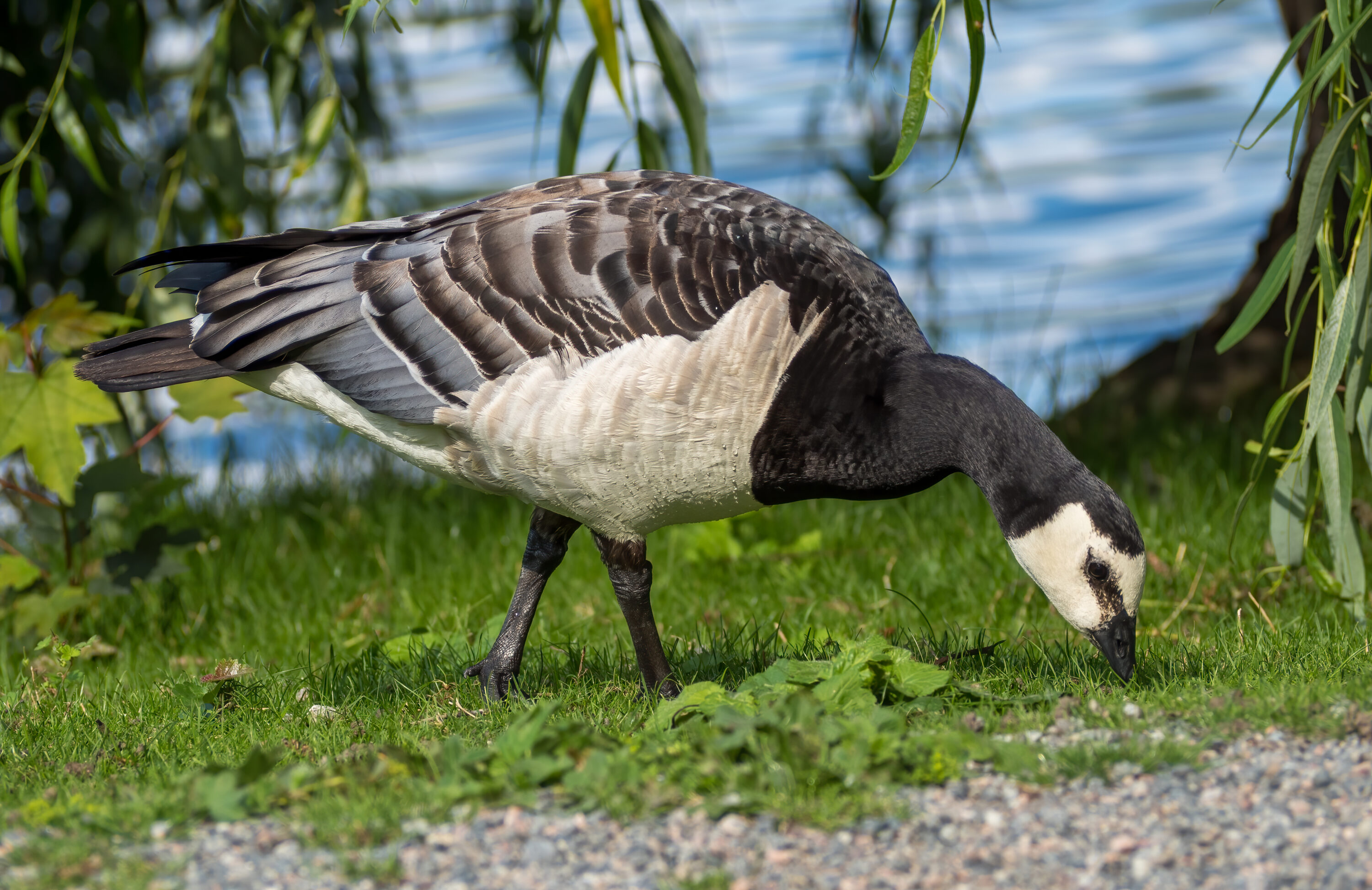
Barnacle Goose Breeding Population Fell 98% on Gotland and Öland – Eagle Predation a Likely Factor
Breeding pairs of Barnacle Geese on Gotland and Öland fell from about 5,290 in 2002 to roughly 100…
Read story →SPECIES IN THIS STORY
Species in this story

Independent research and conservation news archive
Did you find this information useful?
Wildlife Vagabond is independently built and maintained. Voluntary support helps cover source verification, hosting and continued work on research and conservation news.
Support Wildlife VagabondThe news archive will remain freely available.