
Fieldfare Declined 56 Percent in Norway’s Farmland Bird Index
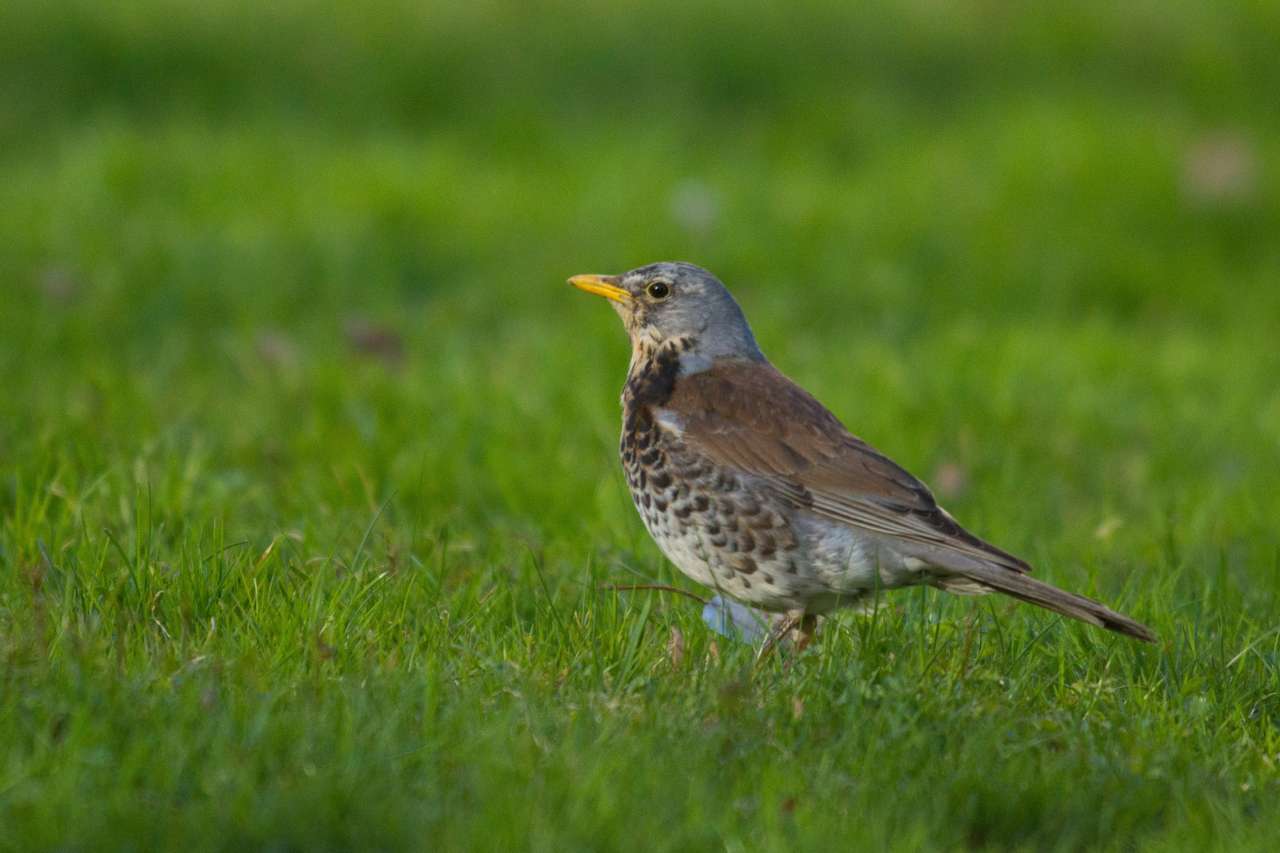
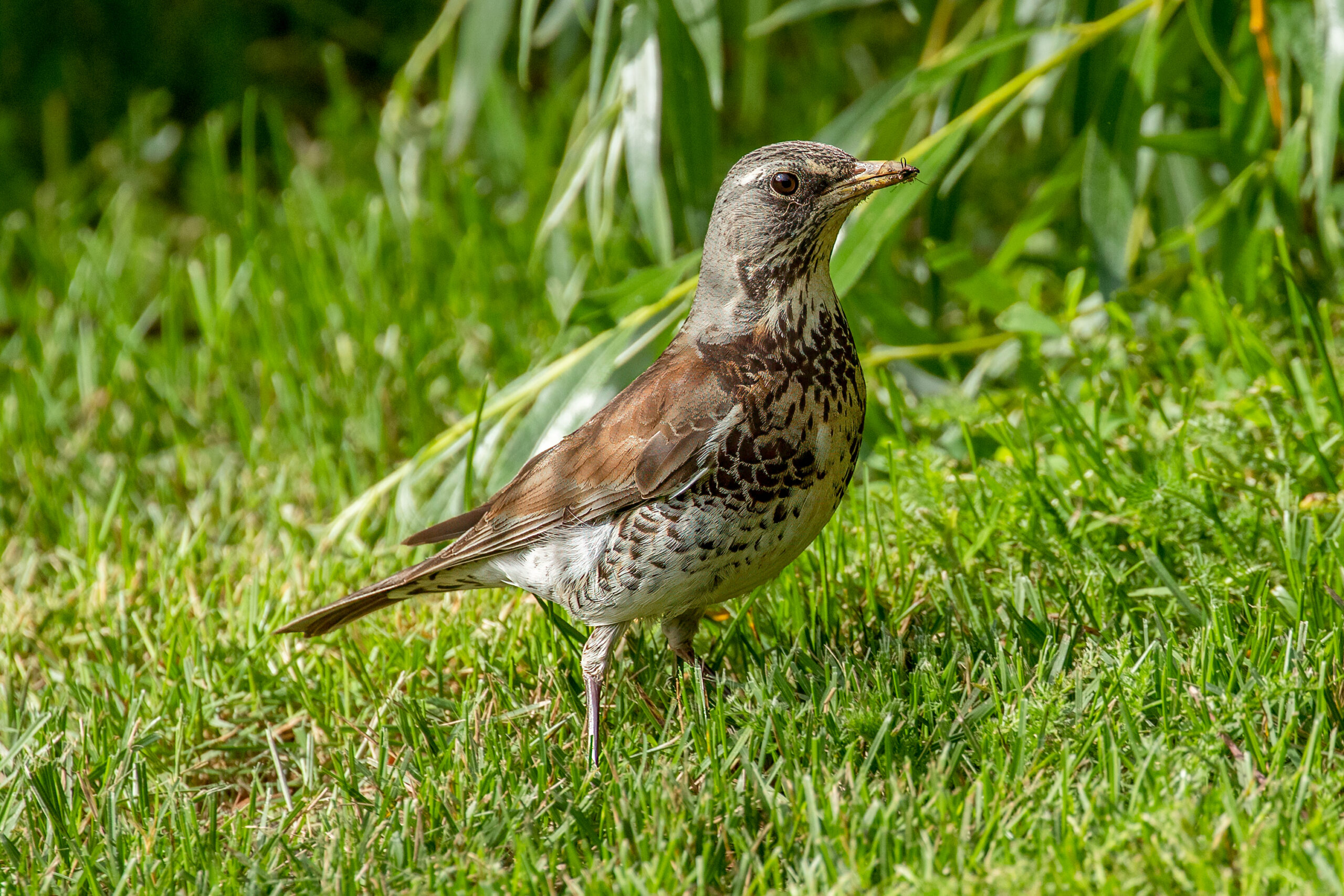
Norway’s long-running monitoring of farmland birds has recorded a 56-percent decline in the fieldfare (Turdus pilaris) index between 2000 and 2023. The result was presented by the Norwegian Institute of Bioeconomy Research (NIBIO) on 21 January 2026 as part of an updated assessment of birds in the country’s agricultural landscape.
The fieldfare result applies specifically to birds recorded in monitored farmland landscapes; it is not an estimate that 56 percent of every fieldfare in Norway has disappeared. Even with that qualification, the species showed one of the strongest negative trends among the common birds included in the programme.
Twenty-five years of standardised monitoring
NIBIO’s 3Q programme has monitored breeding birds since 2000. Observers survey 130 permanent plots distributed across Norway. Each plot covers one square kilometre, contains nine fixed counting points and is revisited every three years. Using these repeated observations, researchers produced population indices for 22 species common enough in agricultural landscapes to support trend calculations.
The combined index was set to 100 in the baseline year 2000. By 2023 it had fallen to approximately 75, representing an overall decline of about 25 percent. Fieldfare showed a substantially steeper decrease of 56 percent.
Common swift, yellowhammer and whinchat each declined by around 50 percent. Not every species followed the downward pattern: Eurasian tree sparrow, house sparrow and common starling increased moderately by about 15 percent, while European goldfinch recorded the strongest increase, at 54 percent since 2000.
No single cause fits every species
The 22 monitored species differ in diet, nesting requirements and migration strategy. NIBIO therefore cautions that the overall decline cannot be assigned to one universal cause. Some remain in Norway throughout the year, whereas others spend the winter farther south in Europe or Africa. The data alone cannot determine how much of each decline originates on Norwegian breeding grounds, along migration routes or in wintering areas.
NIBIO identifies historical and continuing changes in land use as the main general explanation. Both agricultural intensification and abandonment can make landscapes more uniform. Larger and more specialised production systems may remove small habitat features, while abandoned land can become overgrown. Field margins, small woodland patches, pastures, wetlands and other varied elements provide nesting places, shelter and food.
Species nesting directly on farmland face additional risks from production activities. More frequent mowing during a longer growing season and increased drainage are among the pressures highlighted in the assessment. Climate change may also contribute, but the monitoring results do not separate the effect of each possible driver for fieldfare or the other species.
NIBIO therefore recommends maintaining a varied agricultural landscape with field margins, small habitat patches, wetlands, pastures and hay meadows, while adapting management where possible to birds’ life cycles. The 3Q series does not show that every farmland species is declining, but the composite index and the 56% decrease in fieldfare show that the negative pattern has persisted for more than two decades.
Population & status
Related news
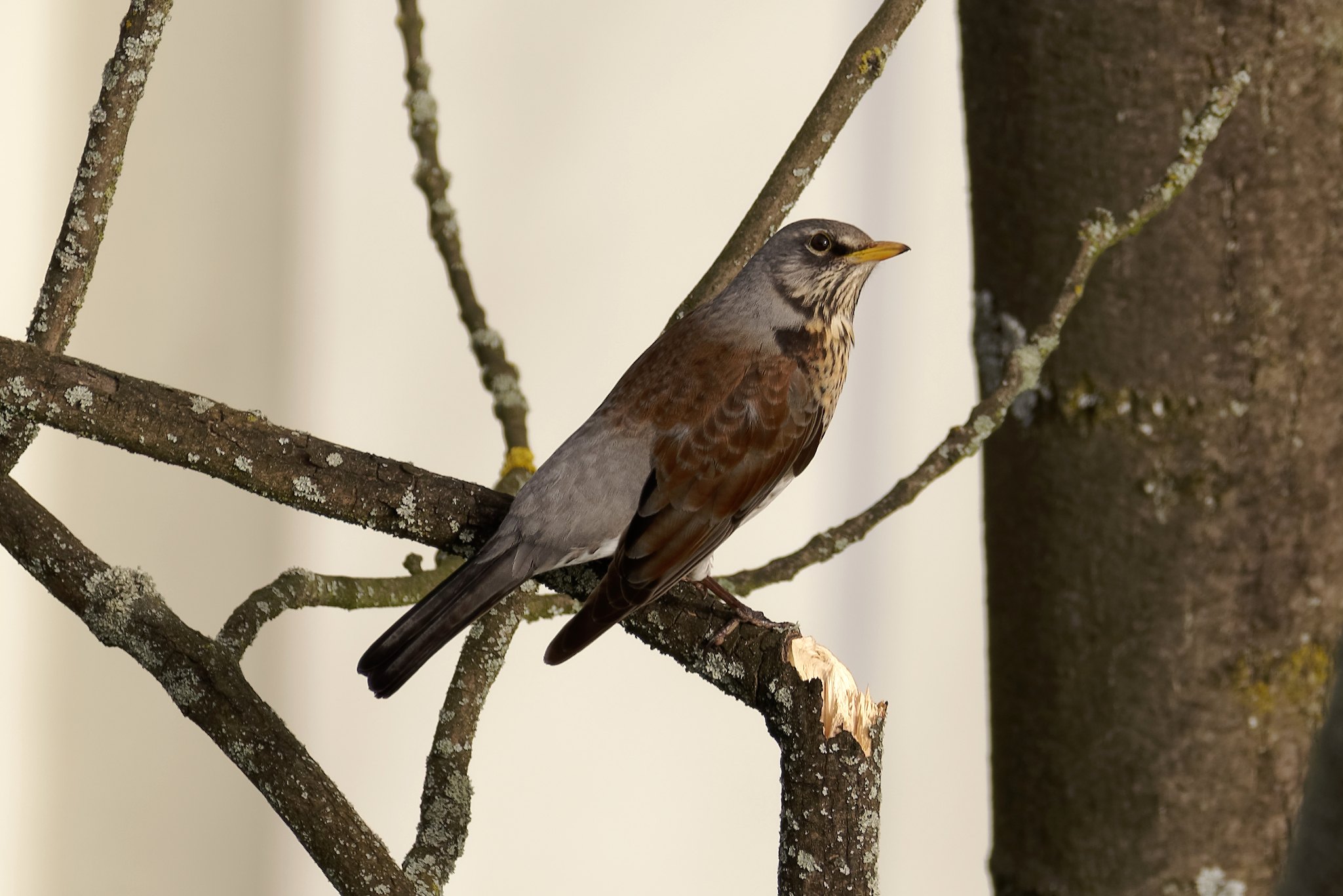
Fieldfare and Song Thrush Confirmed as New Intermediate Hosts of Sarcocystis turdusi
Across 72 dead thrushes from Lithuania and Russia’s Kaliningrad region, DNA confirmed fieldfare and song thrush as new…
Read story →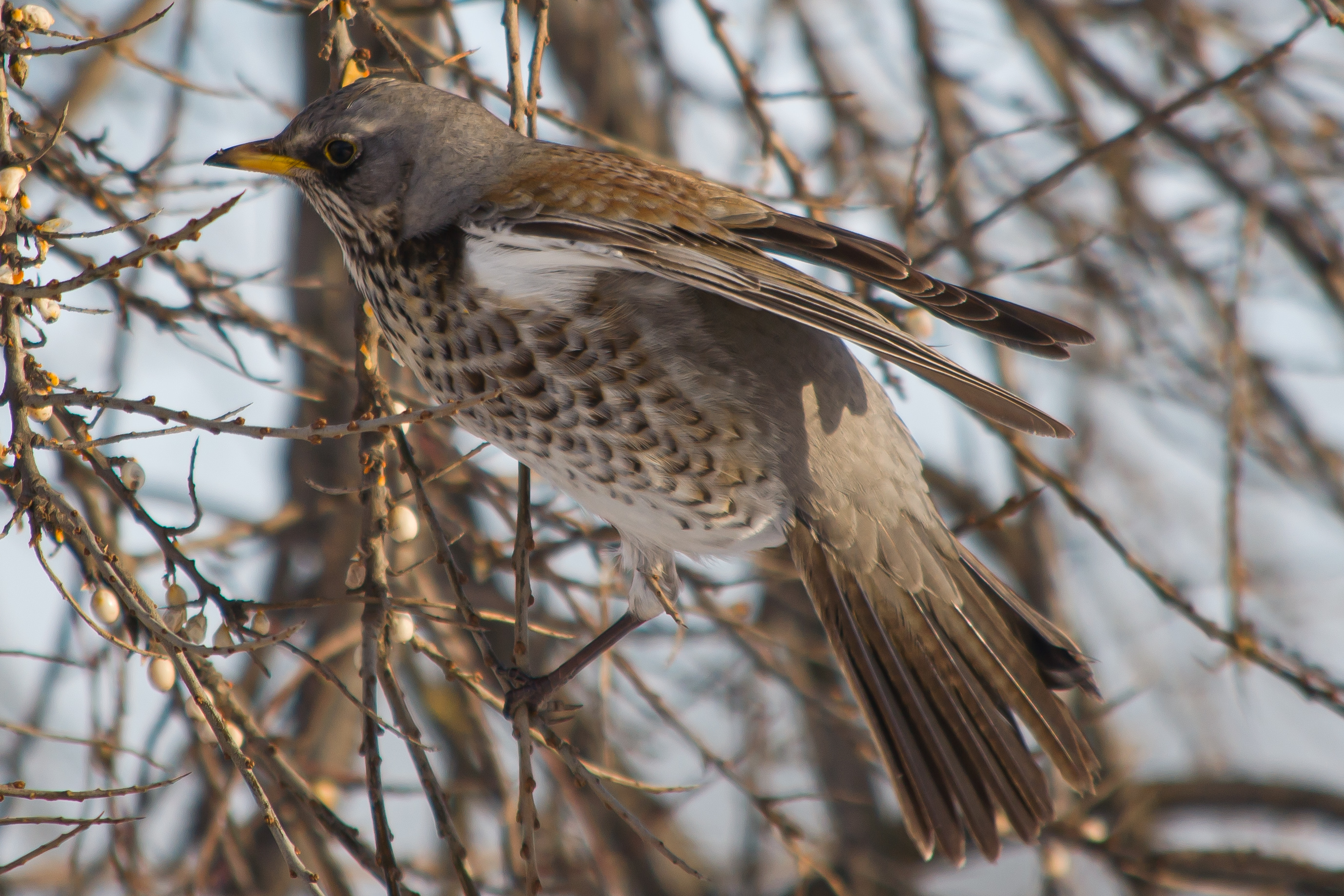
H1N1 From a Ukrainian Fieldfare Combined Gene Segments From Several Eurasian Bird Viruses
A low-pathogenic H1N1 avian influenza virus from an apparently healthy fieldfare in Zaporizhzhia Oblast had all eight genome…
Read story →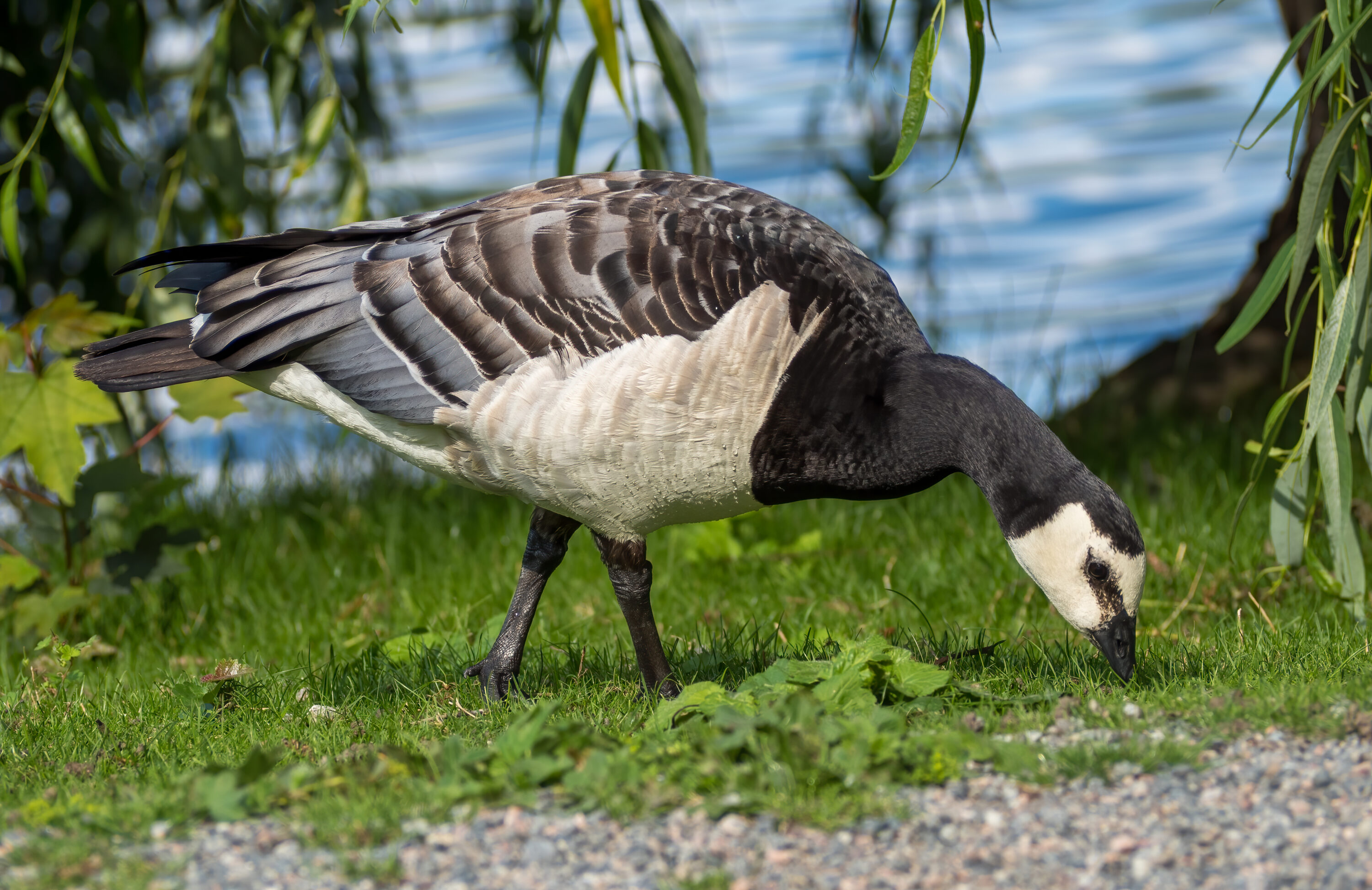
Barnacle Goose Breeding Population Fell 98% on Gotland and Öland – Eagle Predation a Likely Factor
Breeding pairs of Barnacle Geese on Gotland and Öland fell from about 5,290 in 2002 to roughly 100…
Read story →SPECIES IN THIS STORY
Species in this story
Independent research and conservation news archive
Did you find this information useful?
Wildlife Vagabond is independently built and maintained. Voluntary support helps cover source verification, hosting and continued work on research and conservation news.
Support Wildlife VagabondThe news archive will remain freely available.