
New Ganga Project Aims to Protect Sandbar Nesting Sites for Indian Skimmers and Six Other River Birds

On 13 January 2026, the Bombay Natural History Society (BNHS) and India’s National Mission for Clean Ganga (NMCG) launched a conservation project for the endangered Indian skimmer (Rynchops albicollis) and other river birds that breed on exposed sandbars. The project, part of the Namami Gange programme, will combine breeding surveys, community-based nest protection and coordination with river-management authorities across several parts of the Ganga Basin.
This is a conservation intervention rather than evidence that breeding success has already improved. The project is intended to establish stronger monitoring, protect vulnerable colonies and test whether a community-based approach developed along the Chambal can be applied more widely.
Seven sandbar-nesting species are central to the project
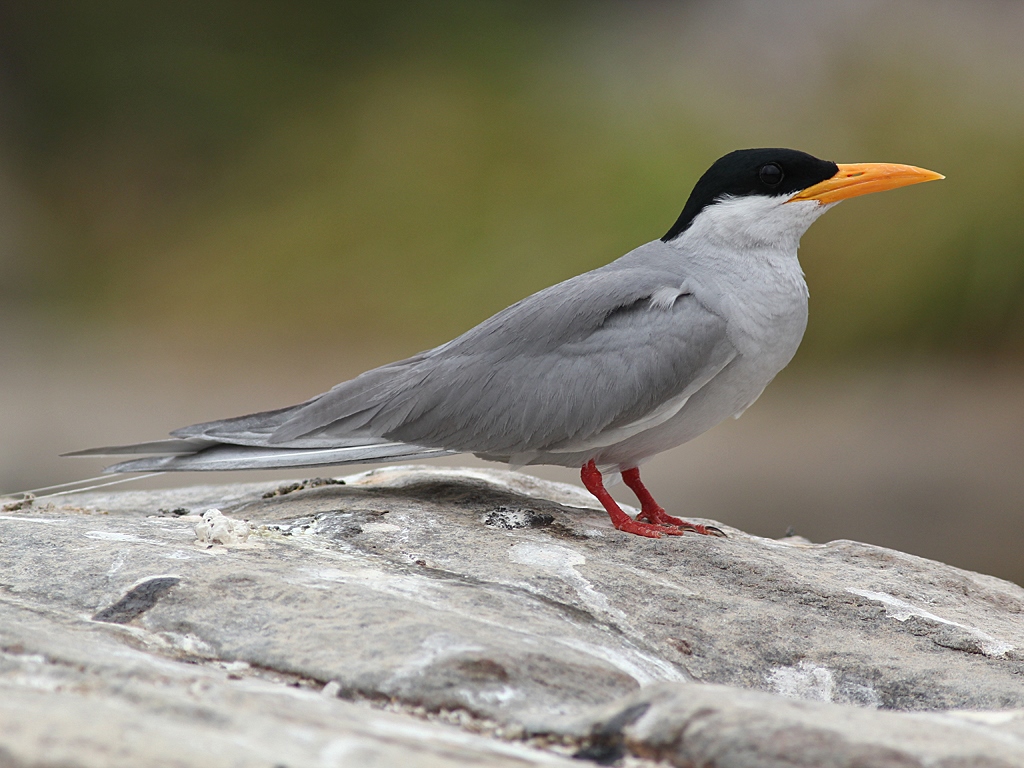
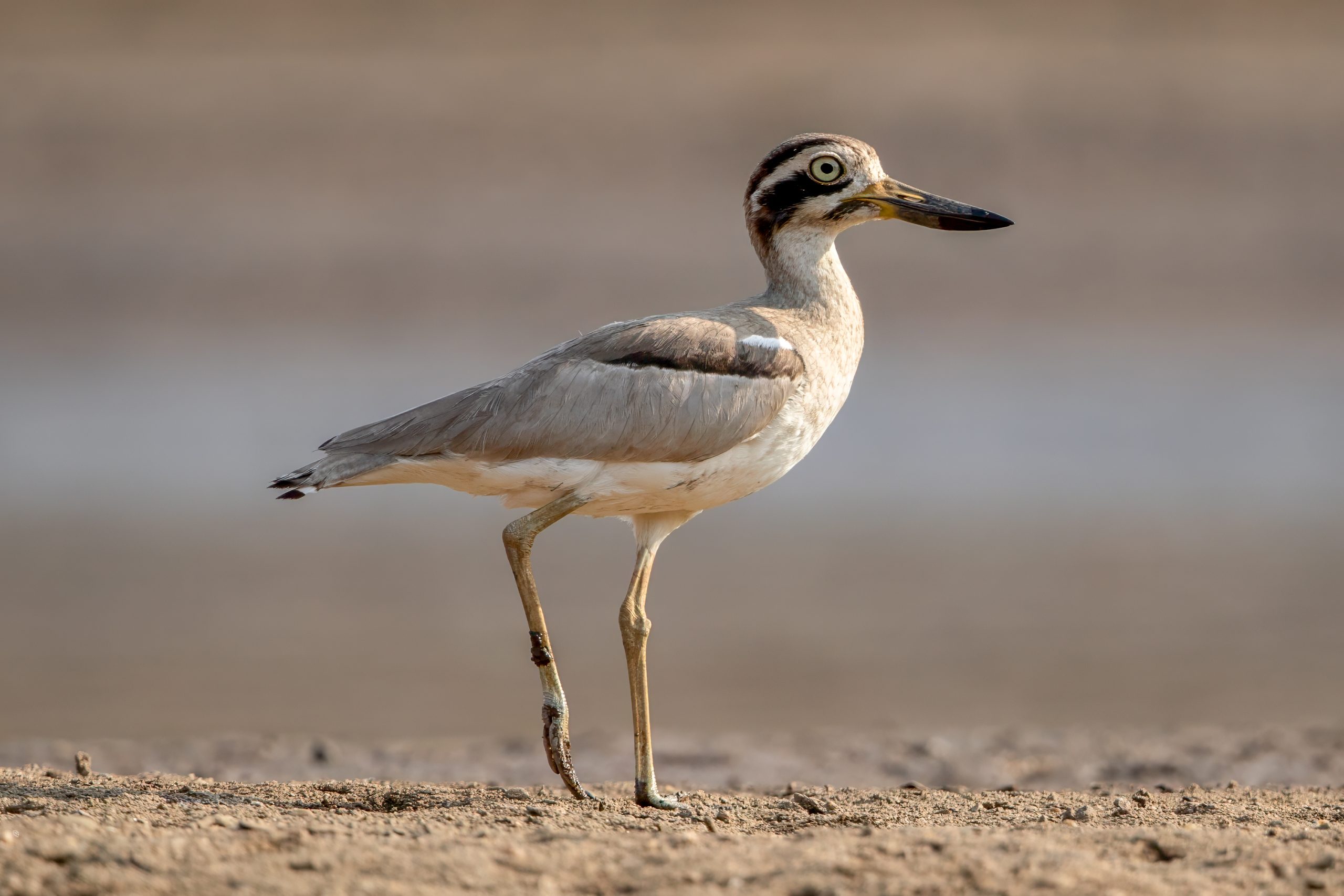
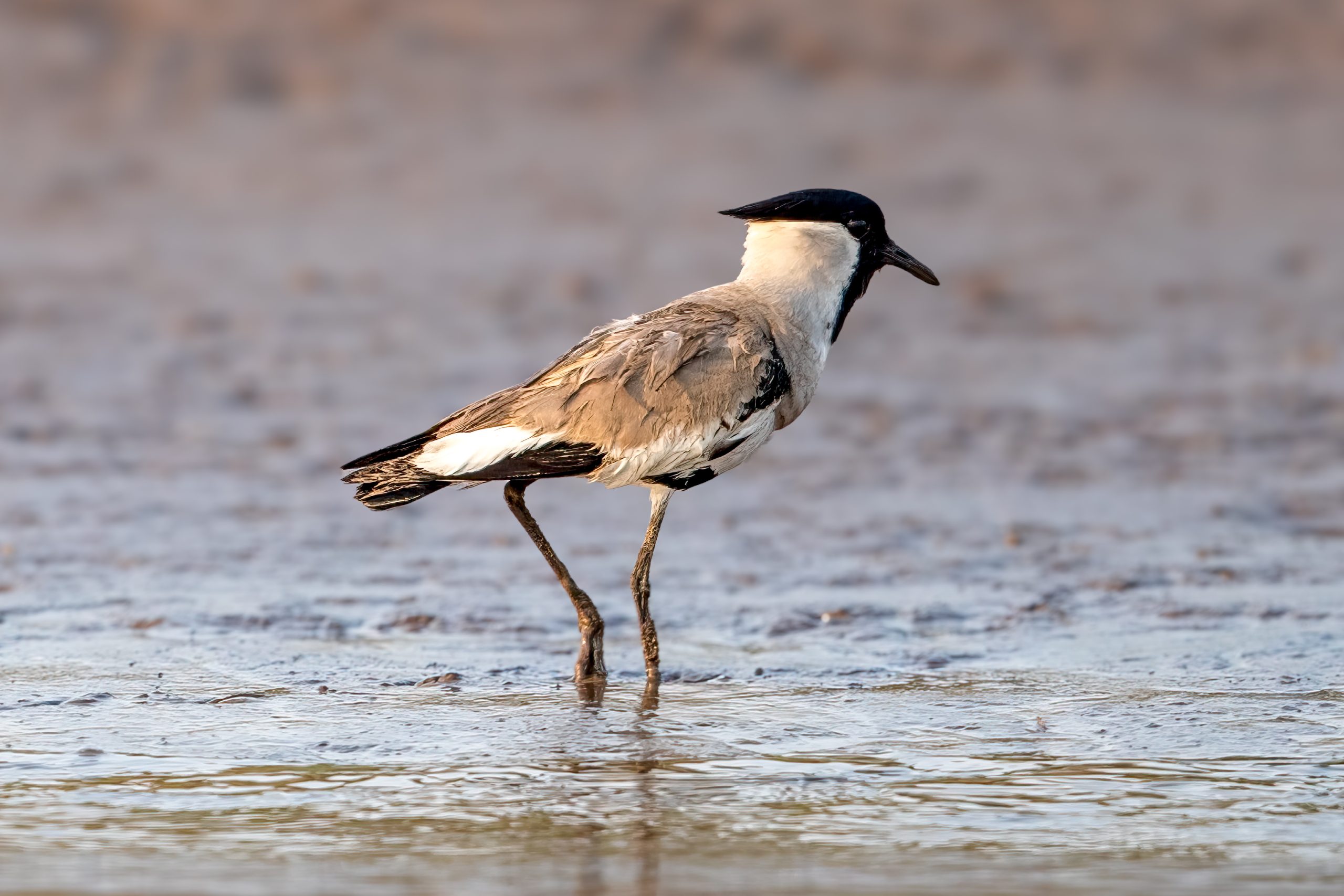
NMCG lists seven focal or associated birds: Indian skimmer, black-bellied tern (Sterna acuticauda), river tern (Sterna aurantia), river lapwing (Vanellus duvaucelii), little tern (Sternula albifrons), small pratincole (Glareola lactea) and great thick-knee (Esacus recurvirostris). Indian skimmer is the flagship species, and NMCG states that more than 90% of its global breeding population occurs in India.
All seven depend on exposed riverine sand or gravel for breeding. The official project description identifies human disturbance, sand mining, livestock movement, predation and sudden changes in water level as important pressures on nests and chicks.
The project spans several major river stretches
Priority areas include the Chambal River, the Upper Ganga around Bijnor and Narora, the Ganga–Yamuna confluence at Prayagraj and the lower Ganga around Vikramshila. BNHS is building on conservation work in the Chambal, where local people have already been involved in guarding nesting colonies and supporting monitoring.
The project will extend this approach to new river stretches while monitoring breeding populations and nest survival and developing site-specific conservation strategies.
Nest protection will be combined with scientific monitoring
NMCG’s objectives combine systematic surveys with direct protection of vulnerable sandbars. Trained local participants, described as Nest Guardians, will help monitor colonies and reduce disturbance, trampling and predation around nesting sites. Scientific monitoring will continue alongside this community work to produce baseline and annual data on breeding populations and nest survival.
Coordination with irrigation and water-resource authorities is another central part of the project. Sudden releases or changes in river level can inundate breeding sandbars, so the programme aims to improve communication around water management as well as address threats occurring directly at the colonies.
The project will produce baseline and annual data on breeding populations and nest survival alongside site-specific conservation plans. It combines protection of exposed sandbars, systematic bird monitoring, local participation and coordination over river flows. Although Indian skimmer is the flagship, the same measures are intended to protect six other river birds that depend on the same vulnerable breeding habitat.
Habitat protection
Related news
Ujjani Reservoir Survey Found 818 Nests of Six Ground-nesting Waterbirds
Surveys of Ujjani Reservoir in Maharashtra recorded 818 nests of six ground-nesting waterbird species. Little terns had the…
Read story →
A Record 116 Little Tern Pairs Attempted to Breed at Beacon Lagoons in 2026
At least 116 Little Tern pairs attempted to breed at Beacon Lagoons in 2026, a site record. By…
Read story →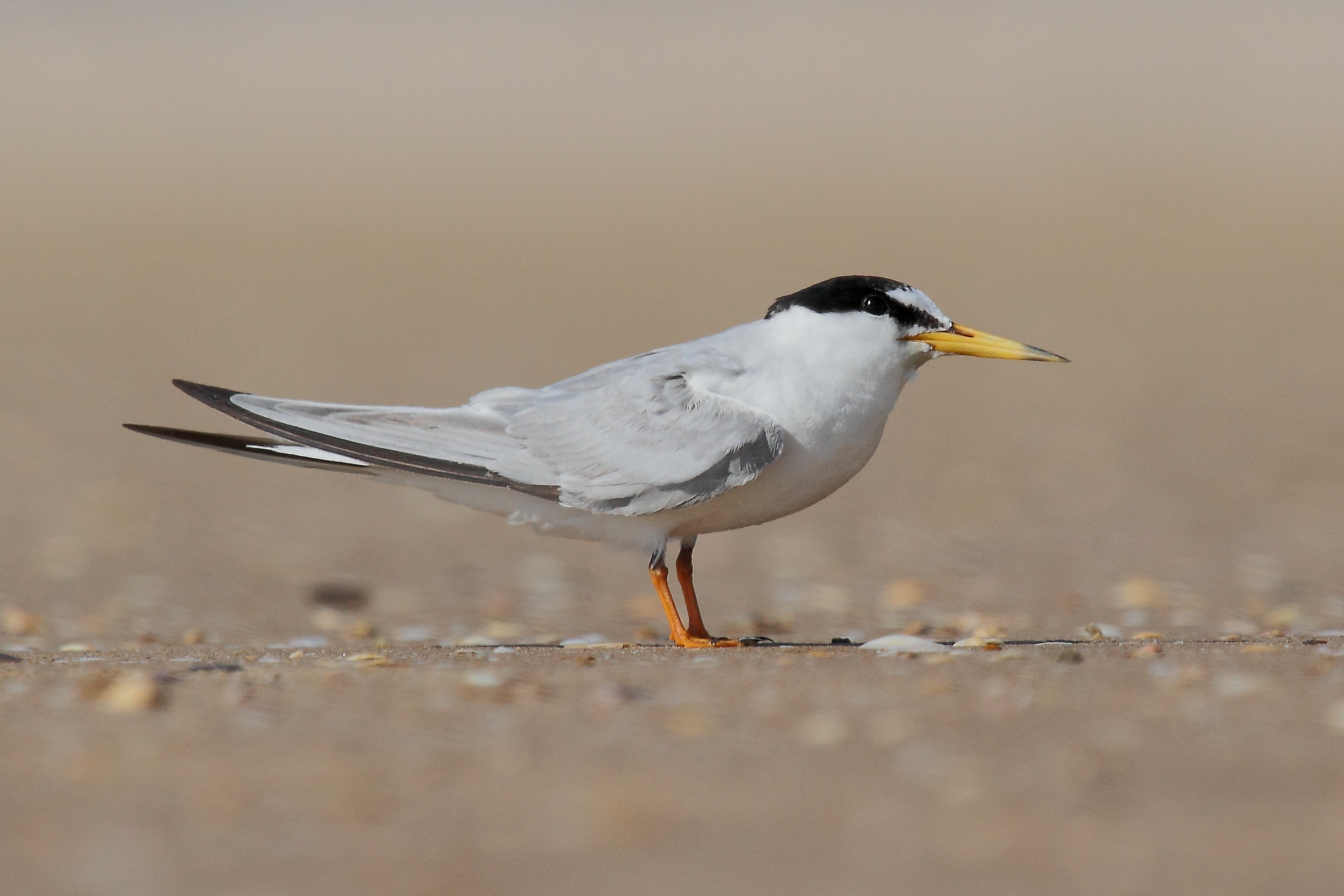
Little Tern-designated Natura 2000 Sites Overlapped Just 0.18% of the Tracked Core Area in Cádiz
GPS tracking of 29 breeding little terns found that Natura 2000 sites overall covered 75.9% of the population…
Read story →SPECIES IN THIS STORY
Species in this story
 Great Thick-knee
Esacus recurvirostris Explore species →
Great Thick-knee
Esacus recurvirostris Explore species →
 River Lapwing
Vanellus duvaucelii Explore species →
River Lapwing
Vanellus duvaucelii Explore species →
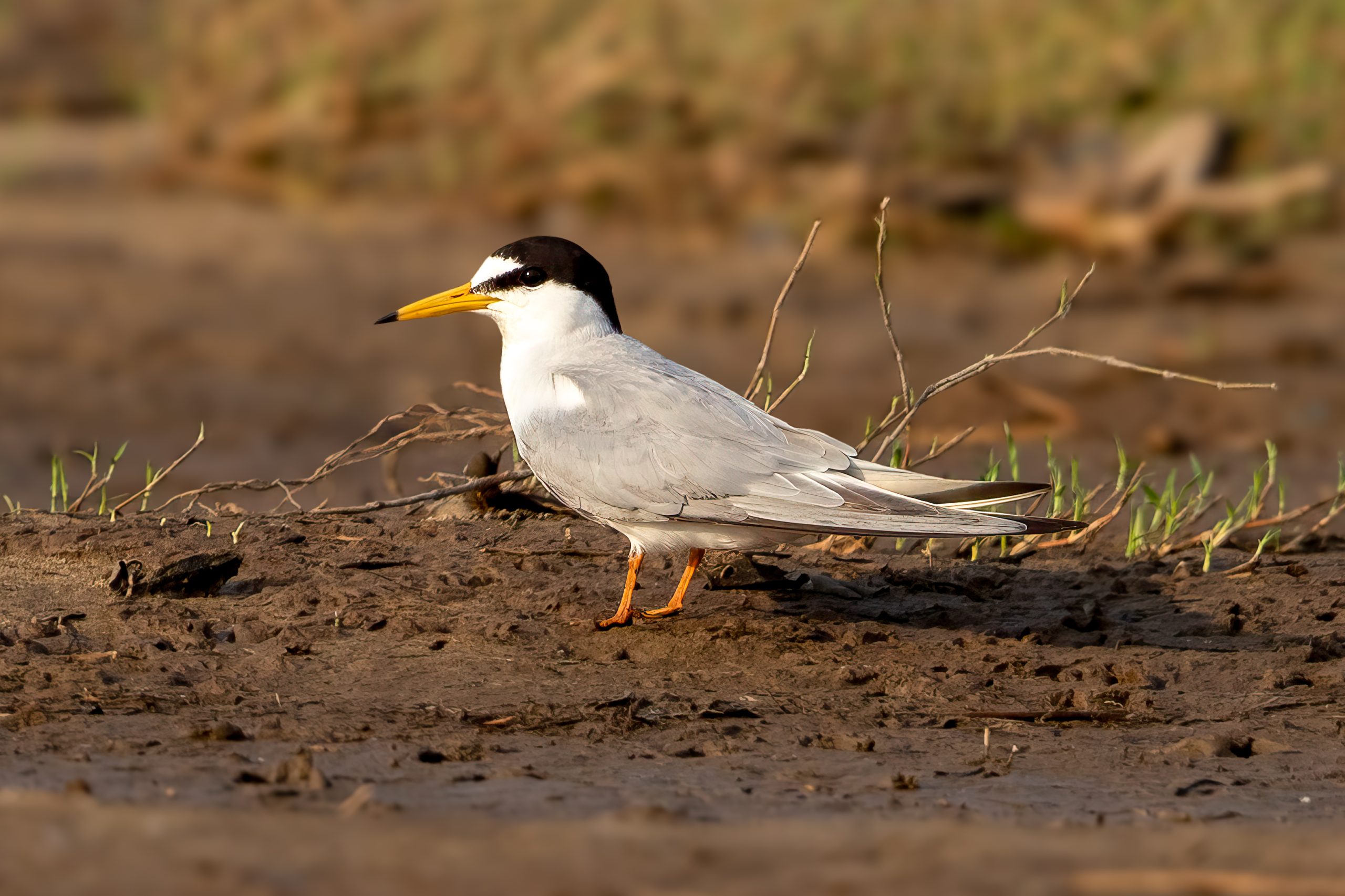 Little Tern
Sternula albifrons Explore species →
Little Tern
Sternula albifrons Explore species →
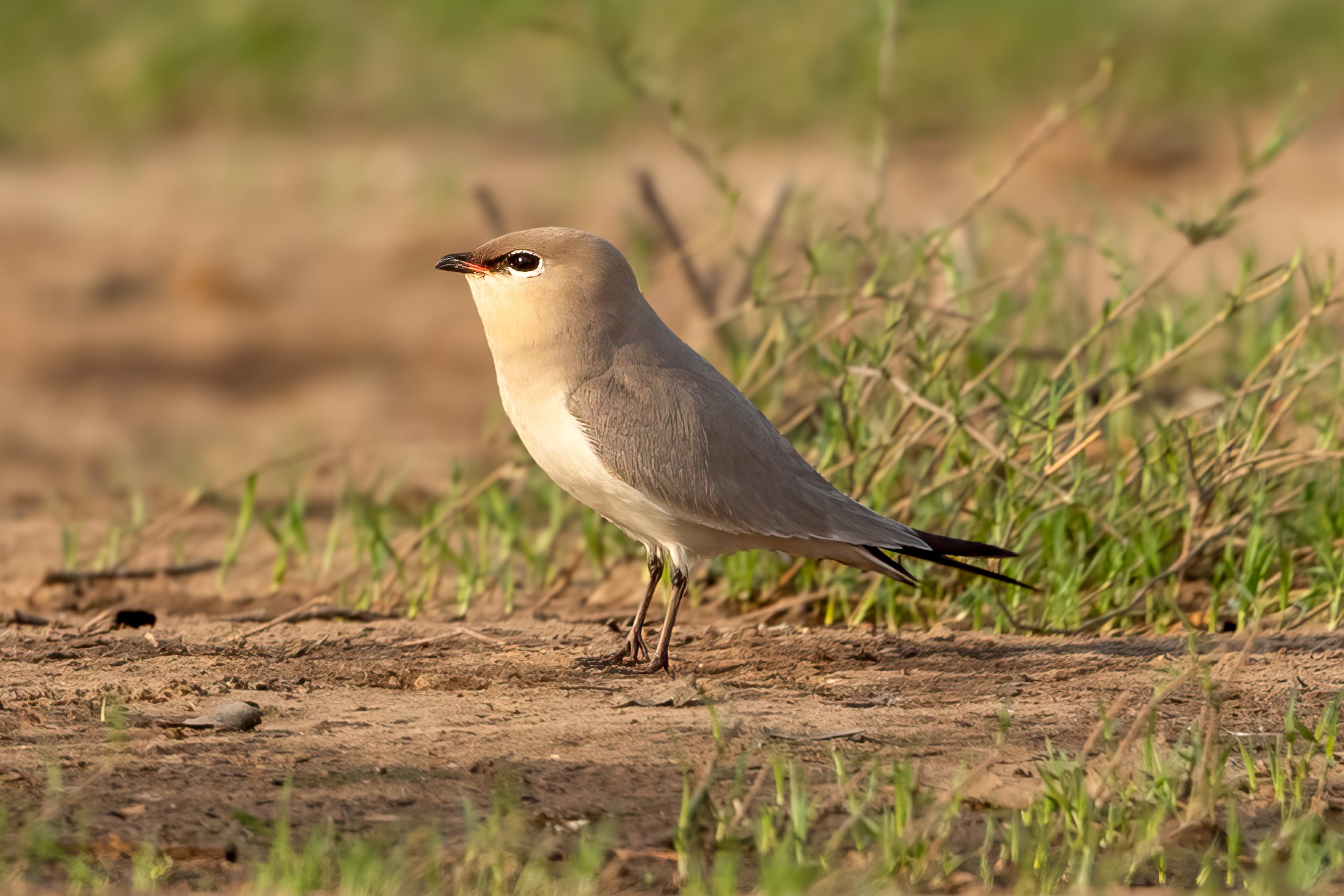 Small Pratincole
Glareola lactea Explore species →
Small Pratincole
Glareola lactea Explore species →
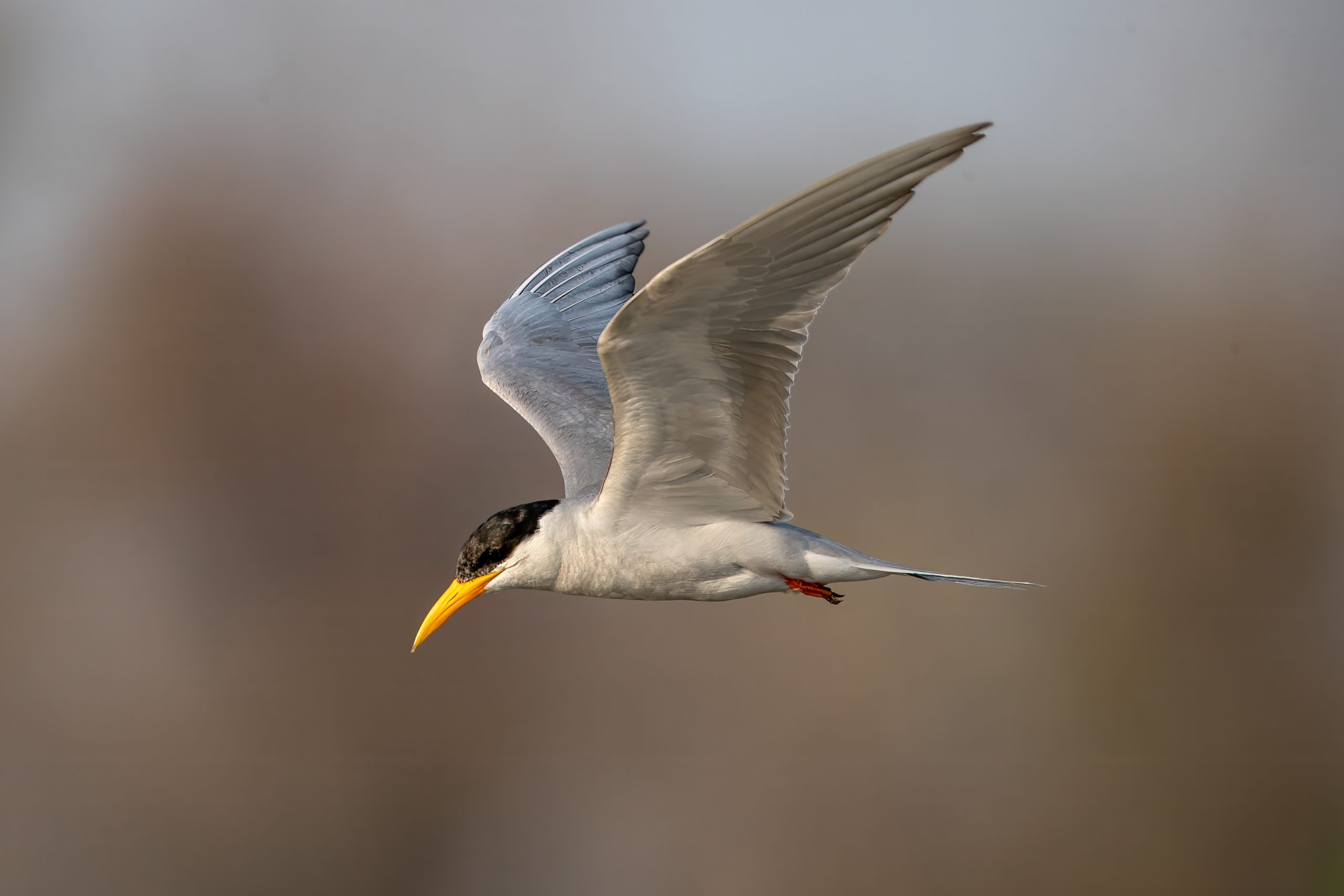 River Tern
Sterna aurantia Explore species →
River Tern
Sterna aurantia Explore species →
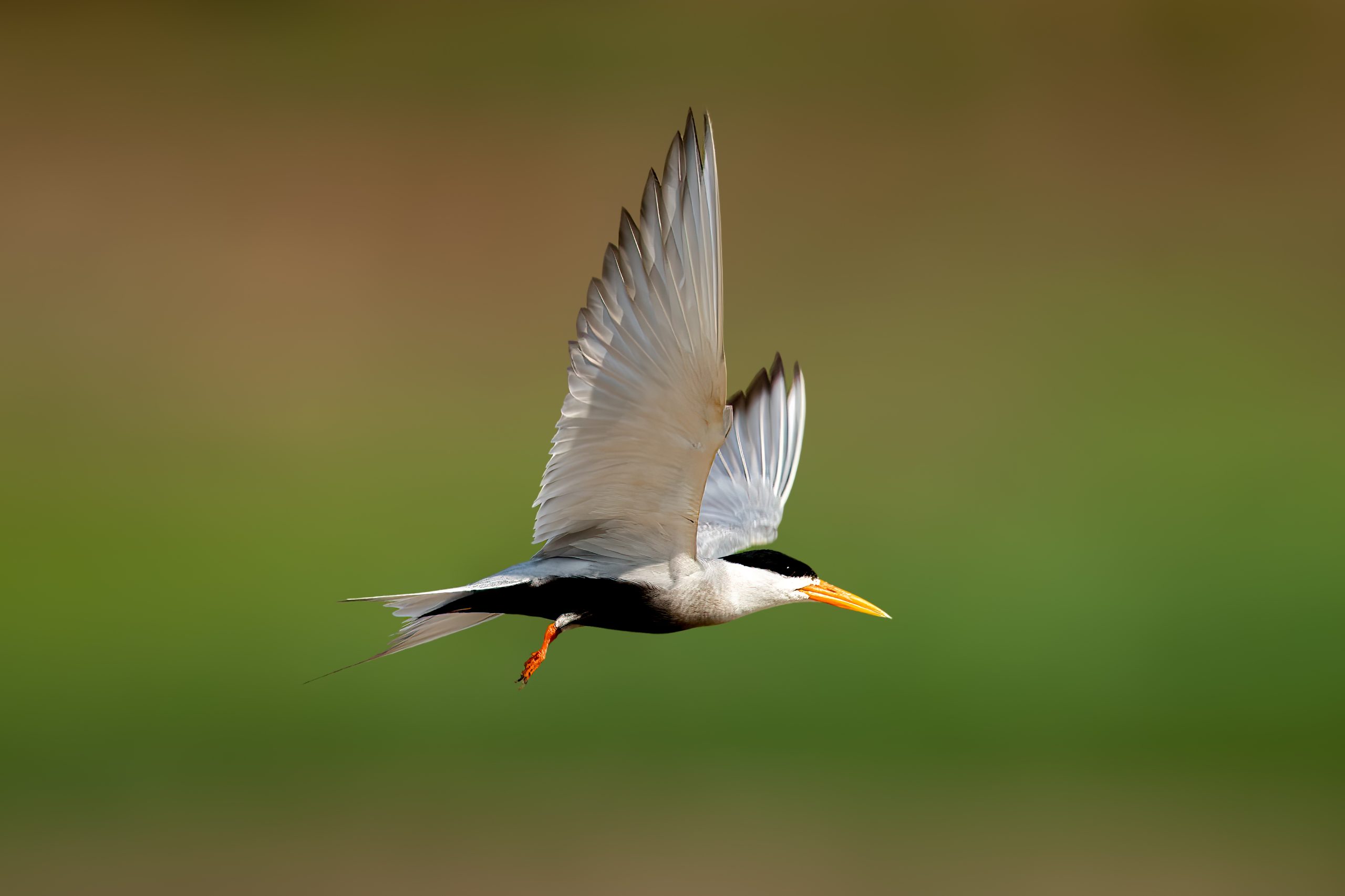 Black-bellied Tern
Sterna acuticauda Explore species →
Black-bellied Tern
Sterna acuticauda Explore species →
Independent research and conservation news archive
Did you find this information useful?
Wildlife Vagabond is independently built and maintained. Voluntary support helps cover source verification, hosting and continued work on research and conservation news.
Support Wildlife VagabondThe news archive will remain freely available.