
97% of Observed Goose Aggression in Northeast Poland Was Within Species
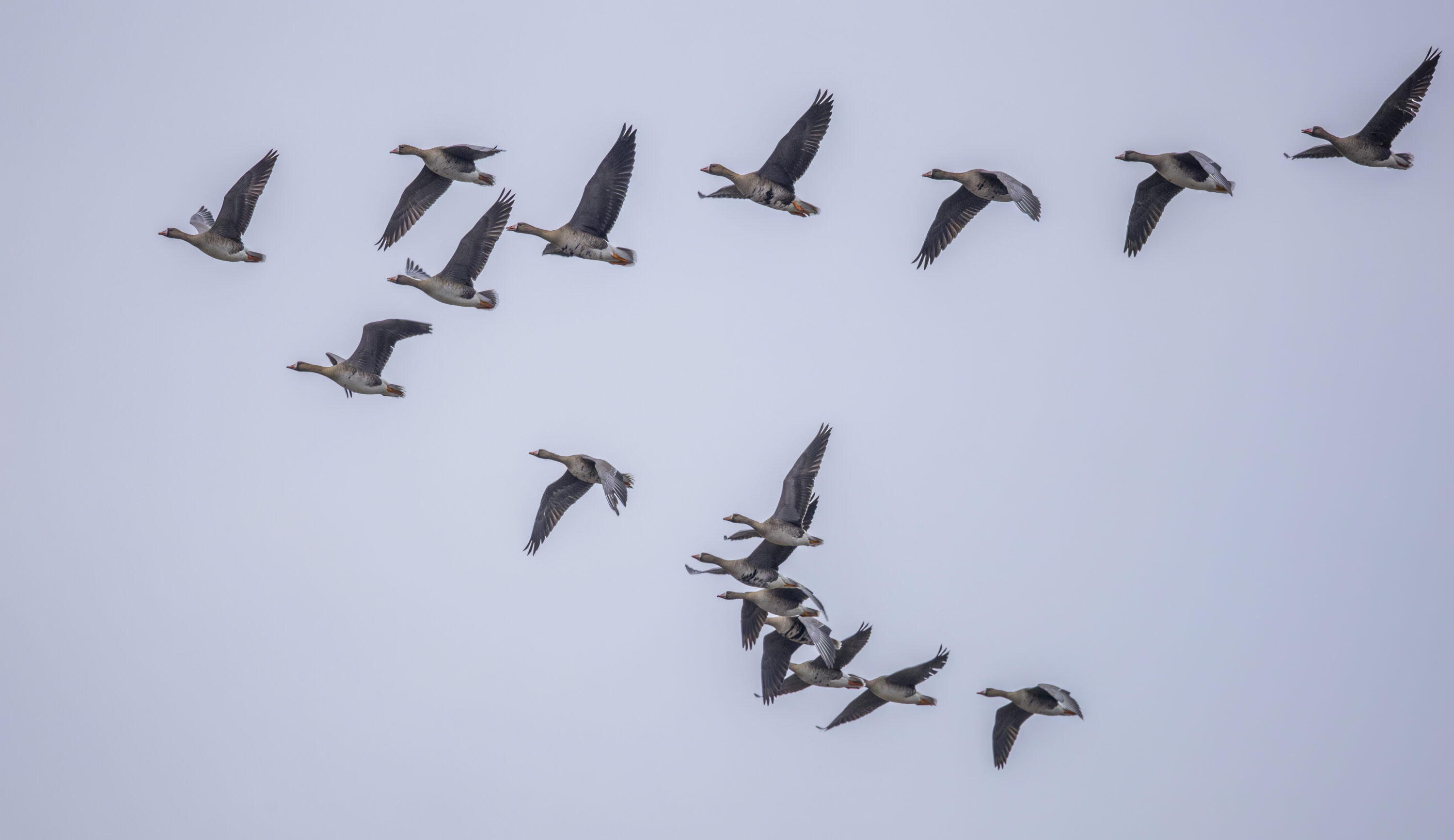
Almost all aggressive interactions recorded among four goose species during spring staging in northeastern Poland occurred between birds of the same species, according to a study published on 16 March 2026. Researchers observed 662 aggressive episodes in mixed goose flocks in the Biebrza Basin; 643 of them, or 97%, were intraspecific. Only 19 episodes occurred between species, and none were directed towards greylag geese.
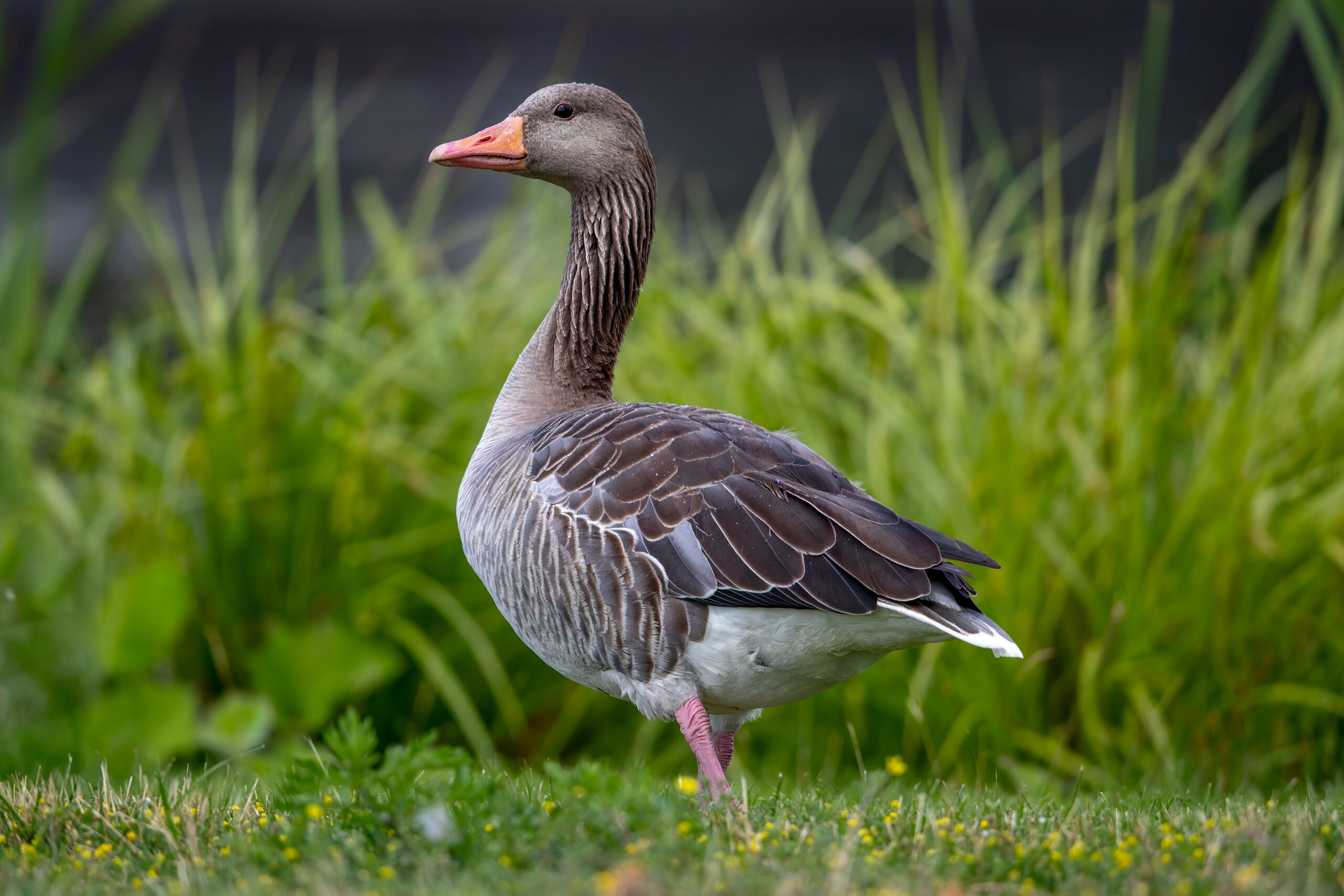
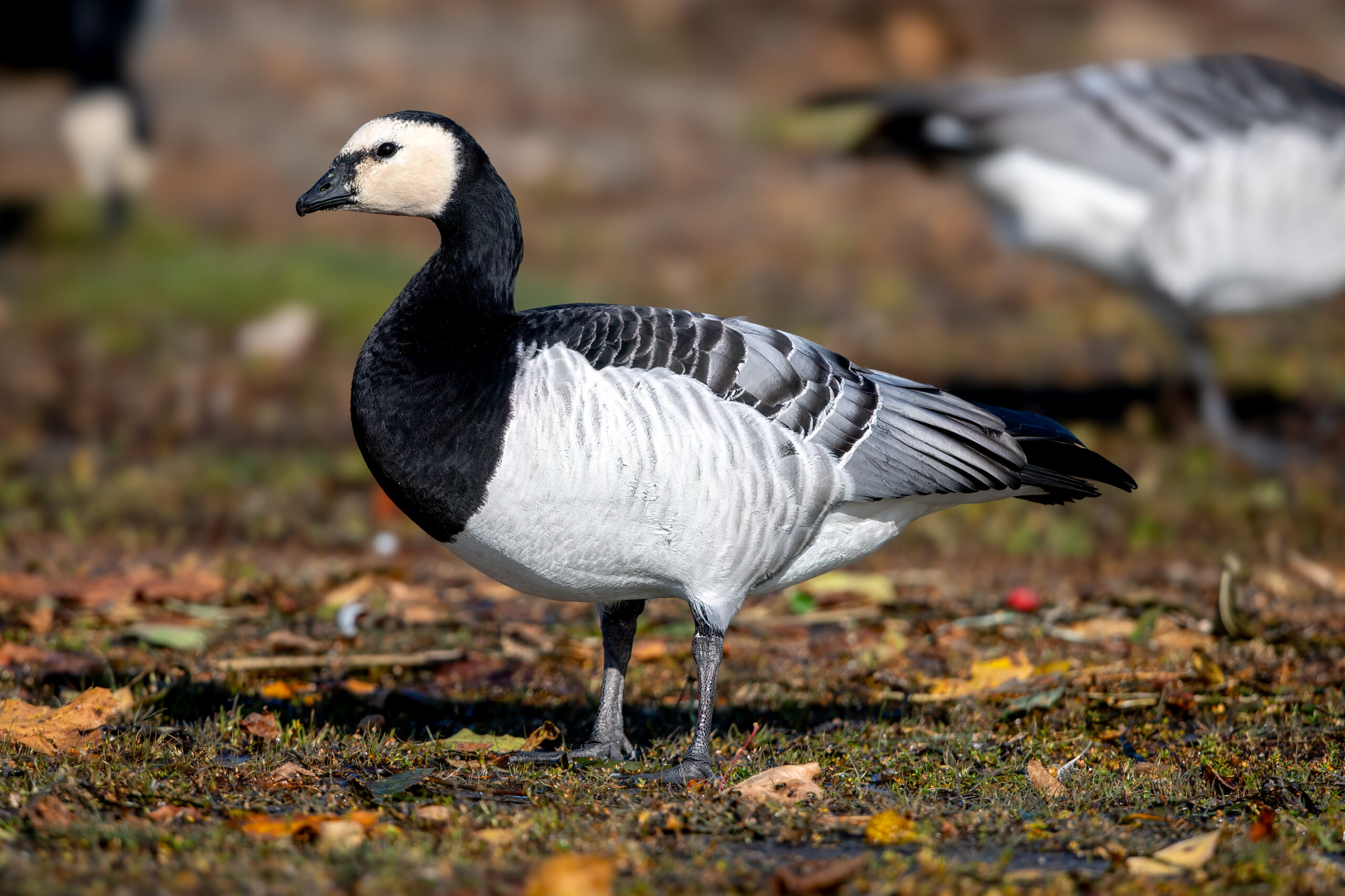
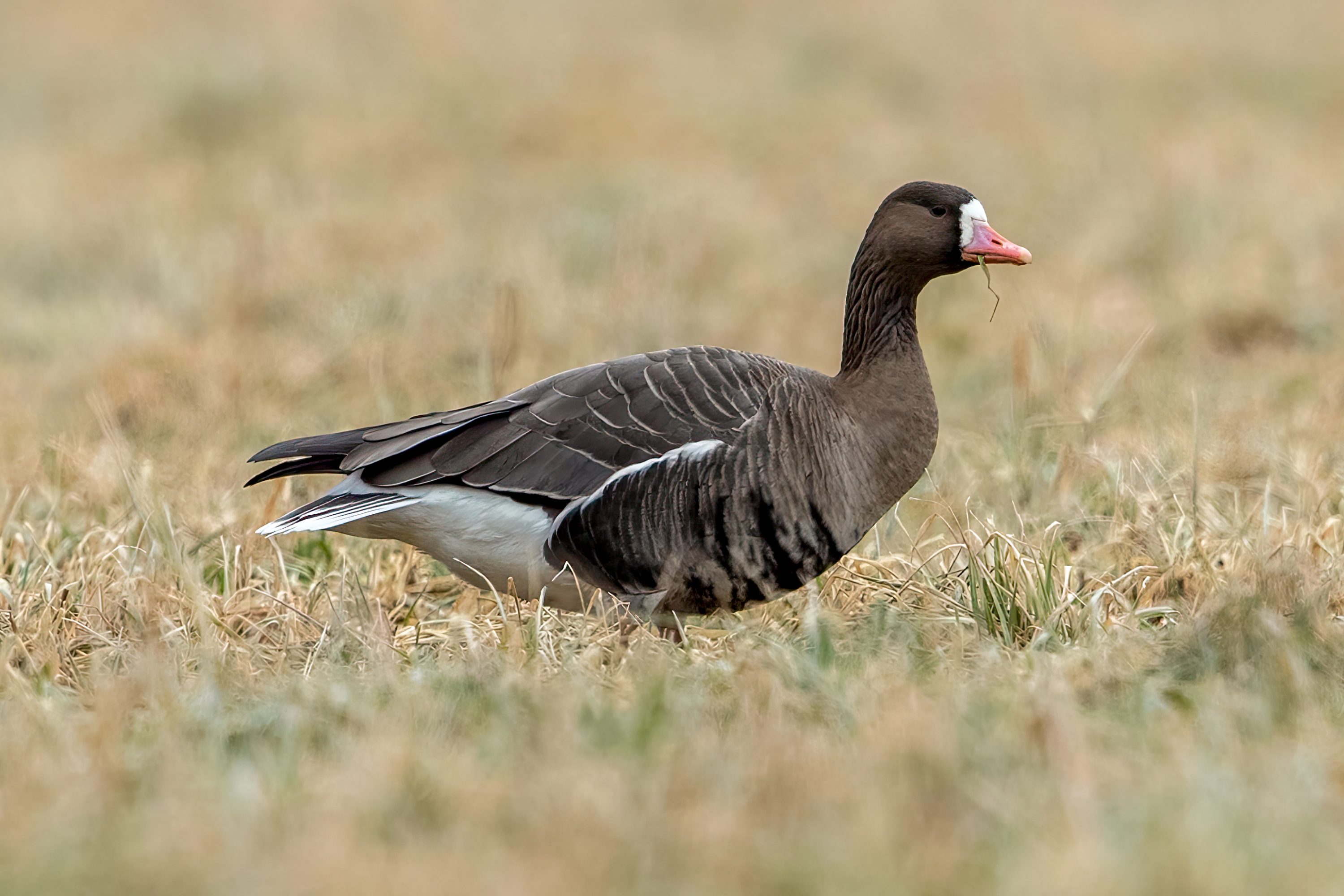
The fieldwork covered 26 days between 9 February and 10 April 2024, totalling 222 hours of observation. The flocks included greylag goose (Anser anser), barnacle goose (Branta leucopsis), greater white-fronted goose (Anser albifrons) and tundra bean goose (Anser serrirostris). Aggressive behaviour included chasing, pursuing, hissing, attempted pecking and lowered head-and-neck postures associated with readiness to attack.
Most aggression occurred within species
Greater white-fronted geese accounted for the largest absolute number of intraspecific aggressive episodes, with 369, followed by greylag geese with 196, tundra bean geese with 62 and barnacle geese with 16. Once the different numbers of birds observed were taken into account, the ranking changed: greylag geese had 29.3 aggressive episodes per 1,000 individuals scanned, barnacle geese 9.0, tundra bean geese 4.0 and the numerically dominant greater white-fronted geese only 2.7.
Aggression increased with flock size
Aggression increased with the number of geese present. Greylag geese showed a consistently high probability of aggression through the staging period, while greater white-fronted and tundra bean geese shifted from low levels early in the season to much higher levels during the final weeks before departure towards their Arctic breeding areas. Barnacle geese also showed high predicted levels, but the authors caution that only 16 intraspecific aggressive events were recorded for this species, too few for firm conclusions about its seasonal pattern.
The researchers found no detectable difference in aggression between flocks feeding on grasslands and those using arable fields, even though cereal fields offered higher food intake. Together with the overwhelming predominance of within-species interactions and the timing of the seasonal changes, the authors interpret the pattern as being primarily associated with mate guarding and other close-range social defence as breeding approached, rather than competition between species for food. They note that methodological limitations prevent alternative drivers from being ruled out entirely.
Behaviour
Related news
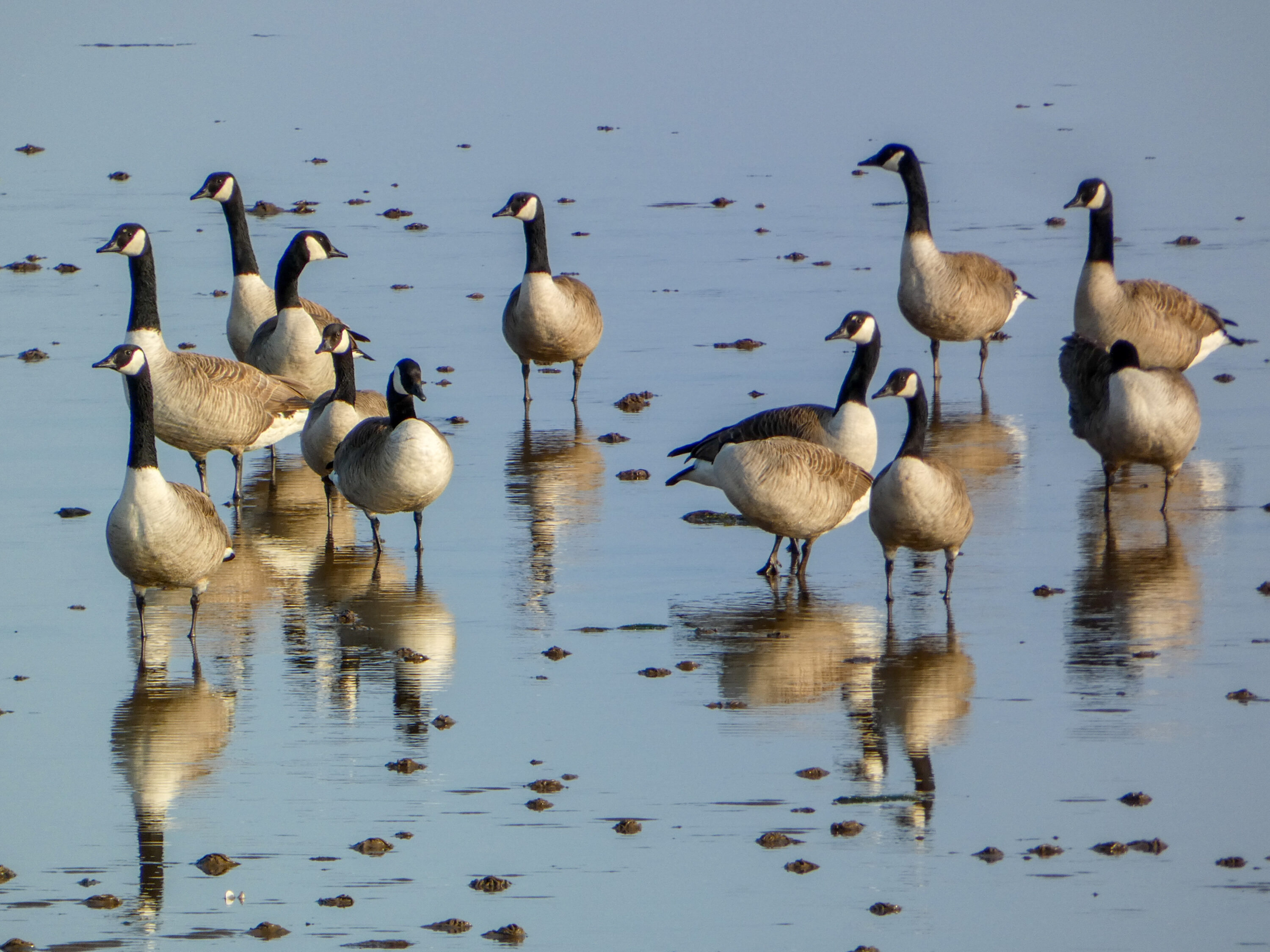
X-rays Found Embedded Shotgun Pellets in 17% of Northwestern European Waterfowl
X-rays of 3,843 waterfowl from nine species in six northwestern European countries found embedded shotgun pellets in 17%…
Read story →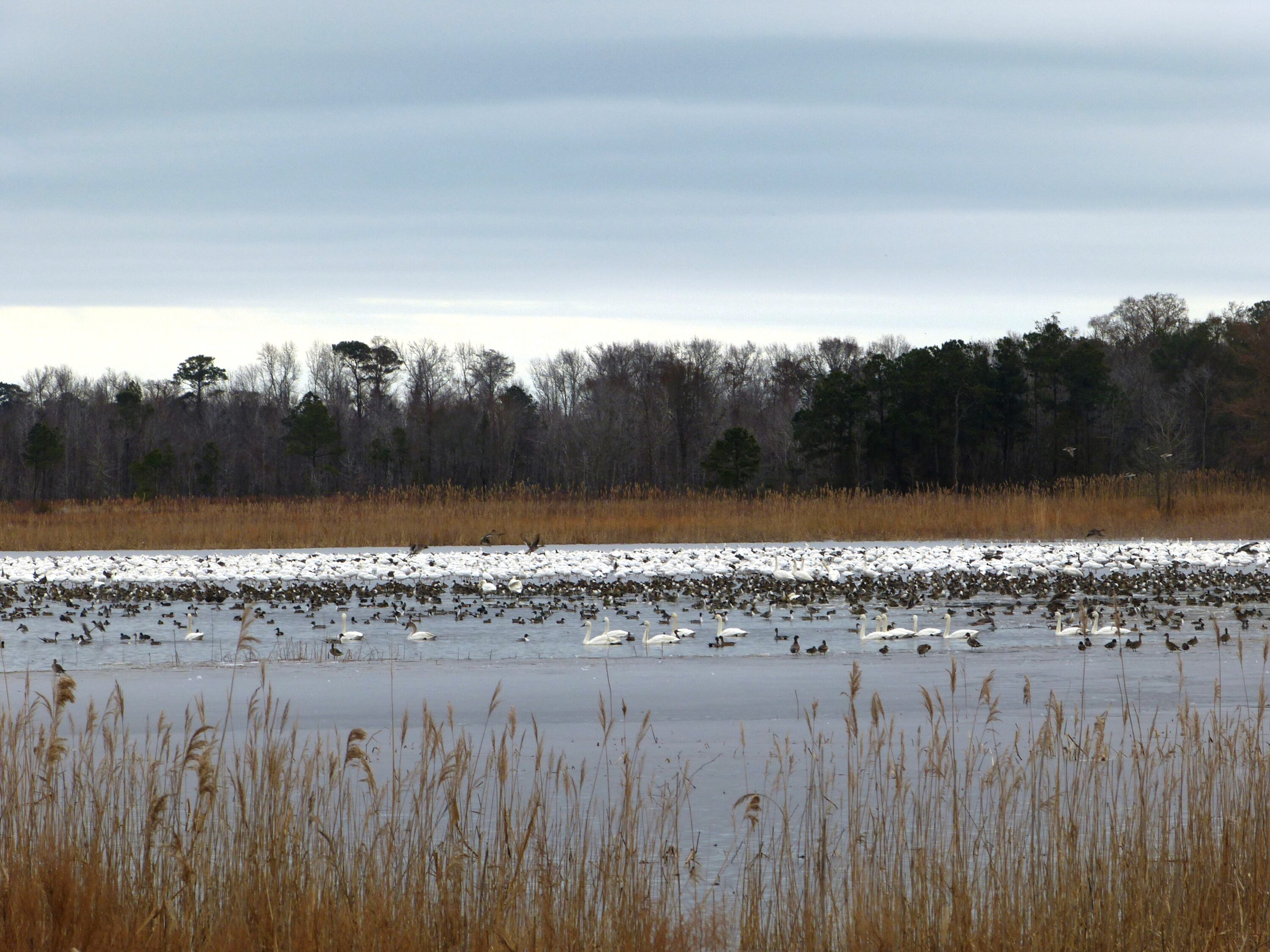
Genome Assemblies Released for 73 Anseriformes Species
A 2026 data paper released whole-genome assemblies for 73 species of ducks, geese, swans and other Anseriformes. Each…
Read story →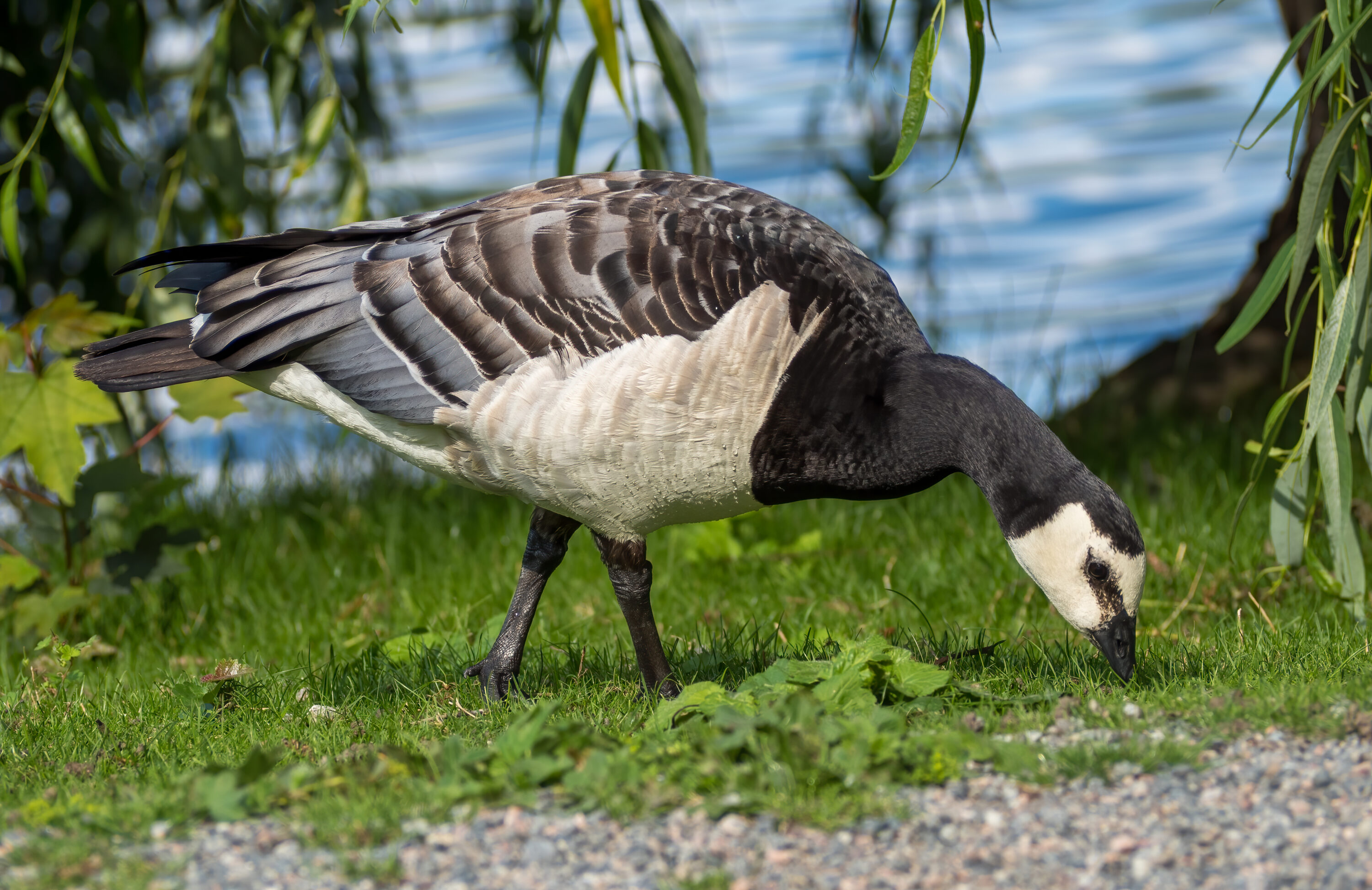
Barnacle Goose Breeding Population Fell 98% on Gotland and Öland – Eagle Predation a Likely Factor
Breeding pairs of Barnacle Geese on Gotland and Öland fell from about 5,290 in 2002 to roughly 100…
Read story →SPECIES IN THIS STORY
Species in this story
Independent research and conservation news archive
Did you find this information useful?
Wildlife Vagabond is independently built and maintained. Voluntary support helps cover source verification, hosting and continued work on research and conservation news.
Support Wildlife VagabondThe news archive will remain freely available.