
Livestock conflict with large carnivores is widespread across Queen Elizabeth National Park
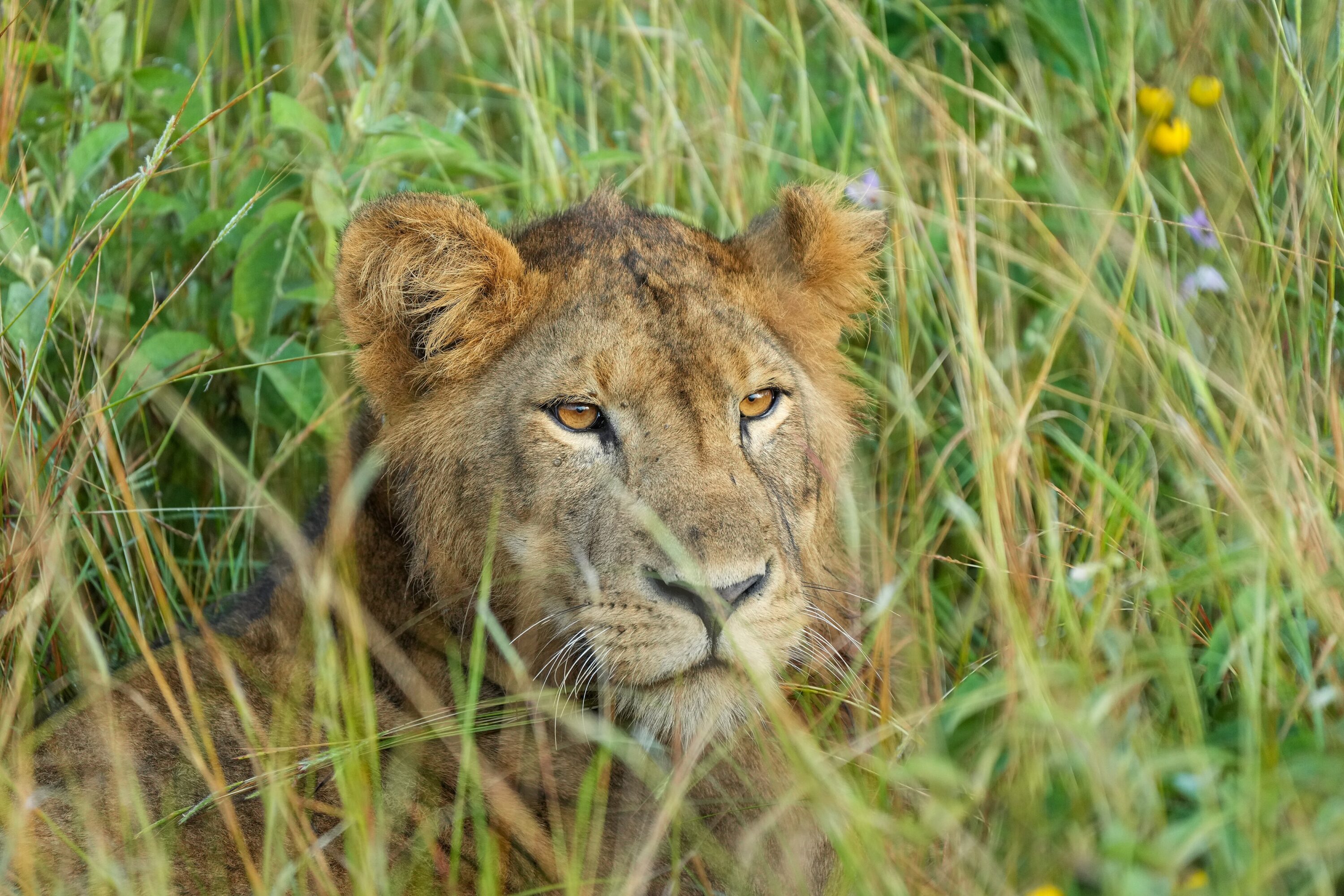
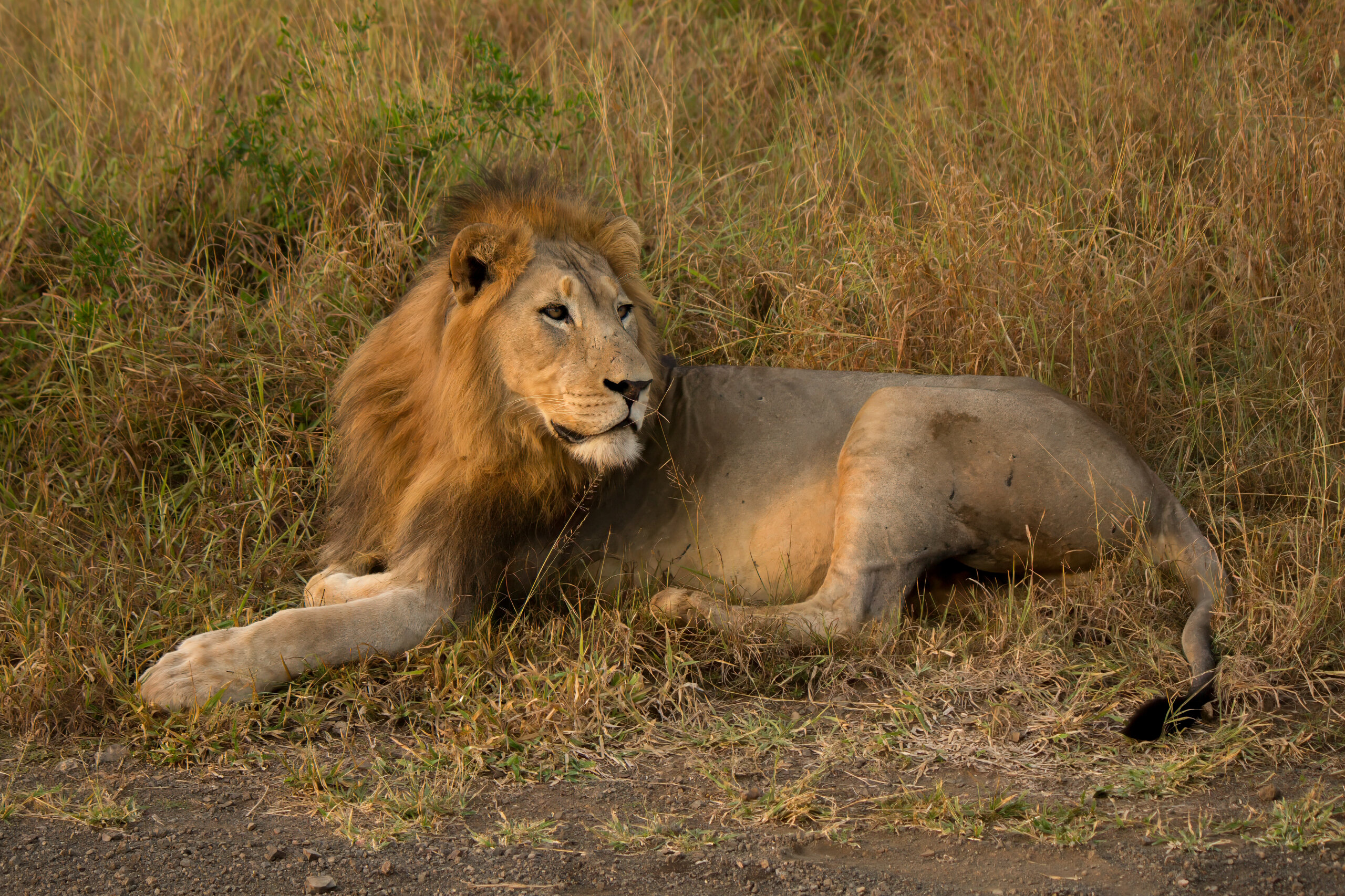
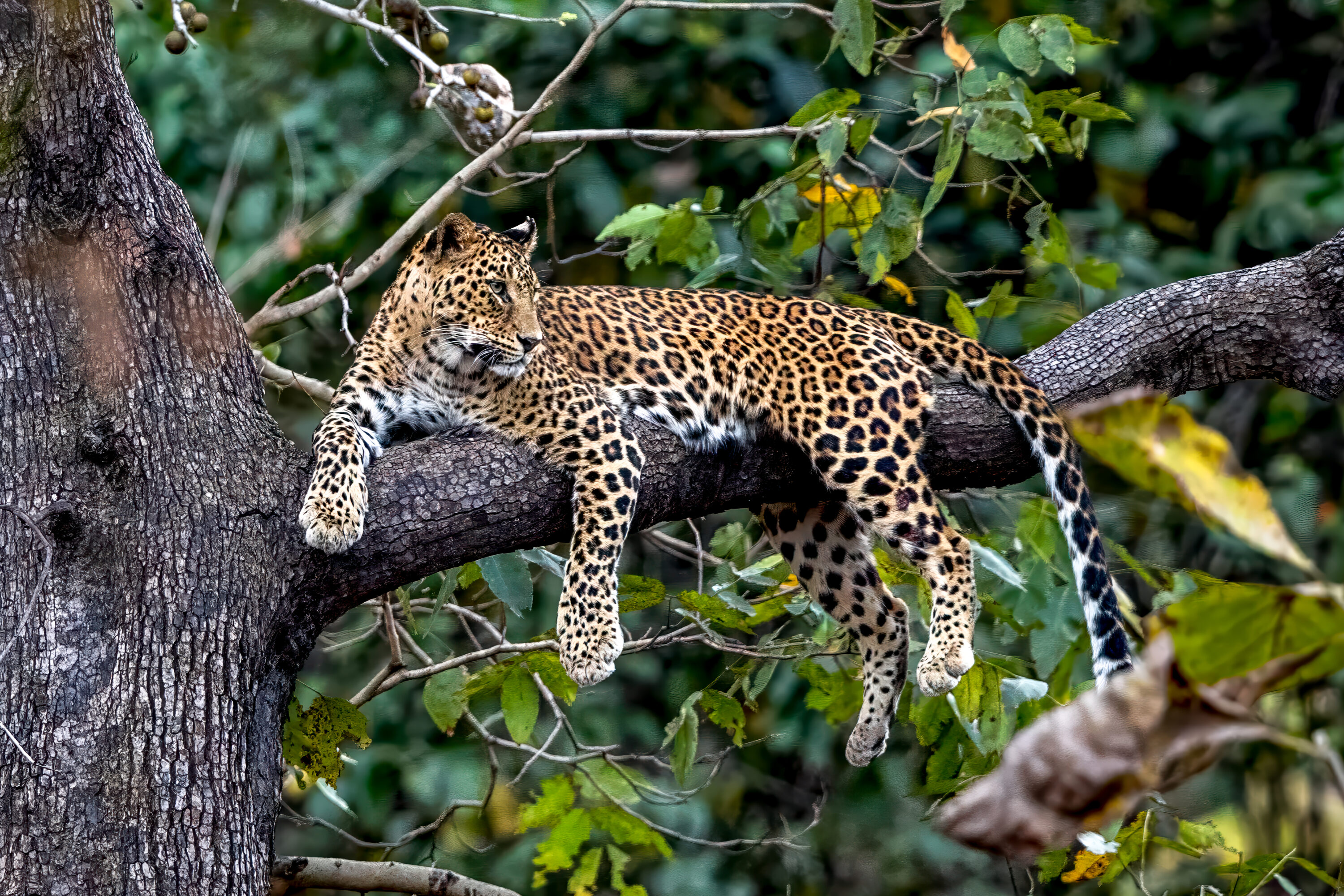
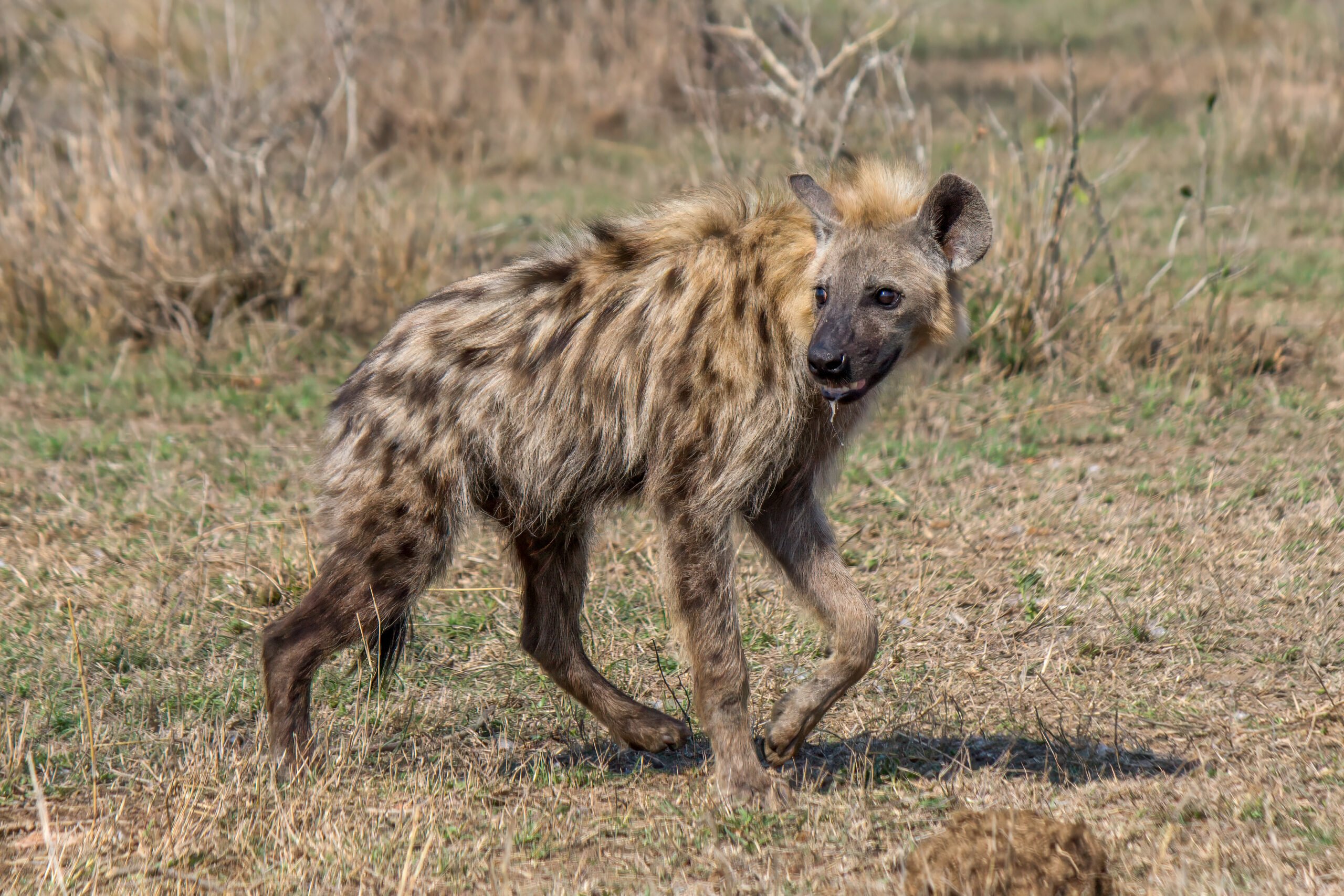
Conflict between livestock owners and large carnivores is a chronic problem in Uganda’s Queen Elizabeth National Park, where people, livestock and wildlife live in unusually close proximity. A new study of lions (Panthera leo), leopards (Panthera pardus) and spotted hyenas (Crocuta crocuta) shows that the problem is not limited to a few isolated incidents or a single season.
The researchers analysed 139 confirmed livestock-depredation events recorded between 2015 and 2021 in 11 communities within the park. Around 60,000 people live inside the park boundaries, and livestock is an important source of income, food and cultural wealth in several of these communities. Losing cattle, goats or sheep to predators can therefore have consequences well beyond the loss of a single animal.
Conflict was widespread rather than confined to a few hotspots
The conflict was widespread, although it was not perfectly uniform. Communities including Kasenyi, Nyakatonzi and Hamukungu had higher recorded depredation rates, but incidents occurred broadly enough across the study area that the authors describe Queen Elizabeth as a landscape of persistent human–carnivore conflict rather than a park with only a few discrete hotspots.
The raw records were dominated by lion-related incidents, while only five confirmed events involved spotted hyenas. However, once the researchers accounted for location, year and season, lions and leopards had almost identical estimated conflict rates. The estimate for spotted hyenas was lower but highly uncertain because so few hyena incidents were recorded. The analysis therefore did not support a clear difference in conflict frequency among the predator species. Conflict rates were also very similar across seasons, with no clear seasonal peak.
The type and cost of livestock losses differed between predators
The type and economic cost of livestock loss nevertheless differed between predators. Lions were strongly associated with attacks on cattle and with the highest and most variable compensation payments. Leopards were more often linked to smaller livestock such as goats and sheep, while spotted hyenas showed a more mixed pattern. Most compensation payments were relatively low to moderate, but a small number of severe incidents—particularly those involving lions—accounted for disproportionately large costs.
Those losses also have consequences for the predators. The authors place the new results in the context of earlier work showing intense retaliatory pressure on lions in Queen Elizabeth. At least 47 adult and sub-adult lions were reported killed between 2006 and 2012, and about 54% of recorded lion deaths between 2014 and 2020 were linked to human–carnivore conflict. A survey in 2017–2018 estimated roughly 71 lions in the park, whereas a more recent estimate cited by the study put the population at around 39—approximately a 50% reduction since 2018. These population figures come from previous surveys cited in the paper, not from the 139 conflict records themselves.
Mitigation needs to work across the wider park
Existing responses include compensation for confirmed livestock losses through a community conservation fund supported partly by lion-tourism donations, community outreach and efforts to improve livestock barriers. The new study argues that such measures should not be restricted to a few high-conflict villages or particular seasons. Better livestock protection and other predator-deterrence measures need to work across the wider park landscape if they are to reduce losses and lower the incentive for retaliatory killing.
Human–wildlife conflict
Related news
Livestock Losses Varied Strongly Among Households and Carnivores in Ethiopia’s Omo Valley
In a survey of 147 households near Omo National Park, 36.1% reported losing livestock to carnivores during the…
Read story →
Camera traps found no evidence that baboons avoided sites for days after predators passed
Across four savanna sites, camera traps showed no clear decrease in baboon detections during the 72 hours after…
Read story →
Food Leaves Its Mark on the Gut Bacteria of Kruger’s Wildlife
Gut bacteria in nine mammal species from Kruger National Park followed clear patterns linked to food and digestion.…
Read story →SPECIES IN THIS STORY
Species in this story
Independent research and conservation news archive
Did you find this information useful?
Wildlife Vagabond is independently built and maintained. Voluntary support helps cover source verification, hosting and continued work on research and conservation news.
Support Wildlife VagabondThe news archive will remain freely available.