
Study Estimated Lesser Black-backed Gulls Carried About 240 kg of Plastic into Spanish Marshes
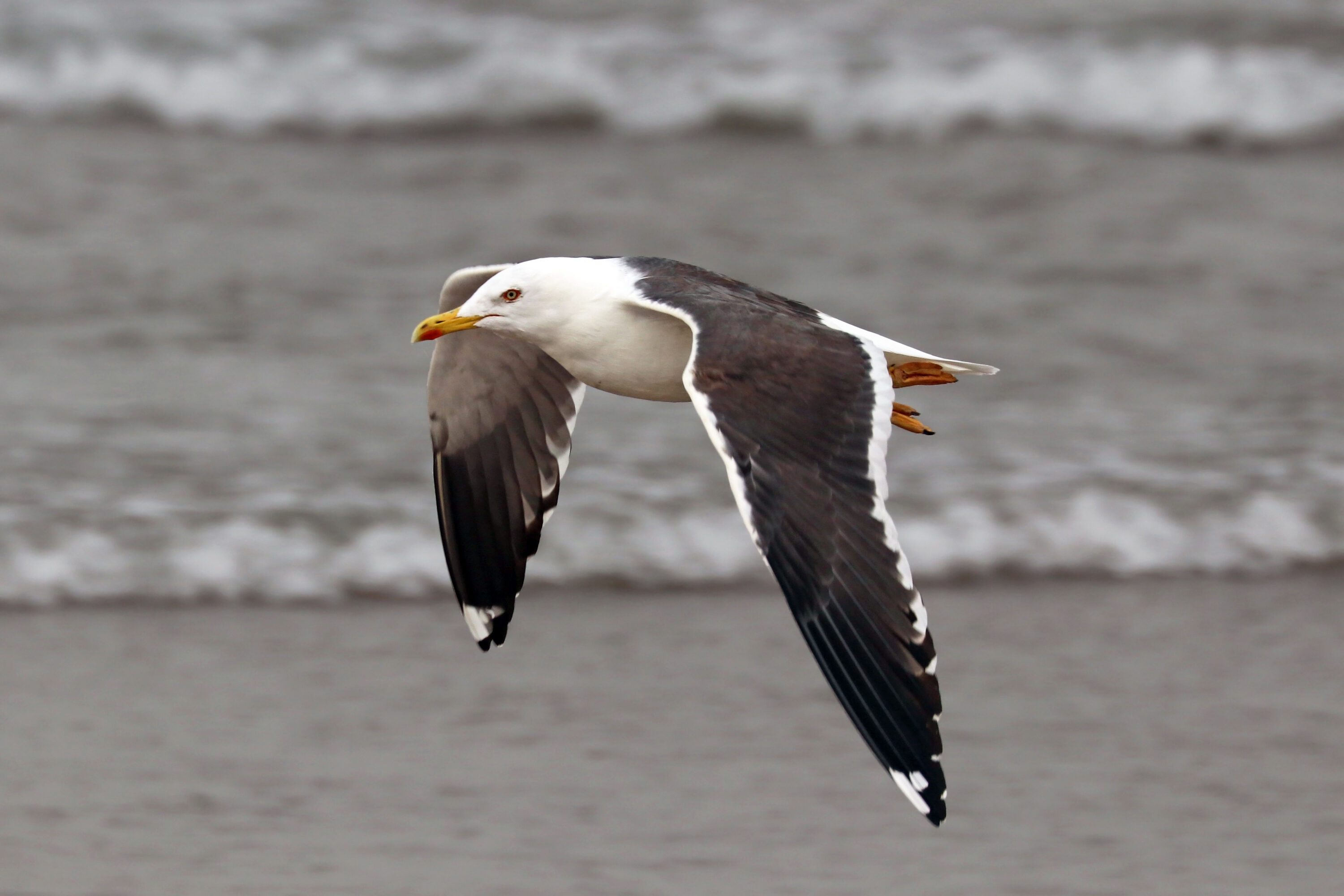
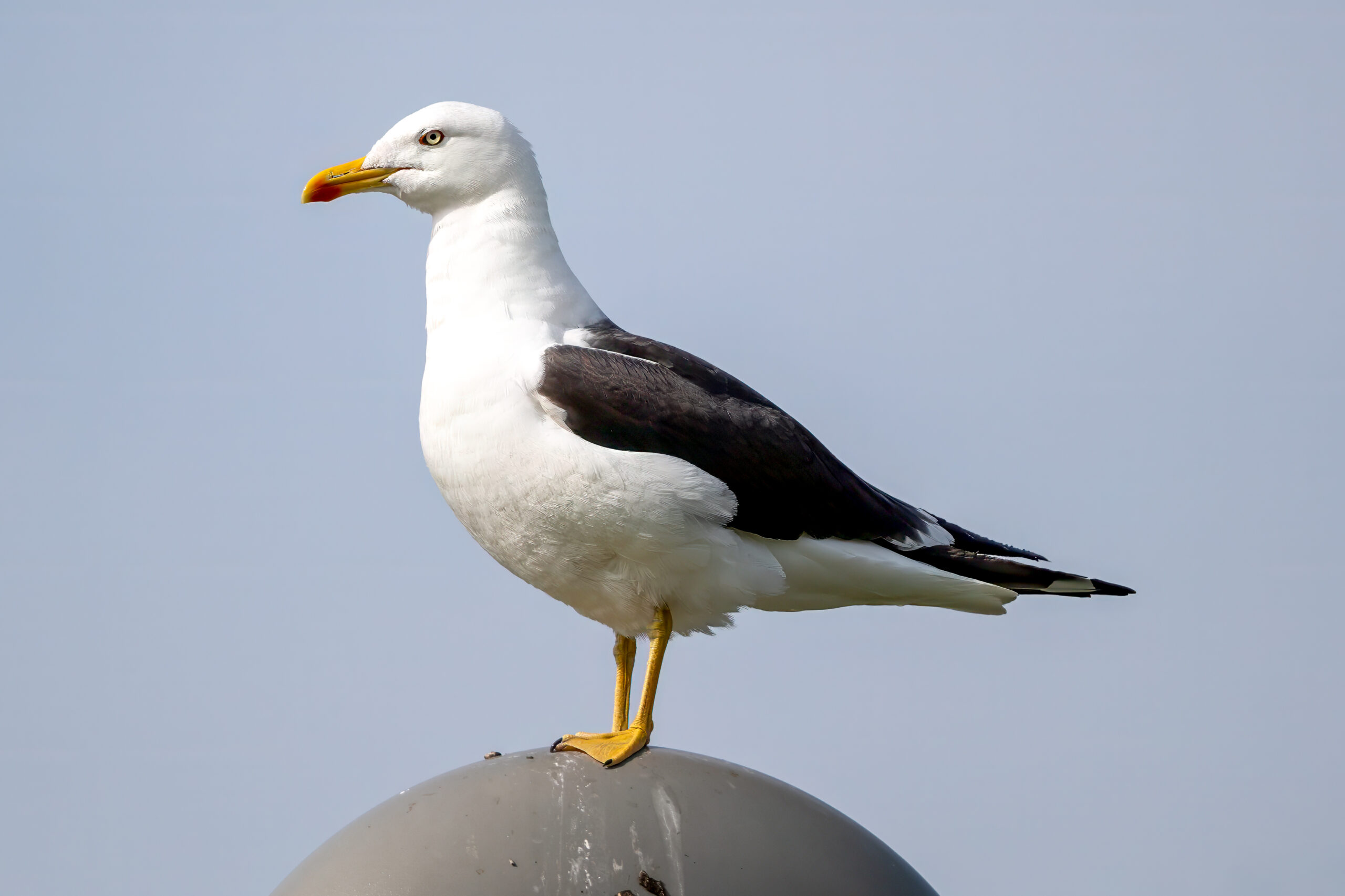
Lesser black-backed gulls (Larus fuscus) were estimated to transport about 240 kilograms of plastic into the protected Odiel–Tinto marshes in southwestern Spain during a single winter. Together with yellow-legged gulls (Larus michahellis), the two species introduced an estimated 270 kilograms — more than 8.1 million plastic particles — according to a study first published online on 9 May 2026.
The researchers combined three sources of information: regurgitated pellets collected in the wetlands, GPS tracking of gull movements and monthly counts of birds using the marshes. Gull pellets are compact masses of indigestible material that the birds bring back up after feeding. Plastic swallowed at landfills or urban feeding sites can therefore be carried inside a gull to the marshes and later deposited when the bird regurgitates a pellet. Combining pellets, movements and bird numbers allowed the researchers to estimate how much plastic followed this pathway, where it was likely to come from and where it accumulated within the protected wetland.
Plastic was common in gull pellets
The study analysed 125 pellets collected during the wintering season: 80 from lesser black-backed gulls and 45 from yellow-legged gulls. Overall, 89.9% contained plastic or other human-made material. Among lesser black-backed gull pellets, 93.8% contained anthropogenic material and 62.5% contained plastic.
Most of the plastic pieces were microplastics smaller than five millimetres. Lesser black-backed gull pellets contained an average of 9.54 plastic items, compared with 4.14 in yellow-legged gull pellets. The two species also differed in the types and polymers of plastic they carried.
Landfills were especially important for lesser black-backed gulls
GPS data showed different patterns of habitat use. Yellow-legged gulls were more closely associated with urban areas, while lesser black-backed gulls relied heavily on landfills. The lesser black-backed gulls also transported plastic from farther away and contributed a larger total quantity to the marshes.
The model estimated that the two species together brought about 270 kilograms of plastic into the Odiel–Tinto marshes during winter. Around 240 kilograms were attributed to lesser black-backed gulls and about 30 kilograms to yellow-legged gulls. Plastic deposition was not evenly distributed: the birds created areas with much higher estimated loads around frequently used resting and roosting sites.
Gulls connect waste sites with protected wetlands
The authors describe the gulls as biological vectors of plastic pollution. By feeding in landfills and urban areas and later resting or roosting in the marshes, the birds move human-made material into an internationally important Ramsar wetland.
The two gull species did not play identical roles. Lesser black-backed gulls produced a broader pattern of deposition and carried the larger overall load, while yellow-legged gulls produced more concentrated hotspots at some breeding and roosting areas. The researchers therefore argue that species-specific movement and foraging ecology must be considered when assessing how animals redistribute plastic through ecosystems.
The study also points to waste management as part of the pathway: reducing access to plastic-rich food waste at landfills and other human-modified sites could reduce the material available for transport into natural wetlands.
Ecology
Related news
Lesser Black-backed Gulls Made Up 73% of Paresis Cases in Lisbon
A ten-year review of gull admissions from Lisbon and Setúbal found that lesser black-backed gulls dominated paresis cases,…
Read story →
Norwegian Surveillance Found HPAI H5N5 and H5Nx in Common Gulls and Other Influenza A in Lesser Black-backed Gulls
Three common gulls had HPAI H5N5 and one had HPAI H5Nx, while active surveillance separately detected non-H5 influenza…
Read story →
DNA Analysis Found Traces of 71 Species in Lesser Black-backed Gull Diet Samples
A 2026 bioRxiv preprint found DNA traces from 71 species across 61 genera in lesser black-backed gull diet…
Read story →SPECIES IN THIS STORY
Species in this story
Independent research and conservation news archive
Did you find this information useful?
Wildlife Vagabond is independently built and maintained. Voluntary support helps cover source verification, hosting and continued work on research and conservation news.
Support Wildlife VagabondThe news archive will remain freely available.