
Little Egrets, Glossy Ibises and Eurasian Spoonbills Declined in Danube Delta Colonies
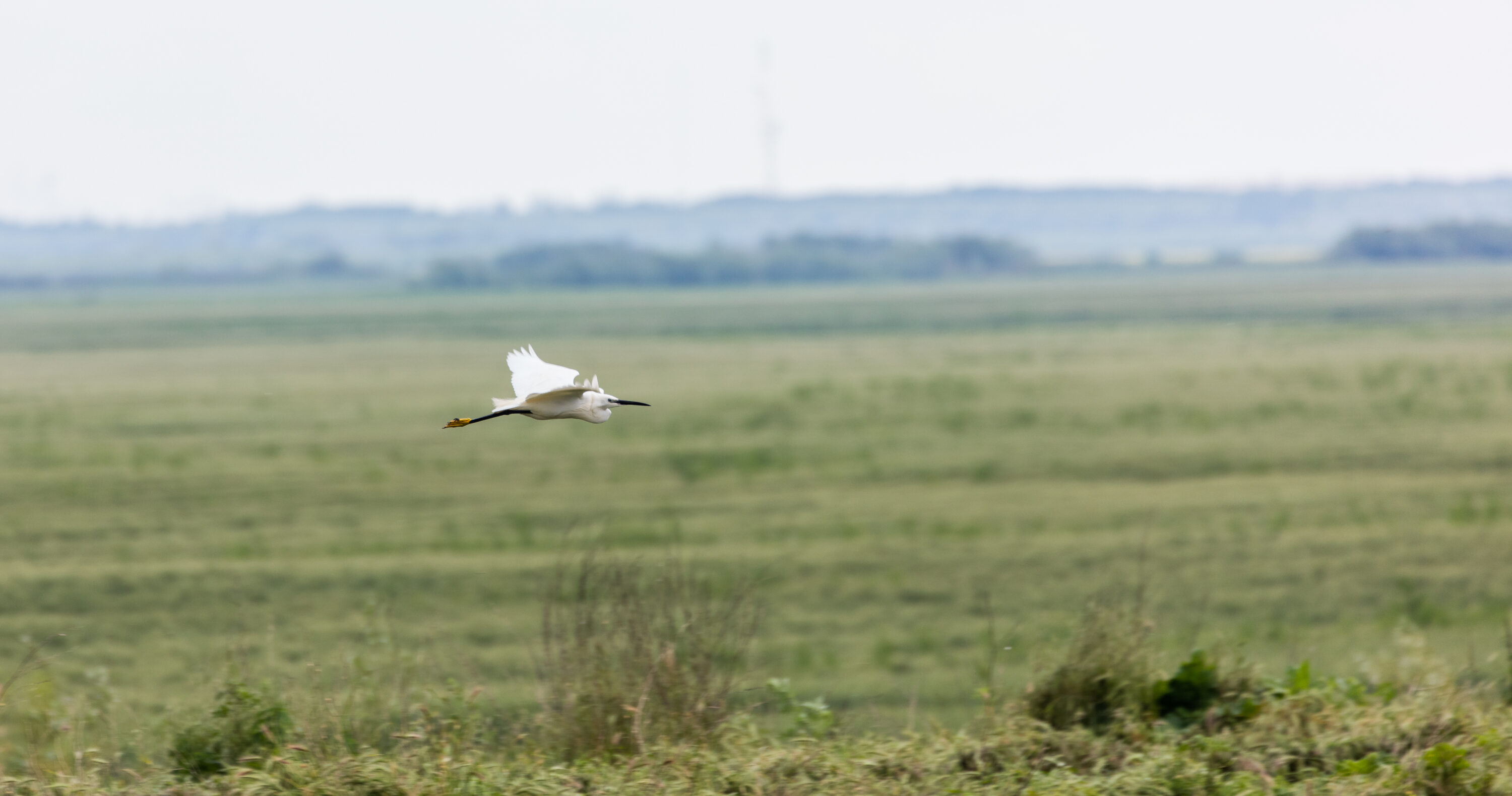
A study of ten colonial waterbird species in the Romanian Danube Delta found downward trends in nine of them between 2016 and 2023. The clearest declines were in little egret (Egretta garzetta), glossy ibis (Plegadis falcinellus) and Eurasian spoonbill (Platalea leucorodia), while severe drought reduced aquatic foraging habitat around several colonies. The study was published on 26 January 2026 in Birds.
Researchers combined breeding-colony censuses from five sites in the Danube Delta Biosphere Reserve with satellite-derived measurements of surface water, local hydrological records and meteorological data. The census unit was an apparently occupied nest, identified from adults, eggs, chicks or fresh nesting signs and used to estimate breeding pairs. The abundance trends therefore describe breeding pairs in the monitored colonies, not all individuals present in the delta. Across all ten species, the colonies held an average of about 5,900 breeding pairs per year during the eight-year study. Across the waterbird community, colony numbers varied most strongly with spring temperatures and changes in water level. Little egret was among the species whose decline coincided with shrinking surface-water habitat.
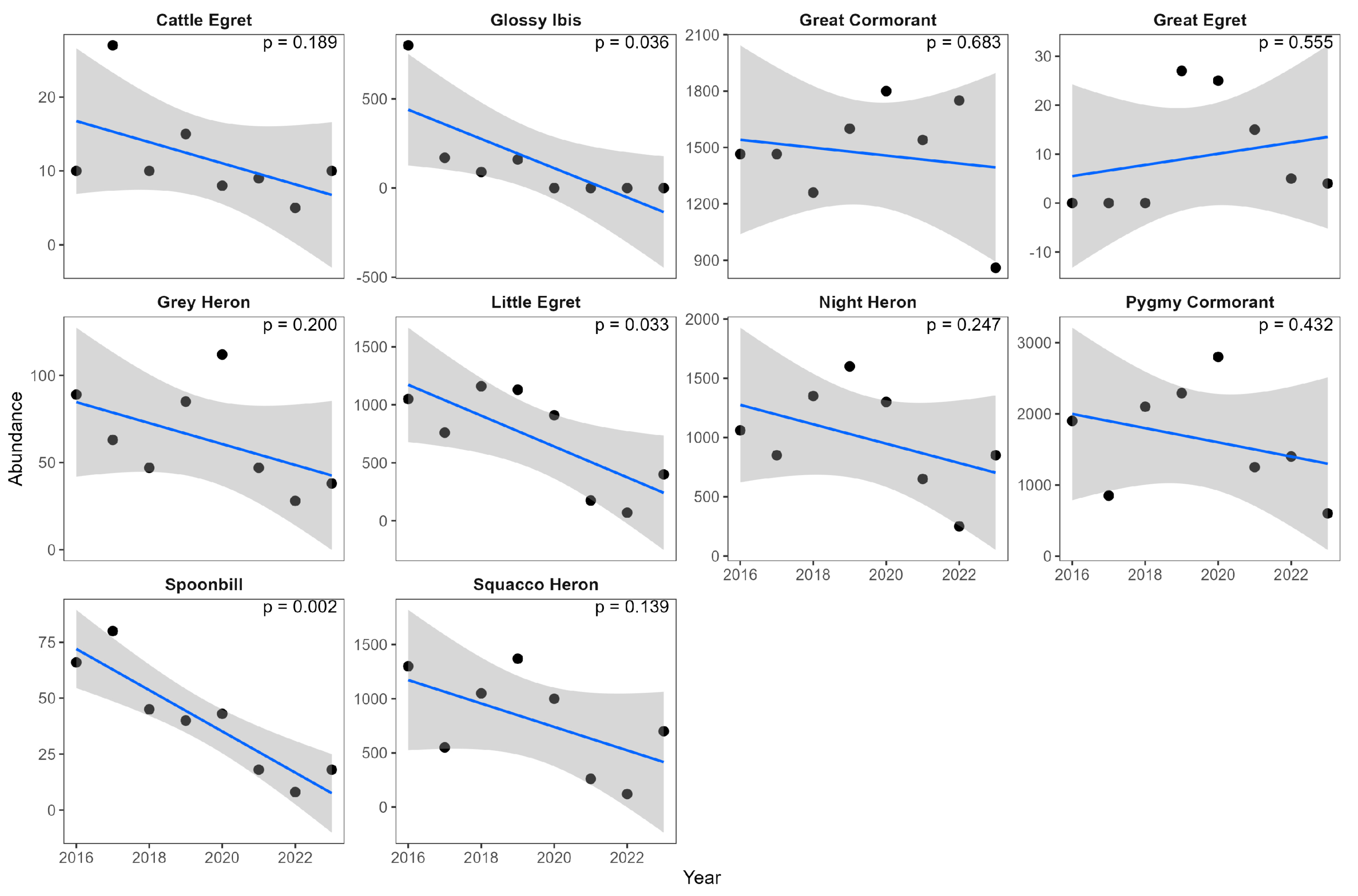
Three species showed clear declines
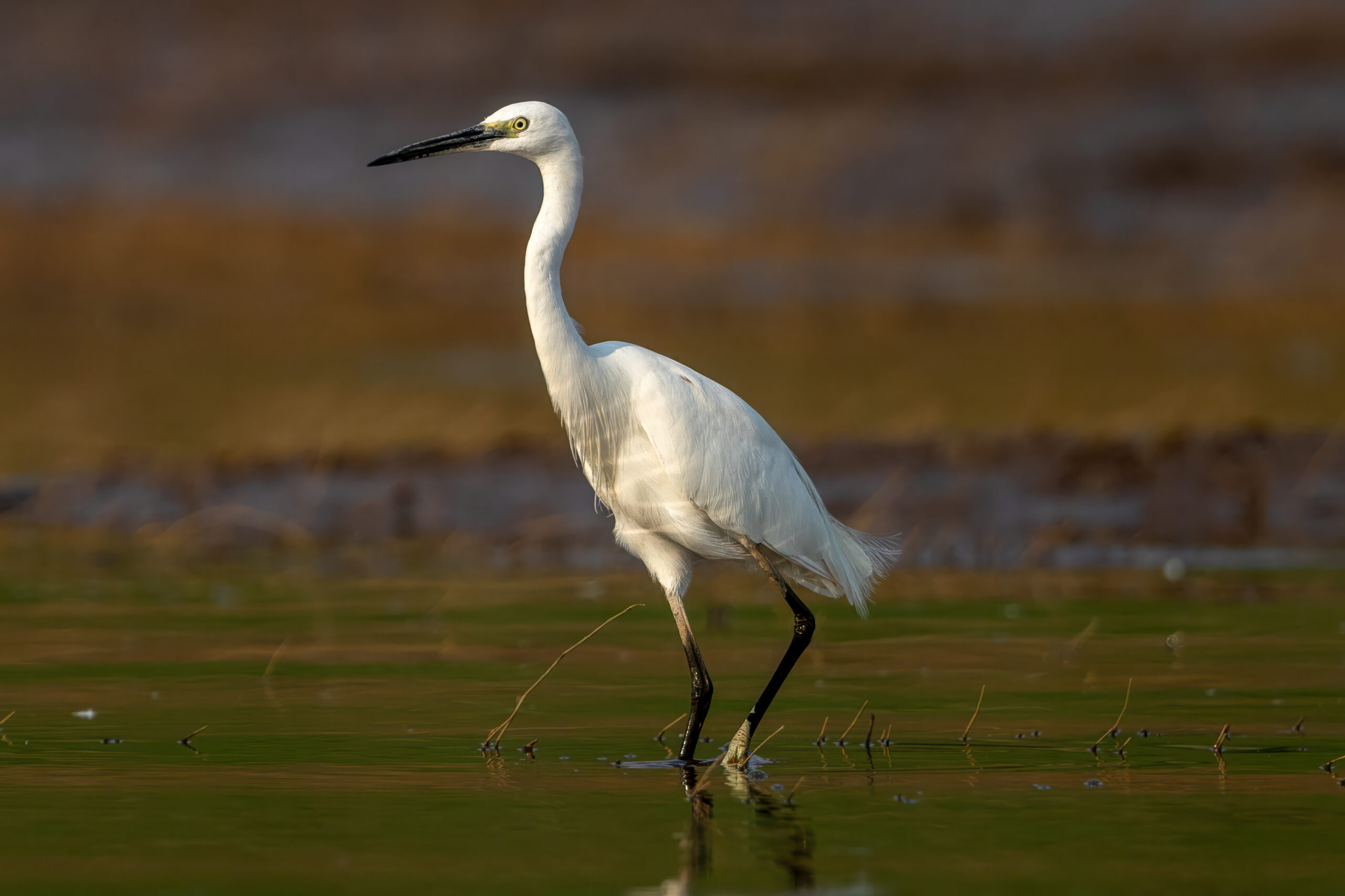
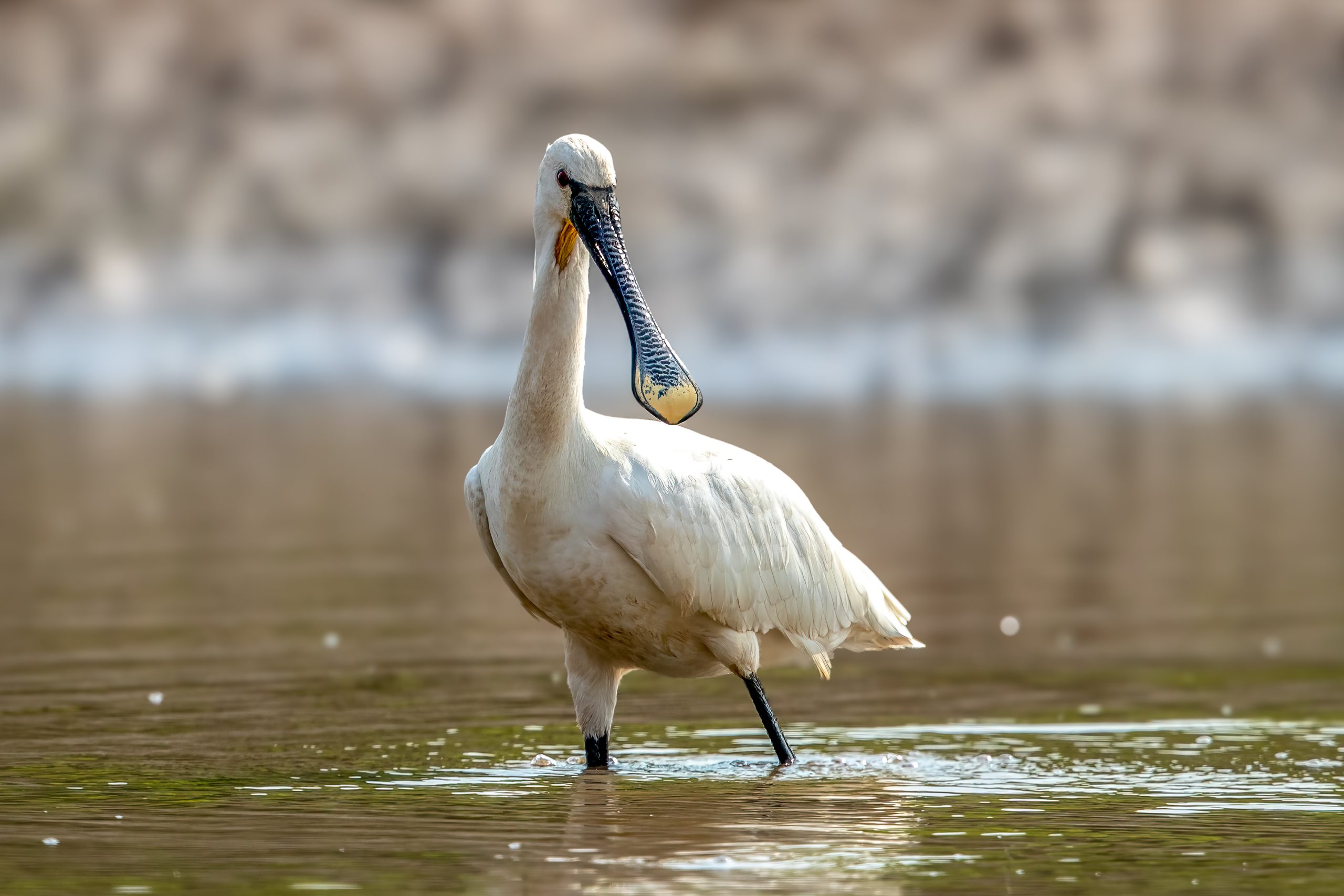
Little egrets were among the dominant members of the colony community, accounting for about 12% of the cumulative abundance recorded across the study period. Glossy ibises accounted for 2.6% and Eurasian spoonbills for 0.6%. Despite these large differences in abundance, all three showed clear downward trends from 2016 to 2023.
Drought reduced water around colonies
The strongest changes in the wider waterbird community coincided with the severe drought period from 2020 to 2022. Several central colonies declined sharply or disappeared locally, while later increases in water levels allowed some recolonisation at lower densities than before the drought.
The amount of open water around colonies was closely related to the abundance of colonial waterbirds. Around the Nebunu colony, for example, the surface-water area within a five-kilometre buffer contracted by about 48% between 2019 and 2022, reducing nearby aquatic feeding habitat.
Persistent water became increasingly important
The authors identify little egret, glossy ibis and Eurasian spoonbill as particularly vulnerable to rapid contraction of aquatic habitat.
The study also recorded an eastward shift in parts of the breeding assemblage toward areas with more persistent water and better hydrological connectivity. The authors conclude that maintaining sufficient water around important colonies will be increasingly important as drought and hydrological variability alter the delta’s wetlands.
Ecology
Related news
Waterbird Nest Counts Nearly Halved at an Indian Wetland, but Bird Numbers Showed No Clear Decline
At Vettangudi Bird Sanctuary in India, recorded waterbird nests fell from 396 to 190 across eight sampled breeding…
Read story →
Spoonbills Are Nesting Again at Therthangal
After a season without breeding, a spoonbill colony in southeastern India returned to 12 active nests in 2025–2026.…
Read story →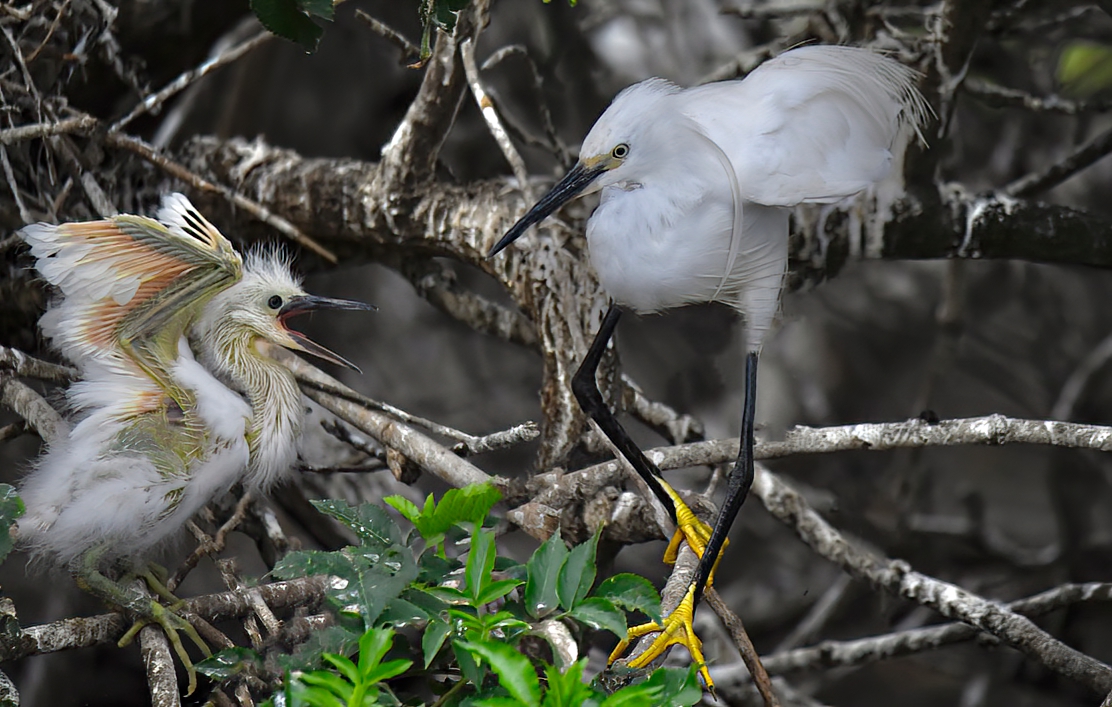
Little Egrets Bred in North-East Scotland for the First Time
Four little egret chicks fledged at Forvie National Nature Reserve in 2026, providing the first confirmed breeding record…
Read story →SPECIES IN THIS STORY
Species in this story
Independent research and conservation news archive
Did you find this information useful?
Wildlife Vagabond is independently built and maintained. Voluntary support helps cover source verification, hosting and continued work on research and conservation news.
Support Wildlife VagabondThe news archive will remain freely available.