
Merchant Acceptance Was Highest in Daegu Markets With Barn Swallow Nests

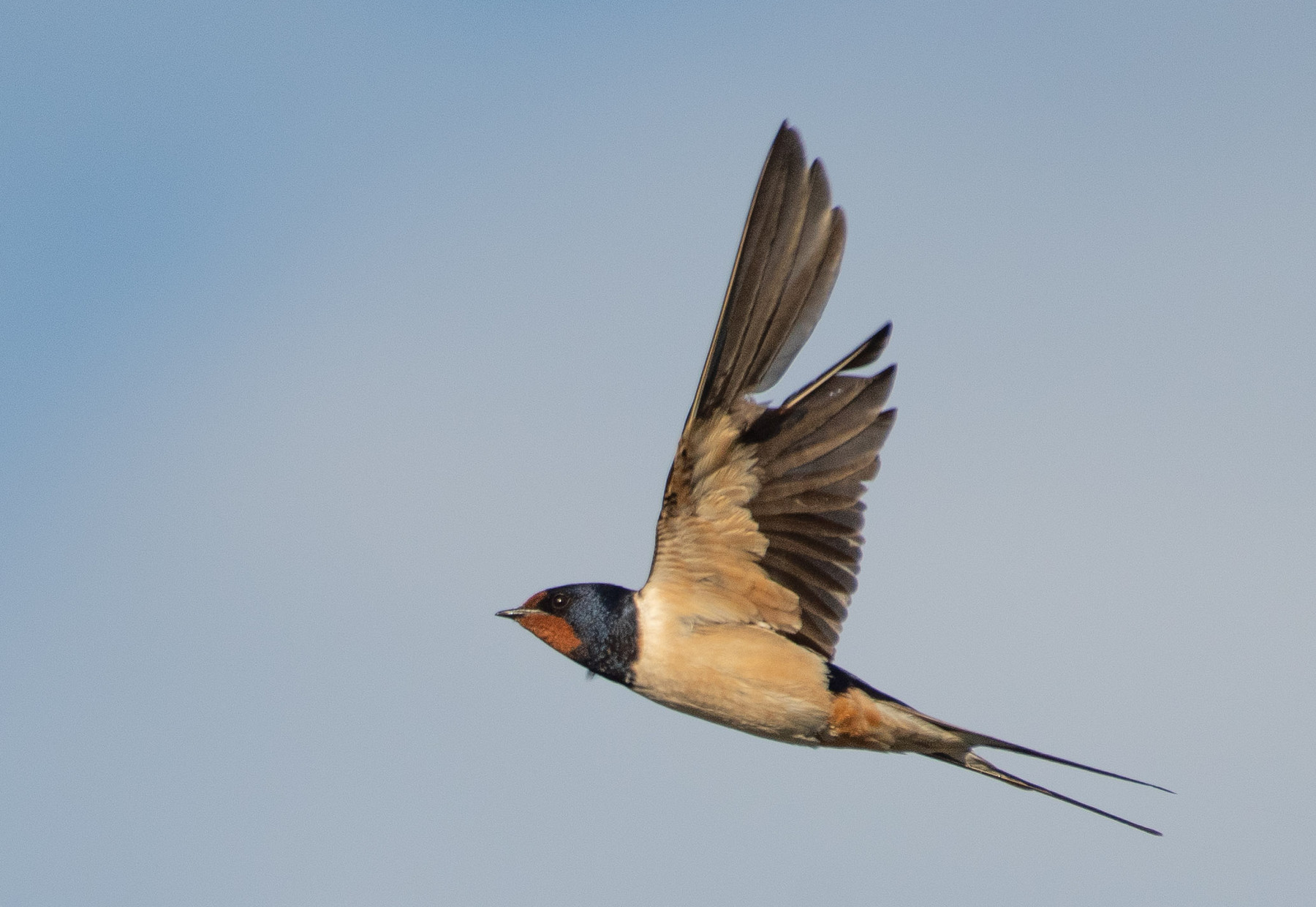
Barn swallows (Hirundo rustica) had active nests in 10 of 48 traditional markets surveyed across Daegu, South Korea, in 2025. None of eight broad market, distance, topographic or landscape variables clearly distinguished markets with nests from those without them. Merchants’ attitudes, however, differed strongly with the markets’ recent nesting history.
The 48 markets were checked during the breeding season. Interviews with long-term merchants and locally available records were then used to classify three additional markets as having recent swallow records in 2020–2024 but no nests in 2025; the remaining 35 had no long-term nesting record in the material reviewed. Because this history partly relied on recollection and irregular local records, it is not equivalent to continuous monitoring.
Broad environmental variables did not explain nest presence
The researchers compared eight variables, including market size and age, distance to rivers and farmland, elevation, slope, natural cover within 500 metres and landscape diversity. None differed significantly between the 10 markets with nests and the 38 without them.
This does not show that physical conditions were unimportant. The study did not directly measure insect food, microclimate, predators, pollution, lighting or fine-scale nesting features such as eaves and awnings. The measured variables may therefore have been too broad to capture what makes an individual market suitable.
Merchant acceptance was highest where nests remained
Questionnaires were collected in eight markets: four with at least six nests in 2025, all three with recent records but no 2025 nests, and one with no long-term nesting record. Ten merchants and ten visitors answered in each market, giving 160 respondents.
Among merchants, all three attitude indices followed the same order. For example, the mean perception score was 4.64 out of five in markets with nests, 3.68 in the recently declined markets and 2.50 in the no-record market. Willingness to protect and coexist with swallows, and expectations that the birds could contribute to market identity or activity, followed the same gradient.
Visitors did not show the same simple pattern. In particular, the market without a long-term nesting record scored highly among visitors on the idea that swallows could contribute to market identity and activity. The authors suggest that visitors may value swallows as part of a market’s ecological and cultural character even where merchants are more aware of practical costs such as droppings and cleaning.
The association does not show which way causation runs
The authors propose that repeated experience of living alongside swallows may increase tolerance, and discuss measures such as boards beneath nests, agreed management rules and environmental education. But the study did not test whether acceptance caused nests to persist. Long-standing nest presence could itself have shaped merchants’ attitudes.
The questionnaire comparison was also small, with only one no-record market, and visitors were recruited by convenience sampling. The study therefore supports a socio-ecological association between swallow nesting and local acceptance, not a causal explanation or a long-term population trend across Daegu.
Human–wildlife conflict
Related news
Usutu Virus RNA Was Found Nearly Three Times as Often as West Nile Virus RNA in Southern France
Among 2,533 wild birds from 69 species in southern France, Usutu virus RNA was detected in 12.0% and…
Read story →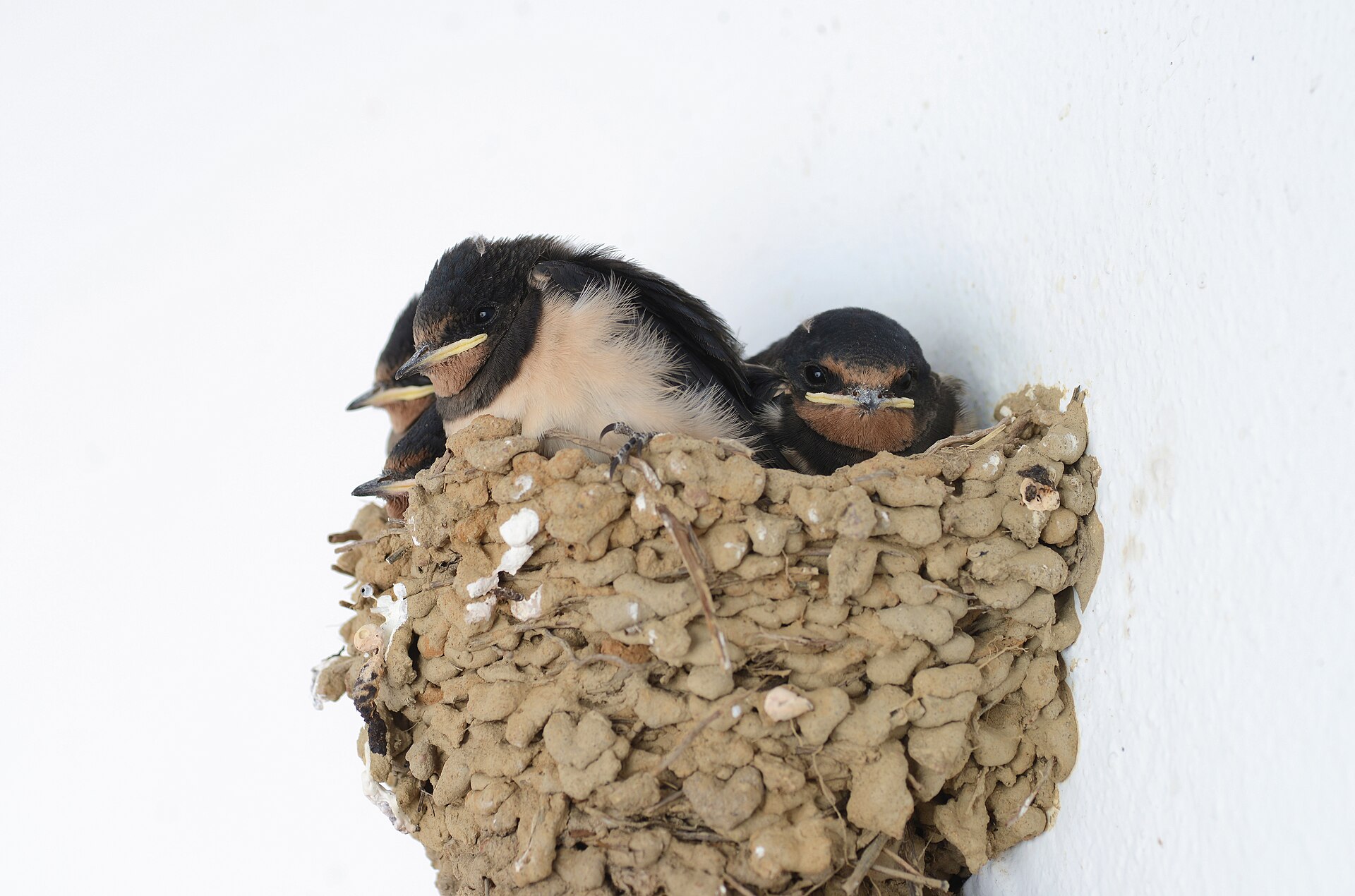
Larger Broods and Older Social Fathers Were Linked to Shorter Telomeres in Male Barn Swallow Nestlings
A long-term study near Milan found shorter telomeres in male barn swallow nestlings from larger broods or with…
Read story →
Mitochondrial DNA Reveals a More Complex Evolutionary History of Barn Swallows
A study of 580 complete barn swallow mitochondrial genomes found five major maternal lineages, including a newly recognised…
Read story →SPECIES IN THIS STORY
Species in this story
Independent research and conservation news archive
Did you find this information useful?
Wildlife Vagabond is independently built and maintained. Voluntary support helps cover source verification, hosting and continued work on research and conservation news.
Support Wildlife VagabondThe news archive will remain freely available.