
PCB Concentrations in Birds Near Anniston Were Among the Highest Recorded in North America
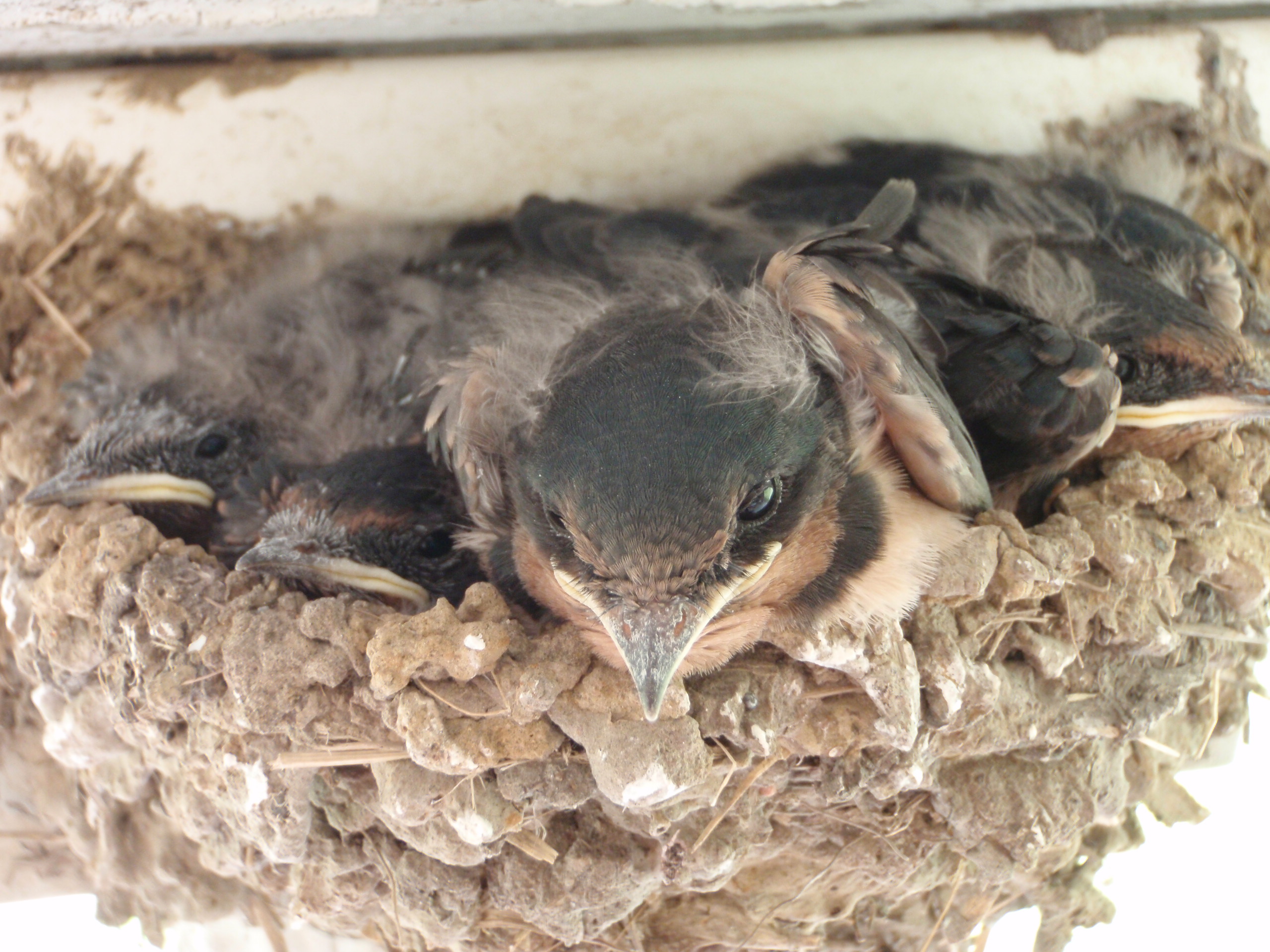
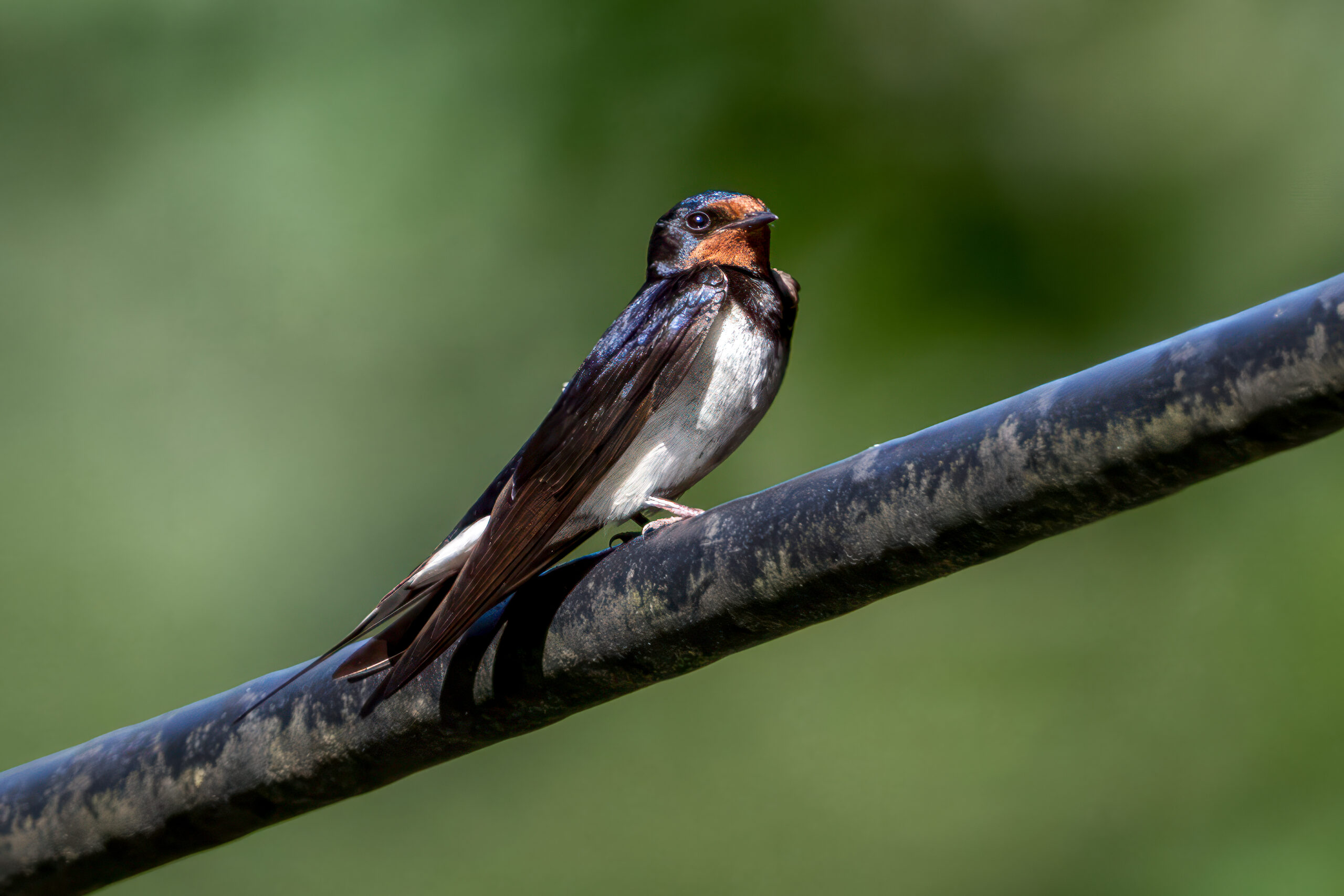
Eggs and nestlings from seven bird species collected along Snow Creek and Choccolocco Creek downstream of a former PCB manufacturing plant near Anniston, Alabama, contained some of the highest PCB concentrations recorded in North American birds. Most samples came from Carolina wren (Thryothorus ludovicianus) and barn swallow (Hirundo rustica). Based on the magnitude of the PCB and dioxin toxic equivalent (TEQ) concentrations, the authors considered adverse population effects highly likely in resident and migratory birds using the riparian corridors. TEQ combines several dioxin-like compounds into one value, weighting each compound by its relative toxic potency.
Seven Species Across Four Exposure Areas
Researchers collected 158 tissue samples in 2014 and 2015: 122 eggs and 36 nestlings from four exposure areas and a reference area in Talladega National Forest. The seven species were barn swallow, brown-headed cowbird (Molothrus ater), Carolina chickadee (Poecile carolinensis), Carolina wren, cliff swallow (Petrochelidon pyrrhonota), eastern bluebird (Sialia sialis) and tufted titmouse (Baeolophus bicolor). Carolina wrens accounted for 99 exposure-area samples and barn swallows for 36. The six reference eggs came only from Carolina wrens and eastern bluebirds, so there was no direct reference comparison for barn swallows.
PCB Levels Tracked Contaminated Floodplain Soils
Across eggs and nestlings from the exposure areas, total PCB concentrations ranged from 2 to 530 µg/g wet weight, compared with 0.08–0.45 µg/g in reference eggs. Dioxin toxic equivalents ranged from 83 to 21,000 pg/g in the exposure areas and 8–24 pg/g in the reference area. Egg concentrations of both total PCBs and TEQs were clearly higher in each of the four exposure areas than at the reference site. Total PCB concentrations in eggs also rose with PCB concentrations in floodplain soils within nesting home ranges; differences in soil contamination accounted for about half of the variation in egg concentrations. PCB congener patterns supported a common source in soils and sediments contaminated by historical releases from the Anniston facility.
Sensitivity and Exposure Routes Shaped the Risk Assessment
Dioxin-like compounds act through the aryl hydrocarbon receptor (AhR), a cellular receptor that can alter gene regulation when these chemicals bind to it. Differences in the receptor help explain why bird species vary in sensitivity and are used to classify that sensitivity. Published sequence information placed barn swallow, cliff swallow, eastern bluebird and tufted titmouse in the moderately sensitive Type 2 group. TEQ concentrations in these four species were clearly above the lethality thresholds used by the authors. Median total PCB concentrations in Carolina wren and barn swallow eggs and nestlings from the exposure areas exceeded tissue-based reference values for highly sensitive birds, and at least some samples from every exposure area exceeded reference values used for even relatively insensitive species.
Most of the sampled species were insectivores. The authors identified emergent aquatic insects as a likely route by which PCBs can move from contaminated sediments into riparian food webs. Barn swallows catch emerging insects over water and build nests from locally collected mud, so both food and contaminated nest material could contribute to exposure. Carolina wrens forage mainly for insects and spiders on the ground and lower portions of tree trunks, a habit the authors suggested could increase exposure to soil-borne contaminants. The study did not trace PCB movement through individual food items. Concentrations of lead and mercury were below the toxicity thresholds used in the assessment.
The study measured contaminant exposure rather than reproductive success, mortality or population trends. Its conclusion about likely population effects therefore came from comparing measured tissue concentrations with established toxicity reference values, not from observing a demographic decline directly. Even with that distinction, the authors concluded that the PCB concentrations in birds using the downstream riparian areas reached magnitudes associated with adverse population-level effects.
Threats
Related news
Usutu Virus RNA Was Found Nearly Three Times as Often as West Nile Virus RNA in Southern France
Among 2,533 wild birds from 69 species in southern France, Usutu virus RNA was detected in 12.0% and…
Read story →
Larger Broods and Older Social Fathers Were Linked to Shorter Telomeres in Male Barn Swallow Nestlings
A long-term study near Milan found shorter telomeres in male barn swallow nestlings from larger broods or with…
Read story →
Mitochondrial DNA Reveals a More Complex Evolutionary History of Barn Swallows
A study of 580 complete barn swallow mitochondrial genomes found five major maternal lineages, including a newly recognised…
Read story →SPECIES IN THIS STORY
Species in this story
Independent research and conservation news archive
Did you find this information useful?
Wildlife Vagabond is independently built and maintained. Voluntary support helps cover source verification, hosting and continued work on research and conservation news.
Support Wildlife VagabondThe news archive will remain freely available.