
Zebra Group Departures Were Linked to Visual and Tactile Behaviours
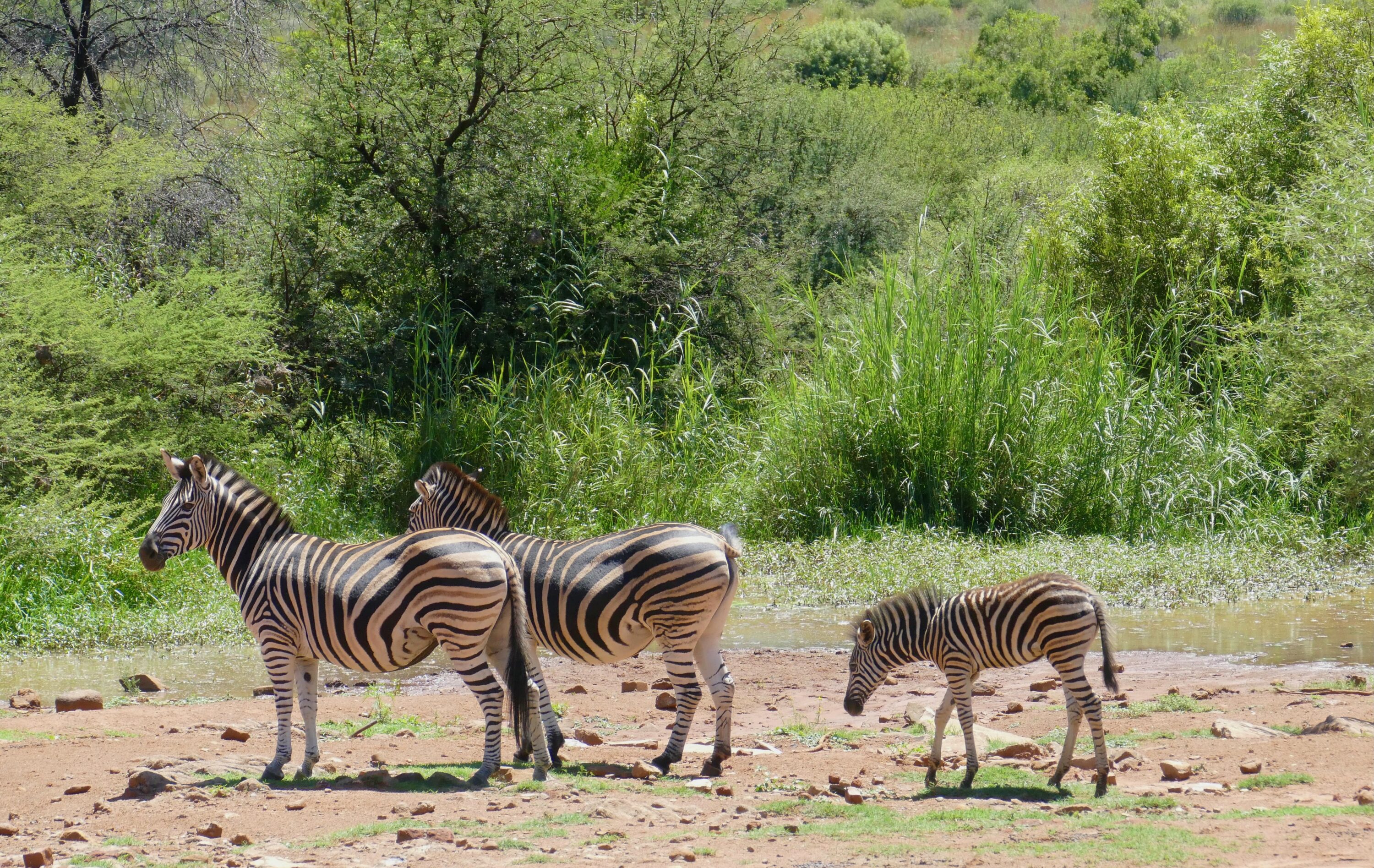
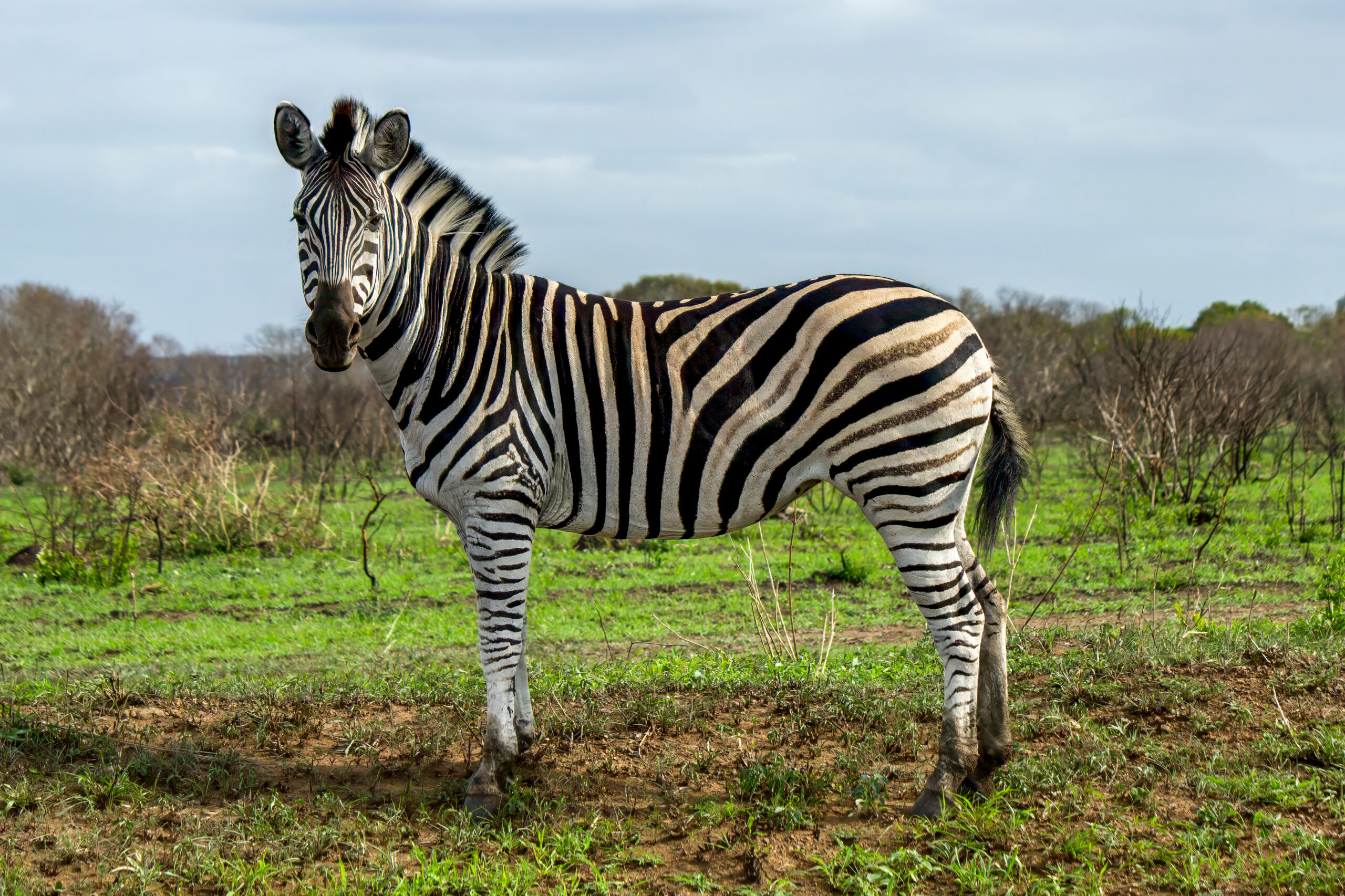
A 2026 field study of wild plains zebras (Equus quagga) in Pilanesberg National Park, South Africa, found that decisions to start moving as a group were associated mainly with visual and tactile behaviours rather than vocal signals. The results suggest that group departures emerge from a partially shared decision-making process in which initiators, followers and animals that do not follow can all influence the outcome.
The researchers observed naturally occurring movements from a vehicle and recorded video, audio and photographs without manipulating the animals. After excluding repeated encounters and observations that could not be analysed reliably, they examined 43 independent movement attempts involving 155 individually recognised zebras in harems and larger herds.
Visual and tactile behaviours mattered more than snorting
Before each movement, the researchers compared the behaviour of the zebra that first started walking with the behaviour of animals that followed and those that did not. Headshakes, head-bobs, physical contact, grazing, standing, short walks and changes of direction were all associated with different parts of the departure process. By contrast, the researchers did not detect a relationship between snorting and whether a collective movement developed.
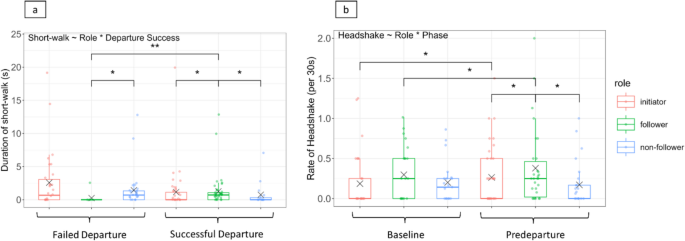
Non-followers also influenced whether and how far the group moved
The behaviour of animals other than the initiator also mattered. When non-followers spent more time standing before departure, a smaller proportion of the group followed the initiator. A higher rate of direction changes by both initiators and non-followers was associated with shorter group movements. These patterns are consistent with a system in which the decision is not controlled solely by a single leader.
The researchers also tested whether sex, age or lactation status predicted whether an individual became an initiator, follower or non-follower. The analysis did not support a clear association between any of these characteristics and the roles in the movement attempts.
The study builds on previous work showing sophisticated visual communication in plains zebras. Here, the authors conclude that collective departures appear to rely mostly on non-acoustic behaviour and that the actions of several group members contribute to whether and how the group moves together.
Behaviour
Related news

First Reported Giardia Detections in Four Wild Herbivore Species in Kenya
Molecular screening of wildlife and livestock in Laikipia produced the first reported Giardia detections in African buffalo, plains…
Read story →
Impala fGCM Levels Were 57% Higher on Dry-Season Weekends in Four-Species Tourism Study
At Somabula, impala fGCM levels were about 57% higher over dry-season weekends than weekdays, while the other three…
Read story →
Modelled Adult Male Plains Zebra Mass Rose 16.9% During the Sampled Wet-season Period
Historical Serengeti measurements modelled a roughly 45 kg, or 16.9%, rise in adult male zebra mass from late…
Read story →SPECIES IN THIS STORY
Species in this story
Independent research and conservation news archive
Did you find this information useful?
Wildlife Vagabond is independently built and maintained. Voluntary support helps cover source verification, hosting and continued work on research and conservation news.
Support Wildlife VagabondThe news archive will remain freely available.