
Red Fox Activity Peaks Shifted as Eastern Cottontails Became Established at Le Bine
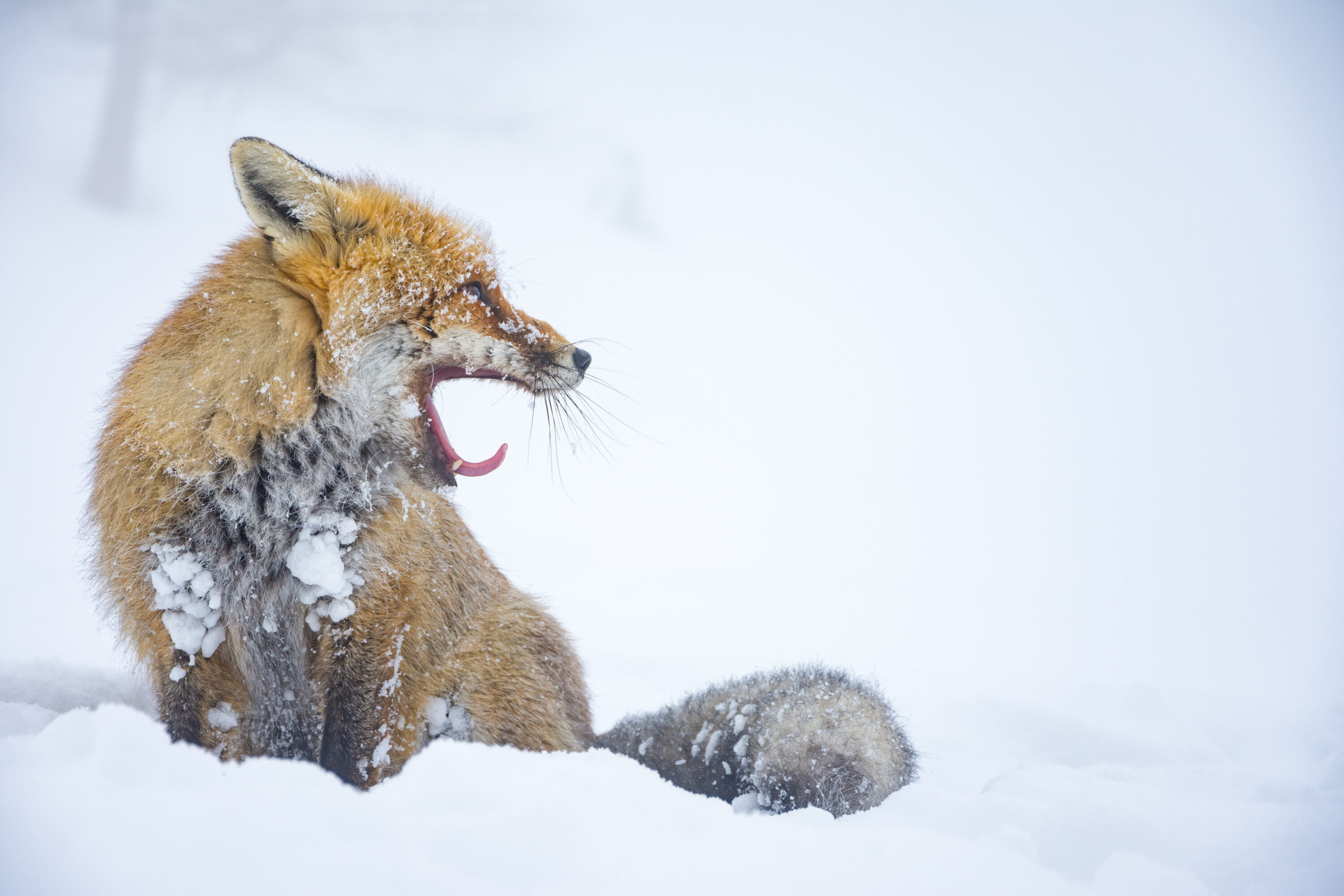
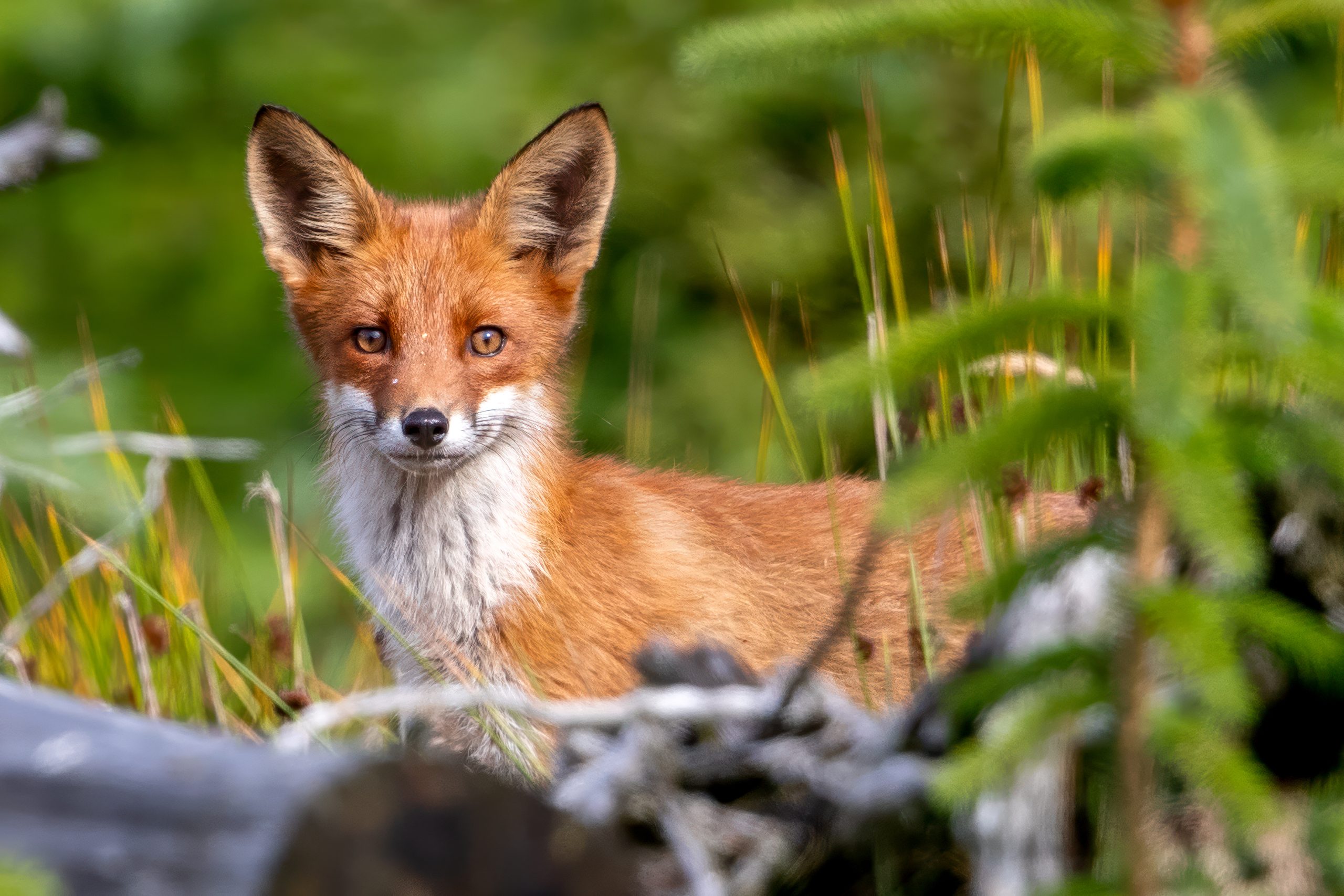
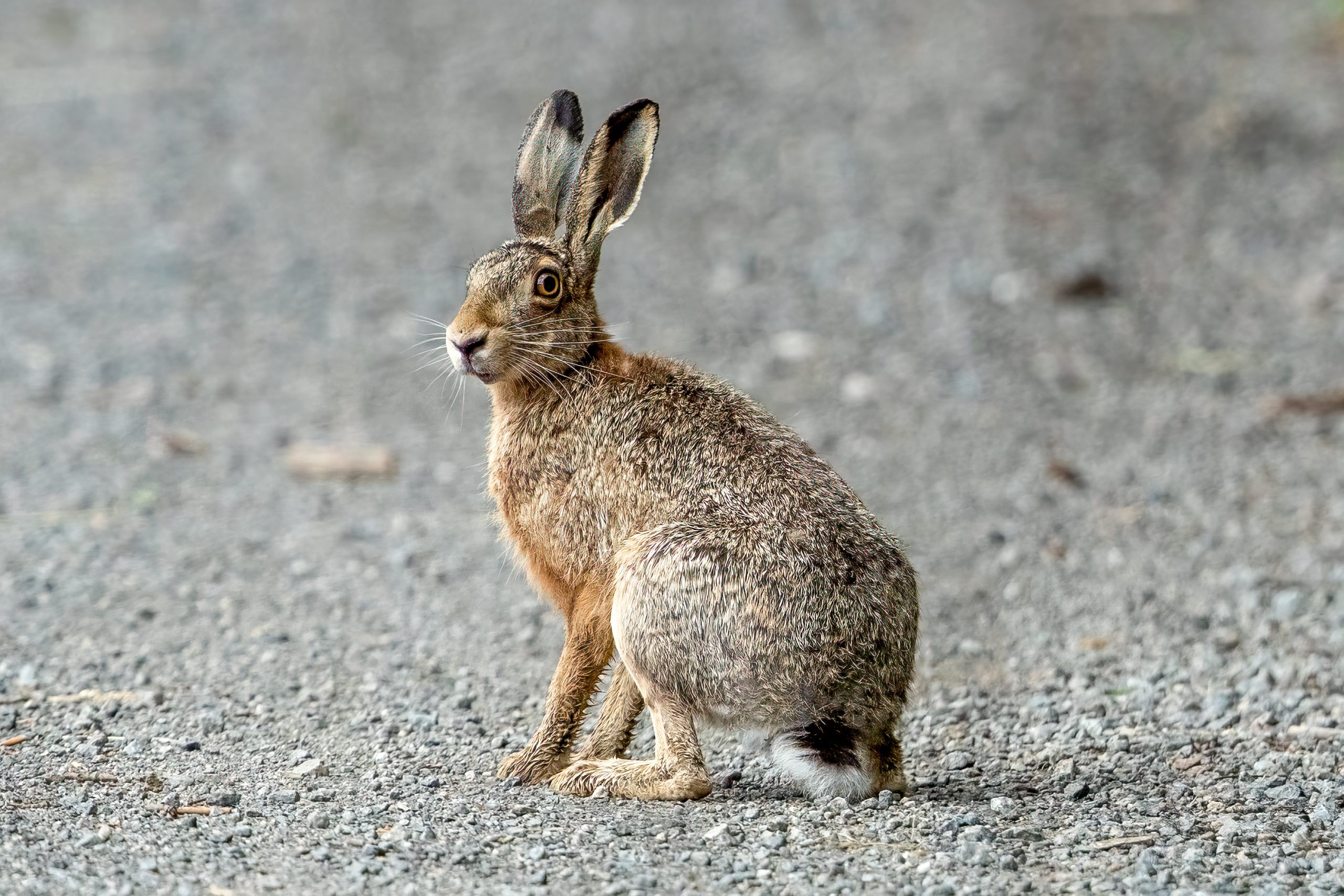
A long-term camera-trap study at Le Bine Regional Nature Reserve in northern Italy found subtle shifts in the daily activity rhythm of red foxes (Vulpes vulpes) as the introduced eastern cottontail (Sylvilagus floridanus) became established. The native European hare (Lepus europaeus), by contrast, retained essentially the same strongly bimodal daily rhythm.
The study used 7,254 camera-trap nights at 33 locations between 2013 and 2023. Eastern cottontails were first detected at Le Bine in February 2016, but only 14 independent records were obtained through the end of 2019. Records then increased sharply, with 100 detections in 2020 alone. The researchers therefore treated 2013–2019 as the pre-colonisation period and 2020–2023 as the post-colonisation period.
Foxes changed timing more than total daily activity
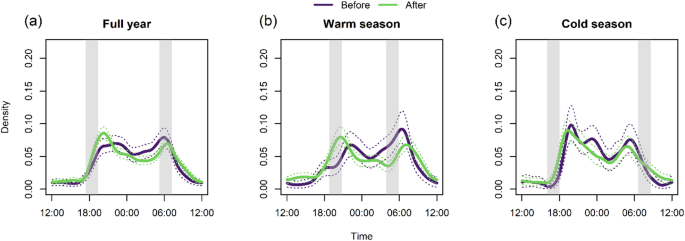
Red foxes remained predominantly nocturnal before and after cottontail establishment. Their overall daily activity level did not change clearly between the two periods, but the timing of activity did. In the warm season, the two main activity peaks shifted from 22:16 to 20:35 and from 06:23 to 07:04, while activity in the middle of the night declined.
The before-and-after fox rhythms still overlapped strongly overall, so the change was subtle rather than a complete behavioural switch. Even so, the full-year and warm-season patterns were statistically distinguishable. The authors suggest that the fox may have partly adjusted its timing to track the eastern cottontail, a newly abundant potential prey. This is an interpretation of the temporal pattern, not direct evidence that cottontail arrival caused the fox’s behavioural change.
The European hare kept its established rhythm
European hares showed a strongly bimodal pattern, with activity concentrated around sunrise or the early morning and around sunset. This rhythm remained highly similar before and after cottontail establishment, and temporal overlap between hare and red fox stayed low to moderate.
Temporal segregation means that species reduce encounters by being active at different times of day. The stable hare–fox separation suggests that the arrival of the new lagomorph did not markedly alter this existing predator–prey timing relationship.
The cottontail changed its rhythm with the season
The eastern cottontail itself was more flexible. It was mainly nocturnal during the cold season, but shifted to a bimodal rhythm in the warm season, when nocturnal activity became very low and a strong morning peak occurred about one hour before the European hare’s peak.
The authors propose that this temporal separation from the larger native hare may help the two lagomorphs coexist, especially where spatial avoidance is difficult in the small reserve. In the cold season, when food may be more limiting and the species may use the same places more often, their temporal overlap was lower. The study therefore points to flexible timing — rather than a major change in the European hare’s behaviour — as one mechanism that may have helped the eastern cottontail establish at Le Bine.
Behaviour
Related news
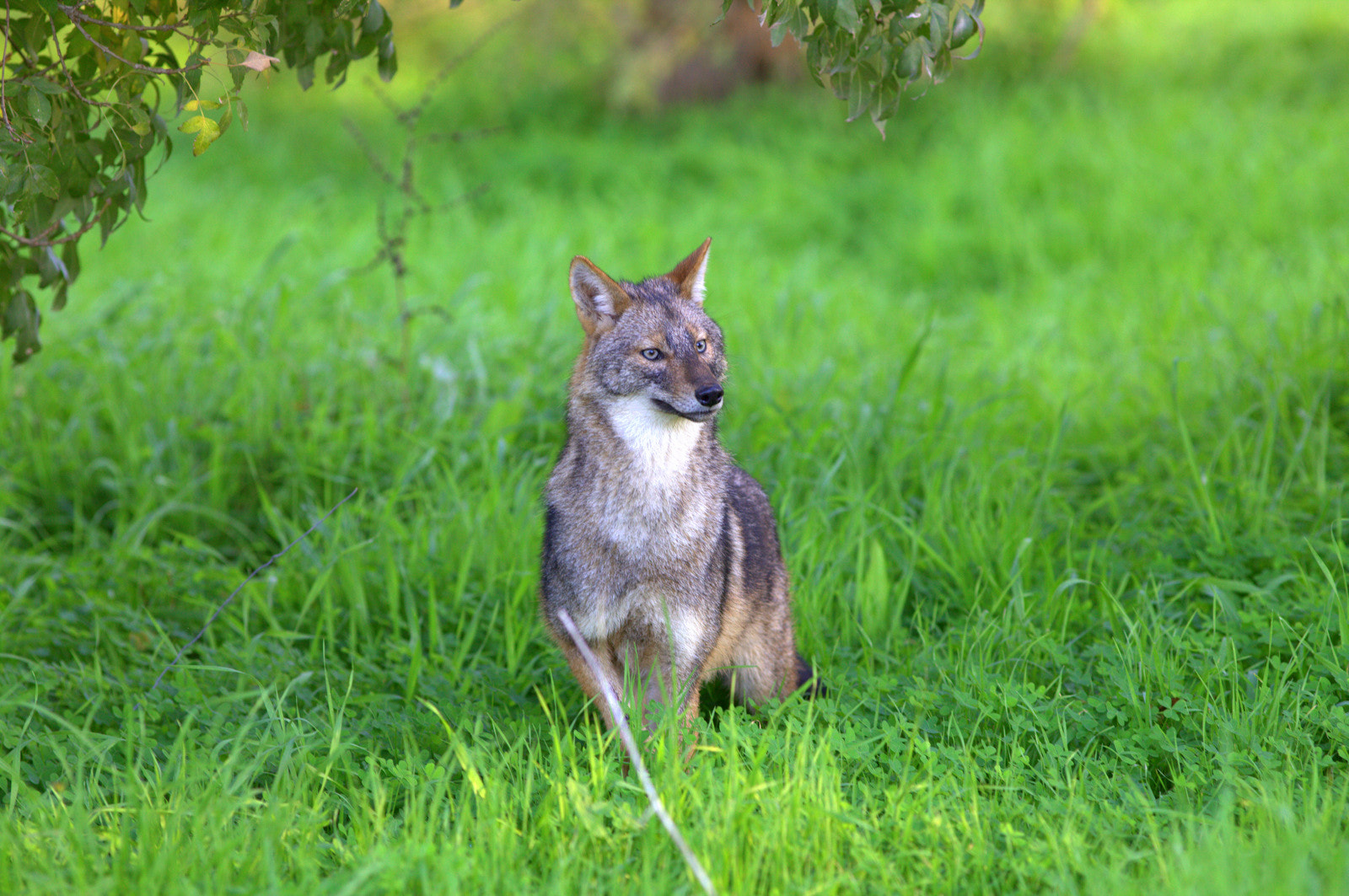
Similar Mammal Diversity, Different Activity Patterns in Grazed and Ungrazed Areas
Camera traps in four northern Israeli reserves found similar numbers of mammal species with and without livestock grazing.…
Read story →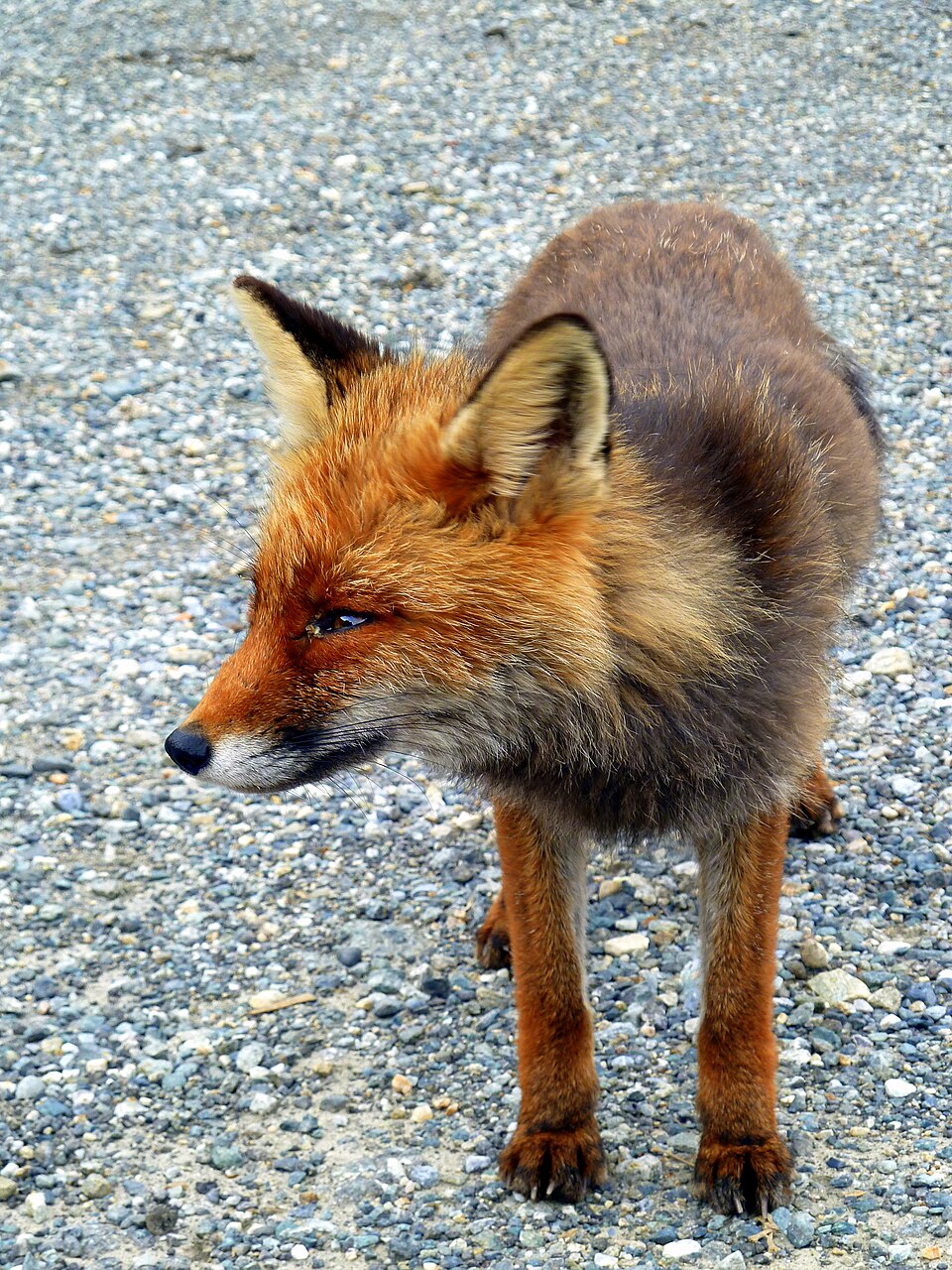
Wolf Kills Provided Plenty of Food for Red Foxes
Red foxes visited all 26 wolf-killed red deer monitored in Stelvio National Park. The amount of meat left…
Read story →
Red Foxes and Stone Martens Share Places at Different Times
Red foxes and stone martens often used the same sites in central Spain. Their daily activity differed more…
Read story →SPECIES IN THIS STORY
Species in this story
Independent research and conservation news archive
Did you find this information useful?
Wildlife Vagabond is independently built and maintained. Voluntary support helps cover source verification, hosting and continued work on research and conservation news.
Support Wildlife VagabondThe news archive will remain freely available.