
Small Mammal Activity Rose Around Carcasses Even as Black-Backed Jackal Activity Increased
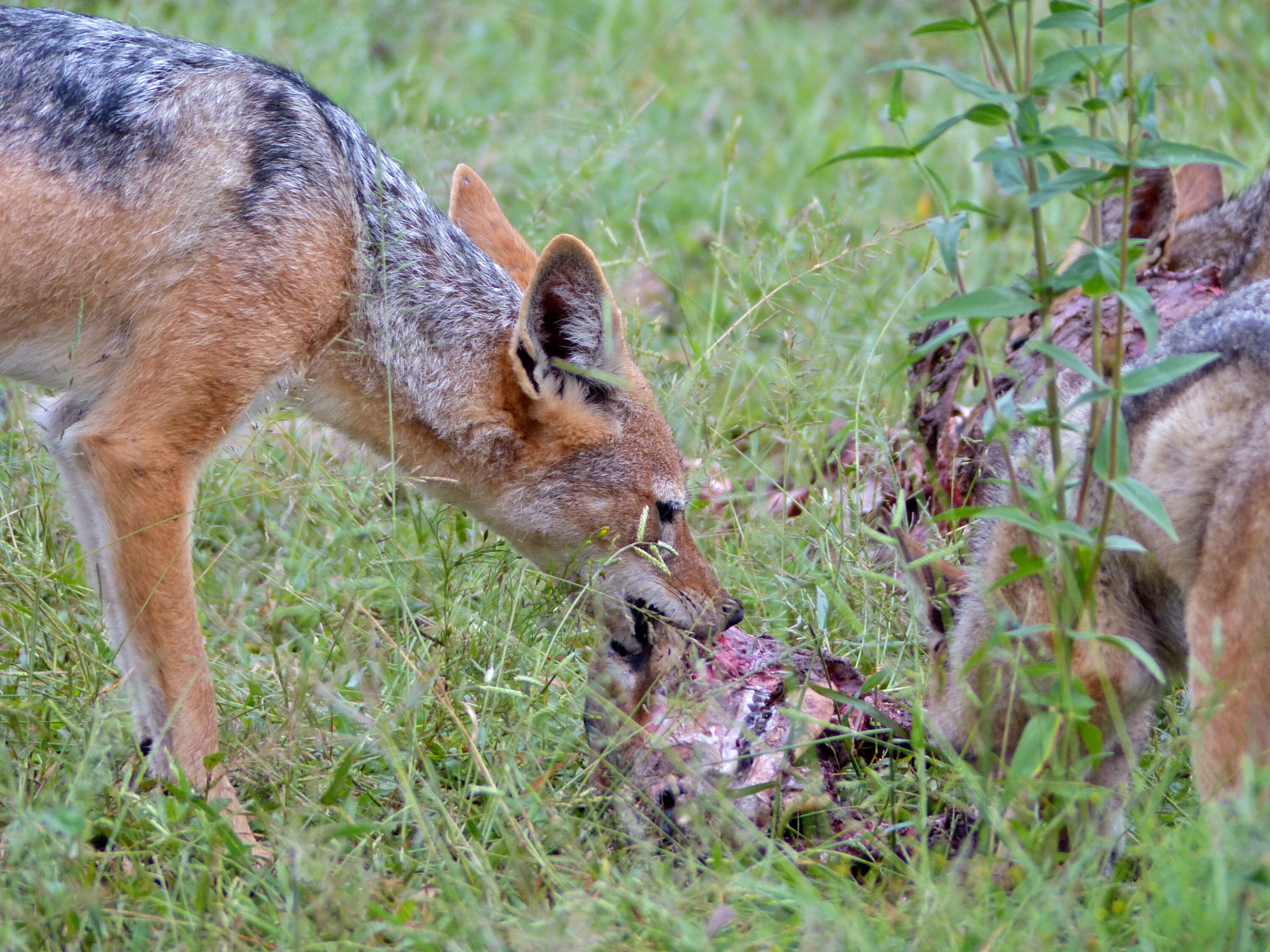
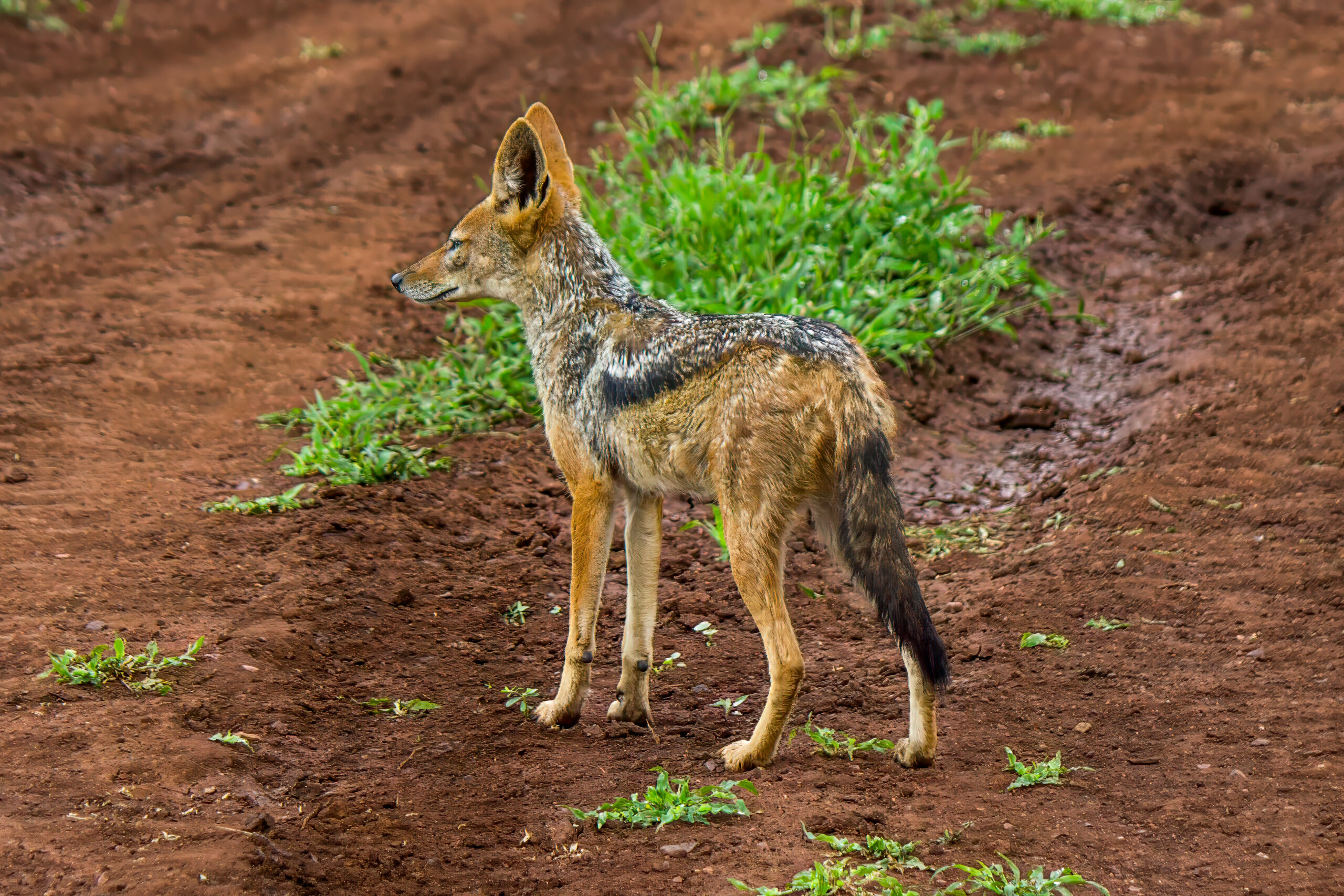
A field experiment at Telperion Nature Reserve in Mpumalanga, South Africa, found that small-mammal activity increased around large-animal carcasses even as black-backed jackal (Lupulella mesomelas) activity rose at the same sites. The study, first published on 1 June 2026, tested whether rodents and other small mammals would reduce their activity where carcasses concentrated a predator that also preys on them.
The researchers used 15 grassland sites in a before–after, control–impact design: five sites received an exposed blue wildebeest (Connochaetes taurinus) carcass, five had a carcass inside an exclosure that kept vertebrate scavengers out, and five had no carcass. Small mammals were live-trapped before carcass placement, during active decomposition and seasonally for a year; jackals were monitored with camera traps and beetles with pitfall traps.
Carcasses and beetles both tracked the increase
Small-mammal captures increased significantly at experimental sites after carcass deployment, while black-backed jackal and beetle activity also increased. The best-supported before–after model for small-mammal activity included carcass deployment, but a model based on beetle captures received almost equally strong support. The authors therefore interpret the carcass itself and the associated increase in invertebrate food as closely linked explanations rather than isolating a single mechanism.
Across the study, 201 individual small mammals from ten species were captured. Seven species were omnivorous or insectivorous, and 95.5% of captures came from animals in those feeding groups, so the authors caution that the inference applies mainly to them. They also note that minimum-number-alive estimates — a conservative count of individuals known to be present — did not show the same pattern as total captures, meaning that the increase could reflect altered activity or detectability rather than an increase in abundance.
Activity rose despite the expected avoidance
The result ran counter to the original prediction that small mammals would avoid carcass sites because of higher predator activity. Instead, the temporary food pulse associated with decomposition coincided with greater small-mammal activity even while black-backed jackal activity—and therefore potential predation risk—also increased. Because active decomposition occurred in January and February, when small-mammal populations at Telperion are normally near their seasonal low, the authors caution that the same trade-off may not occur at other times of year when food is more abundant.
Ecology
Related news
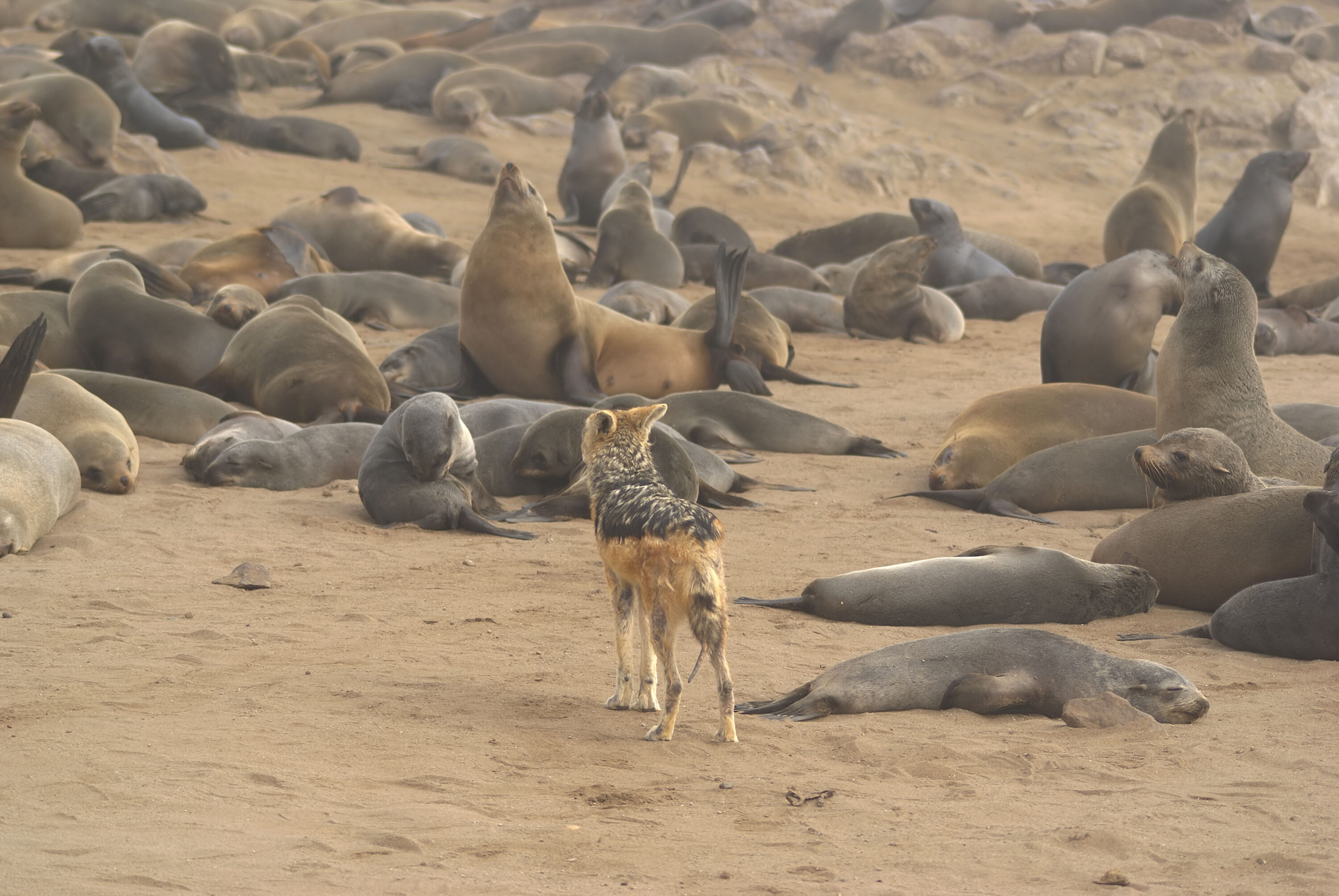
Rabies Likely Jumped From Black-backed Jackals to Cape Fur Seals and Then Spread Among Seals
Viral sequences from 51 South African fur seals point to a single rabies introduction, most likely from black-backed…
Read story →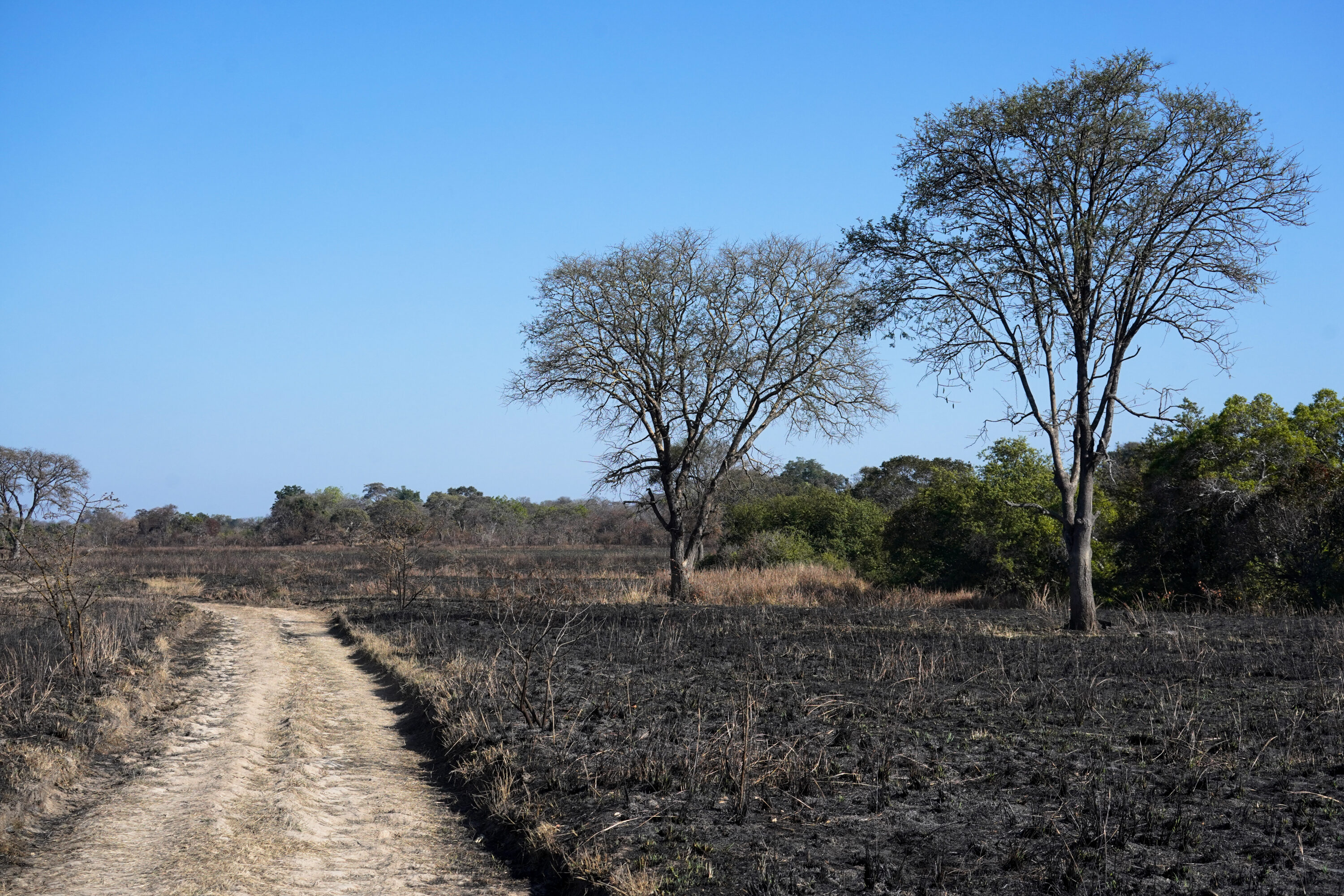
Local Mammal Site Use Fell in Burned Namibian Savanna During the First Five Months After Wildfire
Camera traps following 31 medium- and large-sized mammal species in eastern Namibia found that local site use in…
Read story →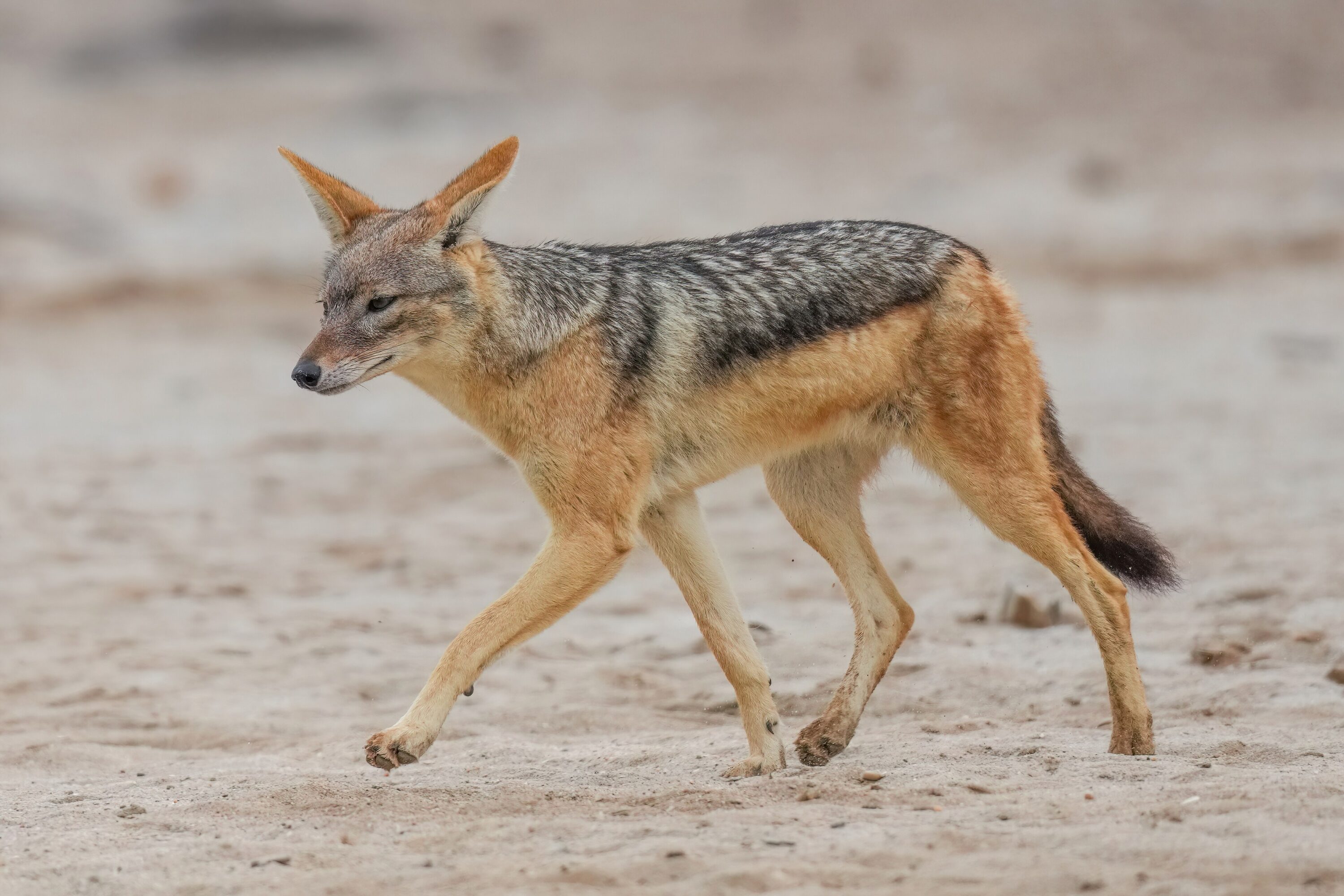
Black-backed jackals in Namibian livestock areas rely mostly on wild prey
Genetically confirmed scat from four communal conservancies in Namibia showed that wild ungulates contributed far more biomass to…
Read story →SPECIES IN THIS STORY
Species in this story
Independent research and conservation news archive
Did you find this information useful?
Wildlife Vagabond is independently built and maintained. Voluntary support helps cover source verification, hosting and continued work on research and conservation news.
Support Wildlife VagabondThe news archive will remain freely available.