
Snowy Egrets Made Up 73% of Herons Counted on Venezuela’s Santa Rita Coast
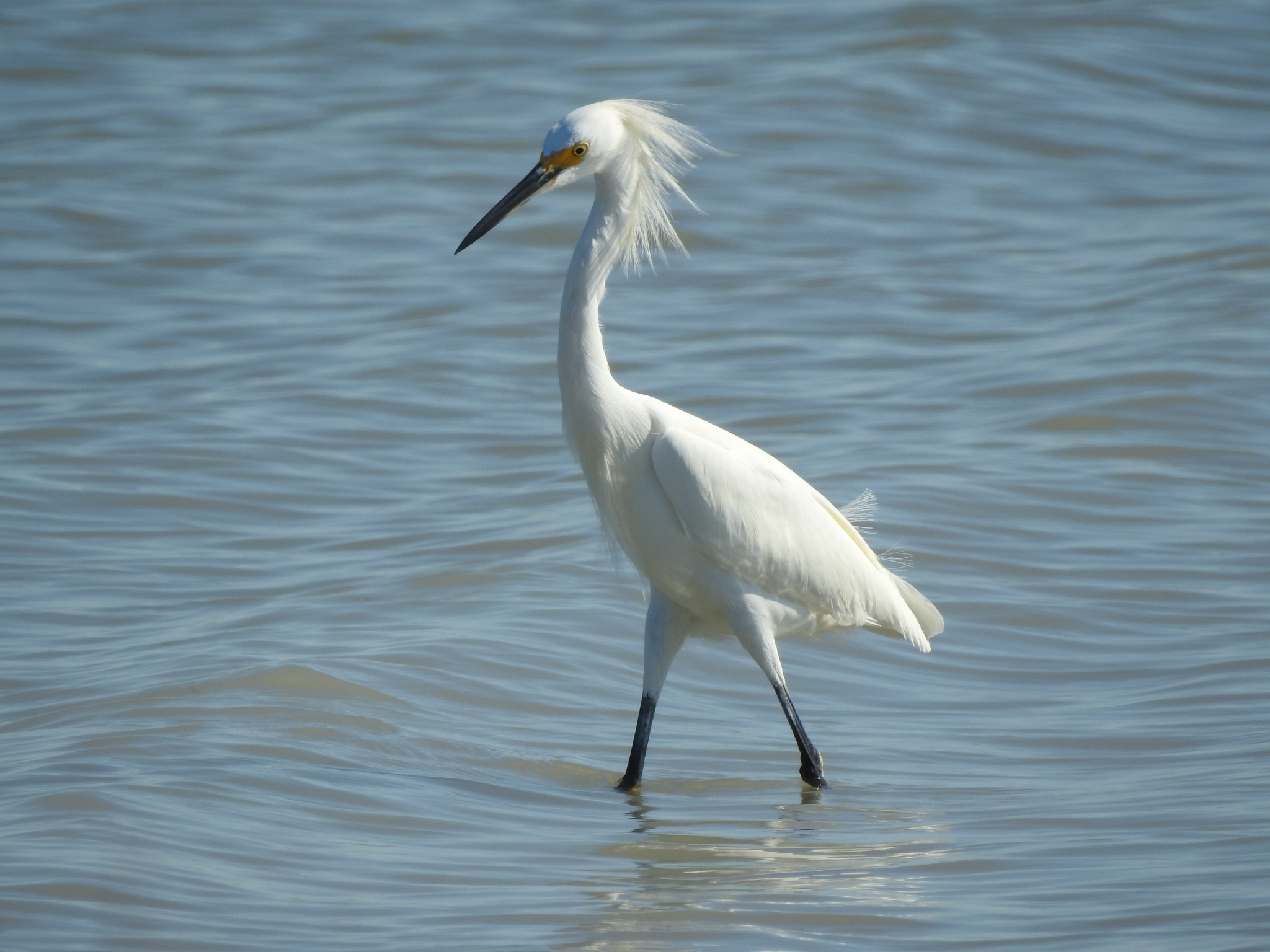
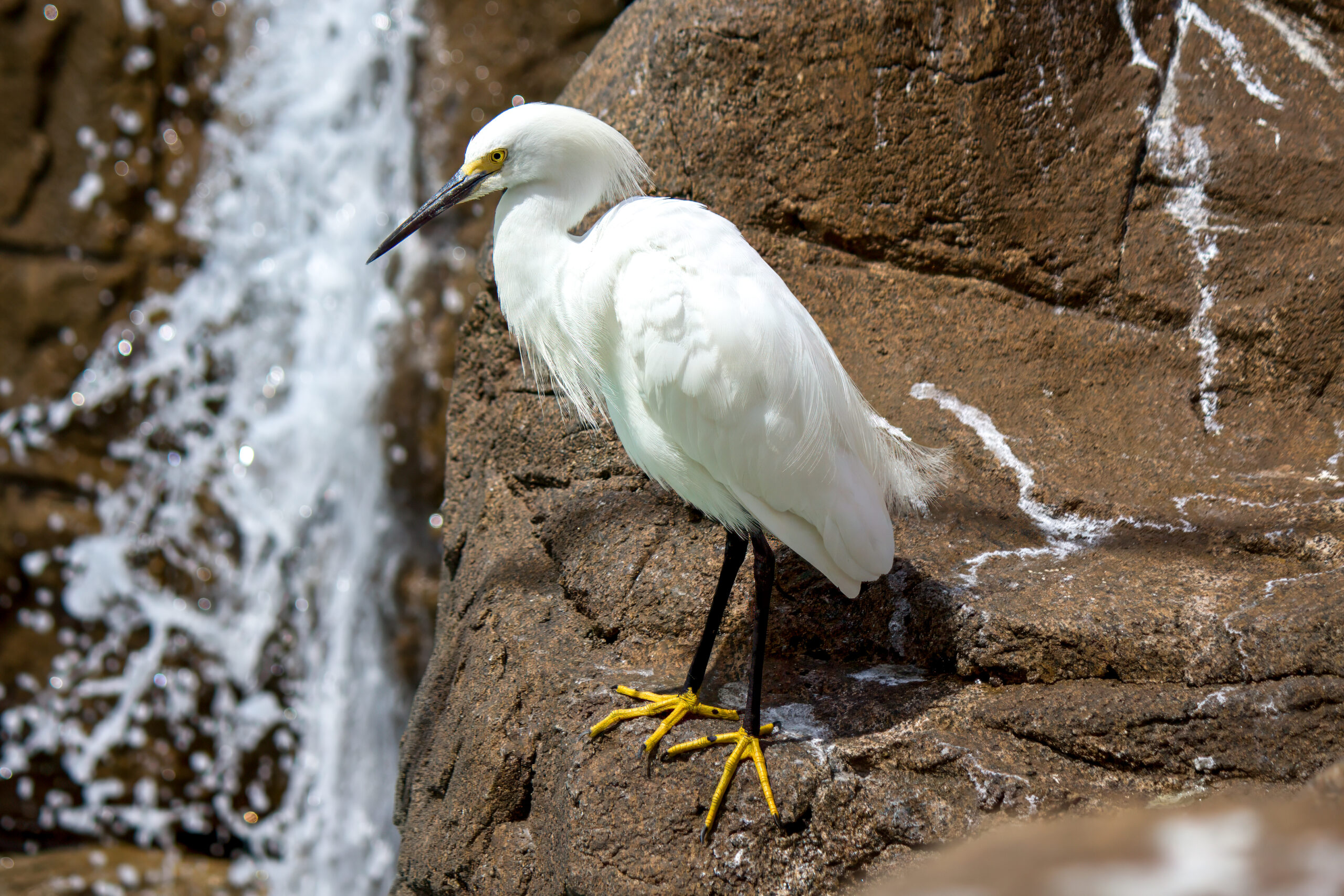
Monthly surveys along the eastern shore of Lake Maracaibo found that snowy egrets (Egretta thula) overwhelmingly dominated the local heron community. Researchers surveyed a 3 km coastal transect in Santa Rita, Zulia, Venezuela, once a month from July 2023 to July 2024, except in December, recording birds in mangroves, coastal vegetation, a creek, sandy beach and artificial structures such as piers, breakwaters, pilings and buoys.
A transect is a predefined line or route used to survey an area systematically, with observations, signs or sampling points recorded along it.
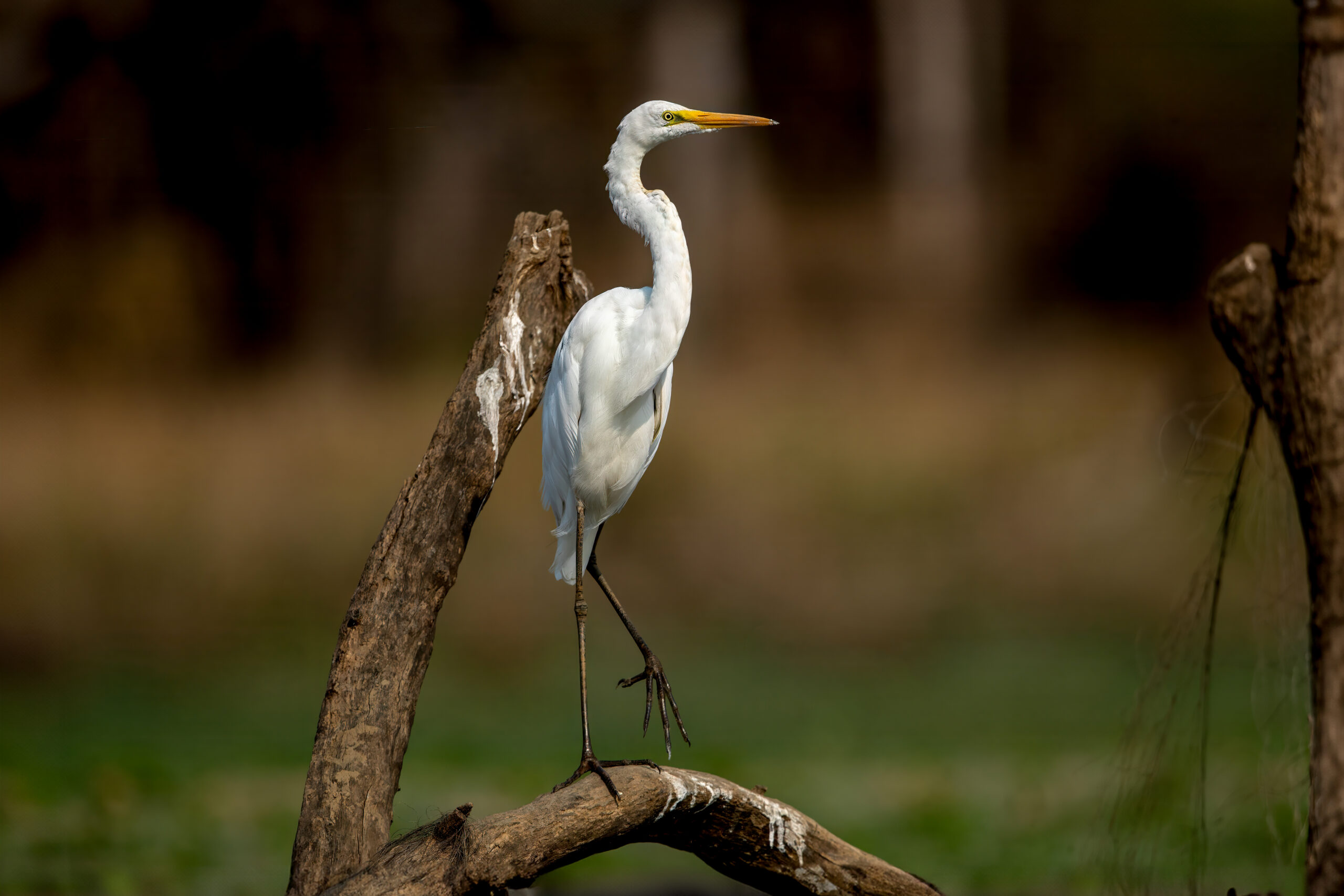
Across the surveys, 2,457 herons from nine species were counted. Snowy egrets accounted for 1,793 individuals, or 73% of the total, far ahead of great egrets (Ardea alba) at 24.6%. Snowy egrets were recorded in every monthly survey and occurred in all evaluated habitat types. The most heavily used habitats across the heron community were mangroves, sandy beaches and artificial structures, with birds using the coast mainly for resting and feeding and also gathering around fishing ports where fishery discards were available.
Snowy egrets showed a particularly broad range of activities. The study recorded them feeding, resting and using mangrove habitat for courtship; no nests were found in the four plots searched for nesting. The author also observed birds in breeding plumage and notes that early-morning and evening movements may indicate that some individuals travel to larger, less disturbed mangroves nearby to breed.
Heron abundance and species richness generally increased from May to September as the rainy period developed. Between October and January, when fishing activity declined and one major fishing port temporarily closed, observations of snowy and great egrets also fell, although fishing effort itself was not measured. The study describes mangrove removal, solid waste, wastewater and hydrocarbon pollution among the pressures affecting the Santa Rita coast and highlights the area’s continuing value as feeding, resting, preening and courtship habitat despite substantial human modification.
Ecology
Related news
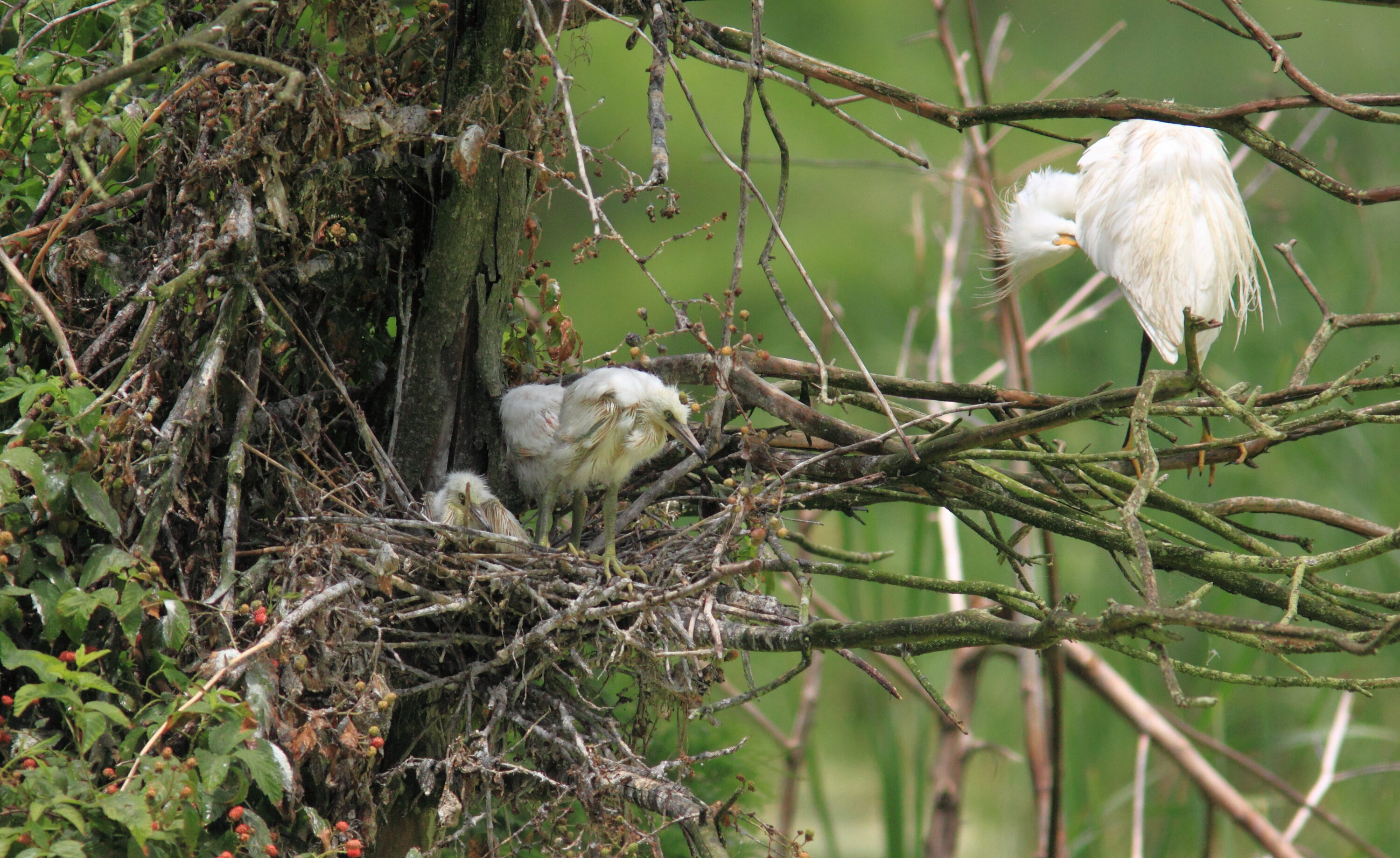
Drone Surveys Produced Similar Nest Survival Estimates to Ground Surveys for Florida Waterbirds
At four Lake Okeechobee colonies in Florida, drone imagery tracked 510 waterbird nests and produced nest survival estimates…
Read story →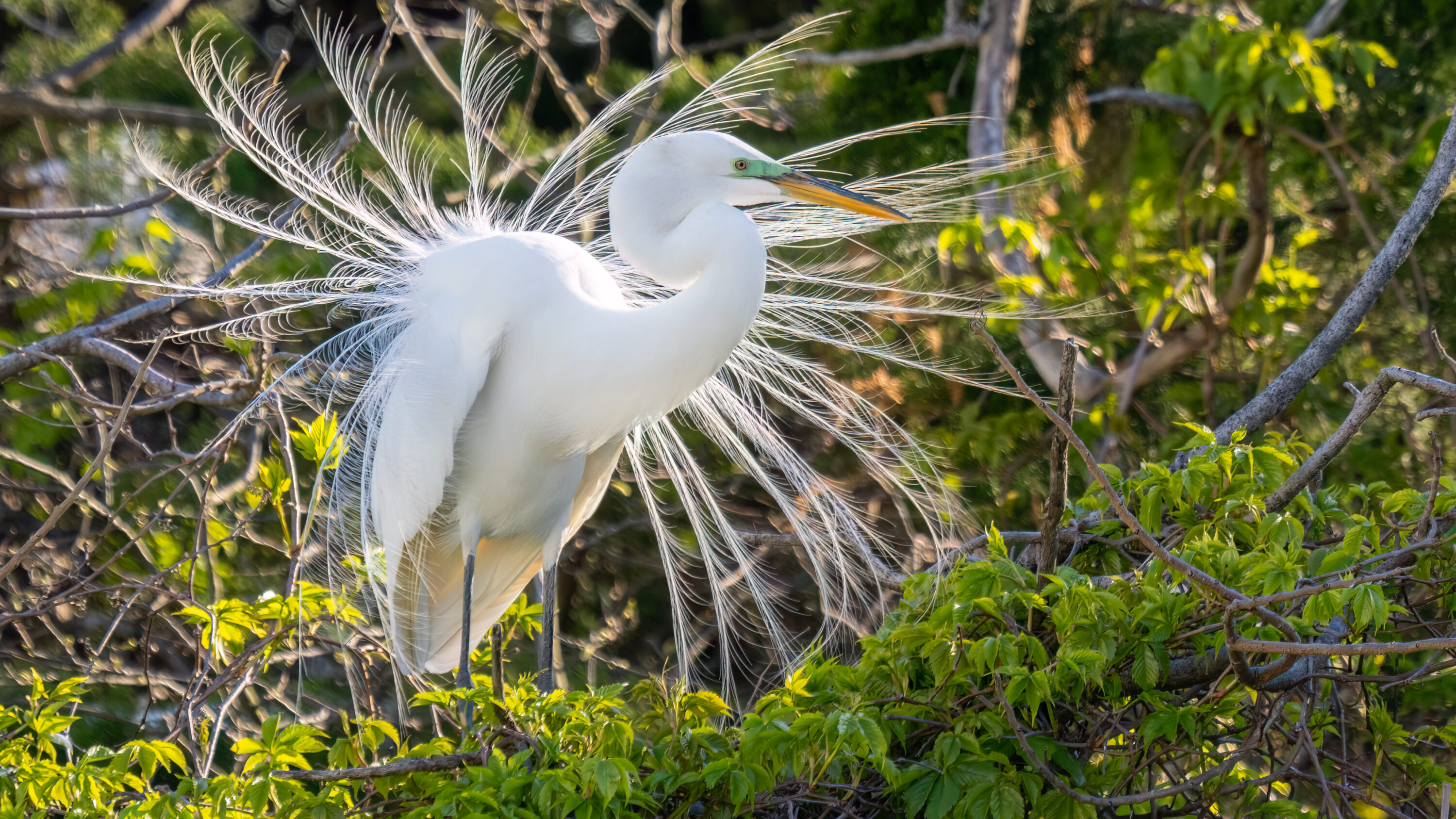
Great Egret Nesting Pairs Increased 96% While Black-crowned Night Herons Fell 55% in New York–New Jersey Harbor
A 22-year study found that great egret nesting pairs in New York–New Jersey Harbor increased 96% and snowy…
Read story →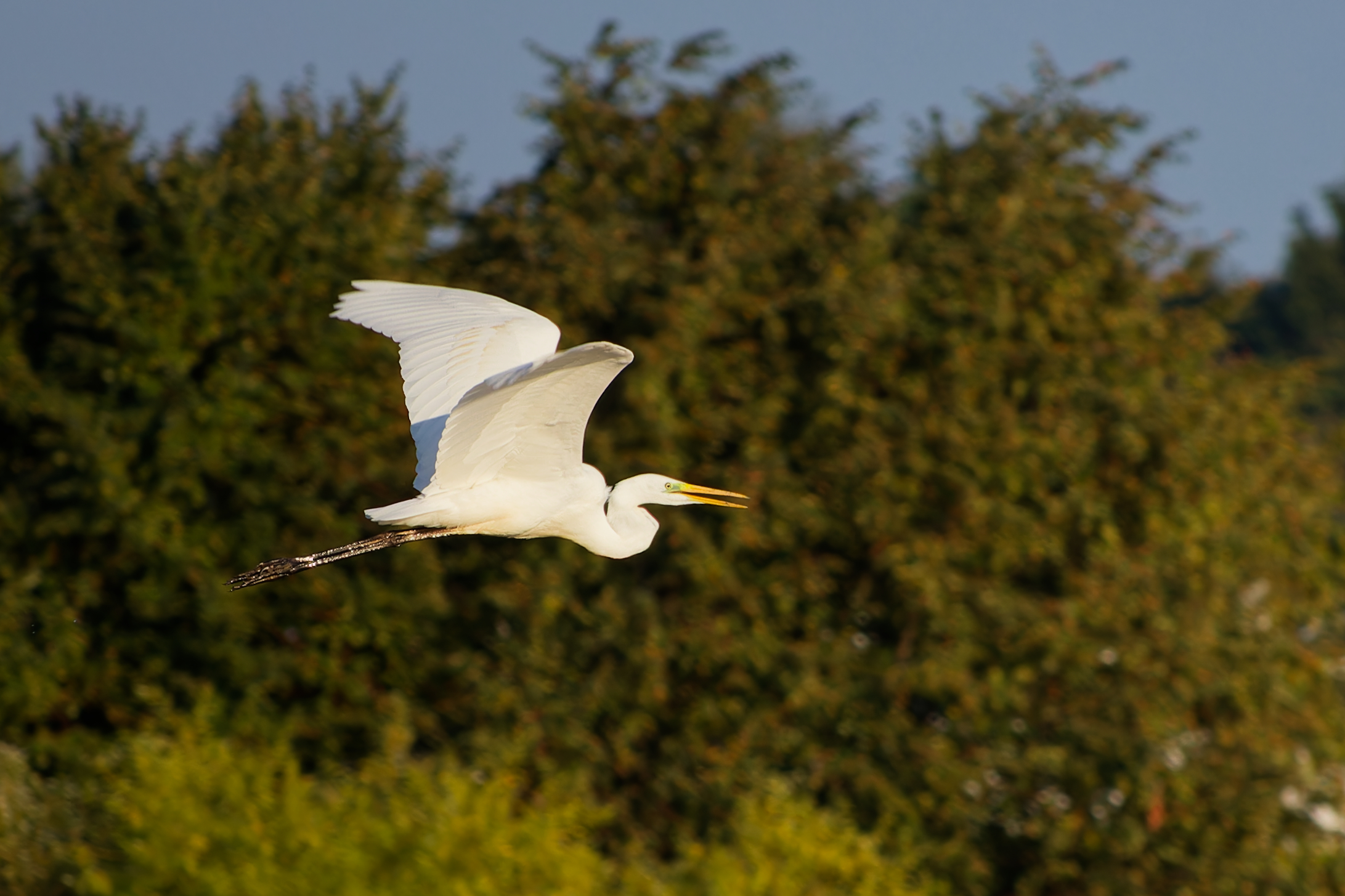
Six of Seven GPS-Tracked Great Egrets Returned to the Same Wintering Grounds
Six of seven great egrets tracked across at least two complete winters returned to the same wintering grounds;…
Read story →SPECIES IN THIS STORY
Species in this story
Independent research and conservation news archive
Did you find this information useful?
Wildlife Vagabond is independently built and maintained. Voluntary support helps cover source verification, hosting and continued work on research and conservation news.
Support Wildlife VagabondThe news archive will remain freely available.