
Thermal Cameras Did Not Increase Overall Aerial Culling Rates in a Chital Control Program
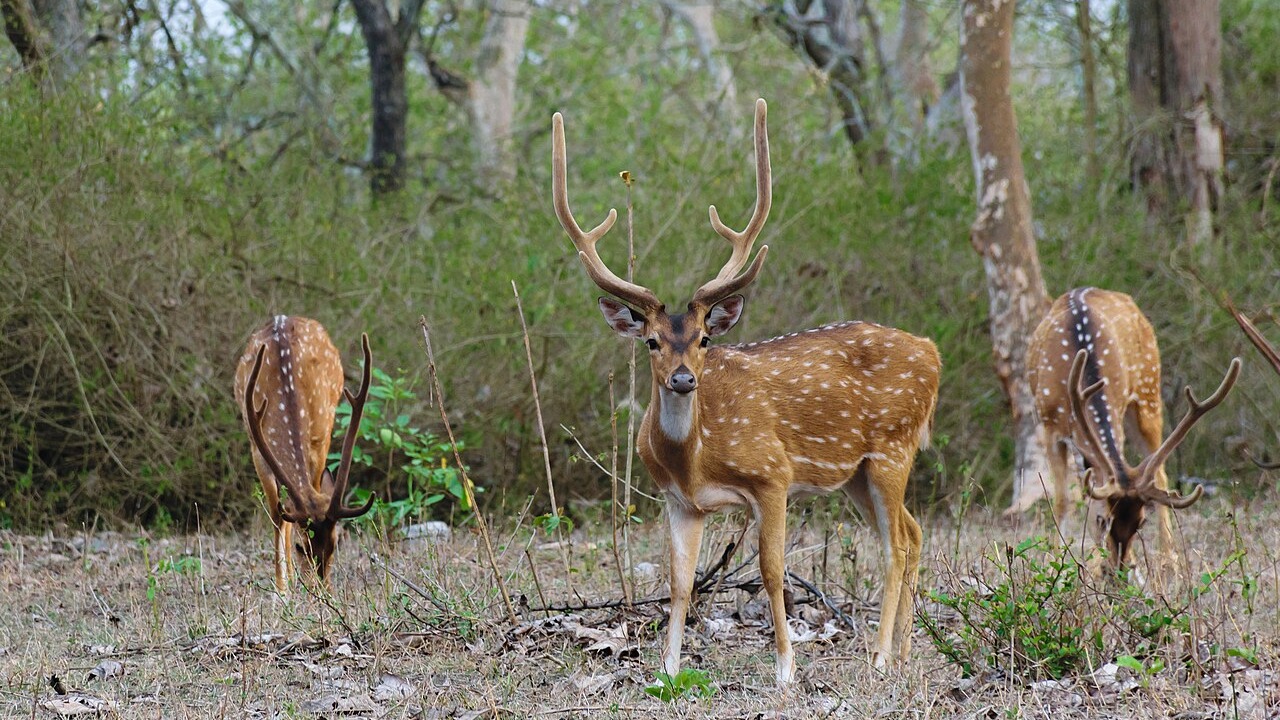
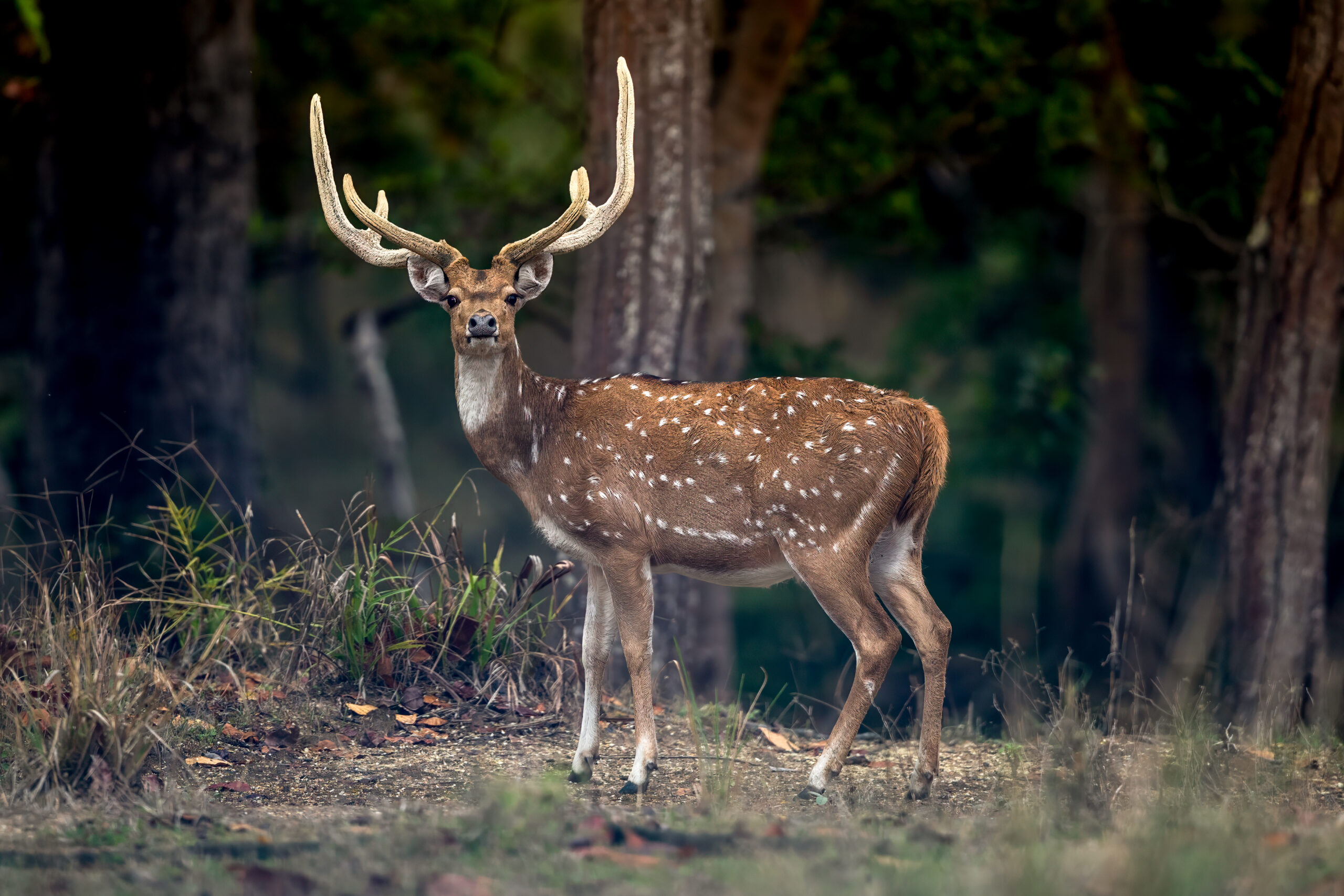
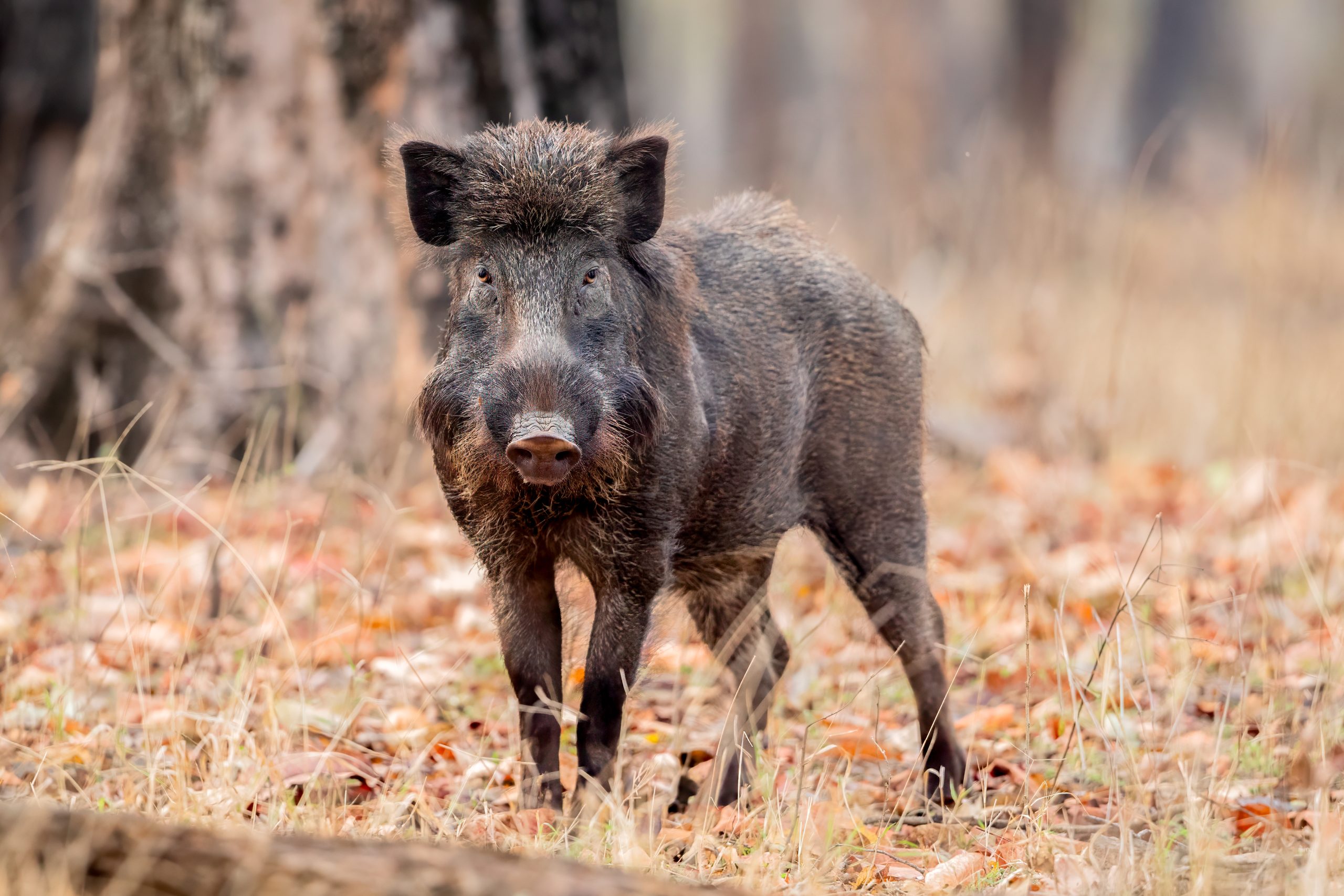
A trial during a feral-deer control program near Collinsville in Queensland, Australia found that adding thermal imaging did not significantly increase the overall rate at which animals were removed from helicopters. The program targeted chital (Axis axis) and rusa deer (Cervus timorensis), with the study area containing a large contiguous chital population; feral pigs (Sus scrofa) and wild dogs (Canis familiaris) were also culled opportunistically.
The study, published on 13 April 2026, analysed 20 aerial shooting flights carried out in July and August 2024 across a 1,996-square-kilometre area of 12 cattle properties. Fourteen runs used a thermal-camera operator and six relied on conventional visual detection.
Thermal imagery found many animal groups
The camera worked under a range of temperatures and canopy conditions, but it was considered usable for the full duration of only eight of the 14 thermal-assisted flights. On the other six, its use was limited for parts of the flight by ambient conditions or because high animal densities made visual detection sufficient. During the thermal-assisted runs for which the initial detection method was recorded, thermal imagery accounted for 65% of detections across the animal groups analysed. For deer groups specifically, 67.4% of recorded initial detections were made with the thermal camera rather than by unaided visual observation. The authors caution that this does not show that those groups would necessarily have remained undetected without the camera.
Across all 20 flights, 1,881 animals were removed: 1,365 deer, 508 feral pigs and eight wild dogs. The authors note that the combined cull data were dominated by chital, although the deer total also included rusa deer.
Overall removal rates were not significantly higher
Despite the additional detections, the researchers found no significant overall increase in the number of animals removed per hour or per kilometre flown when thermal assistance was used. Search and pursuit times also showed no consistent overall improvement.
Animal density appears to have been important. Parts of the Collinsville area had previously held very high deer densities, reaching up to 48.3 deer per square kilometre. At such densities, animals were already relatively easy to find visually and the operation could be limited more by the time needed to pursue and remove animals than by the search itself.
Benefits may be greater when animals become harder to find
The limited low-density comparisons pointed in that direction. In both matched low-density deer areas, thermal-assisted runs removed more animals per hour than conventional runs: 27.9 versus 23.7 in one area and 60.3 versus 13.8 in the other. Thermal-assisted runs also found proportionally more very small deer groups: 45% of deer groups contained one or two animals, compared with 26.3% on conventional runs. The authors stress that these advantages were not consistent across the full trial.
The thermal observer increased the hourly cost of the operation by about 20.5%, and this extra cost was not offset by a higher overall culling rate during the trial. The authors nevertheless conclude that thermal imagery can still be useful, particularly when animal densities are lower, animals occur in smaller groups or dense vegetation makes visual detection difficult.
Management
Related news
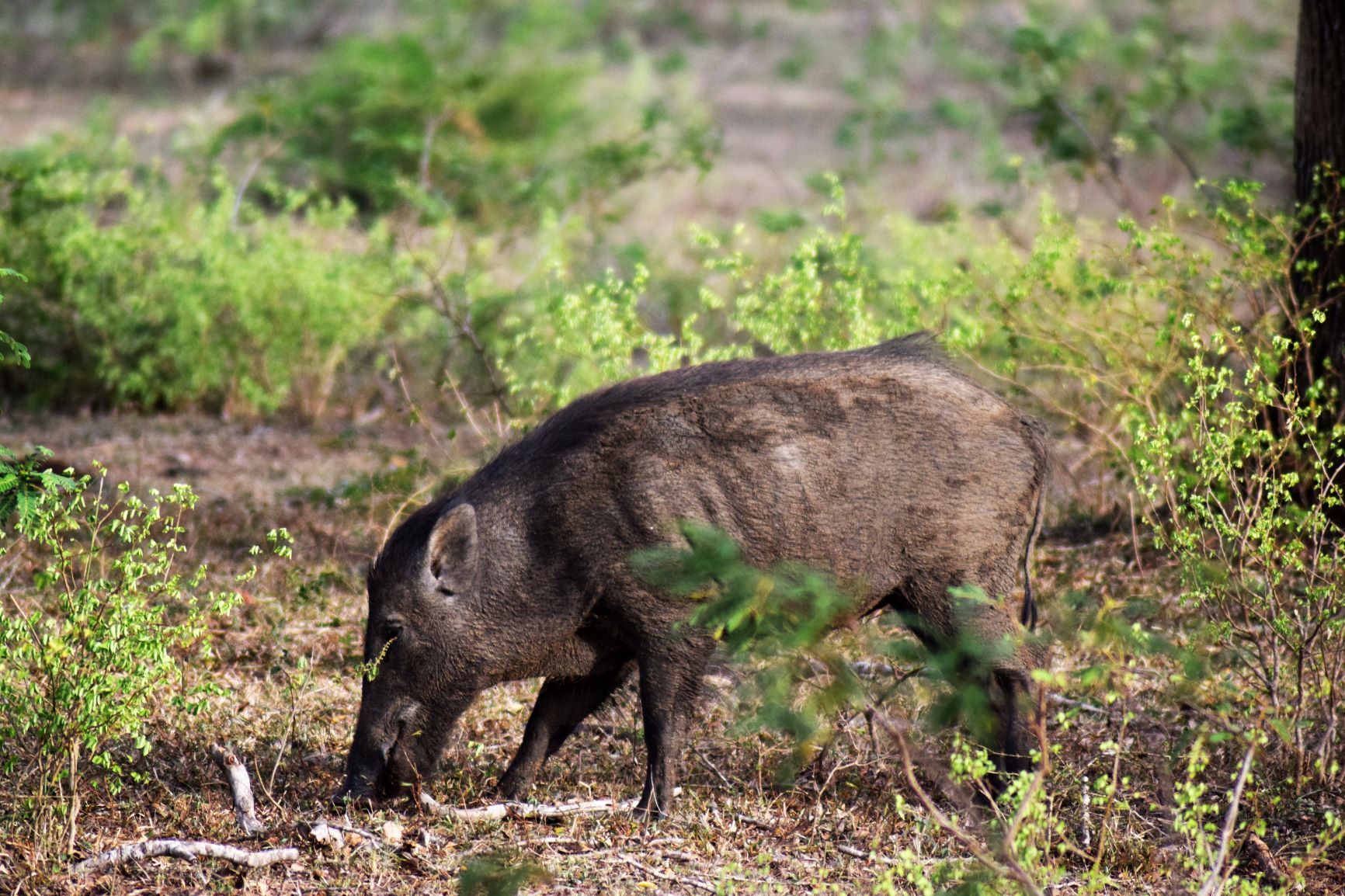
Maps Show Where Wild Boar Could Thrive and Spread on Jeju Island
Researchers mapped potentially suitable wild-boar habitat across roughly 36% of Jeju Island and identified eight possible corridors linking…
Read story →
Roe Deer and Wild Boar Remained Key Wolf Prey as Diet Shifted Across North-western Italy
From 2021 to 2025, wolves in north-western Italy continued to feed mainly on wild prey. In the Po…
Read story →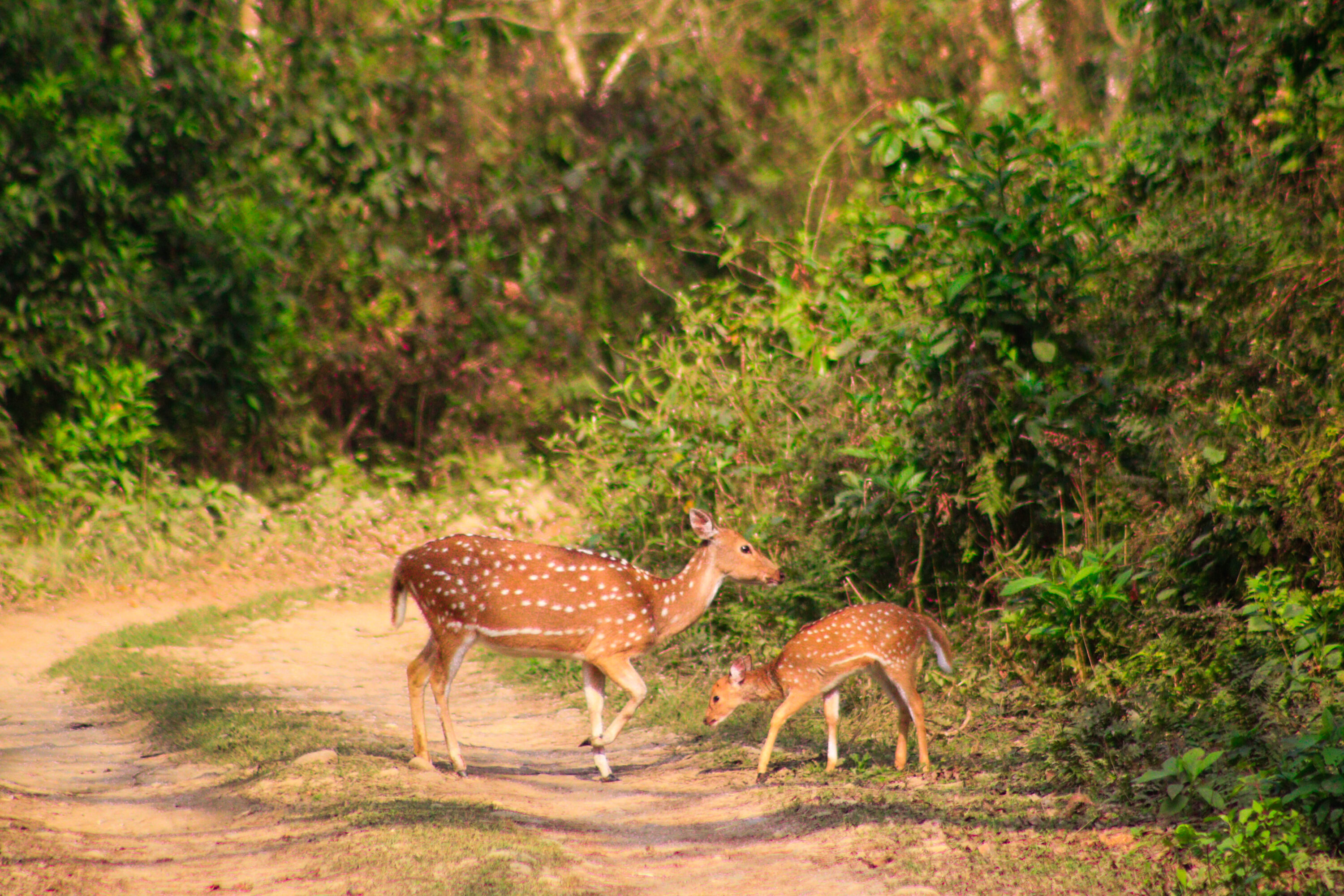
Human Activity and Large Wildlife Overlapped Most in Chitwan’s Buffer Zone
Camera traps across Chitwan National Park and surrounding forests showed the greatest overlap of human activity with large…
Read story →SPECIES IN THIS STORY
Species in this story
Independent research and conservation news archive
Did you find this information useful?
Wildlife Vagabond is independently built and maintained. Voluntary support helps cover source verification, hosting and continued work on research and conservation news.
Support Wildlife VagabondThe news archive will remain freely available.