
Female Wood Sandpipers Were Larger, but Body Measurements Reliably Sexed Only About 17% of Birds
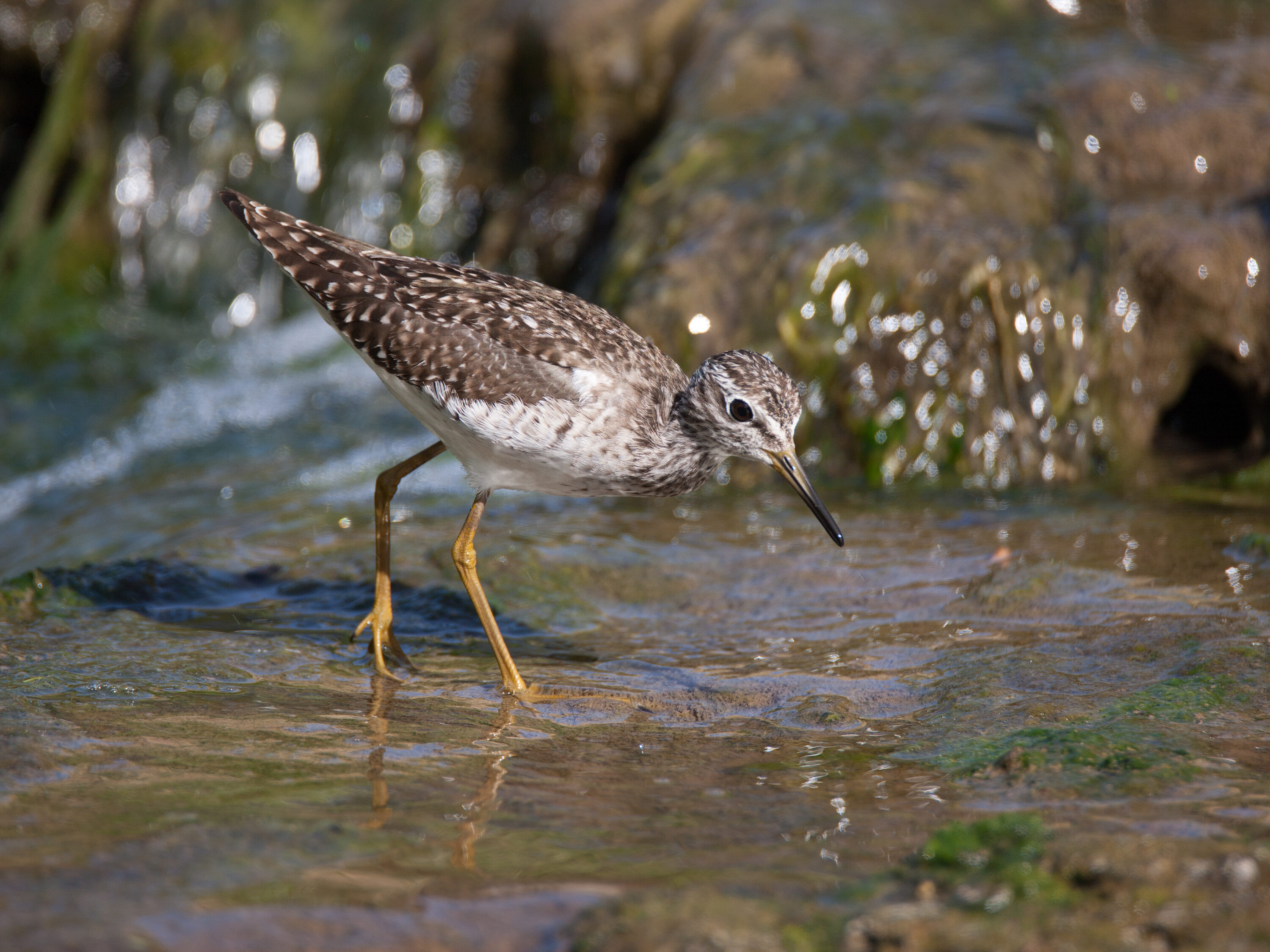
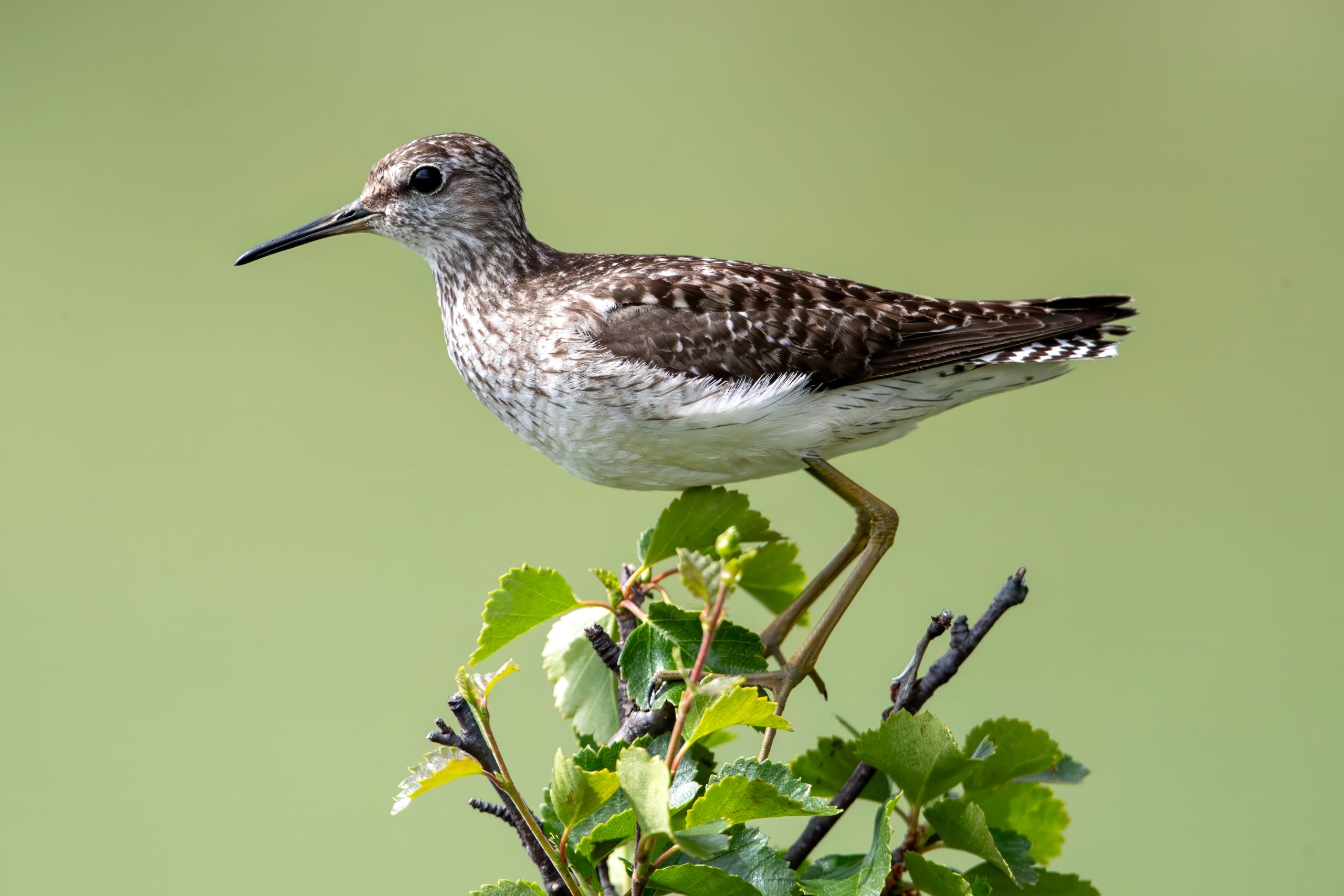
A 2026 study found that female wood sandpipers (Tringa glareola) were larger than males in all measured linear body traits, but the overlap between the sexes was too great for any single measurement to identify sex reliably.
The researchers measured 168 adult birds caught during spring migration near Turov, Belarus, between 2015 and 2021 and determined their sex molecularly from blood samples. They then tested combinations of external measurements to develop discriminant equations—statistical functions that combine several measurements to estimate sex. The strongest sexual dimorphism was in nalospi length, the distance from the bill tip to the proximal edge of the nostril, followed by bill length; wing, head and leg measurements also differed on average between males and females.
Body measurements were useful but not reliable for every bird
An equation using wing and bill length correctly classified about 73% of birds when every individual was assigned to a sex, with higher success for males than females. When the researchers instead set thresholds intended to keep misclassification near 5% for each sex, accuracy improved for the birds that could be assigned—but about 83% of individuals remained unclassified. A 10% misclassification threshold reduced the unclassified share to 66%.
The authors conclude that the equations can still be useful in large datasets, particularly when researchers need high-confidence sex assignments for a subset of captured birds or want to revisit historical biometric records.
Anatomy & morphology
Related news
First-Year Shorebirds Were More Often Infested and Carried More Wing Lice During Migration in Poland
Among 1,403 migrating shorebirds from 20 species, first-year birds carried more lice on their wings than adults and…
Read story →
Cloacal Microbiome Composition Differed Between Wood Sandpipers and Common Snipes at a Hungarian Stopover Site
At a Hungarian migration stopover, 16S sequencing of 54 Wood Sandpipers and Common Snipes found similar within-sample bacterial…
Read story →
CT Reveals the Organs and Blood Vessels Inside a White-backed Vulture
A contrast-enhanced CT scan of one adult male white-backed vulture revealed major organs and vessels, while also showing…
Read story →SPECIES IN THIS STORY
Species in this story
Independent research and conservation news archive
Did you find this information useful?
Wildlife Vagabond is independently built and maintained. Voluntary support helps cover source verification, hosting and continued work on research and conservation news.
Support Wildlife VagabondThe news archive will remain freely available.