
Injuries Were More Extensive After Zebra Spitting Cobra Bites Than Puff Adder Bites in Namibia
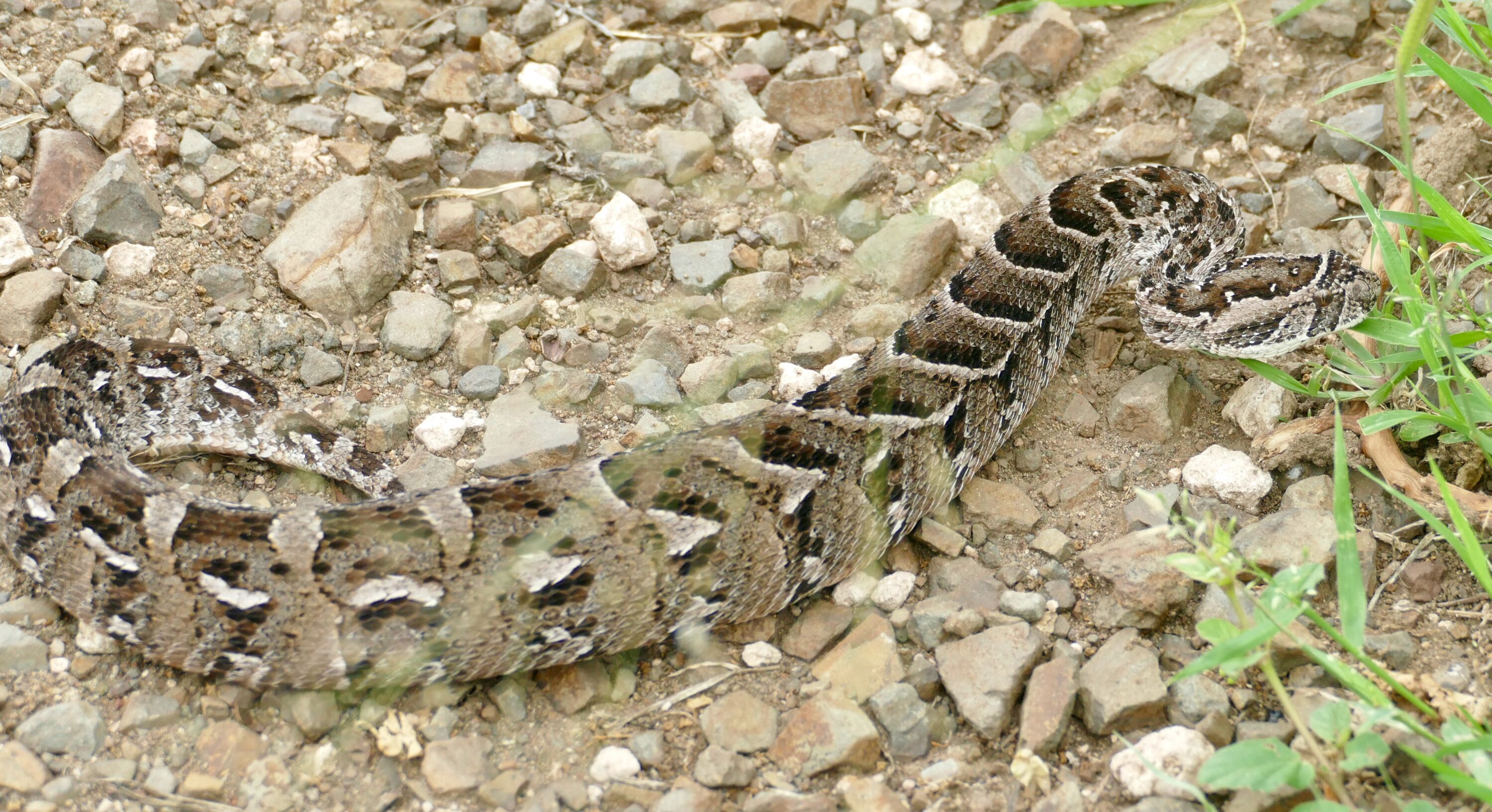
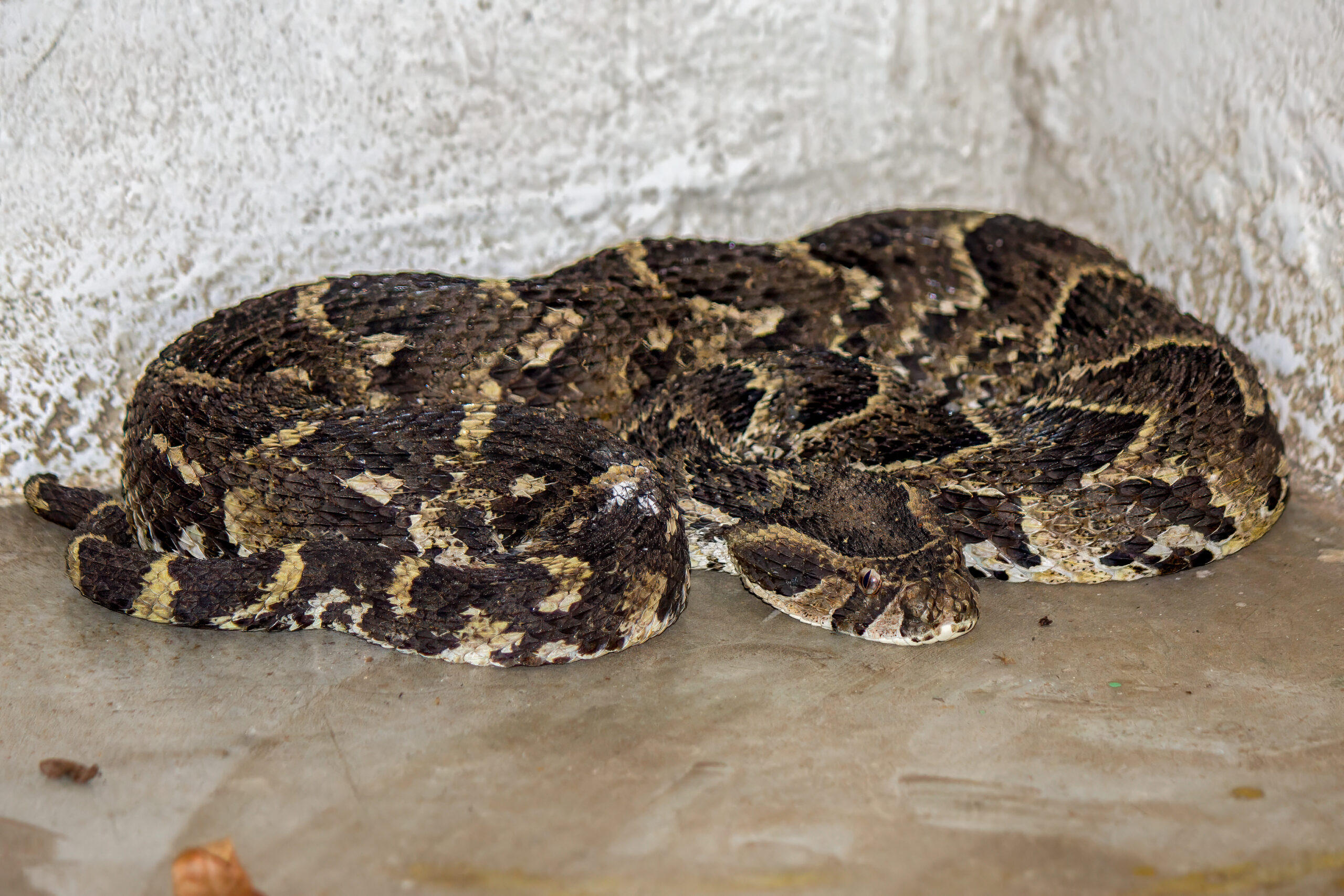
A prospective hospital study in Namibia, in which patients were followed from admission onward, found clear differences in the clinical patterns after bites attributed to zebra spitting cobras (Naja nigricincta nigricincta) and puff adders (Bitis arietans). Tissue necrosis developed in 11 of 12 zebra spitting cobra cases and four of eight puff adder cases. Cobra cases also had more laboratory evidence of systemic involvement—effects extending beyond the bite area—whereas puff adder cases mainly involved local tissue injury. The study was published on 24 July 2026 in BioMed Research International.
The researchers followed 20 patients admitted to Katutura Intermediate Hospital and Windhoek Central Hospital between December 2020 and March 2022. Twelve cases were attributed to zebra spitting cobras and eight to puff adders. Species identification relied on patient or witness reports, photographs from the scene and, in some cases, direct examination of a snake brought to hospital. Because these were referral hospitals, the sample was likely weighted toward more severe bites.
The bites occurred in different settings
The circumstances also differed between the two species. Seven of the eight puff adder bites occurred outdoors, and six of the eight patients were children aged 15 years or younger. Zebra spitting cobra bites occurred mainly indoors and often while people were sleeping. The authors relate the outdoor pattern of puff adder bites to the snake’s ground-dwelling ambush behaviour.
Severe local tissue injury occurred in both groups
Severe local tissue damage occurred in both groups, but it was more frequent in the zebra spitting cobra cases. Clinically suspected compartment syndrome — dangerous pressure building within a closed muscle compartment and threatening local circulation and tissue — was recorded in seven of 12 cobra cases and two of eight puff adder cases. Across all 20 patients, 12 underwent at least one surgical procedure and three required an amputation; two amputations followed zebra spitting cobra bites and one followed a puff adder bite. Only three patients received antivenom, too few for the study to determine how effective it was.
Cobra cases showed more effects beyond the bite area
The laboratory results showed the clearest contrast. Zebra spitting cobra cases included anaemia, haemolysis — breakdown of red blood cells — rhabdomyolysis, meaning breakdown of skeletal-muscle tissue, and signs of liver or kidney involvement. Puff adder cases showed little evidence of comparable effects beyond the bite area. No deaths occurred. The authors stress that the sample was small and non-random, and that laboratory testing was incomplete for some patients. They present it as baseline clinical evidence for snakebite care in Namibia rather than as an estimate of how often these outcomes occur among all people bitten by either species.
Human–wildlife conflict
Related news
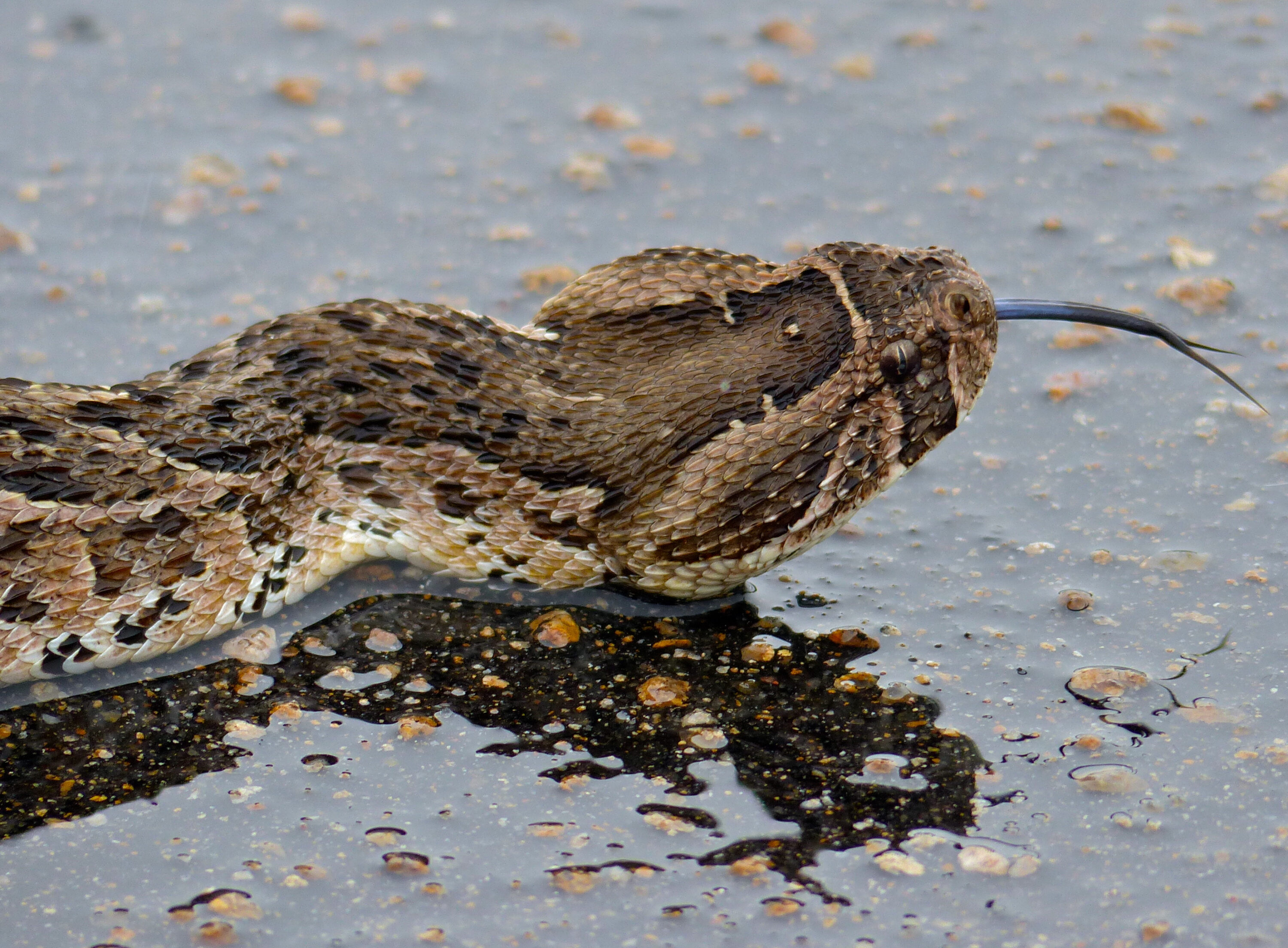
Barietin From Puff Adder Venom Raised Heart Rate by About 30% in Rats
Purified barietin from puff adder venom increased heart rate by about 30% in rats while changing blood pressure…
Read story →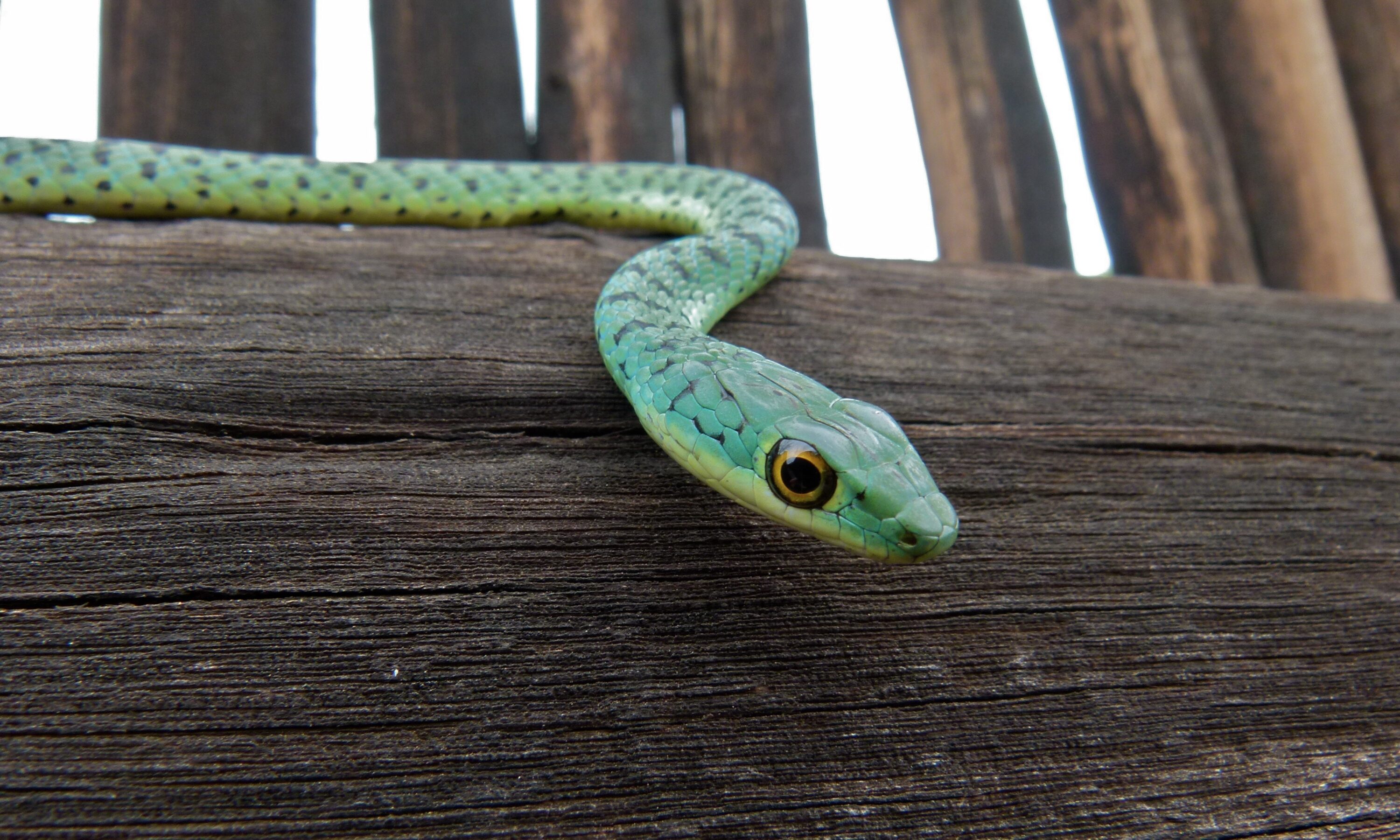
Patchier, More Diverse Landscapes Were Linked to More Reported Snake–Human Encounters in Eswatini
Using 2,216 public snake-rescue records from Eswatini, the study found that reported encounter likelihood increased with patch density…
Read story →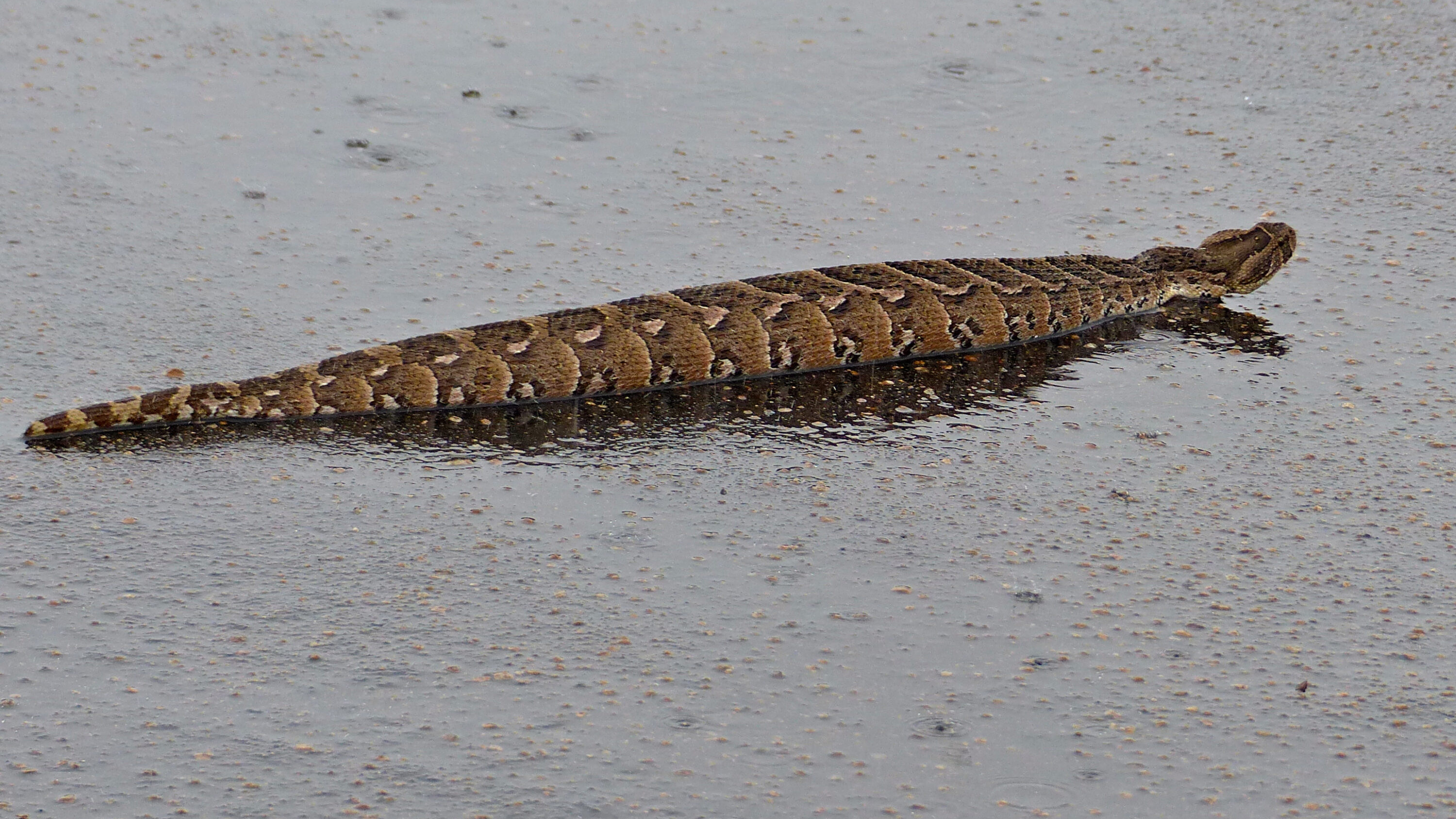
Two Commercial Antivenoms Neutralised the Lethal Effects of Nigerian Puff Adder Venom in Mice
EchiTAb-Plus-ICP and PANAF both neutralised the lethal effect of Nigerian puff adder venom in a preclinical mouse model;…
Read story →SPECIES IN THIS STORY
Species in this story
Independent research and conservation news archive
Did you find this information useful?
Wildlife Vagabond is independently built and maintained. Voluntary support helps cover source verification, hosting and continued work on research and conservation news.
Support Wildlife VagabondThe news archive will remain freely available.