
A 142-SNP Panel Distinguished Individuals and Close Relatives in Red Deer Sampled Across Poland
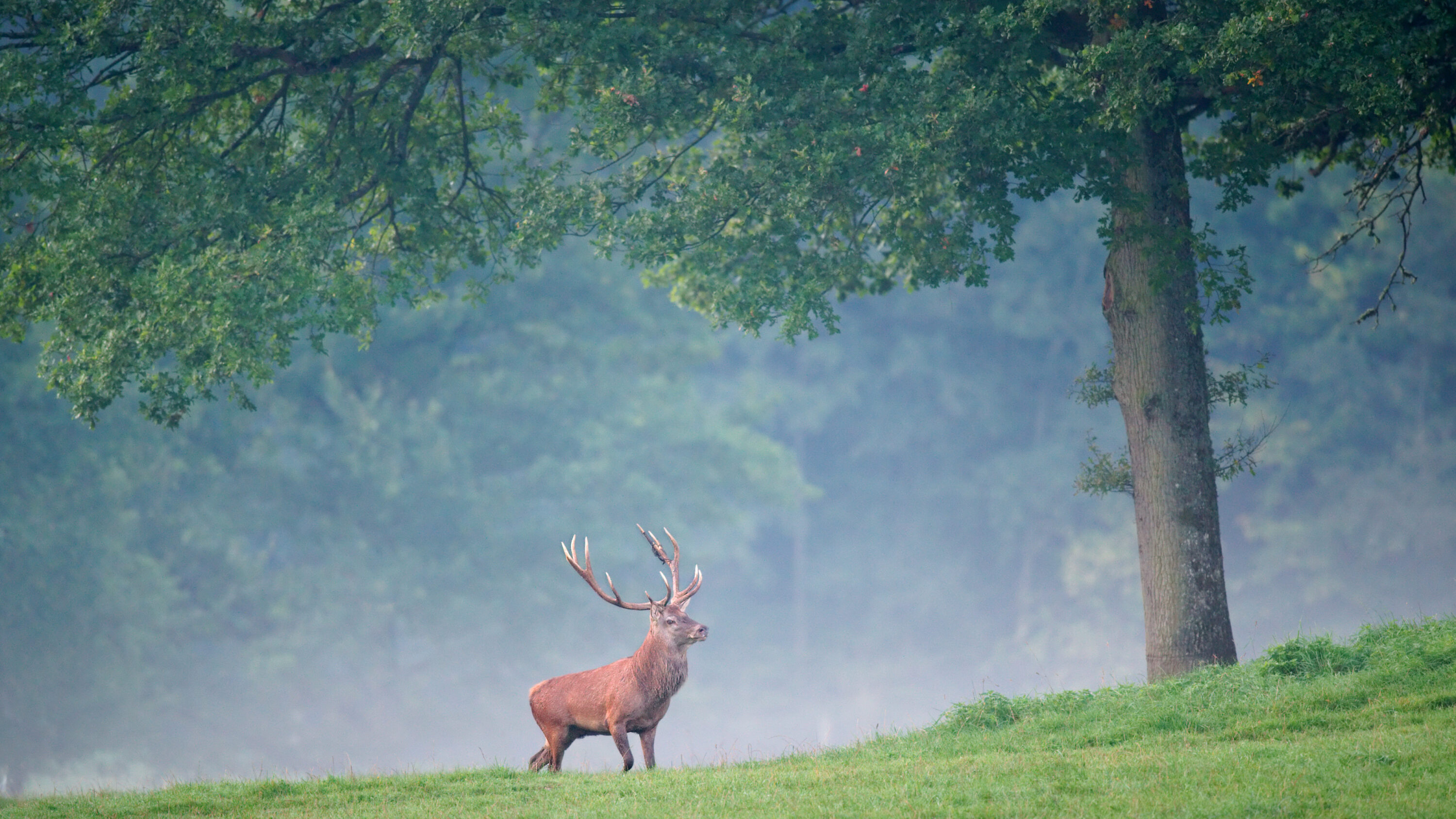
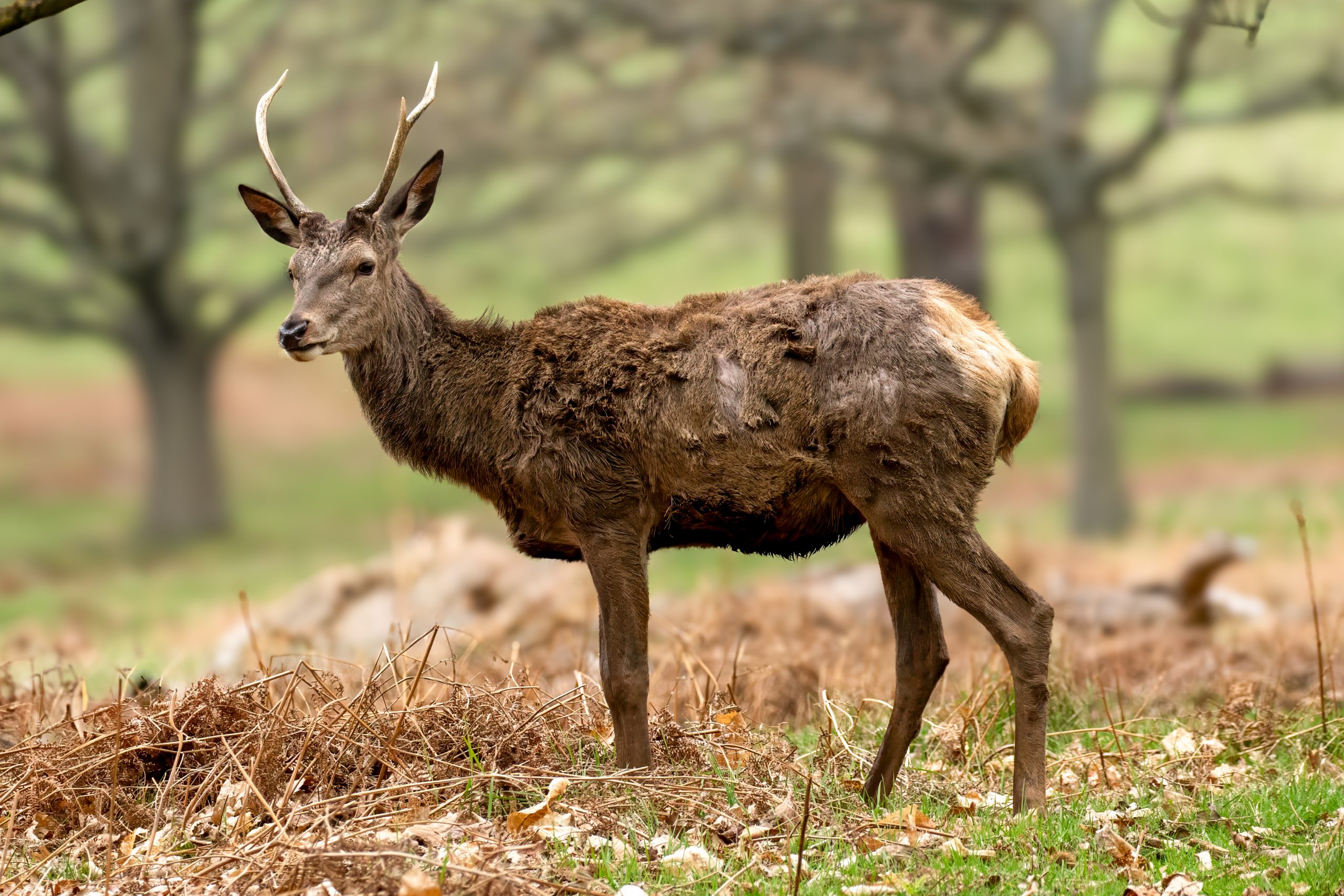
Genetic data from 385 wild red deer (Cervus elaphus) sampled across Poland have been used to develop a panel of 142 DNA markers for identifying individuals and analysing relatedness. All sampled animals were 6–9-year-old stags collected after officially approved hunts between 2022 and 2025.
The researchers began with a cattle genotyping chip containing 54,174 single-nucleotide polymorphisms, or SNPs – positions in the DNA where individuals can differ by a single genetic building block. After quality filtering, 12,146 markers remained suitable for analysis. From these, 142 unlinked SNPs were selected for the relatedness panel. Each had a minor allele frequency of at least 0.20, meaning the less common DNA variant occurred in at least 20% of the sampled chromosomes; the average for the final panel was 0.324. Relatively common alternatives make a marker more informative for distinguishing individuals and reconstructing relationships.
The 142-marker profiles strongly distinguished individuals
The theoretical probability that two unrelated animals would have the same 142-SNP profile was only 6.84 × 10−53. In a test involving 14 pairs of stags, four pairs that were duplicate samples from the same animals were correctly matched, while the remaining ten pairs had relatedness values of 0.5 or close to it, which the authors interpreted as father–son or paternal half-brother relationships. A broader pairwise identity-by-descent analysis identified 364 pairs interpreted as brother–brother or father–son among the sampled stags.
The panel could support monitoring and forensic work
The authors conclude that the 142-marker panel is sufficient for monitoring genetic diversity and relatedness in Polish red deer populations and could also complement existing forensic methods, for example when biological material from suspected illegal hunting must be compared. They note, however, that the panel should also be validated in a blinded trial against another genetic method, such as established STR markers — short tandem repeats, DNA regions where a short sequence is repeated a variable number of times.
Genetics & genomics
Related news
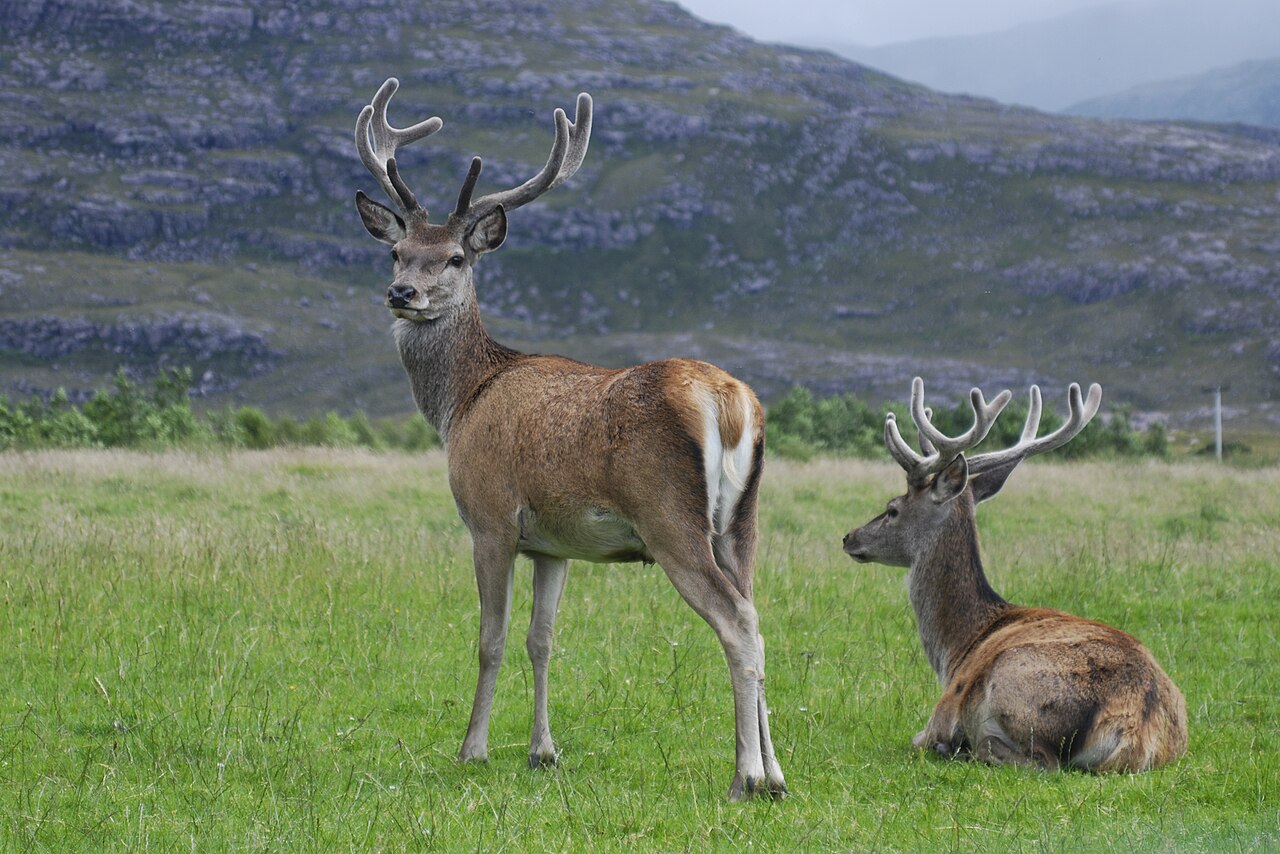
Velvet Antler Had the Most Distinct Metabolite Profile in Red and Sika Deer
A Chinese study detected 2,361 metabolites across three antler tissues from red and sika deer. Velvet antler separated…
Read story →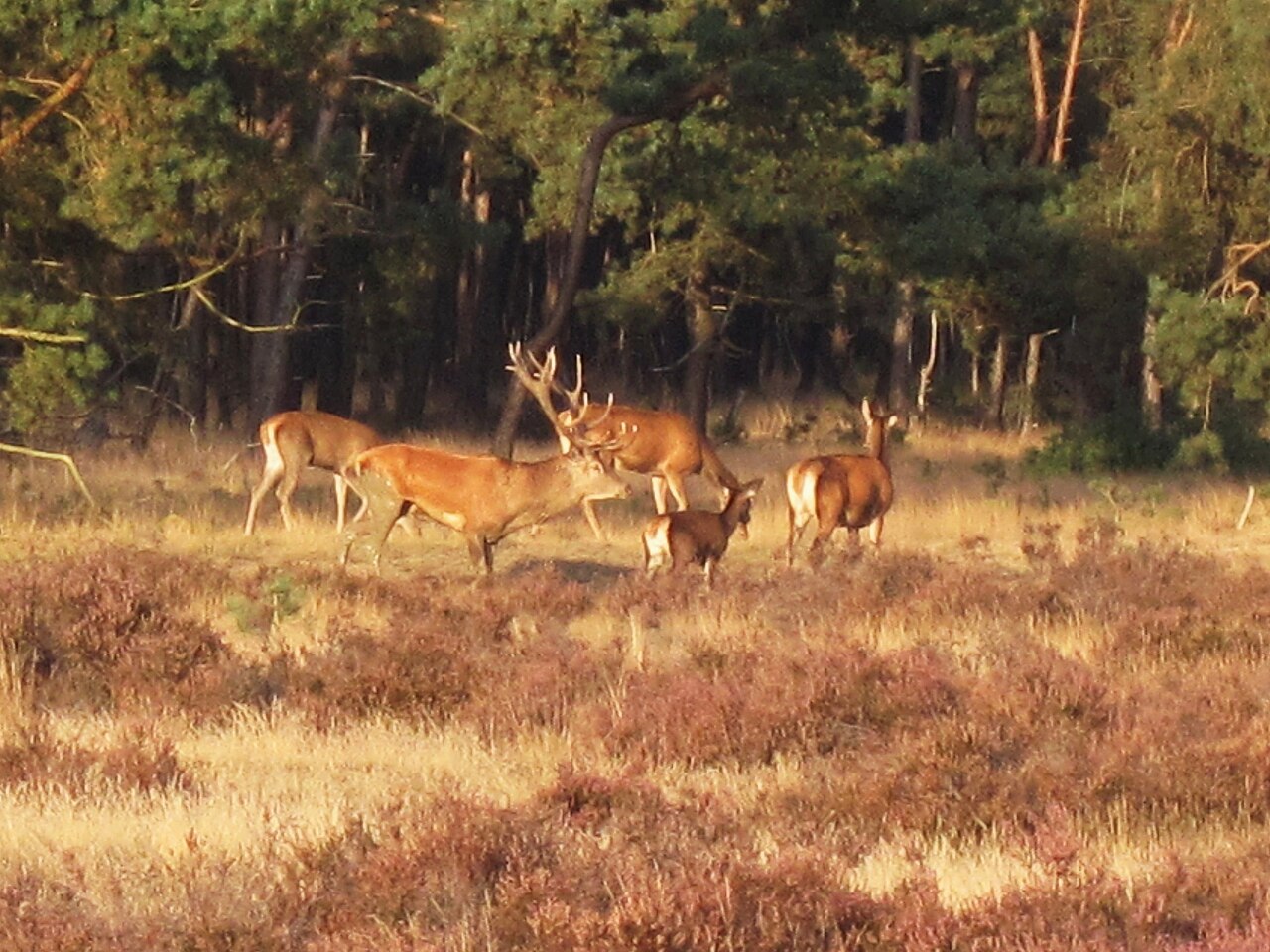
Tarim Red Deer Microbiomes Showed Greater Capacity to Break Down Reed Fibre
Under the same reed-containing diet, captive Tarim red deer had more fibre-associated gut microbes, higher cellulase and hemicellulase…
Read story →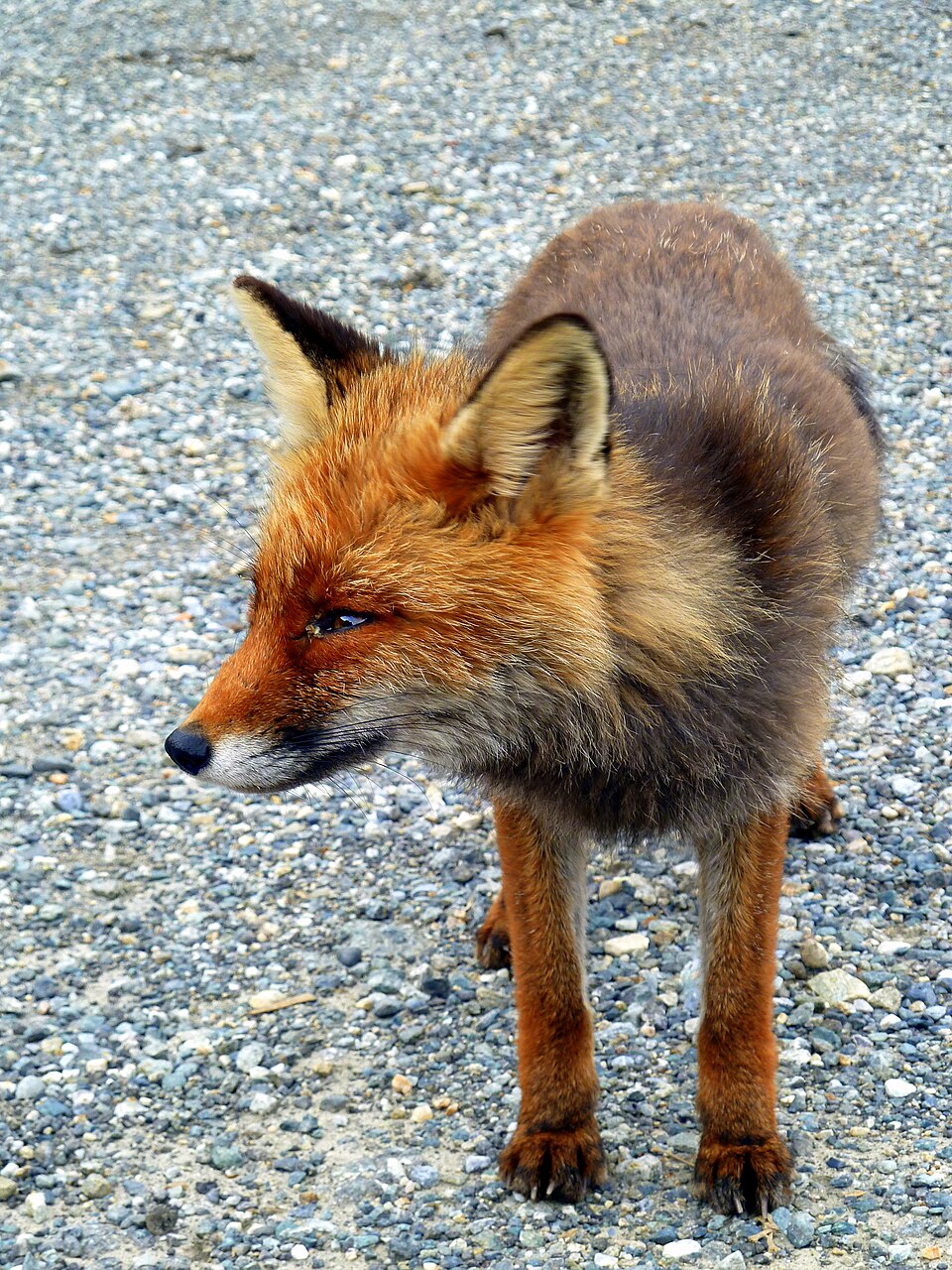
Wolf Kills Provided Plenty of Food for Red Foxes
Red foxes visited all 26 wolf-killed red deer monitored in Stelvio National Park. The amount of meat left…
Read story →SPECIES IN THIS STORY
Species in this story
Independent research and conservation news archive
Did you find this information useful?
Wildlife Vagabond is independently built and maintained. Voluntary support helps cover source verification, hosting and continued work on research and conservation news.
Support Wildlife VagabondThe news archive will remain freely available.