
Nine Indian species could anchor protection for biodiversity and carbon
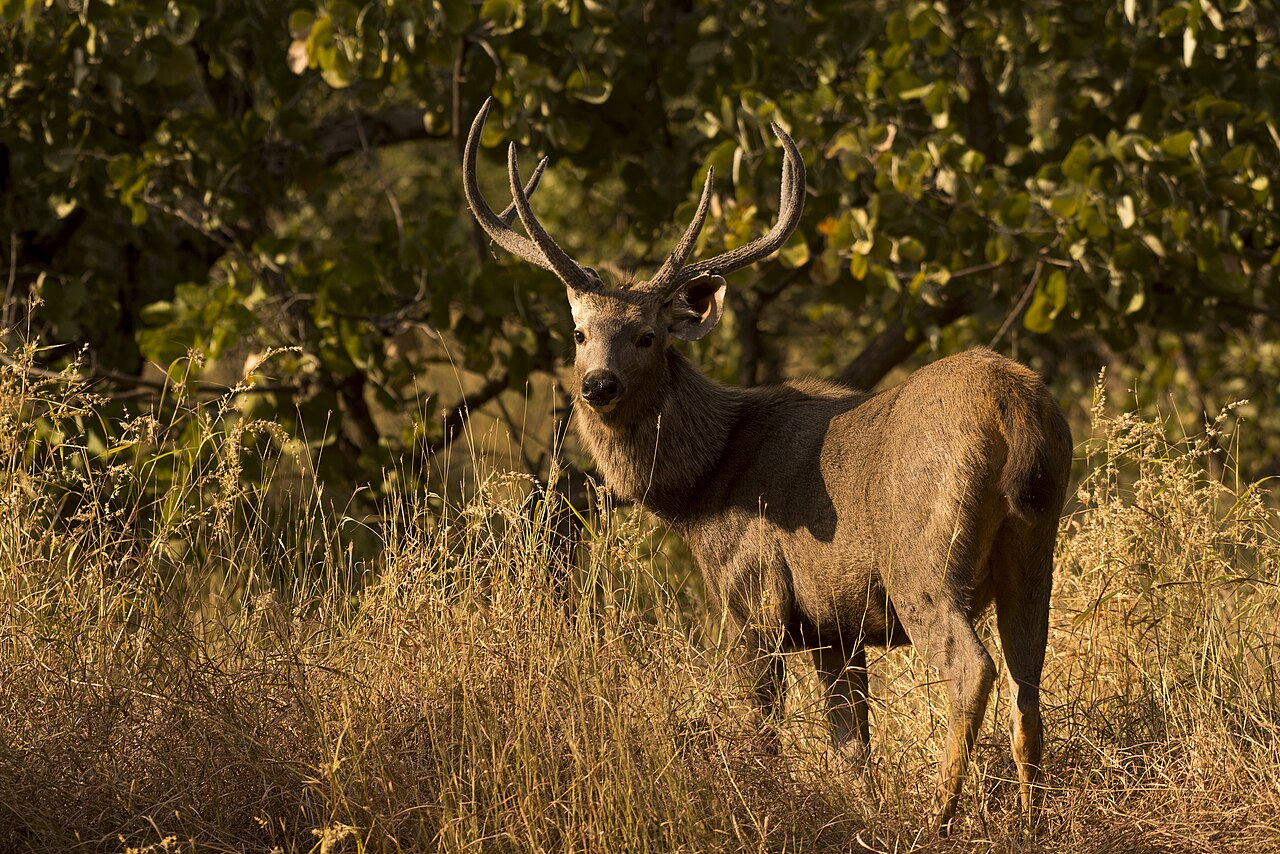
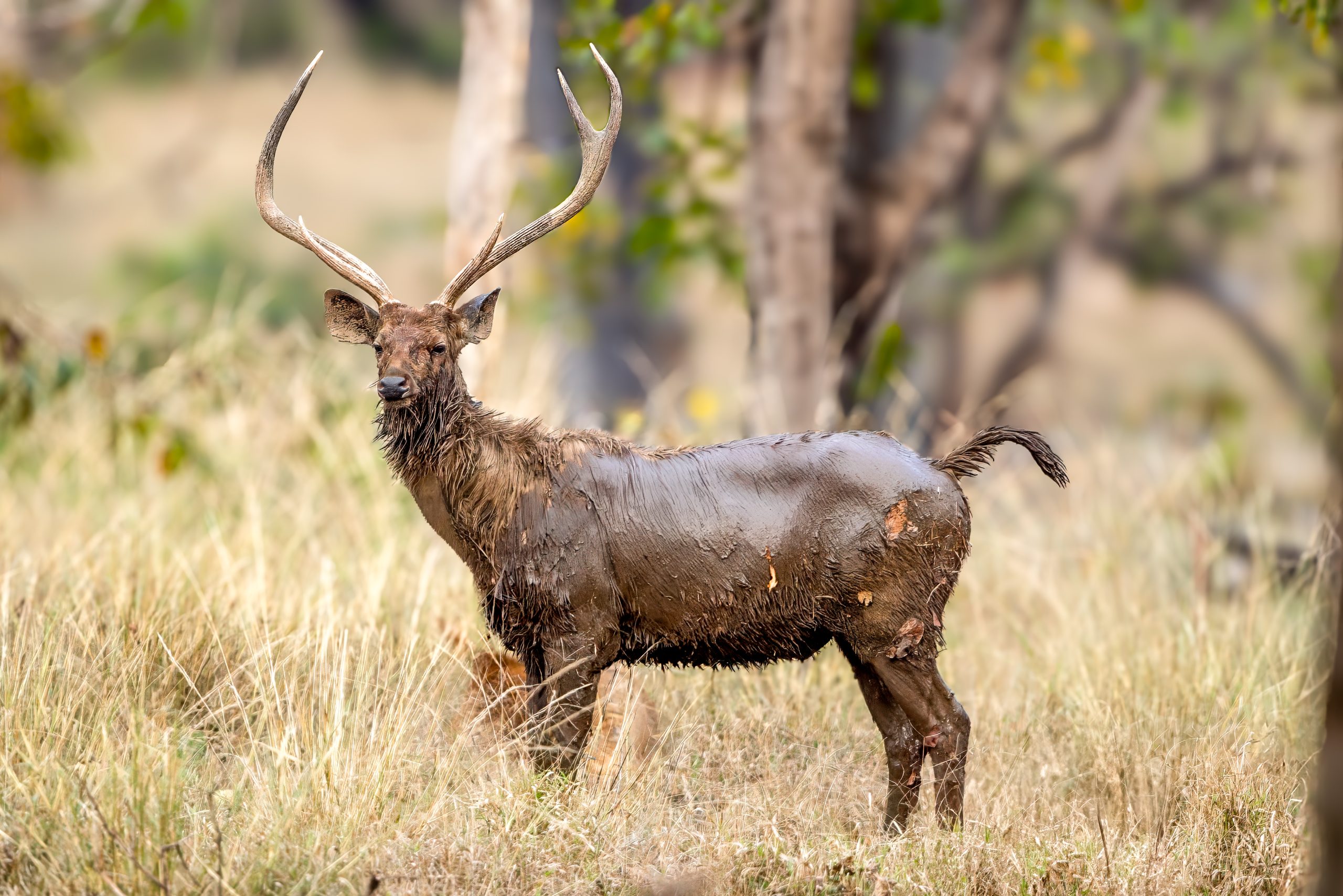
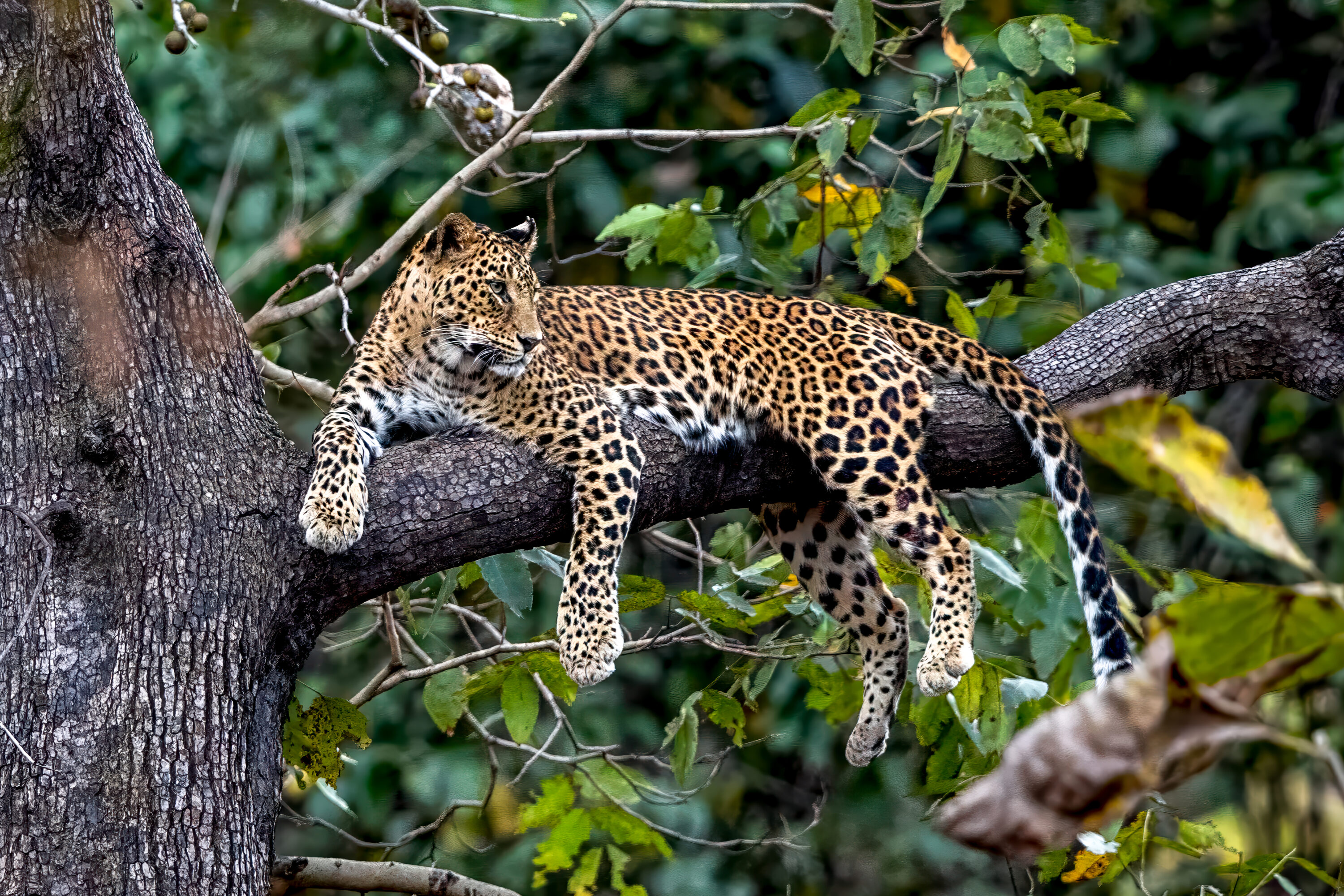
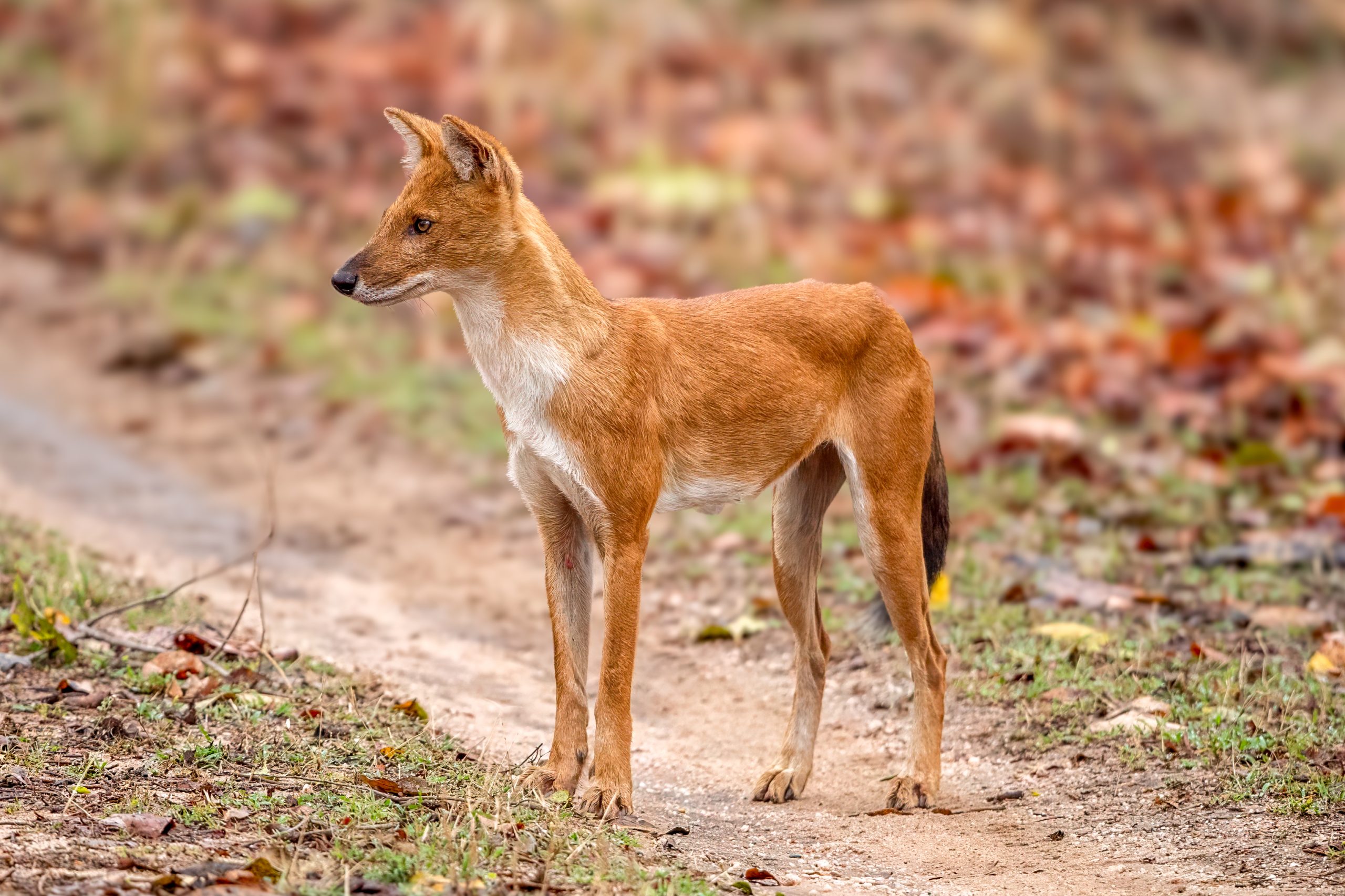
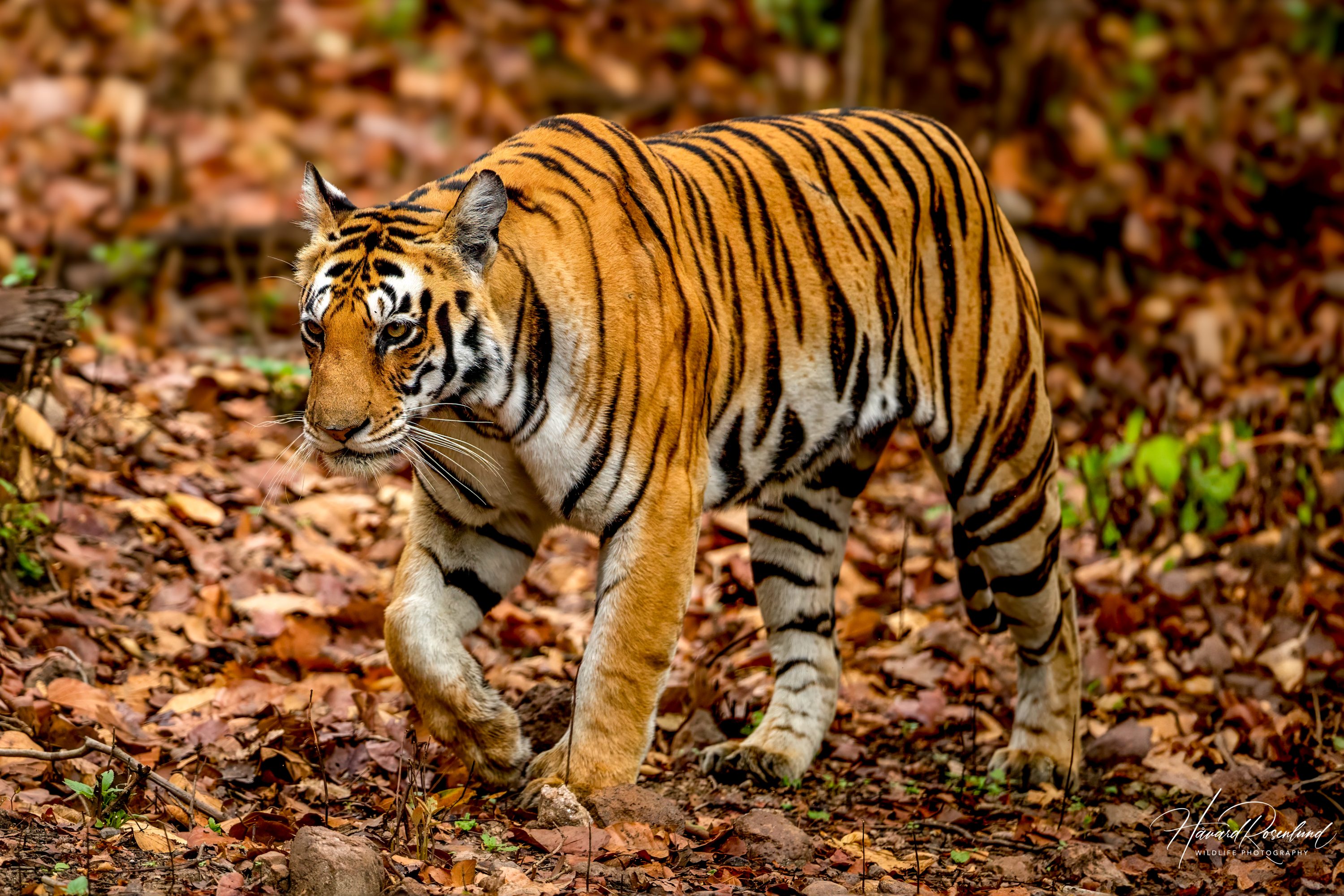
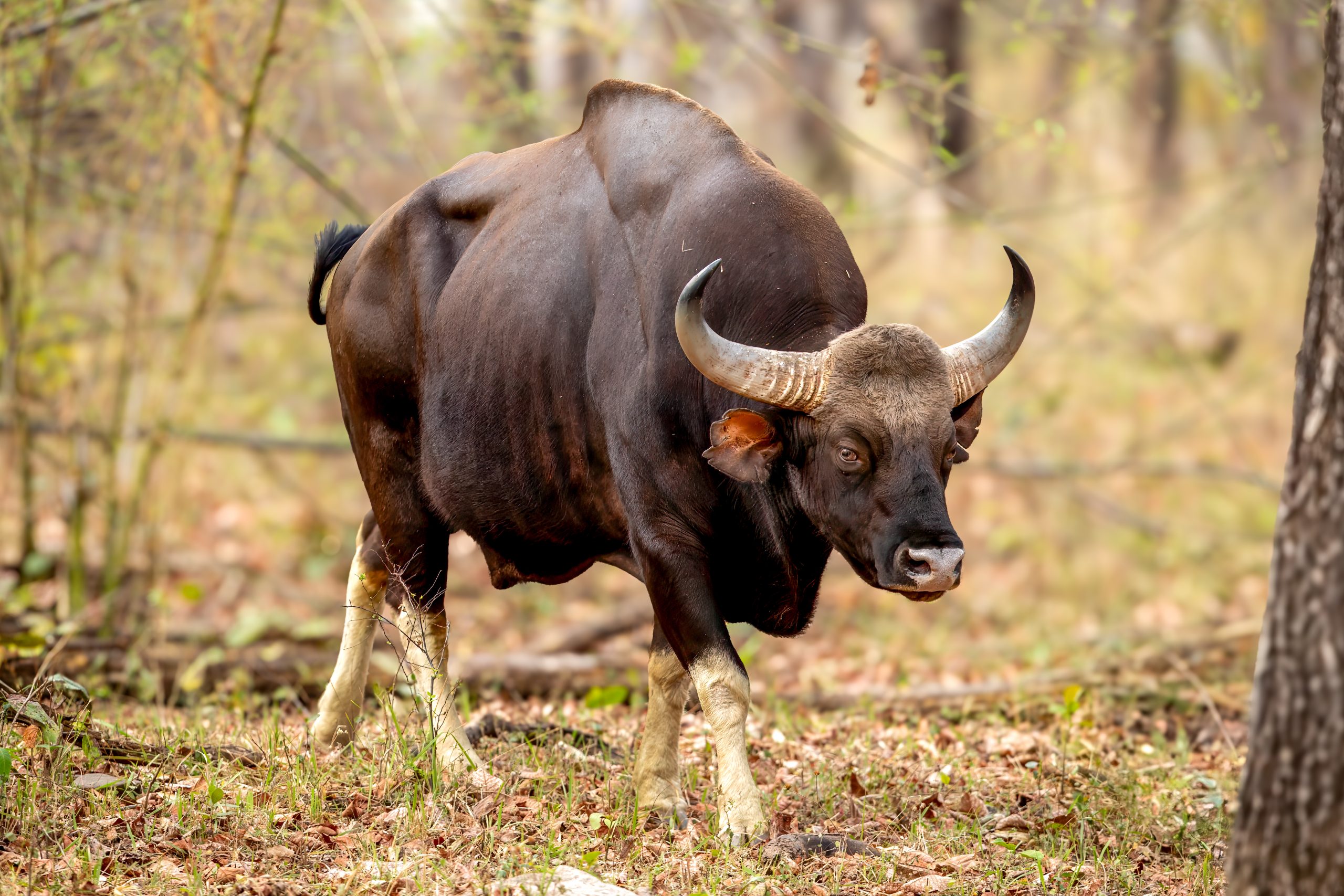
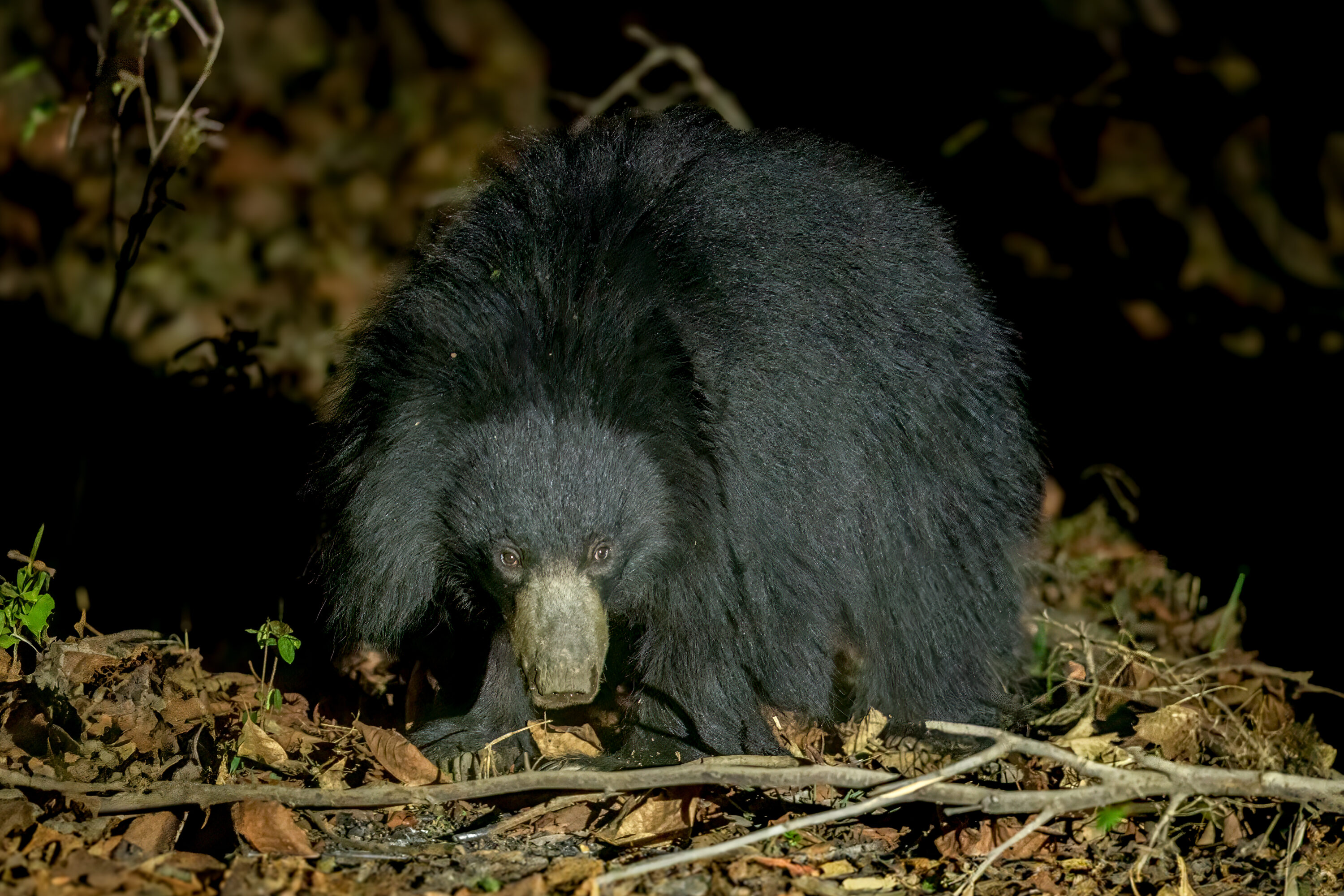
A national conservation analysis has identified nine threatened vertebrates whose habitats overlap unusually strongly with both India’s terrestrial biodiversity and its above-ground carbon stores. The list includes sambar (Rusa unicolor), leopard (Panthera pardus), dhole (Cuon alpinus), tiger (Panthera tigris), king cobra (Ophiophagus hannah), gaur (Bos gaurus), Indian pangolin (Manis crassicaudata), sloth bear (Melursus ursinus) and great hornbill (Buceros bicornis).
Researchers produced 100-metre-resolution habitat maps for 2,187 terrestrial vertebrate species across India and then evaluated 160 threatened species protected under national legislation as possible “anchor species”. The idea expands the familiar umbrella-species approach: protecting habitat for a strategically chosen species could simultaneously protect many other species and substantial natural carbon stocks.
All nine species crossed a high threshold in the analysis. The habitat of any one of them overlapped with habitat for more than a third of India’s terrestrial vertebrate diversity — at least 729 species — and with more than a third of its above-ground natural carbon, around 1.1 gigatonnes. A co-occurring vertebrate was counted as potentially benefiting when at least 10% of its modelled habitat overlapped the candidate anchor species, so these numbers describe spatial conservation potential rather than guaranteed protection outcomes.
Sambar, leopard and dhole ranked particularly highly
Sambar, leopard and dhole stood out particularly strongly. Sambar habitat overlapped with an estimated roughly 3.1 gigatonnes of above-ground carbon and with 1,543 vertebrate species. The carbon estimate carried substantial uncertainty in the underlying biomass data. Leopard habitat overlapped with 1,546 species, the highest number in the comparison, while dhole habitat overlapped with 1,434. Much of this habitat remains outside the existing protected-area network: only about 10% of the modelled sambar habitat, 14% of leopard habitat and 14% of dhole habitat currently falls inside protected areas.
The framework is a screening tool, not a complete conservation plan
The authors describe the anchor-species framework as a first-order screening tool that should complement, not replace, detailed conservation planning. They note that it tends to favour broad habitat generalists and can underrepresent highly localised endemics and species in non-forest habitats. Because the analysis covers terrestrial vertebrates, it also does not capture conservation priorities for plants, invertebrates and fungi.
Despite these limitations, the authors conclude that India already has several threatened species whose legal protection could be used as practical entry points for combined biodiversity and climate action. Sambar, leopard and dhole rank particularly highly alongside the tiger because their habitats overlap strongly with both vertebrate diversity and above-ground carbon.
Habitat protection
Related news
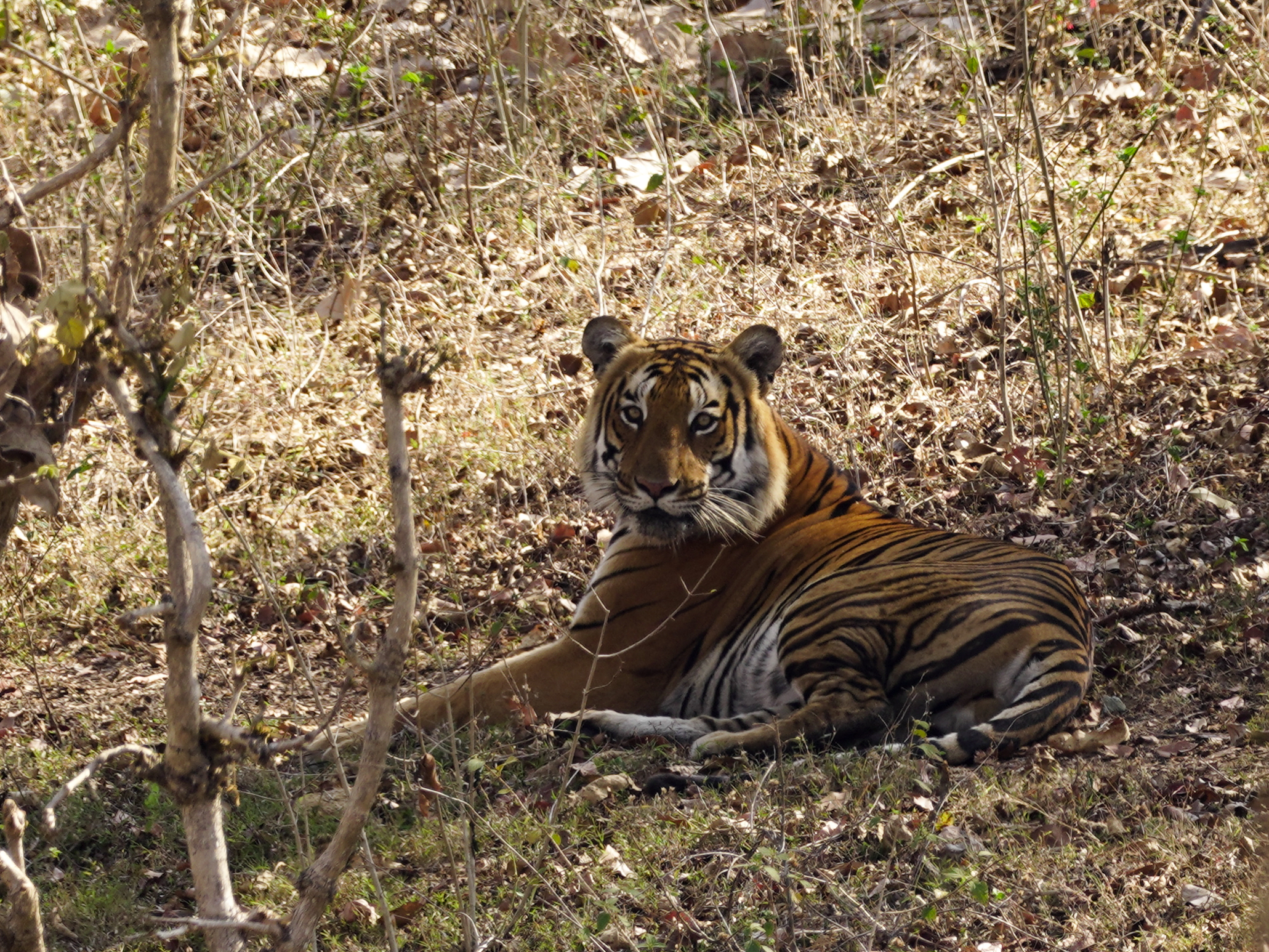
Key Movement Bottlenecks for Five Large Mammals Lay Outside Protected Areas in Tamil Nadu
A 2026 study of tiger, leopard, dhole, Asian elephant and gaur identified modelled movement bottlenecks outside protected areas,…
Read story →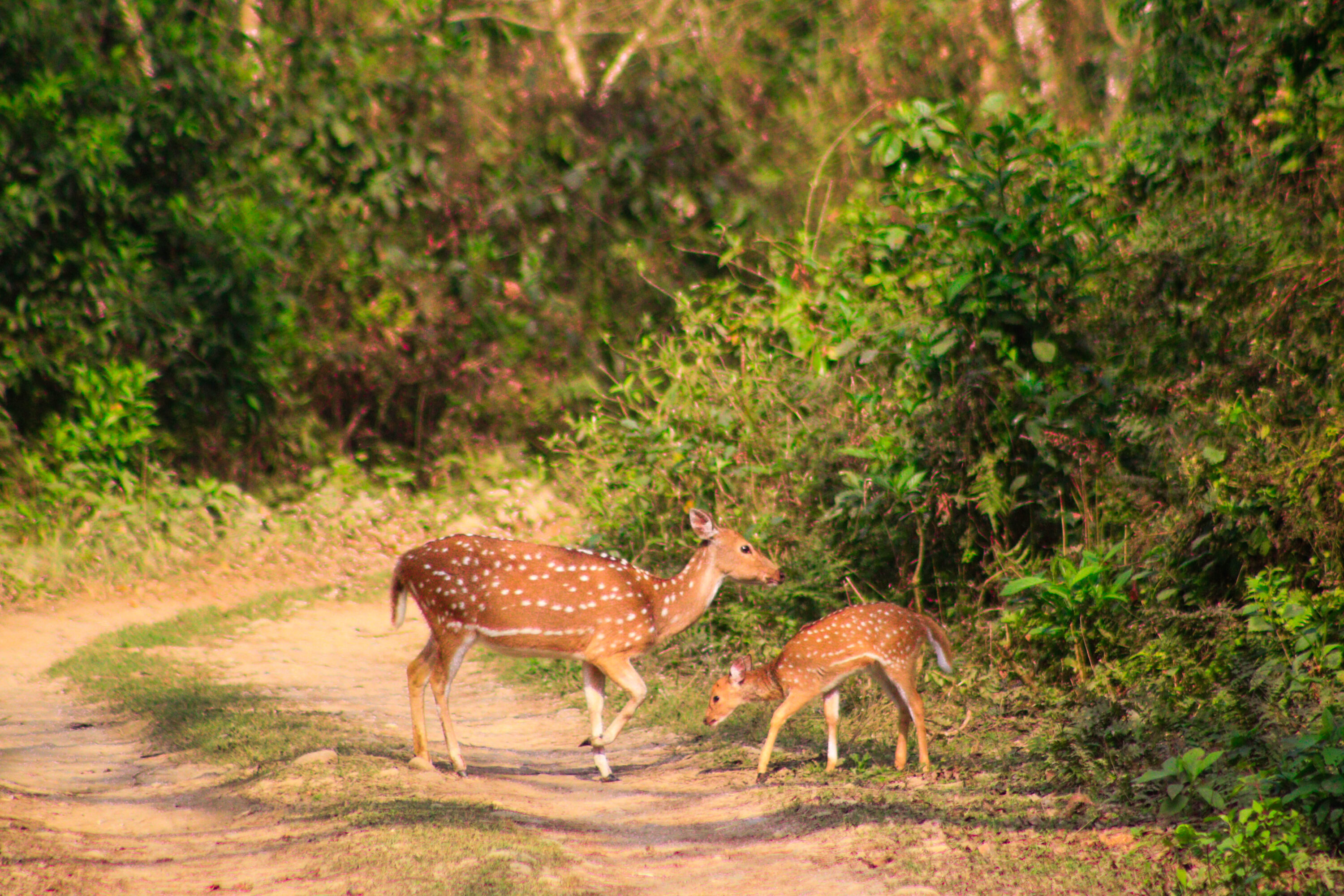
Human Activity and Large Wildlife Overlapped Most in Chitwan’s Buffer Zone
Camera traps across Chitwan National Park and surrounding forests showed the greatest overlap of human activity with large…
Read story →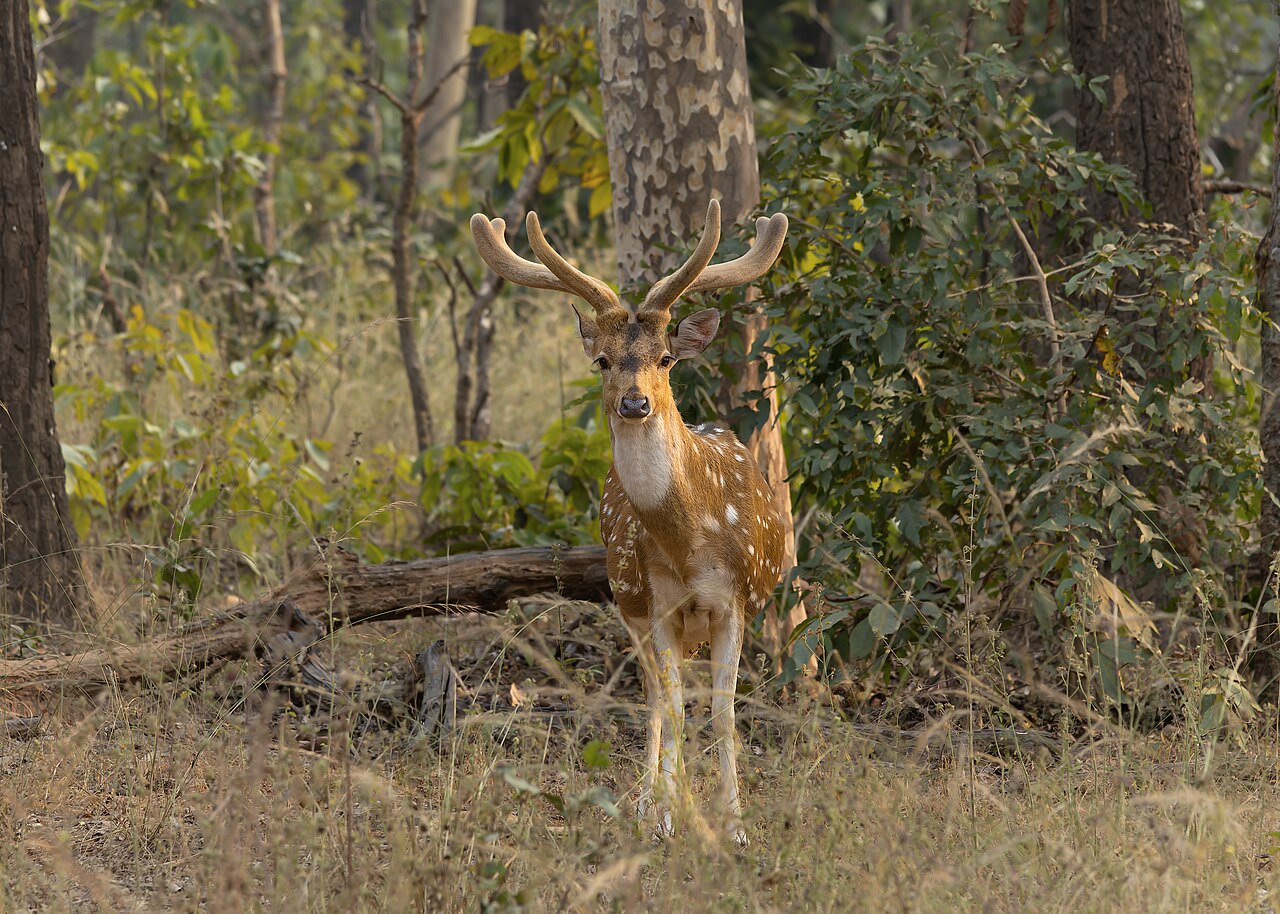
How Deer and Gaur Share Kanha’s Food Supply
In India’s Kanha National Park, Sambar and Gaur ate much the same food in winter but found it…
Read story →SPECIES IN THIS STORY
Species in this story
Independent research and conservation news archive
Did you find this information useful?
Wildlife Vagabond is independently built and maintained. Voluntary support helps cover source verification, hosting and continued work on research and conservation news.
Support Wildlife VagabondThe news archive will remain freely available.