
Environmental Fecal Sampling Detected Echinococcus multilocularis on Rügen but Appeared Less Sensitive Than Necropsy
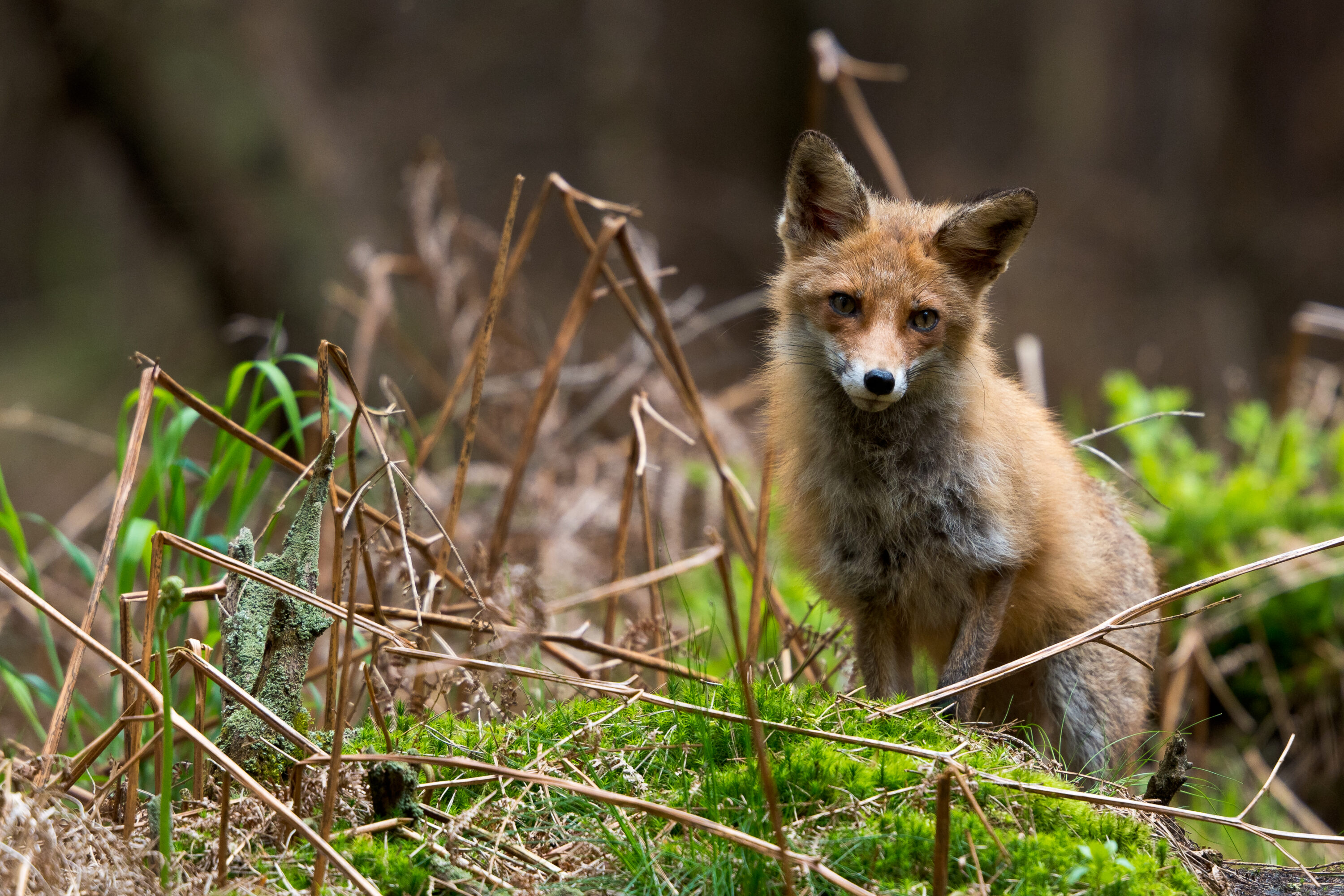
In two municipalities on western Rügen, Germany, researchers compared two ways of monitoring the fox tapeworm Echinococcus multilocularis: examining hunted red foxes (Vulpes vulpes) and raccoon dogs (Nyctereutes procyonoides) after death, and testing feces collected systematically from the environment.
Both species are definitive hosts, meaning adult tapeworms can live in their intestines and produce eggs that leave the host in feces. The study asked whether environmental sampling could provide a faster, less labour-intensive supplement to surveillance that depends on hunted animals.
Carcass examinations produced the higher positive proportions
Between November 2023 and March 2025, hunters supplied 58 red foxes and 26 raccoon dogs from Schaprode and Trent. Intestinal examination combined with real-time PCR detected E. multilocularis in 22 foxes, or 37.9%, and four raccoon dogs, or 15.4%.
This carcass sample was not spatially balanced. Most animals were supplied by one hunter, and the examined animals represented a smaller part of the two municipalities than the later environmental survey. The carcass proportions therefore should not be read as a precise prevalence estimate for all of Rügen.
Environmental feces covered a wider area but yielded fewer positives
During 13 field excursions in February–April 2025, two-person teams collected 365 fecal samples across a much wider area. Species-specific PCR identified 205 as red-fox feces and ten as raccoon-dog feces.
Parasite DNA was found in 37 of 204 usable fox samples, or 18.1%, and in one of the ten raccoon-dog samples. For foxes, the environmental positive proportion was significantly lower than the 37.9% found in carcasses. The raccoon-dog sample was too small for the same statistical comparison.
The authors therefore describe environmental fecal analysis as apparently less sensitive in this study. Its practical advantage was different: it covered roughly three times as much area, required less labour and time, and confirmed parasite occurrence in both municipalities without waiting for enough carcasses to become available.
Better-quality fecal samples moved the estimate closer to necropsy
The researchers used the amount of detectable fox DNA as one indicator of sample quality. When they retained only fecal samples with stronger fox-DNA signals, the proportion positive for E. multilocularis rose to 26.3%.
Microsatellite genotyping was then used to reduce another problem: several droppings can come from the same animal. After probable repeat samples were grouped, 33 samples were interpreted as representing different foxes; nine, or 27.3%, were parasite-positive. Both corrections moved the environmental result closer to the carcass result.
The study discusses several reasons environmental samples may lose parasite signal before analysis. DNA can degrade outdoors, parasite material is not distributed evenly through every dropping, shedding can vary through infection, and PCR can be affected by inhibitors. These are plausible explanations for the method difference rather than separately demonstrated field effects.
The result is local to Schaprode and Trent
The relatively high positive proportions indicate that E. multilocularis is well established in the two study municipalities. The authors explicitly caution against extrapolating these findings to the entire island of Rügen or to Mecklenburg-Western Pomerania.
The two surveillance methods therefore answer the same question with different strengths. Carcass examination gave the higher apparent prevalence, while environmental sampling provided faster and broader geographic coverage. Selecting fresher, host-DNA-rich samples and accounting for repeated samples from the same fox can improve the usefulness of environmental surveillance when estimating how common the parasite is.
Disease, parasites & microbiology
Related news
Similar Mammal Diversity, Different Activity Patterns in Grazed and Ungrazed Areas
Camera traps in four northern Israeli reserves found similar numbers of mammal species with and without livestock grazing.…
Read story →
Wolf Kills Provided Plenty of Food for Red Foxes
Red foxes visited all 26 wolf-killed red deer monitored in Stelvio National Park. The amount of meat left…
Read story →
Red Foxes and Stone Martens Share Places at Different Times
Red foxes and stone martens often used the same sites in central Spain. Their daily activity differed more…
Read story →SPECIES IN THIS STORY
Species in this story
Independent research and conservation news archive
Did you find this information useful?
Wildlife Vagabond is independently built and maintained. Voluntary support helps cover source verification, hosting and continued work on research and conservation news.
Support Wildlife VagabondThe news archive will remain freely available.