
EHDV-8 Caused Severe Neurological and Vascular Disease in Red Deer in Spain
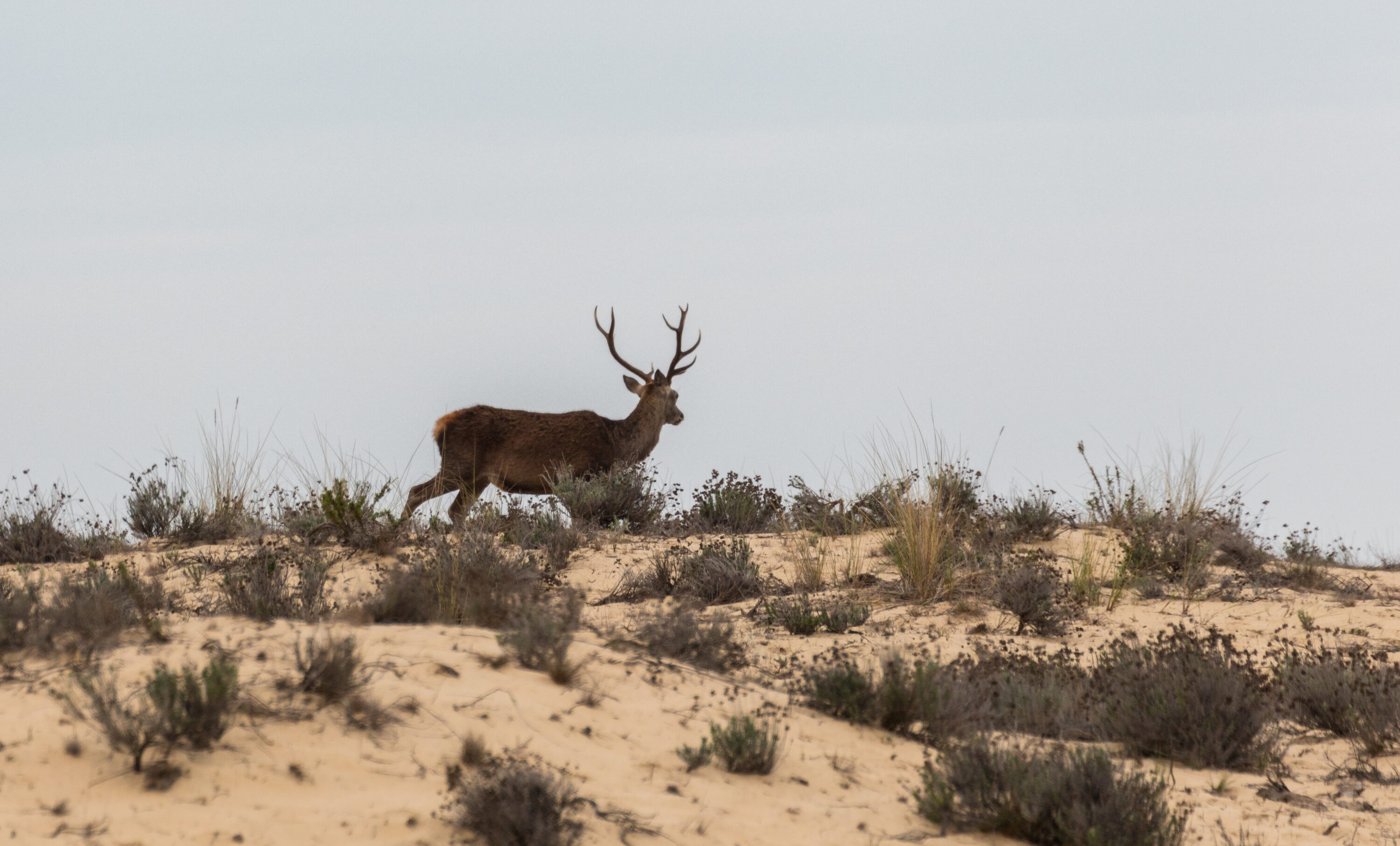
Epizootic haemorrhagic disease virus serotype 8 (EHDV-8) caused severe neurological, respiratory and vascular disease in red deer (Cervus elaphus) during outbreaks in Spain. The virus, transmitted by biting midges of the genus Culicoides, was first detected in Spain and Europe in autumn 2022. The study published on 1 July 2026 provides the first detailed description of the clinical and pathological impact of natural EHDV-8 infection in red deer.
Three data sources captured different parts of the outbreak
The researchers combined a nationwide survey, a closely monitored farm outbreak and post-mortem pathology. The survey, distributed between November 2023 and April 2024, gathered reports from professionals connected to 48 hunting estates across 17 Spanish provinces. A separate outbreak was followed from October to December 2023 on a southern Spanish farm holding 1,709 red deer.
For the pathological study, 16 red deer found dead between mid-July 2023 and August 2024 were collected from Andalusia, Castile-La Mancha and Catalonia. Fifteen were adult males and one was a juvenile male. EHDV-8 was confirmed by molecular testing and/or immunohistochemistry, and the animals tested negative for bluetongue virus. The molecular tests detect viral RNA, while immunohistochemistry uses antibodies to show viral antigen within affected tissues. The authors note that reliable population counts were not available for the hunting estates, so morbidity, mortality and case-fatality rates could not be calculated for free-ranging deer from the survey data.
The monitored farm showed high severity among clinically affected deer
On the farm, 118 of 1,709 deer developed observed clinical signs, meaning that 6.9% of the herd became visibly ill. Eighty-three animals died, corresponding to 4.9% of the whole farm population. Among the deer that developed clinical signs, 70.3% died.
Clinical illness was clearly more common in males than females, affecting 8.7% versus 4.8%, and a larger share of males also died, 6.3% versus 3.1%. Among deer that were already clinically affected, however, the analysis did not support a clear difference between the sexes in the proportion that died. Almost all clinically affected animals were adults. Disease could progress rapidly: deaths occurred within hours or within about a day after clinical signs appeared, while some fatal cases were found dead without preceding signs being observed.
Neurological signs included ataxia, meaning loss of normal coordination, repetitive head movements, opisthotonos—a severe backward arching of the neck and back—recumbent paddling, blindness and, in severe cases, coma. Excessive salivation, lameness, fever and respiratory distress were also reported. Among 13 surviving females followed after the farm outbreak, ten aborted during the subsequent gestation; the authors stress that reproductive consequences in red deer remain insufficiently investigated.
Brain, lungs and blood vessels carried much of the pathology
Post-mortem examination of the 16 confirmed cases showed extensive vascular and epithelial injury. Generalised congestion, focal and multifocal haemorrhages and marked pulmonary oedema were common. The brain, lungs and kidneys had the highest overall lesion burdens, while liver and spleen were also affected.
Microscopic lesions included vasculitis, oedema, inflammatory infiltration, tissue necrosis, severe lymphoid depletion and neurological changes such as gliosis—reactive changes in glial support cells—and satellitosis, in which glial cells cluster around damaged neurons. Viral antigen was detected mainly in macrophages, reticular cells, endothelial cells and epithelial cells. EHDV-8 RNA was detected in the brains of all four animals for which complete brain samples were available, supporting the authors’ interpretation of marked neurological involvement in red deer.
Severe individual disease, but a more moderate population signal
The authors conclude that EHDV-8 is associated with severe multisystemic disease in red deer, characterised by neurological involvement, endothelial damage and widespread tissue injury. At the same time, the 4.9% mortality observed on the monitored farm suggests a more moderate population-level effect than the 70.3% case-fatality figure might imply when viewed alone.
The study also shows why field interpretation requires caution. Survey respondents reported more adult female than male deaths per hunting estate, whereas the monitored farm showed higher male morbidity and mortality rates. The authors suggest that differences in population structure between female-biased free-ranging populations and the male-biased farm may help explain this contrast. They call for continued surveillance of red deer and other susceptible wild ungulates and for controlled studies to clarify how EHDV-8 produces its neurological and vascular lesions.
Disease, parasites & microbiology
Related news
Velvet Antler Had the Most Distinct Metabolite Profile in Red and Sika Deer
A Chinese study detected 2,361 metabolites across three antler tissues from red and sika deer. Velvet antler separated…
Read story →
Tarim Red Deer Microbiomes Showed Greater Capacity to Break Down Reed Fibre
Under the same reed-containing diet, captive Tarim red deer had more fibre-associated gut microbes, higher cellulase and hemicellulase…
Read story →
Wolf Kills Provided Plenty of Food for Red Foxes
Red foxes visited all 26 wolf-killed red deer monitored in Stelvio National Park. The amount of meat left…
Read story →SPECIES IN THIS STORY
Species in this story
Independent research and conservation news archive
Did you find this information useful?
Wildlife Vagabond is independently built and maintained. Voluntary support helps cover source verification, hosting and continued work on research and conservation news.
Support Wildlife VagabondThe news archive will remain freely available.