
Iberian Red Deer Roared Less During the Rut Where Human-Associated Soundscape Energy Was Higher and Near Wind Turbines
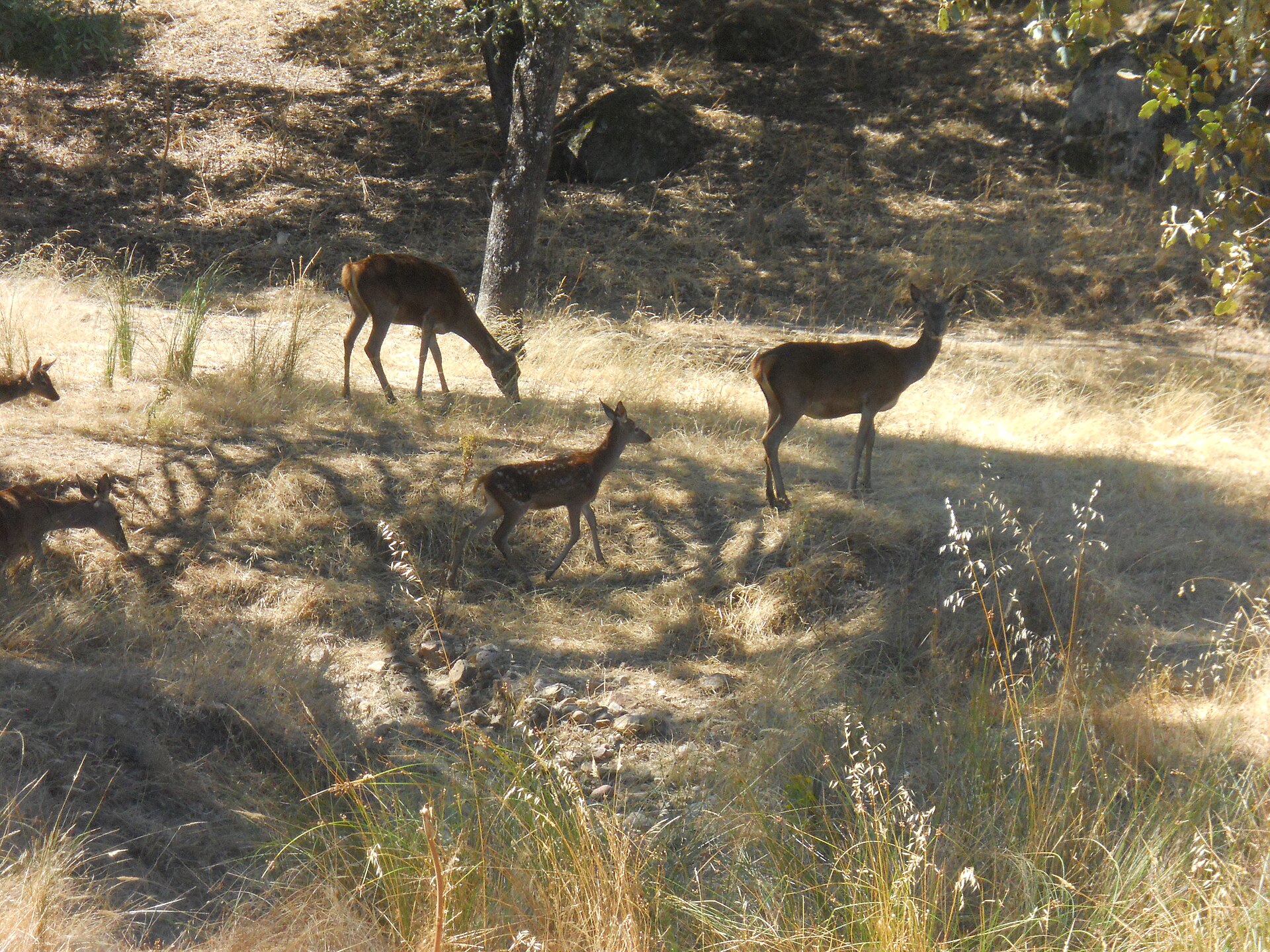
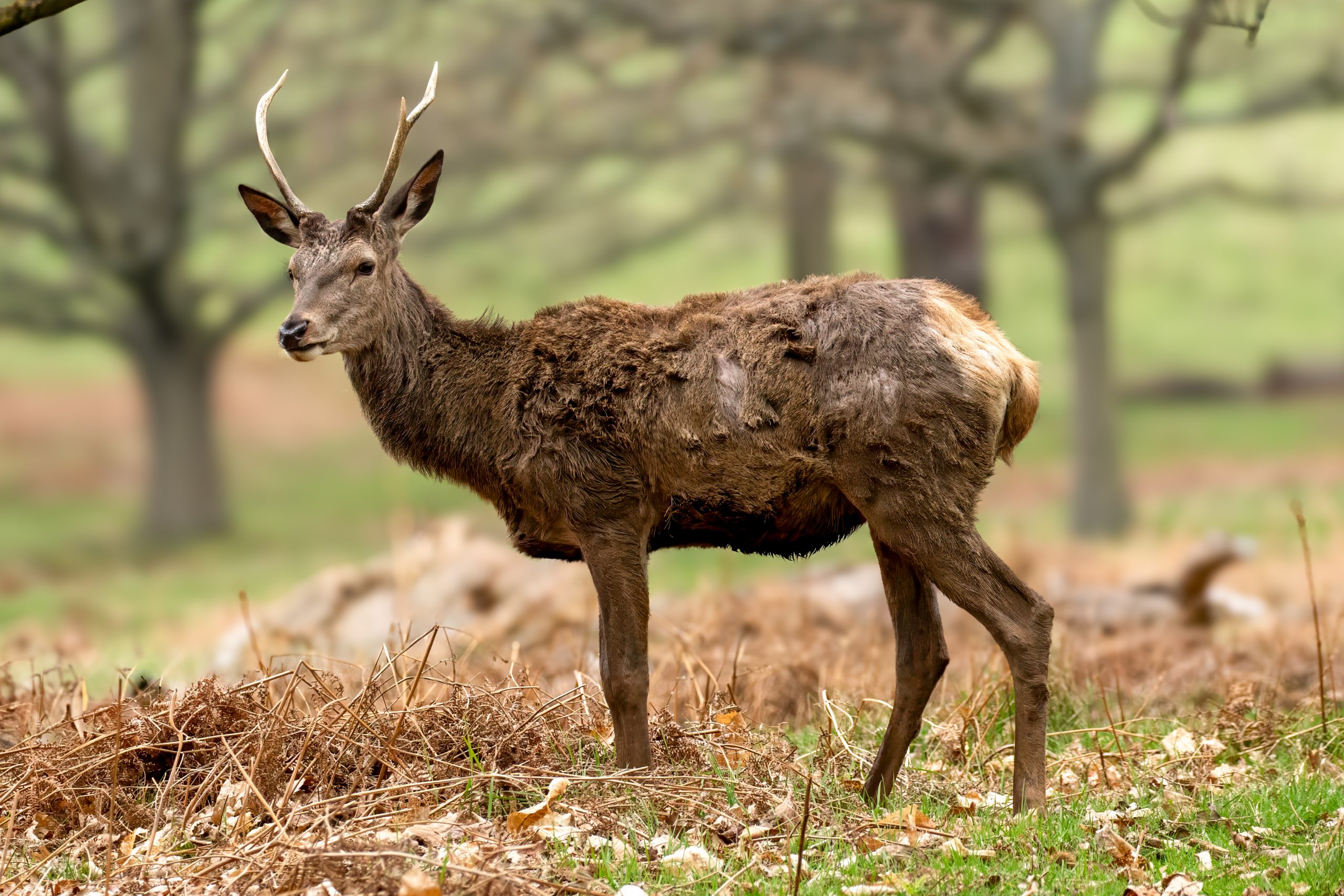
Iberian red deer (Cervus elaphus hispanicus) roared less during the rut where human-associated soundscape energy was higher and at sites closer to wind turbines on Lousã Mountain in central Portugal, according to a study published online on 19 June 2026. Rut roars are sexually selected signals used in competition between males and in interactions with females, and characteristics of the calls can convey information about a male’s body size. Changes in where and when males roar can therefore matter for communication during reproduction.
Researchers placed 29 AudioMoth recorders across the landscape for 14 days. The devices recorded 150-second samples every 7.5 minutes, and the team manually validated 88,022 red deer roars. Human-associated soundscape disturbance, or anthrophony, was represented by relative acoustic energy in the 1–2 kHz band. Because the recorders were not acoustically calibrated and individual sound sources were not validated at each site, this measure is a relative proxy of disturbance-associated soundscape energy, not an absolute noise level. The analysis also included habitat, weather and distance to roads, villages, water and wind turbines.
Roaring varied with habitat, weather and disturbance
Roaring was most frequent in shrublands and other open habitats and decreased as wind speed, rainfall and temperature increased. Across the 14-day period, roaring generally increased as the rut progressed, although two days of intense rain and strong winds temporarily interrupted that rise. Roar counts also fell as the measured anthrophony increased and rose with increasing distance from wind turbines. Distance to roads, villages and water did not show clear relationships with roaring activity in the models. Daily roaring also tended to be lower toward the end of the week.
The study cannot isolate one turbine or noise mechanism
The authors caution that lower roaring near turbines should not be interpreted as evidence for one single mechanism. The pattern may reflect acoustic masking, behavioural avoidance, habitat selection, differences in where males were distributed or a broader disturbance gradient associated with turbine infrastructure and human activity. The lower roaring toward the end of the week is likewise consistent with a possible role for human activity, but direct measures of recreation or other human presence would be needed to test that explanation.
The monitoring covered only 14 days of one rut season on one mountain system, so the study cannot establish whether the same relationships recur between years or in other red deer populations. Within that scope, the authors suggest passive acoustic monitoring can help identify rutting areas that may be particularly sensitive to disturbance.
Behaviour
Related news
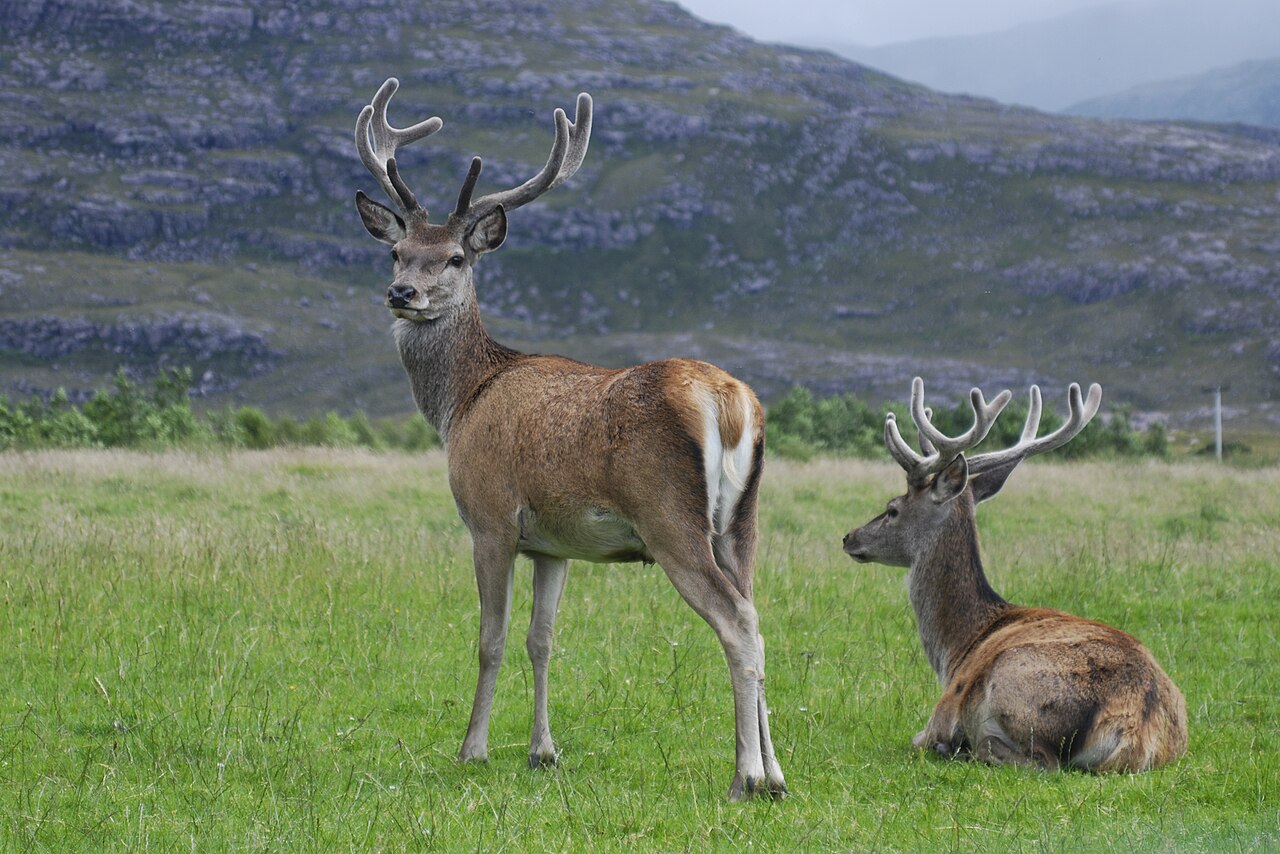
Velvet Antler Had the Most Distinct Metabolite Profile in Red and Sika Deer
A Chinese study detected 2,361 metabolites across three antler tissues from red and sika deer. Velvet antler separated…
Read story →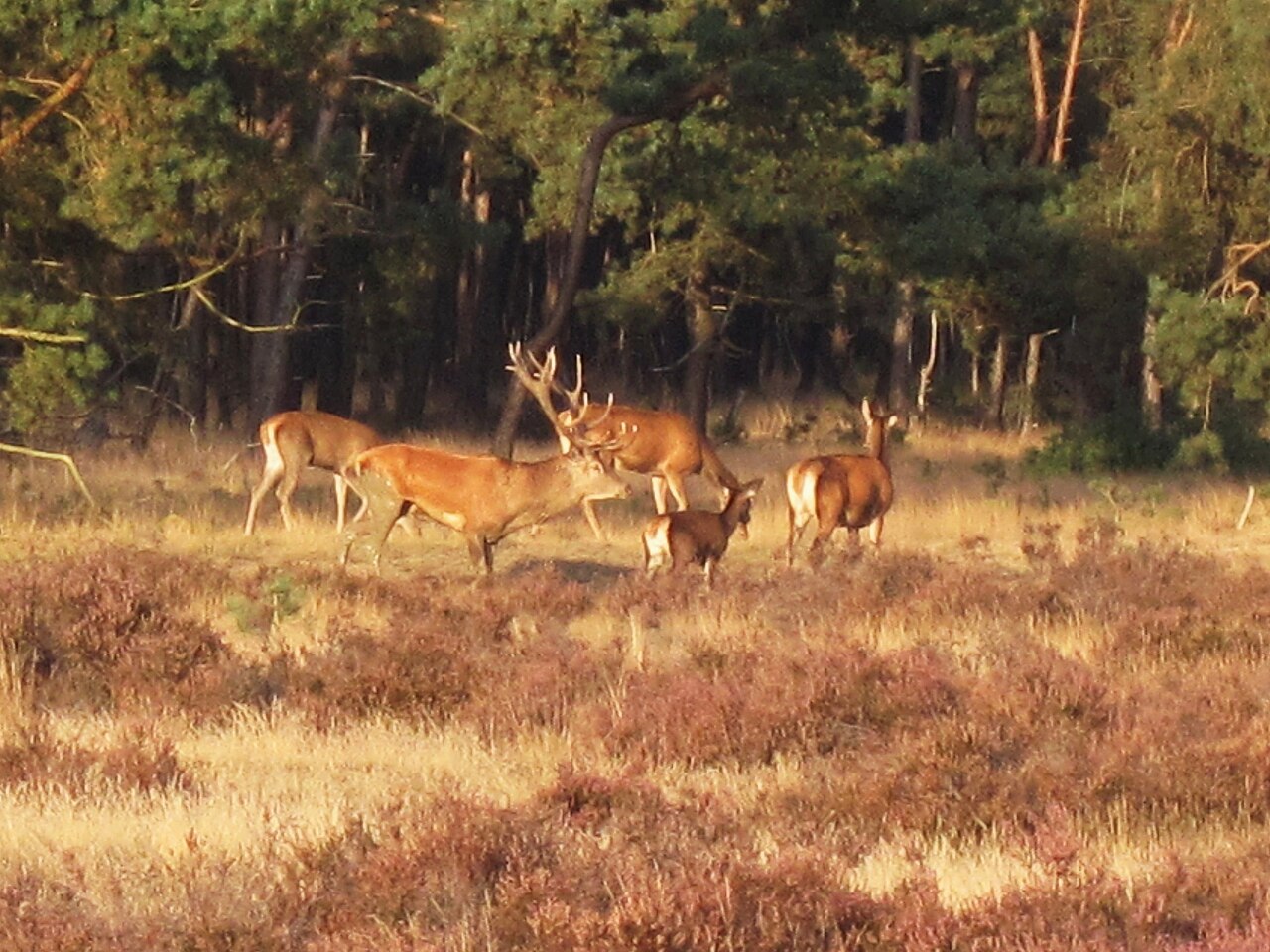
Tarim Red Deer Microbiomes Showed Greater Capacity to Break Down Reed Fibre
Under the same reed-containing diet, captive Tarim red deer had more fibre-associated gut microbes, higher cellulase and hemicellulase…
Read story →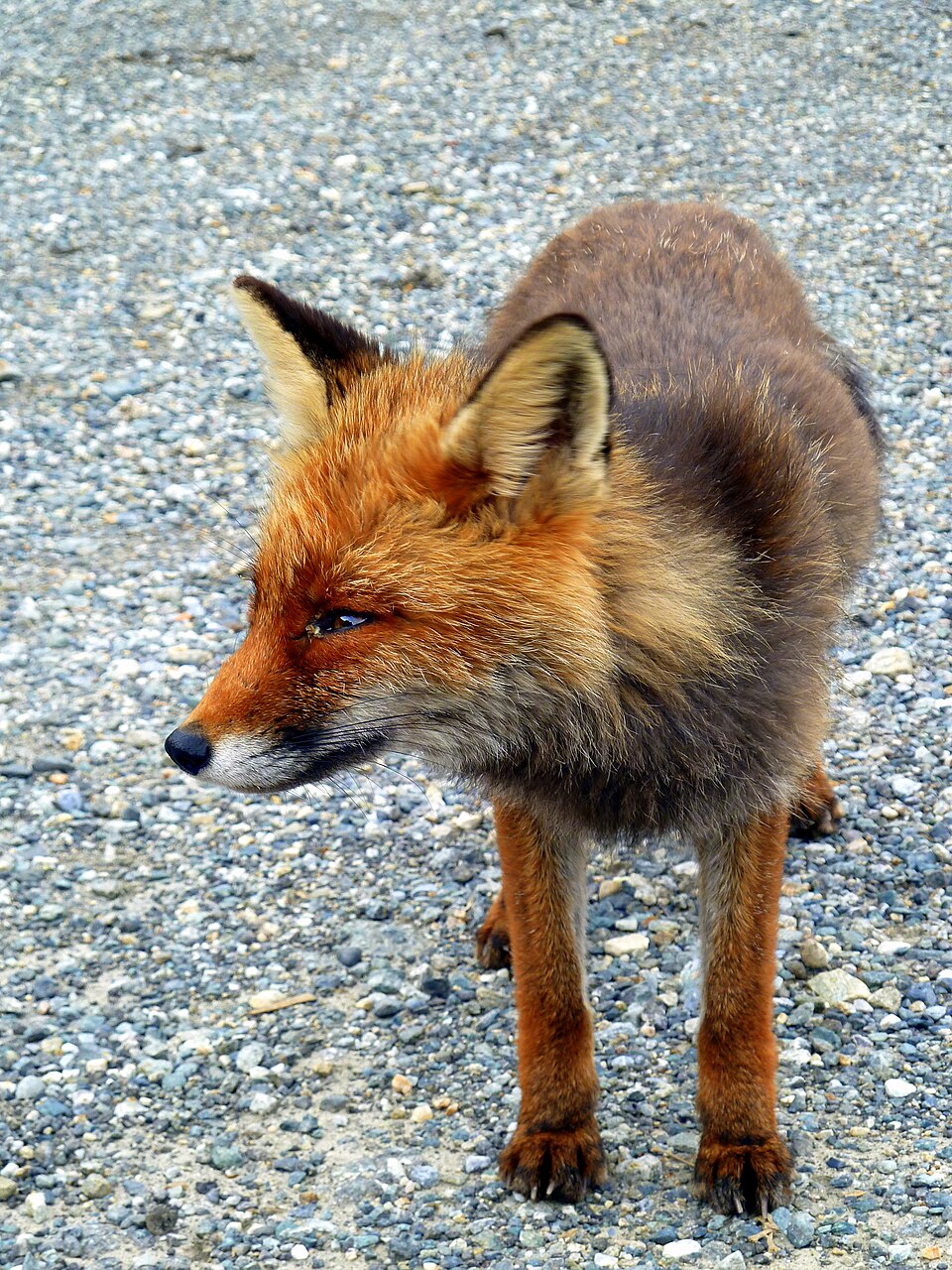
Wolf Kills Provided Plenty of Food for Red Foxes
Red foxes visited all 26 wolf-killed red deer monitored in Stelvio National Park. The amount of meat left…
Read story →SPECIES IN THIS STORY
Species in this story
Independent research and conservation news archive
Did you find this information useful?
Wildlife Vagabond is independently built and maintained. Voluntary support helps cover source verification, hosting and continued work on research and conservation news.
Support Wildlife VagabondThe news archive will remain freely available.