
Longer-Tailed Female Barn Swallows Were More Likely to Have Extra-Pair Mates
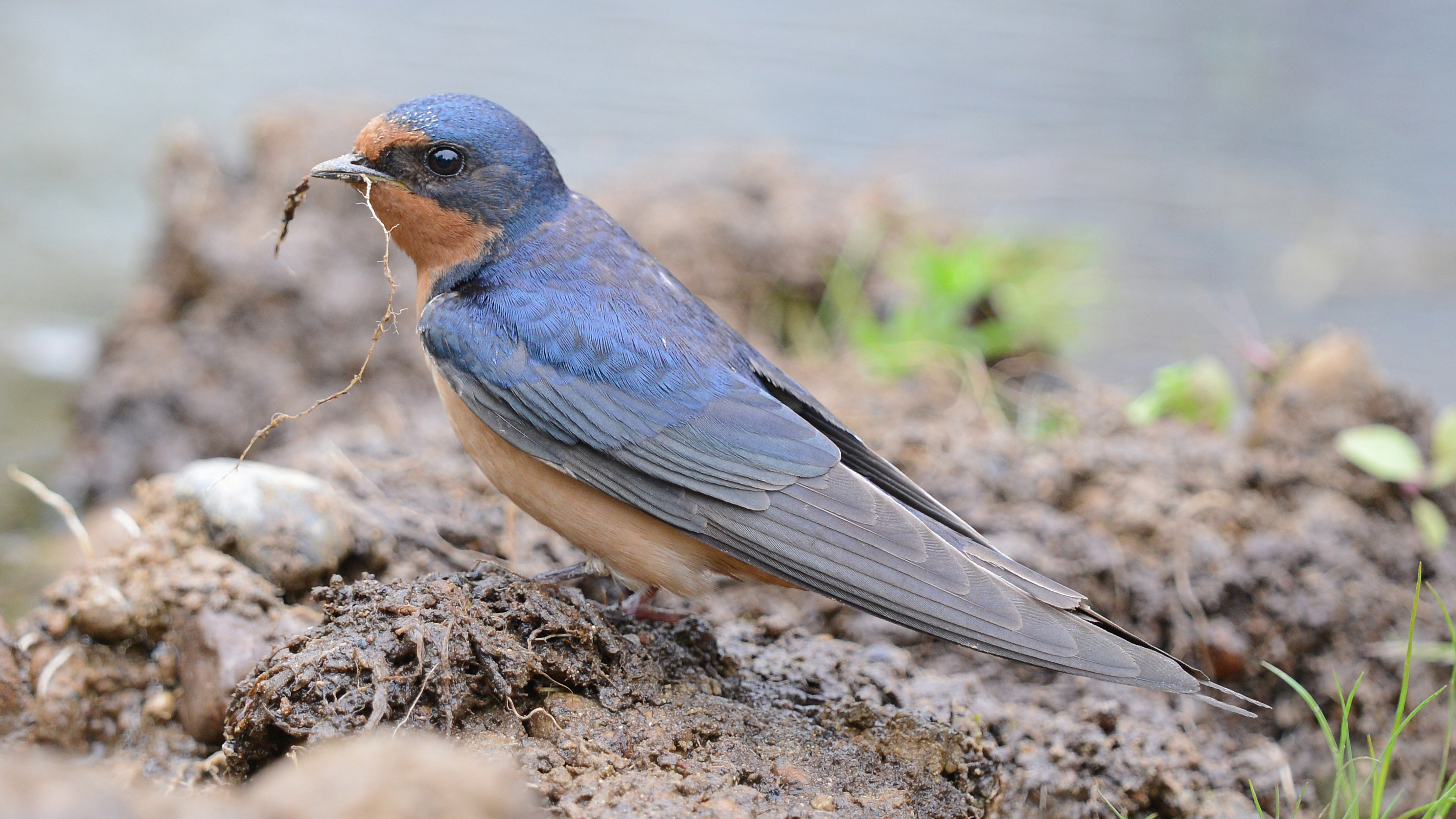
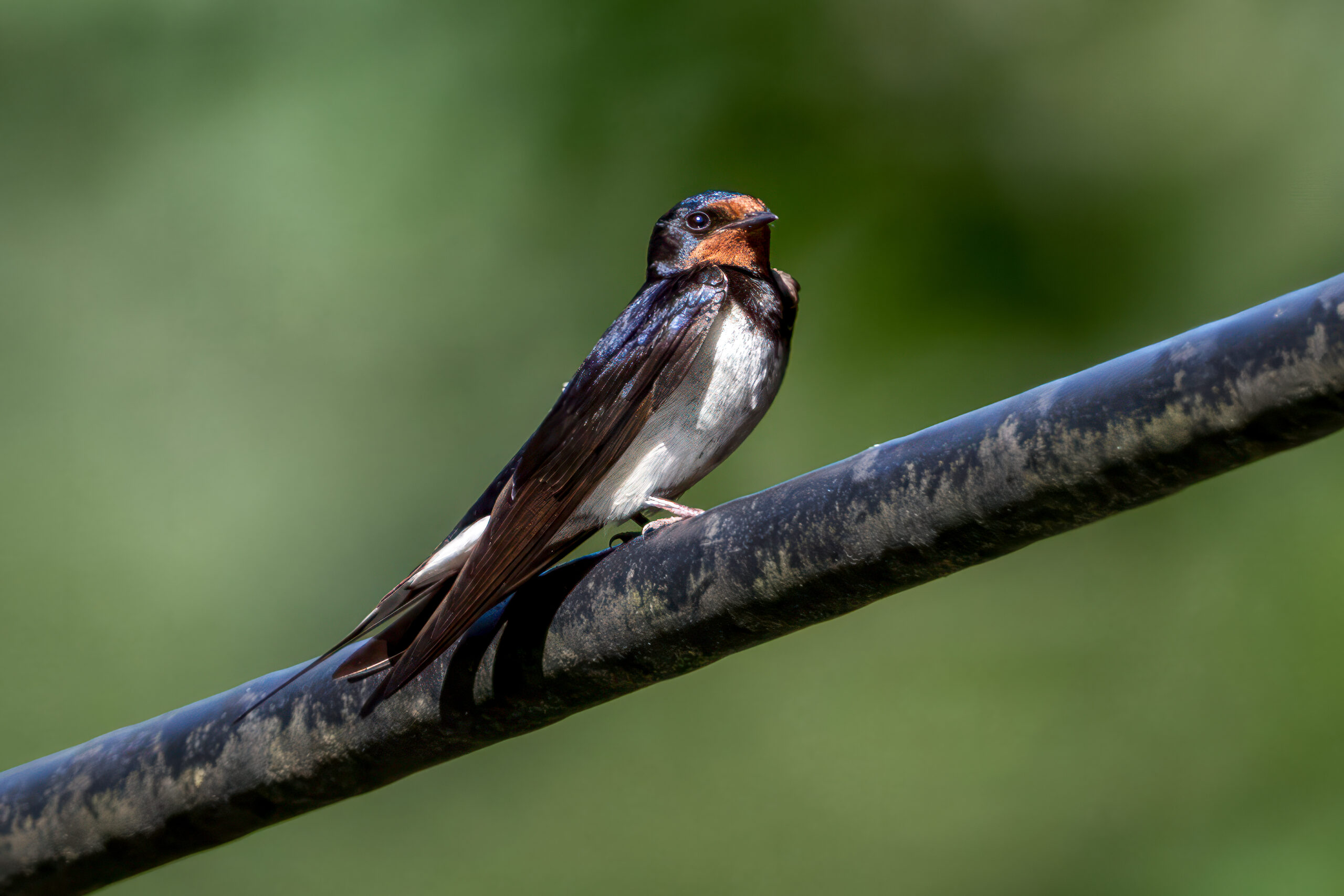
Female North American barn swallows (Hirundo rustica erythrogaster) with longer tails were more likely to mate with males other than their social partner. In a study of 47 social pairs, traits of females were more strongly associated with extra-pair fertilizations than traits of males.
Barn swallows are socially monogamous, but some offspring in a nest may be sired by a male other than the female’s social mate. The researchers examined whether these extra-pair fertilizations were associated with plumage traits and with the reproductive results of both members of the social pair.
Longer-tailed females were more likely to have extra-pair mates
Females that engaged in extra-pair mating tended to fledge more offspring during the breeding season. Females with longer tails also tended to have offspring sired by a greater number of males. Across the analyses, female traits were more informative than male traits when predicting extra-pair outcomes for both females and males.
Female throat colour was also associated with the extra-pair fertilization success of her social partner. Males paired with darker-throated females had more extra-pair offspring and sired offspring with more females outside the social pair, while the males’ own measured plumage traits did not significantly predict their extra-pair success.
The pattern was not explained by females laying more eggs
The pattern was not explained by females simply laying more eggs. Female plumage traits were not correlated with fecundity, measured as the total number of eggs laid, and fecundity itself was not associated with any measure of extra-pair fertilization. Fecundity did, however, correlate positively with the total number of offspring a female fledged, showing that egg production still contributed to annual reproductive success through a separate pathway.
The authors interpret the findings as evidence that extra-pair fertilizations may contribute to sexual selection on female plumage in this population. The study does not establish that longer tails themselves cause females to have more genetic sires. Tail length can increase with age, and exact age was unknown for about one-third of the sampled birds; among females of known age, older birds had longer tails. The authors therefore note that age and breeding experience, male preferences or other linked traits could contribute to the observed pattern.
Behaviour
Related news
Usutu Virus RNA Was Found Nearly Three Times as Often as West Nile Virus RNA in Southern France
Among 2,533 wild birds from 69 species in southern France, Usutu virus RNA was detected in 12.0% and…
Read story →
Larger Broods and Older Social Fathers Were Linked to Shorter Telomeres in Male Barn Swallow Nestlings
A long-term study near Milan found shorter telomeres in male barn swallow nestlings from larger broods or with…
Read story →
Mitochondrial DNA Reveals a More Complex Evolutionary History of Barn Swallows
A study of 580 complete barn swallow mitochondrial genomes found five major maternal lineages, including a newly recognised…
Read story →SPECIES IN THIS STORY
Species in this story
Independent research and conservation news archive
Did you find this information useful?
Wildlife Vagabond is independently built and maintained. Voluntary support helps cover source verification, hosting and continued work on research and conservation news.
Support Wildlife VagabondThe news archive will remain freely available.