
Muscle Minerals Varied Across the Antler Cycle in Wild Red Deer
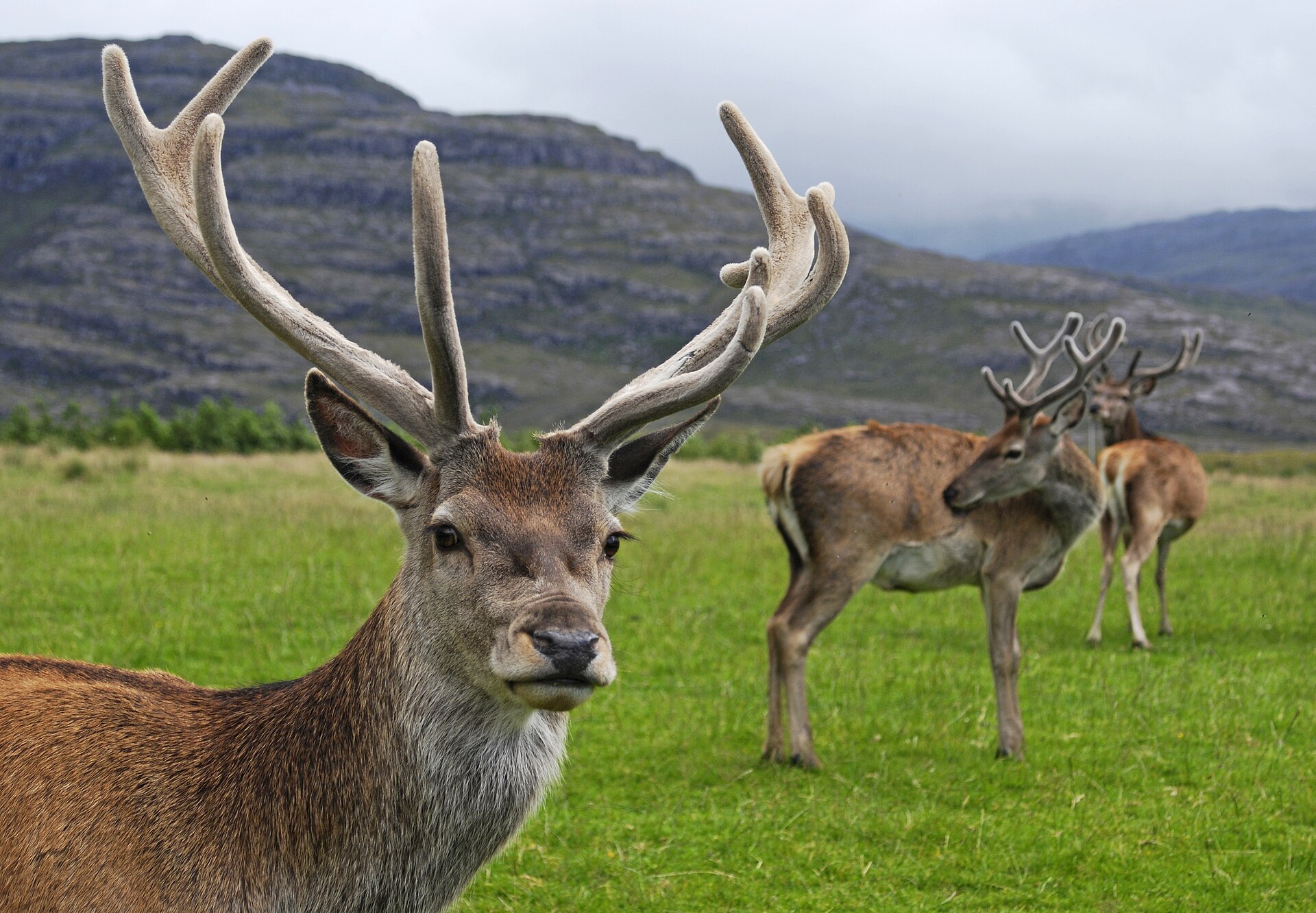
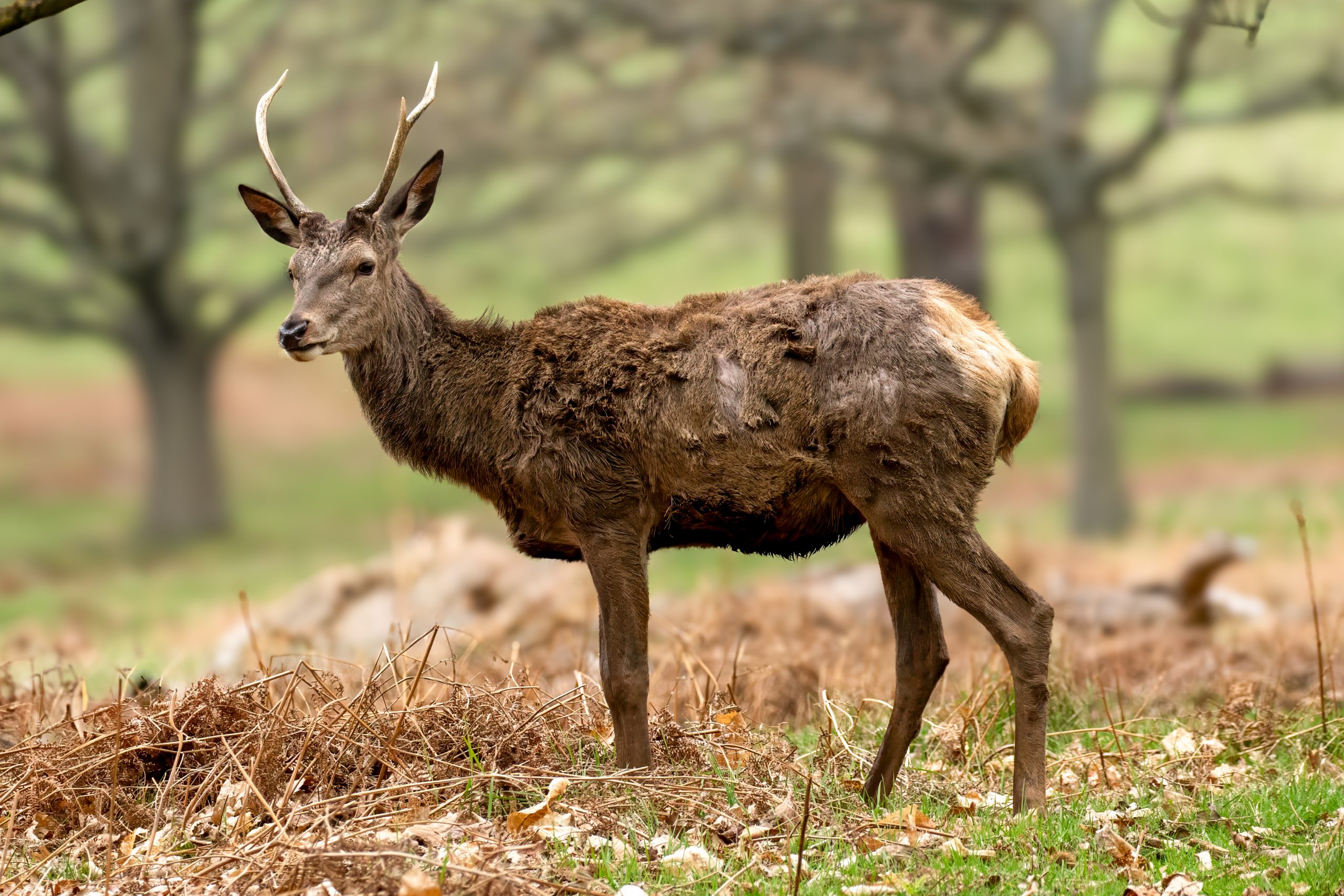
Muscle mineral composition differed among four sampling periods across the annual antler cycle in wild red deer (Cervus elaphus) from central Spain. Researchers examined 32 adult males harvested by selective stalking, with eight sampled in September, January, April and June.
The clearest changes involved minerals that are important in mineralised tissues. Calcium and magnesium concentrations in the longissimus muscle were highest in April. Iron and zinc were lower in April and June than earlier in the cycle, although the individual minerals did not all follow the same seasonal pattern.
The April and June samples coincided with antler growth
The sampling months represented different stages of the annual cycle. April coincided with the onset of the period when skeletal minerals are mobilised during rapid antler growth, while June represented a later stage of that process. This temporary withdrawal of minerals from the skeleton during antler mineralisation is known as cyclical physiological osteoporosis. The study measured mineral concentrations in muscle rather than mineral movement directly.
The authors therefore interpret the seasonal mineral pattern as more closely associated with mobilisation of skeletal reserves during antler growth than with changes in diet alone. The result is an interpretation of the combined seasonal pattern, not a direct measurement of calcium moving from bone into antlers.
Other muscle traits also changed with season
Carcass yield was highest in September, and intramuscular fat was higher in September than in April. Several fatty acids also differed among sampling months, showing that the mineral changes occurred alongside broader seasonal shifts in body condition and muscle composition.
Red deer rebuild their antlers each year, creating a short period of unusually high demand for minerals. The study shows that this cycle is accompanied by measurable changes in muscle composition in free-ranging adult males, while leaving the exact physiological pathways to be tested more directly.
Physiology
Related news
Velvet Antler Had the Most Distinct Metabolite Profile in Red and Sika Deer
A Chinese study detected 2,361 metabolites across three antler tissues from red and sika deer. Velvet antler separated…
Read story →
Tarim Red Deer Microbiomes Showed Greater Capacity to Break Down Reed Fibre
Under the same reed-containing diet, captive Tarim red deer had more fibre-associated gut microbes, higher cellulase and hemicellulase…
Read story →
Wolf Kills Provided Plenty of Food for Red Foxes
Red foxes visited all 26 wolf-killed red deer monitored in Stelvio National Park. The amount of meat left…
Read story →SPECIES IN THIS STORY
Species in this story
Independent research and conservation news archive
Did you find this information useful?
Wildlife Vagabond is independently built and maintained. Voluntary support helps cover source verification, hosting and continued work on research and conservation news.
Support Wildlife VagabondThe news archive will remain freely available.