
Nearly 80% of Salambala Farmers Reported Positive Experiences With Oxpeckers
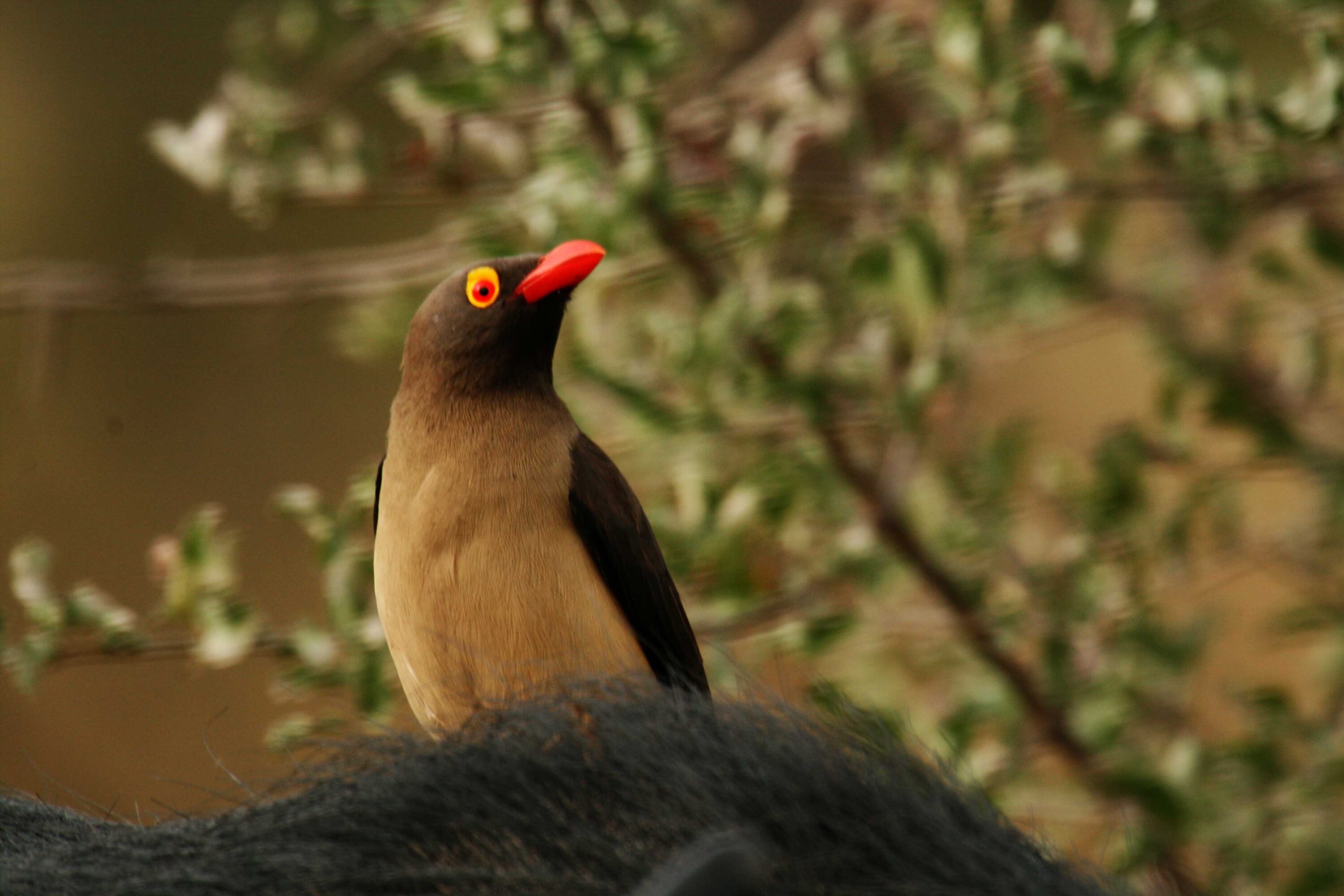
A survey of cattle farmers in northeastern Namibia found broadly positive attitudes towards oxpeckers, despite widespread chemical tick control and a minority reporting harmful interactions with livestock. The study was published on 28 April 2026 in Pastoralism: Research, Policy and Practice.
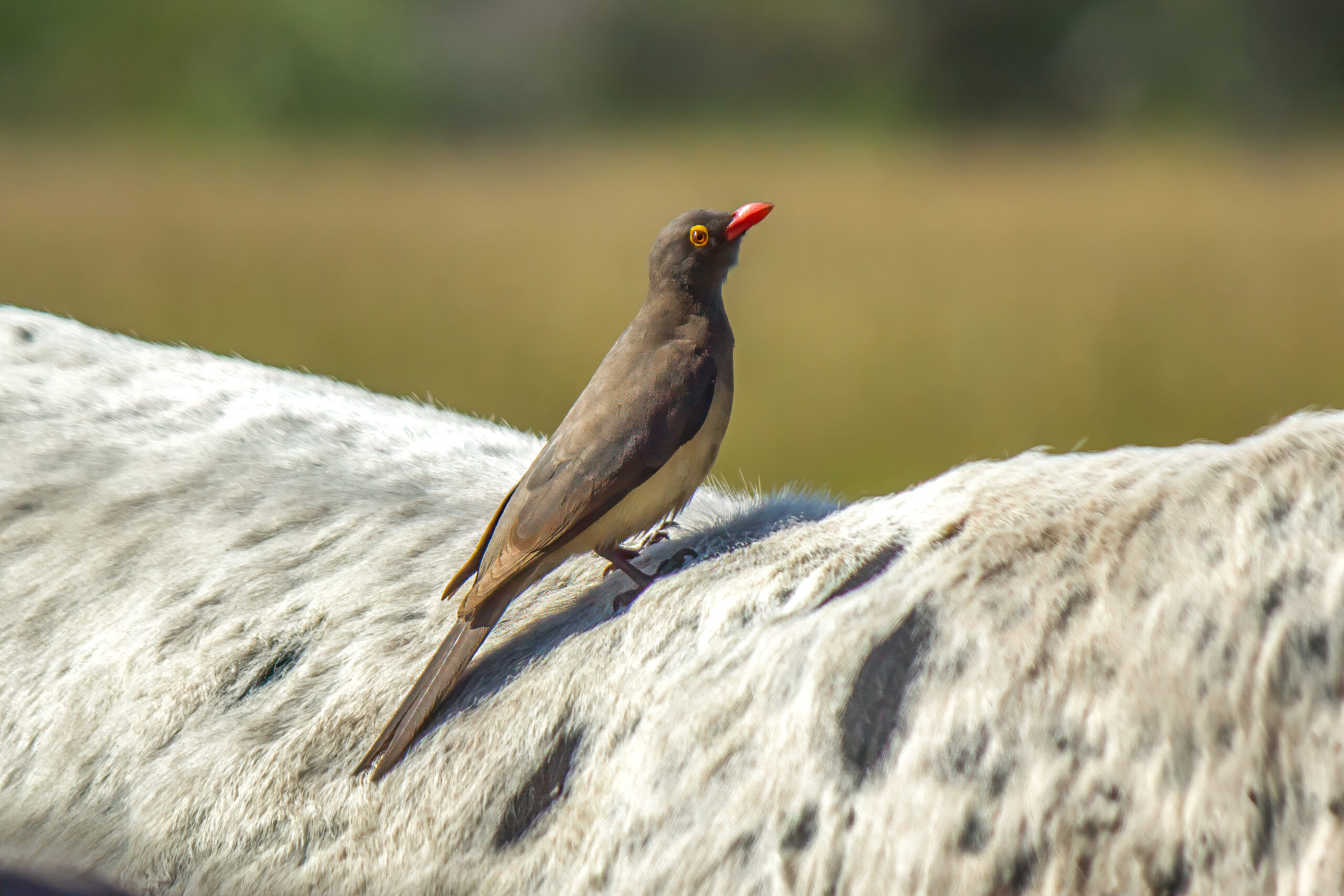
Researchers interviewed 200 randomly selected livestock farmers in the Salambala Conservancy, where red-billed oxpeckers (Buphagus erythroryncha) and yellow-billed oxpeckers (Buphagus africanus) both occur around managed cattle herds. The questionnaire covered knowledge of the birds, tick-control practices, experiences with oxpeckers, perceived population trends and attitudes towards conservation.
Benefits and Complaints
Awareness was almost universal: 199 of the 200 respondents said they knew oxpeckers. Most, however, recognised only one type, while 19% reported knowing both species. Positive experiences were reported by 79.5% of farmers, most commonly because the birds were perceived to reduce tick numbers on cattle.
Negative experiences were reported by 29%. The most common complaint was that oxpeckers could bite at wounds or reopen old lesions associated with tick bites. Smaller numbers mentioned blood-feeding, livestock discomfort and other perceived problems. Even so, 72% of respondents said oxpeckers were not a problem, and 77% reported no monetary damage attributed to them.
Tick Control and Conservation
Tick control formed an important part of the same livestock system. Seventy-eight percent of farmers reported using methods to prevent or reduce ticks, with synthetic pyrethroids and organophosphates among the most commonly used chemicals. The authors discuss this as an important conservation interface because oxpeckers depend heavily on ectoparasites for food while farmers need effective tick control to protect livestock health.
Perceptions of oxpecker population trends were mixed: 36% of respondents believed numbers were decreasing and 36.5% believed they were increasing. Among those offering explanations for declines, reported causes included fewer ticks, tick-control chemicals, loss of wild host animals and changes to nesting or roosting habitat. These were farmers’ perceptions rather than measured population drivers in the study.
Overall support for the birds remained substantial. Nearly two-thirds of respondents, 63.5%, wanted oxpecker populations to increase. In the statistical analysis, farmers who used measures to reduce oxpecker presence had more negative impact scores, while those who supported population increases had more positive scores. How frequently farmers reported seeing oxpeckers during the wet season was no longer significantly associated with attitude scores after other variables were taken into account.
The authors recommend improving access to veterinary-approved tick treatments and practical advice for farmers. They also propose combining chemical control with measures such as pasture rotation and grazing management, keeping tick numbers within acceptable limits while preserving food for oxpeckers.
Human–wildlife conflict
Related news
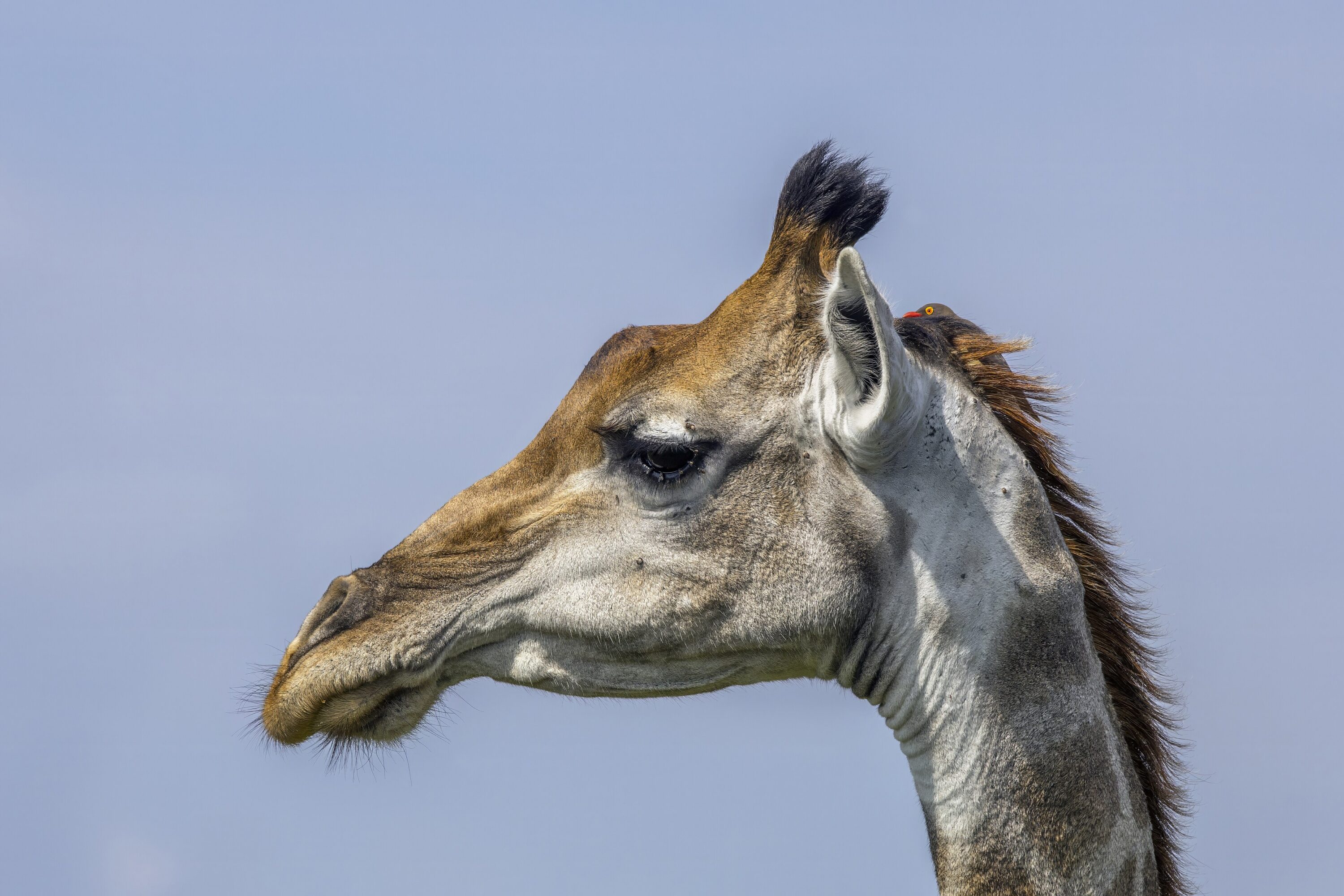
Giraffes Responded More Strongly to Lion Calls Than Oxpecker Alarms
Playback experiments with 35 free-ranging southern giraffes in South Africa found that lion vocalisations triggered stronger vigilance than…
Read story →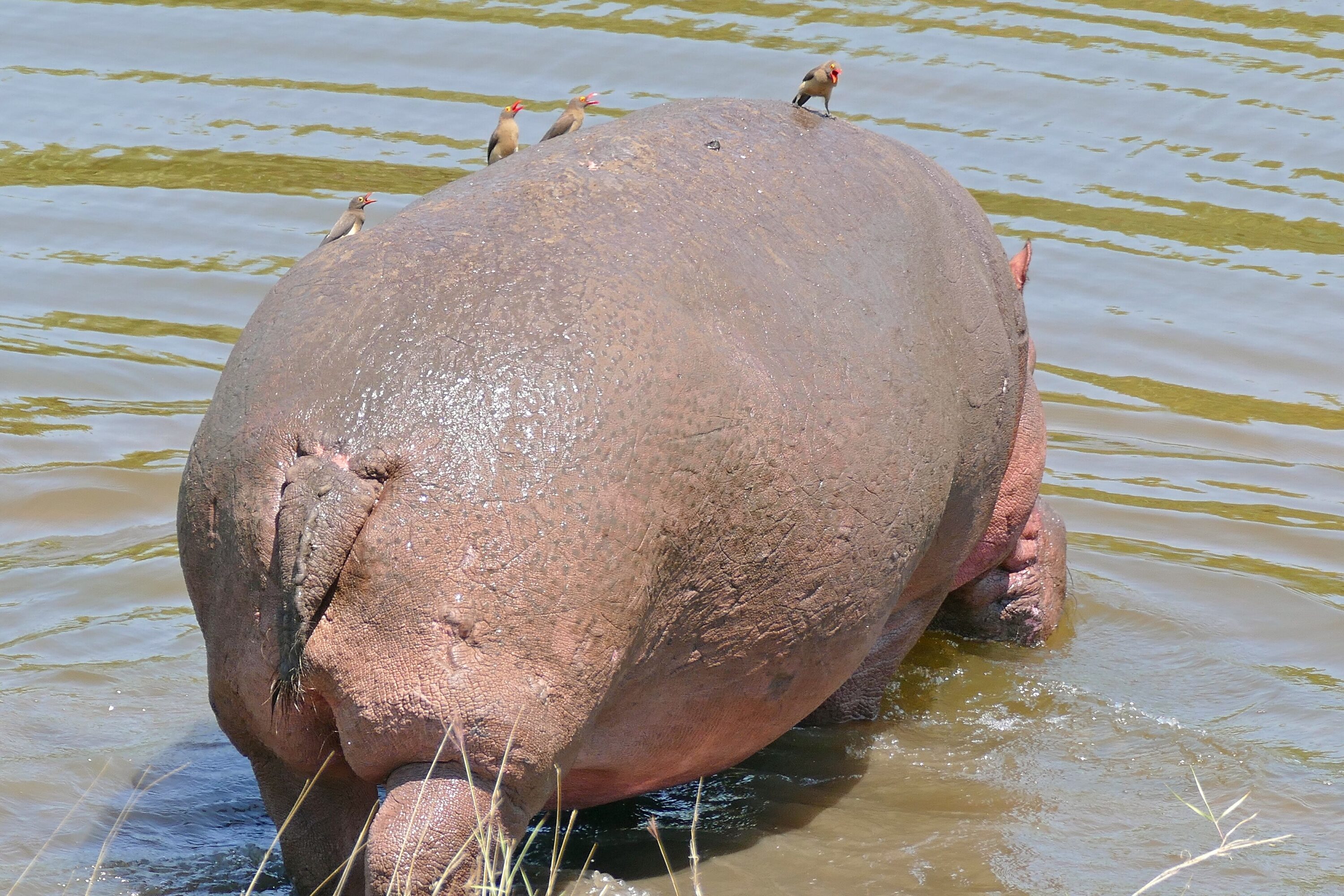
Red-billed Oxpeckers Use Stranded Hippos as Highly Tolerant Hosts
A 2026 study from Namibia found red-billed oxpeckers repeatedly using hippos confined to an isolated pool, with the…
Read story →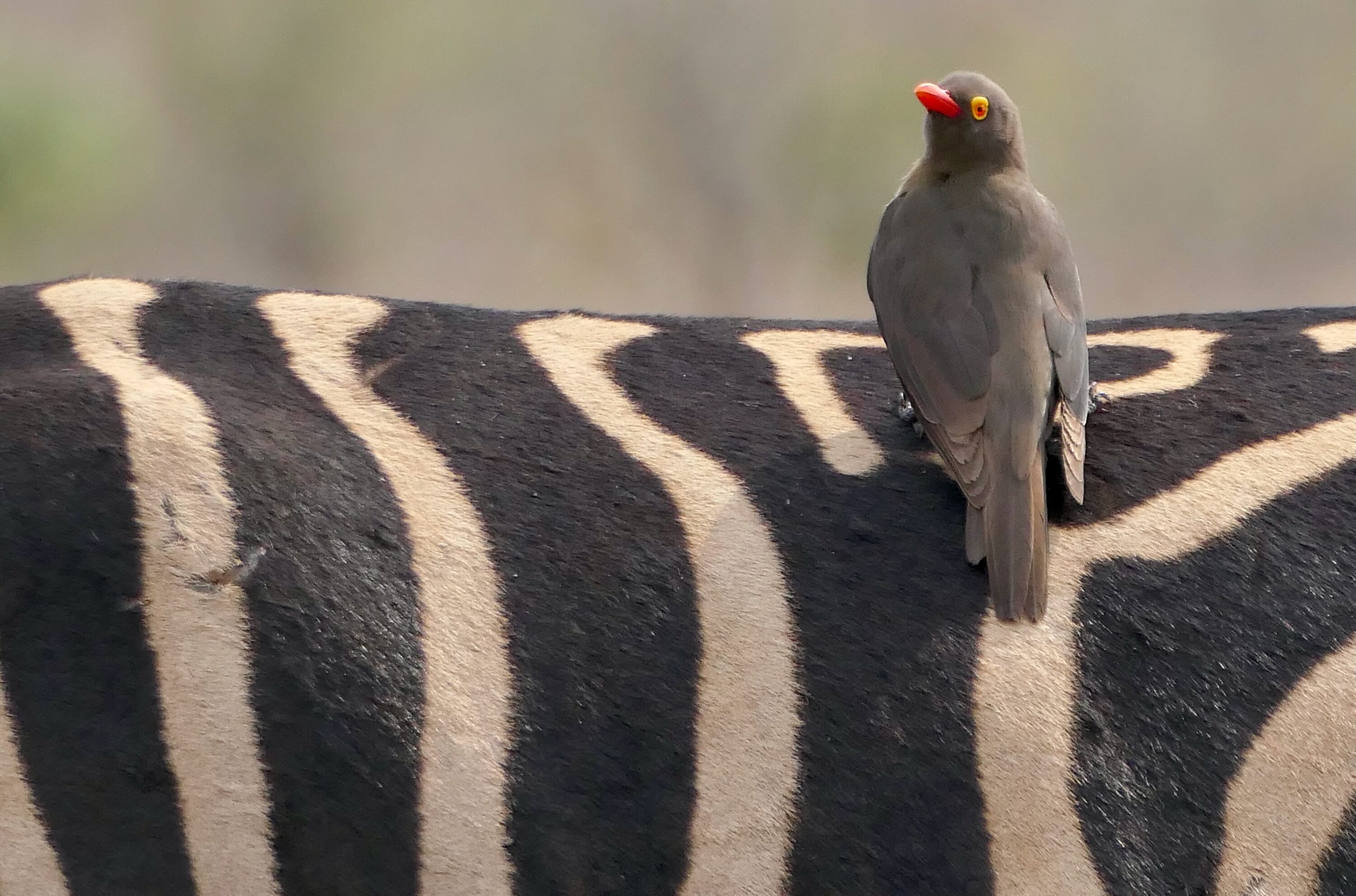
Oxpecker Foraging and Host Responses Varied Across Mammals in Salambala
At Salambala Conservancy in Namibia, red- and yellow-billed oxpeckers changed their feeding behaviour and body-site use among African…
Read story →SPECIES IN THIS STORY
Species in this story
Independent research and conservation news archive
Did you find this information useful?
Wildlife Vagabond is independently built and maintained. Voluntary support helps cover source verification, hosting and continued work on research and conservation news.
Support Wildlife VagabondThe news archive will remain freely available.