
Three Decades of Satellite and Field Data Showed Greener Red Deer Forage on Rum
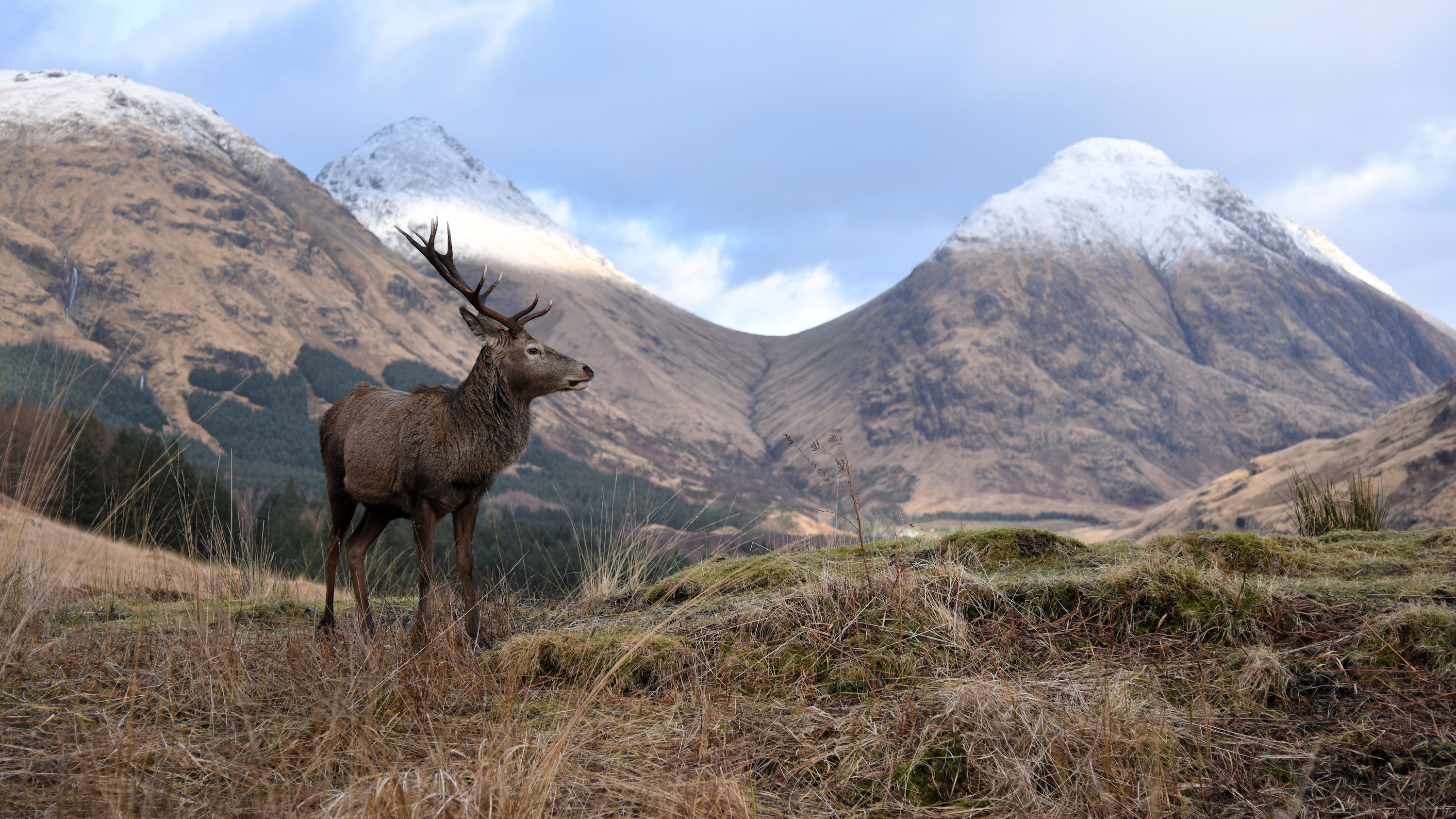
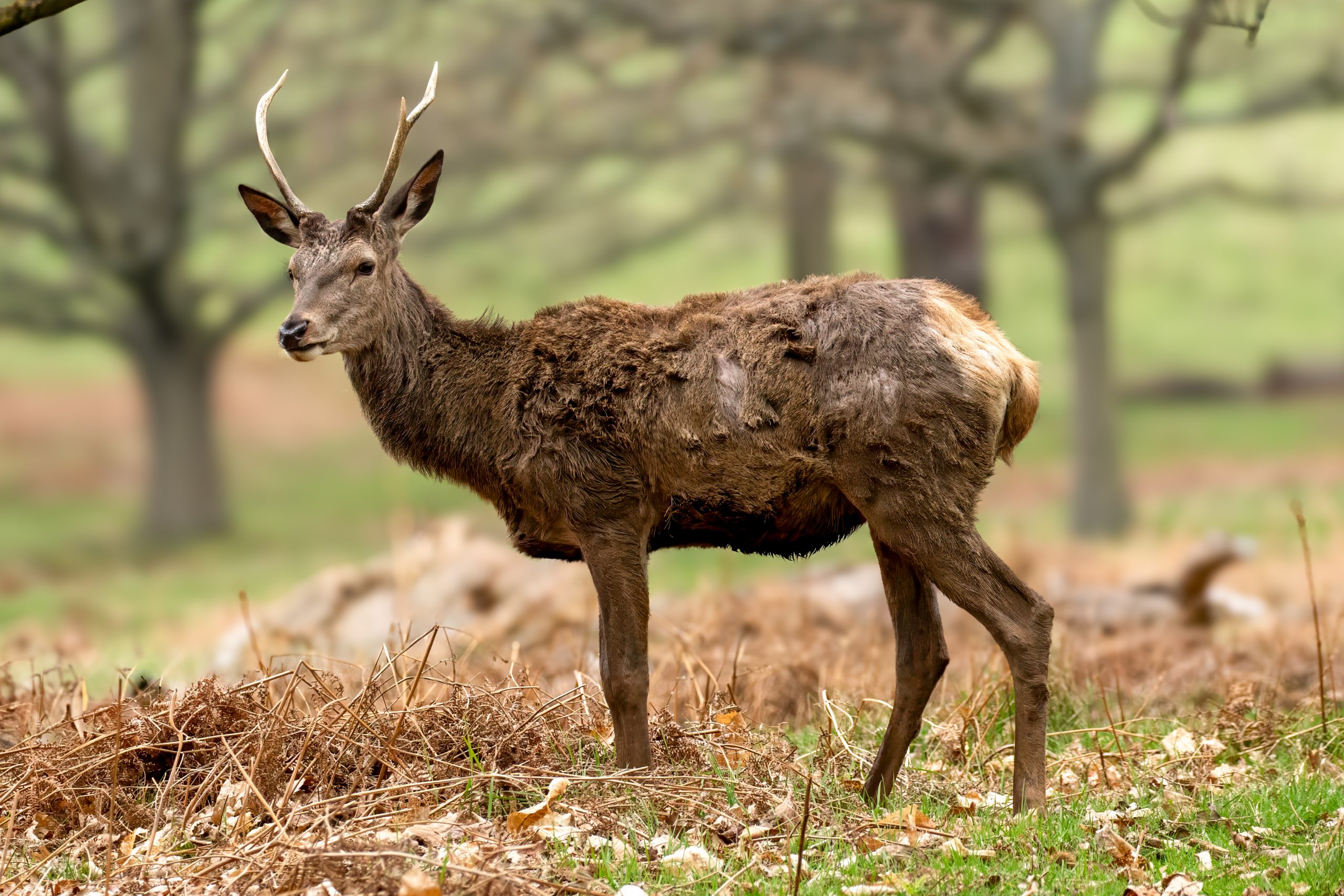
Three decades of satellite data and field measurements show a long-term increase in peak vegetation greenness on the Isle of Rum in Scotland, where wild red deer (Cervus elaphus) have been studied for more than half a century. The researchers also found that a commonly used satellite vegetation index tracked living plant biomass in one of the grassland habitats selectively grazed by the deer.
The study assembled Landsat imagery from 1991 to 2023 at 30-metre resolution and calculated annual maximum Normalised Difference Vegetation Index, or NDVI, across the long-term deer study area. NDVI uses the way vegetation reflects red and near-infrared light to measure greenness; higher values generally indicate greener, more actively growing vegetation. To test whether this satellite measure reflected food available on the ground, the researchers compared it with vegetation biomass collected directly from calcareous grassland, a habitat preferred by the deer, and with an independent MODIS satellite vegetation index.
Satellite greenness tracked live biomass in preferred grassland
Landsat NDVI increased with the amount of live vegetation biomass measured in June and July. The relationship was modest: even relatively large increases in live biomass corresponded to much smaller increases in annual maximum NDVI. Landsat NDVI also agreed with the independent MODIS measure, supporting its use as an indicator of annual peak vegetation greenness and forage availability in this system.
Peak vegetation greenness increased over three decades
All three measures – Landsat NDVI, MODIS vegetation greenness and field-measured live biomass – increased over the long term. The Landsat data showed that the rate of greening differed among vegetation types, with some grasslands used by deer among the habitats showing marked increases. The authors conclude that annual peak vegetation greenness has increased on Rum and that this suggests improving forage conditions for the deer over time.
The direct comparison between satellite greenness and biomass was restricted to calcareous grassland, so the authors caution that the same NDVI–biomass relationship should not automatically be assumed for every vegetation type on the island. They nevertheless identify the long field record as an unusually strong test of whether remotely sensed greenness corresponds to biologically meaningful changes in a key red deer feeding habitat.
Ecology
Related news
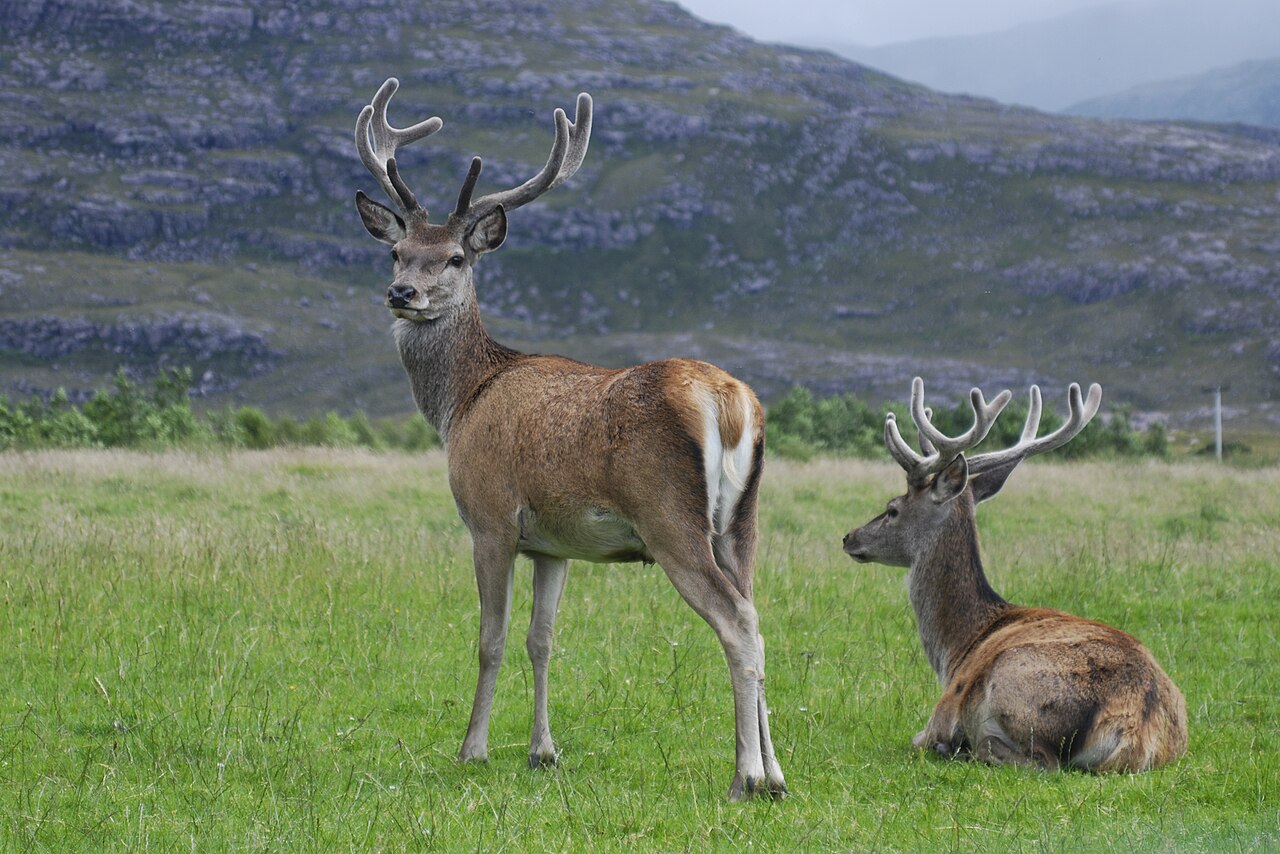
Velvet Antler Had the Most Distinct Metabolite Profile in Red and Sika Deer
A Chinese study detected 2,361 metabolites across three antler tissues from red and sika deer. Velvet antler separated…
Read story →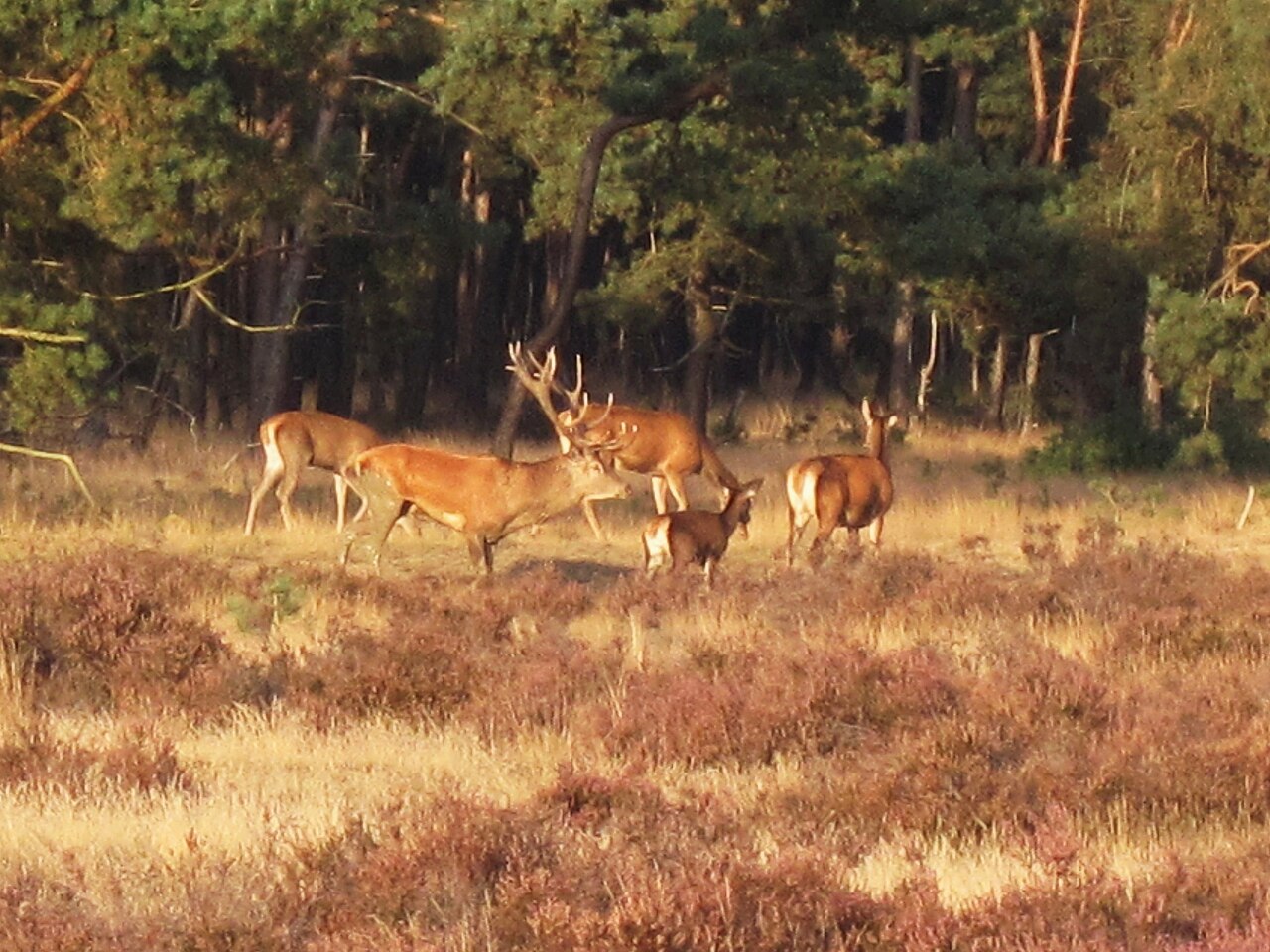
Tarim Red Deer Microbiomes Showed Greater Capacity to Break Down Reed Fibre
Under the same reed-containing diet, captive Tarim red deer had more fibre-associated gut microbes, higher cellulase and hemicellulase…
Read story →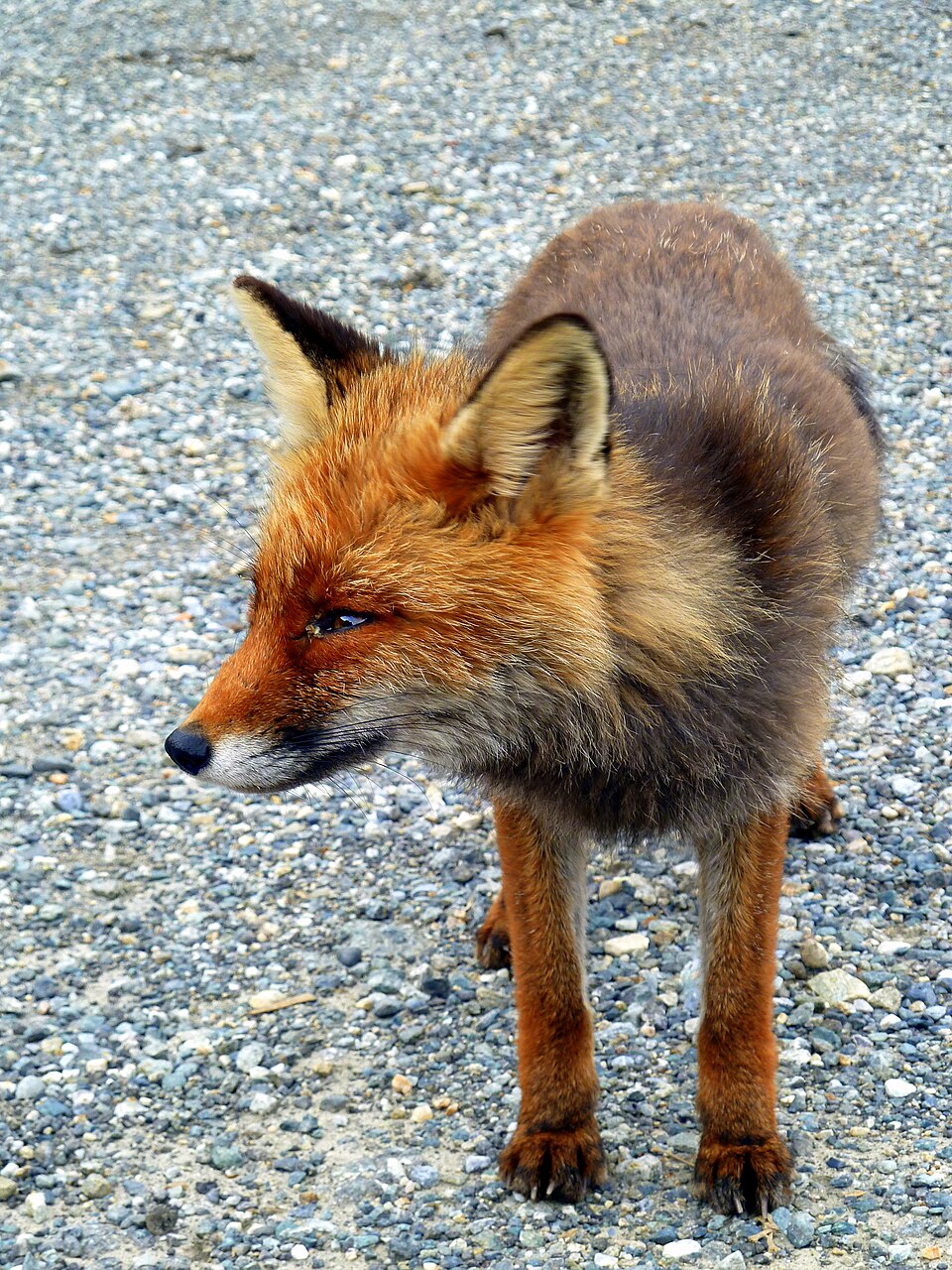
Wolf Kills Provided Plenty of Food for Red Foxes
Red foxes visited all 26 wolf-killed red deer monitored in Stelvio National Park. The amount of meat left…
Read story →SPECIES IN THIS STORY
Species in this story
Independent research and conservation news archive
Did you find this information useful?
Wildlife Vagabond is independently built and maintained. Voluntary support helps cover source verification, hosting and continued work on research and conservation news.
Support Wildlife VagabondThe news archive will remain freely available.