
Bird Diversity Fell After Cormorant Colonies Became Established on Baltic Islands
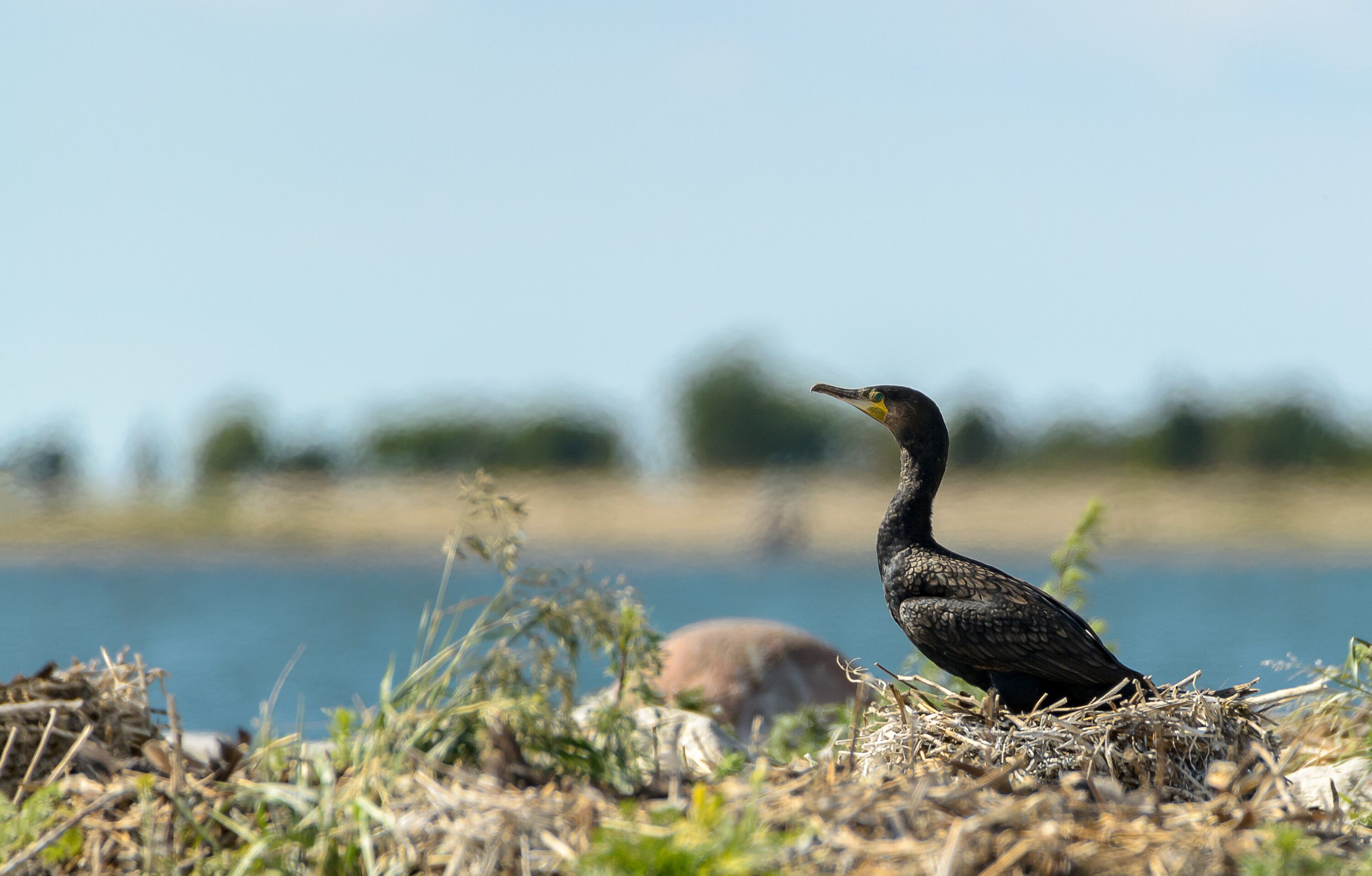
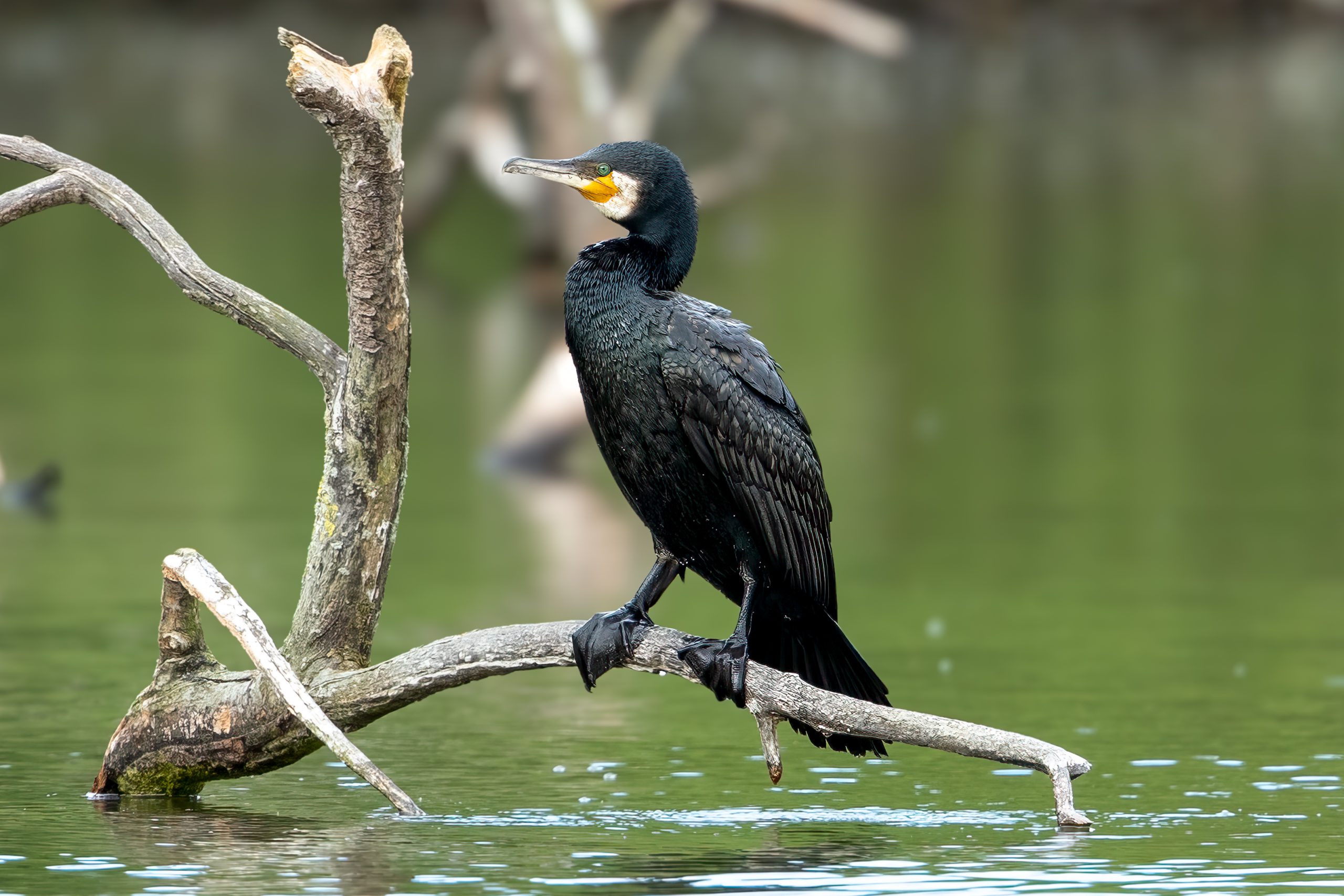
Long-term monitoring of small islands in the northeastern Baltic Sea found that breeding-bird diversity declined after colonies of great cormorants (Phalacrocorax carbo sinensis) became established. The study analysed annual breeding-bird data from 261 islands along the Estonian coast from 1960 to 2022, allowing the same island communities to be followed before, during and, in some cases, after cormorant occupation.
The researchers used Shannon’s diversity index, which combines species richness with how evenly individuals are distributed among species. A lower value therefore means that an island has fewer breeding species, a community more strongly dominated by a few species, or both.
Diversity declined after cormorant colonies became established
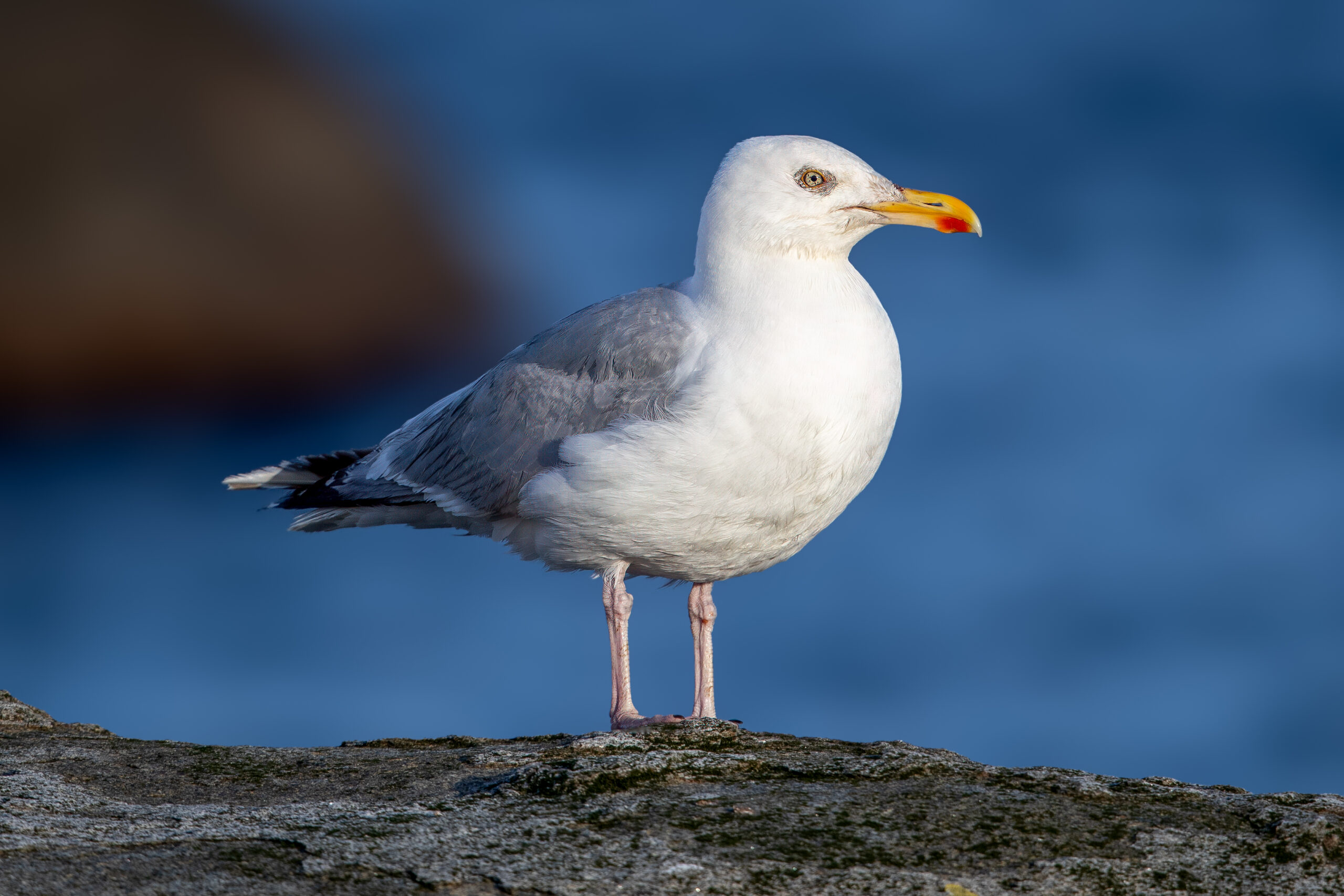
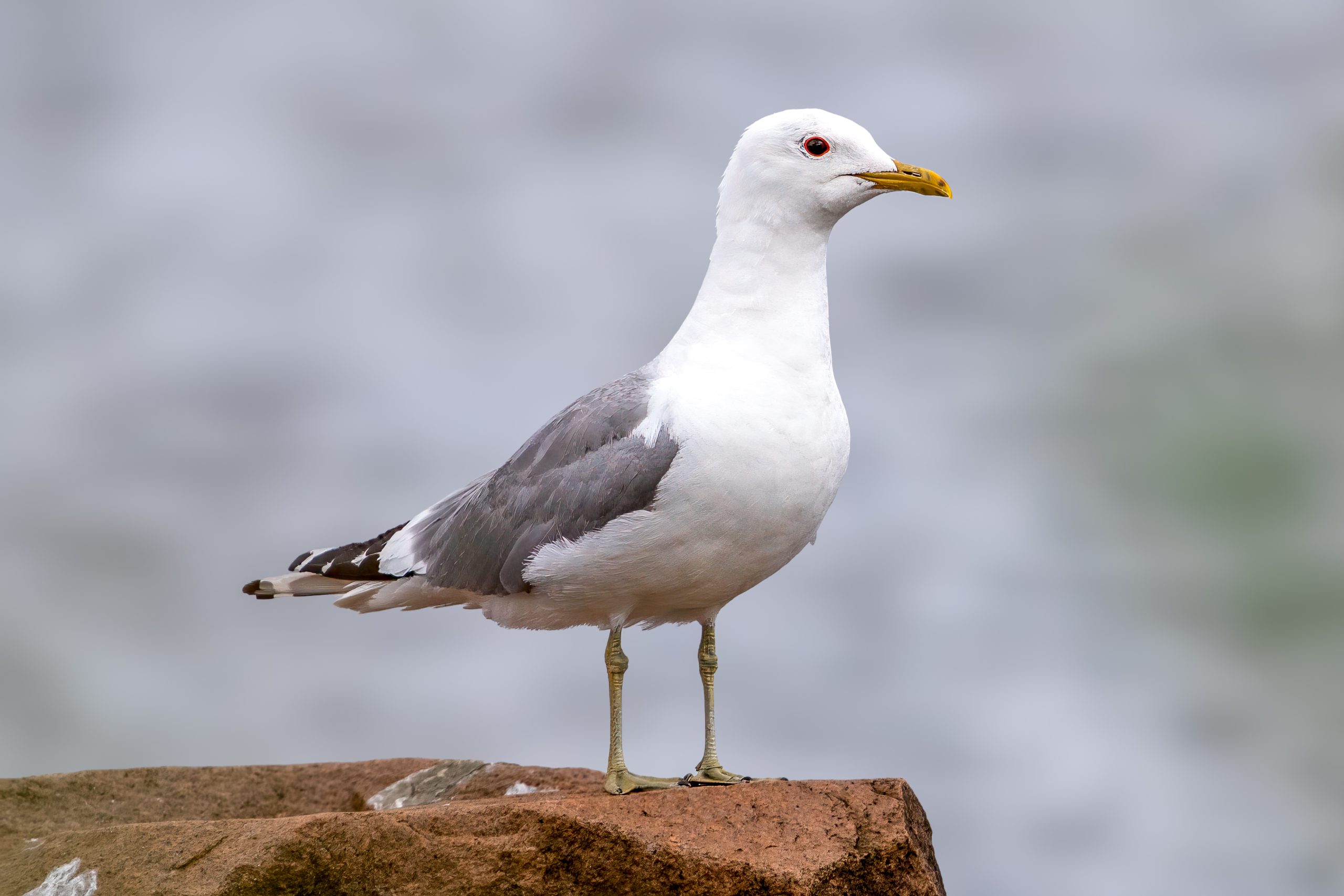
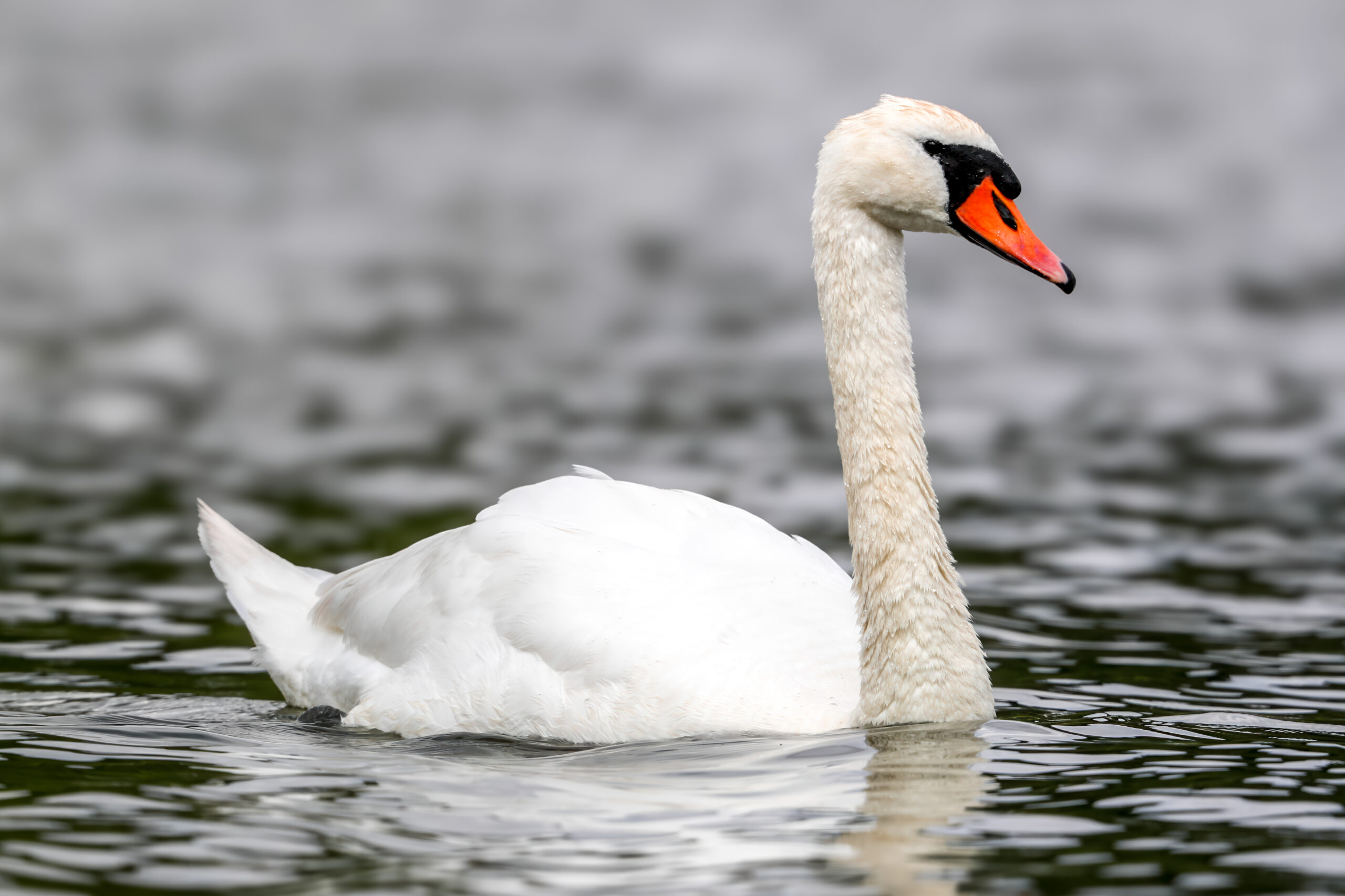
Breeding-bird diversity was negatively associated with the establishment of cormorant colonies. The strongest negative species responses included European herring gull (Larus argentatus), common gull (Larus canus) and velvet scoter (Melanitta fusca), while mute swan (Cygnus olor) showed the clearest positive response.
The authors interpret the community-level pattern as evidence of strong competition for limited breeding habitat on small marine islands. Dense cormorant colonies can also transform terrestrial vegetation through nesting, trampling and nutrient inputs, changing the structure of the habitat available to other birds. The study therefore points to both direct competition for space and colony-driven habitat change as mechanisms that can reshape island bird communities.
Diversity began to recover after colonies were abandoned
The change was not permanent on every island. On islands where cormorants later abandoned breeding colonies, Shannon diversity began to recover towards its earlier level. This before–during–after pattern strengthens the link between colony presence and the bird-community change, although individual species did not all respond in the same direction.
The authors conclude that highly abundant colonial birds can become major ecological modifiers on small islands. The unusually long monitoring series — 261 islands over more than six decades — allowed the study to detect community changes that would be difficult to distinguish from ordinary island-to-island variation in a short survey.
Ecology
Related news
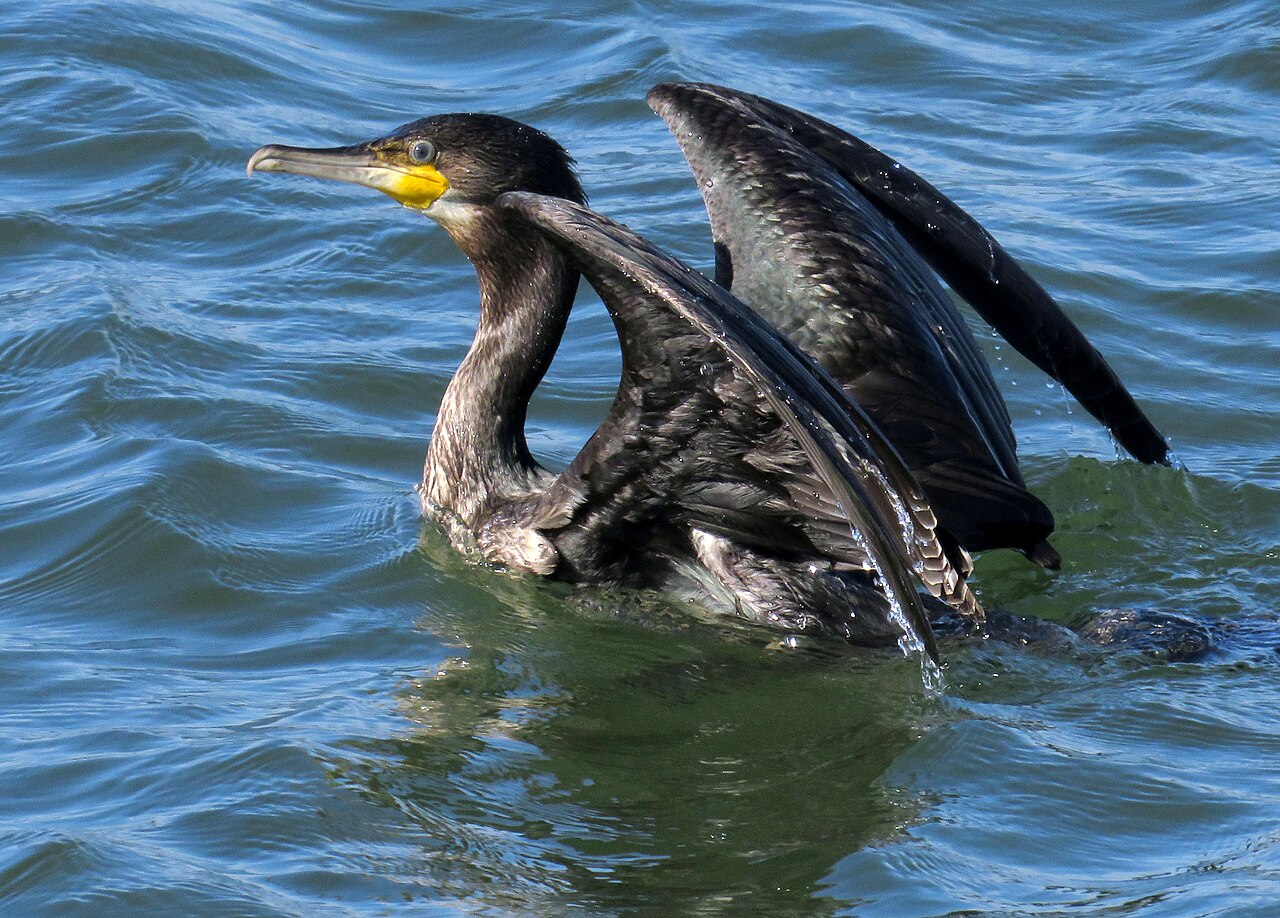
Cormorant and Large-Gull Counts Fell at a Danish Pound Net, but the Difference Disappeared Within Weeks
At one Danish pound net fitted with Looming-Eye Buoys, great cormorant and large-gull counts dropped sharply relative to…
Read story →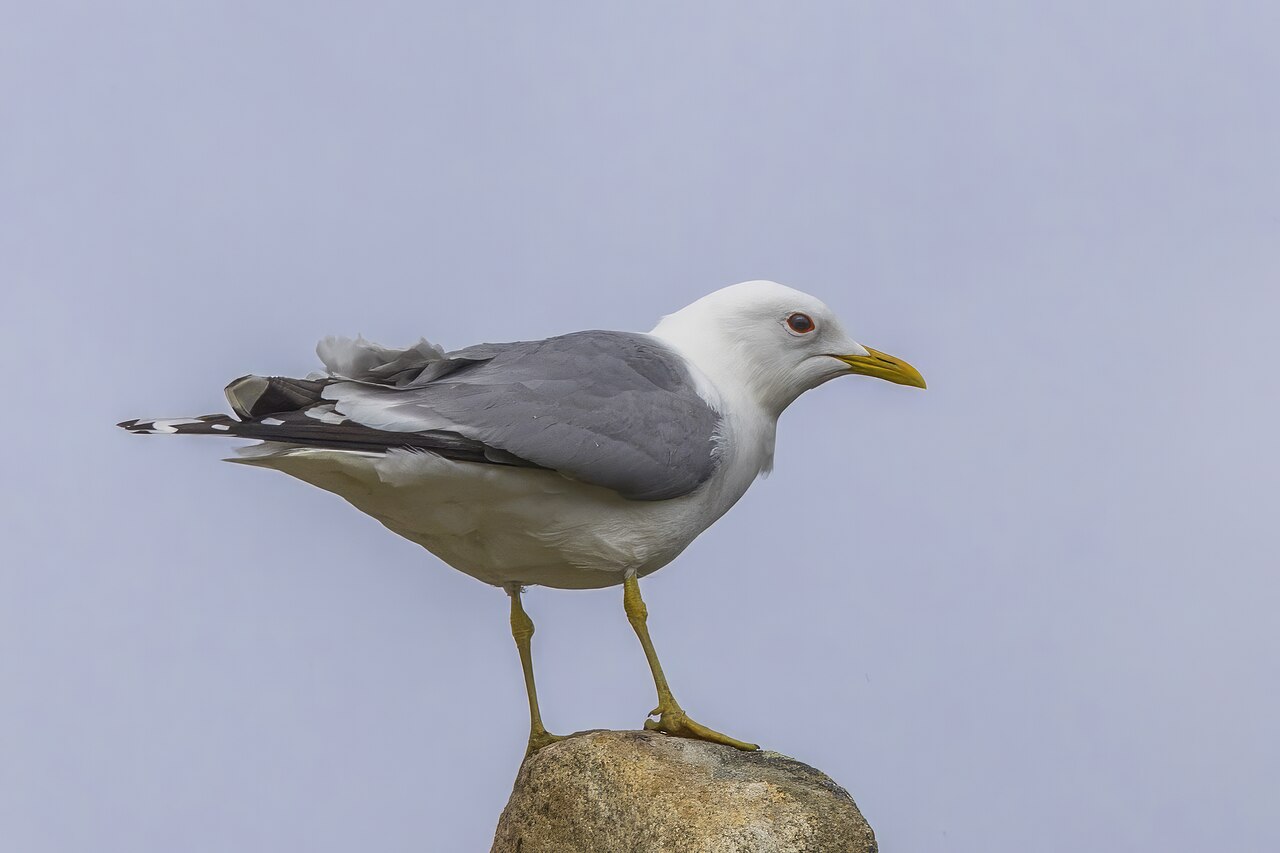
Common Gulls Were Less Often Infected and Carried Fewer Trematodes Than Larger Gulls at Czech Ponds
Trematodes were found in 15 of 33 common gulls in an eastern Czech study, compared with 27 of…
Read story →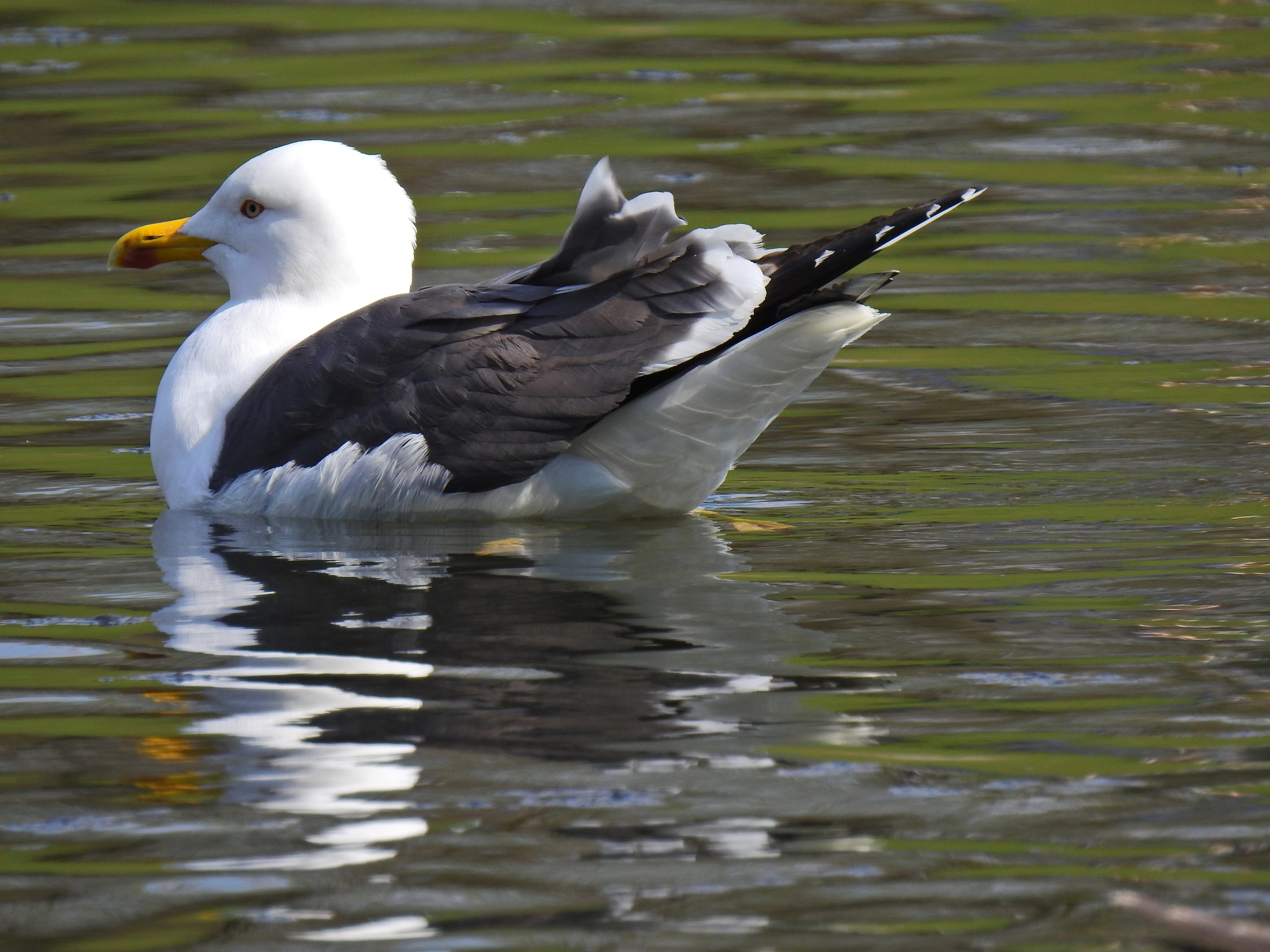
UK Seabird Monitoring Found Steep Declines While Great Black-backed Gull Trends Split Between Scotland and Wales
The 2026 UK seabird statistic reported long-term declines of 72% in natural-nesting lesser black-backed gulls, 51% in natural-nesting…
Read story →SPECIES IN THIS STORY
Species in this story
Independent research and conservation news archive
Did you find this information useful?
Wildlife Vagabond is independently built and maintained. Voluntary support helps cover source verification, hosting and continued work on research and conservation news.
Support Wildlife VagabondThe news archive will remain freely available.