
BirdNET Identified Oystercatcher Calls With 94% Precision and 99% Recall
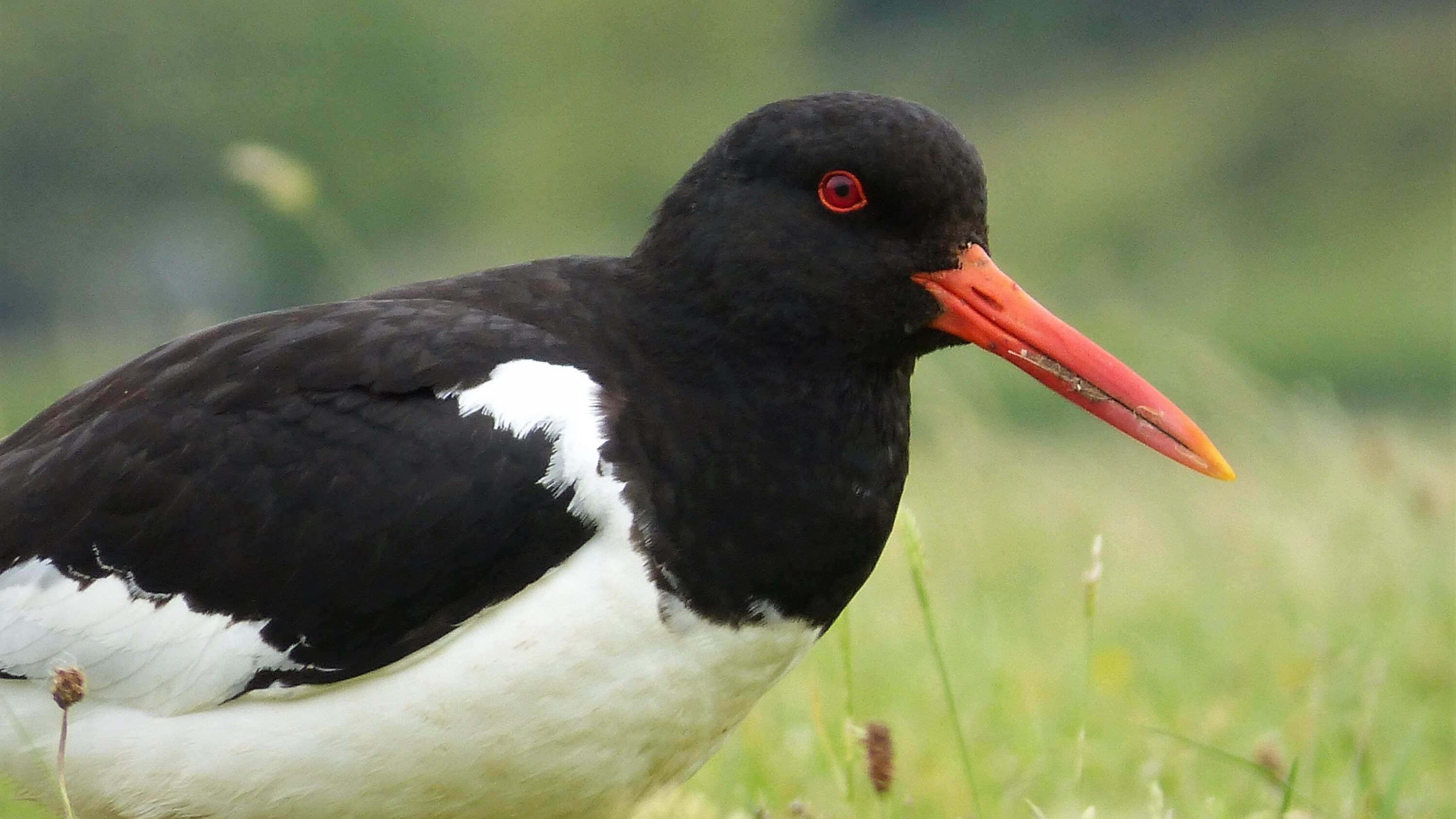
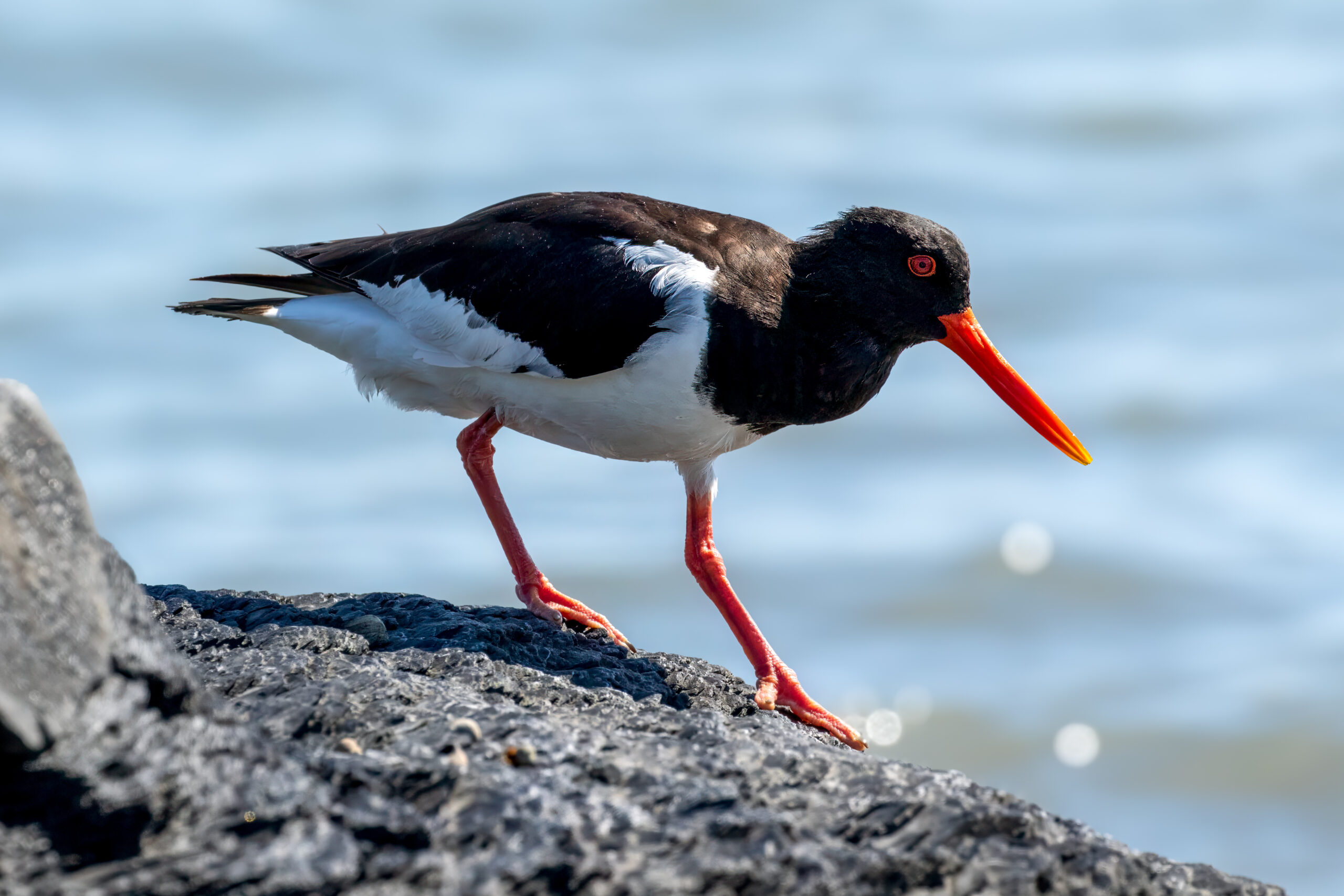
A field trial reported in 2026 tested whether farmers and automated sound recorders could provide useful annual monitoring of breeding waders in agri-environment schemes in the Yorkshire Dales, England. For eurasian oystercatcher (Haematopus ostralegus), the BirdNET classifier identified calls with 94% precision and 99% recall in the manually checked audio sample.
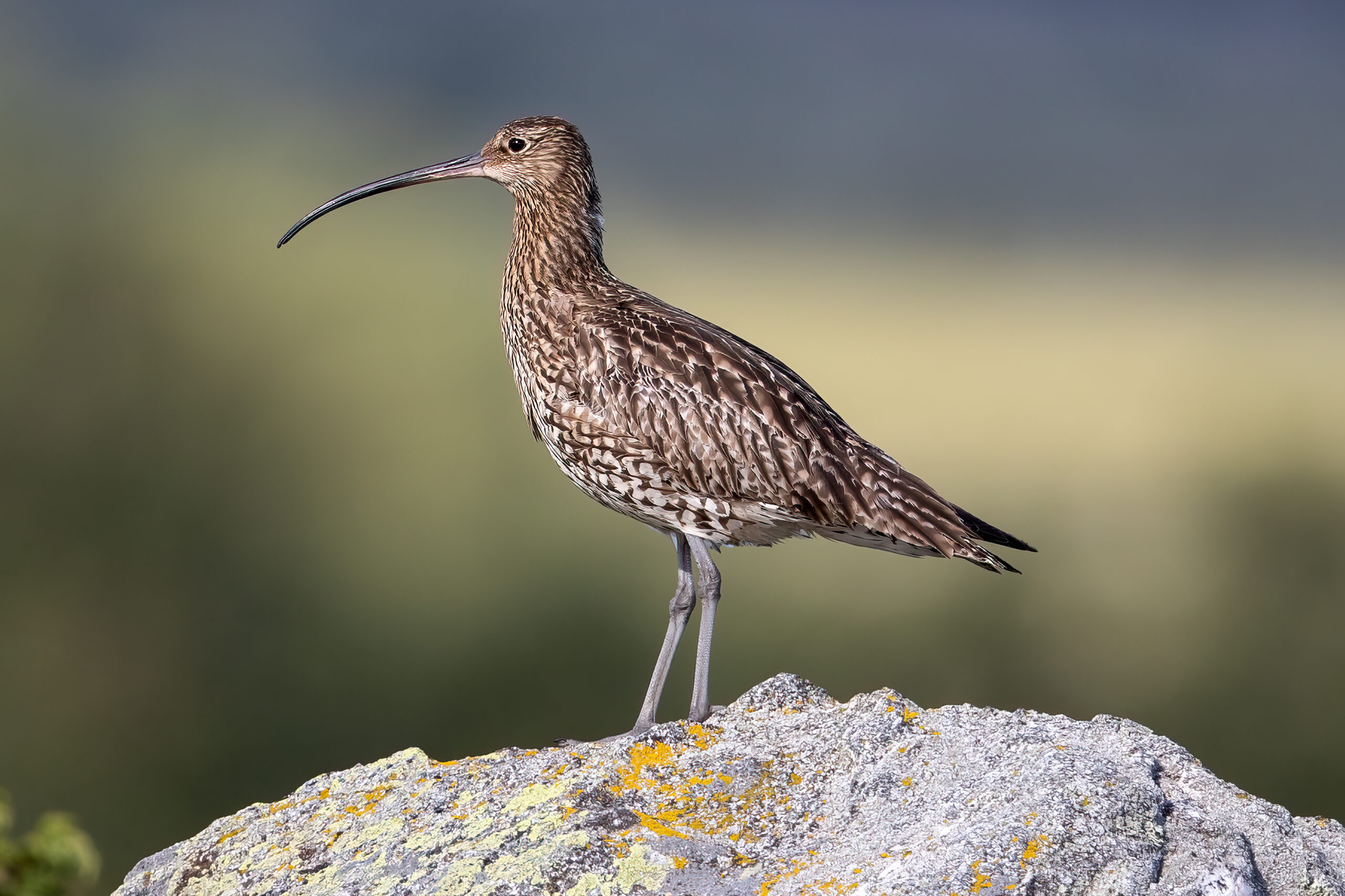
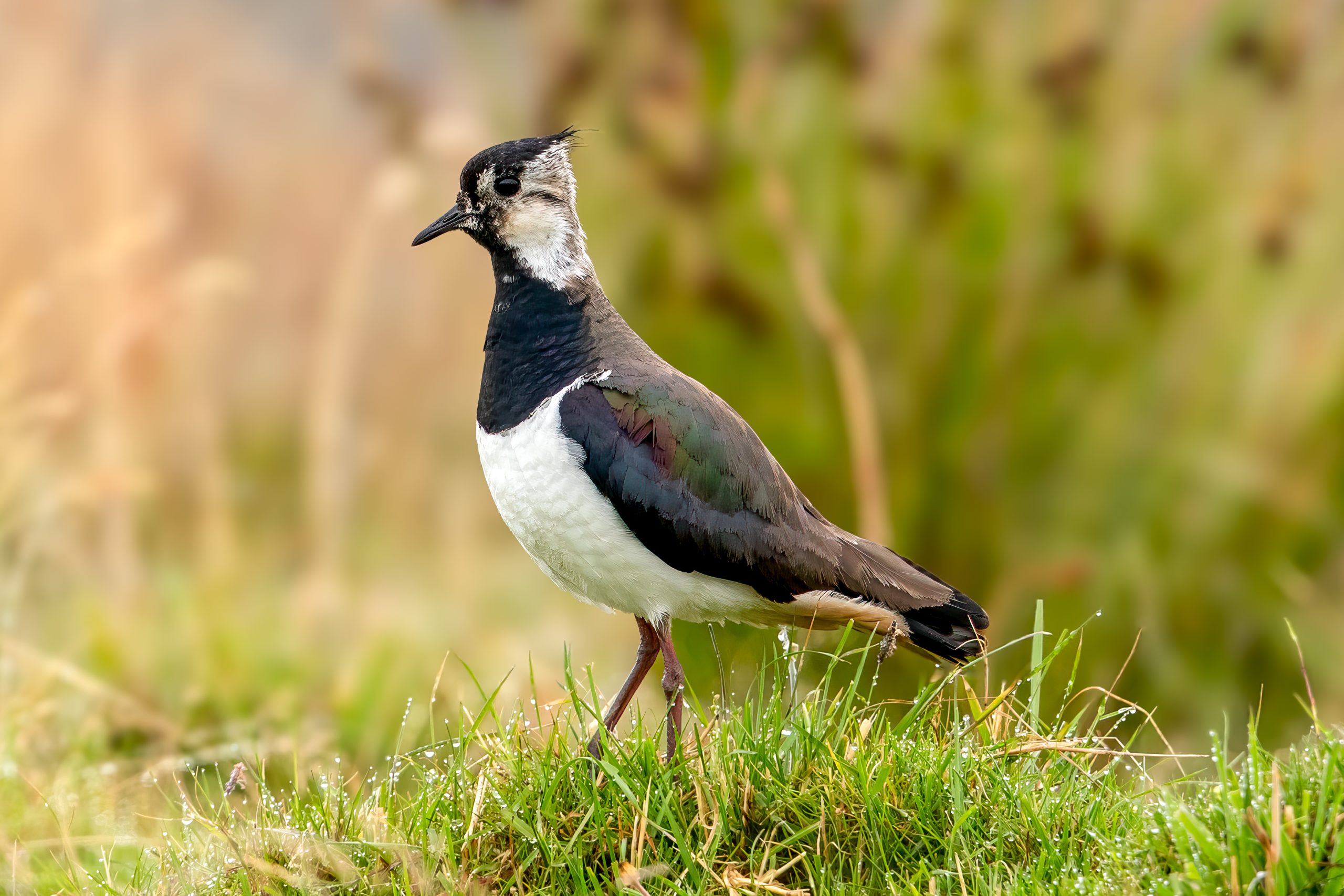
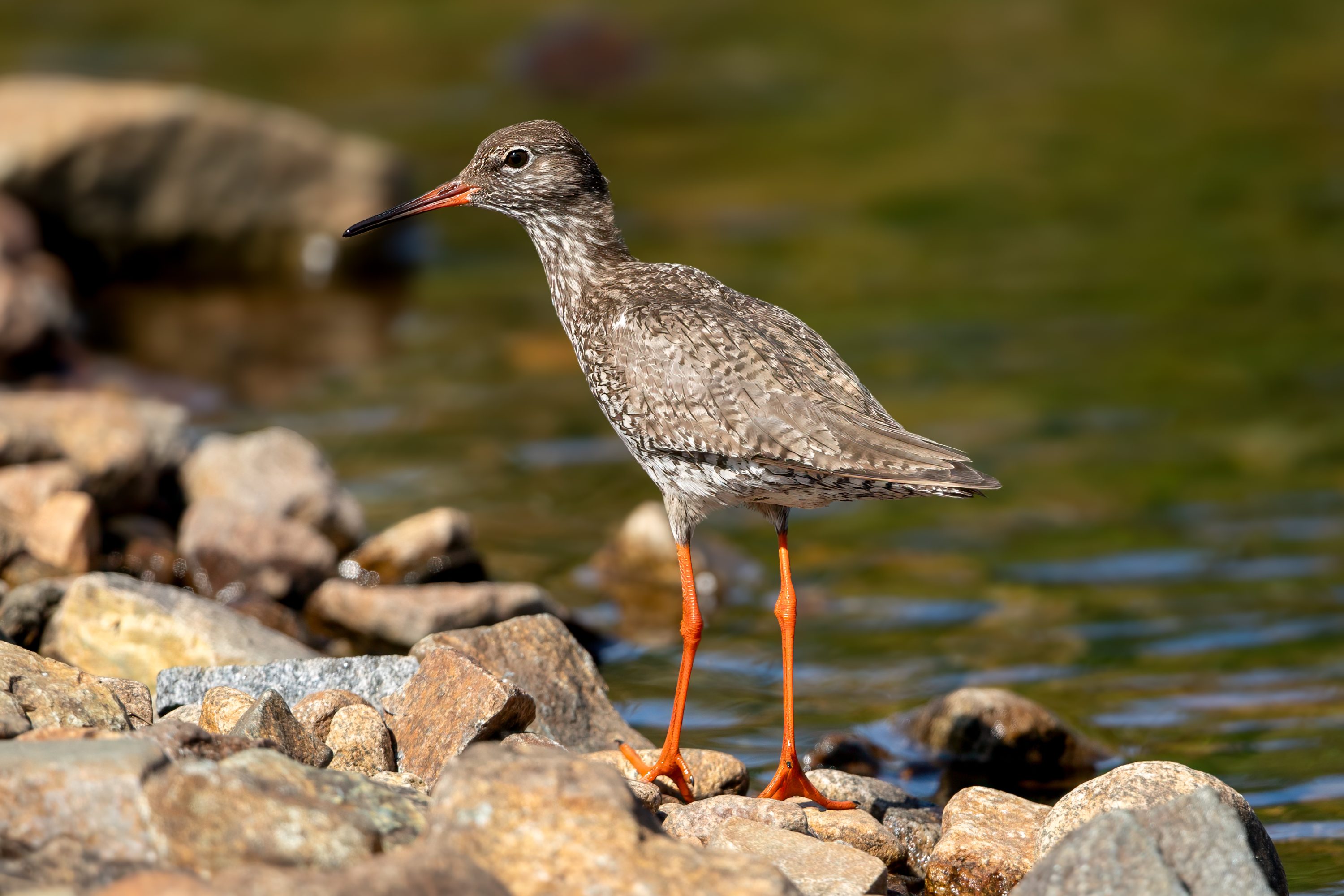
The BTO Research Report, published on 27 March 2026, covered 10 farms in Yorkshire Dales National Park. Its five focal waders were eurasian curlew (Numenius arquata), northern lapwing (Vanellus vanellus), eurasian oystercatcher, common redshank (Tringa totanus) and common snipe (Gallinago gallinago). Experienced volunteer surveyors provided a validation dataset against which two simpler approaches were compared.
Recorders worked across nine of the ten farms
Pre-programmed acoustic recorders were mailed to farmers and successfully collected breeding-season data at nine of the 10 farms; one device failed. BirdNET was then used to identify target-species vocalisations. In a manually validated sample of 305 WAV files, the oystercatcher classifier achieved 94% precision and 99% recall.
In practical terms, 94% precision means that about 94% of the detections labelled as oystercatcher were correct. A recall of 99% means that BirdNET detected about 99% of the confirmed oystercatcher calls present in the checked recordings.
Farmers also recorded waders each week
The second approach was a Wader Calendar, through which farmers recorded the presence of the five species weekly. Seven of the 10 farms completed the calendar across the 2024 breeding season. Peak counts reported through the calendars were broadly comparable with peak counts from experienced volunteer surveys, although week-to-week calendar counts were not significantly associated with the volunteer counts.
The validation surveys estimated 50 curlew pairs, 33 oystercatcher pairs, 25 lapwing pairs and seven redshank pairs across the participating farms. Peak three-day rolling mean call activity from the acoustic data was positively related to the peak number of pairs recorded by field surveys.
The methods still need refinement
The report does not present either approach as a replacement for established surveys. Performance varied among species: for example, the redshank classifier had high recall but much lower precision than the oystercatcher classifier. The authors also note incomplete farmer participation and the resources that would be required to scale the approaches up.
Other research
Related news
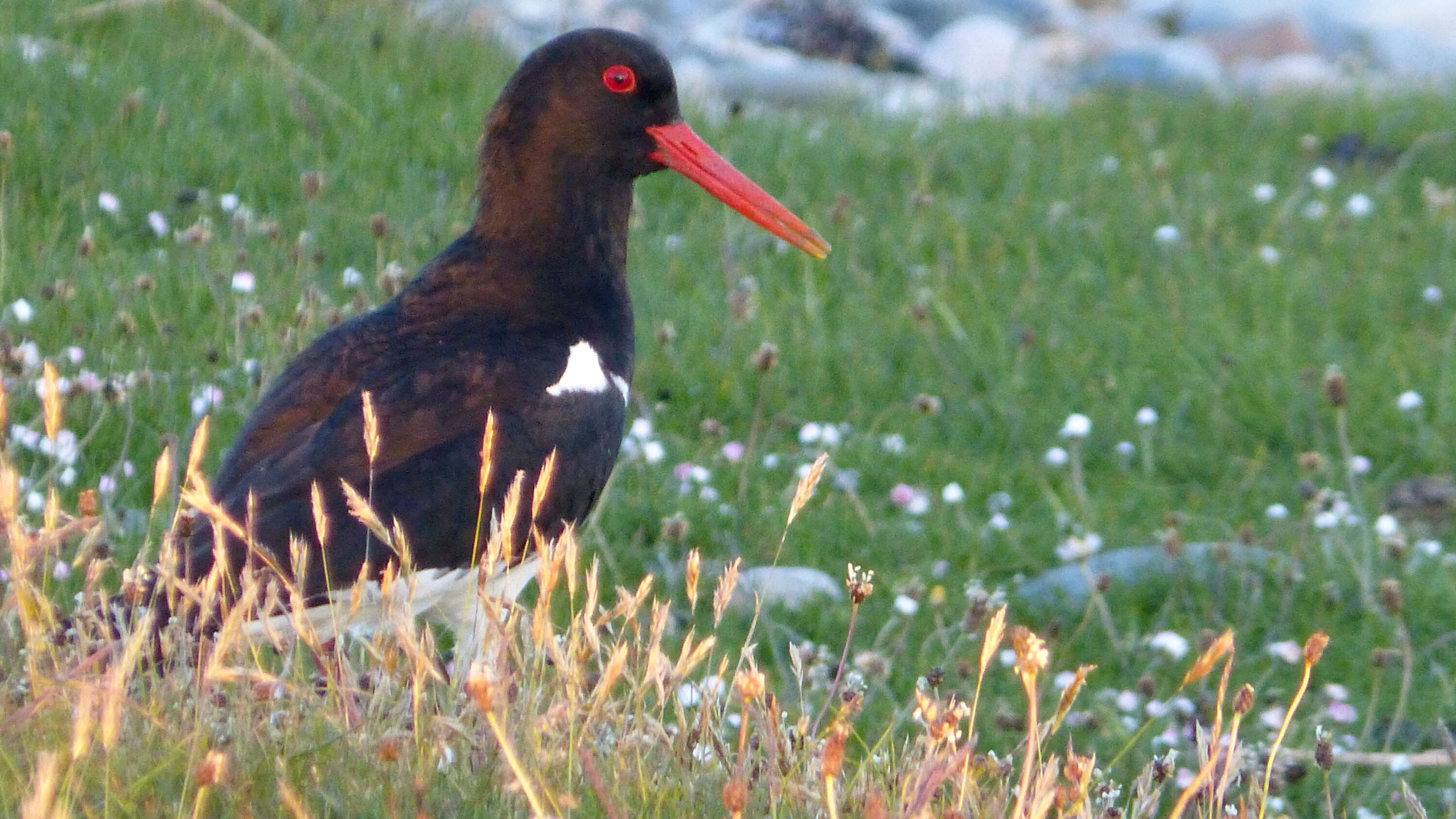
Scotland Proposed 14 Wader Recovery Areas From Shetland to the Central Belt
NatureScot and Working for Waders began consultation on 14 proposed recovery landscapes in May 2026, aiming to concentrate…
Read story →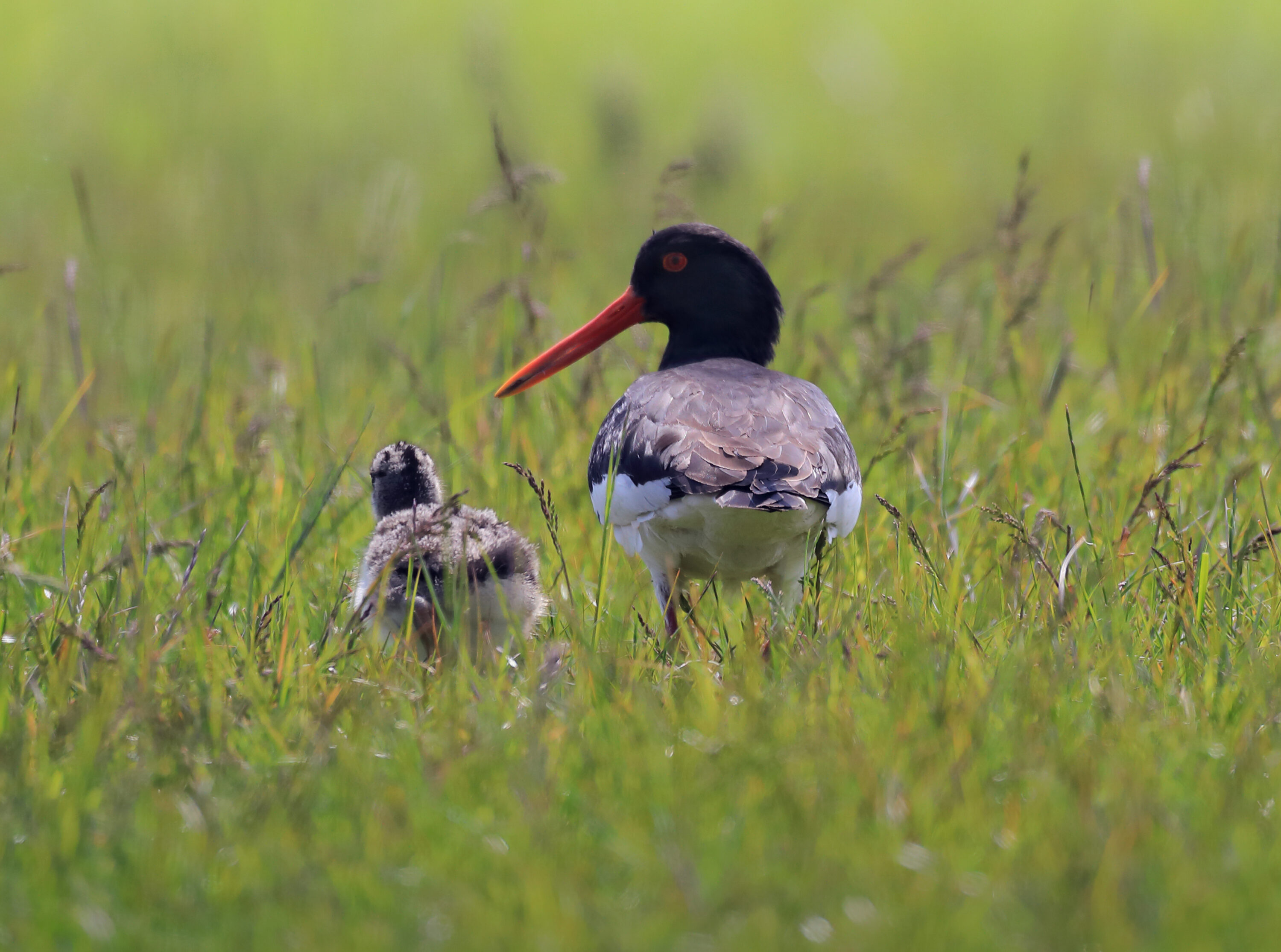
Cairngorms Survey Found Oystercatchers Down 15% Since 2021
The 2025 Cairngorms Wader Survey found Eurasian oystercatchers down 15% since 2021, while all five monitored breeding waders…
Read story →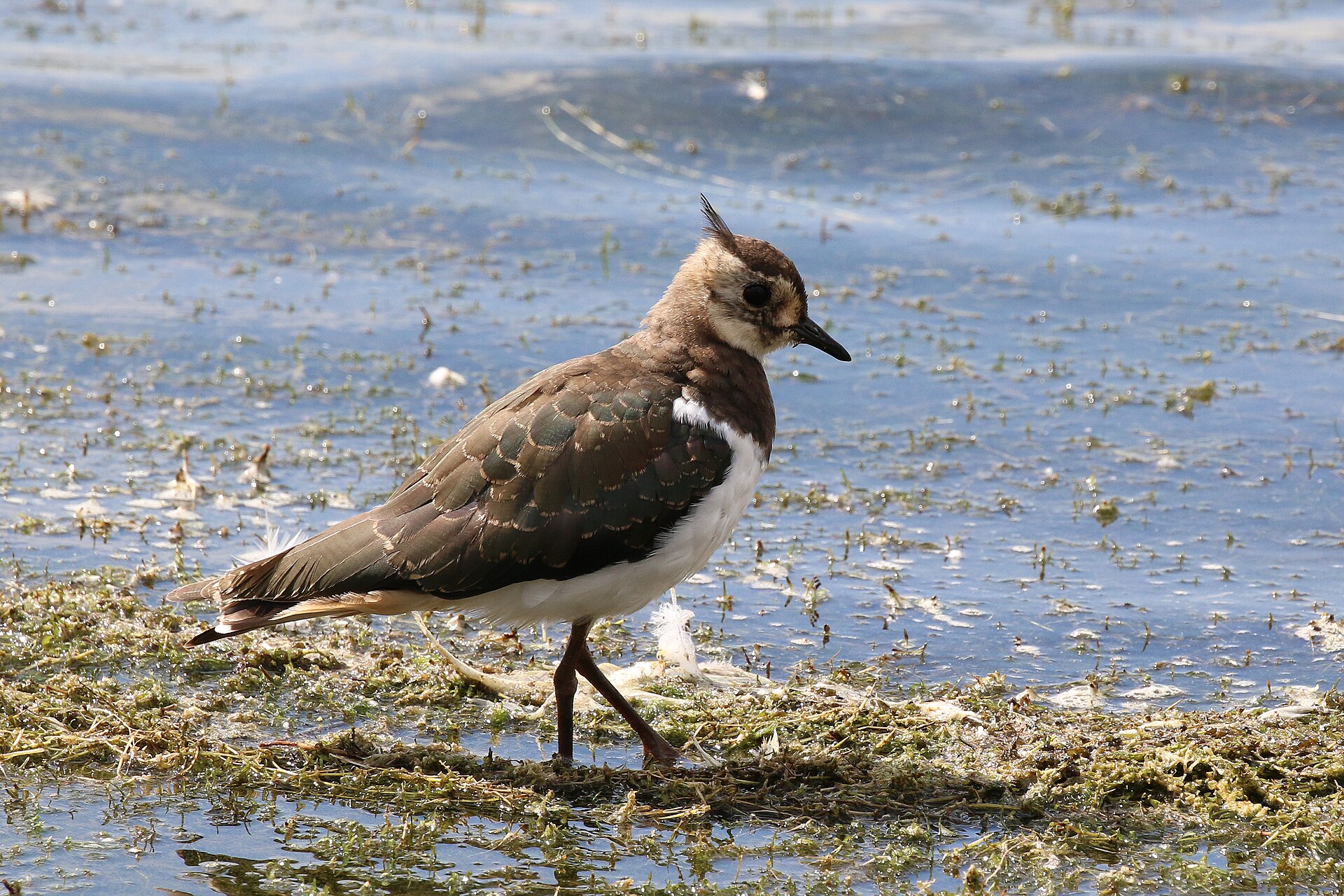
Lapwings Nest Later Further North in Britain, but Oystercatchers Start Earlier
Lapwings and oystercatchers follow different breeding calendars. British nest records show that fixed grazing and mowing dates can…
Read story →SPECIES IN THIS STORY
Species in this story
Independent research and conservation news archive
Did you find this information useful?
Wildlife Vagabond is independently built and maintained. Voluntary support helps cover source verification, hosting and continued work on research and conservation news.
Support Wildlife VagabondThe news archive will remain freely available.