
How Deer and Gaur Share Kanha’s Food Supply
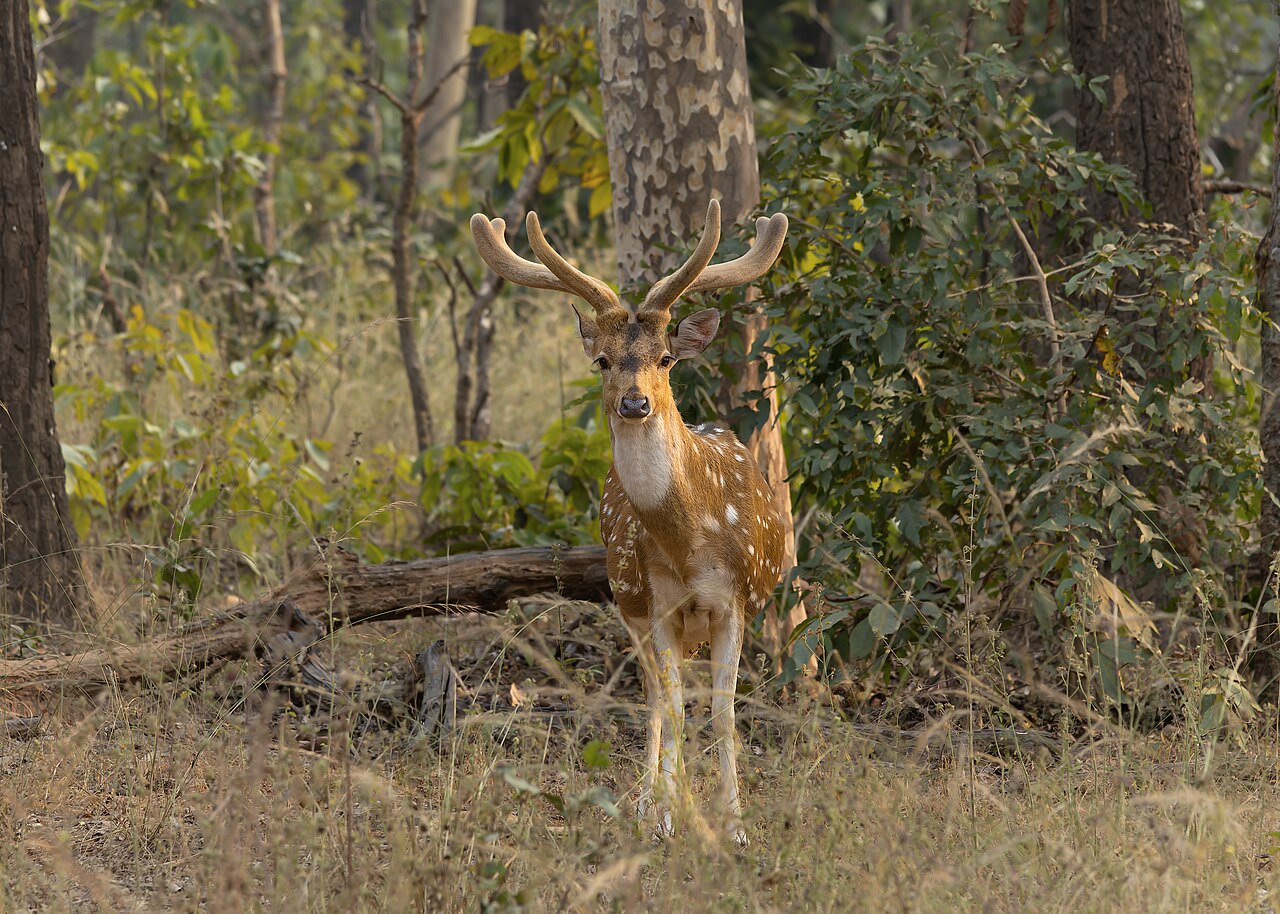
Eating the same food does not have to mean feeding in the same place. In India’s Kanha National Park, the diets of Sambar and Gaur became very similar in winter, yet the animals found most of their food in different forest types. Chital stood apart from both by foraging mainly in grassland.
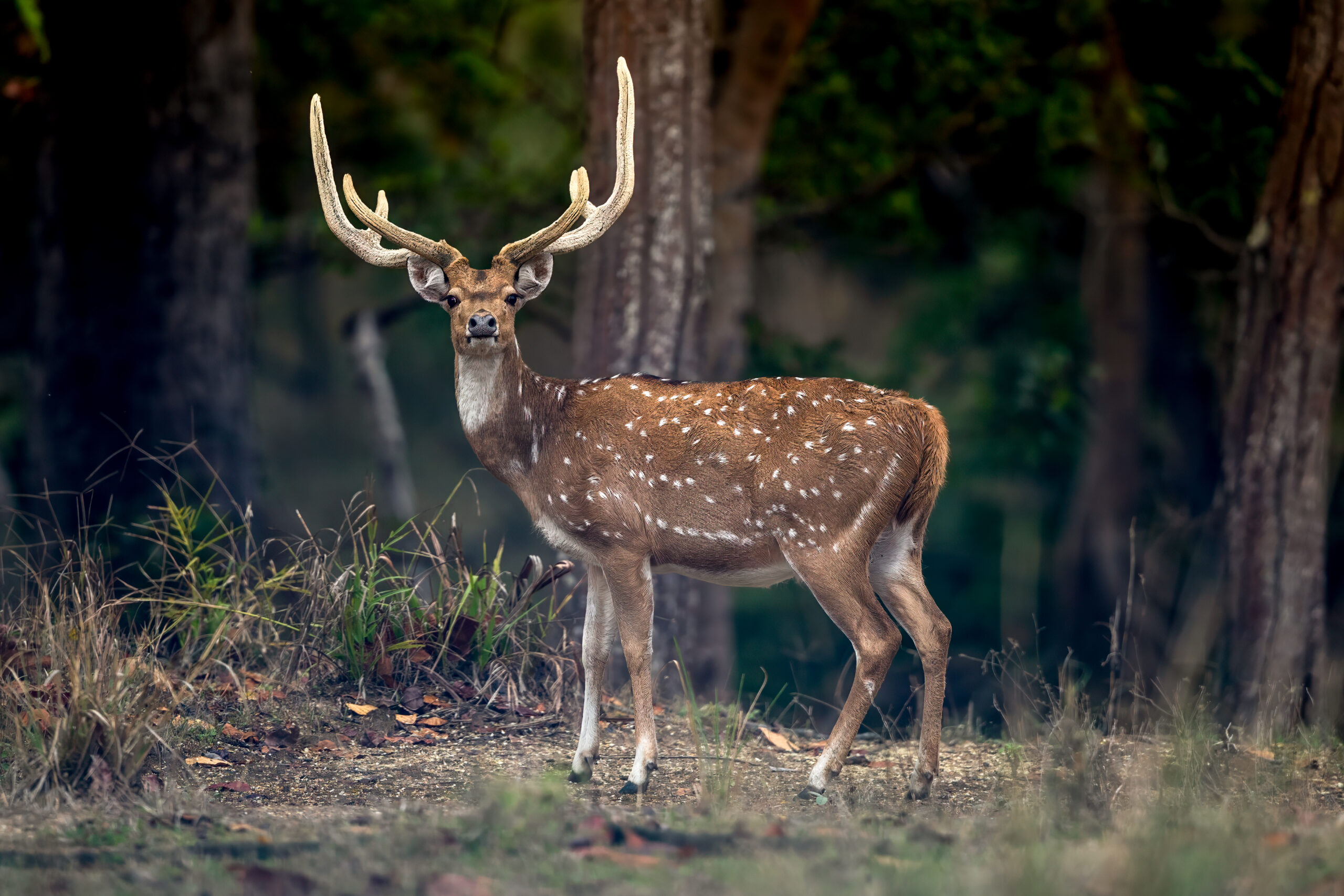
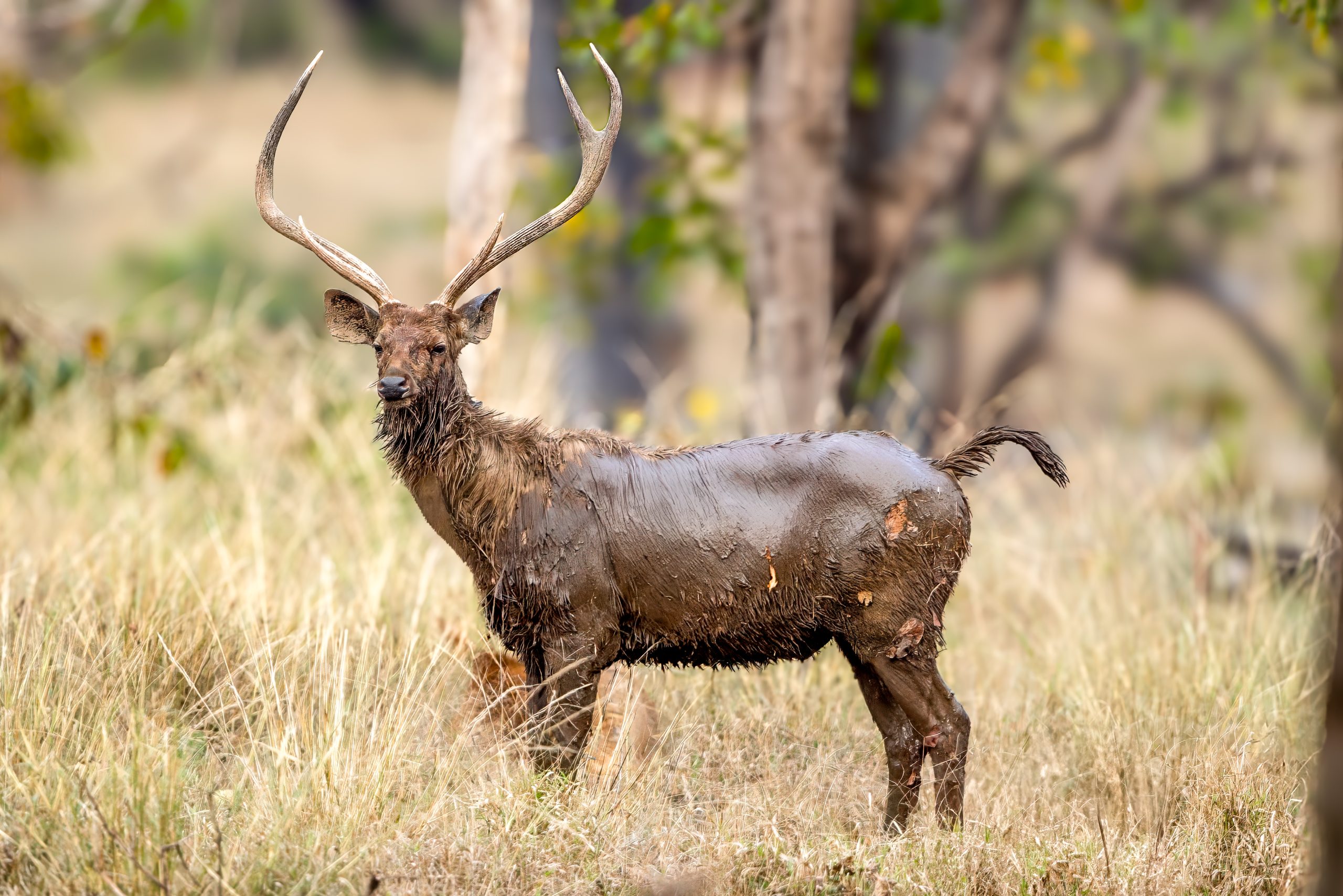
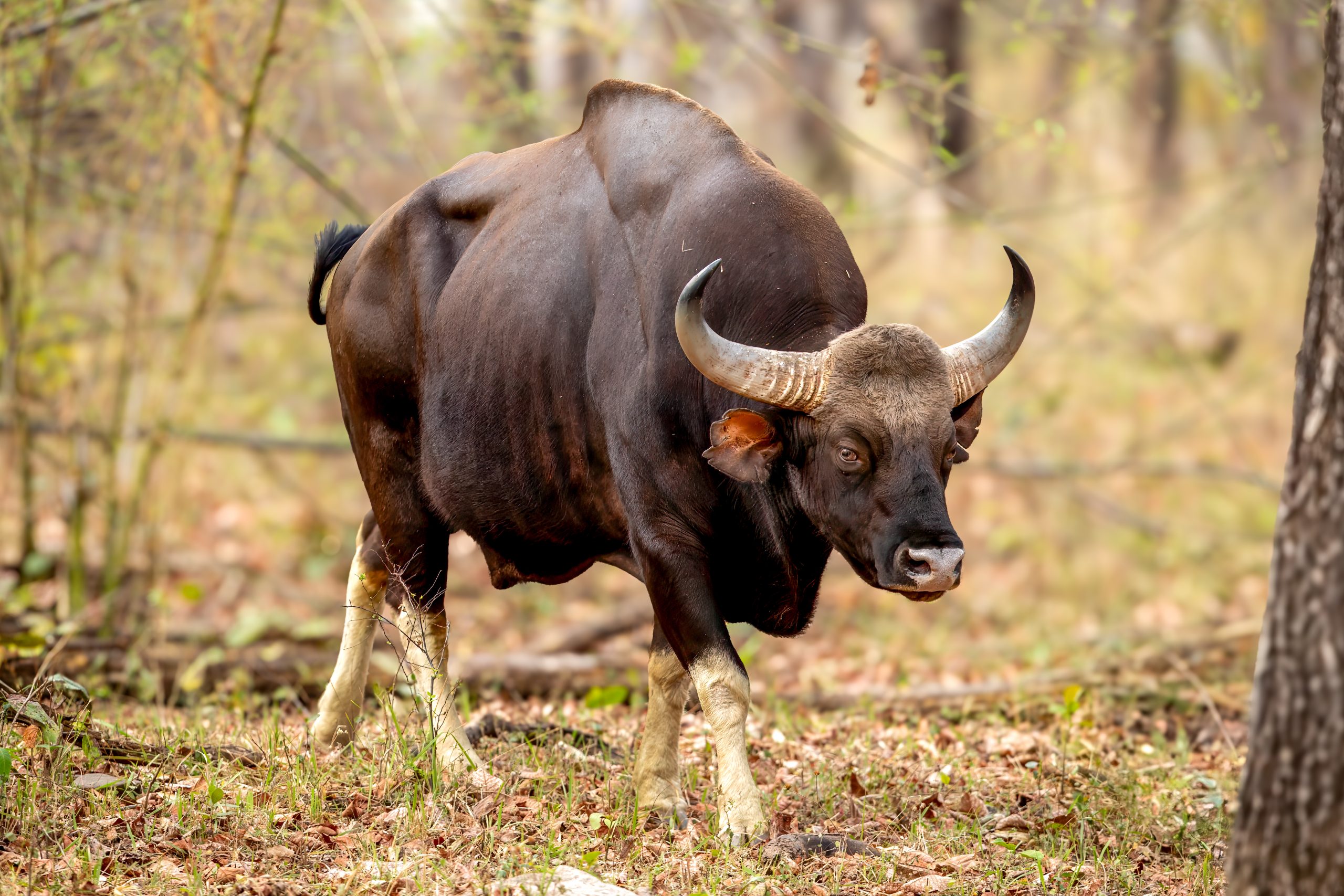
Researchers watched feeding Chital (Axis axis), Sambar (Rusa unicolor) and Gaur (Bos gaurus) in summer and winter during 2018–2019. They recorded which plants the animals ate and where they fed to investigate how these three large herbivores live alongside one another.
Different Menus Through the Year
Chital had the most varied menu: 50 plant species, compared with 36 for Gaur and 14 for Sambar. In the dry summer, Chital added more browse—leaves and other material from shrubs and trees—to their grass diet. In winter, grass became more dominant again.
Sambar maintained a narrower, browse-dominated diet in both seasons. Gaur were more flexible: they combined grass and browse in summer, then shifted towards browse in winter.
The difference between grazers and browsers was also clear in the amount eaten: grass supplied more than half the dry biomass of Chital’s major food items. Browse accounted for about 99% in Sambar and 75% in Gaur.
The bamboo Dendrocalamus strictus was especially important for Sambar and Gaur. Among the major food plants, it accounted for roughly half of the Sambar’s estimated intake and just over a quarter of the Gaur’s, measured as dry plant mass.
Similar Food, Different Feeding Grounds
In summer, Gaur fed in several forest types and in grassland. In winter, they concentrated on mixed deciduous forest, and the researchers did not record them feeding in grassland. Sambar, meanwhile, fed mainly in forest with abundant bamboo in both seasons.
This difference was particularly striking because Sambar and Gaur became so similar in their winter food choices. Both ate substantial amounts of bamboo, but their main feeding areas were in different forest types. The researchers interpret this as a way of reducing competition for food. They also observed no direct clashes or displacement between the species.
Chital and Sambar, by contrast, showed little dietary overlap in either season. Chital’s food choices also became less similar to Gaur’s in winter as Gaur shifted towards browsing. Resource partitioning therefore changed with the season: the species differed in food choice, habitat use or both.
For conservation, the findings highlight the value of a varied landscape. Grassland, bamboo-rich forest and other deciduous forest offer different feeding opportunities for the three species. Expanding grassland alone could favour grazers such as Chital, while the other herbivores need other parts of the forest.
Ecology
Related news
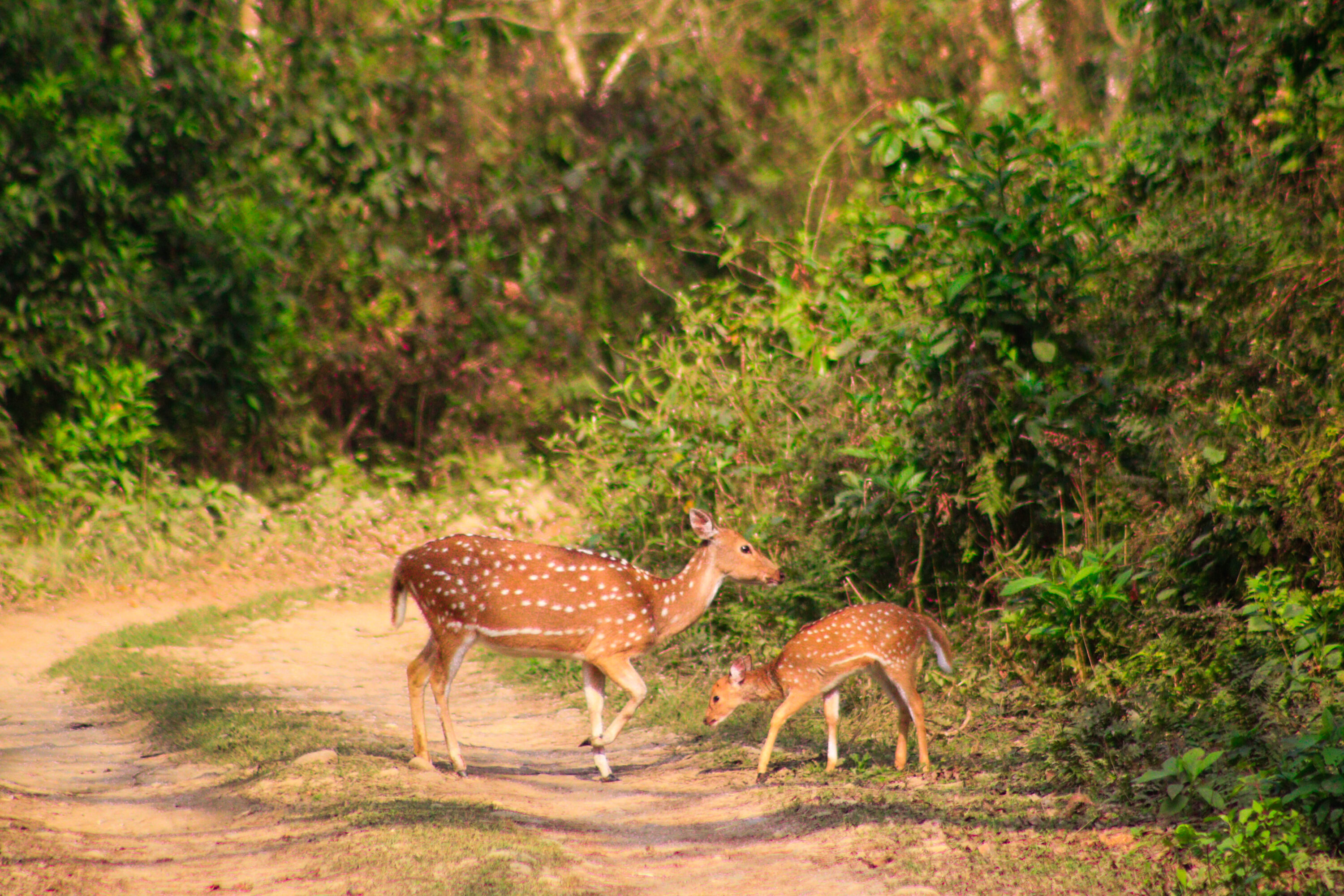
Human Activity and Large Wildlife Overlapped Most in Chitwan’s Buffer Zone
Camera traps across Chitwan National Park and surrounding forests showed the greatest overlap of human activity with large…
Read story →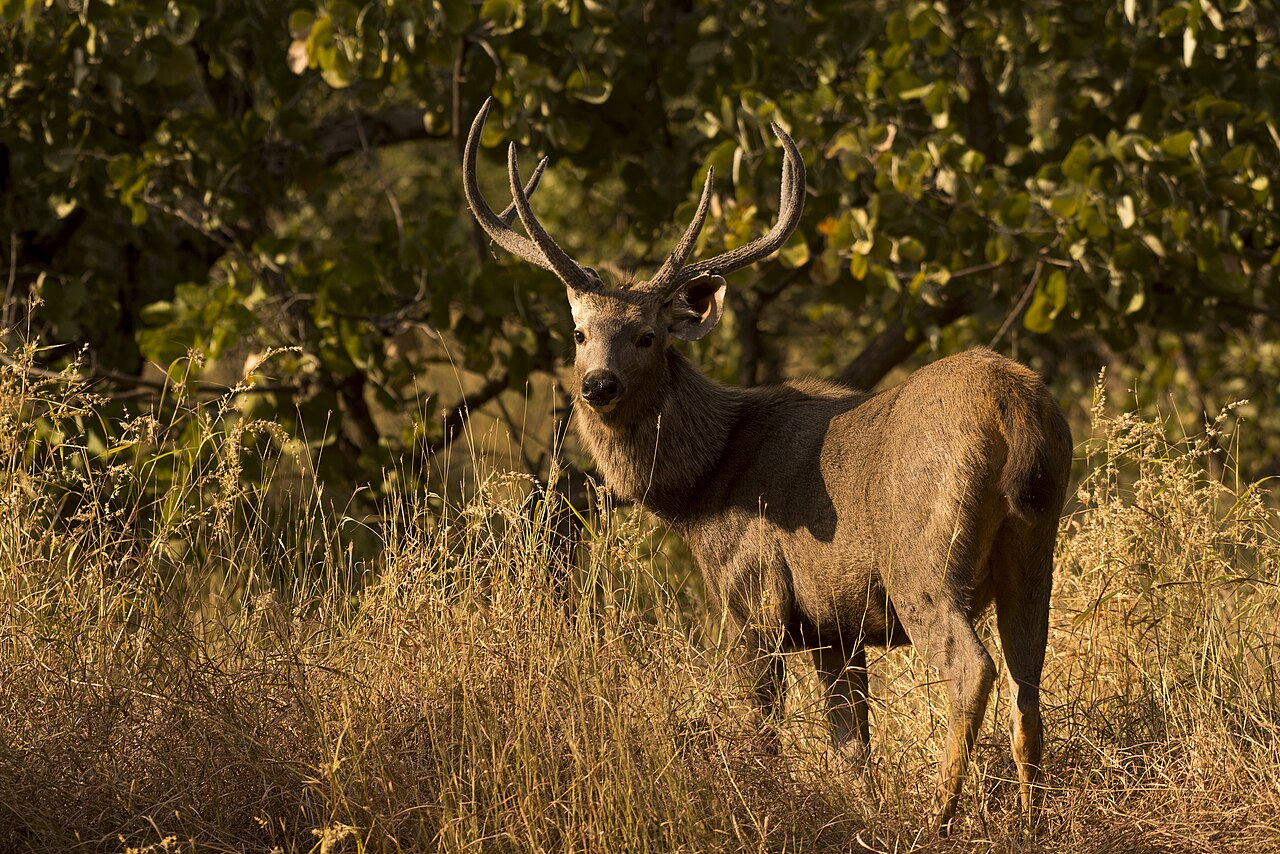
Nine Indian species could anchor protection for biodiversity and carbon
A national analysis identifies nine threatened Indian vertebrates whose habitat could act as an anchor for protecting hundreds…
Read story →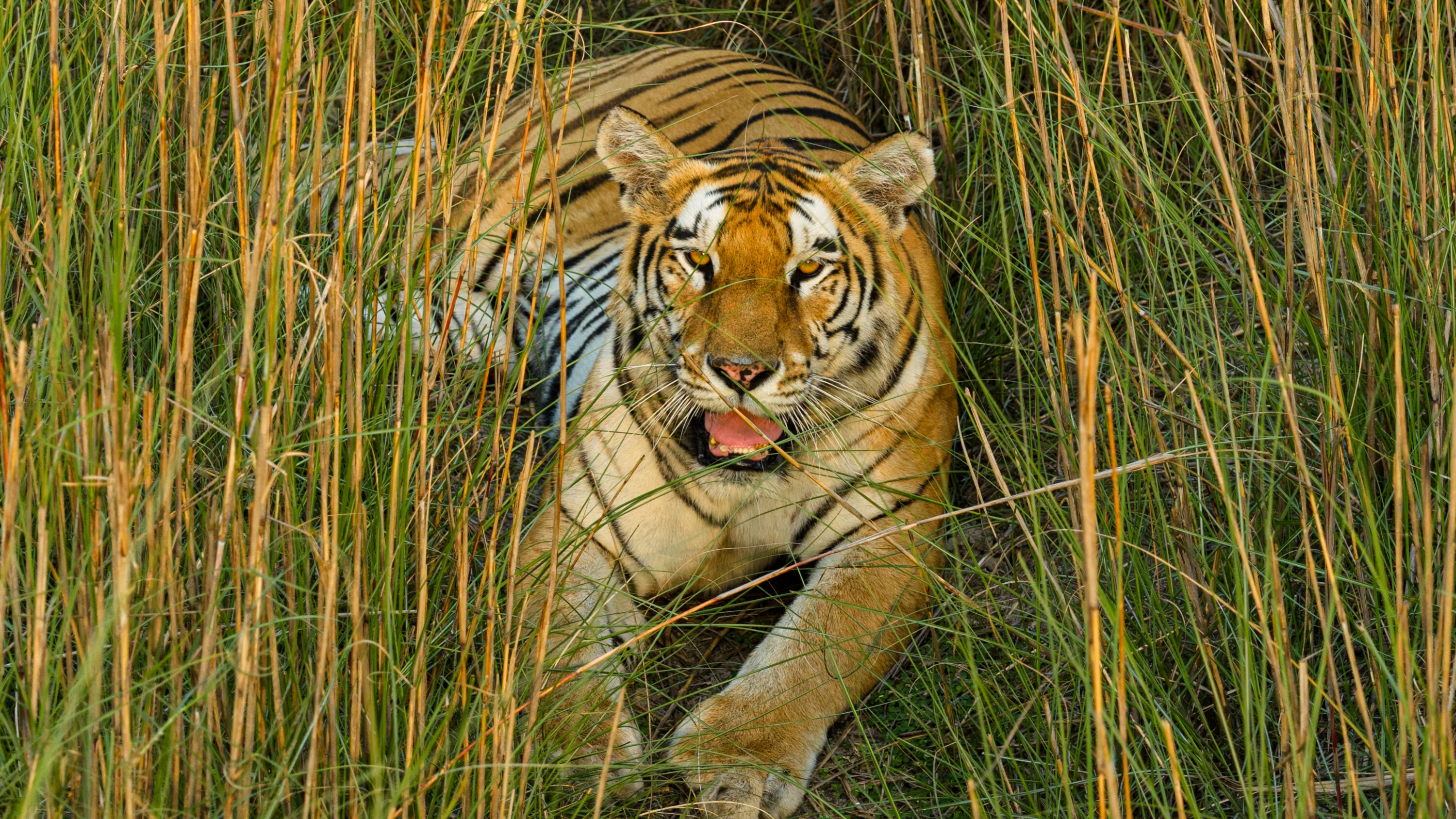
Tigers kept a stable daily activity pattern across seasons while deer shifted in Bardia
Five years of camera-trap data from Bardia National Park showed that tiger activity remained similar across seasons, while…
Read story →SPECIES IN THIS STORY
Species in this story
Independent research and conservation news archive
Did you find this information useful?
Wildlife Vagabond is independently built and maintained. Voluntary support helps cover source verification, hosting and continued work on research and conservation news.
Support Wildlife VagabondThe news archive will remain freely available.