
Coal Tit Abundance Rose With Dense Canopy While Stock Dove Increased With Forest Maturity
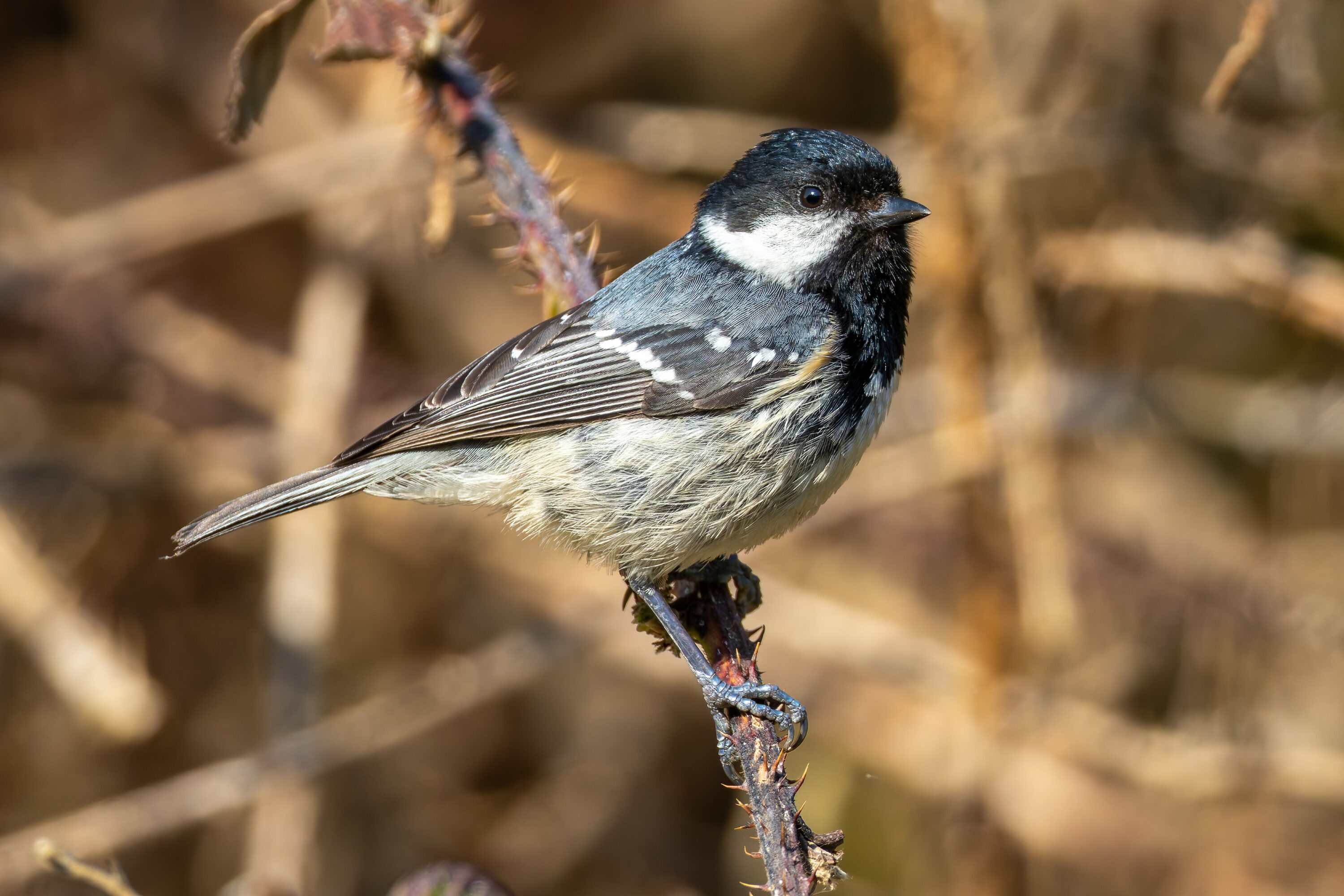
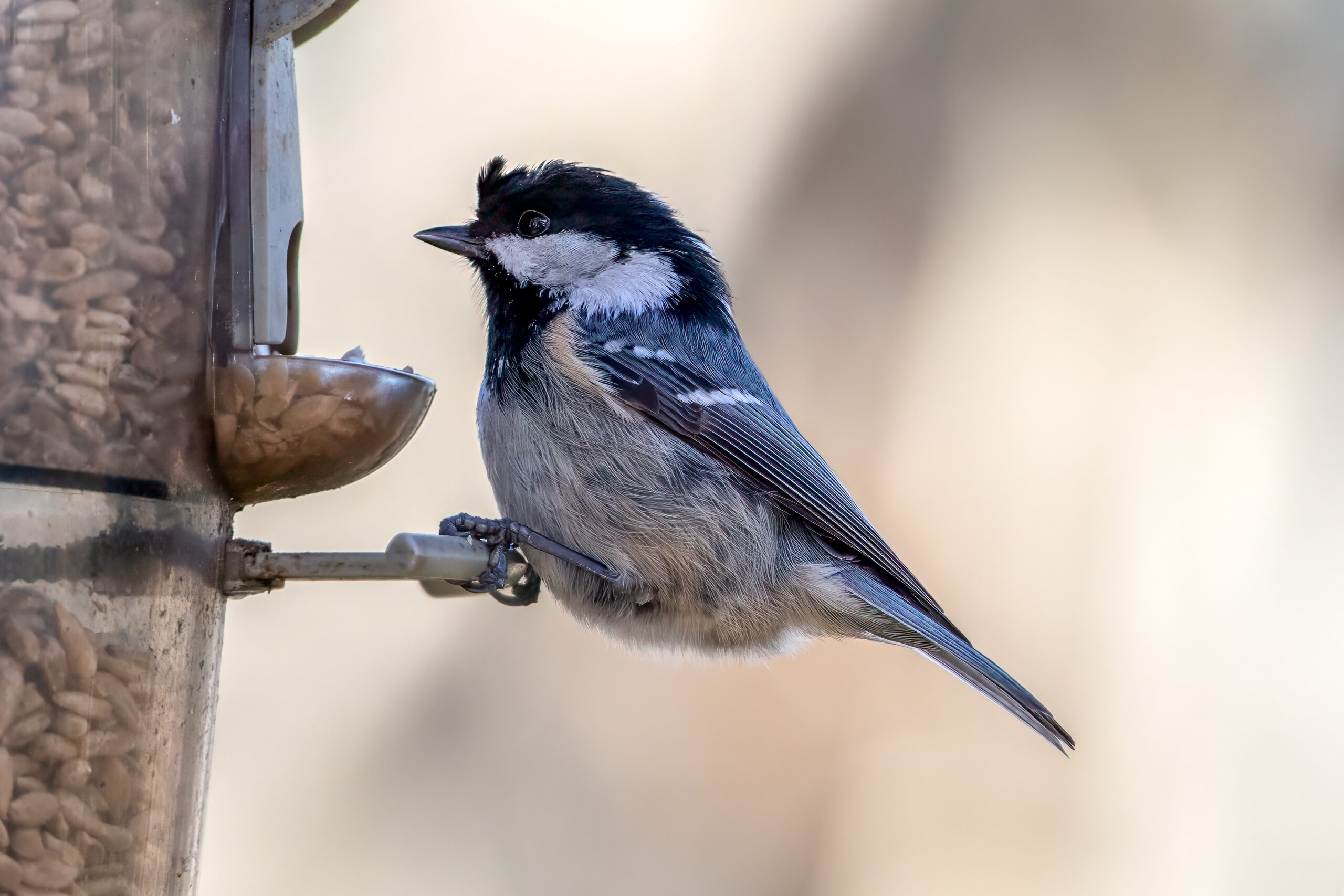
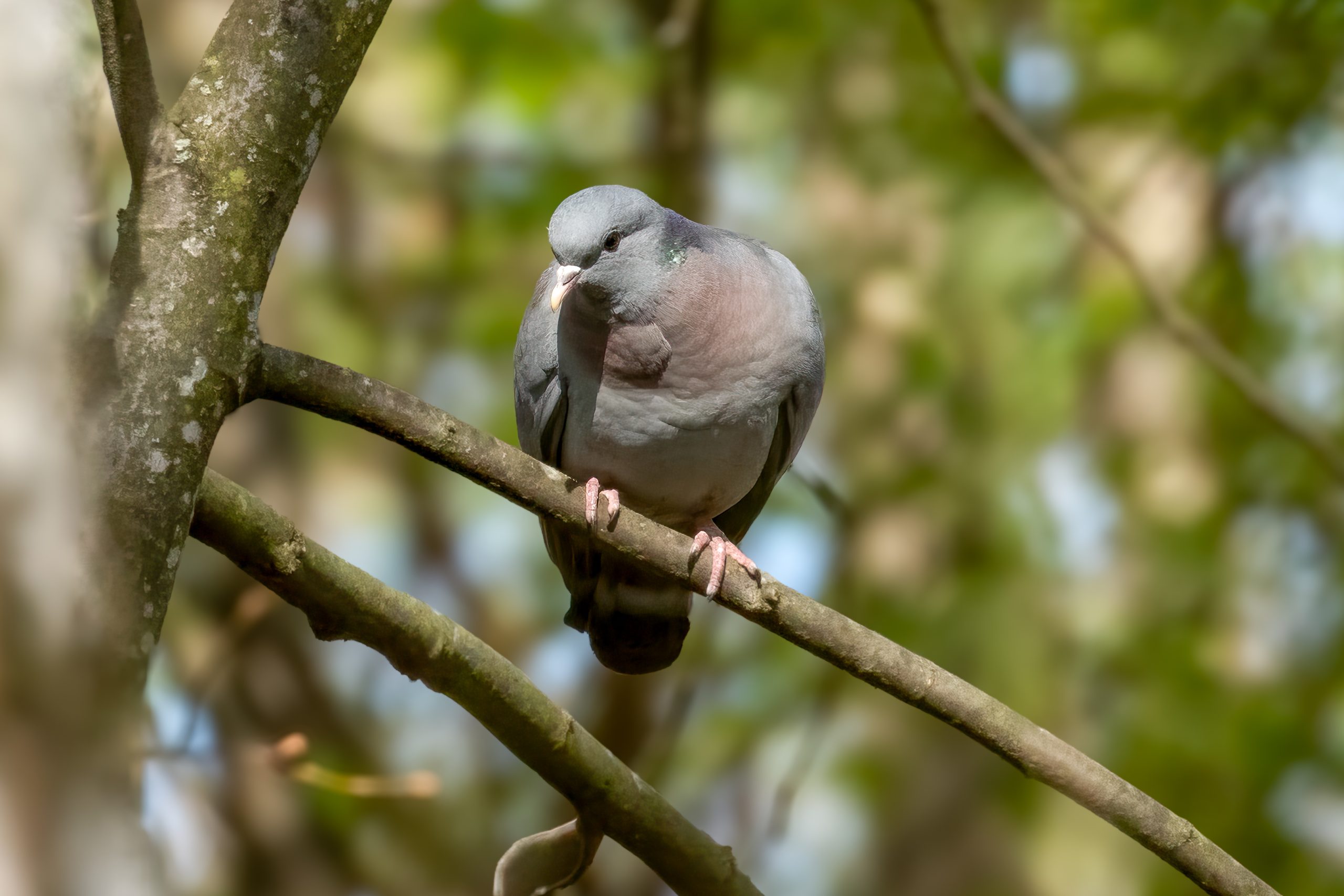
A six-year study of managed montane forest in southwestern Germany found contrasting responses to forest structure among coal tit (Periparus ater) and stock dove (Columba oenas). Across 135 one-hectare plots in the Black Forest, coal tit had the highest modelled mean abundance among the 30 bird species retained in the final models, at 6.46 individuals per plot, while stock dove had the lowest at 0.12.
Researchers carried out 1,394 bird surveys from 2017 to 2022 and modelled each species against variables representing forest maturity, structural heterogeneity, tree composition and the abiotic environment.
Dense canopy and forest maturity produced different species responses
Coal tit abundance was significantly higher in plots with denser canopy cover, but declined significantly as the share of broadleaved trees increased.
Stock dove showed a different pattern. Its abundance increased significantly with all three forest-maturity variables included in its model: larger mean diameter of living trees, more standing dead trees and larger average diameter of those dead trees. Among cavity-nesting birds, the number and diameter of standing dead trees showed clear effects only for stock dove and Eurasian nuthatch (Sitta europaea). The authors also note that old beech trees with heart rot are important structures for black woodpeckers and the stock doves that use their cavities.
Across the full bird community, variables associated with close-to-nature forestry — particularly canopy cover and broadleaf share — affected more species than the variables used to represent forest maturity and retention forestry. The direction of these effects varied strongly among species.
Bird responses did not simply track the sampled invertebrates
The study also measured potential invertebrate prey with pitfall and flight-interception traps. Although both birds and invertebrates responded to forest structure, the analyses did not support a direct numerical link between the abundance of the sampled invertebrate groups and the abundance of the corresponding bird foraging guilds.
The authors conclude that forest-management effects differ substantially among bird species. They argue that retaining mature and dead trees should be combined with other close-to-nature practices, rather than expecting one management feature to benefit the entire forest bird assemblage in the same way.
Ecology
Related news
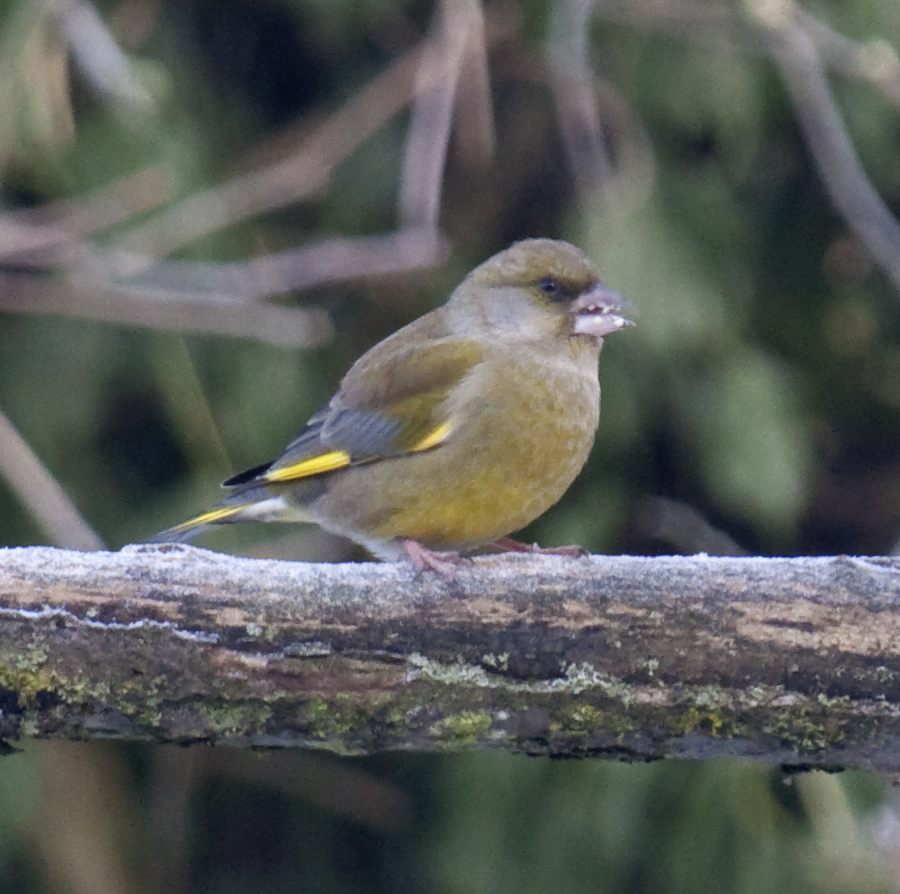
Type A Trichomonas Was More Than Twice as Prevalent in British Birds at Supplementary-fed Sites
Type A of the bird parasite Trichomonas gallinae was more than twice as prevalent in British birds at…
Read story →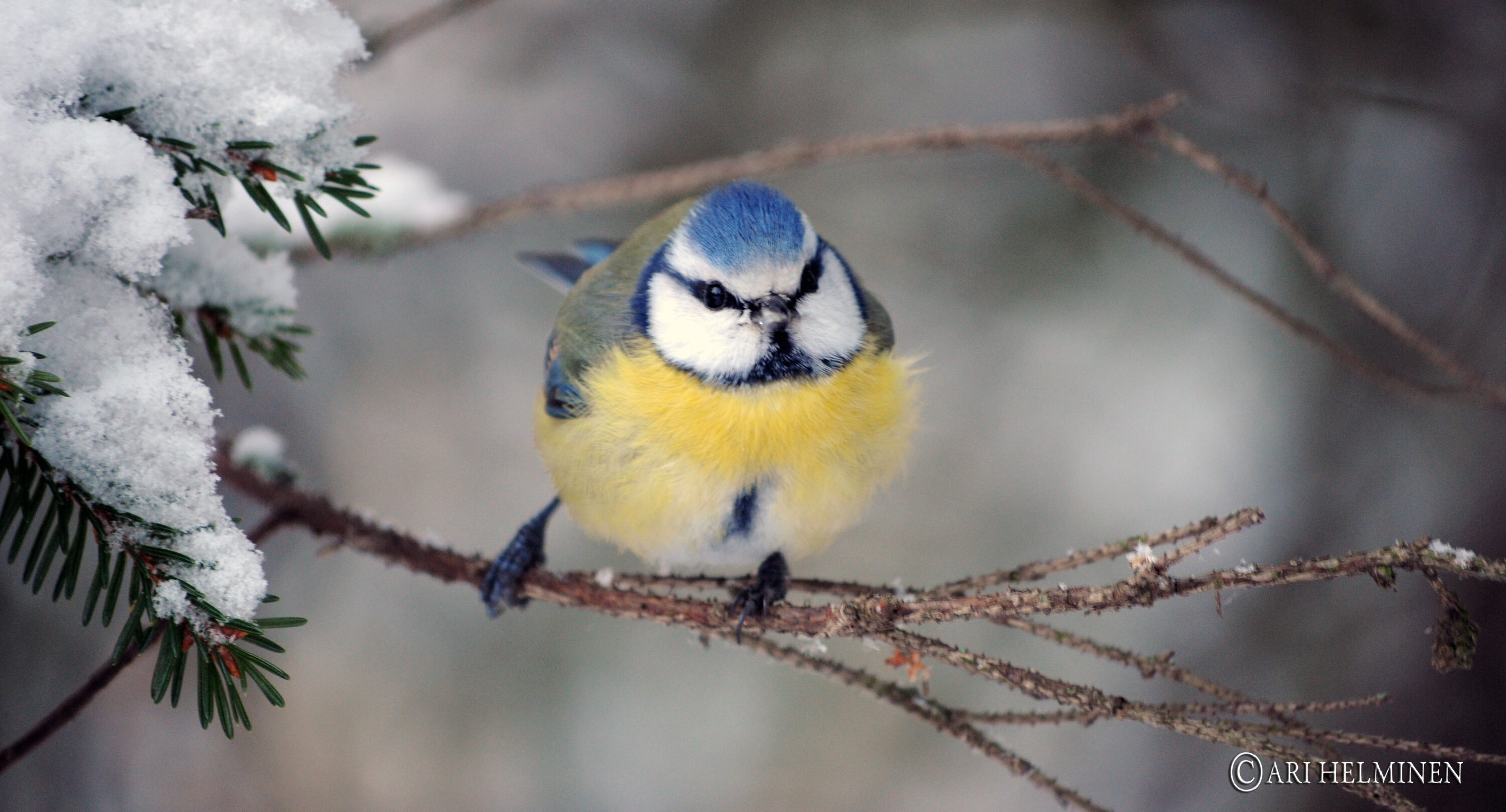
Mean Eurasian Blue Tit Winter Count Rose Fourfold in Finnish Urban Survey Plots
Across 31 Finnish settlements, mean Eurasian blue tit counts rose from 2.8 birds per standardised urban plot in…
Read story →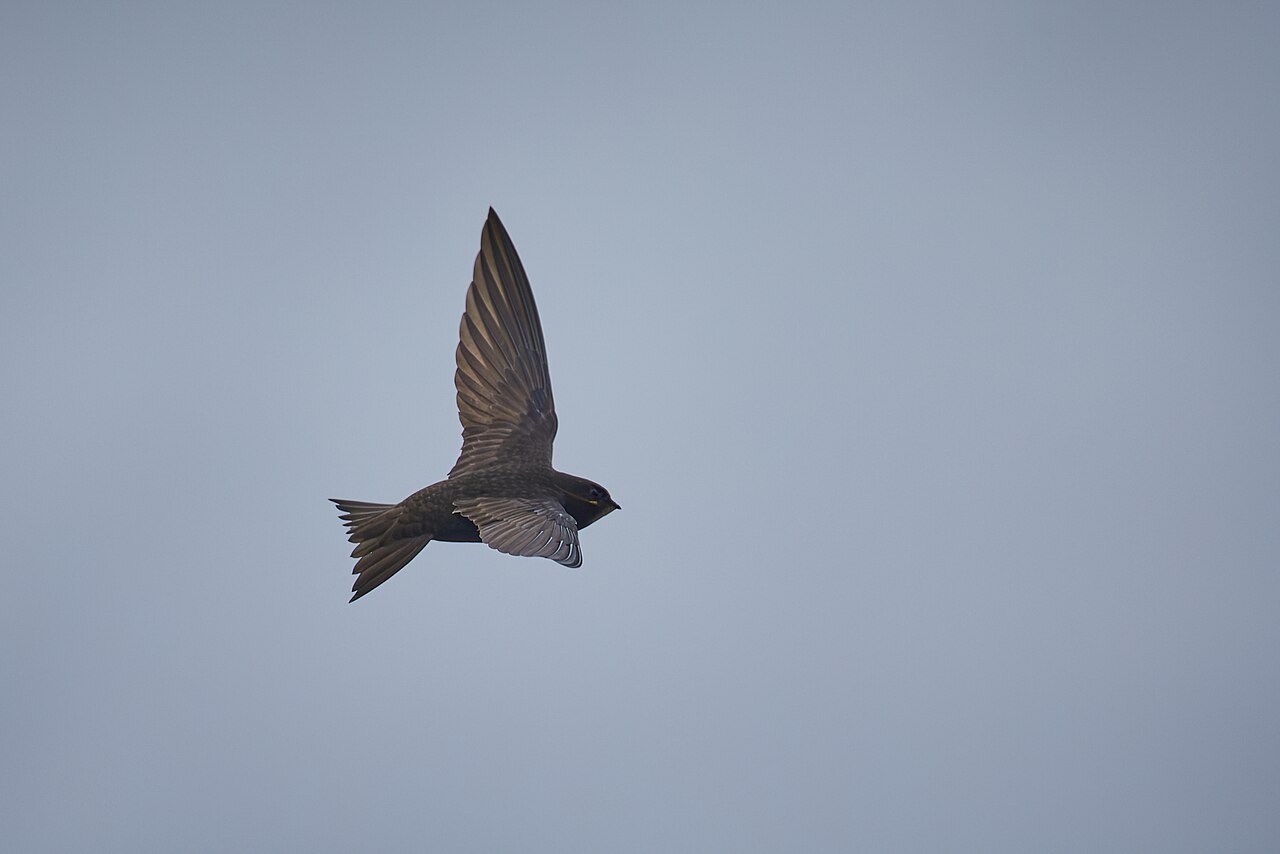
UK Breeding Bird Survey: Swift Index Fell 70% as Scotland’s Chiffchaff Index Rose 1,443%
The 2025 UK Breeding Bird Survey revealed steep long-term declines, major regional divergences and some striking increases, including…
Read story →SPECIES IN THIS STORY
Species in this story
Independent research and conservation news archive
Did you find this information useful?
Wildlife Vagabond is independently built and maintained. Voluntary support helps cover source verification, hosting and continued work on research and conservation news.
Support Wildlife VagabondThe news archive will remain freely available.