
Forest Disturbance Increased Modelled Habitat Suitability for Four European Herbivores
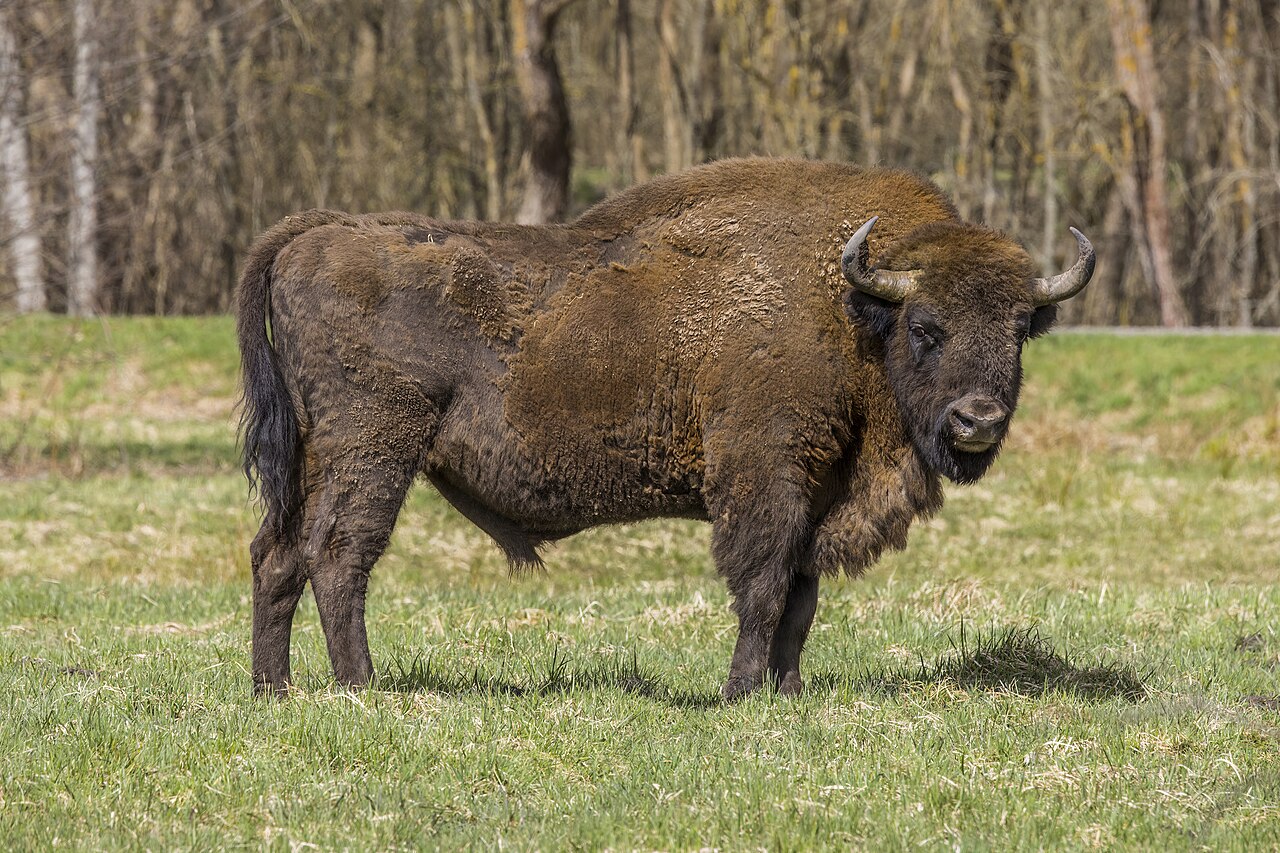
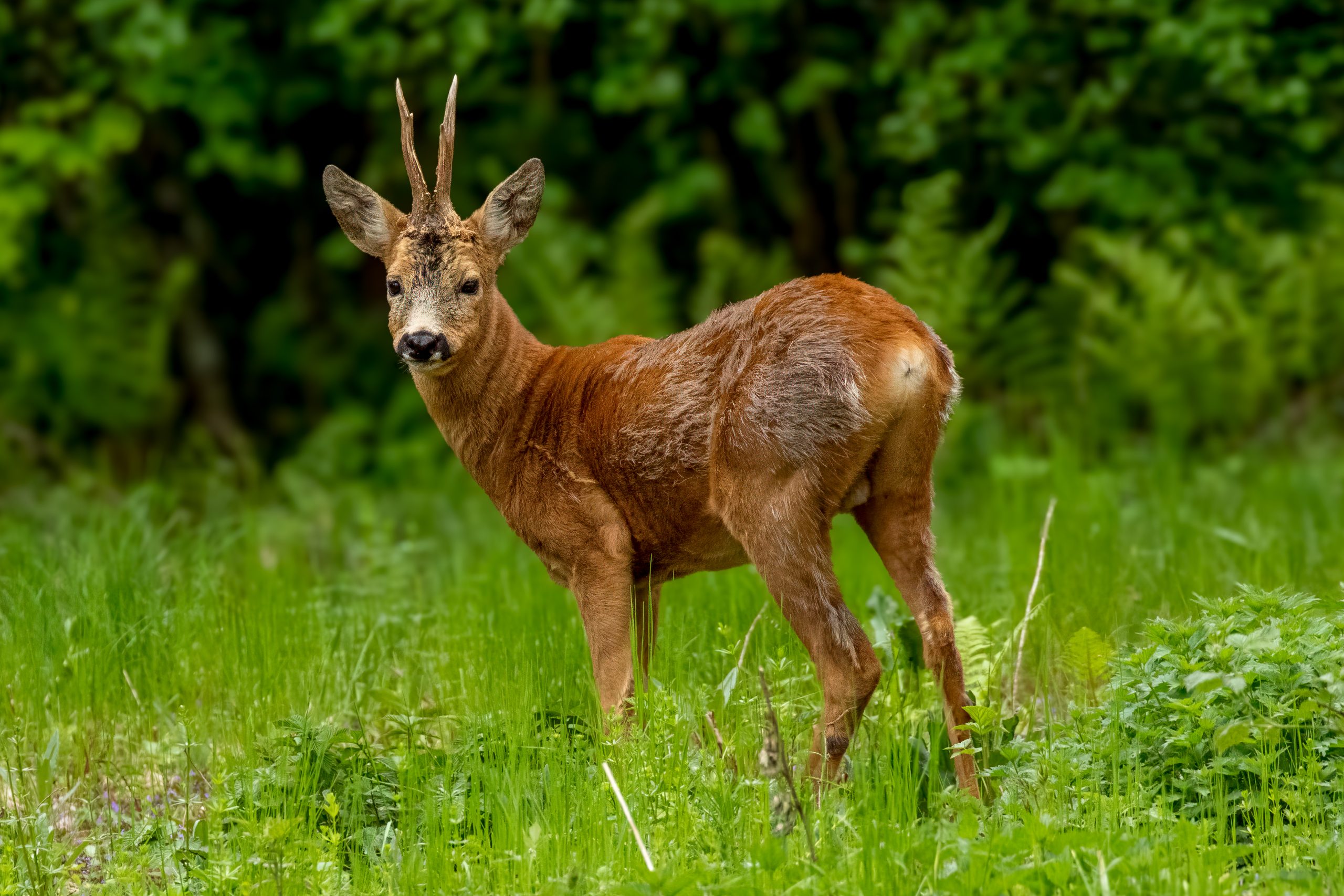
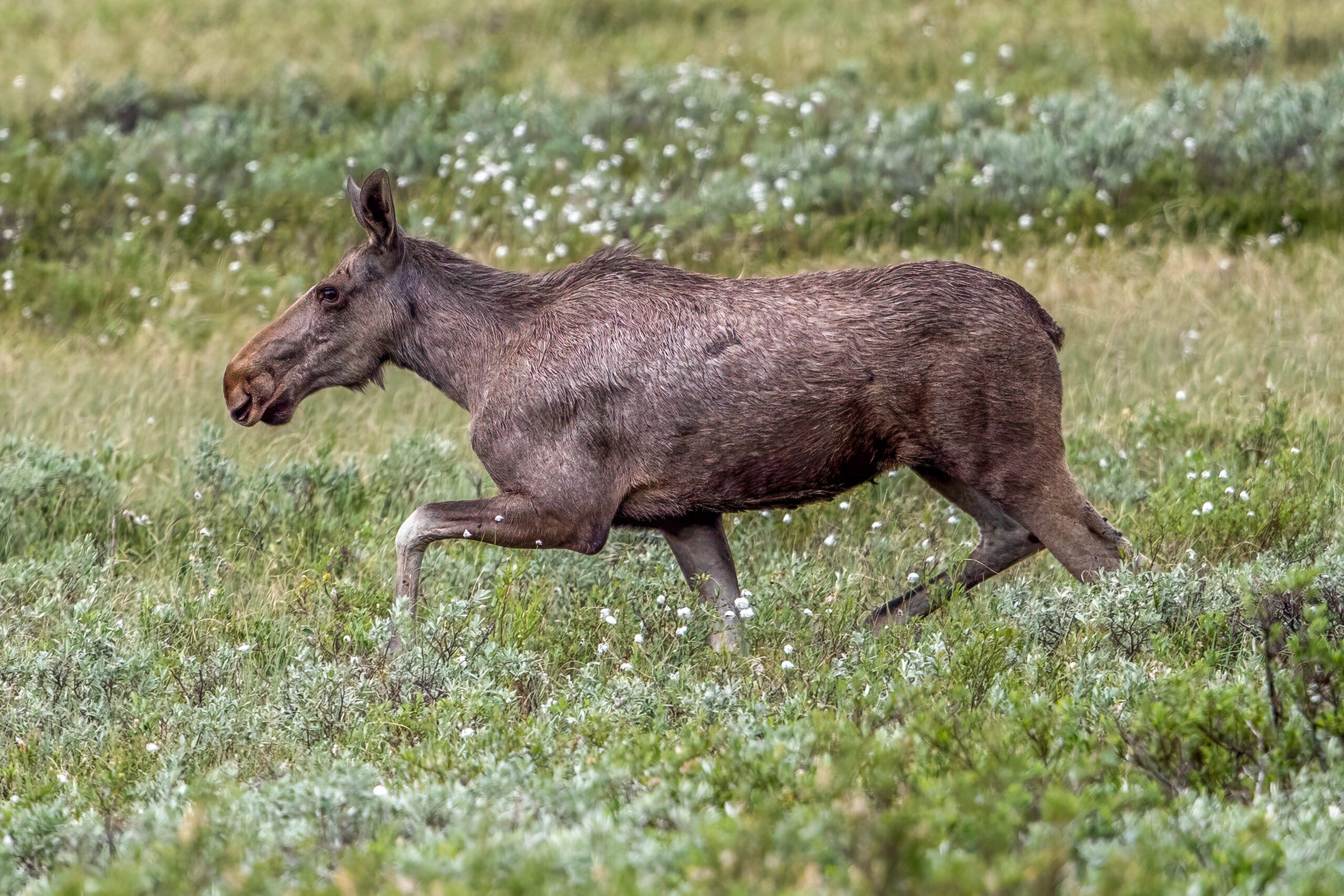
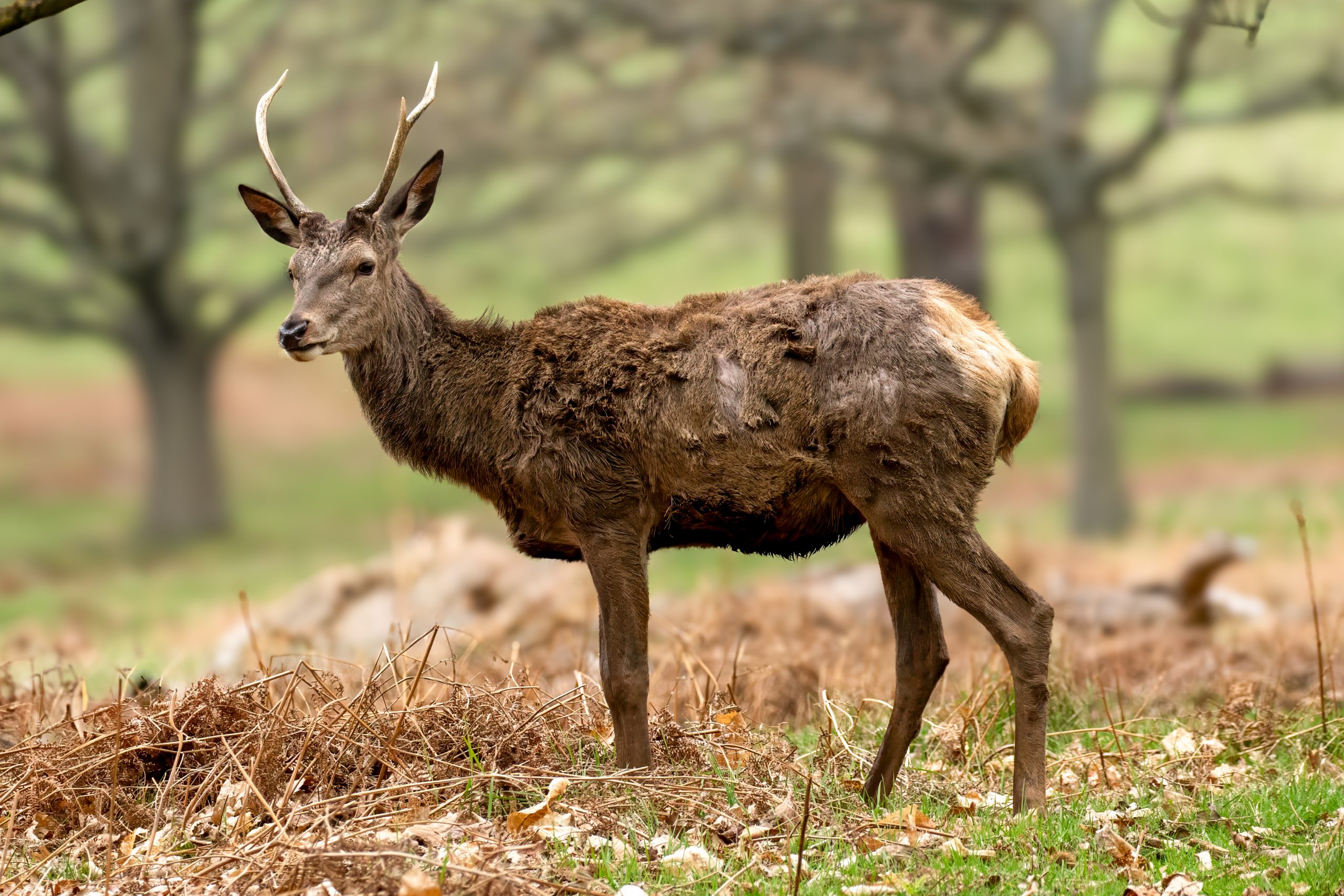
A continental study combining 19.3 million locations from 3,069 tracked animals found that forest disturbance generally increased modelled relative habitat suitability for four of Europe’s largest herbivores: moose (Alces alces), red deer (Cervus elaphus), European bison (Bison bonasus) and European roe deer (Capreolus capreolus). The response was strongest for moose, followed by red deer, European bison and roe deer, but the timing and duration varied markedly among species and regions.
Researchers combined tracking data with annual 30-metre satellite maps of stand-replacing forest disturbance — events that removed most or all of the existing tree canopy. The maps covered events between 1986 and 2023, including timber harvest, wind damage, bark-beetle outbreaks and fires. Habitat-selection models were built for each species and used to compare conditions before and for as long as 35 years after disturbance. In this study, relative habitat suitability describes how strongly animals selected an area compared with available alternatives; it is not a direct measure of carrying capacity or population growth.
The team also produced monthly estimates from 2000 to 2023 across representative forest areas within each species’ current and potential European range. To isolate the role of disturbance, variables not directly related to forest change, such as climate, land cover, human pressure and carnivore presence, were held at 2023 conditions in a separate set of projections.
Different species benefited at different times
Across all tracked populations, disturbed forest was generally selected more strongly than it had been before disturbance. The increase in relative habitat suitability was strongest for moose, followed by red deer, European bison and roe deer.
The timing reflected differences in how the animals feed. Habitat suitability for European bison and roe deer was highest immediately after disturbance. The bison response then declined relatively quickly, while the increase for roe deer remained on a plateau for roughly five to seven years. For moose and red deer, the peak came about ten to twenty years after disturbance, when regenerating woody vegetation was more developed.
Season also mattered. Disturbed habitat was most suitable during the growing season for European bison, red deer and roe deer. Moose selected recently disturbed areas most strongly in winter, matching the species’ reliance on browsing in young forest. The study found similar responses for males and females within each species.
Small, strongly disturbed patches were favoured
All four herbivores selected smaller disturbance patches more strongly than large ones. They also showed stronger selection where disturbance had removed more of the tree canopy. Roe deer and red deer responded particularly strongly when disturbed forest was scarce within their home ranges, while moose and European bison showed their strongest selection at intermediate availability.
The overall pattern did not mean that every disturbance improved habitat. Compared with pre-disturbance conditions, suitability declined in 36 per cent of modelled cases for roe deer, 29 per cent for European bison, 17 per cent for red deer and 13 per cent for moose. Low vegetation greenness, heavy human pressure and rugged terrain were generally associated with poorer habitat in both disturbed and undisturbed forest.
When projected across the period 2000–2023, forest disturbance made a positive contribution to habitat suitability for all four species. The strongest regional increases were predicted in Fennoscandia, the western Iberian Peninsula and parts of Central Europe, broadly where disturbance rates were highest. The effect was strongest for moose and red deer and smaller for European bison and roe deer.
The authors conclude that forest disturbance creates important feeding habitat, but stress the large variation among places, species and disturbance histories. Their results concern relative habitat suitability, not direct measurements of population growth, survival or forest damage. They recommend that wildlife and forest management account for the delayed and long-lasting ways in which storms, harvests, insect outbreaks and fires can redistribute large herbivores.
Ecology
Related news
Roe Deer Had Higher Blood Cadmium and Zinc Than Red Deer in Eastern Slovakia
Blood from semi-free-ranging red deer and roe deer in eastern Slovakia showed generally low toxic-element burdens and similar…
Read story →
Metagenomics and Histology Gave Complementary Views of Parasites in Red Deer and European Roe Deer
In 106 wild cervids from Mecklenburg-Western Pomerania, Germany, faecal metagenomics revealed seasonal parasite dynamics in red deer while…
Read story →
Roe Deer and Wild Boar Remained Key Wolf Prey as Diet Shifted Across North-western Italy
From 2021 to 2025, wolves in north-western Italy continued to feed mainly on wild prey. In the Po…
Read story →SPECIES IN THIS STORY
Species in this story
Independent research and conservation news archive
Did you find this information useful?
Wildlife Vagabond is independently built and maintained. Voluntary support helps cover source verification, hosting and continued work on research and conservation news.
Support Wildlife VagabondThe news archive will remain freely available.