
Golden Plover Among Upland Birds That Declined Markedly at Pumlumon Over 40 Years
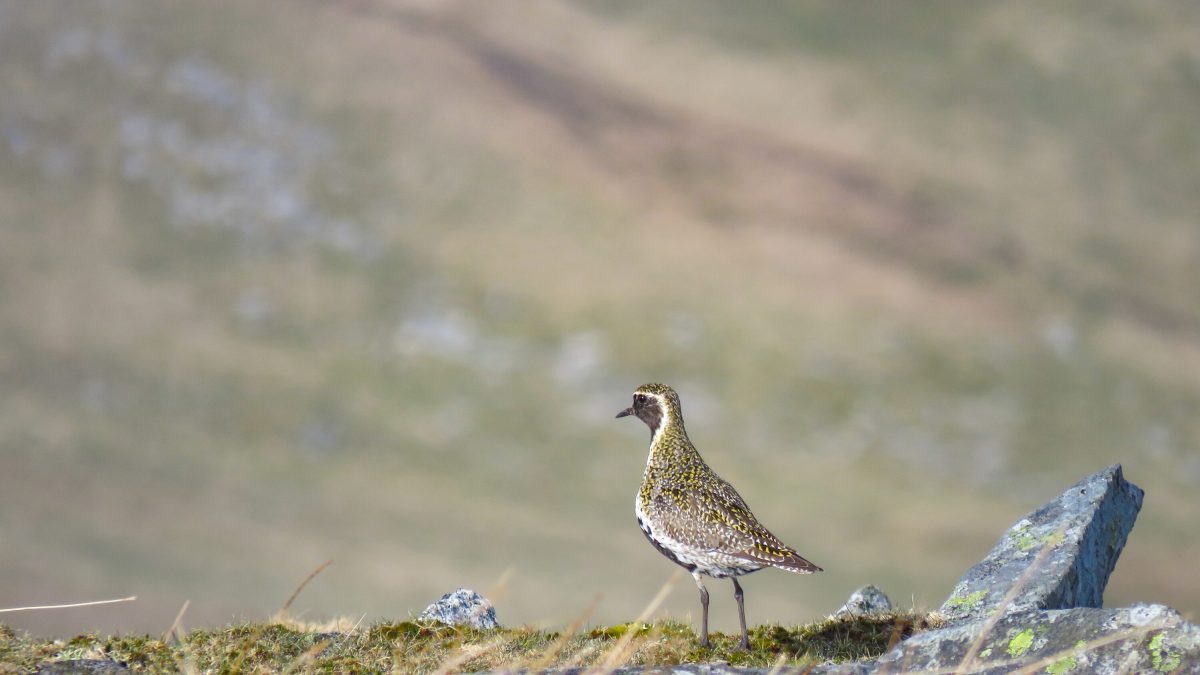
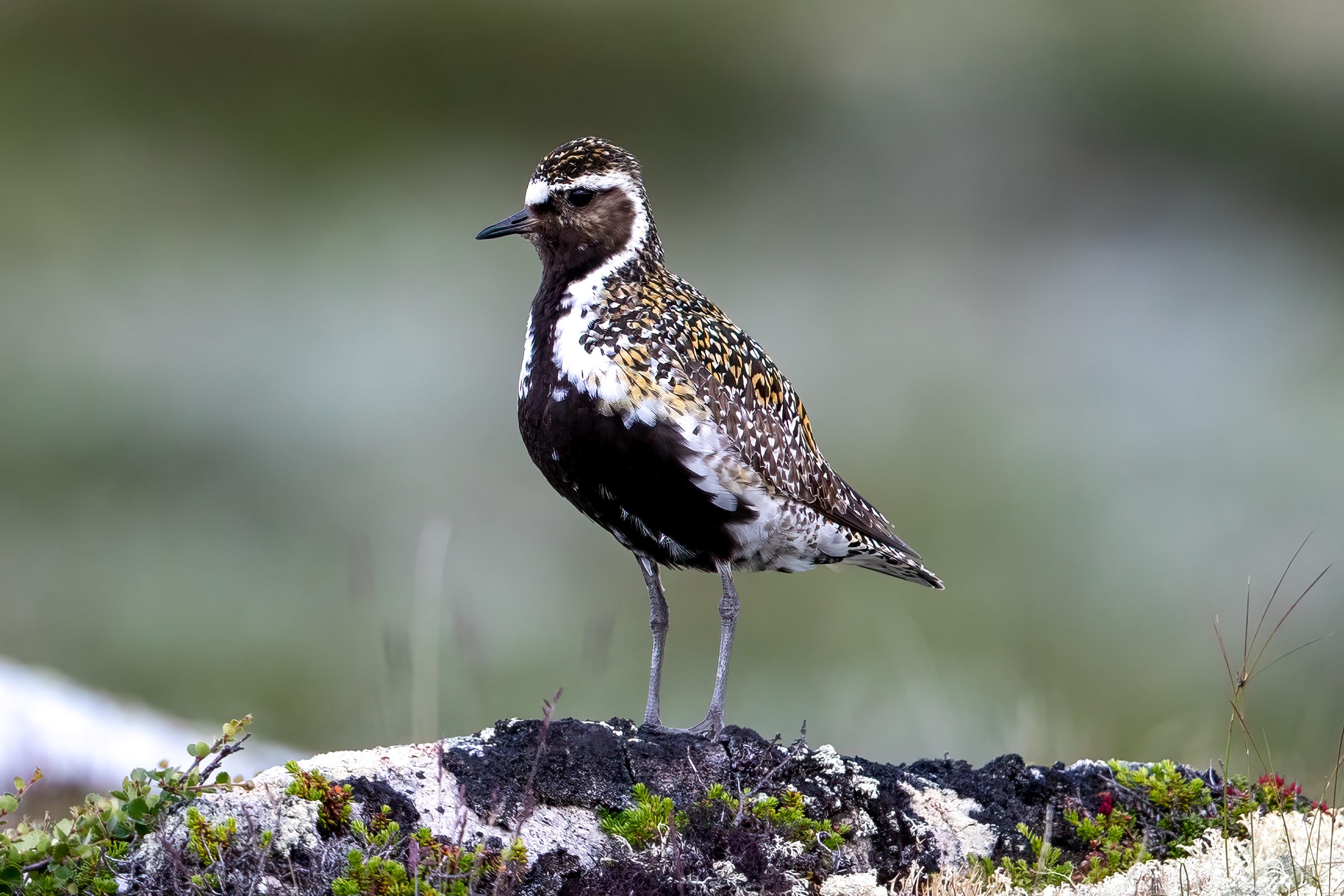
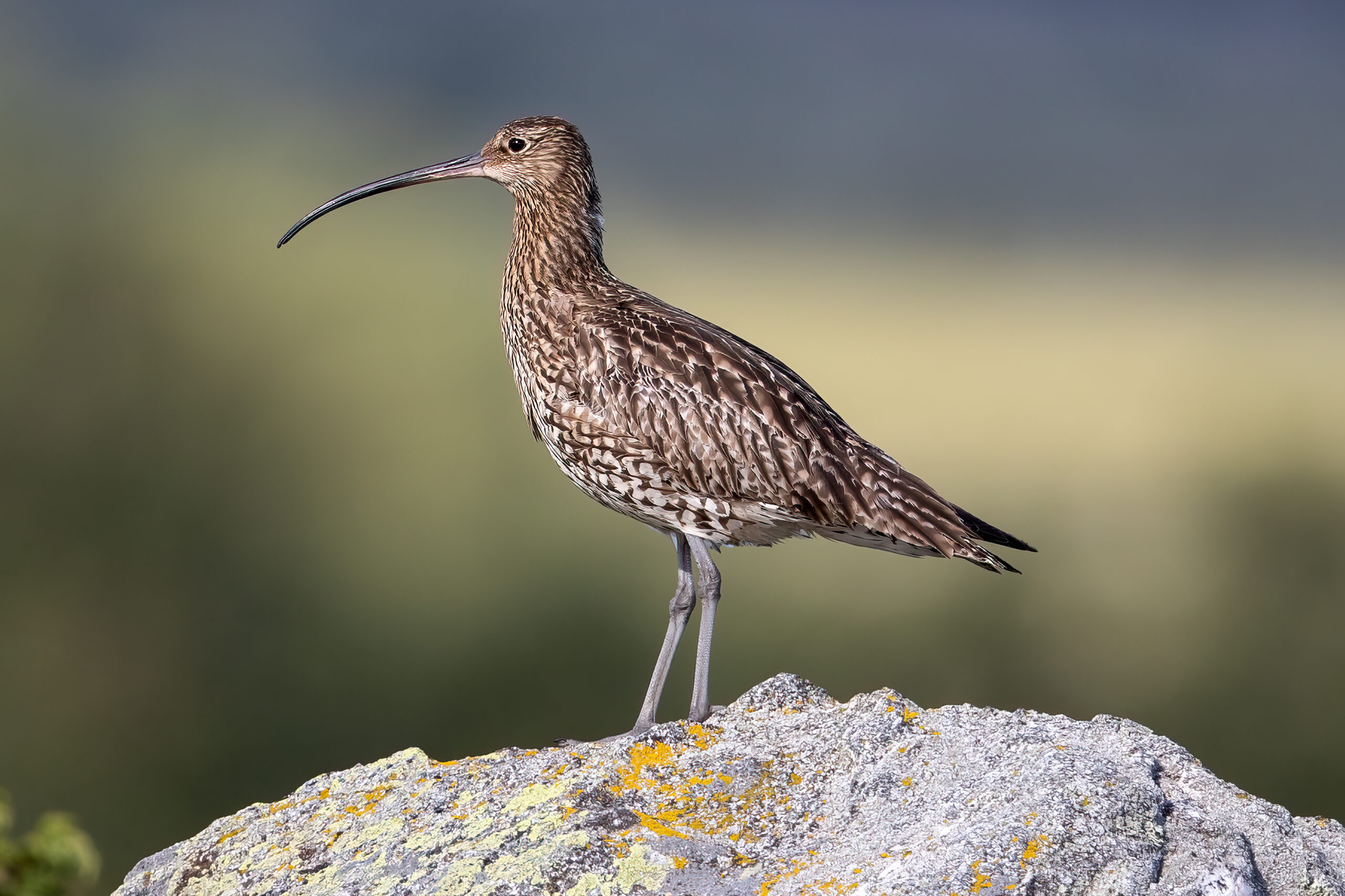
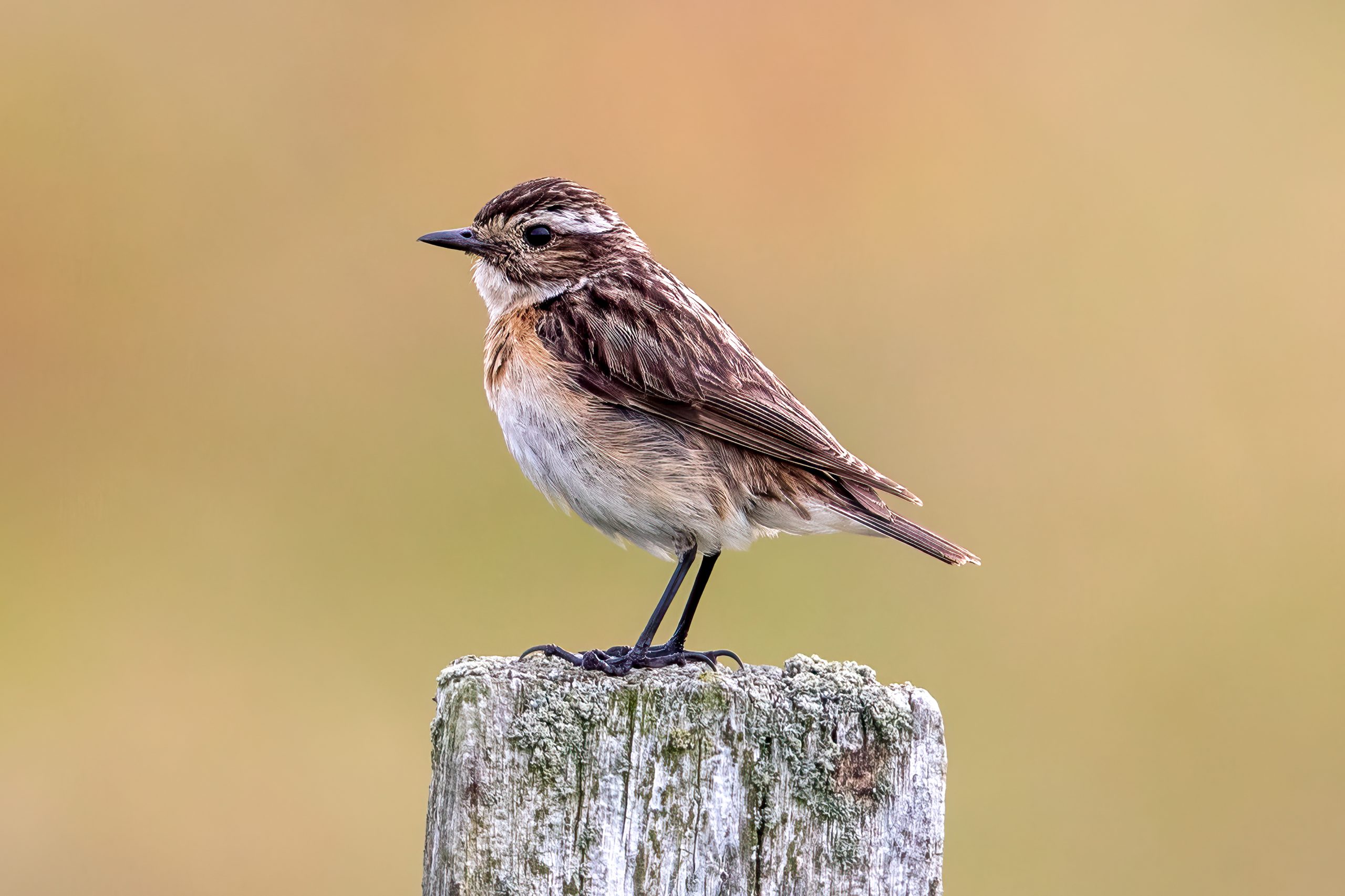
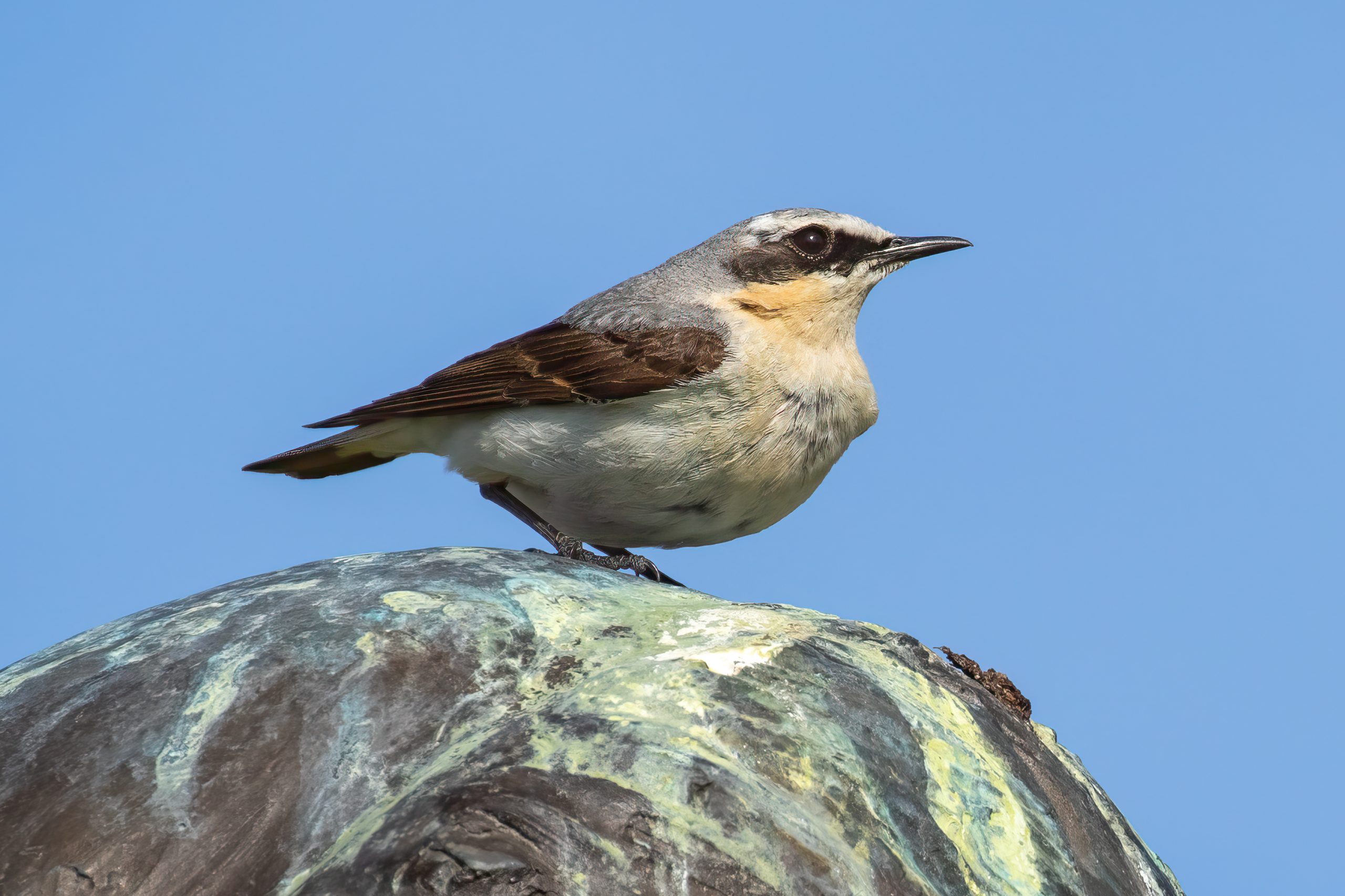
A 2026 review of 40 years of breeding-bird surveys in the Pumlumon uplands of mid Wales found marked declines in several characteristic upland species. European golden plover (Pluvialis apricaria) was among the birds highlighted, together with eurasian curlew (Numenius arquata), black-headed gull (Chroicocephalus ridibundus), ring ouzel (Turdus torquatus), whinchat (Saxicola rubetra) and northern wheatear (Oenanthe oenanthe).
The analysis drew on standardised line-transect surveys conducted in 1984, 2011 and 2024. In a line transect, observers follow a standardised route and record birds encountered along it, allowing comparable routes to be used to track changes between survey years. The transects were supplemented by species-specific surveys and casual observations. Several characteristic upland birds had disappeared as breeding species from parts of the study area or persisted only in very small numbers by the end of the period. In contrast, some more widespread species increased, including European stonechat (Saxicola rubicola) and reed bunting (Emberiza schoeniclus). Almost two-thirds of the species recorded during the surveys are now Red- or Amber-listed in Wales.
The study did not identify a single cause for the changes. At a broad scale, vegetation and land use had changed relatively little, although grazing pressure had declined in parts of the site and some heathland habitats had recovered. The author notes that most upland birds did not show corresponding increases despite those habitat changes.
He suggests that wider processes, including changes in prey availability and climate, are likely to contribute to the long-term pattern. The changes at Pumlumon broadly match trends reported from other upland sites in Wales and elsewhere in Britain, making the 40-year dataset an important baseline for future monitoring.
Population & status
Related news
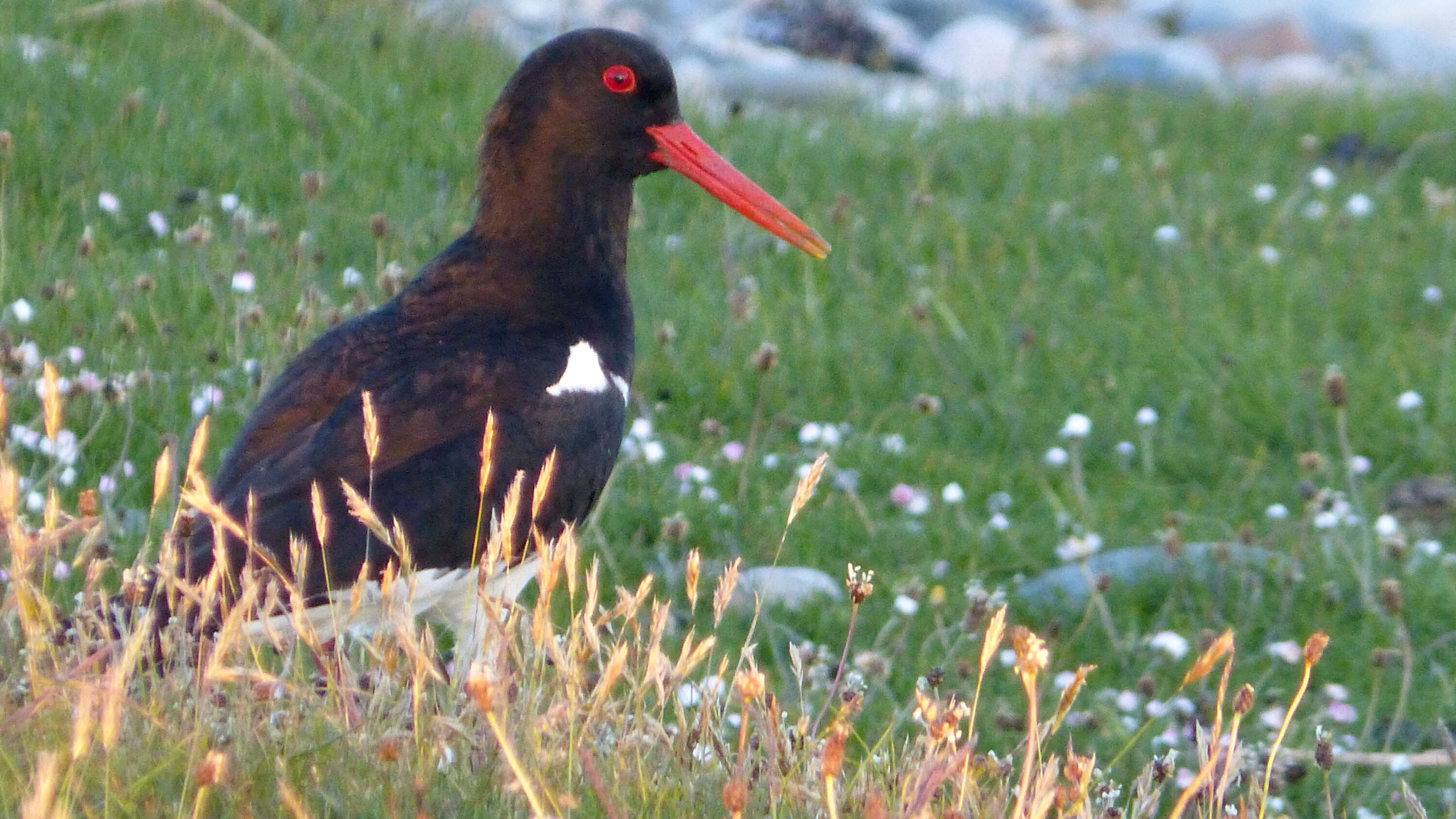
Scotland Proposed 14 Wader Recovery Areas From Shetland to the Central Belt
NatureScot and Working for Waders began consultation on 14 proposed recovery landscapes in May 2026, aiming to concentrate…
Read story →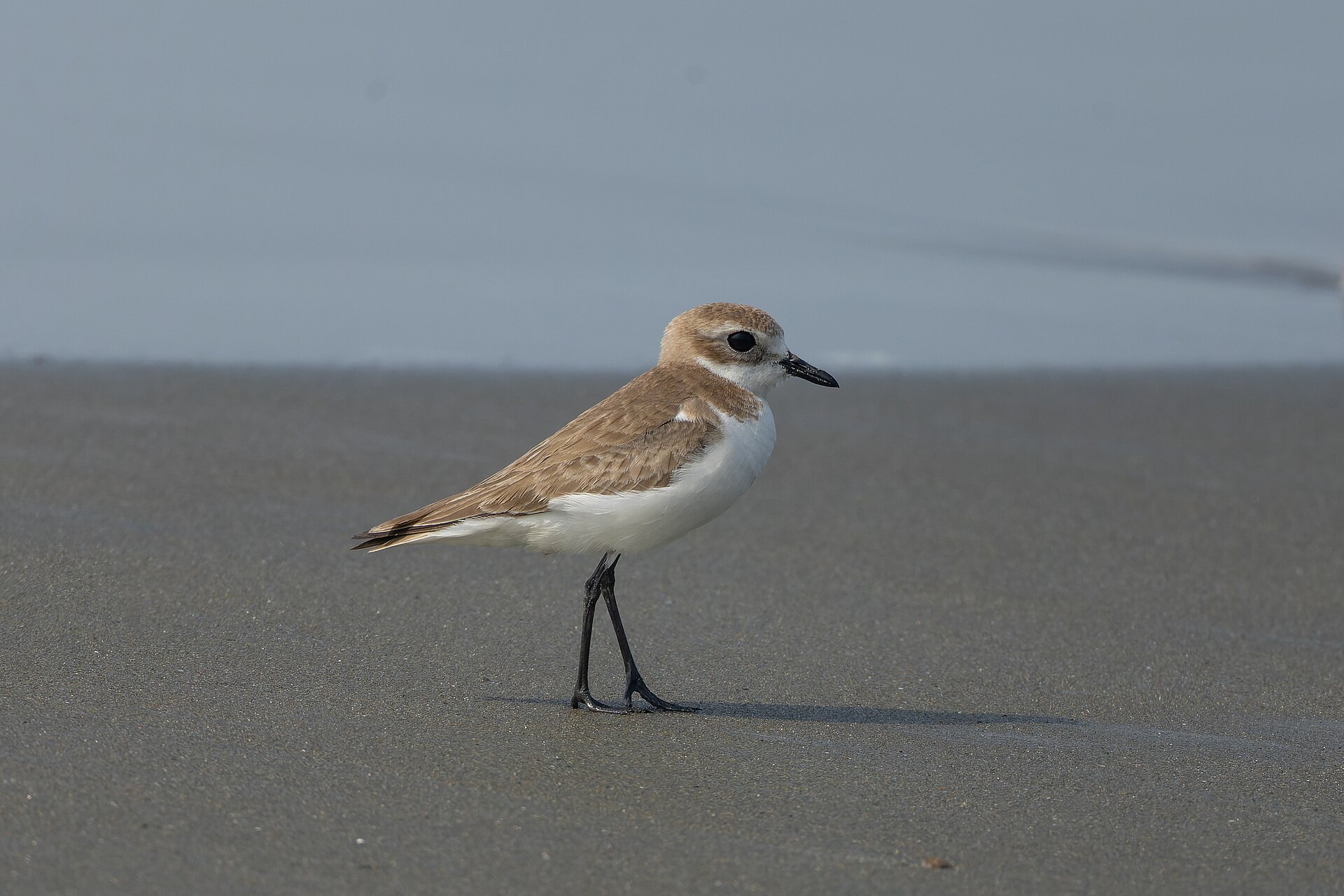
Six Migratory Shorebirds Were Linked to Habitat Complexes Beyond Tidal Flats
Across the East Asian–Australasian Flyway, six shorebirds were associated not only with tidal flats but also with nearby…
Read story →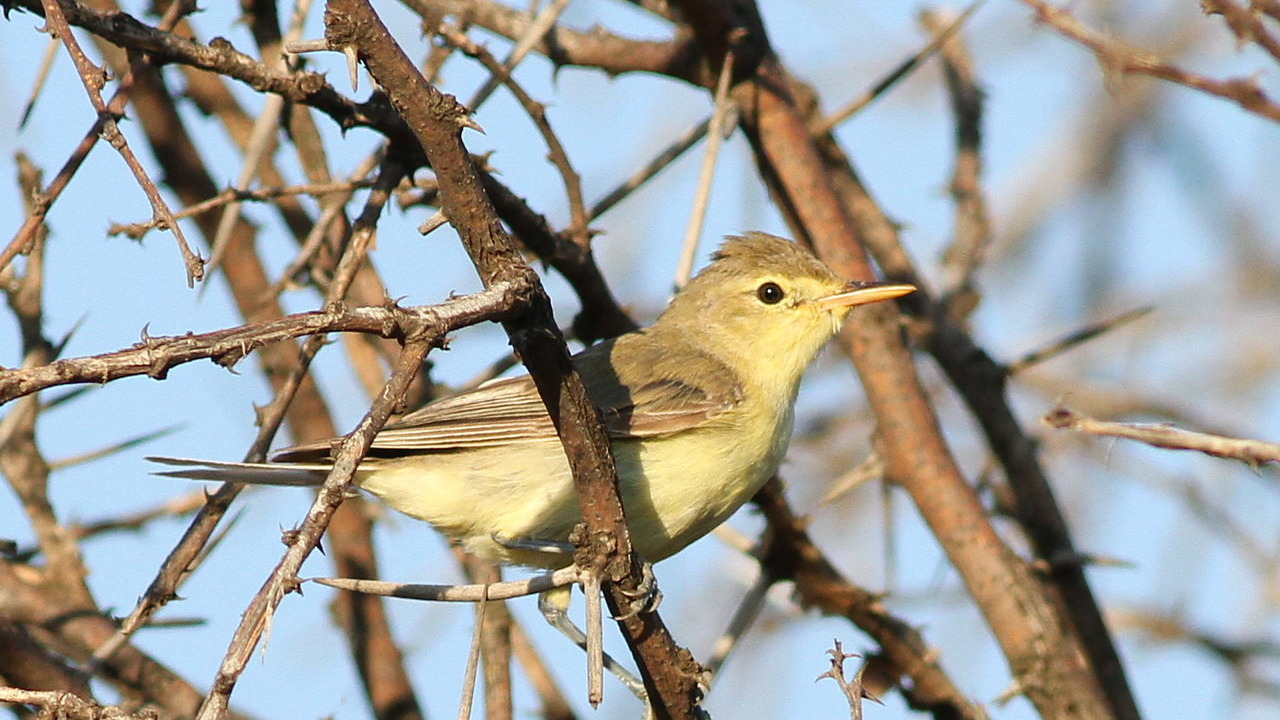
Ten Migrants Followed Early-slow and Late-fast Passage Strategies Through Nigeria
Twenty-four years of ringing data from Jos showed striking species differences in migration timing: Icterine Warblers were among…
Read story →SPECIES IN THIS STORY
Species in this story

Independent research and conservation news archive
Did you find this information useful?
Wildlife Vagabond is independently built and maintained. Voluntary support helps cover source verification, hosting and continued work on research and conservation news.
Support Wildlife VagabondThe news archive will remain freely available.