
Indian Raptors Separated Across Forest, Water, Cropland and Human-Dominated Landscapes
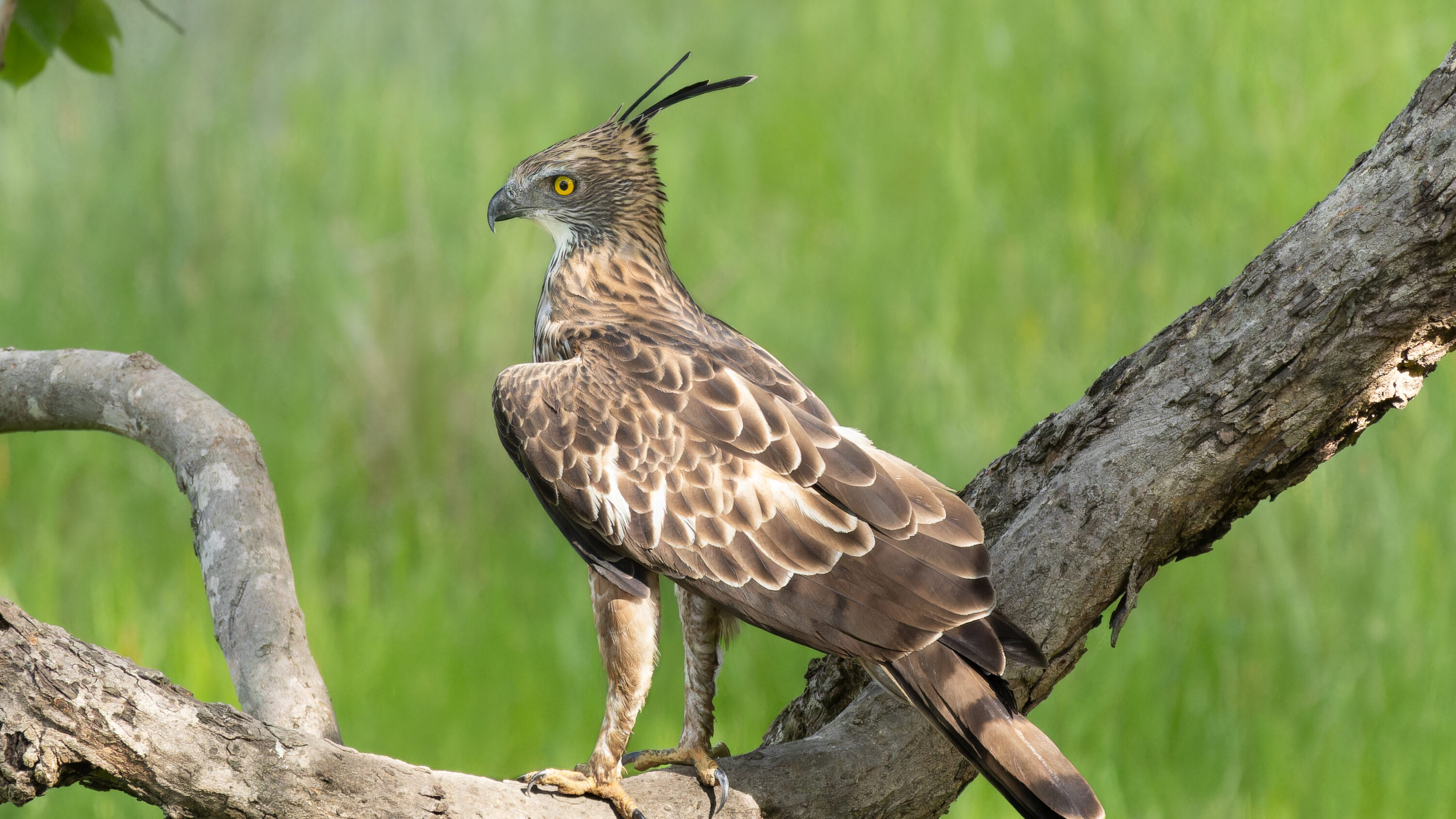
A 2026 study of raptor communities at 445 survey points across seven Indian localities found clear ecological separation among birds of prey and owls. Species were associated differently with forest structure, water, cropland, vegetation greenness and human-dominated landscapes, while body form and spatial partitioning helped structure the wider community.
A point count is a survey in which observers remain at a fixed location for a set period and record birds seen or heard, allowing sites to be compared in a standardised way.
Researchers used standardized point counts from 2019 to 2021 and measured habitat around observations within buffers based on species-specific home-range sizes. Functional traits such as wing and bill measurements and tarsus length — the length of the lower leg segment — were combined with the habitat data. Diet composition was compiled separately from 193 published studies, so the dietary-overlap analysis describes knowledge from the literature rather than prey recorded during the Indian point counts.
Different raptors were associated with different landscape features
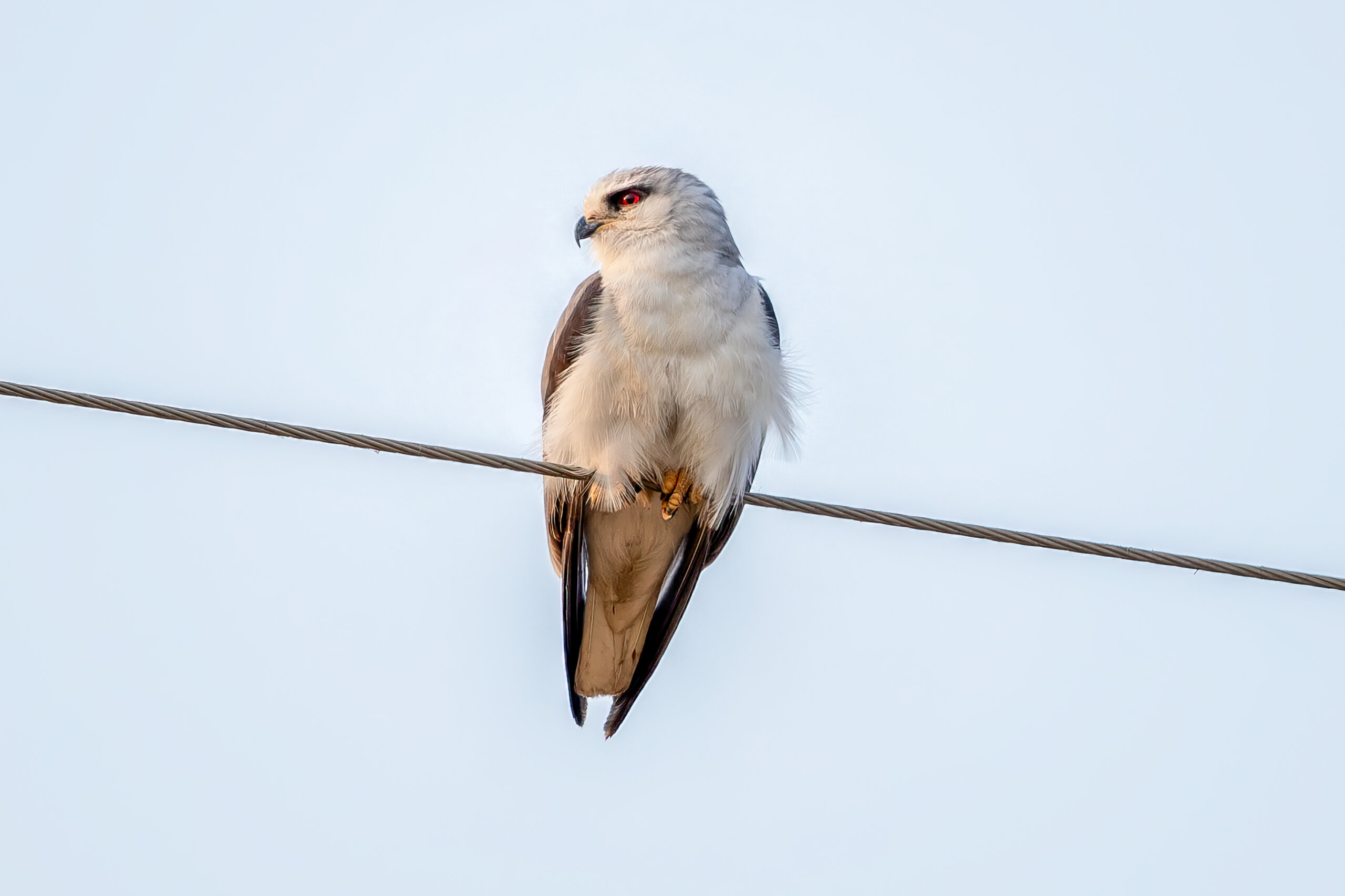
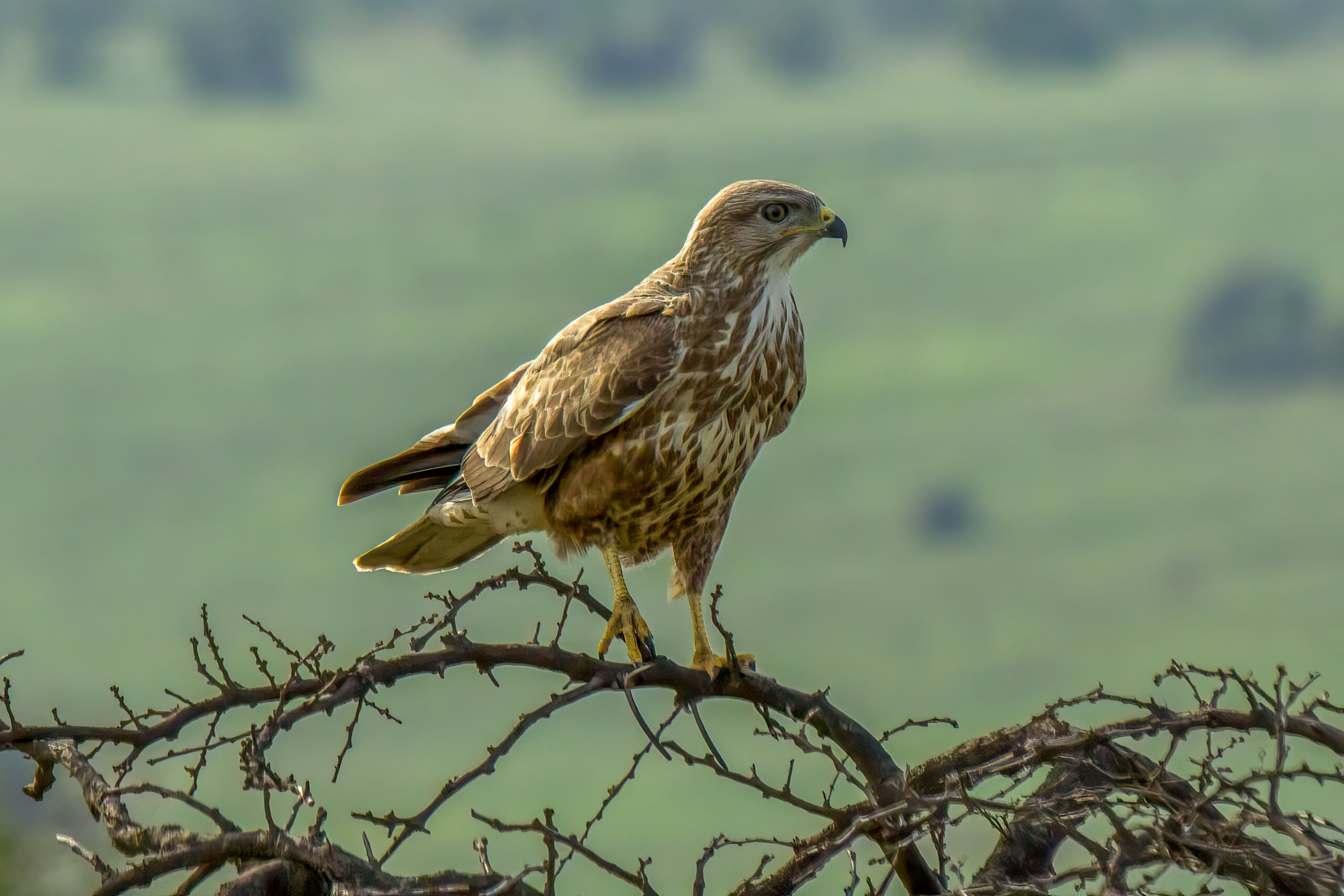
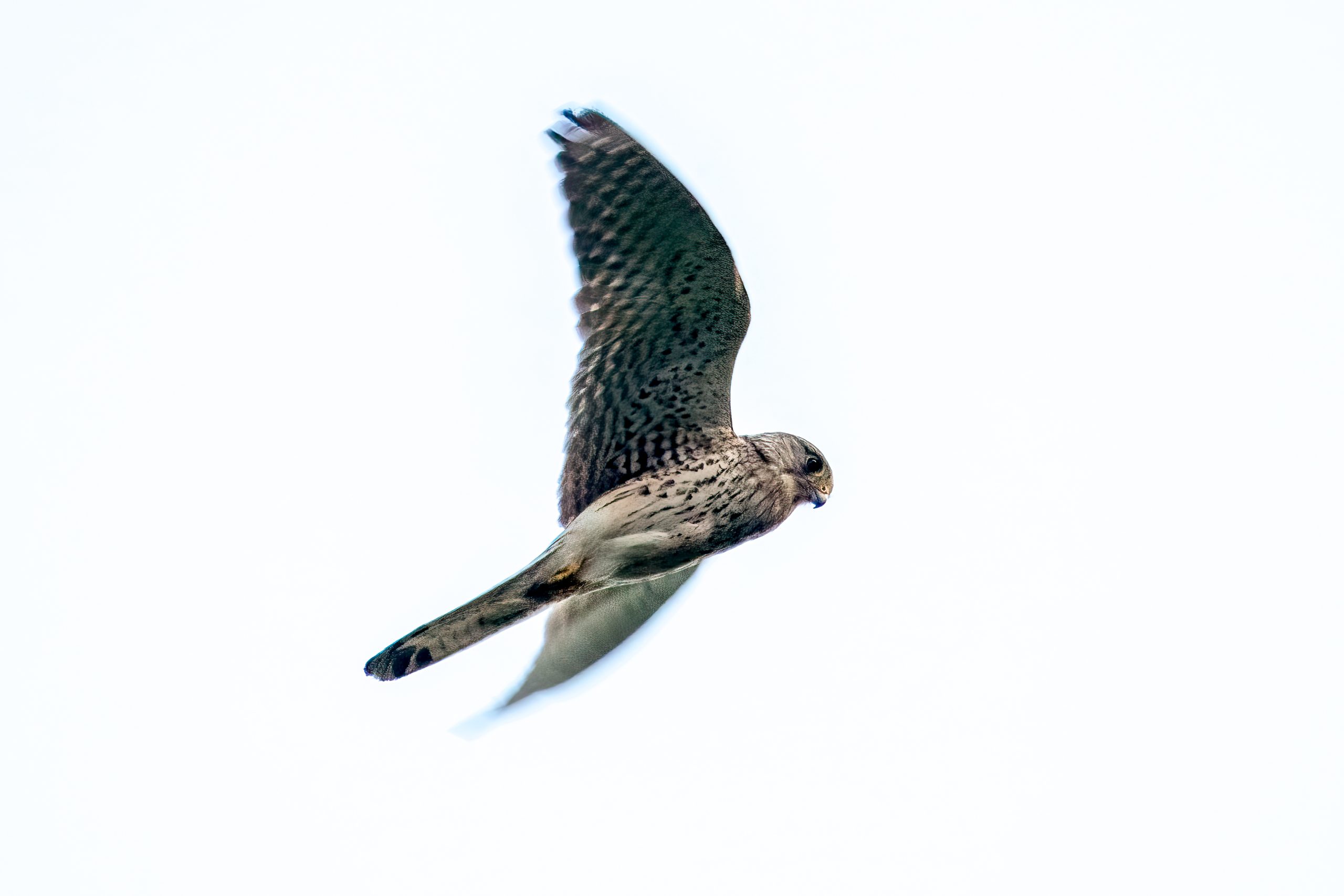
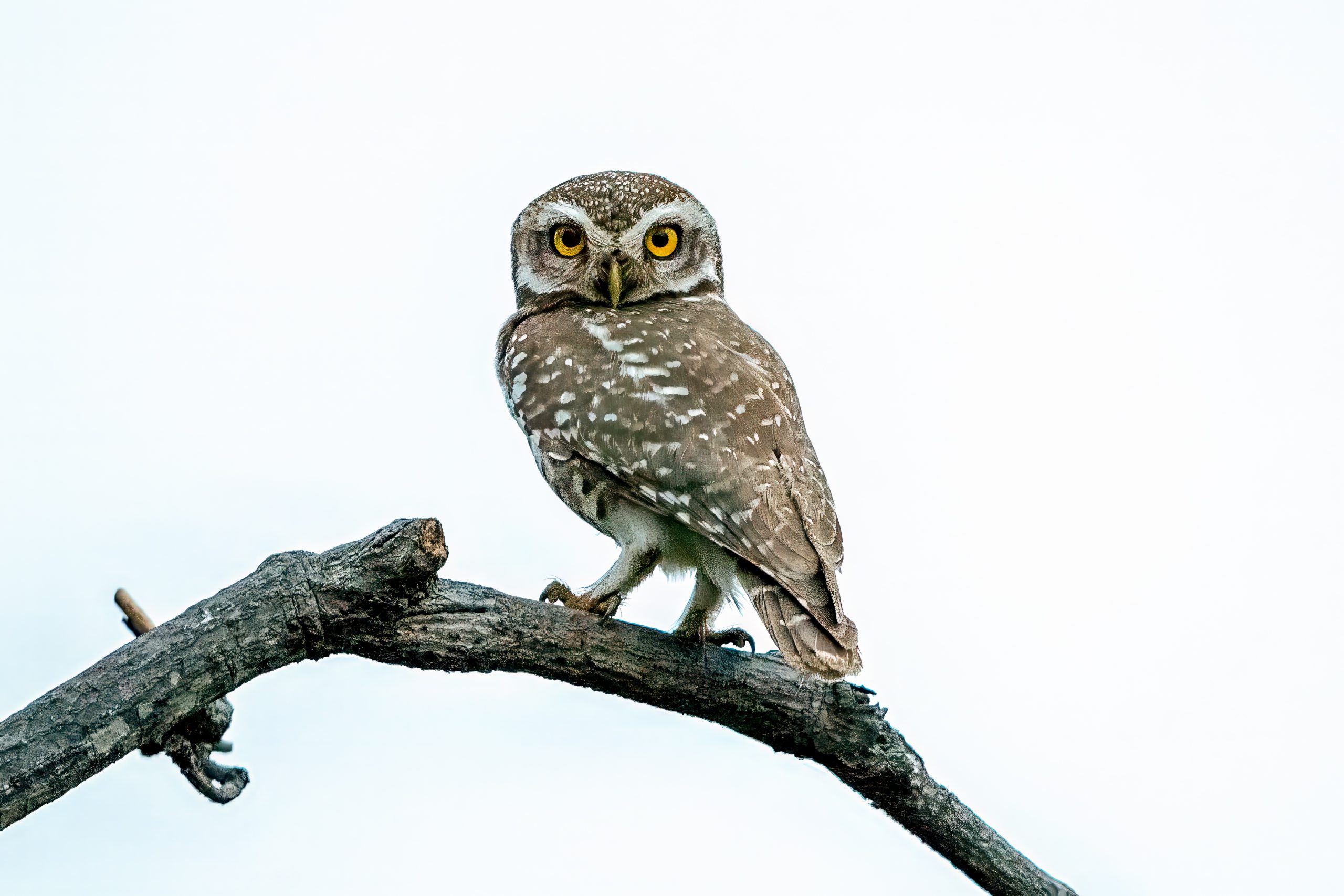
Greater forest height and tree cover were associated particularly with black-winged kite (Elanus caeruleus), whereas lesser fish eagle (Icthyophaga humilis) and brahminy kite (Haliastur indus) occurred more frequently near water. Spotted owlet (Athene brama) was recorded more often where NDVI, a satellite-based measure of vegetation greenness, was higher. Common buzzard (Buteo buteo) was common in areas with more herbaceous vegetation, open deciduous broadleaf forest and proximity to water, while common kestrel (Falco tinnunculus) and Montagu’s harrier (Circus pygargus) were associated with open deciduous broadleaf forest and cropland.
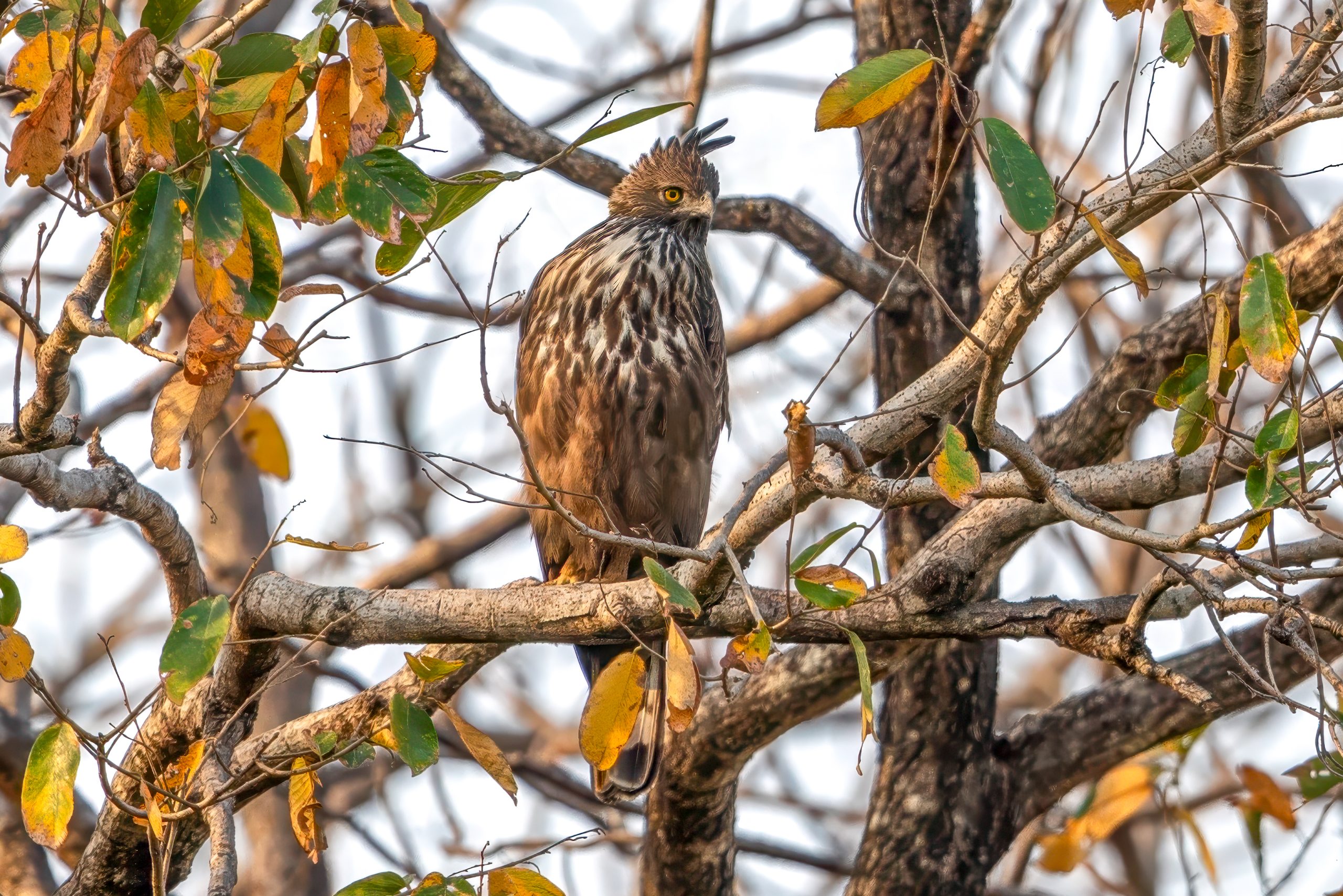
Changeable hawk-eagle (Nisaetus cirrhatus), black eagle (Ictinaetus malaiensis) and black kite (Milvus migrans) occurred more often at sites with more built-up land and higher human population density. The results therefore did not support a single response to land use across the raptor community: different species were separated along different environmental gradients.
Body form and spatial separation also divided the community
The functional-trait analysis linked morphology to the types of habitat used. Longer wings and wing shapes suited to soaring were characteristic of species using more open landscapes, whereas smaller, shorter-winged species were more typical of forests and shrublands where manoeuvrability is important. Longer tarsi were associated with wetland use and ground-based hunting, while deeper and longer bills were linked to scavenging and open environments.
Generalist species often showed substantial dietary overlap, but similar diets did not necessarily mean that species occupied the same places. Changeable hawk-eagle and black kite, for example, had the highest dietary overlap in the literature-derived comparison, while analyses at the three species-rich sites with enough data showed that greater dietary similarity was associated with greater spatial separation. More specialized feeders generally showed much less dietary overlap.
The authors conclude that habitat heterogeneity, morphological specialization and spatial partitioning work together to maintain diverse raptor communities. The study therefore links coexistence not to one habitat variable, but to several ways in which species differ in where and how they exploit Indian landscapes.
Ecology
Related news
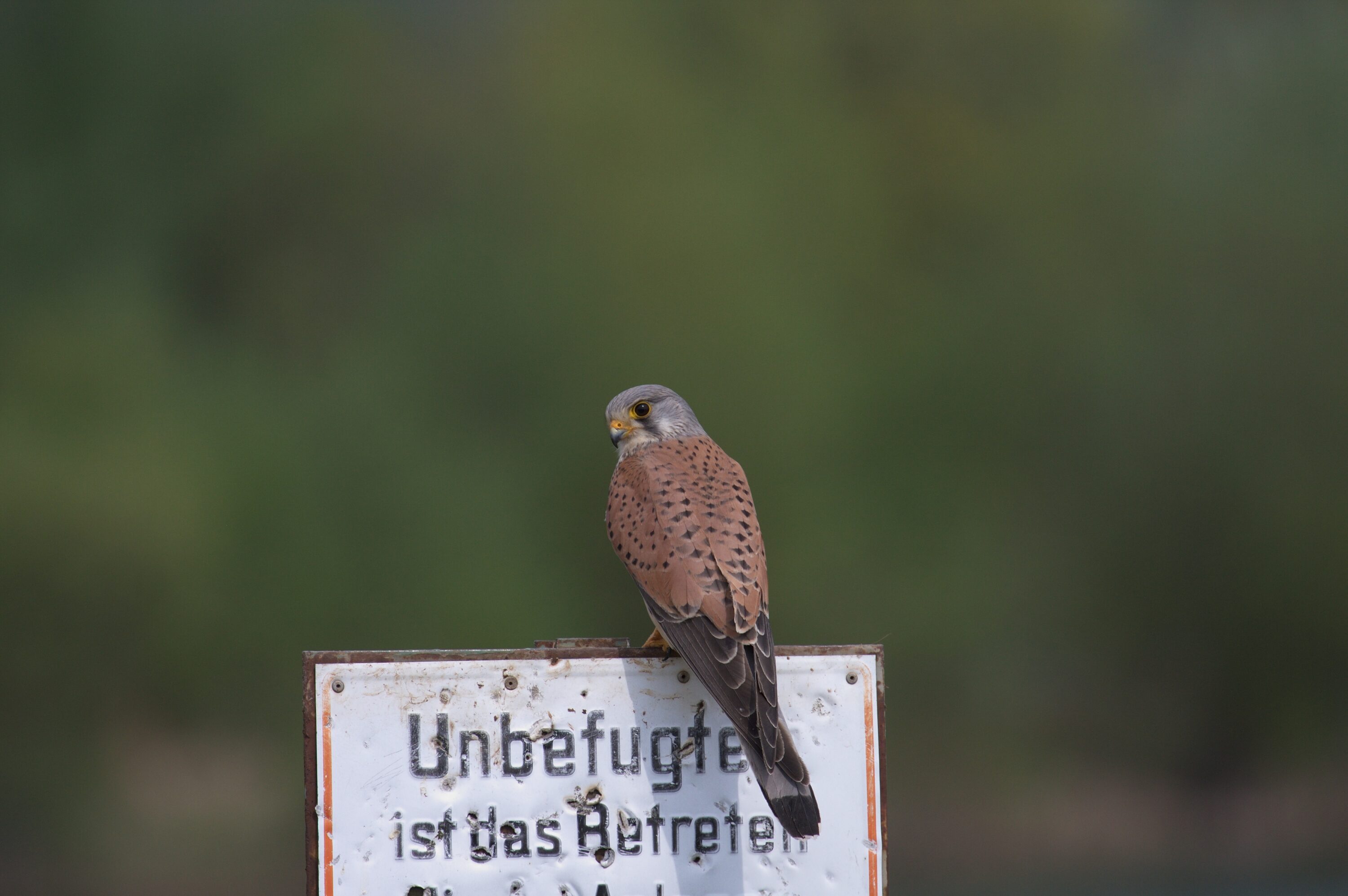
Winter Surveys Estimated 5.59 Common Kestrels and 2.61 Common Buzzards per km² in Parma Farmland
Roadside distance sampling in northern Italy estimated 5.59 common kestrels and 2.61 common buzzards per km², while the…
Read story →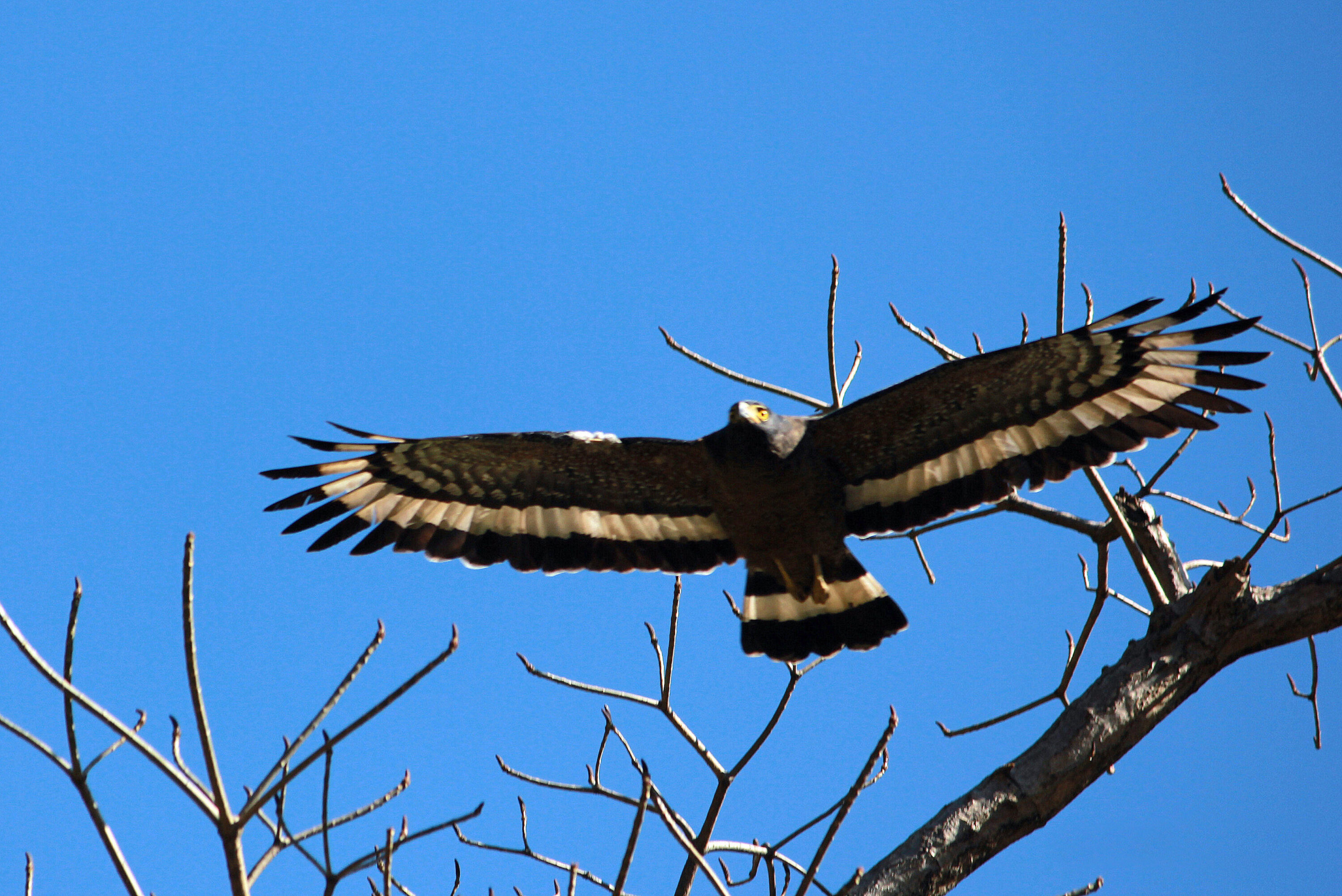
Prototype Used Tail-feather Microstructure to Classify Ten Raptor Species
A YOLOv8–logistic-regression prototype classified ten raptor species from microscopic tail-feather features with 90% accuracy on its constructed test…
Read story →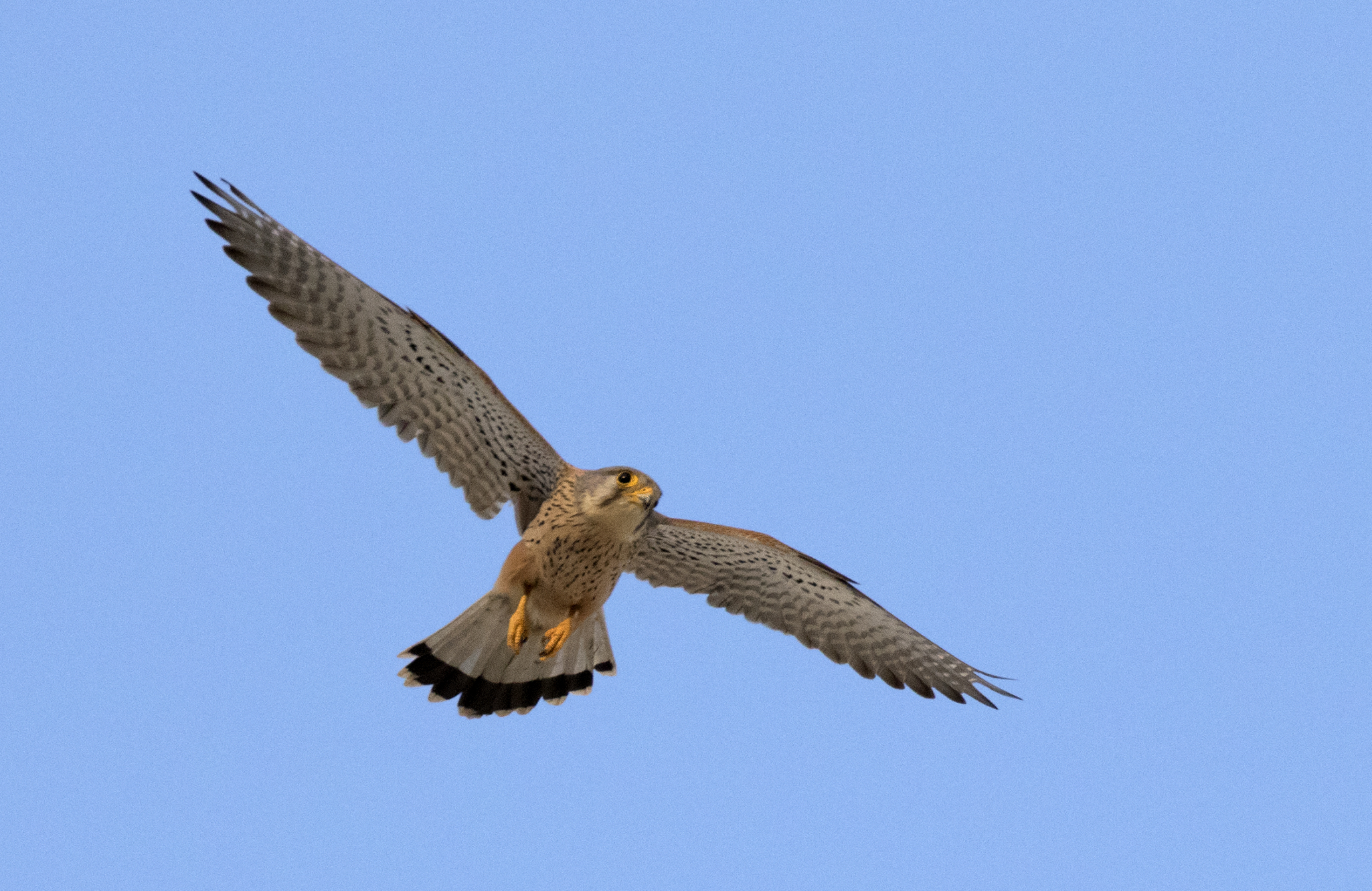
Kestrels Had More Densely Packed Mucous Glands Than Storks
A small study in Türkiye found roughly twice the density of mucus-producing glands in common kestrels’ windpipes as…
Read story →SPECIES IN THIS STORY
Species in this story
Independent research and conservation news archive
Did you find this information useful?
Wildlife Vagabond is independently built and maintained. Voluntary support helps cover source verification, hosting and continued work on research and conservation news.
Support Wildlife VagabondThe news archive will remain freely available.