
Kawal’s Prey Base Could Support About 36–41 Tigers
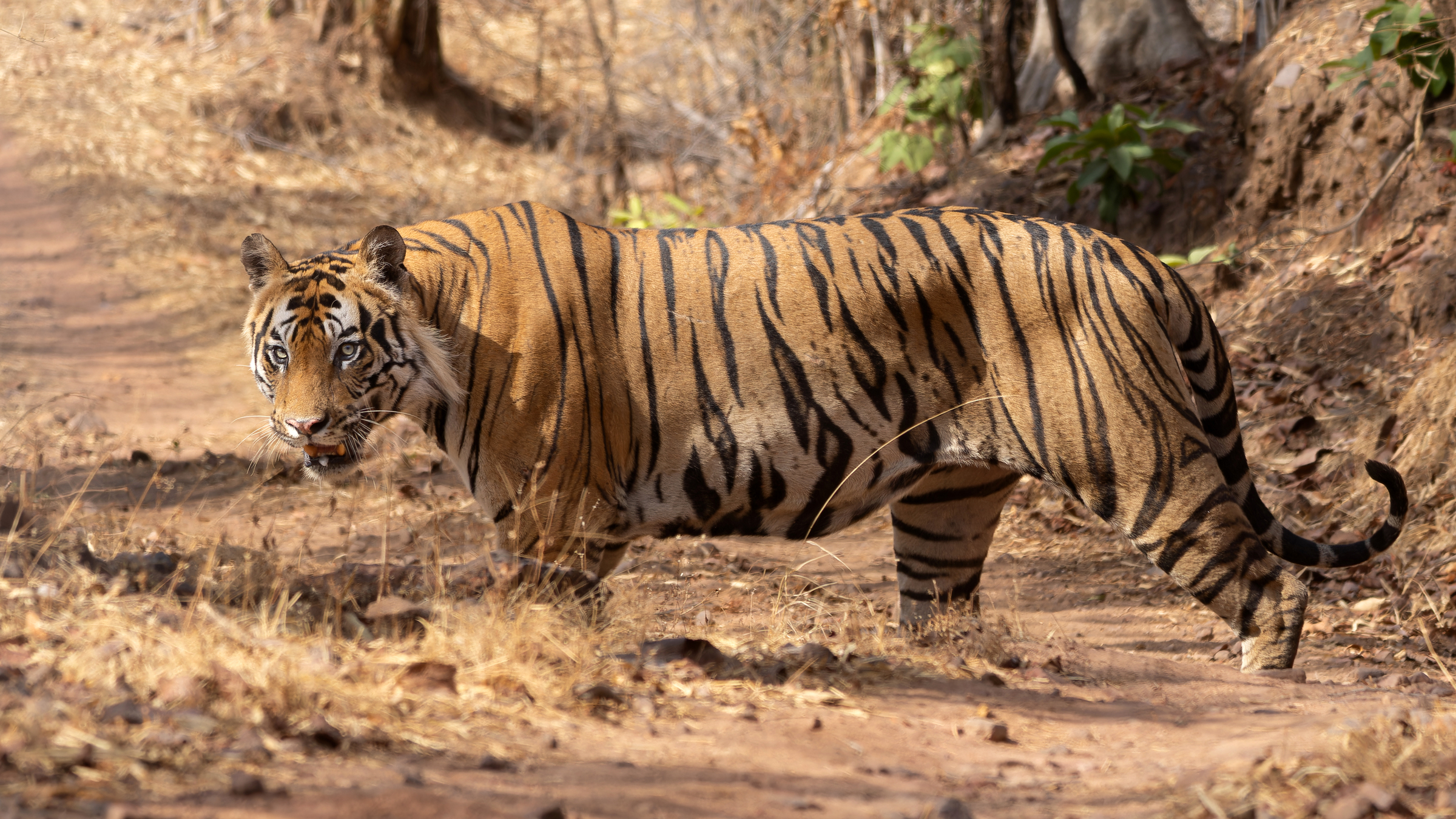
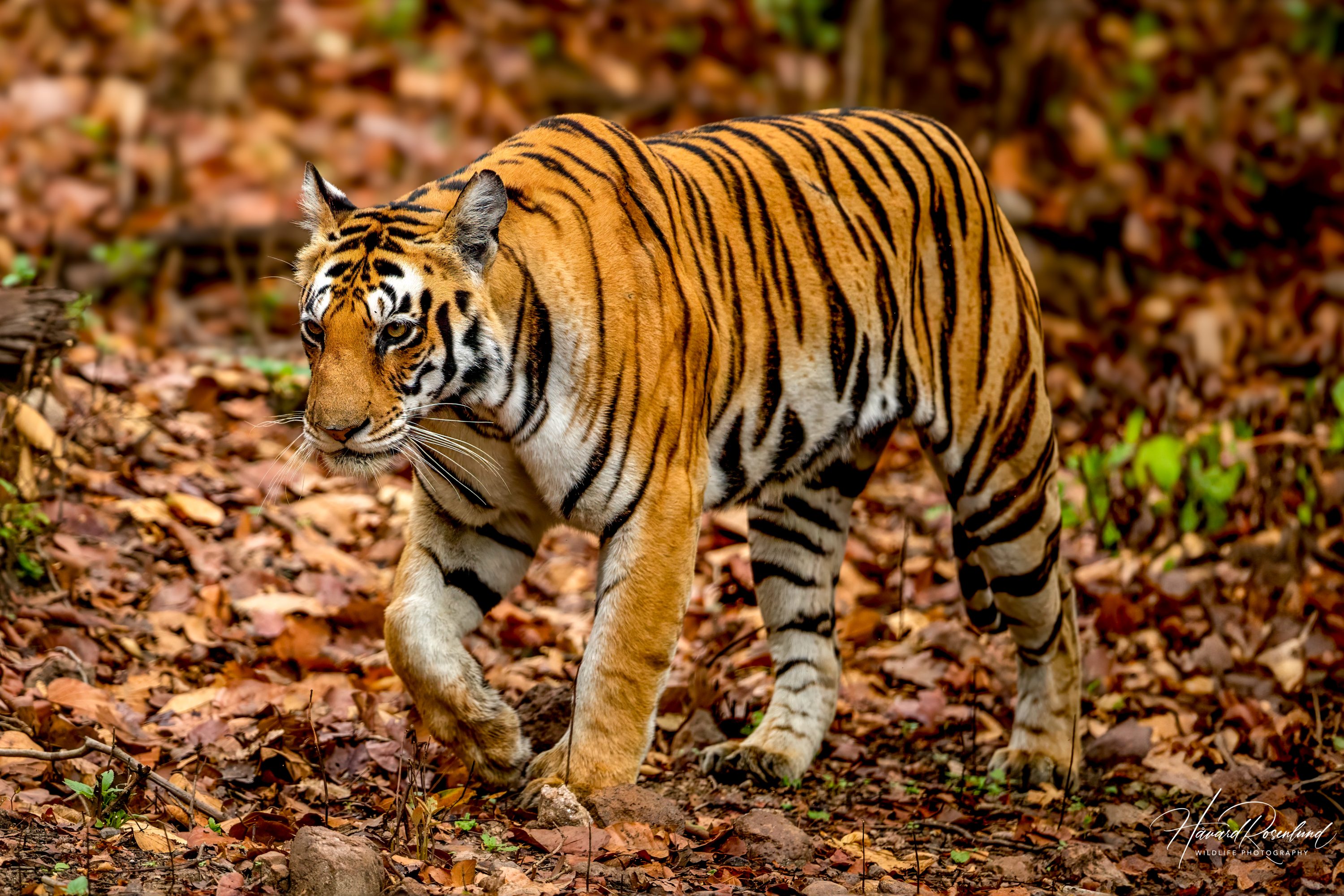
Long-term monitoring in Kawal Tiger Reserve in Telangana, India, indicates that the reserve had in 2022 a prey base capable of supporting a substantial tiger (Panthera tigris) population. The study, published online in Oryx on 23 April 2026, followed five principal prey species from 2010 to 2022 and used their abundance to estimate how many tigers the reserve could potentially support.
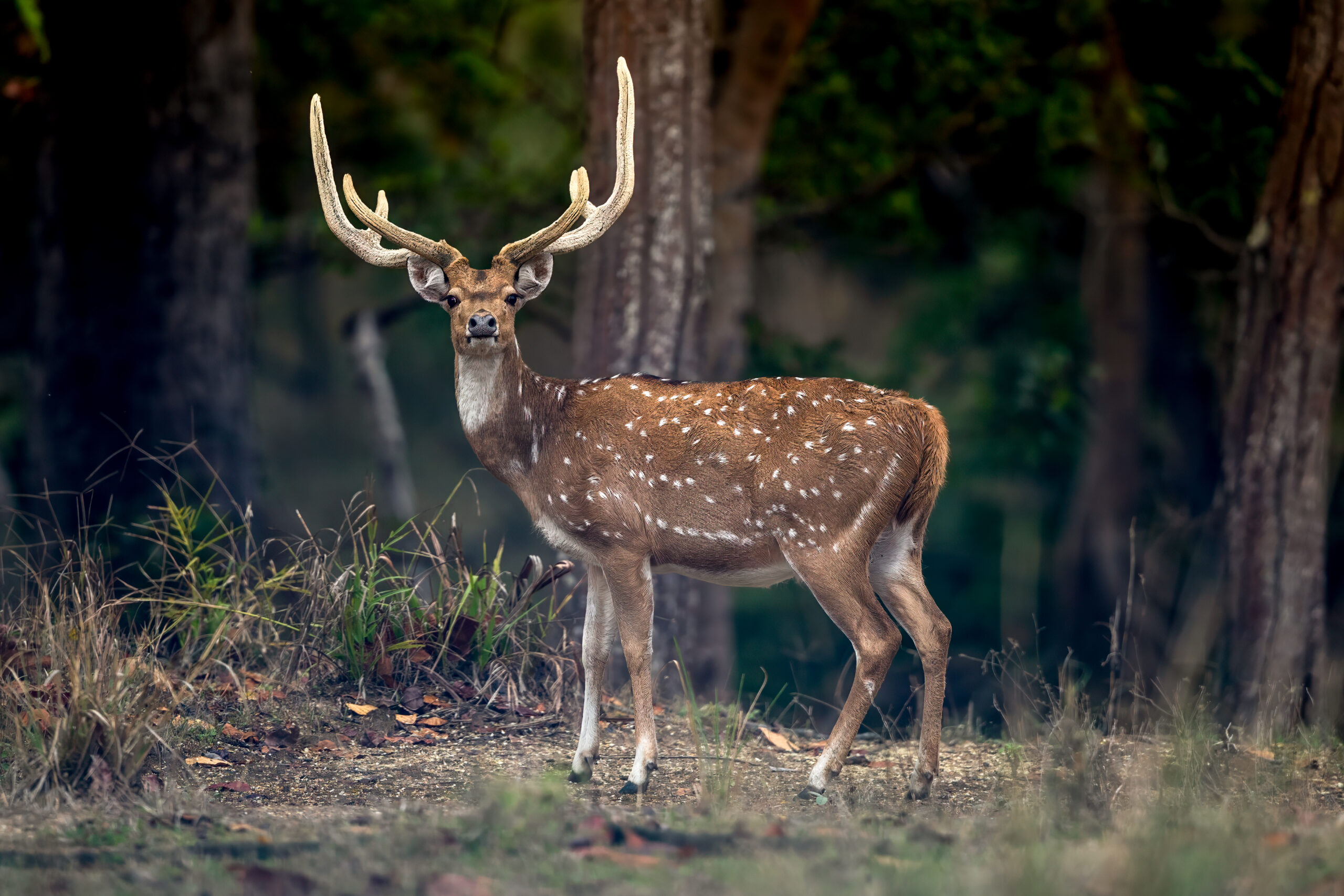
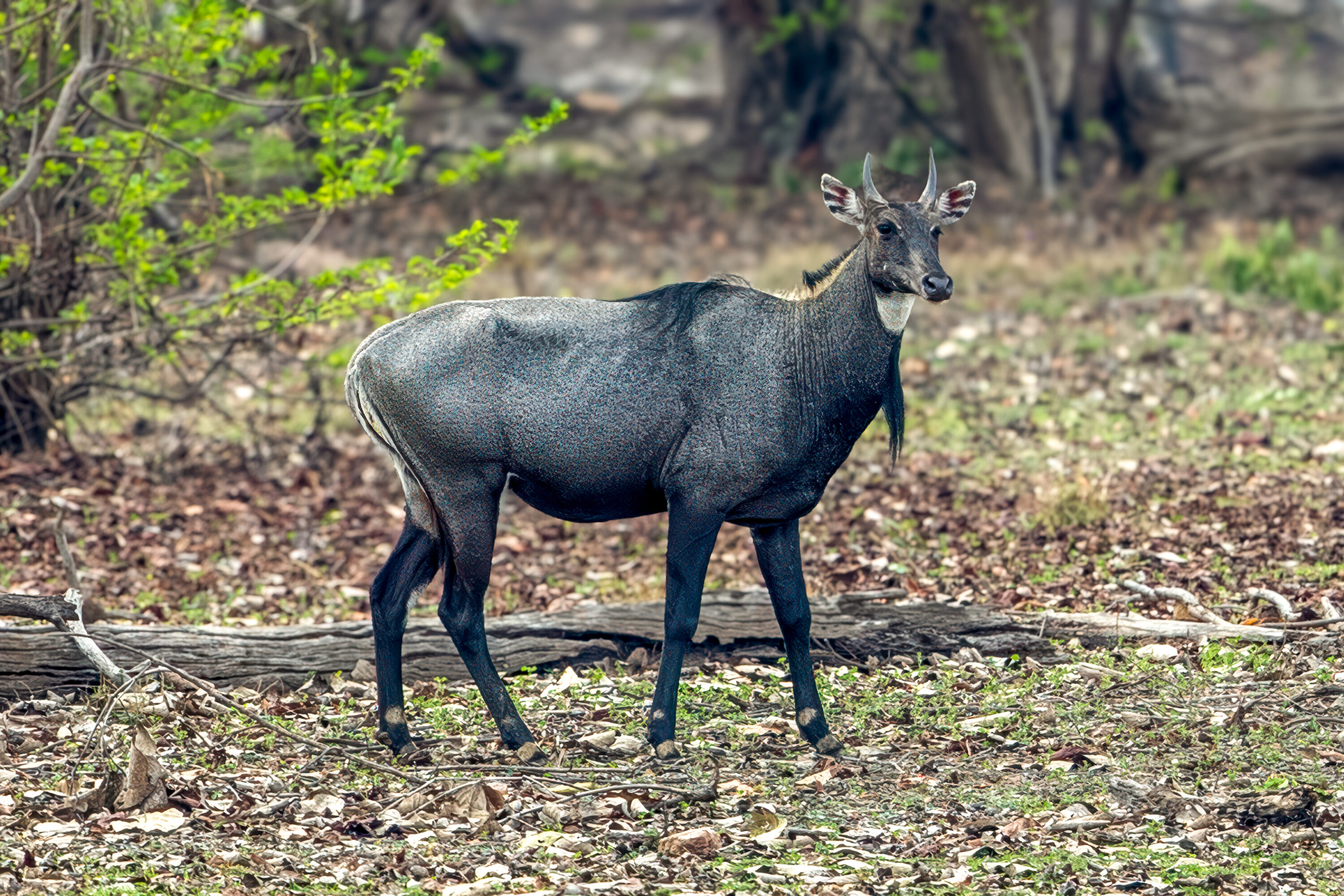
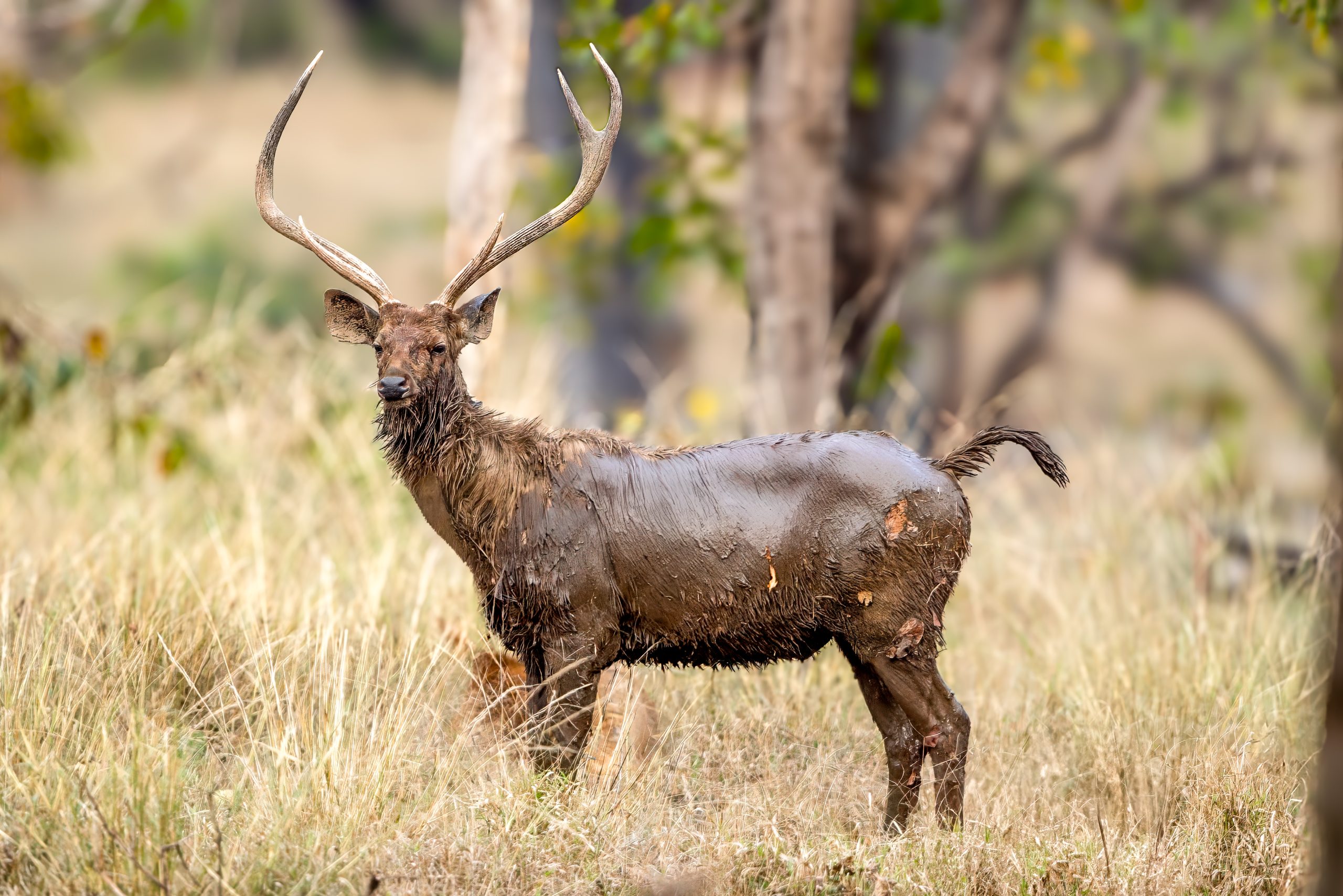
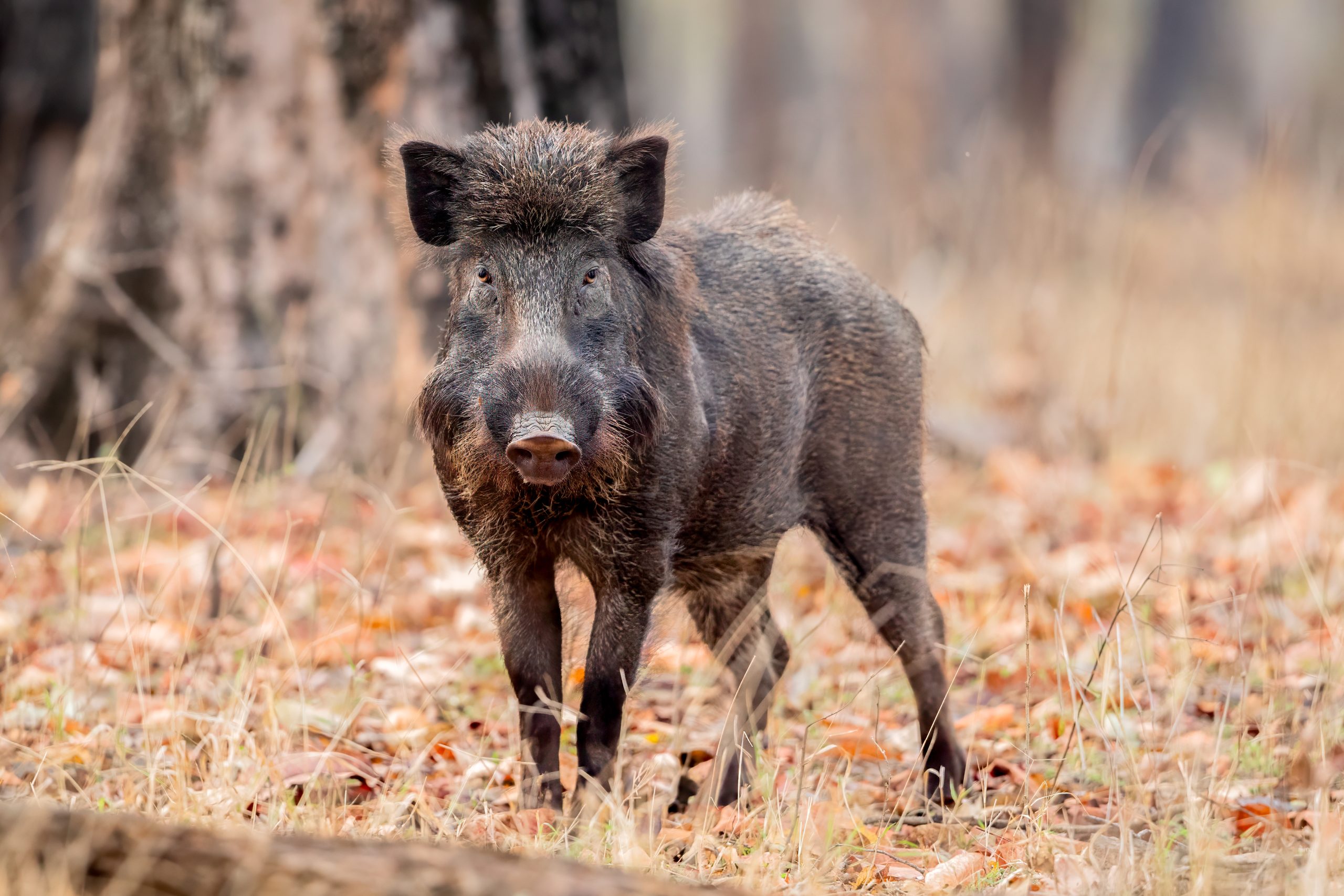
Across seven survey occasions between 2010 and 2022, researchers surveyed 28 systematically placed four-kilometre line transects across the reserve. A line transect is a fixed route that observers repeatedly walk while recording animals and their distance from the route; those detections are then used to estimate animal density rather than treating the raw number seen as the population size. The monitored prey were chital (Axis axis), four-horned antelope (Tetracerus quadricornis), nilgai (Boselaphus tragocamelus), sambar (Rusa unicolor) and wild boar (Sus scrofa). Chital density increased over the study period, while sambar, nilgai and four-horned antelope remained broadly stable. Wild boar numbers fluctuated.
Prey recovered before a resident tiger population did
Kawal was designated a tiger reserve in 2012 and received increased protection, but the authors report that it lacked a resident tiger population. The authors report that 15 tigers dispersed into the reserve from a neighbouring population in Maharashtra during the previous decade. Only two of those animals were females, limiting the establishment of a breeding population.
The prey base could support about 36–41 tigers
Using the measured prey densities, the researchers estimated the prey-based carrying capacity of Kawal’s 893 km² core area. Here, carrying capacity means the number of tigers the measured prey base could theoretically provide enough food for; it is not a prediction that this many tigers will actually establish. A model based on the number of prey animals estimated about 41 tigers in 2022, while a model that instead weighted prey by biomass—giving larger animals such as sambar and nilgai more importance as food—estimated about 36. The prey-based carrying capacity increased substantially over the monitoring period as the prey base improved.
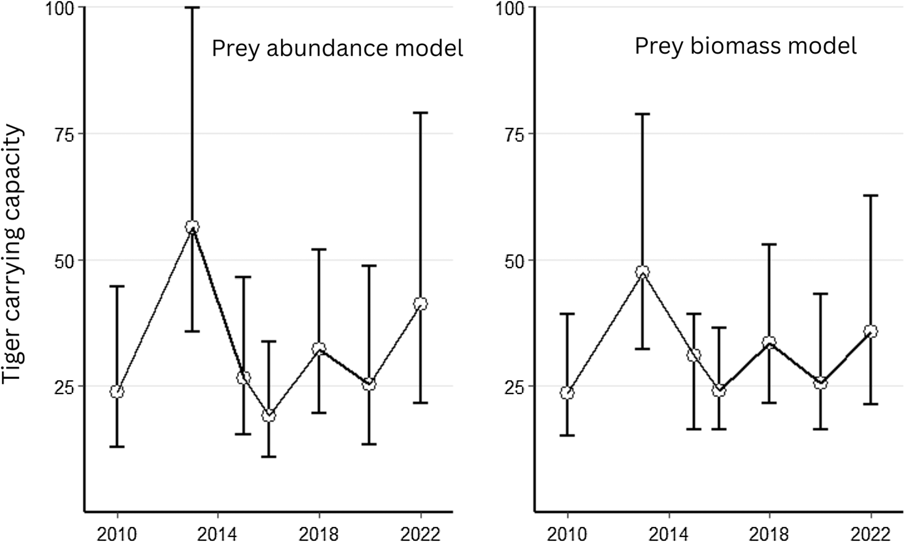
The study therefore separates two requirements for tiger recovery: sufficient food and the ability of breeding animals to reach and remain in the reserve. The authors conclude that prey availability is no longer the main limitation in Kawal. Establishing a population of more than 30 tigers may instead require better connectivity with neighbouring source populations and either reintroduction or assisted dispersal of females.
Ecology
Related news
Human Activity and Large Wildlife Overlapped Most in Chitwan’s Buffer Zone
Camera traps across Chitwan National Park and surrounding forests showed the greatest overlap of human activity with large…
Read story →
How Deer and Gaur Share Kanha’s Food Supply
In India’s Kanha National Park, Sambar and Gaur ate much the same food in winter but found it…
Read story →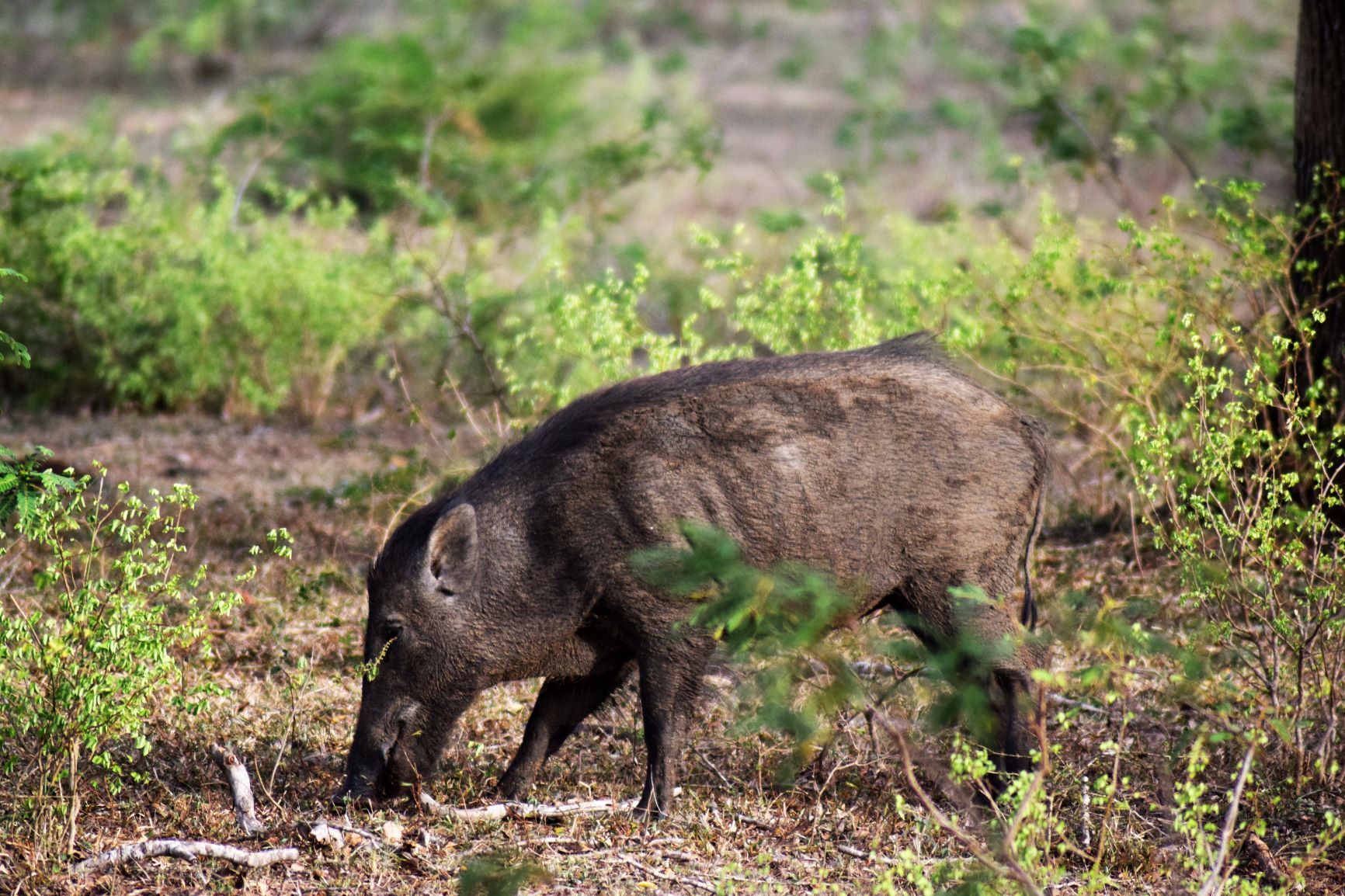
Maps Show Where Wild Boar Could Thrive and Spread on Jeju Island
Researchers mapped potentially suitable wild-boar habitat across roughly 36% of Jeju Island and identified eight possible corridors linking…
Read story →SPECIES IN THIS STORY
Species in this story
Independent research and conservation news archive
Did you find this information useful?
Wildlife Vagabond is independently built and maintained. Voluntary support helps cover source verification, hosting and continued work on research and conservation news.
Support Wildlife VagabondThe news archive will remain freely available.