
Cormorant and Large-Gull Counts Fell at a Danish Pound Net, but the Difference Disappeared Within Weeks
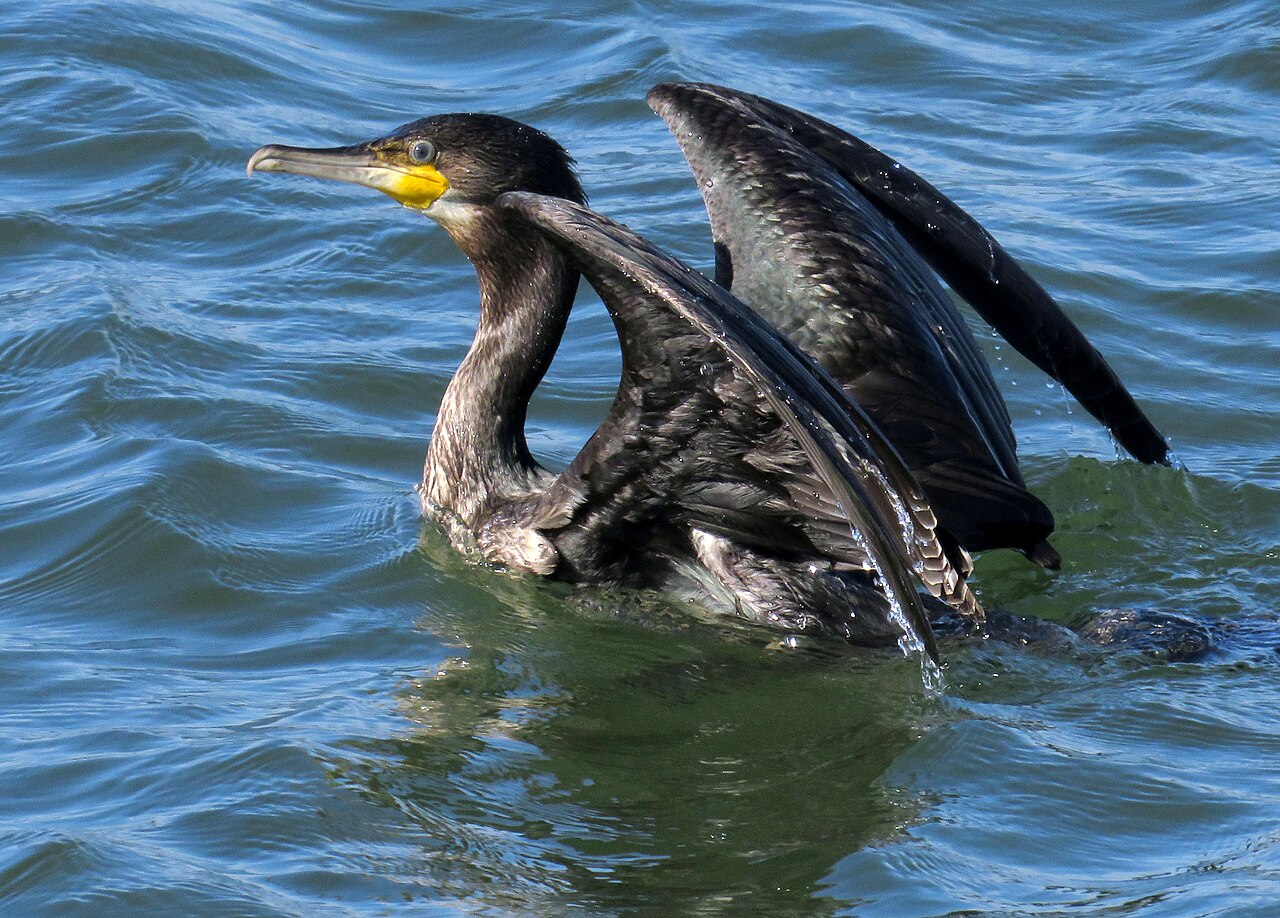
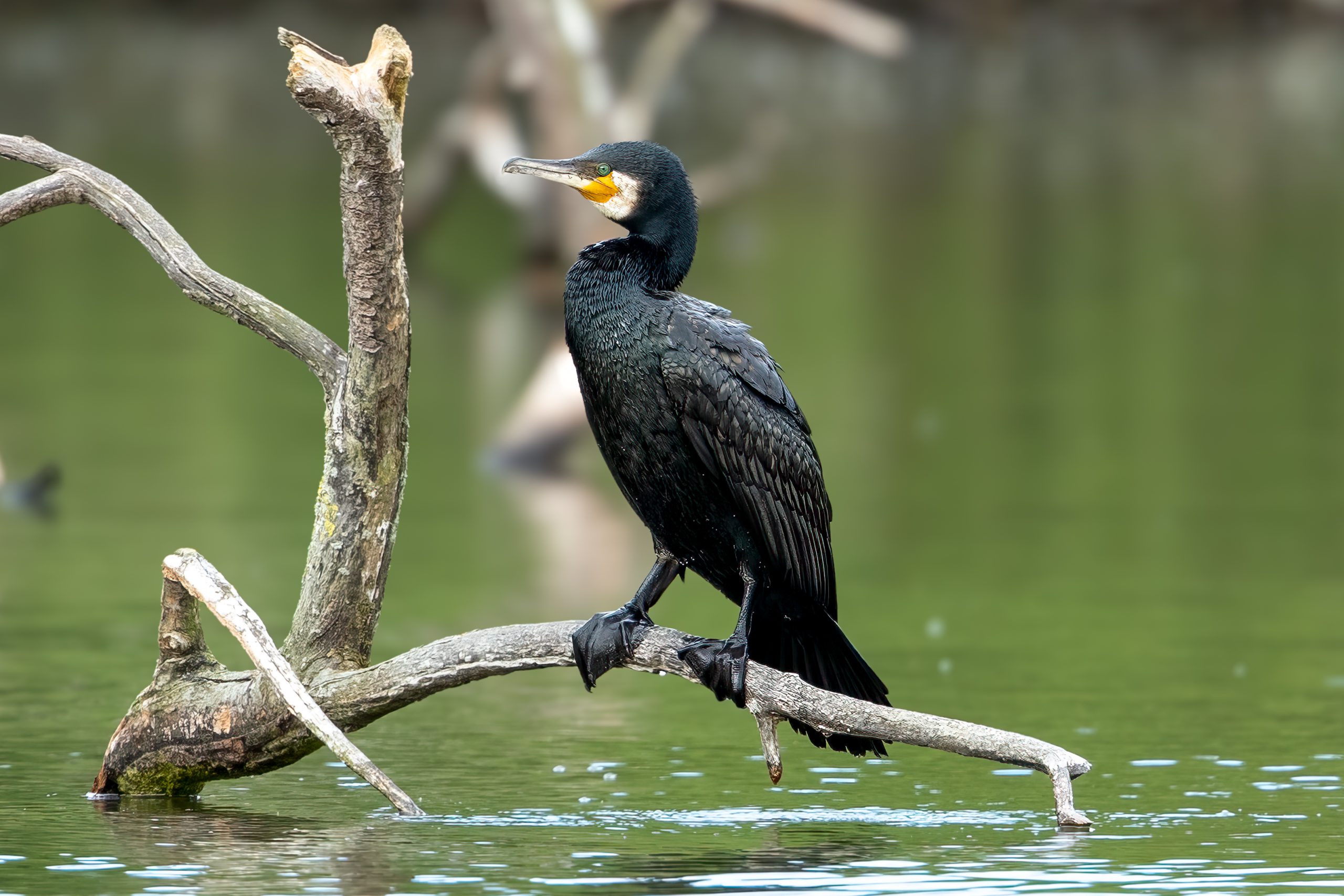
A 46-day field trial at two Danish pound nets found that great cormorants (Phalacrocorax carbo) and large gulls were much less numerous beside the net fitted with two Looming-Eye Buoys shortly after the devices were installed, but the difference was no longer detectable by the end of the experiment.
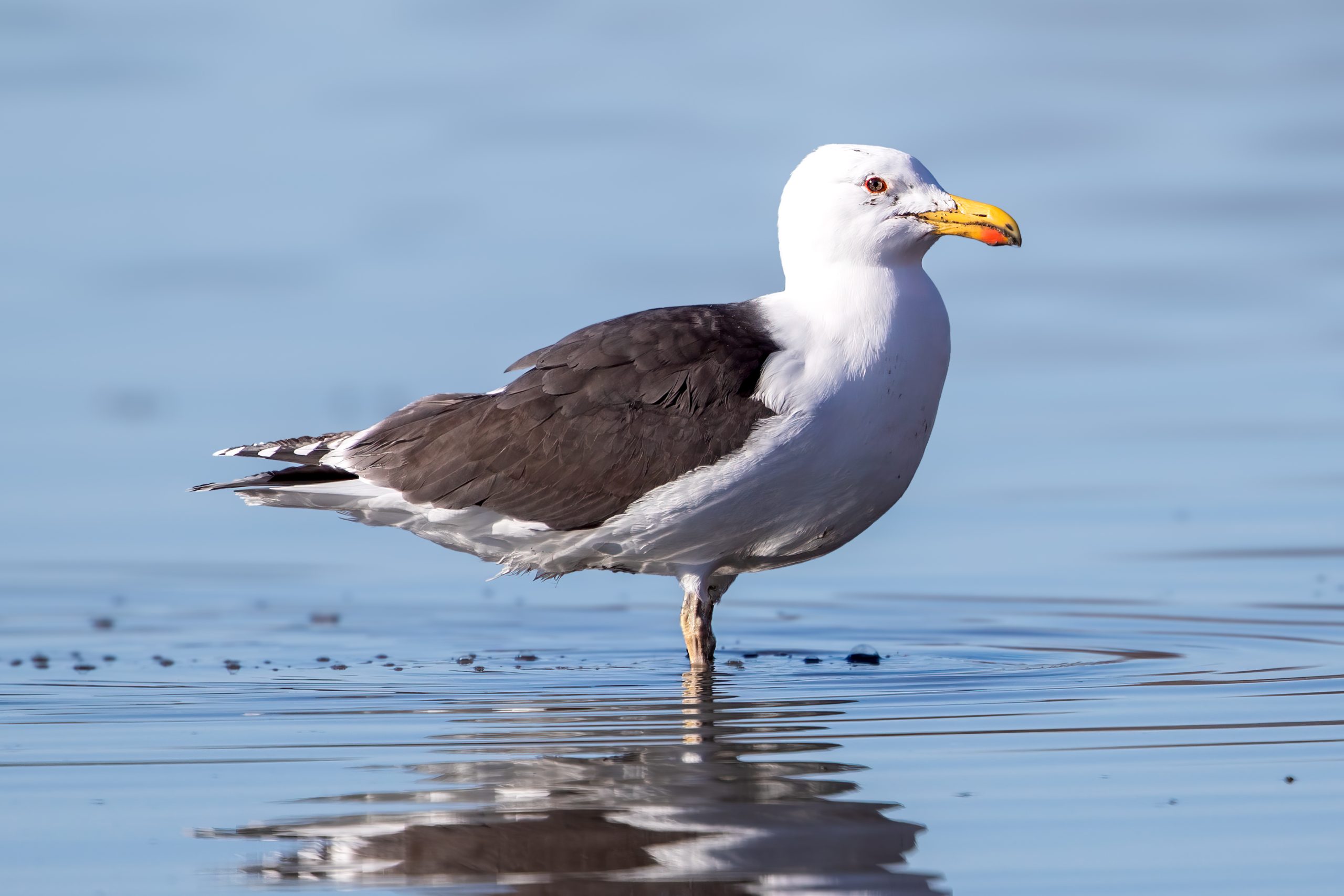
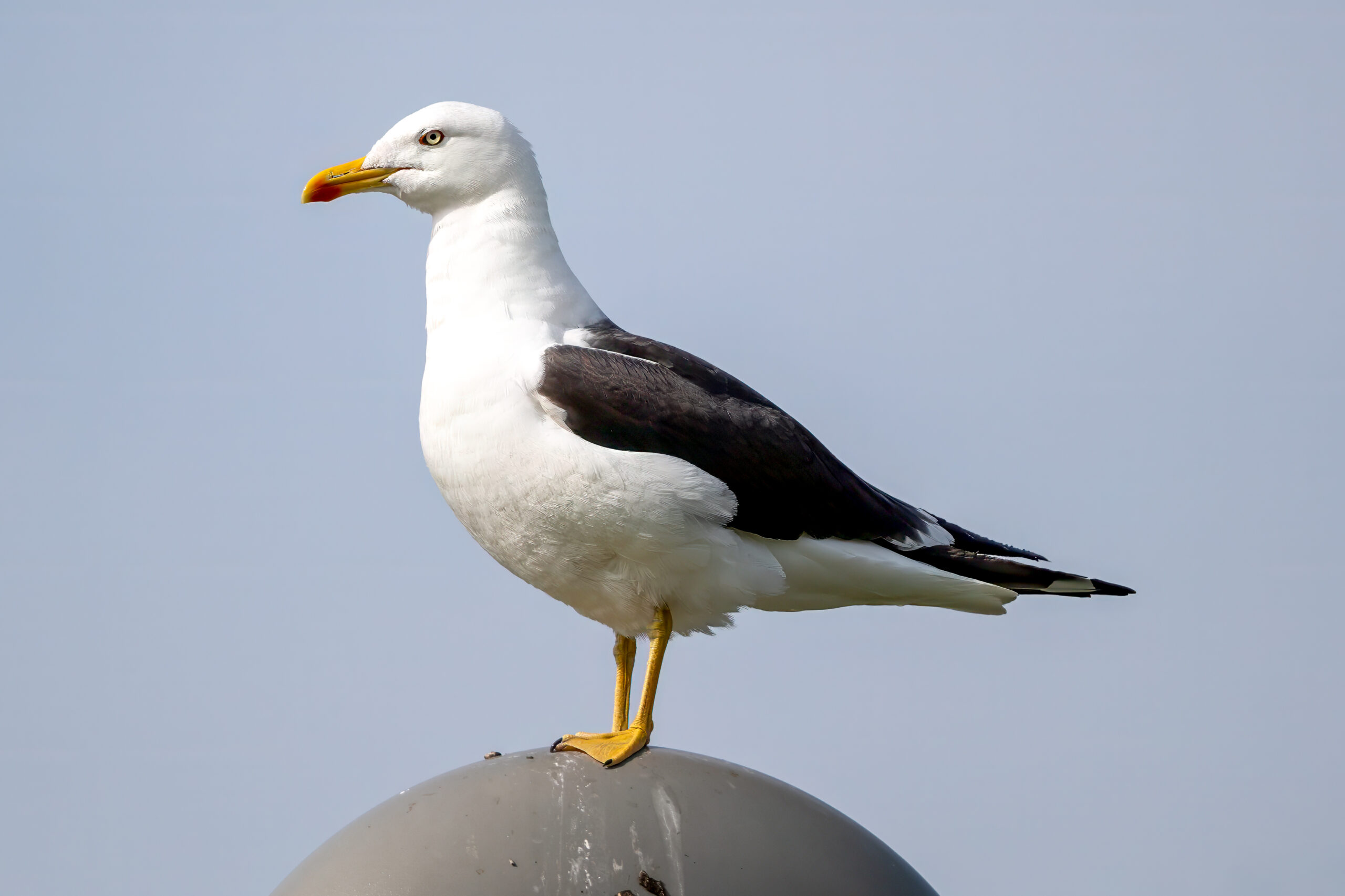
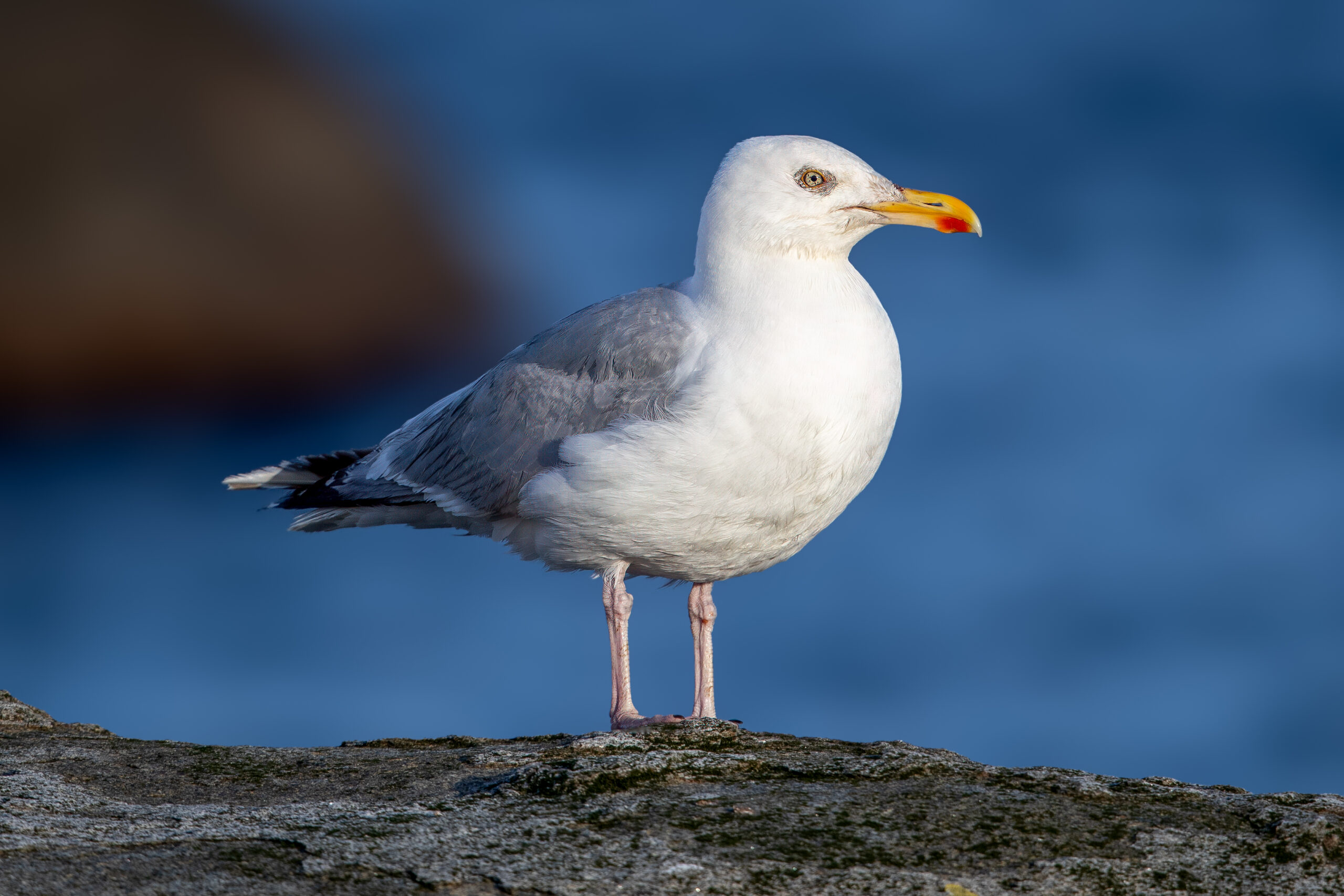
The study, published on 13 May 2026, focused on great cormorants and three large gull species: Great Black-backed Gull (Larus marinus), Lesser Black-backed Gull (Larus fuscus) and European Herring Gull (Larus argentatus). The three gull species were analysed together as “large gulls”, so the study does not provide separate deterrent effects for each gull species.
One treated pound net was compared with one control
The researchers worked near Korsør, Denmark, from late April to June 2021. A pound net is a fixed fishing system that guides fish through netting into a chamber where they become concentrated and easier to catch. Fish-eating birds can exploit this concentration and may remove fish from the gear.
Two similar pound nets about 1.2 km apart were compared. Two Looming-Eye Buoys were placed beside the chamber of one net, while the other net remained untreated. The floating devices have rotating panels with eye-like patterns of different sizes; movement makes the pattern appear to expand, mimicking an object or predator approaching the bird.
During the 46 days, researchers counted 1,037 birds of at least nine species at the two sites. Birds were recorded while swimming or diving in and around the net chamber or while perching on the pound-net poles.
Bird numbers fell strongly at first
Four days after the buoys were deployed, the modelled combined count of great cormorants and large gulls was almost four times lower at the treatment net than at the control net. Significant differences were still detected on several later observation days.
When the groups were analysed separately, great cormorants were significantly less numerous at the treatment site on days 9, 17 and 23. Large gulls differed significantly on days 9, 17, 21, 32 and 37. By day 46, neither group showed a statistically supported difference between the two sites.
The fading response was interpreted as habituation
The authors interpret the declining effect as habituation. Habituation is a form of learning in which repeated exposure to a harmless stimulus produces a weaker behavioural response over time. If birds repeatedly encounter the moving eye pattern without any real attack or other negative consequence, they can learn that the stimulus is not a serious threat.
This interpretation fits the temporal pattern, but the experiment cannot prove habituation directly because the birds were not individually marked and their learning was not measured. Changes in which birds visited the site could also contribute to the observed counts.
The study measured birds, not fish saved
The trial measured how many birds were present around the two pound nets. It did not provide separate catch data for the treatment and control nets, so the researchers could not test whether the temporary reduction in bird numbers increased the fishermen’s catch or reduced the actual amount of fish taken by birds.
The experimental design also had only one treated site and one control site. Any unmeasured difference between those two pound nets — for example in local fish abundance, surrounding habitat or bird use — could therefore have contributed to the contrast.
The authors conclude that Looming-Eye Buoys produced a strong but short-lived reduction in the observed number of fish-eating seabirds at the treated pound net. Because the difference disappeared and the design was limited to a single treatment–control pair, they do not recommend the devices as a stand-alone long-term solution for seabird depredation at pound nets.
Human–wildlife conflict
Related news
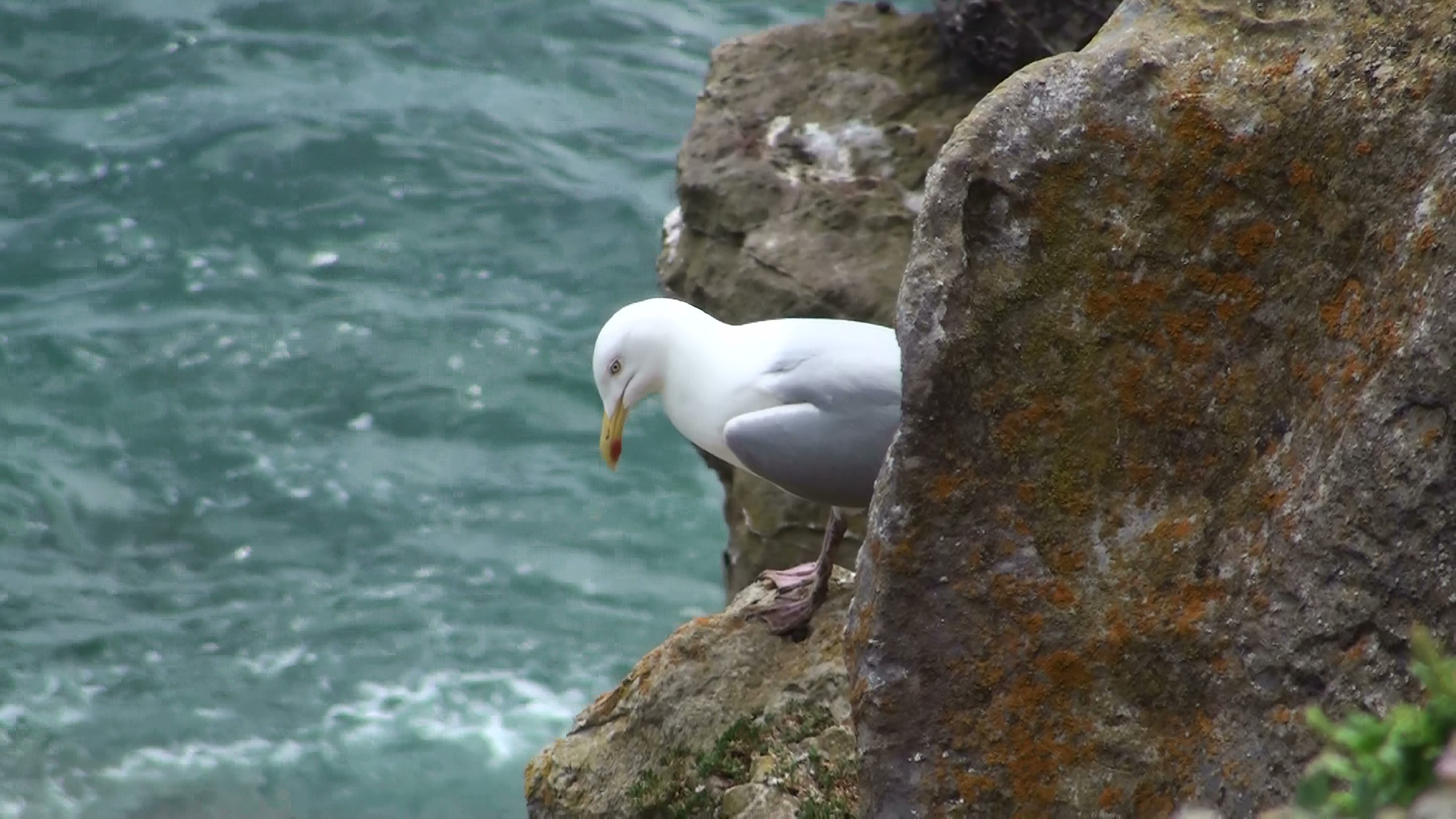
Winter Gull Survey: Great Black-backed Gull Fell 66%, Lesser Black-backed Gull 47%, Herring Gull Stayed Near 720,000
Britain’s first comprehensive winter-gull survey in two decades estimated 66.3% fewer great black-backed gulls and 47.2% fewer lesser…
Read story →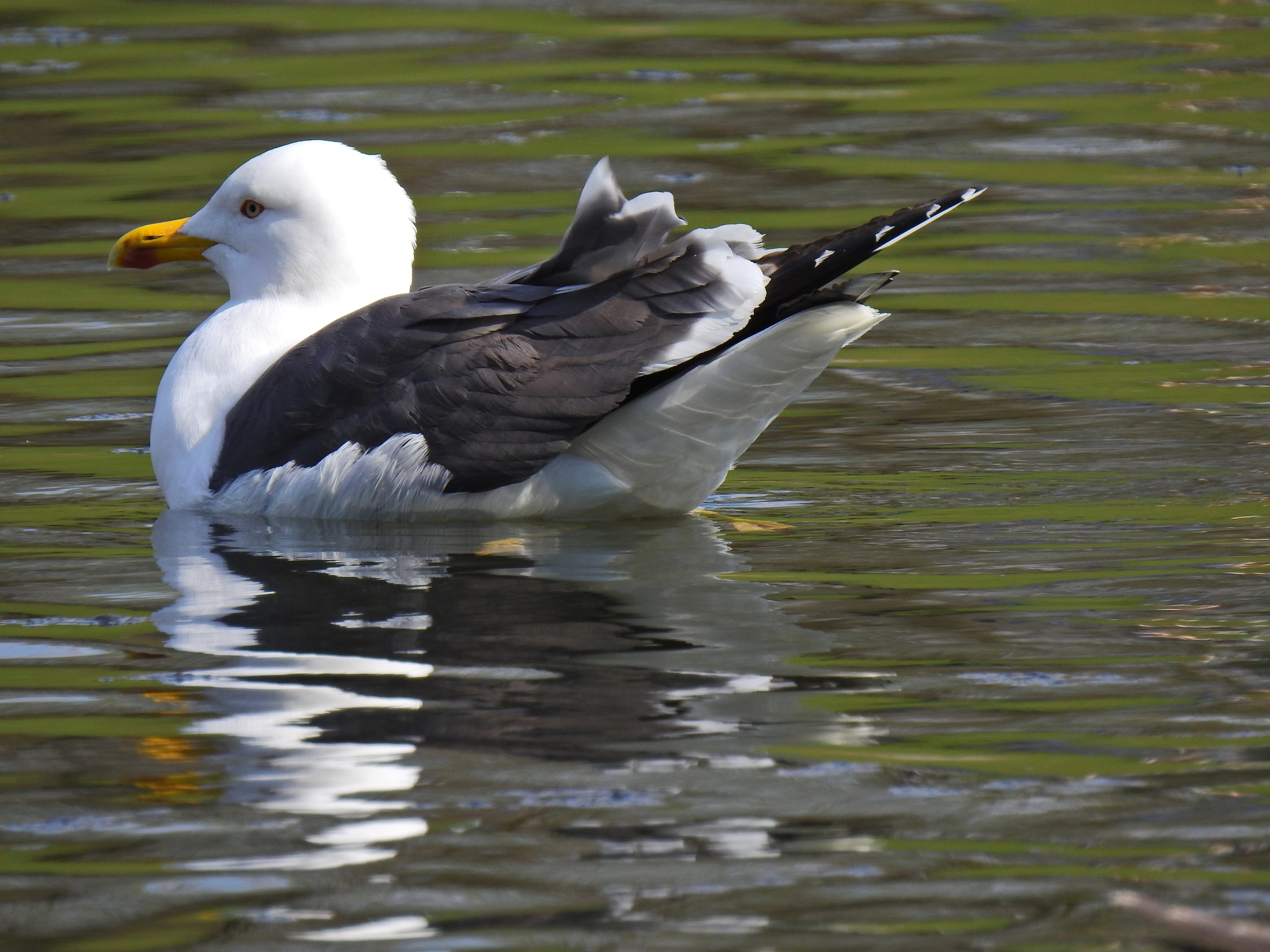
UK Seabird Monitoring Found Steep Declines While Great Black-backed Gull Trends Split Between Scotland and Wales
The 2026 UK seabird statistic reported long-term declines of 72% in natural-nesting lesser black-backed gulls, 51% in natural-nesting…
Read story →
Scotland Requires Five-Year Population Reports for Five Gull Species
Scotland’s Natural Environment Act 2026 requires recurring five-year reports on coastal and urban populations of five named gull…
Read story →SPECIES IN THIS STORY
Species in this story
Independent research and conservation news archive
Did you find this information useful?
Wildlife Vagabond is independently built and maintained. Voluntary support helps cover source verification, hosting and continued work on research and conservation news.
Support Wildlife VagabondThe news archive will remain freely available.