
Microplastics Were Found in 77 of 559 Pellets From Eight Italian Bird Species
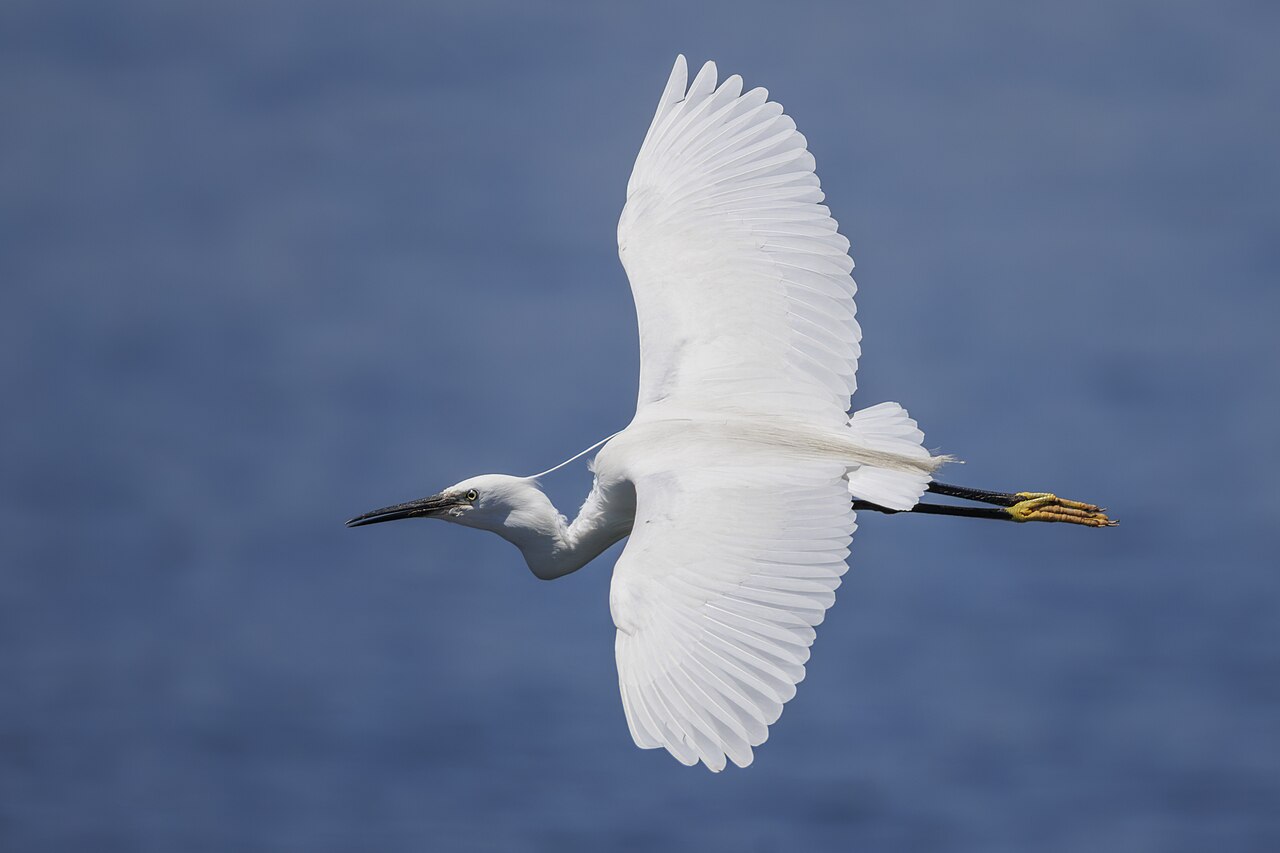
An Italian study found microplastics in 77 of 559 regurgitated bird pellets collected from eight species between 2018 and 2026. The main aim was to test whether pellets can provide a non-invasive way to monitor microplastic contamination across terrestrial and freshwater food webs and environments with different levels of urbanisation.
Microplastics are plastic particles smaller than 5 mm. Birds can ingest them directly from the environment or indirectly through contaminated prey. Many birds later regurgitate indigestible food remains as pellets, so plastic particles in those pellets can provide a short-term record of exposure without capturing or killing the bird.
Microplastics occurred in 13.8% of the pellets
The researchers identified 78 microplastic items in 77 pellets, equivalent to 13.8% of the 559 samples. Fibres accounted for 59.0% of the particles, fragments for 23.1% and films for 17.9%.
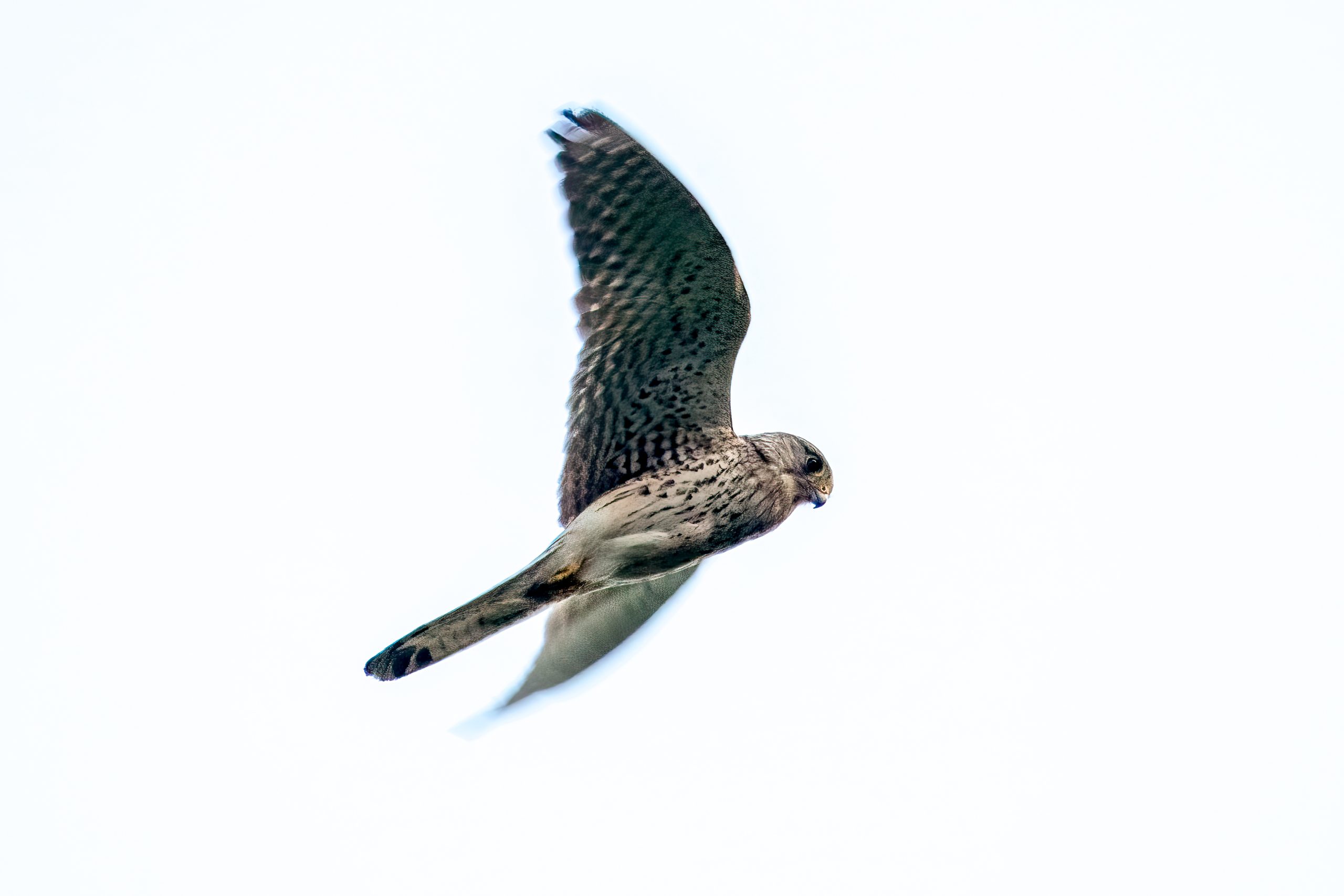
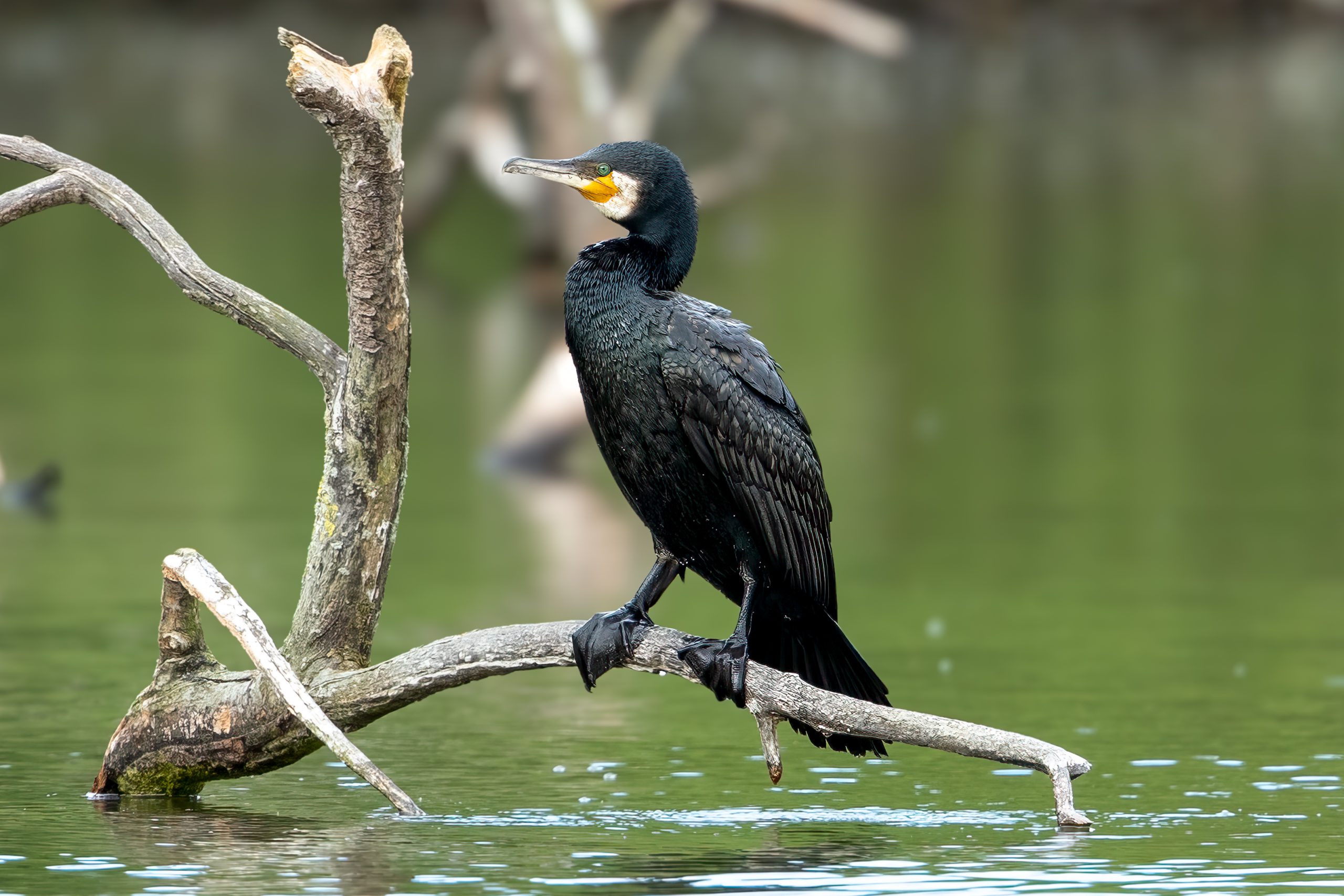
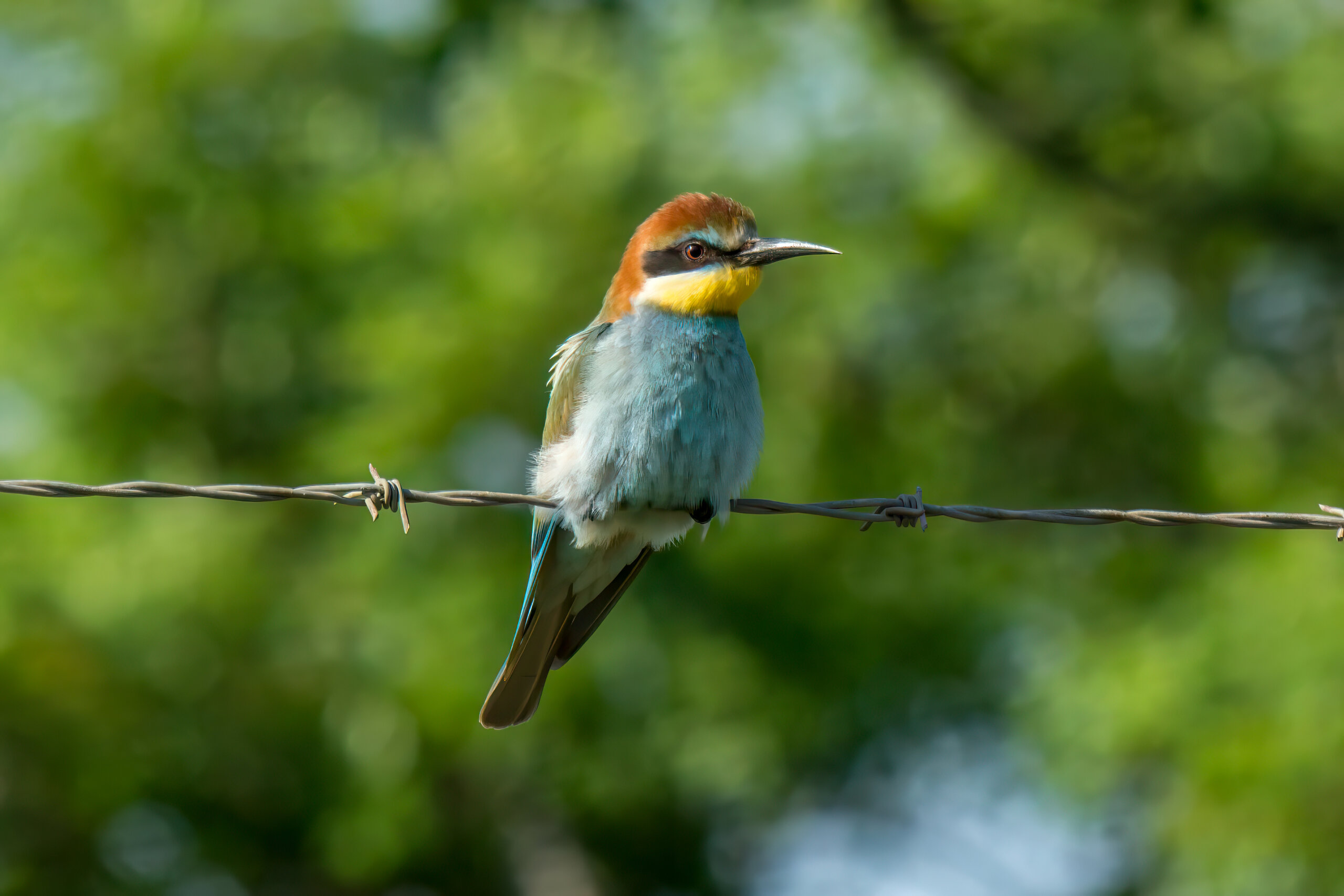
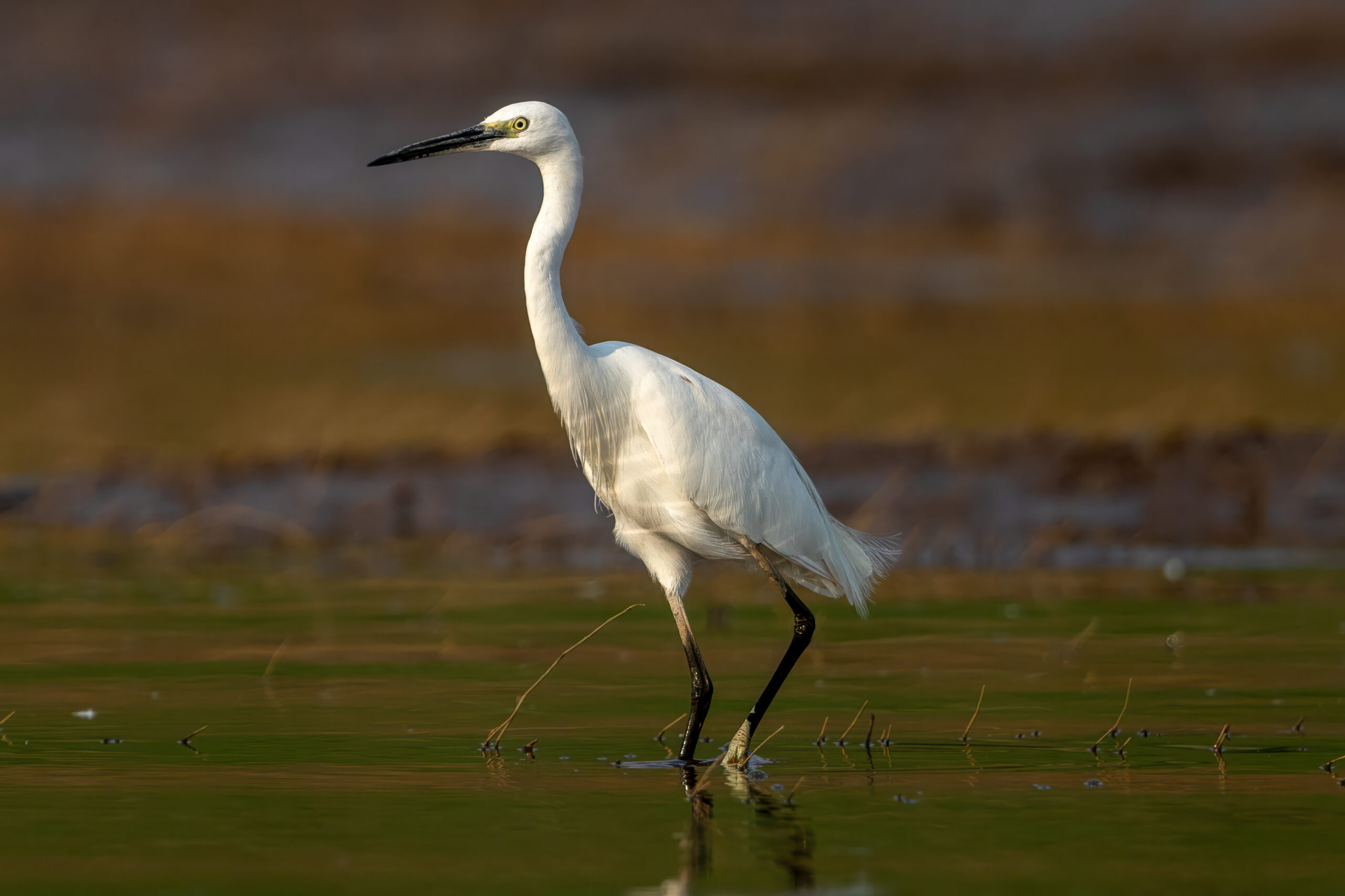
The pellets came from common kestrel (Falco tinnunculus), great cormorant (Phalacrocorax carbo), European bee-eater (Merops apiaster), little egret (Egretta garzetta), barn owl (Tyto alba), little owl (Athene noctua), long-eared owl (Asio otus) and Eurasian scops owl (Otus scops), mainly at sites in Lazio in central Italy.
The most urbanised site had the highest occurrence
Microplastics were significantly more frequent at the most urbanised sampling site. The highest reported proportions of pellets containing microplastics were 30.0% in common kestrel, 29.6% in long-eared owl and 27.1% in barn owl samples, all associated with urban environments.
These percentages should not be treated as a simple species ranking. The species were not all sampled at the same sites or under identical environmental conditions, so differences can reflect where the pellets were collected as well as the birds’ diets and ecology. The stronger result is the study’s spatial pattern: more microplastics were found in pellets from the most human-modified environment.
Pellets can monitor exposure but not total plastic retained in birds
The researchers took steps to reduce contamination after pellets were regurgitated. Where possible, for example at a great cormorant winter roost near Lake Bracciano, pellets were collected directly from tree branches rather than from the ground. In the laboratory, particles were isolated and their polymer identity checked spectroscopically.
Pellet analysis nevertheless has limits. It cannot capture every particle a bird ingested, does not measure plastic retained elsewhere in the body and can be affected by species-specific feeding and pellet-producing behaviour. The authors therefore present it as a complementary environmental monitoring tool rather than a direct measure of total plastic burden in individual birds.
The study suggests that repeated, standardised pellet sampling could provide a relatively inexpensive way to track how microplastic exposure varies among food webs, places and years, especially in terrestrial systems where contamination has been studied less extensively than in marine environments.
Other research
Related news
Waterbird Nest Counts Nearly Halved at an Indian Wetland, but Bird Numbers Showed No Clear Decline
At Vettangudi Bird Sanctuary in India, recorded waterbird nests fell from 396 to 190 across eight sampled breeding…
Read story →
Kestrels Had More Densely Packed Mucous Glands Than Storks
A small study in Türkiye found roughly twice the density of mucus-producing glands in common kestrels’ windpipes as…
Read story →
Usutu Virus RNA Was Found Nearly Three Times as Often as West Nile Virus RNA in Southern France
Among 2,533 wild birds from 69 species in southern France, Usutu virus RNA was detected in 12.0% and…
Read story →SPECIES IN THIS STORY
Species in this story
Independent research and conservation news archive
Did you find this information useful?
Wildlife Vagabond is independently built and maintained. Voluntary support helps cover source verification, hosting and continued work on research and conservation news.
Support Wildlife VagabondThe news archive will remain freely available.