
No Pesticide Residues Detected in Starling Faeces in Farmland Insectivore Study
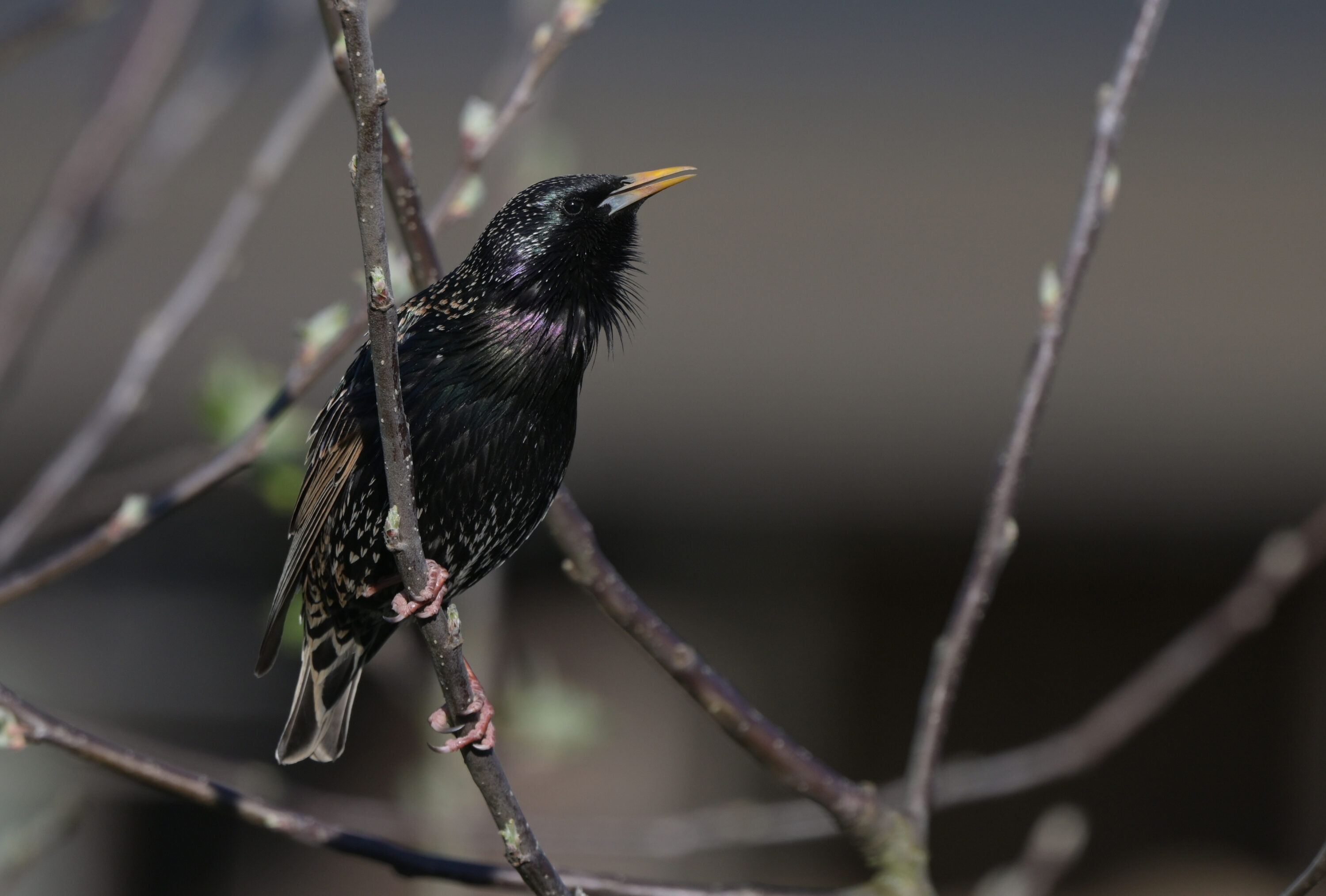
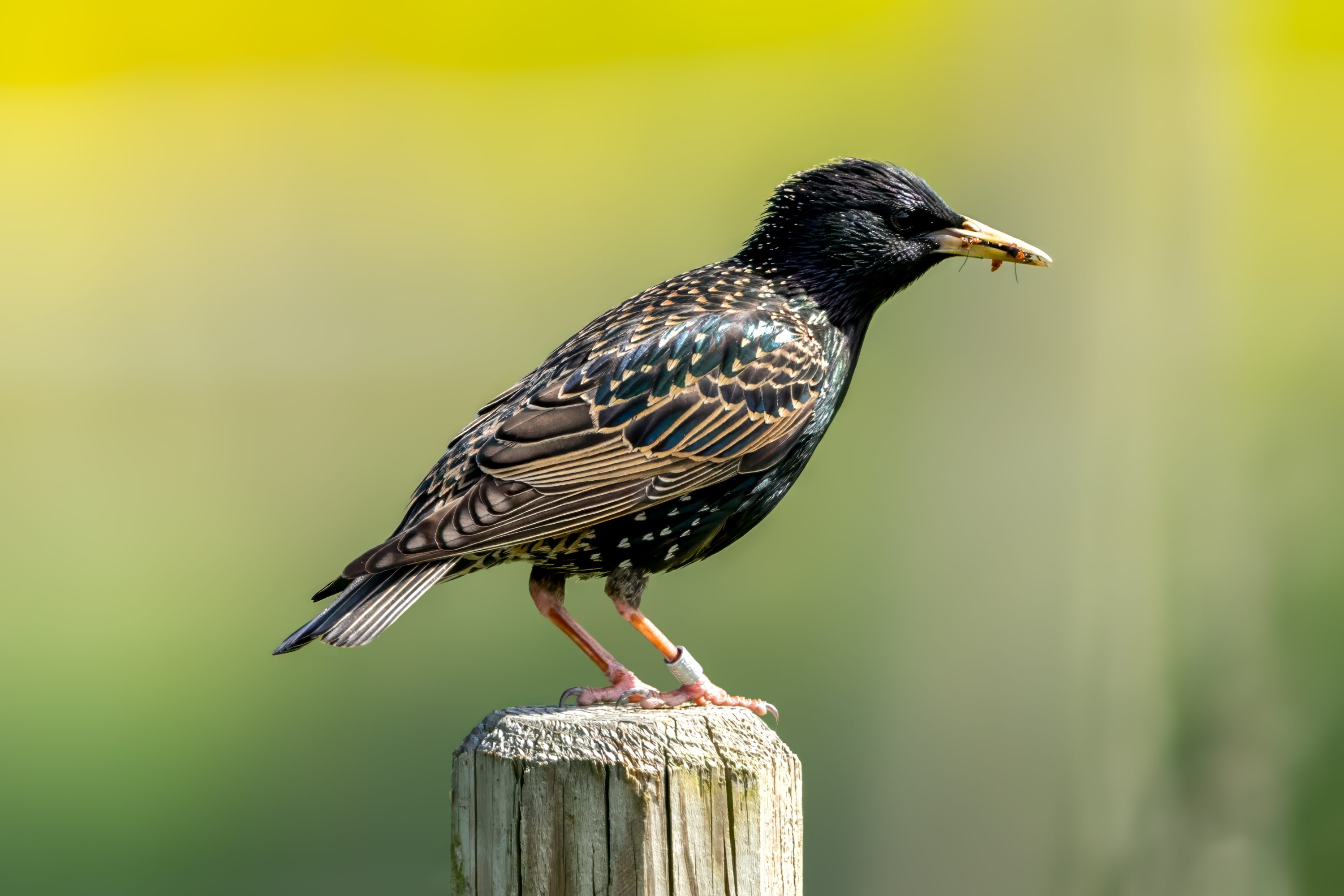
A German study of insect-eating birds and bats in agricultural landscapes found a strong link between the use of aquatic habitats and the pesticide residues detected in faeces. No analysed substances were detected in samples from common starlings (Sturnus vulgaris), while residues and metabolites occurred in three species that used aquatic habitats more strongly. Metabolites are products formed when a pesticide is transformed or broken down in organisms or the environment, so they can also reveal previous exposure.
The study was first published online on 26 April 2026 in Environmental Pollution. The researchers combined chemical analysis of faecal samples with high-resolution GPS movement data. The tracking data showed how strongly each species selected areas around small water bodies, allowing the authors to compare that habitat use with the pesticide compounds found in faeces. This tested whether predators feeding near water could be exposed to pesticides carried onto land by aquatic insects after they emerge as winged adults.
Aquatic insects can move contaminants onto land
Many insects spend their larval stage in water before emerging as flying adults. If contaminated water contains agricultural chemicals, these insects can potentially transfer residues into terrestrial food webs when they are eaten by birds and bats.
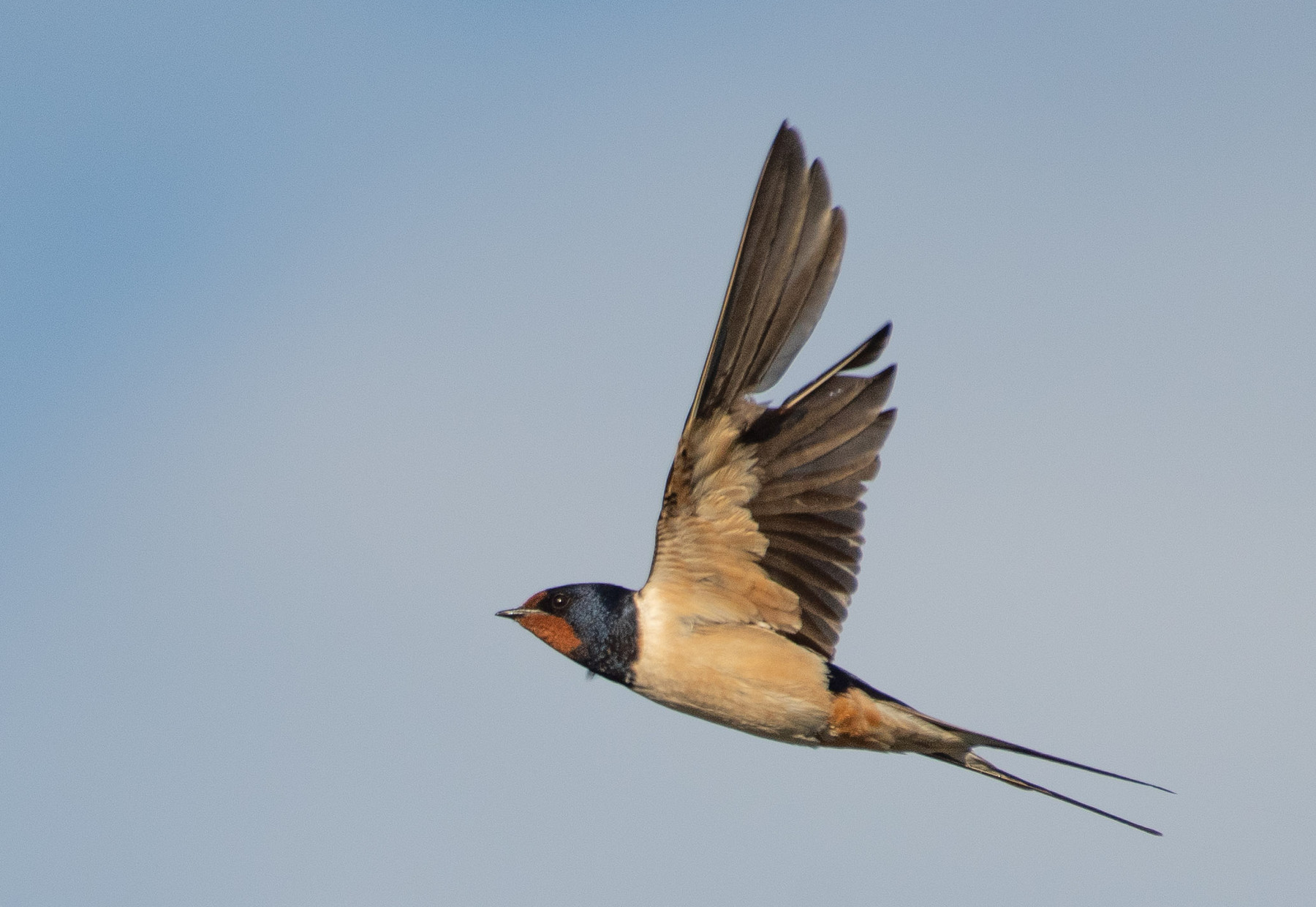
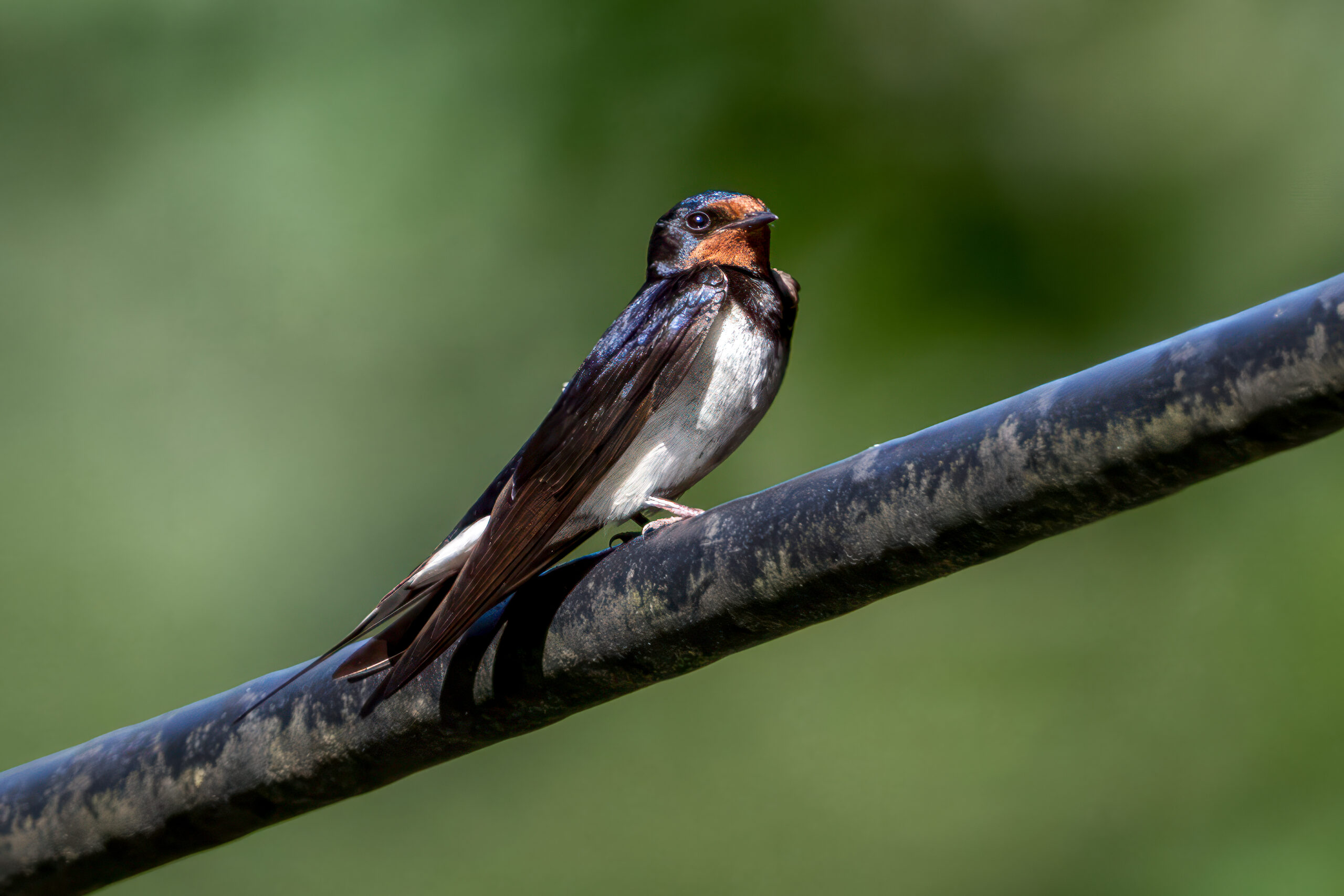
The researchers compared four insectivorous species with different foraging strategies and different degrees of association with aquatic habitats. Barn swallows (Hirundo rustica), western house martins (Delichon urbicum) and common noctule bats (Nyctalus noctula) showed stronger selection for aquatic habitats. Common starlings, in contrast, used more terrestrial habitats and are known to feed extensively on terrestrial insects.
Across the three more water-associated species, the researchers detected pesticide residues and metabolites from a range of compounds. The fungicide prochloraz was the most frequently detected substance. In the starling samples, none of the analysed pesticide residues or metabolites were detected.
Habitat use matched the pattern of exposure
The authors interpret the species differences as evidence that aquatic habitat use can increase the risk of exposure to pesticides moving from water to land through emerging insects. The starling result provides the terrestrial contrast in this comparison: its foraging ecology was associated with an absence of detections in the analysed faecal samples.
This does not mean that common starlings are generally unexposed to pesticides. The study tested particular samples for a defined set of substances, and the authors focus on the relationship between habitat use and this specific exposure pathway. Other pesticides, places, seasons or routes of exposure were not ruled out by the absence of detections in these samples.
The direct toxicological effects on the studied birds and bats were also not measured. The authors therefore describe the work primarily as evidence for a pathway by which contaminants can move through food webs, rather than as a demonstration of health effects in the animals.
A later correction changed some chemical names
A corrigendum published later in 2026 corrected the identities of several reported compounds and reclassified carbendazim from a current-use to a legacy pesticide. The correction did not change the central species-level result relevant here: no analysed pesticide residues or metabolites were detected in the common starling faecal samples.
Ecology
Related news
Usutu Virus RNA Was Found Nearly Three Times as Often as West Nile Virus RNA in Southern France
Among 2,533 wild birds from 69 species in southern France, Usutu virus RNA was detected in 12.0% and…
Read story →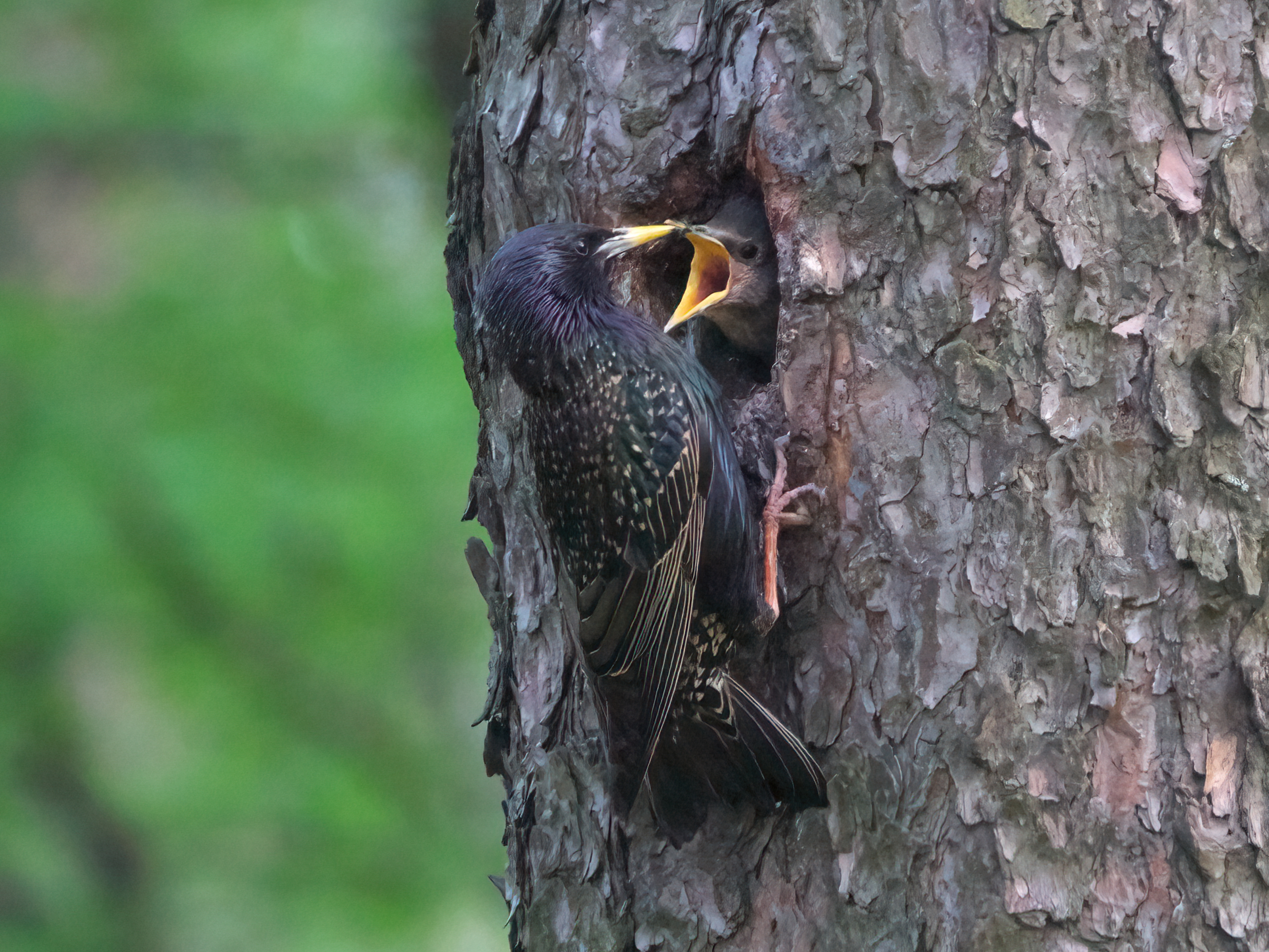
Common Starling Parents Called Less Often as Their Nestlings Grew Older
Common starling parents called on 62% of feeding visits when chicks were two days old but only 4%…
Read story →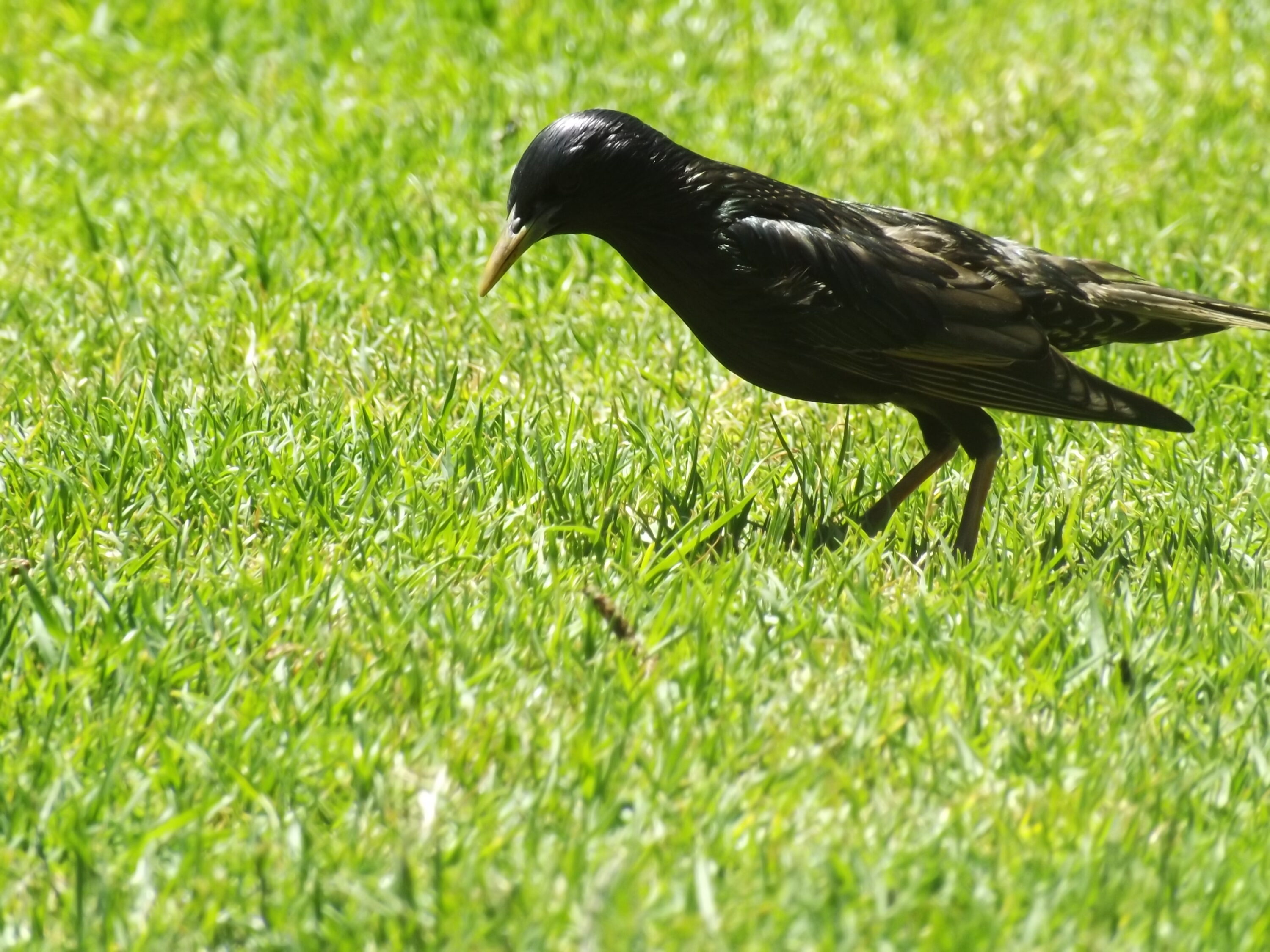
Recent Starlings in Western Australia Differed Genetically from the 2000s Population
Starlings detected in Western Australia in 2017–2024 were genetically distinct from birds sampled there in the 2000s, a…
Read story →SPECIES IN THIS STORY
Species in this story
Independent research and conservation news archive
Did you find this information useful?
Wildlife Vagabond is independently built and maintained. Voluntary support helps cover source verification, hosting and continued work on research and conservation news.
Support Wildlife VagabondThe news archive will remain freely available.