
Great Egret and Grey Heron Dominated Many Inland Heron Colonies in South Korea
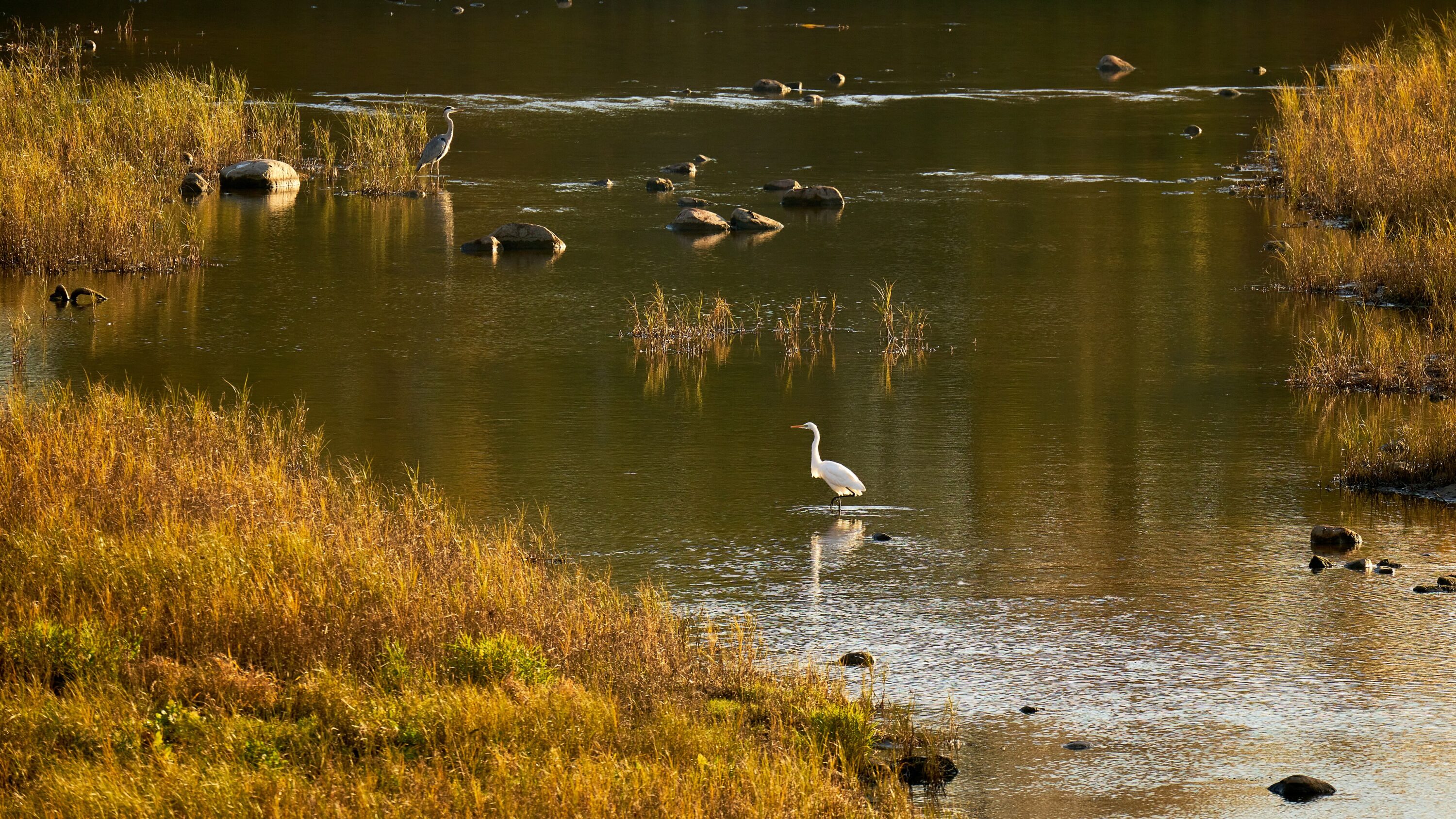
A nationwide analysis of colonial herons and egrets in South Korea found that grey heron (Ardea cinerea) and great egret (Ardea alba) were the predominant large-bodied species and dominated many inland colony assemblages, while medium- and small-bodied species were more concentrated in southern provinces and western coastal lowlands. The peer-reviewed study was published on 17 June 2026 in Scientific Reports.
Researchers compiled species-specific nest counts from 176 active breeding colonies surveyed during the 2018 and 2019 breeding seasons. Grey heron occurred at 166 colonies and great egret at 134. Medium egret (Ardea intermedia) was recorded at 54 colonies, little egret (Egretta garzetta) at 46, black-crowned night heron (Nycticorax nycticorax) at 45 and eastern cattle egret (Ardea coromanda), referred to as cattle egret in the study, at 40.
Regional structure was not uniform. Southern inland and southeastern colonies often formed large mixed aggregations dominated by grey heron and great egret. Colonies in metropolitan areas and western coastal plains more often included little egret, eastern cattle egret and black-crowned night heron, while central inland and east-coast colonies tended to be smaller and simpler, often with only one or two breeding species.
Six colony groups separated large-bodied and smaller-species assemblages
The researchers used a self-organizing map to classify colonies according to their combination and abundance of breeding species. A self-organizing map groups colonies with similar multi-species nest compositions without imposing predefined categories. The analysis produced six distinct colony groups that differed in dominant species, species richness and geographic distribution.
Two groups, III and VI, were strongly dominated by large-bodied species, which accounted for more than 90% of their nests. Group V showed the opposite structure: medium- and small-bodied species contributed more than 80% of nests. The remaining groups had more mixed compositions.
Different landscape variables mattered at different distances
They then compared those colony groups with surrounding land cover at five spatial scales: 500 metres, 1 kilometre, 3 kilometres, 5 kilometres and 10 kilometres. Random Forest models ranked which land-cover variables were most useful for distinguishing the colony groups at each distance. The models had only modest classification accuracy, so the authors treat them primarily as exploratory tools for comparing the relative importance of landscape variables rather than as precise predictors of colony-group identity. The environmental variables associated most strongly with colony identity changed with scale.
Built-up land, managed herbaceous vegetation and water-related cover were important at fine scales. Natural grasslands, bare land and tree-related vegetation became more prominent at intermediate scales, while broader land-use variables remained influential at 10 kilometres.
The authors conclude that the composition of mixed heron and egret colonies reflects landscape conditions operating at several nested spatial scales rather than at the immediate breeding site alone. They present the national analysis as a framework for understanding how future land-use change may reorganize the landscapes supporting colonial wading birds in South Korea.
Ecology
Related news
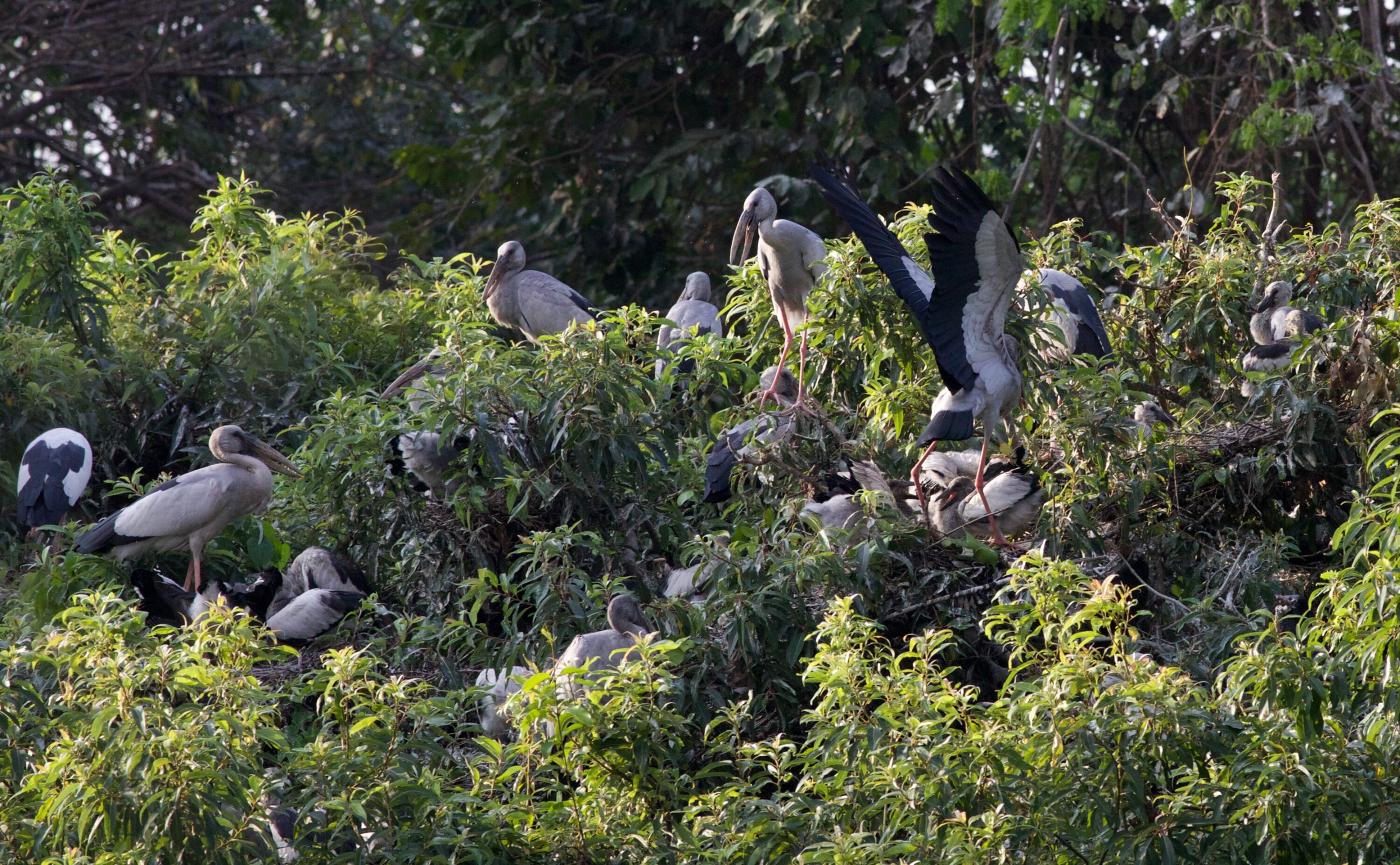
Waterbird Nest Counts Nearly Halved at an Indian Wetland, but Bird Numbers Showed No Clear Decline
At Vettangudi Bird Sanctuary in India, recorded waterbird nests fell from 396 to 190 across eight sampled breeding…
Read story →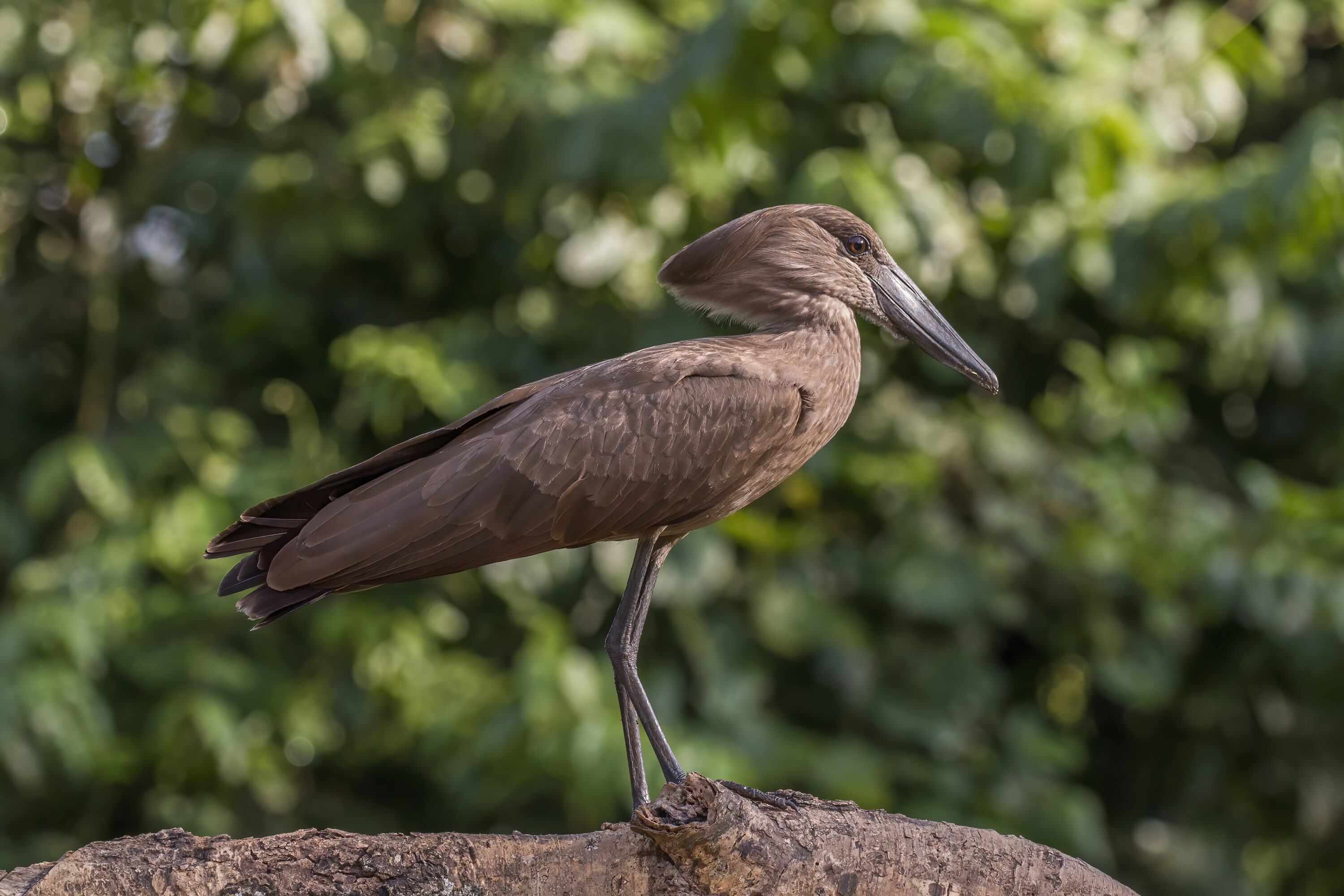
Haplorchis pumilio Was Found in Hamerkops and Great Cormorants in the Lake Victoria Basin
A 2026 Tanzanian study of intestinal trematodes in four fish-eating bird species detected Haplorchis pumilio in hamerkops and…
Read story →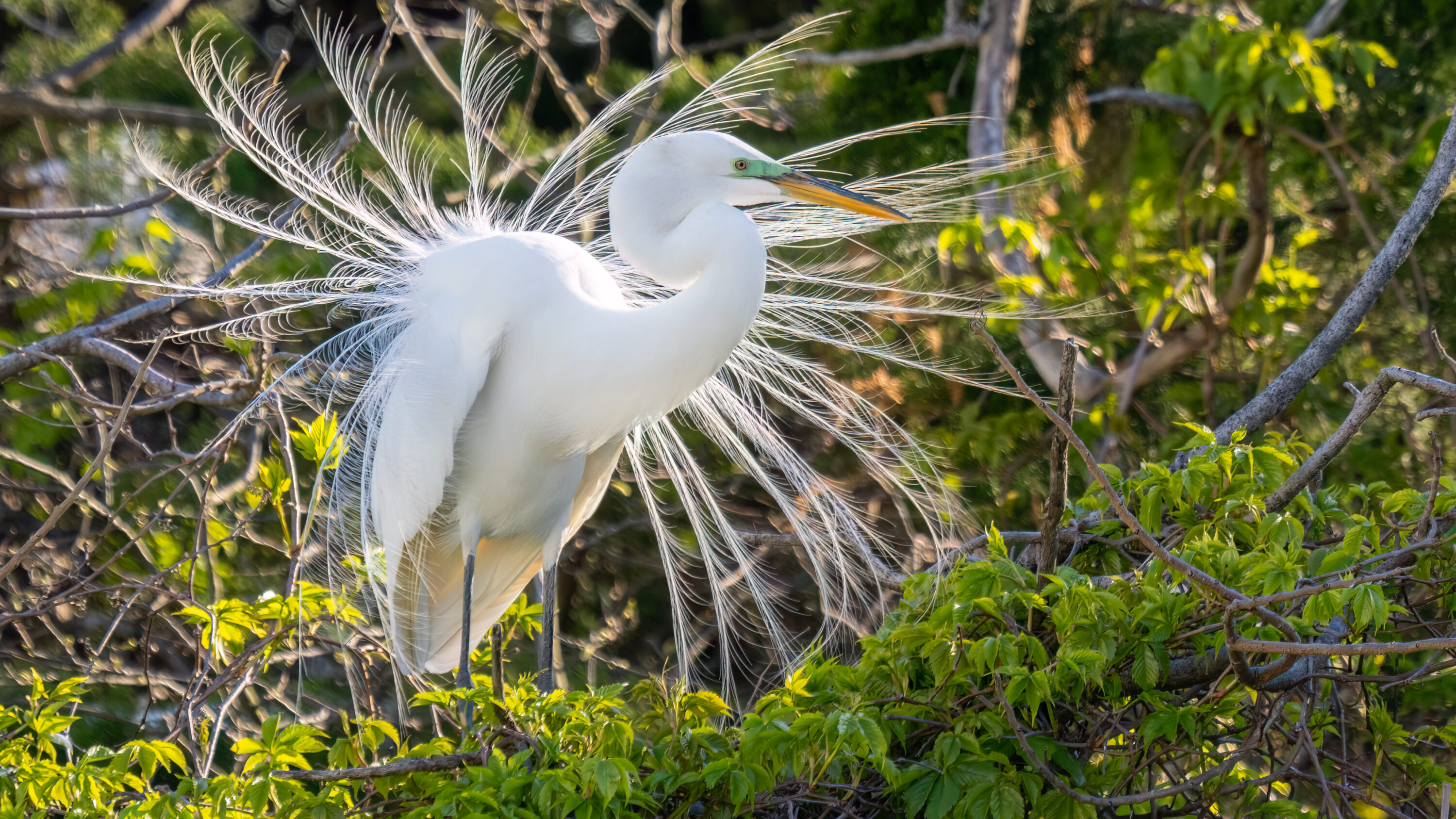
Great Egret Nesting Pairs Increased 96% While Black-crowned Night Herons Fell 55% in New York–New Jersey Harbor
A 22-year study found that great egret nesting pairs in New York–New Jersey Harbor increased 96% and snowy…
Read story →SPECIES IN THIS STORY
Species in this story
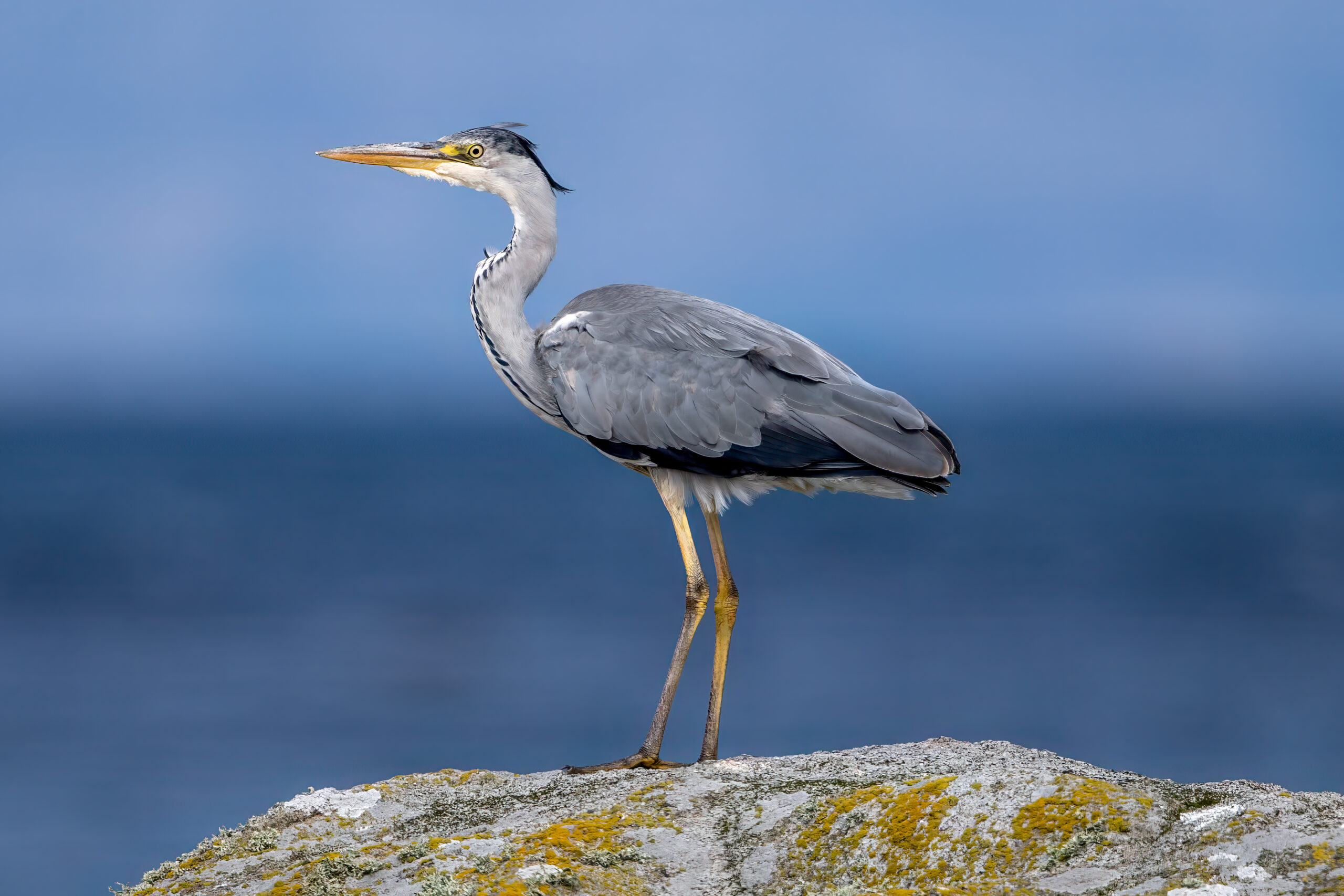 Grey Heron
Ardea cinerea Explore species →
Grey Heron
Ardea cinerea Explore species →
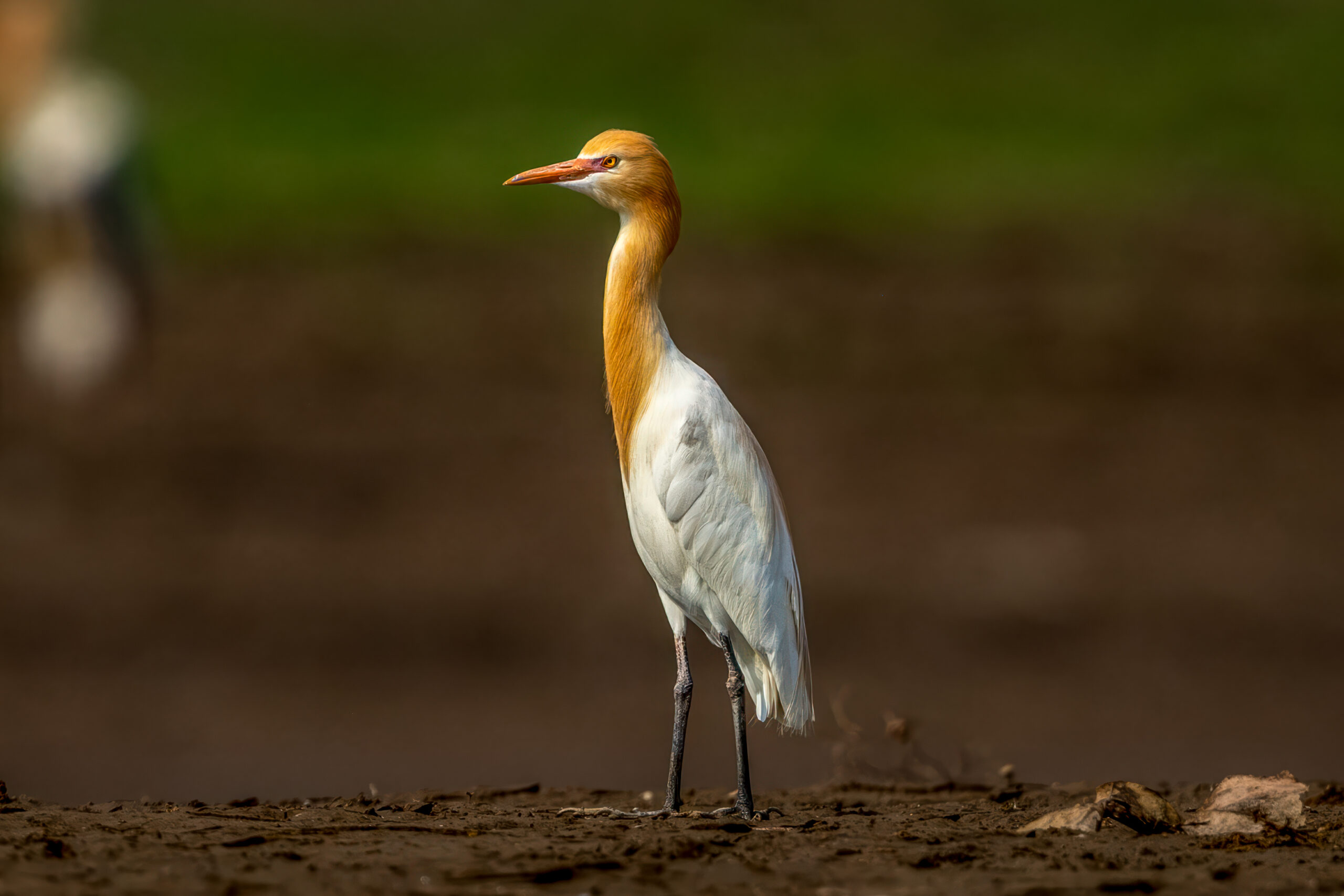 Eastern Cattle Egret
Ardea coromanda Explore species →
Eastern Cattle Egret
Ardea coromanda Explore species →
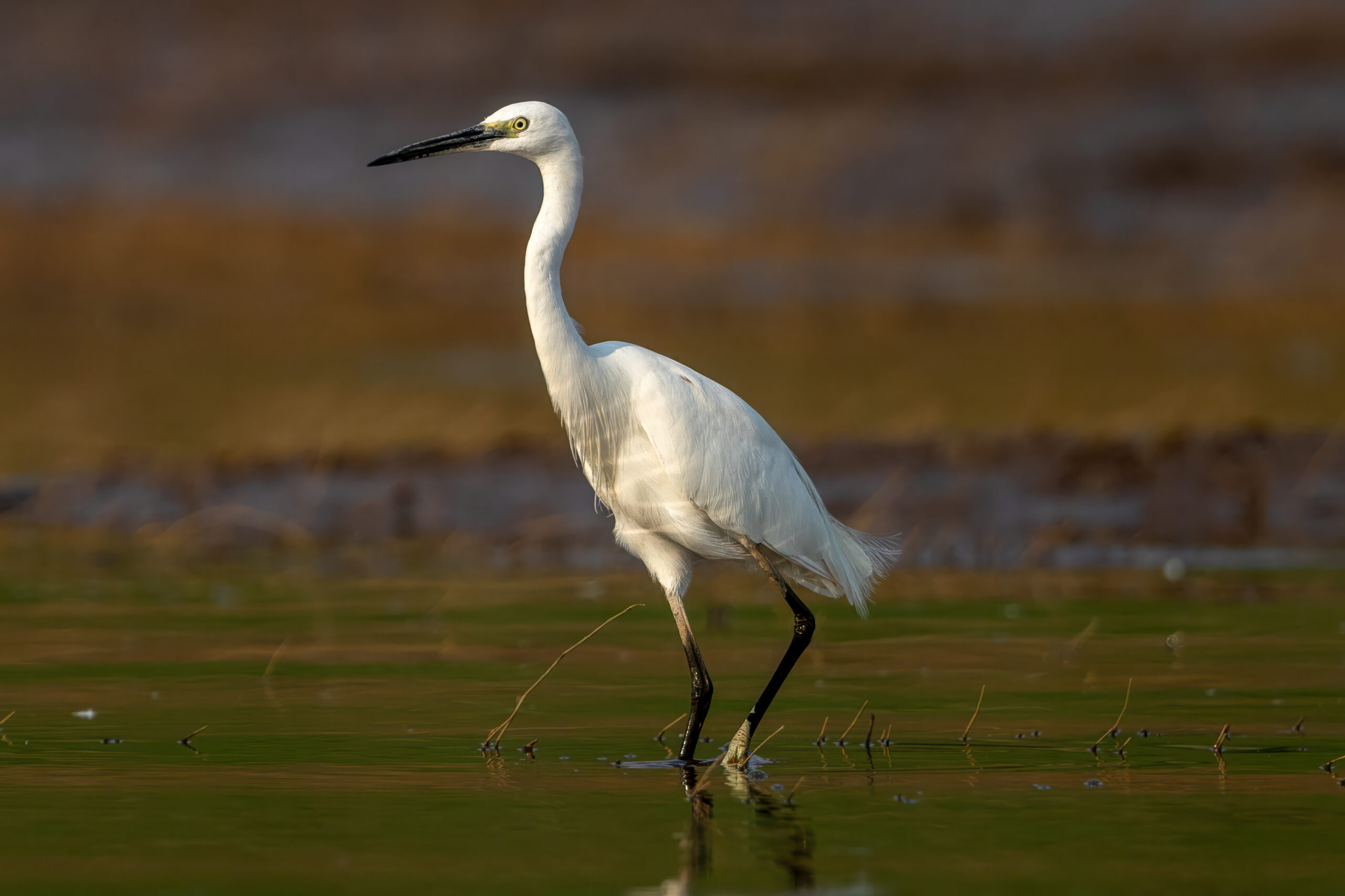 Little Egret
Egretta garzetta Explore species →
Little Egret
Egretta garzetta Explore species →
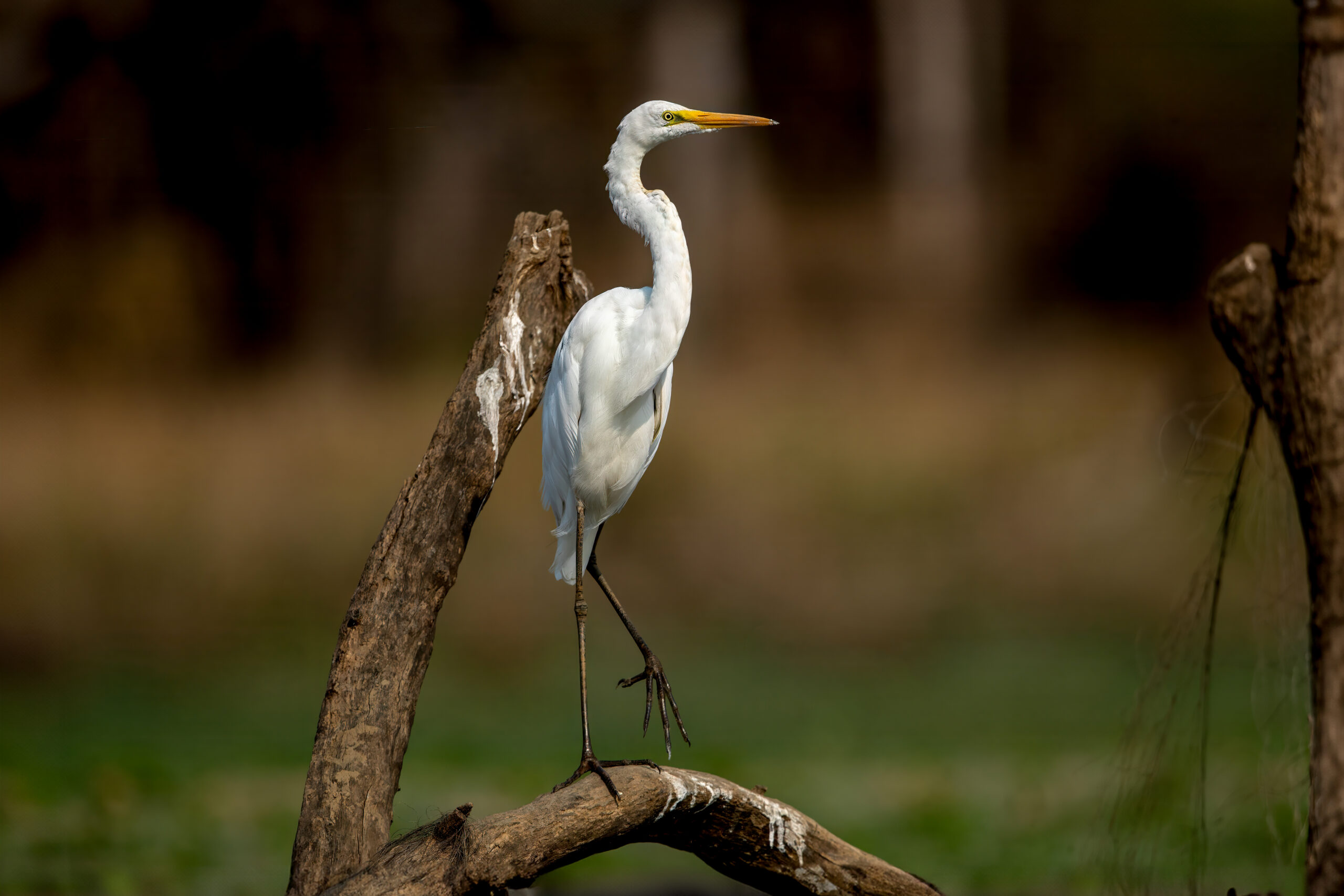 Great Egret
Ardea alba Explore species →
Great Egret
Ardea alba Explore species →
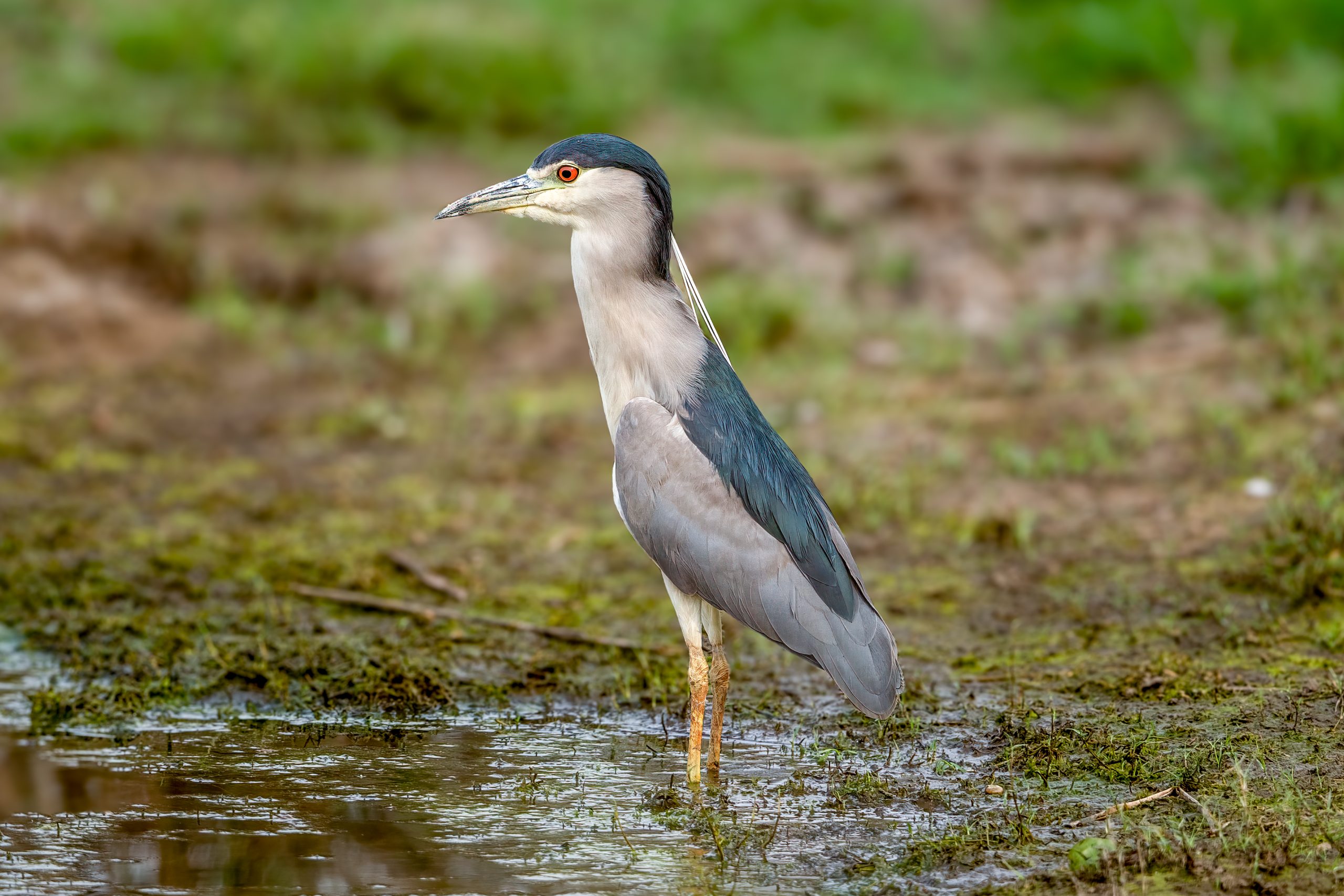 Black-crowned Night Heron
Nycticorax nycticorax Explore species →
Black-crowned Night Heron
Nycticorax nycticorax Explore species →
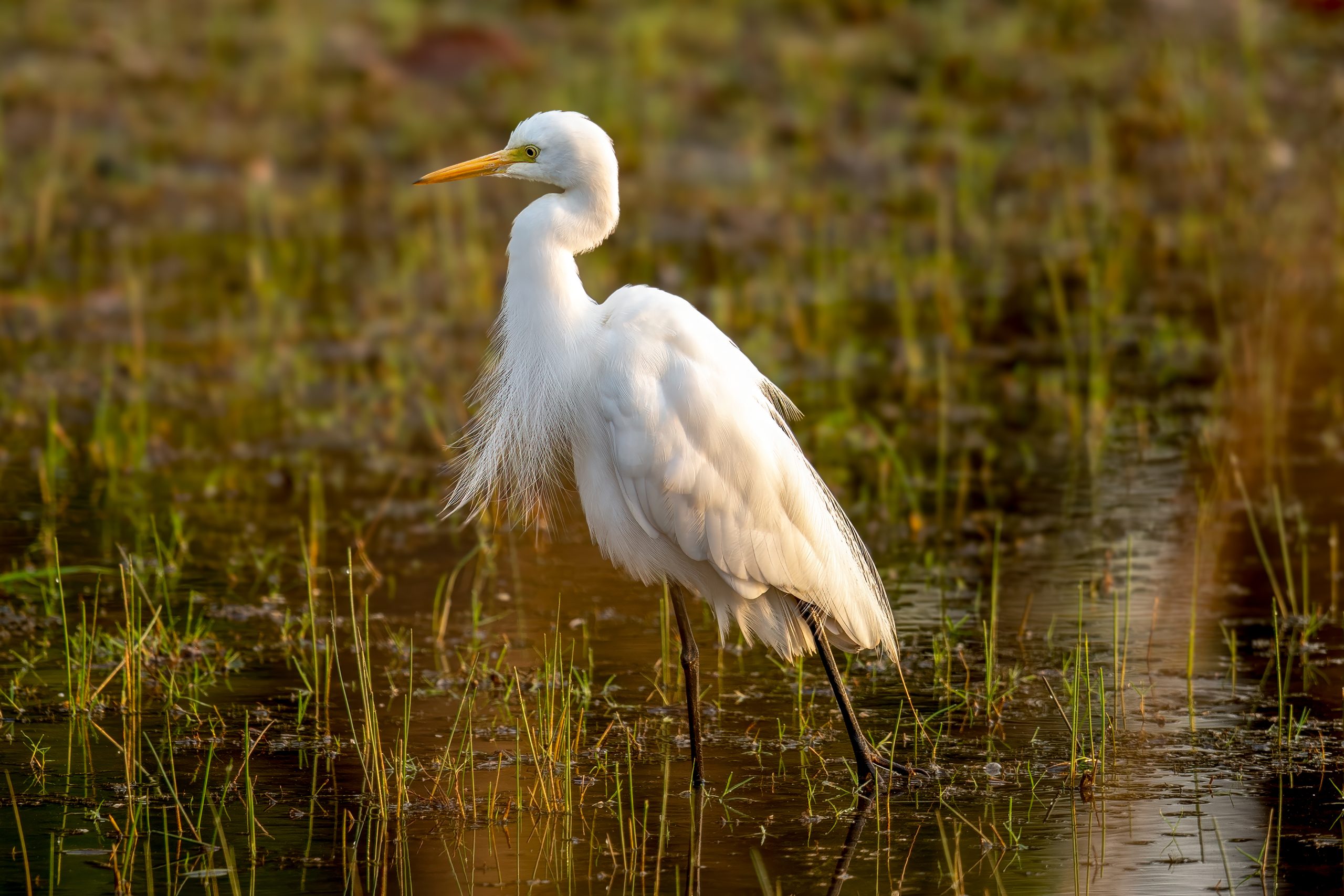 Medium Egret
Ardea intermedia Explore species →
Medium Egret
Ardea intermedia Explore species →
Independent research and conservation news archive
Did you find this information useful?
Wildlife Vagabond is independently built and maintained. Voluntary support helps cover source verification, hosting and continued work on research and conservation news.
Support Wildlife VagabondThe news archive will remain freely available.