
Longer Shorelines Were Associated With More Chicks in Four Urban Waterbird Species
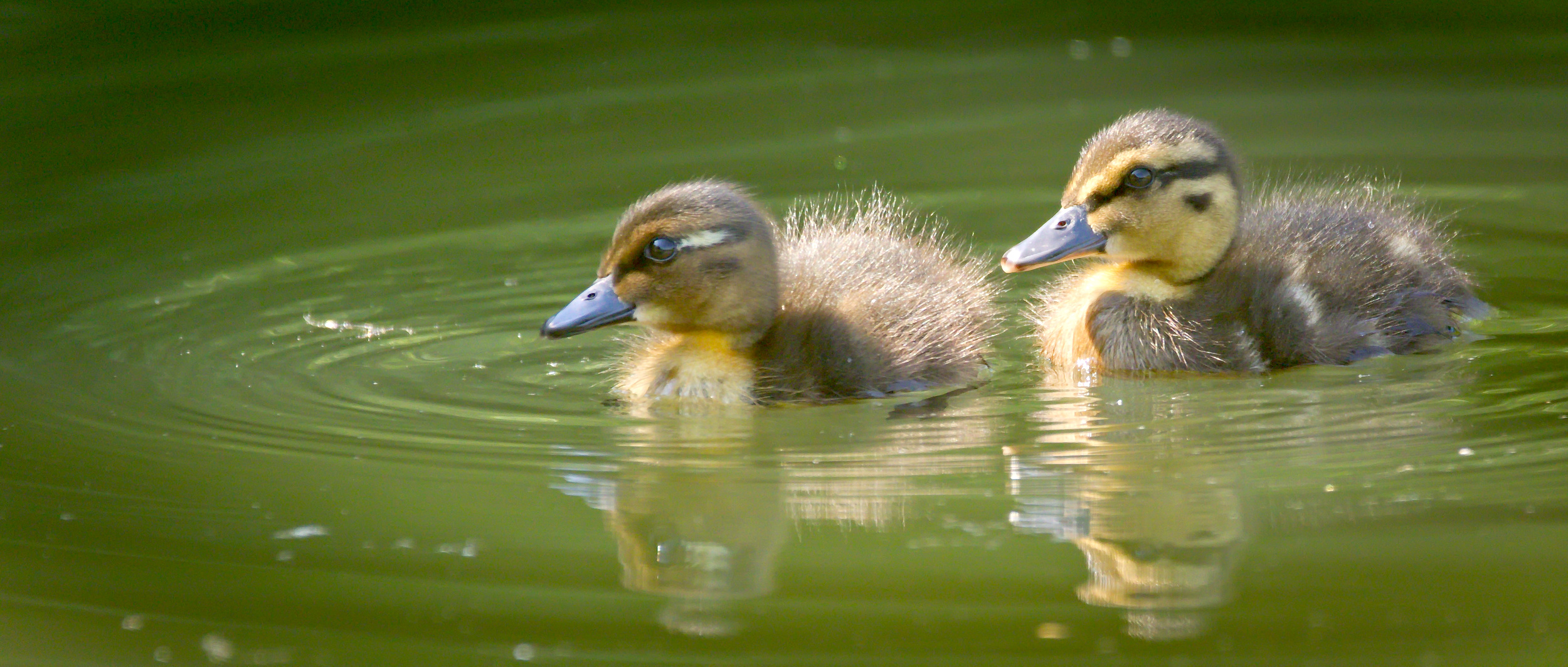
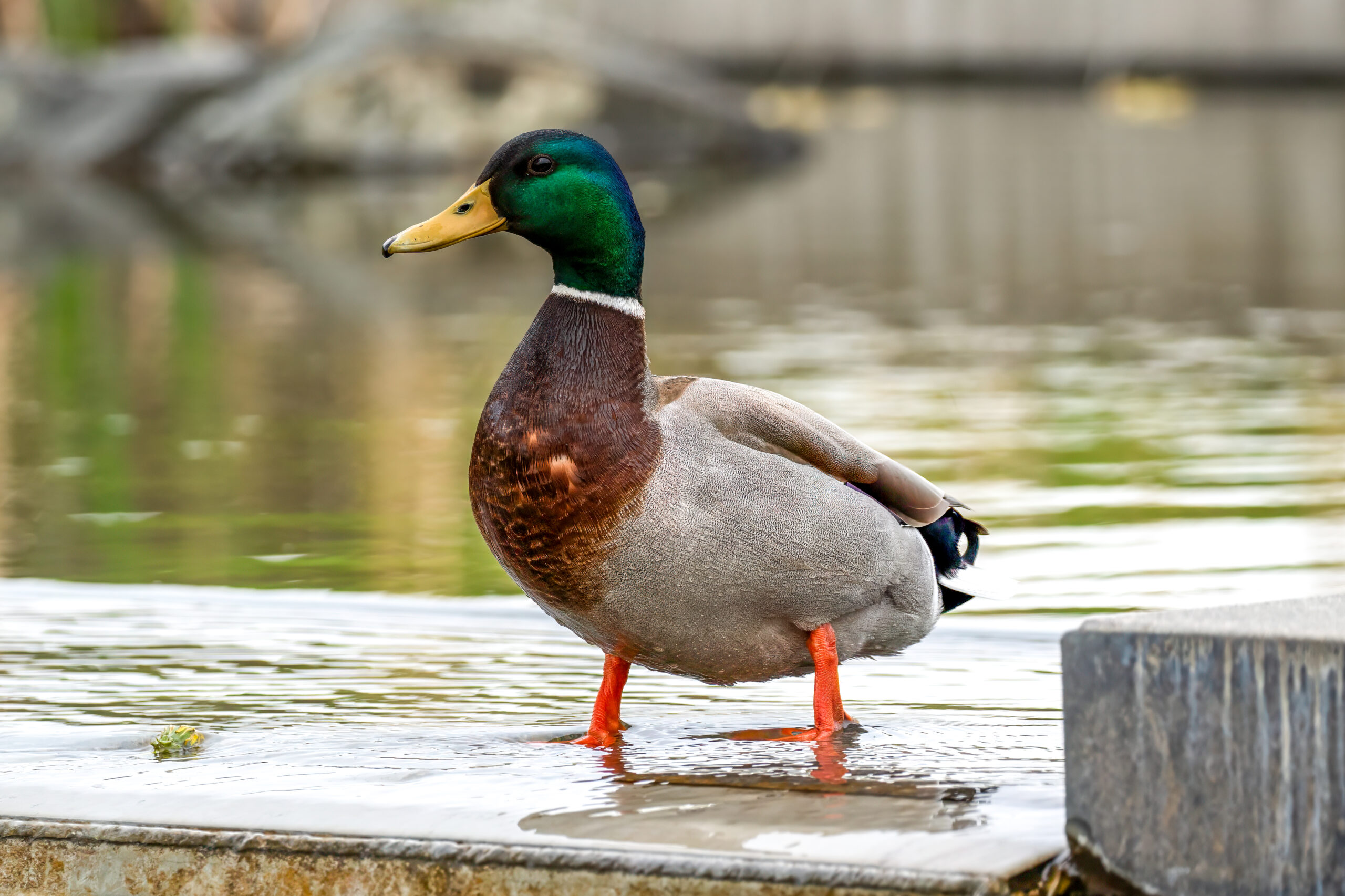
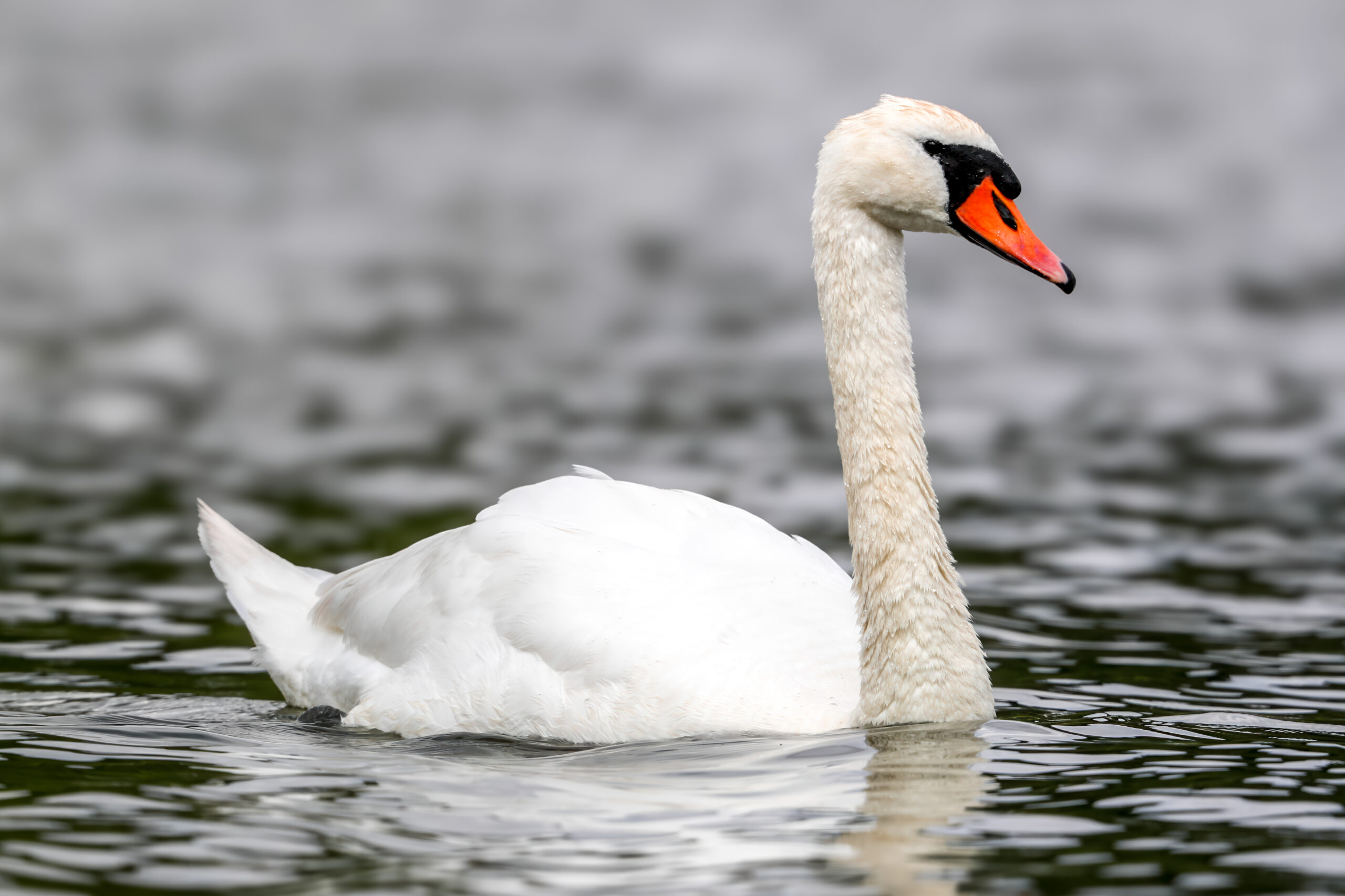
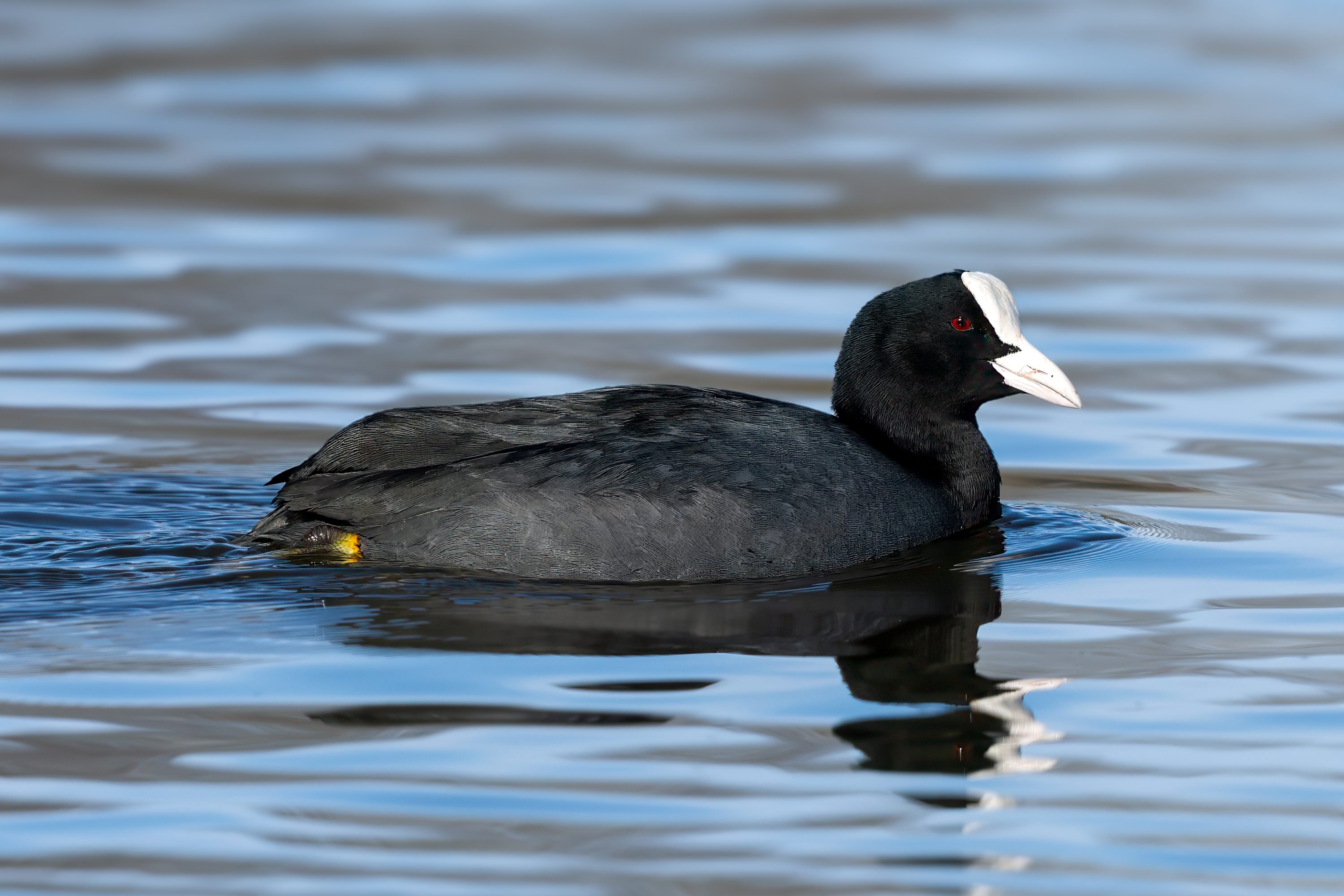
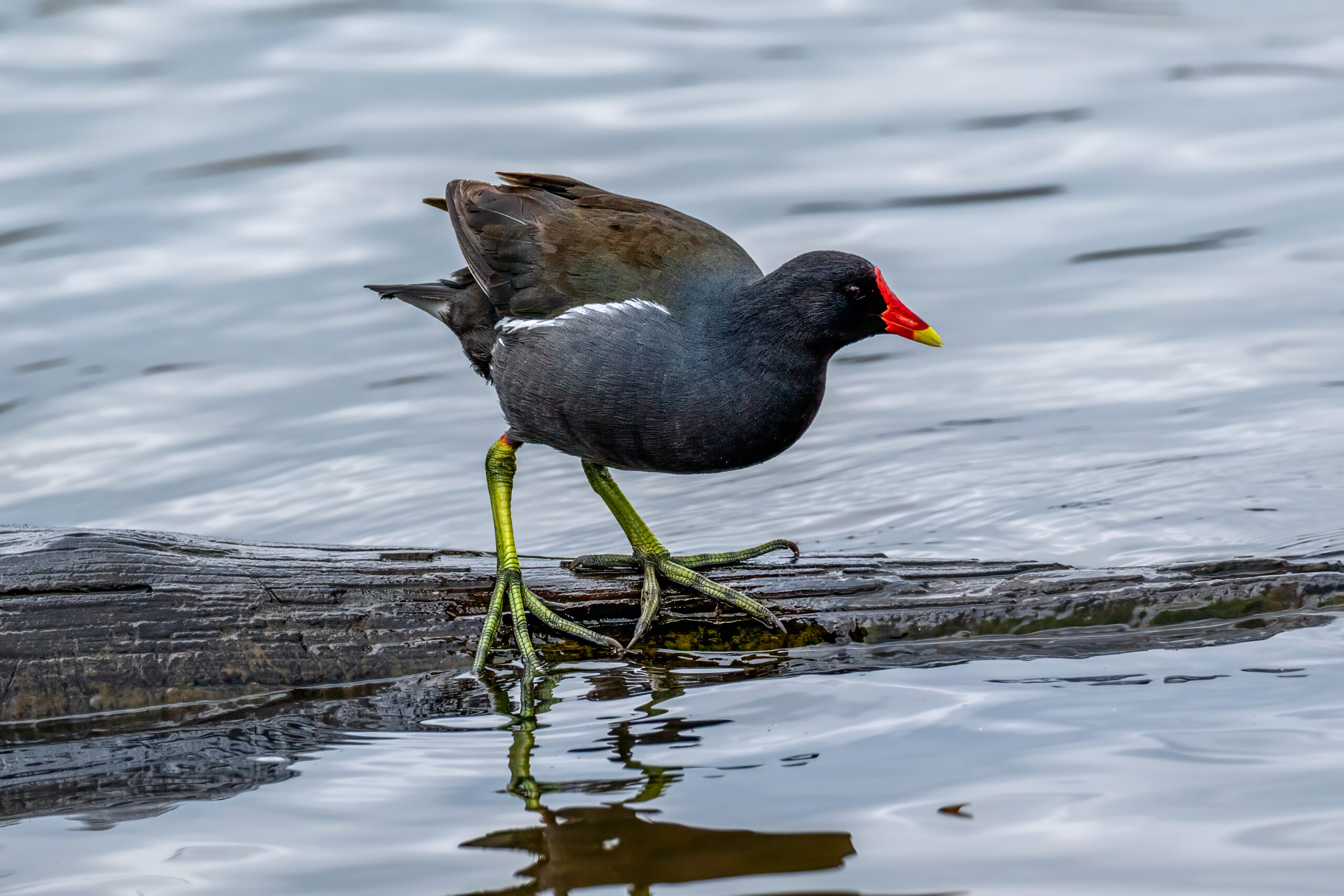
A two-year study of 55 waterbodies in Gdańsk, Poland, examined how weather, waterbody structure, vegetation and urbanization were associated with chick numbers in four common breeding waterbirds: mallard (Anas platyrhynchos), mute swan (Cygnus olor), Eurasian coot (Fulica atra) and common moorhen (Gallinula chloropus). During the 2020 and 2021 breeding seasons, researchers visited the sites three times per season and recorded nests, incubating birds and broods, analysing smaller and larger chicks separately.
Longer Shorelines Were Associated With More Chicks in All Four Species
Shoreline length was the clearest shared pattern: longer shorelines were positively associated with chick numbers in all four species. Other waterbody features had more species-specific effects. Larger waterbodies were associated with fewer larger mallard and mute swan chicks and fewer small coot chicks, while longer reed-covered shoreline was associated with more larger mallard chicks and more small coot chicks. More islands were associated with fewer larger mallard chicks and fewer small coot chicks, but with more larger mute swan chicks. Greater floating-vegetation cover was associated with fewer larger mute swan chicks.
The authors interpret the shoreline result in terms of habitat complexity. Longer, more natural shorelines can provide more nesting places, shelter and varied microhabitats. Their management recommendation follows directly from this interpretation: retaining bank vegetation and reeds, rather than repeatedly mowing the entire shoreline, can preserve features used by breeding waterbirds.
Weather Effects Differed Among Species
Higher breeding-season temperatures were associated with more chicks in mallards, coots and moorhens, while rainfall was positively associated with chick numbers in mute swans, coots and moorhens. The colder winter before the 2021 breeding season was followed by later vegetation development and a later appearance of chicks. In 2021, the researchers also recorded fewer breeding pairs of coots and fewer chicks per brood in both coots and moorhens.
The authors discuss several possible biological links between weather and chick numbers, including thermoregulatory costs, food availability and the timing of vegetation growth. These mechanisms were not tested directly, and the response was not uniform across species: mute swans, for example, appeared less sensitive to several of the environmental variables than the smaller waterbirds.
Urbanization Effects Were Strongest in the Rails
NDMI, a satellite-derived moisture index that the study also used as an indicator of wetter areas with less urban fabric, was positively associated with chick numbers in all species except mallard. The relationships along the urbanization gradient itself differed more strongly among species. The clearest negative relationship with the most heavily urbanized areas occurred in Eurasian coots and common moorhens. Mute swans showed no significant response to the urban gradient.
The authors suggest that noise, disturbance by people, pollution and reduced vegetation cover could contribute to poorer conditions in the most urbanized areas, particularly for the two rail species. They also note that mallards and mute swans may benefit more readily from supplementary food provided by people. Overall, the study does not identify a single urban factor that determines reproductive success; instead, it shows that chick numbers reflected a combination of shoreline structure, weather, vegetation and surrounding urban conditions, with the details differing among the four species.
Ecology
Related news
Seven overlaps linked wild-bird H5 clusters with poultry outbreaks in the US
Across seven periods between 2022 and 2025, clusters of H5 detections in wild waterfowl overlapped in time and…
Read story →
Bird Droppings Contained Both Plant Nutrients and Resistance Genes
Droppings from wintering waterbirds at Caohai in China contained phosphorus that can readily become available to algae. Researchers…
Read story →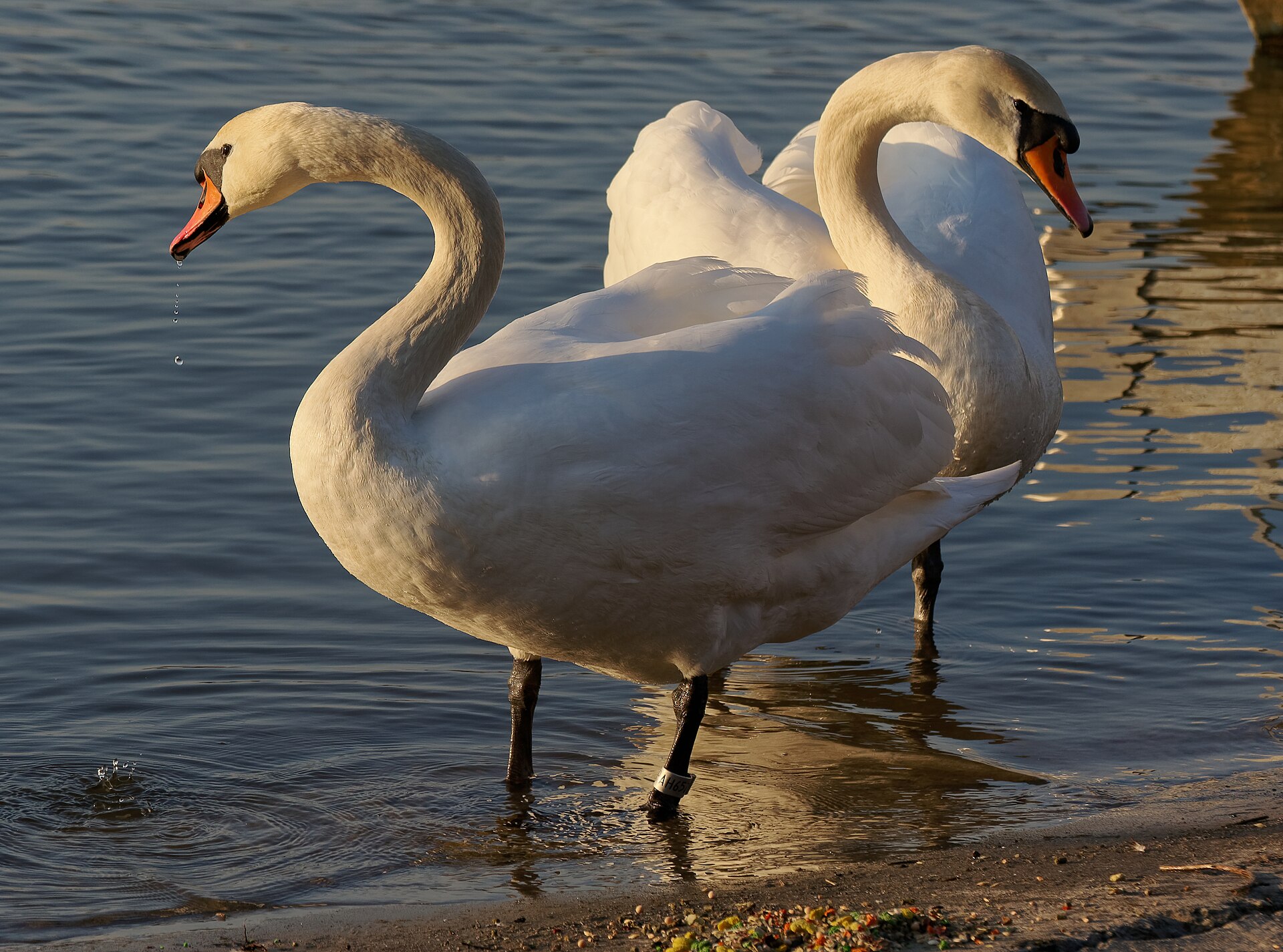
Inland Mute Swans Had Better Winter Body Condition Than Coastal Birds
A study of 853 mute swans in Poland suggests larger energy reserves in the colder interior than along…
Read story →SPECIES IN THIS STORY
Species in this story
Independent research and conservation news archive
Did you find this information useful?
Wildlife Vagabond is independently built and maintained. Voluntary support helps cover source verification, hosting and continued work on research and conservation news.
Support Wildlife VagabondThe news archive will remain freely available.