
Vehicle Collisions, Poisoning and Electrocution Stood Out in Rehabilitation Records for Threatened African Raptors
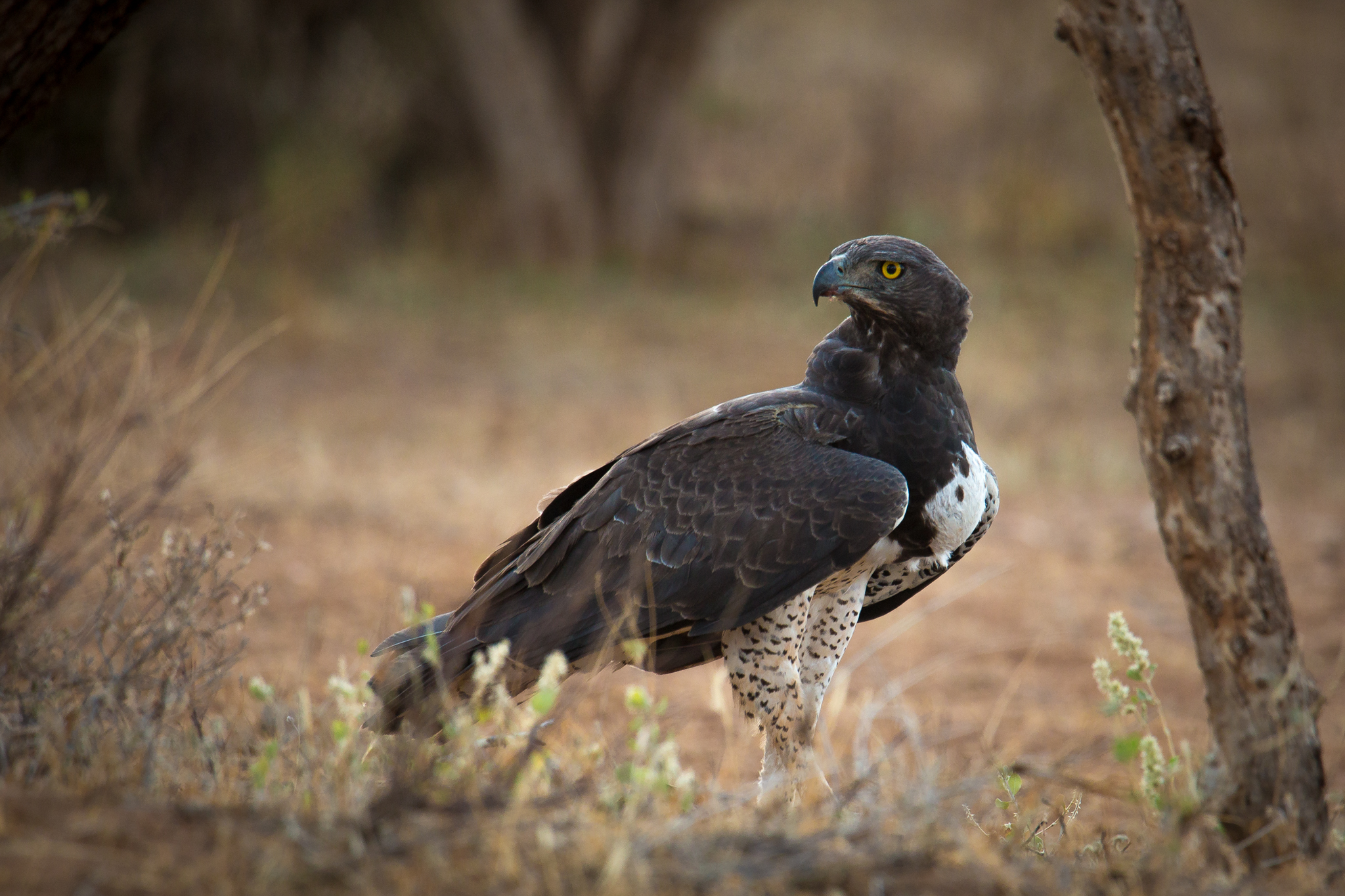
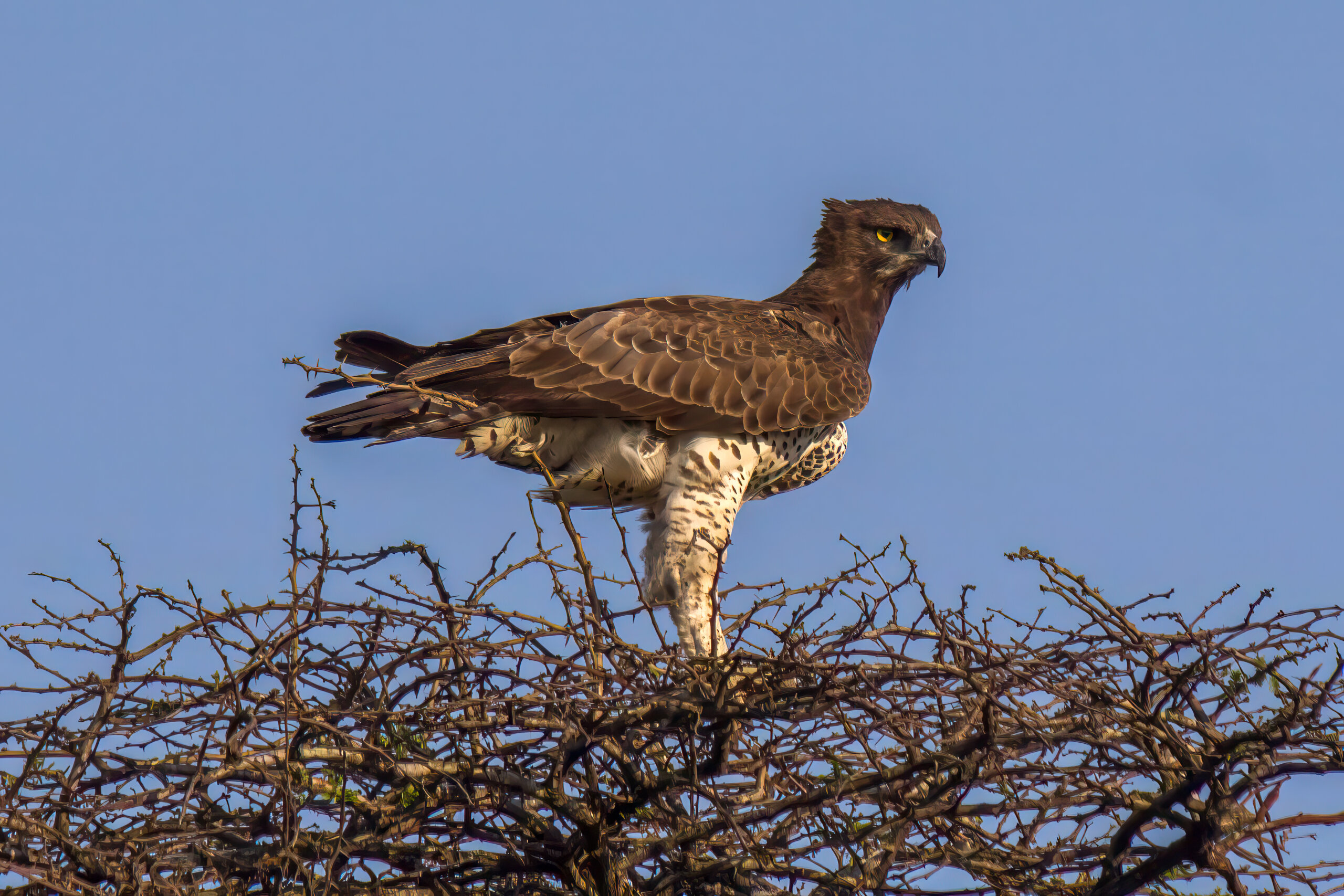
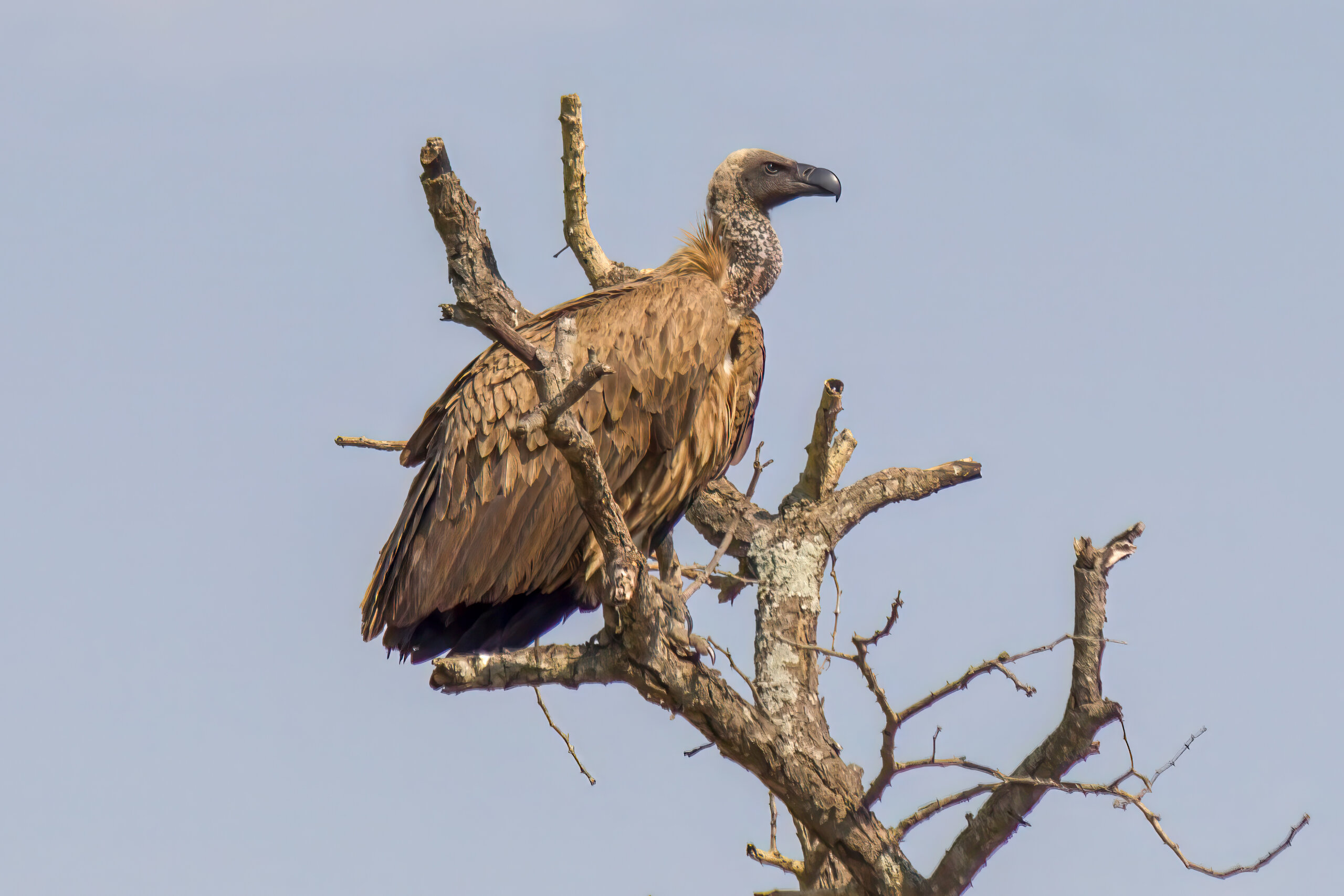
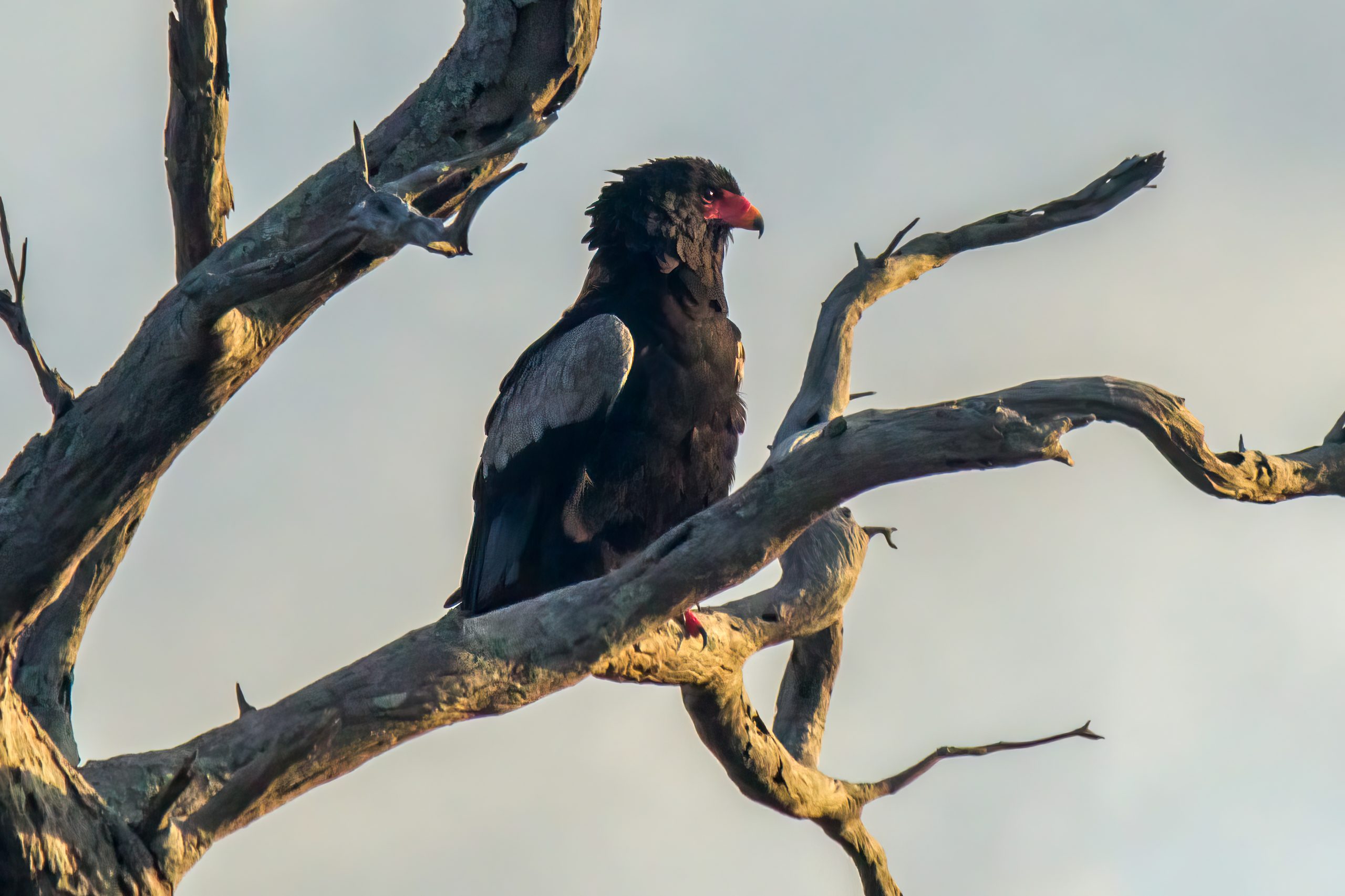
A global review of wildlife rehabilitation records identified different human-related admission causes among several threatened African raptors. For martial eagles (Polemaetus bellicosus), vehicle collisions accounted for 25% of the eight admissions in the compiled dataset. Bateleurs (Terathopius ecaudatus) were particularly represented among poisoning and illegal-captivity cases, while electrocution stood out for white-backed vultures (Gyps africanus).
The researchers assembled 147,422 admission records for 148 raptor species from 38 sources, including published studies, rehabilitation centres and a large wildlife incident database. The records covered admissions between 1989 and 2023 and came from 214 rehabilitation centres in 17 countries. South African rehabilitation centres contributed part of the African dataset.
Across all species, 40.7% of admissions had an unknown cause, 39.1% were attributed to human-related causes and 20.2% to natural causes. Among the human-related records, unspecified trauma was the most common category, followed by vehicle collisions and electrocution or gas-flare incidents.
Recorded admission causes differed markedly between species
The species-level results showed that the recorded causes of admission could differ markedly even among threatened African raptors. Vehicle collisions accounted for 25% of the eight martial eagle admissions. Among 18 bateleur admissions, poisoning or toxicosis accounted for 22%, while illegal captivity accounted for 17%. For the 318 white-backed vulture admissions, 18% were attributed to electrocution.
Other threatened African species showed even stronger concentrations in particular admission causes. Poisoning accounted for 71% of seven white-headed vulture (Trigonoceps occipitalis) admissions and 64% of 11 lappet-faced vulture (Torgos tracheliotos) admissions. Electrocution accounted for 36% of 644 Cape vulture (Gyps coprotheres) admissions, while vehicle collisions accounted for 15% of 13 secretarybird (Sagittarius serpentarius) admissions. White-headed vultures were also strongly represented among illegal-captivity cases, which accounted for 29% of their seven admissions. The small samples for several threatened species make individual percentages sensitive to a few cases, but the results show why the authors emphasise species-specific threat profiles rather than one common pattern for all raptors.
Rehabilitation records do not measure population-level risk
These percentages describe the birds that reached rehabilitation centres, not the proportion of each wild population affected by these threats. The authors emphasise that their dataset is a biased sample of global raptor populations because injured birds are more likely to be detected where people and rehabilitation centres are present. The records may also under-represent birds that die before they can be found and smaller or less conspicuous species.
The same distinction is important for mortality after admission. Among records with adequate outcome data, the modelled mortality probability was about 60% for human-related admissions and 18.5% for natural causes. Wind-turbine collisions and electrocution or gas-flare incidents had particularly high post-admission mortality probabilities, at 98% and 92% respectively. These figures apply only to admitted birds with relevant records and are not estimates of mortality in wild populations.
The records can still guide targeted mitigation
The authors use the rehabilitation data to identify pressures that may warrant targeted conservation action. They point to measures that can reduce collisions on roads and with energy infrastructure, including safer powerlines and careful planning of roads and wind-energy developments. For threatened species, they argue that identifying the causes that repeatedly appear in rehabilitation records can help direct mitigation even when the records cannot quantify population-level risk.
The study was published in Biological Conservation in February 2026.
Threats
Related news
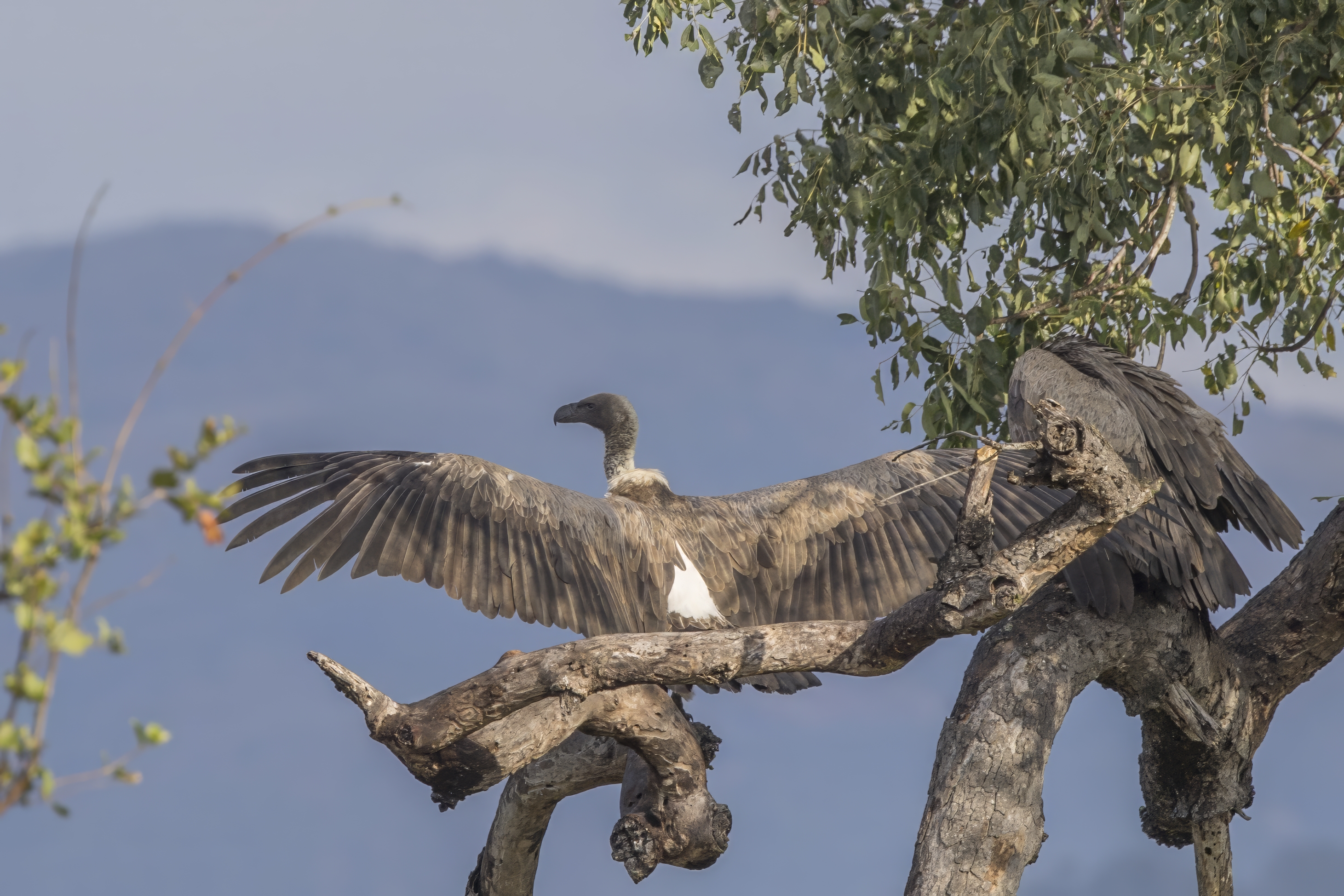
CT Reveals the Organs and Blood Vessels Inside a White-backed Vulture
A contrast-enhanced CT scan of one adult male white-backed vulture revealed major organs and vessels, while also showing…
Read story →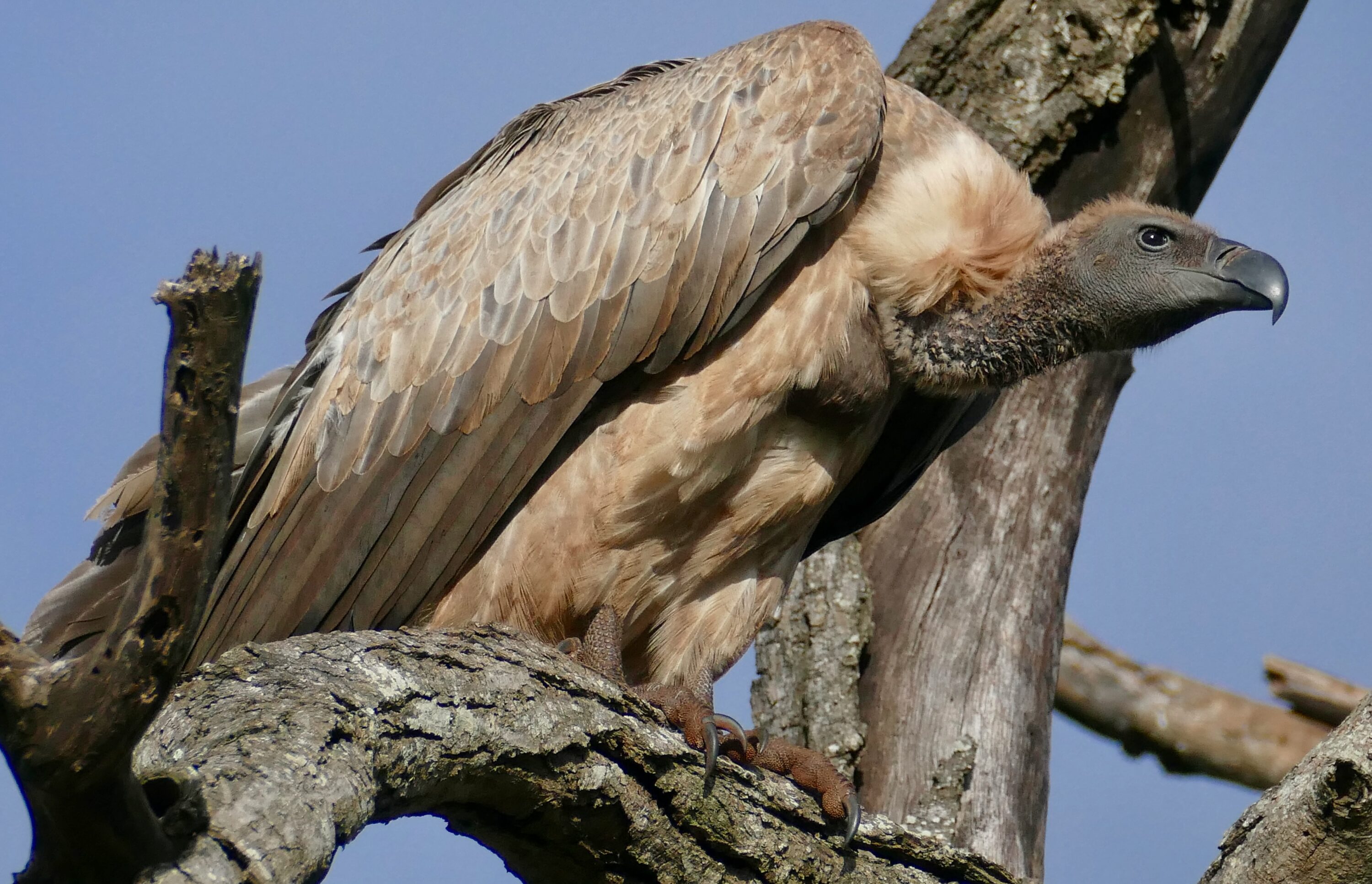
Two new studies sharpen the conservation map for white-backed vultures in Ethiopia
New surveys and habitat modelling from southwest Ethiopia identify important breeding, roosting and foraging areas for the critically…
Read story →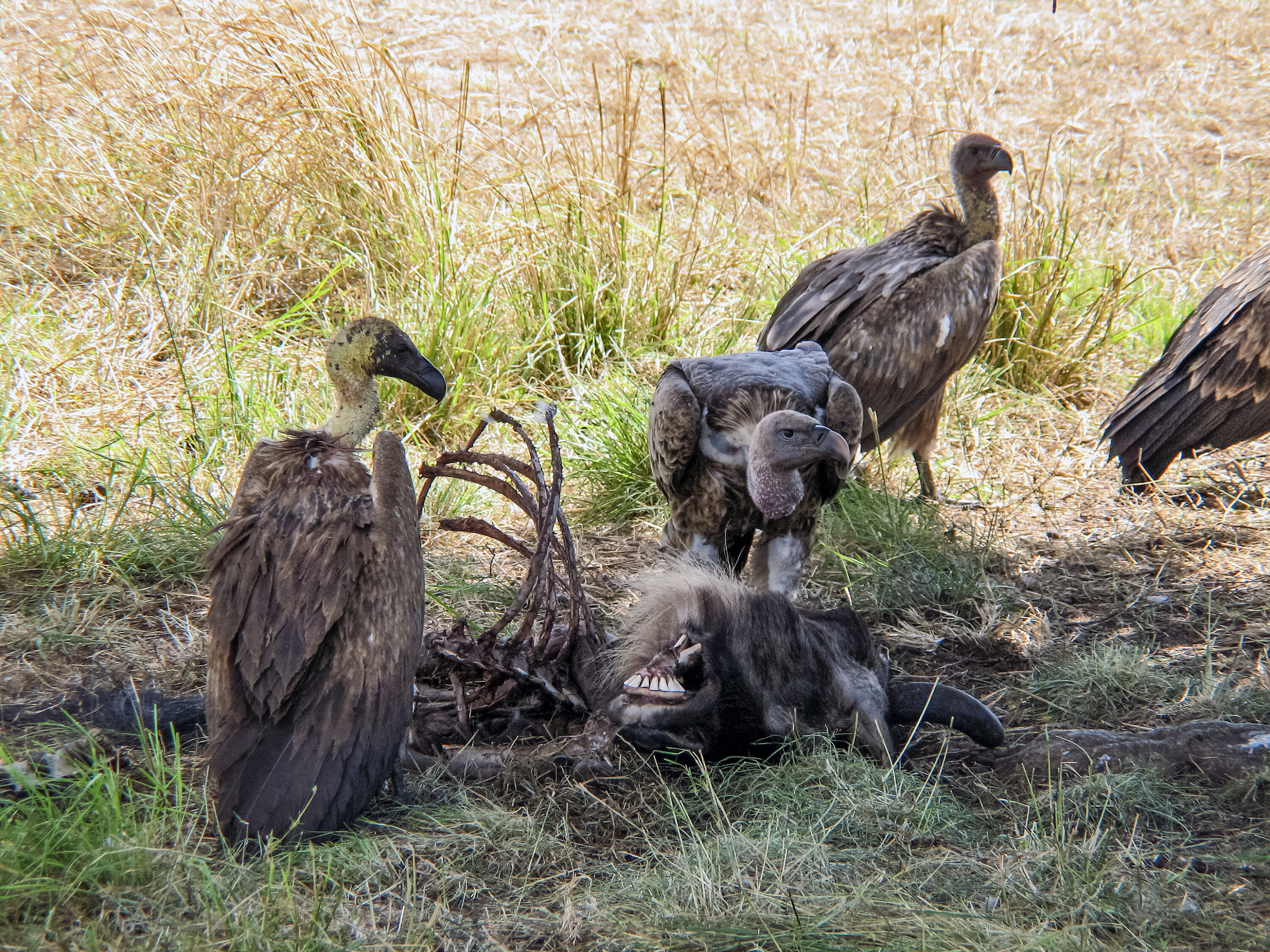
White-backed Vulture Transect Index Rose From 4.4 to 11.9 Birds per 100 km in Nazinga
Transect surveys in Burkina Faso’s Nazinga Game Ranch found 29 white-backed vultures in the latest survey and a…
Read story →SPECIES IN THIS STORY
Species in this story
Independent research and conservation news archive
Did you find this information useful?
Wildlife Vagabond is independently built and maintained. Voluntary support helps cover source verification, hosting and continued work on research and conservation news.
Support Wildlife VagabondThe news archive will remain freely available.