
Yellowhammers Were Among Few Farmland Birds Breeding on Norwegian Clear-cuts
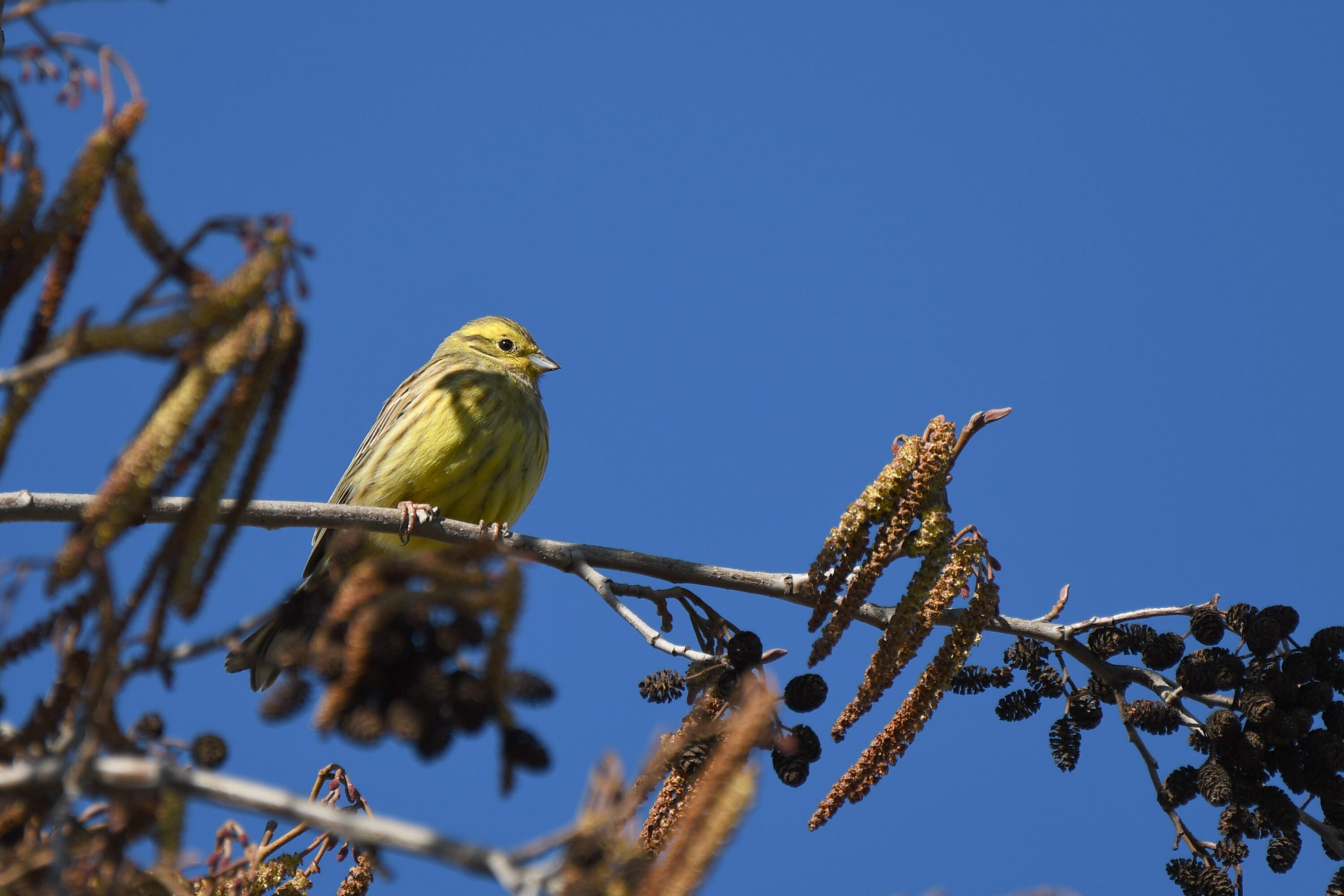
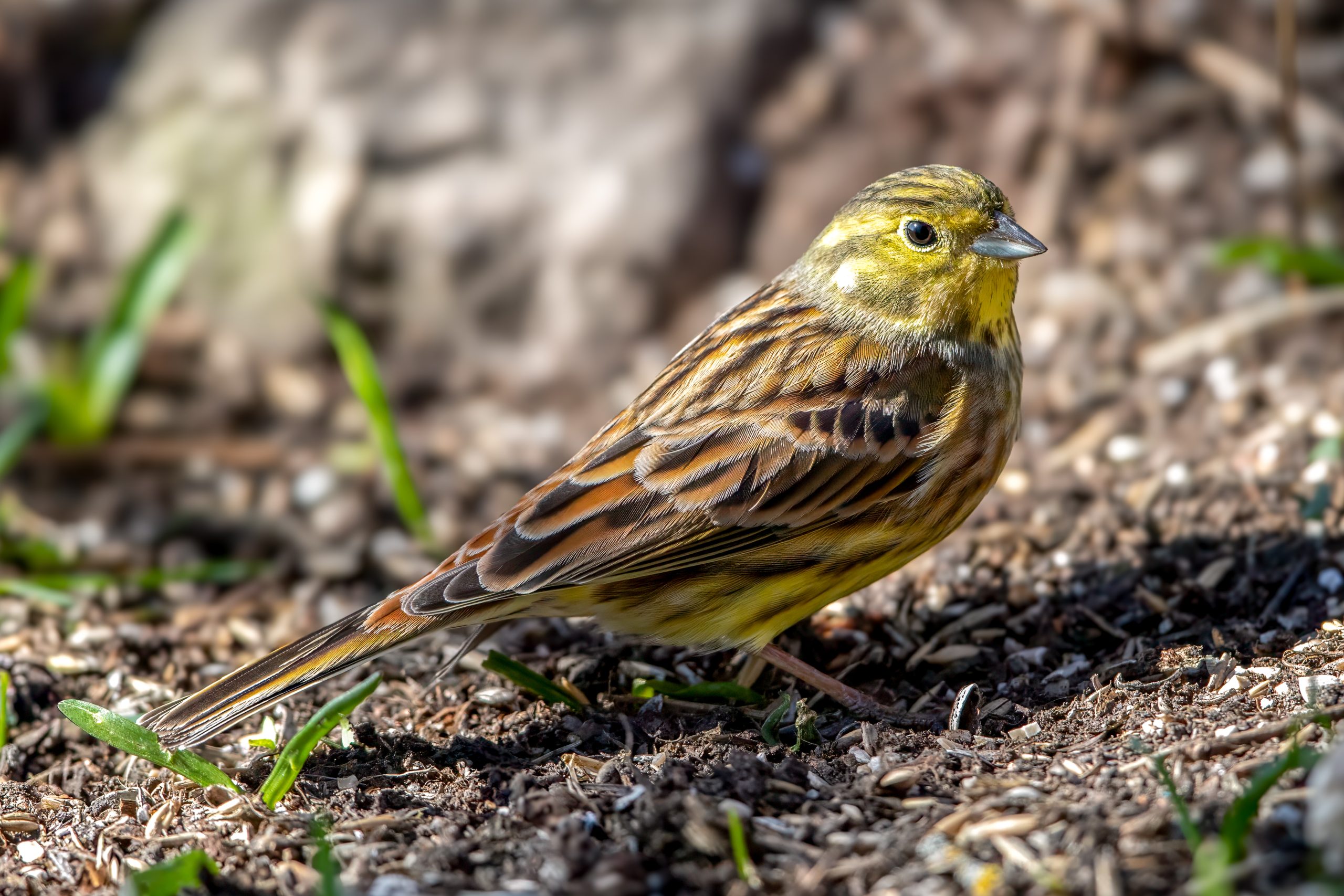
Yellowhammers were among only three farmland bird species found relatively widely on boreal forest clear-cuts in a long-term study from southeastern Norway. The result shows that newly opened forest can provide breeding habitat for this declining bird, but the author concludes that clear-cuts have mixed conservation value for farmland birds and cannot alleviate their broader decline to any large extent.
The research, published in the Journal of Ornithology on 20 February 2026, compared 26 species normally associated with farmland. It asked which of them were able to use clear-cuts situated well inside a forest landscape, away from the fields and farm structures that might otherwise supply nesting sites or food.
Only seven of 26 farmland species showed breeding evidence on clear-cuts
Researcher Svein Dale analysed records from 448 forest sites in Oslo and Akershus in southeastern Norway. The sites were deliberately chosen in the forested hills away from farmland, so the study could test which farmland birds were able to breed on clear-cuts without relying on nearby agricultural habitat.
The material covered 1,008 breeding-season surveys from 1995 to 2024. A species counted as present only when it was observed on a clear-cut with signs of breeding, such as song, a pair or young birds; migrants and birds merely passing through were excluded.
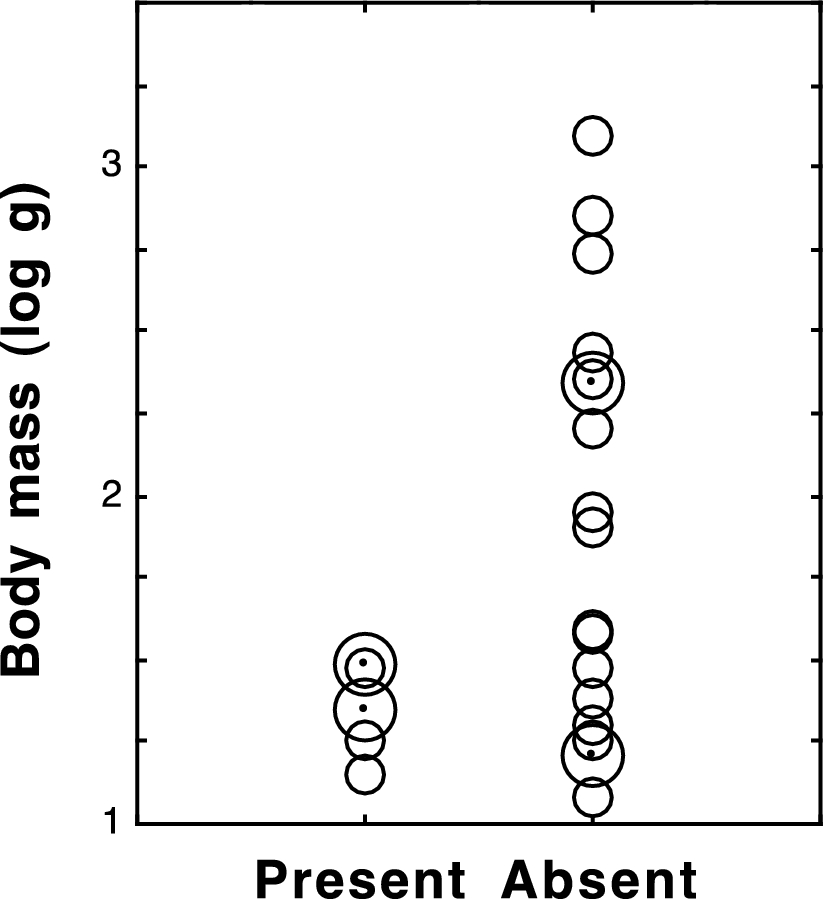
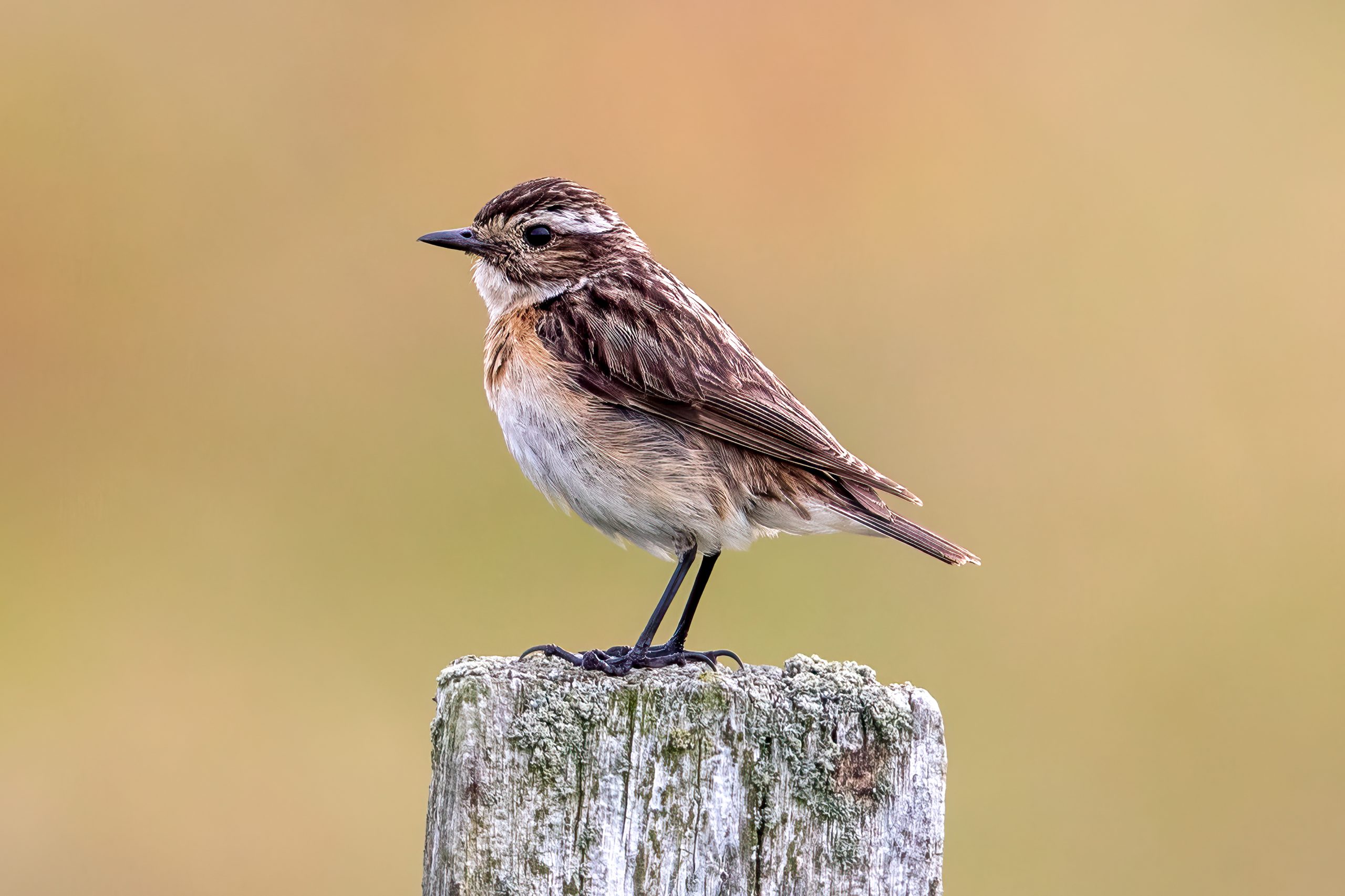
Only seven of the 26 farmland species showed evidence of breeding on clear-cuts. Yellowhammer (Emberiza citrinella), red-backed shrike (Lanius collurio) and whinchat (Saxicola rubetra) were the three most widespread, each occurring in five to eight per cent of the 448 sites. White wagtail, common whitethroat, European greenfinch and common rosefinch were recorded more rarely, in 0.2 to two per cent of sites. The remaining 19 species were absent or lacked signs of breeding.
A habitat filter that favours small birds
All seven species using the clear-cuts were small, and small species were found on more sites than large species. Ground or low nesting, migration and a specialised diet were also somewhat more common among clear-cut users, but those patterns were weaker and could not be distinguished clearly from chance in this study.
Yellowhammers are mainly seed eaters outside the breeding season, but feed their young heavily on insects. The study suggests that insect food may help explain why some small farmland birds can complete breeding on clear-cuts even when seed resources differ from those in agricultural land.
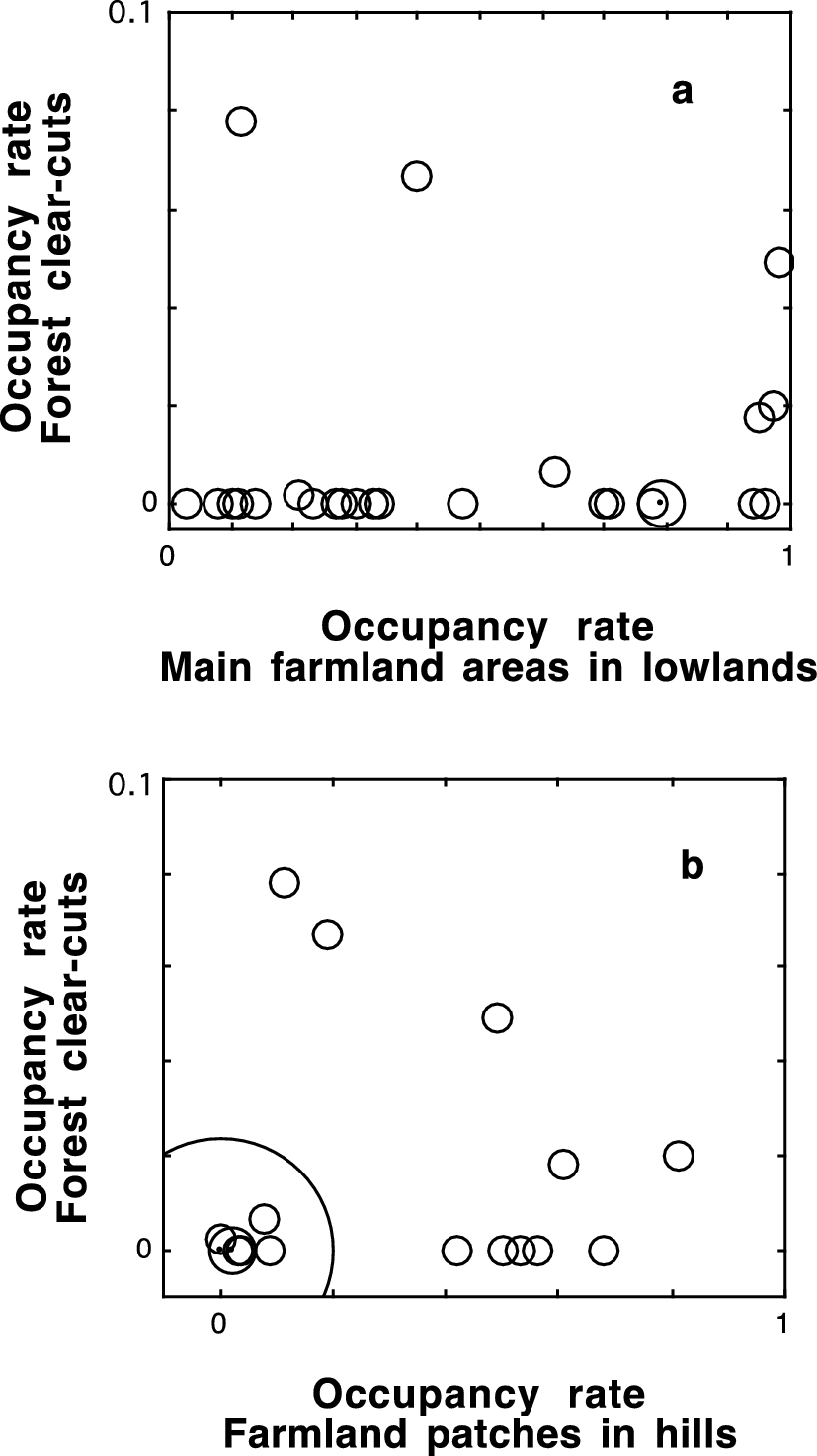
The comparison with possible source areas produced a mixed pattern. Across all 26 species, occurrence on clear-cuts was not significantly related to occurrence in the main lowland farmland. It was related to occurrence in small farmland patches within the forested hills, suggesting that such patches may act as stepping stones for at least some species. For the seven species actually found on clear-cuts, however, the relationships were weak.
Useful for yellowhammers, limited for farmland birds overall
Yellowhammer is listed as vulnerable on Norway’s 2021 Red List, making its use of forest clear-cuts directly relevant to conservation. The finding broadens the picture of habitat available to the species: some yellowhammers can breed away from conventional farmland in temporary open areas created by forestry.
That benefit has clear limits. Clear-cuts typically remain open for only part of a forestry rotation, and the study did not find most farmland specialists there. Several declining or threatened species—including northern lapwing, Eurasian curlew, Eurasian skylark, common starling and house sparrow—were absent. The author therefore concludes that problems facing farmland birds still require action in their principal agricultural habitat.
Because the surveys were opportunistic and the analysis used wider forest sites rather than individual clear-cuts, the results describe broad patterns across 30 years rather than precise densities on particular clear-cuts. Within those limits, yellowhammer was part of a small group of farmland birds able to use boreal clear-cuts for breeding, while most farmland species were not.
Ecology
Related news
Ten Migrants Followed Early-slow and Late-fast Passage Strategies Through Nigeria
Twenty-four years of ringing data from Jos showed striking species differences in migration timing: Icterine Warblers were among…
Read story →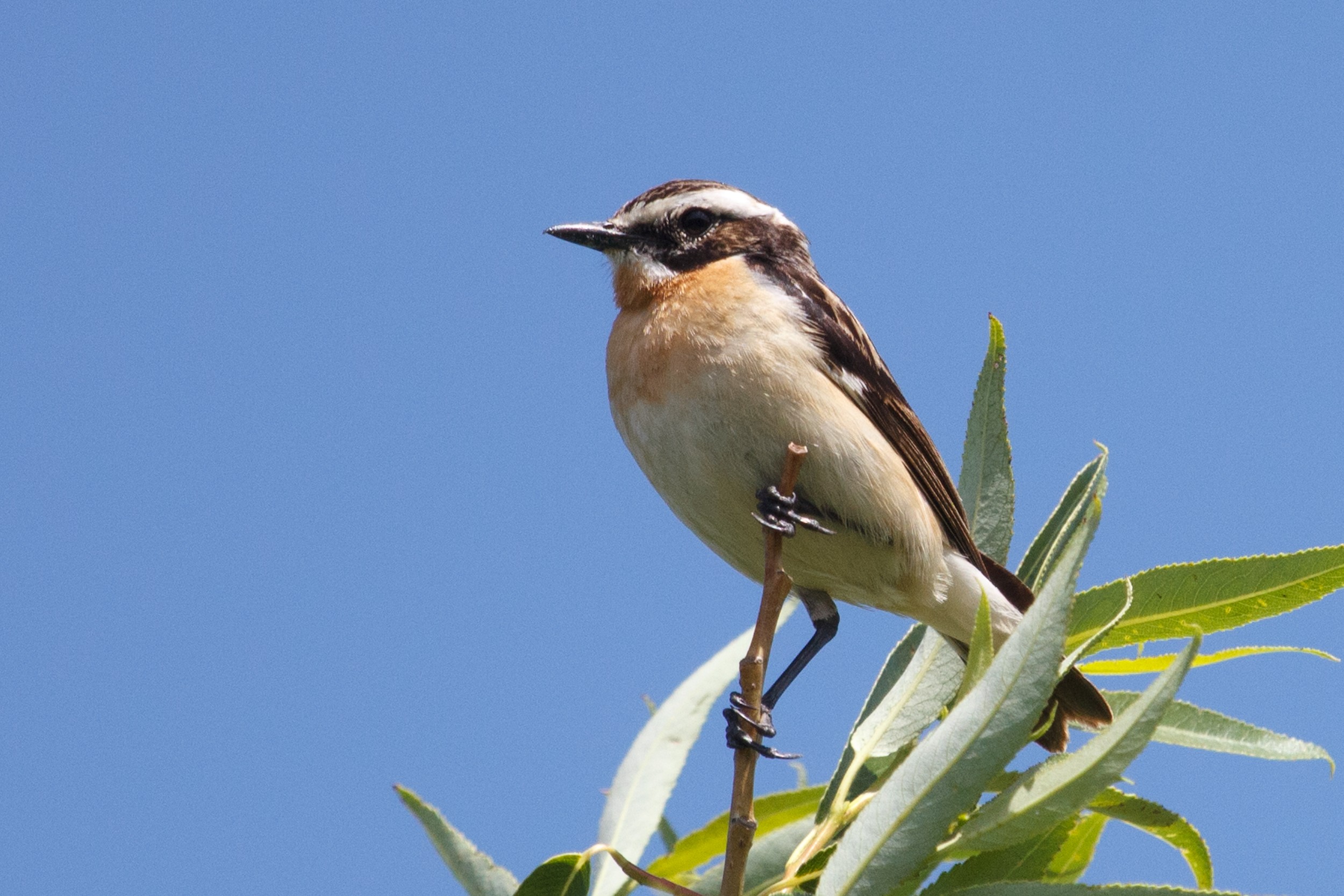
Five-Year Whinchat Study Suggests Delaying Mowing Until After 23 July
Using five breeding seasons in Ireland’s Shannon Callows, the authors estimated that a stable population would require 80.6%…
Read story →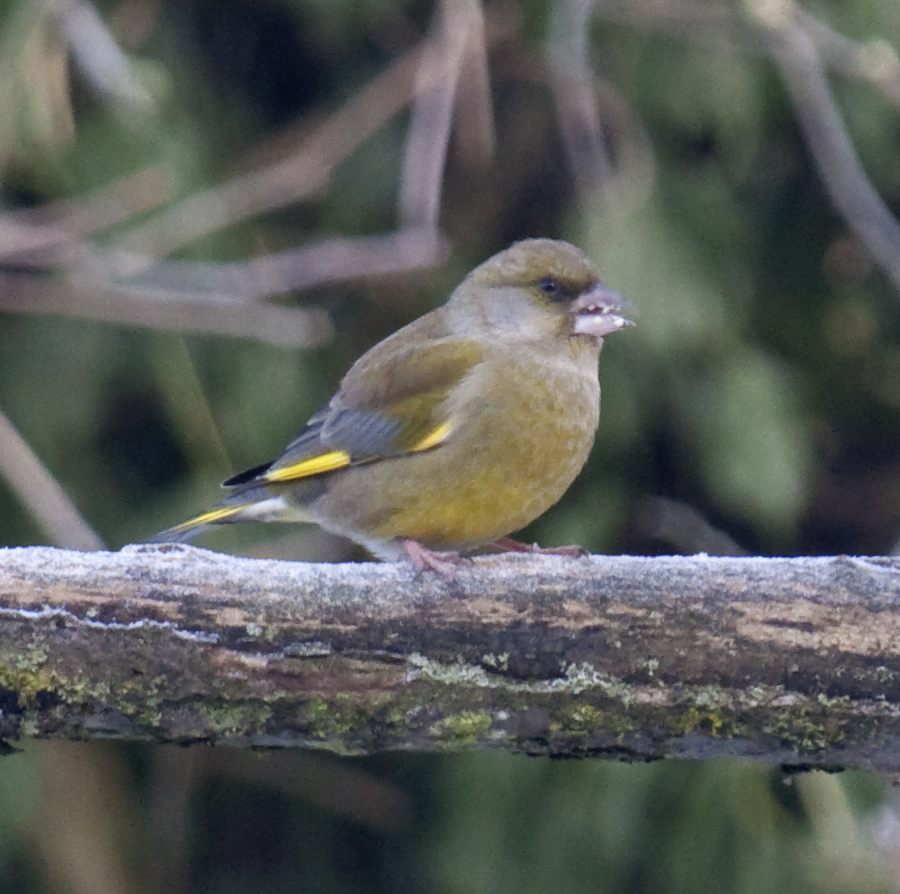
Type A Trichomonas Was More Than Twice as Prevalent in British Birds at Supplementary-fed Sites
Type A of the bird parasite Trichomonas gallinae was more than twice as prevalent in British birds at…
Read story →SPECIES IN THIS STORY
Species in this story
Independent research and conservation news archive
Did you find this information useful?
Wildlife Vagabond is independently built and maintained. Voluntary support helps cover source verification, hosting and continued work on research and conservation news.
Support Wildlife VagabondThe news archive will remain freely available.