
Eurasian Sparrowhawk Spring Passage Varied With the Timing of Bird Prey
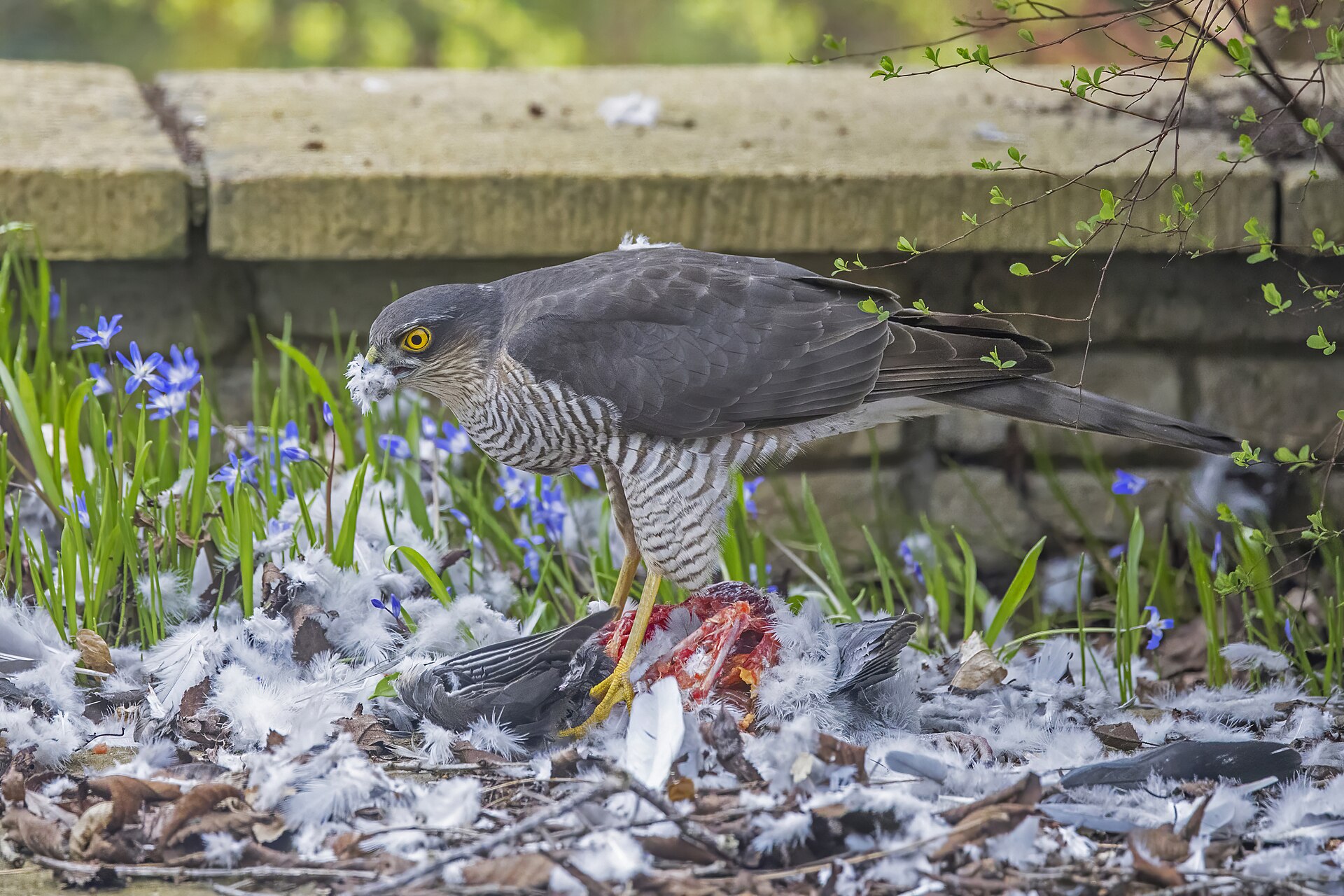
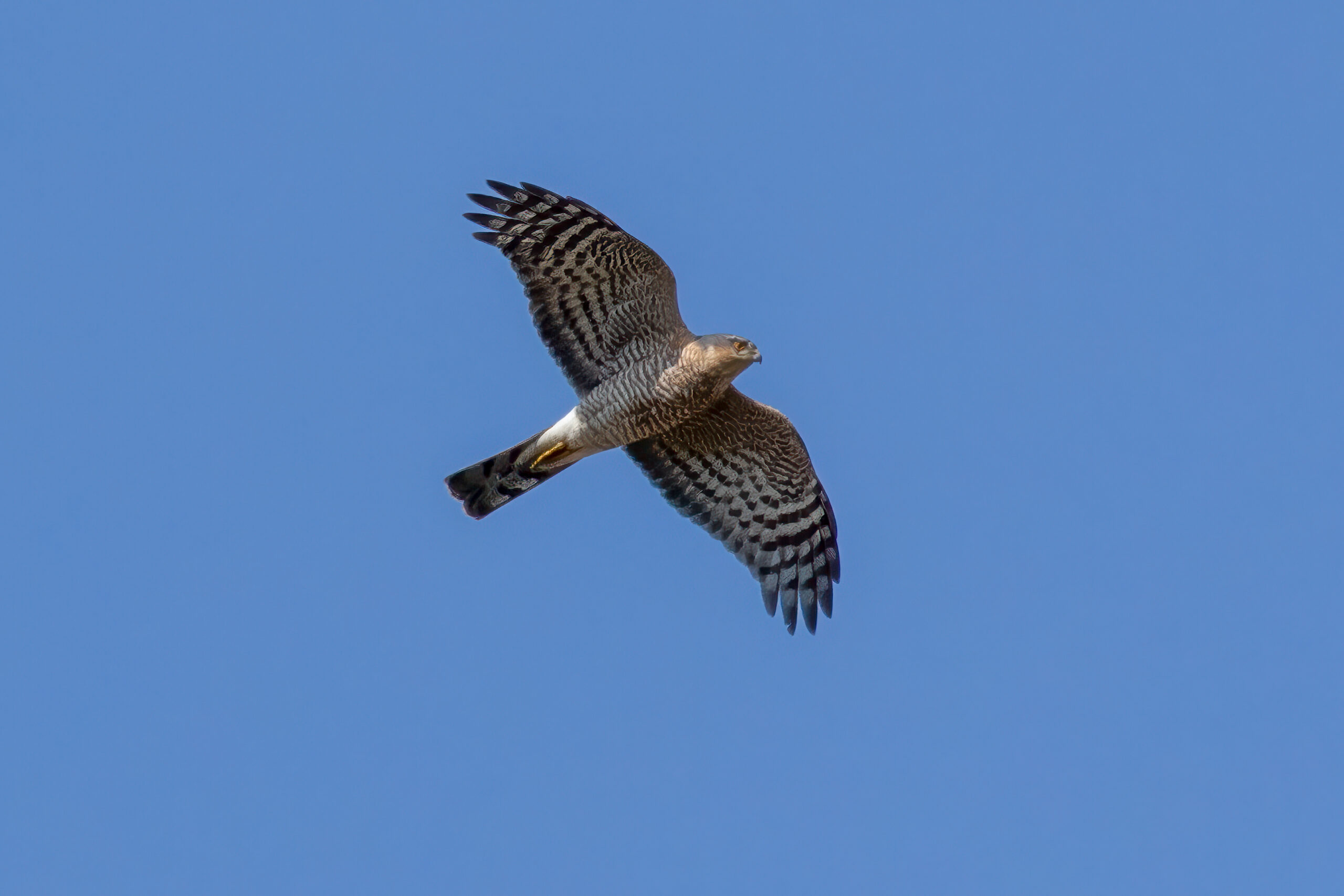
Four decades of ringing records from northern Poland show that the spring passage of eurasian sparrowhawks changes from year to year alongside the movements of several important bird prey. The study, published in Animals on 16 February 2026, suggests that this generalist predator may adjust its seasonal timing to prey availability even though its median passage date showed no clear long-term shift.
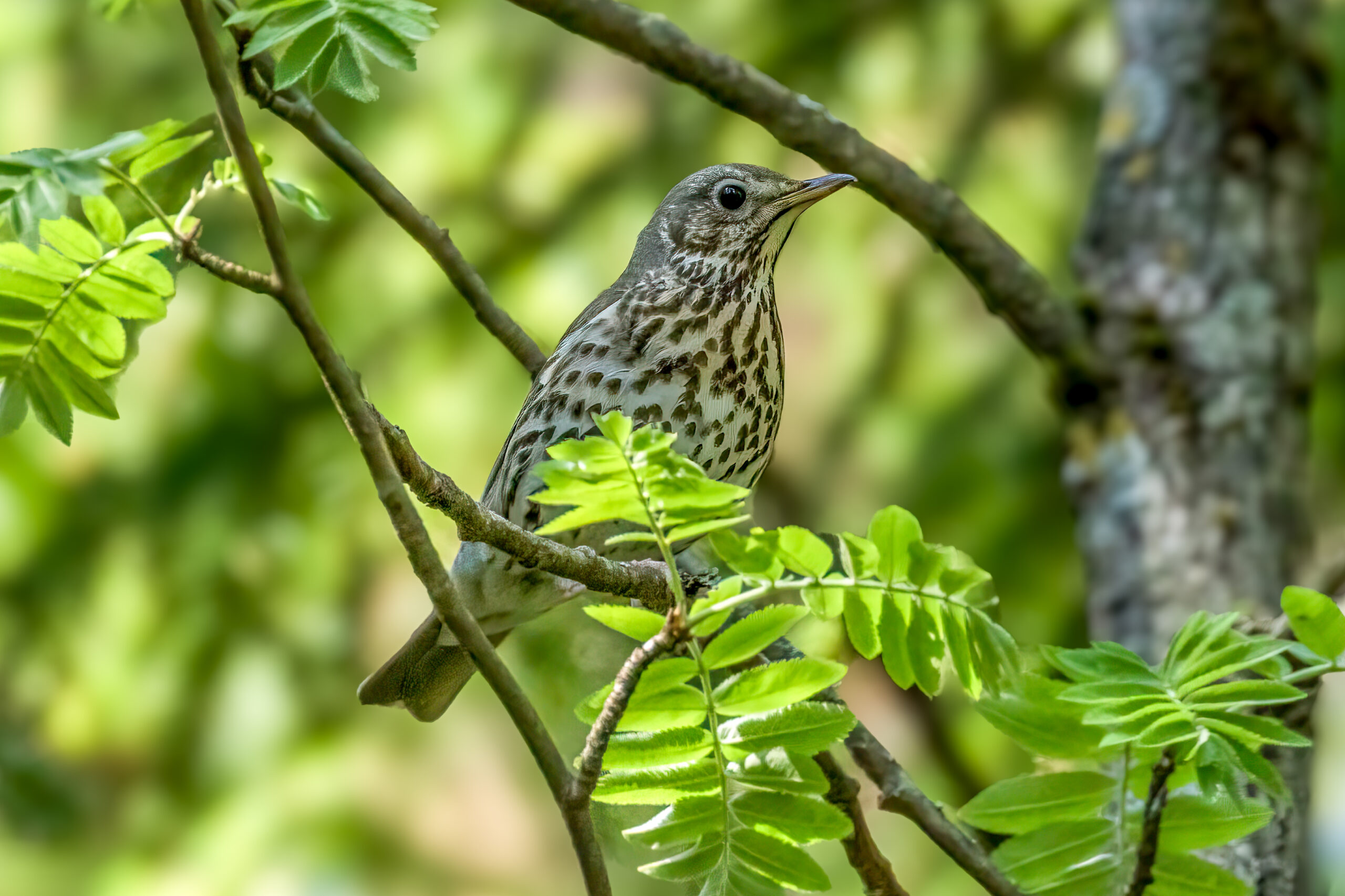
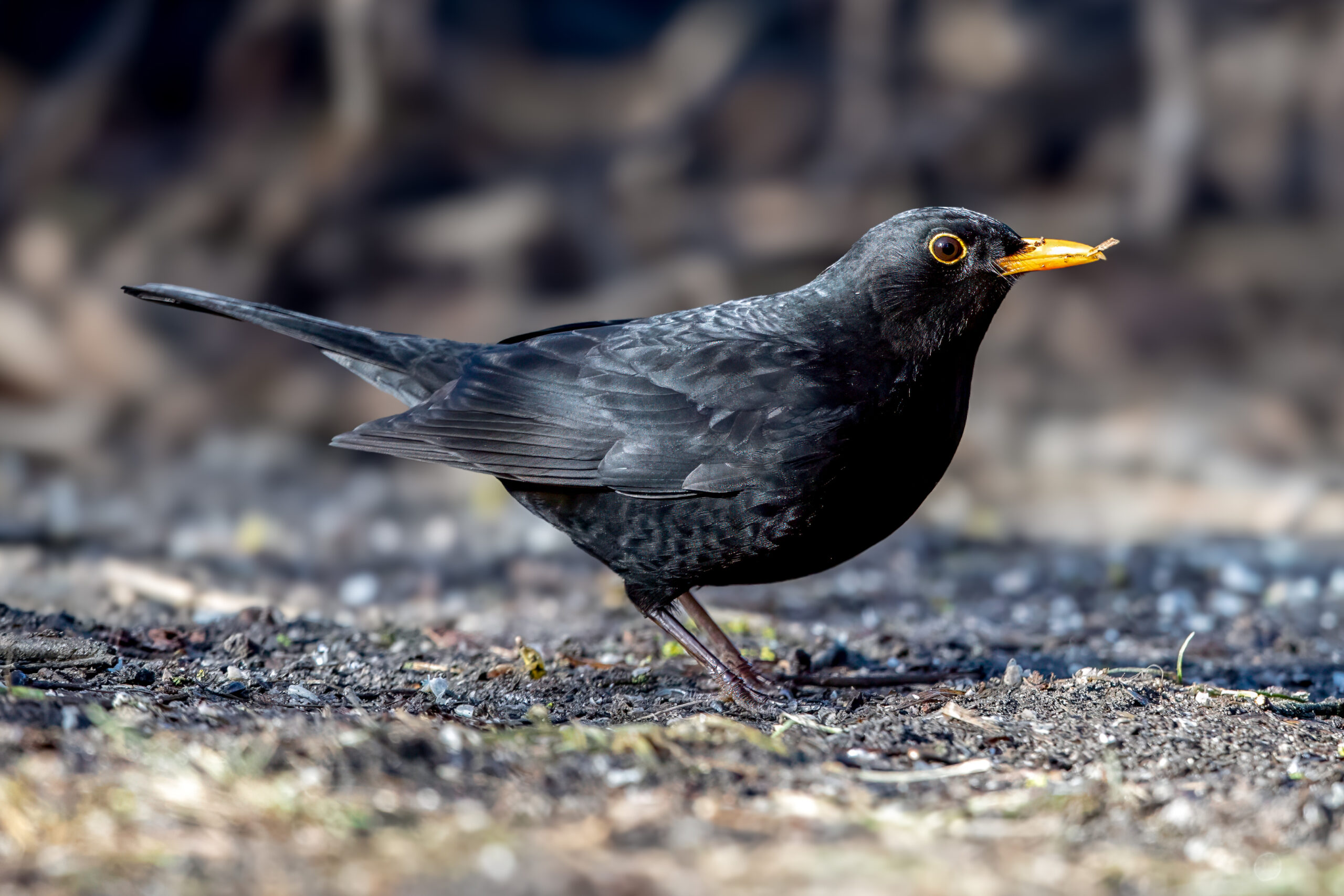
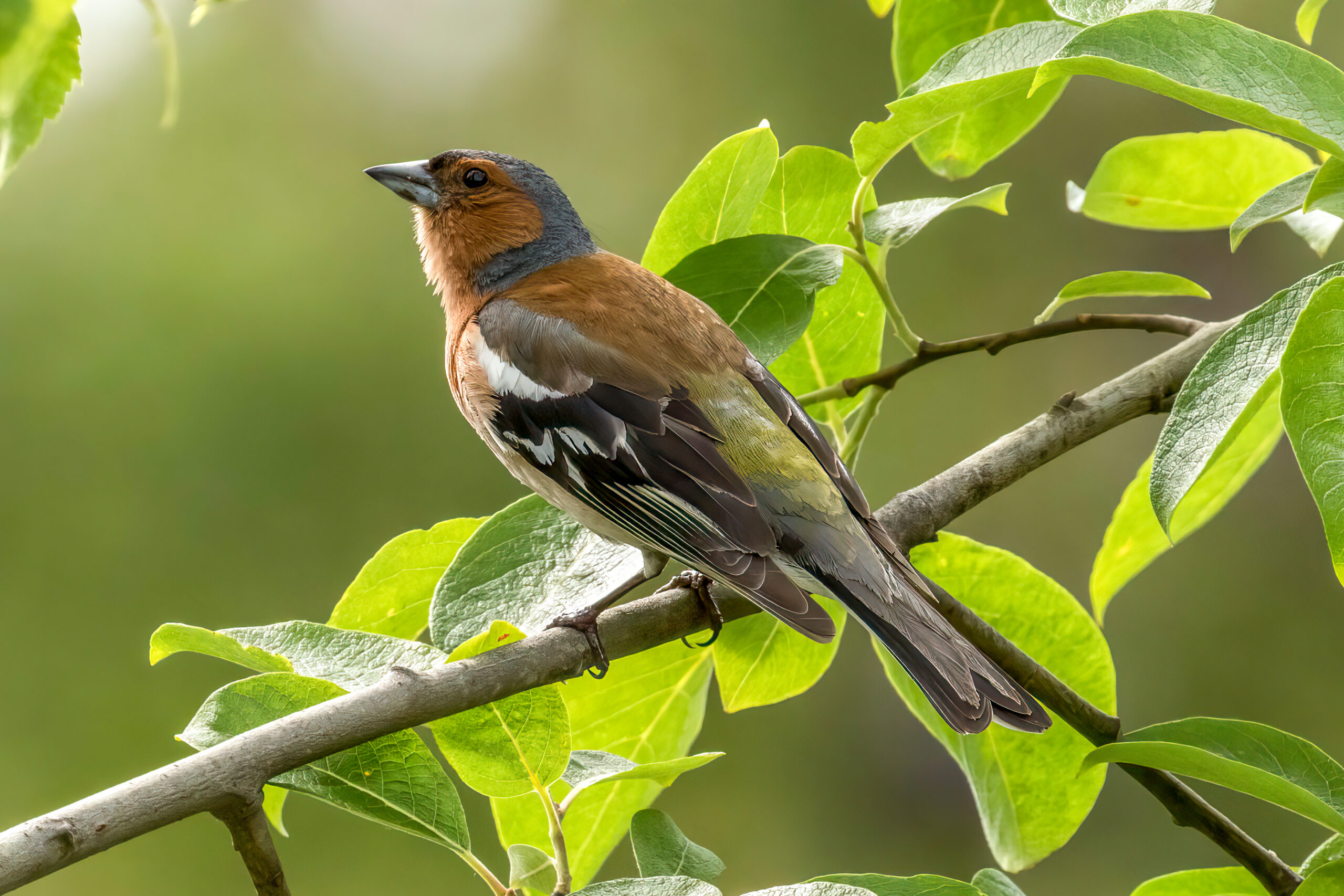
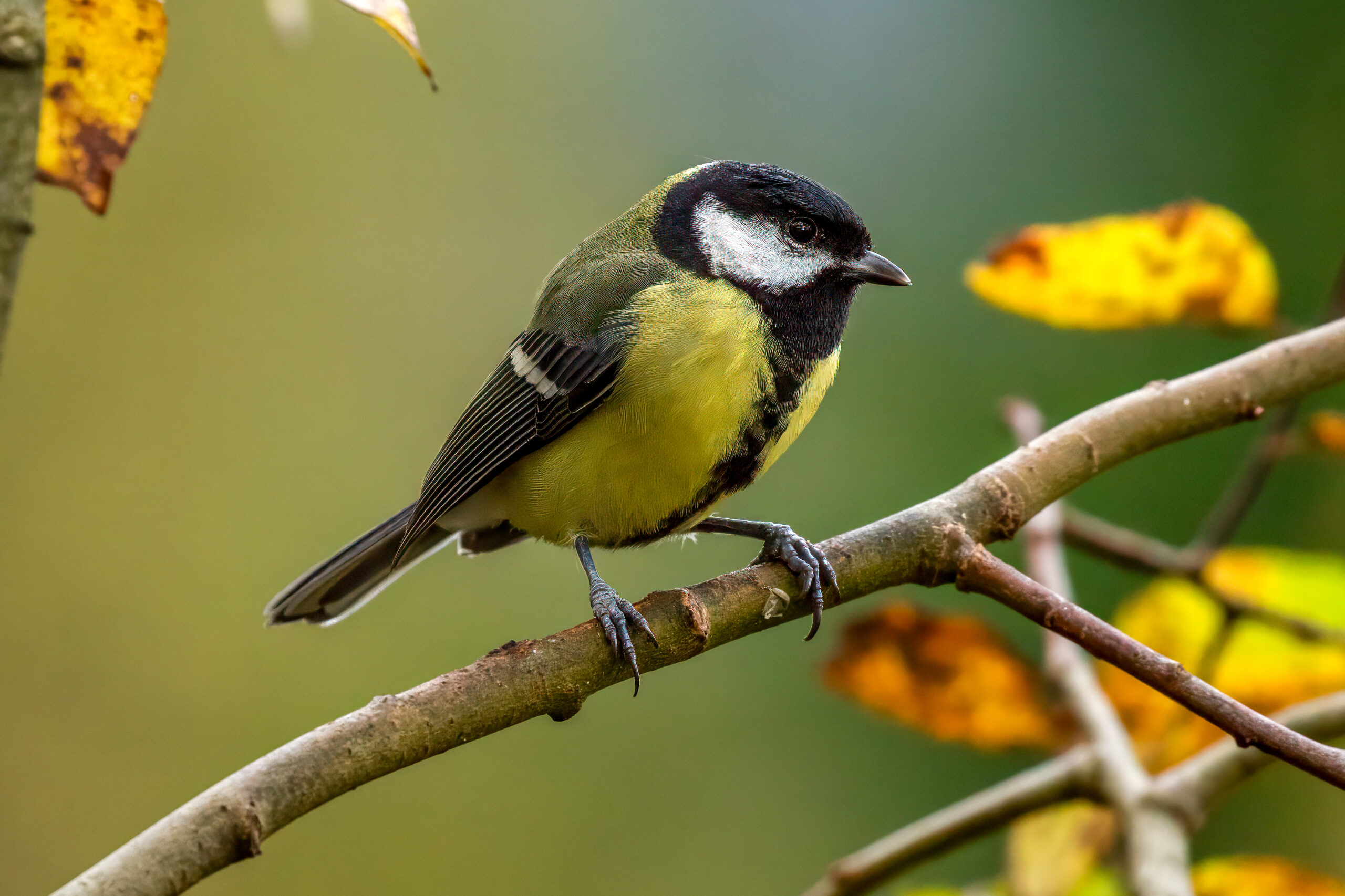
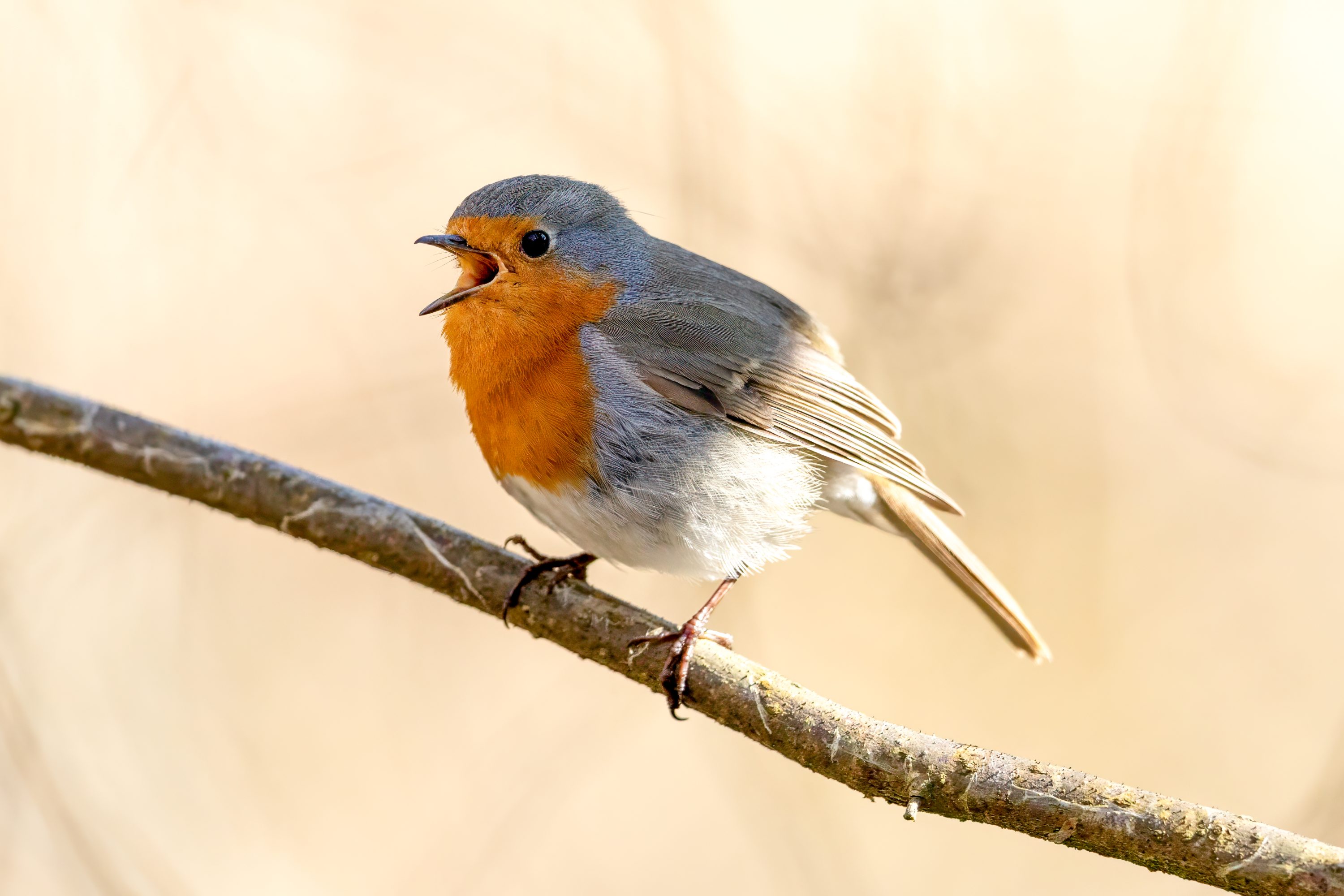
Researchers compared the eurasian sparrowhawk (Accipiter nisus) with five common prey species: song thrush (Turdus philomelos), eurasian blackbird (Turdus merula), common chaffinch (Fringilla coelebs), great tit (Parus major) and european robin (Erithacus rubecula). All six species were ringed daily between 26 March and 15 May at the Hel Bird Ringing Station on Poland’s Baltic coast. The analysis covered the spring seasons from 1982 to 2021. In 2024, the researchers also collected feather remains and recorded attacks near the station to confirm which birds sparrowhawks were taking during migration.
Spring passage timing differed by age and sex
Adult sparrowhawks generally passed Hel two to three weeks before immature birds, while young females arrived about ten days before young males. Female sparrowhawks can be up to a quarter larger than males and are able to take larger prey. Across years, adult females passed earlier or later alongside eurasian blackbirds, and adult males alongside the smaller european robin. Young females showed a weaker positive relationship with song thrush timing that did not reach statistical significance. Young males showed a statistically supported relationship with great tit timing, but in the opposite direction: later great tit passage was associated with earlier passage of young male sparrowhawks. The authors interpret the clearer adult relationships as consistent with age- and sex-related differences in prey use, while the young-male pattern does not indicate simple tracking of great tit migration.
Daily passage tracked several prey species in some years
The day-to-day passage pattern of sparrowhawks was also correlated with song thrushes, european robins and common chaffinches in selected springs. Song thrushes and robins often showed peaks on similar days to the predator, while the chaffinch relationship changed between years. Great tits provide a useful contrast: they dominated the prey remains collected in 2024, but their generally early passage overlapped poorly with the later migration of immature male sparrowhawks. Together, the results show a generalist predator using several prey species rather than tracking one fixed prey schedule.
Sparrowhawks showed no long-term shift in median passage date
Temperature provided another part of the picture. Adult females passed early after warm Februaries in southern European wintering and migration areas, while adult males arrived early after warm March conditions there. Immature males moved through Hel earlier in years with warm local Aprils. Median passage dates showed no significant long-term trend in any sparrowhawk age–sex group or in the five prey species. For sparrowhawks as a whole, however, the later part of the passage period shifted somewhat earlier. The strongest signal was therefore large year-to-year variation rather than a uniform long-term advance.
Ecology
Related news
Urban Bird Diversity Was More Strongly Linked to Forest Structure Than the Surrounding City
Across 12 urban forests in three Italian cities, researchers recorded 2,035 birds from 52 species. Local forest structure…
Read story →
Fieldfare and Song Thrush Confirmed as New Intermediate Hosts of Sarcocystis turdusi
Across 72 dead thrushes from Lithuania and Russia’s Kaliningrad region, DNA confirmed fieldfare and song thrush as new…
Read story →
City and Forest Great Tits Respond Differently to Artificial Light at Night
In a common-garden experiment, artificial light initially advanced daily activity onset in great tits from both city and…
Read story →SPECIES IN THIS STORY
Species in this story
Independent research and conservation news archive
Did you find this information useful?
Wildlife Vagabond is independently built and maintained. Voluntary support helps cover source verification, hosting and continued work on research and conservation news.
Support Wildlife VagabondThe news archive will remain freely available.