
White-Winged Dove Had an Estimated Mean Density of 744 Birds per km² Along the Sinaloa River
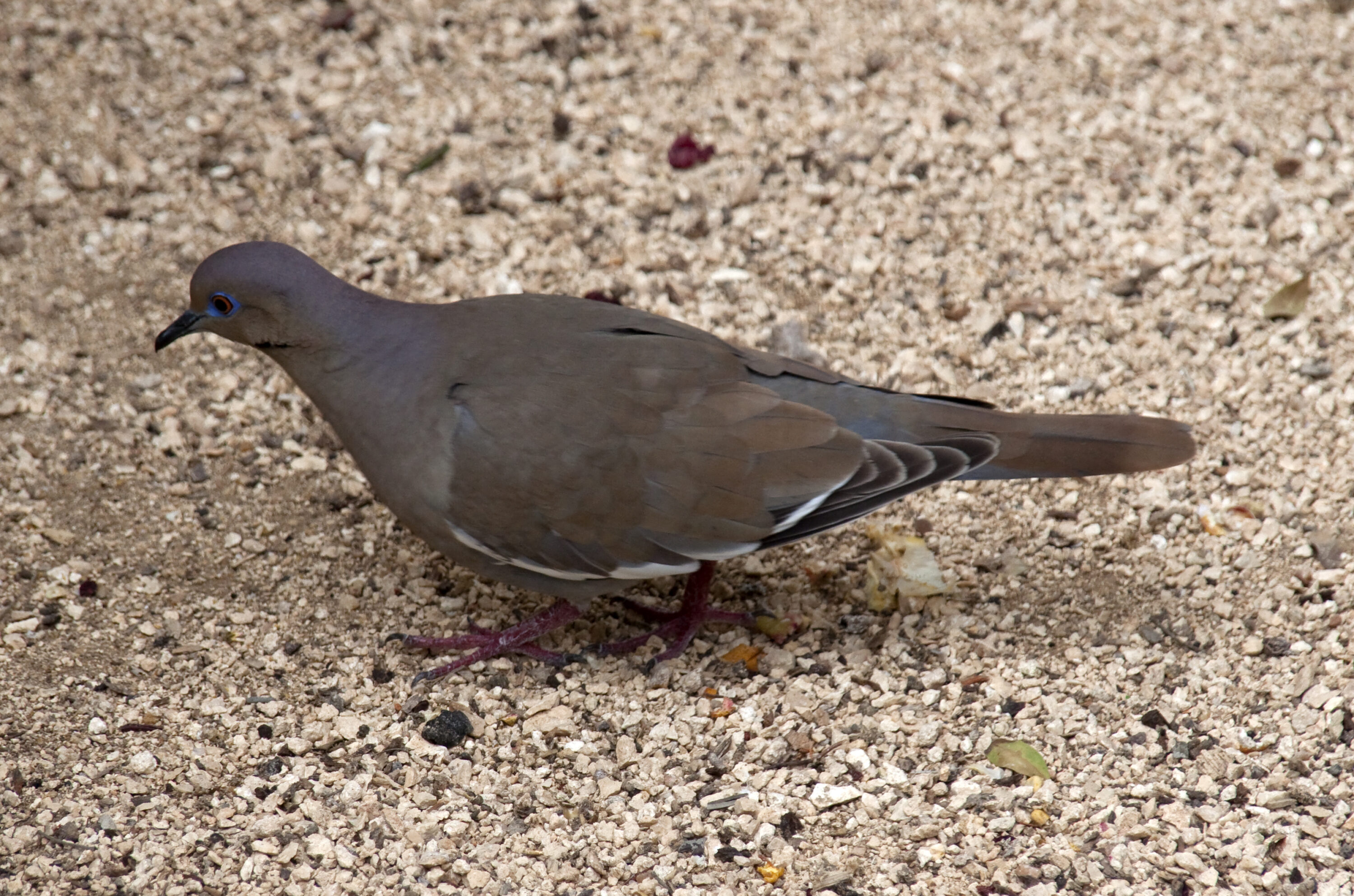
A survey of five dove species along the Sinaloa River in northwestern Mexico found that white-winged dove (Zenaida asiatica) was by far the most abundant and widely distributed species. The study was first published online on 13 March 2026 in Avian Biology Research.
Distance sampling uses how detection probability changes with distance from the survey line to estimate how many birds were likely missed and thereby infer density.
A transect is a predefined line or route used to survey an area systematically, with observations, signs or sampling points recorded along it.
Researchers surveyed a riparian corridor in the municipality of Guasave, Sinaloa, between March and November 2024. They used line transects and perpendicular distance sampling, covering a total survey distance of 58.5 kilometres, and built separate detection models for the five dove species recorded.
The study included white-winged dove, rock dove (Columba livia), red-billed pigeon (Patagioenas flavirostris), Eurasian collared dove (Streptopelia decaocto) and mourning dove (Zenaida macroura).
White-winged dove reached an estimated mean density of 744 birds per km²
White-winged dove had an estimated mean density of about 744 individuals per square kilometre, significantly higher than the densities estimated for the other four species. It was also distributed more broadly through the surveyed river corridor.
Density peaked in spring and was lowest in autumn
Density varied across the year. White-winged dove reached its highest estimated density in spring, during the breeding season, and its lowest in autumn. The authors relate this seasonal pattern to changes in resource availability and local movements rather than interpreting it as evidence of a long-term population trend.
The other dove species were less abundant and more restricted within the corridor. Rock doves were concentrated around the waterfront promenade in the urban part of Guasave, while red-billed pigeons occurred only sparsely along the surveyed route.
The researchers highlight the importance of riparian corridors as habitat within landscapes that also contain agriculture and urban development. For white-winged doves, the Sinaloa River corridor supported particularly high local densities during the study period, while the authors recommend continued monitoring to track how dove populations change over time.
Ecology
Related news
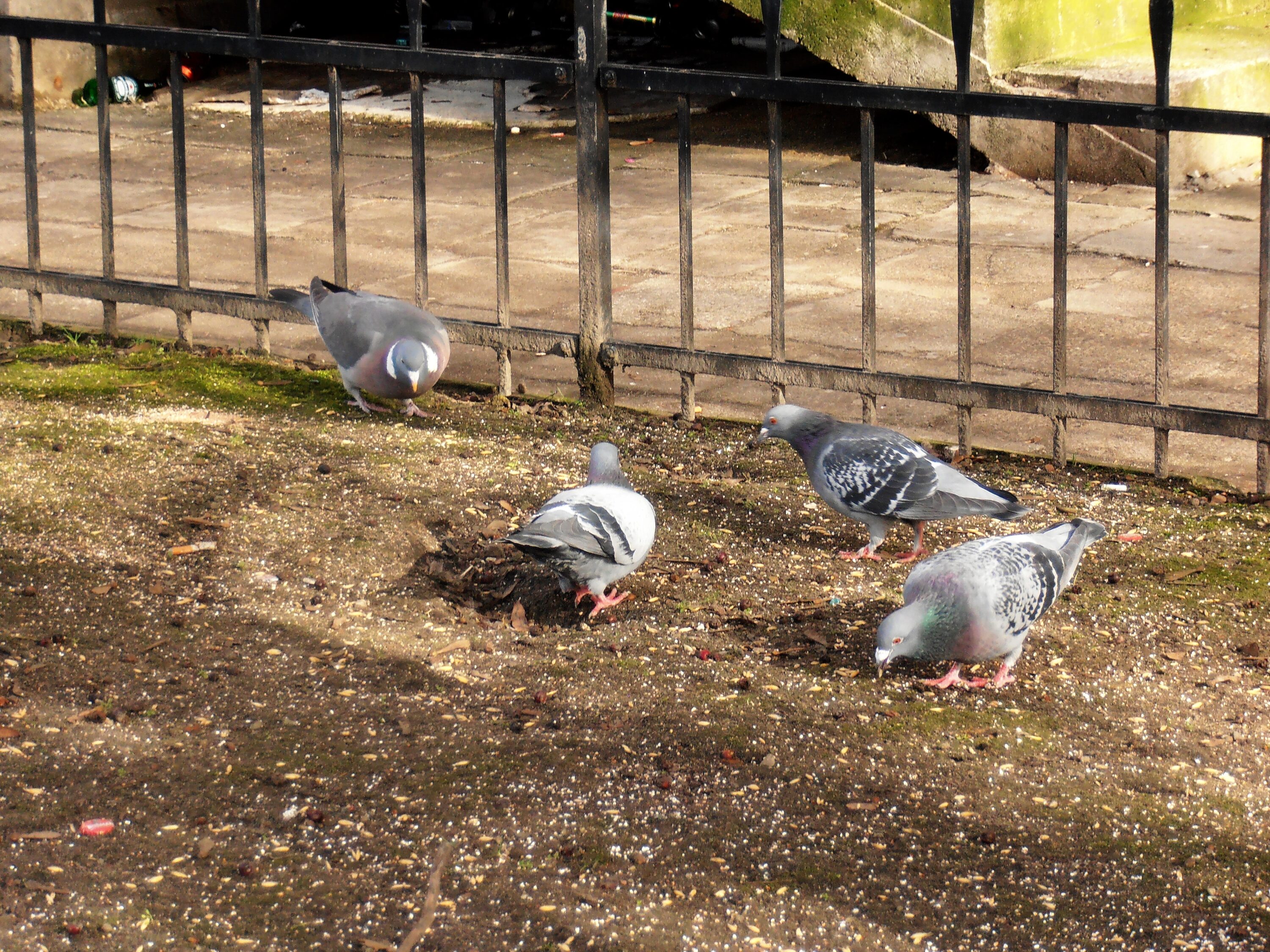
Common Wood-Pigeon Was Negatively Associated With Settlements in High Atlas Valleys
Across 179 survey points in two Central High Atlas valleys in Morocco, researchers recorded 1,073 pigeons and doves.…
Read story →
Rock Doves Preferred Predictive Information Despite a Lower Food Payoff
Seven rock doves preferred an informative option that paid on 20% of trials over a non-informative option that…
Read story →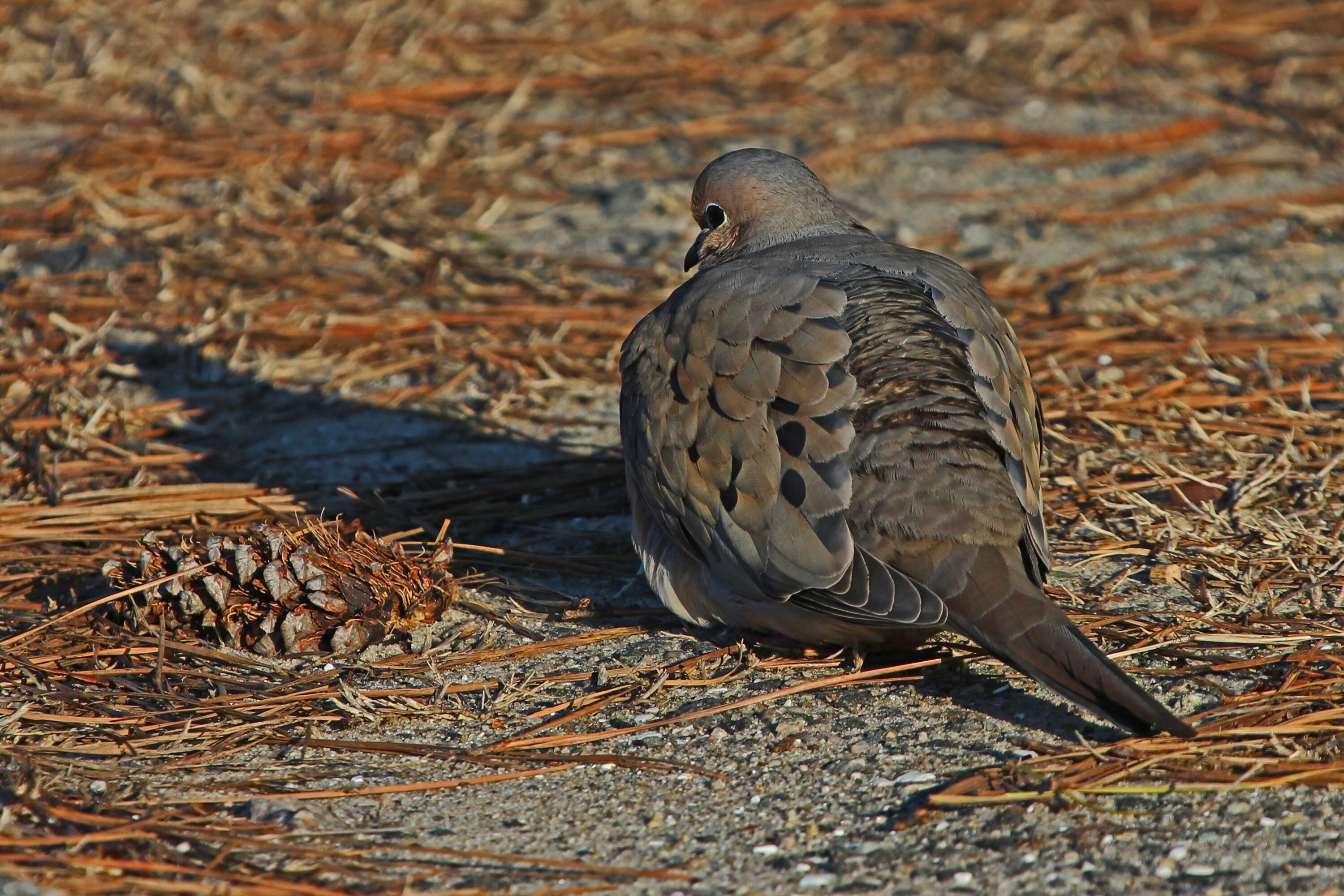
U.S. Assessment Estimates 329 Million Mourning Doves
A federal assessment estimates about 329 million mourning doves in the United States. The western abundance estimate fell…
Read story →SPECIES IN THIS STORY
Species in this story



Independent research and conservation news archive
Did you find this information useful?
Wildlife Vagabond is independently built and maintained. Voluntary support helps cover source verification, hosting and continued work on research and conservation news.
Support Wildlife VagabondThe news archive will remain freely available.