
DNA Metabarcoding Found 15 Vertebrate Prey Species in Tadoba Dhole Scats
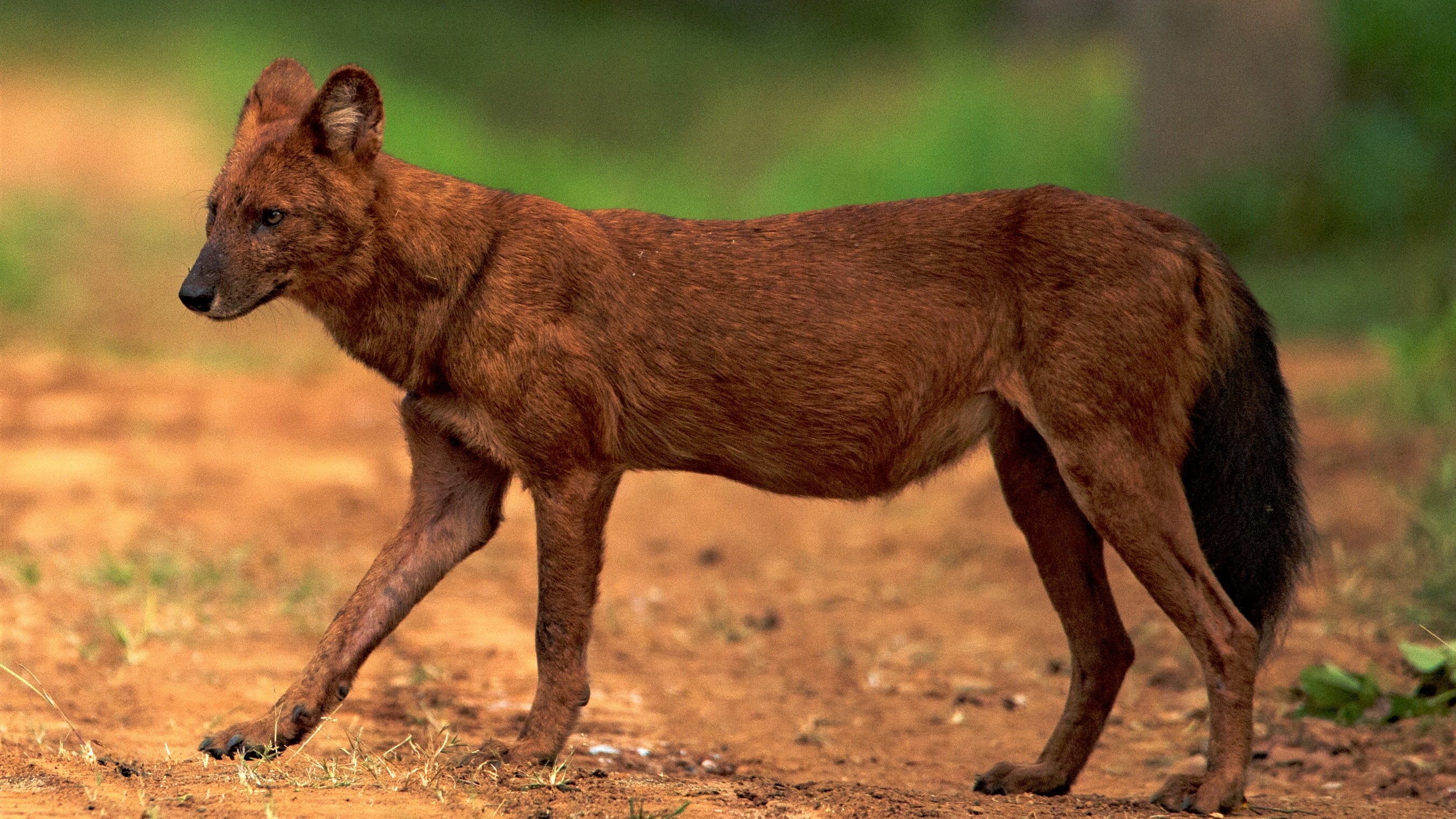
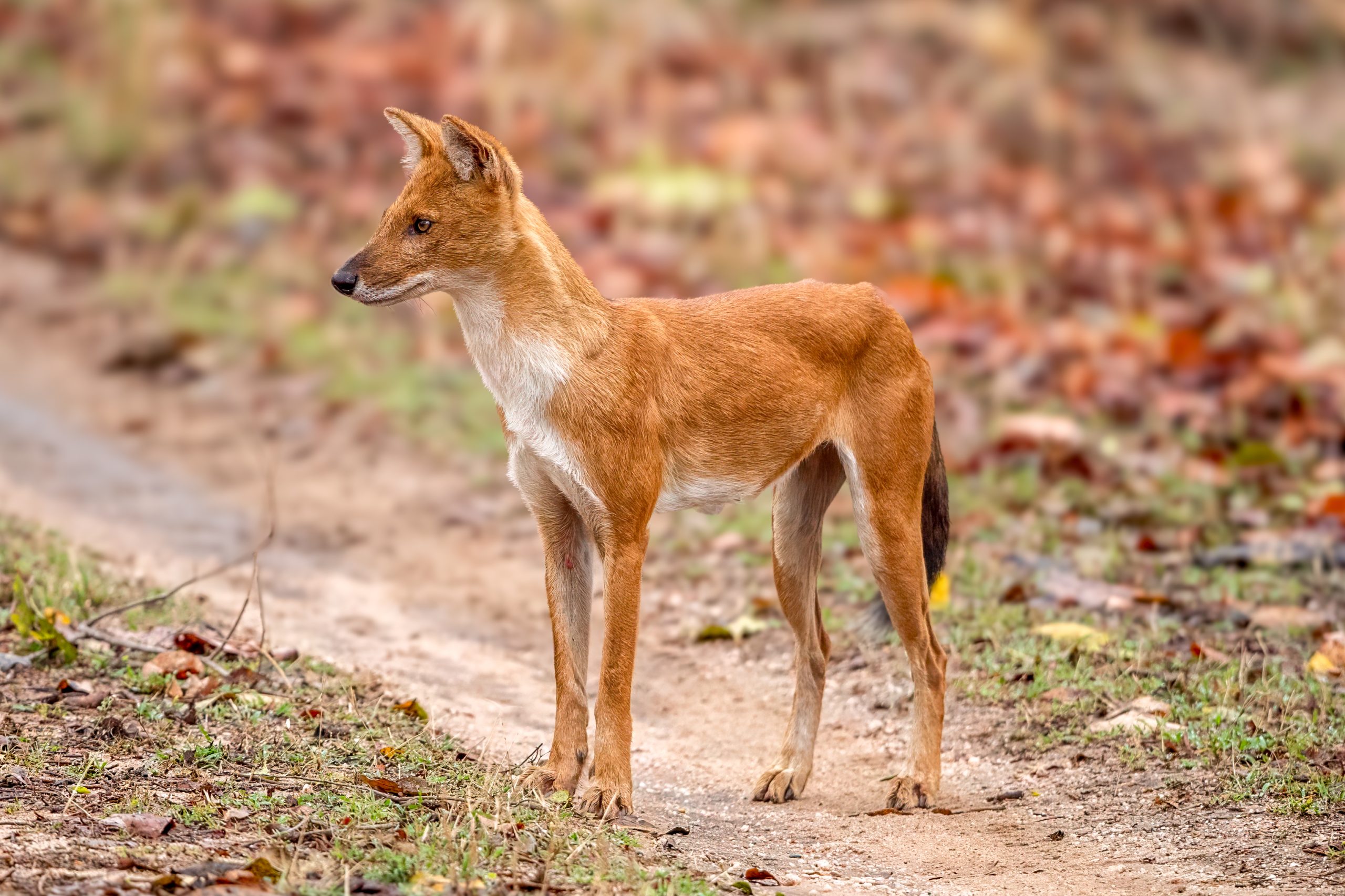
A 2026 DNA-metabarcoding study of dhole (Cuon alpinus) diet in Tadoba Andhari Tiger Reserve, central India, identified 15 vertebrate prey species from 169 genetically confirmed scat samples collected across monsoon and winter. Wild prey dominated the diet, while domestic cattle and buffalo were detected only at low levels.
DNA metabarcoding identifies food by extracting DNA from faeces, amplifying a short genetic marker and comparing the resulting sequences with reference databases. In this study, the researchers also used a blocking oligonucleotide designed to suppress amplification of dhole DNA so that more sequencing capacity was available for prey DNA.
Chital and sambar dominated both diet measures
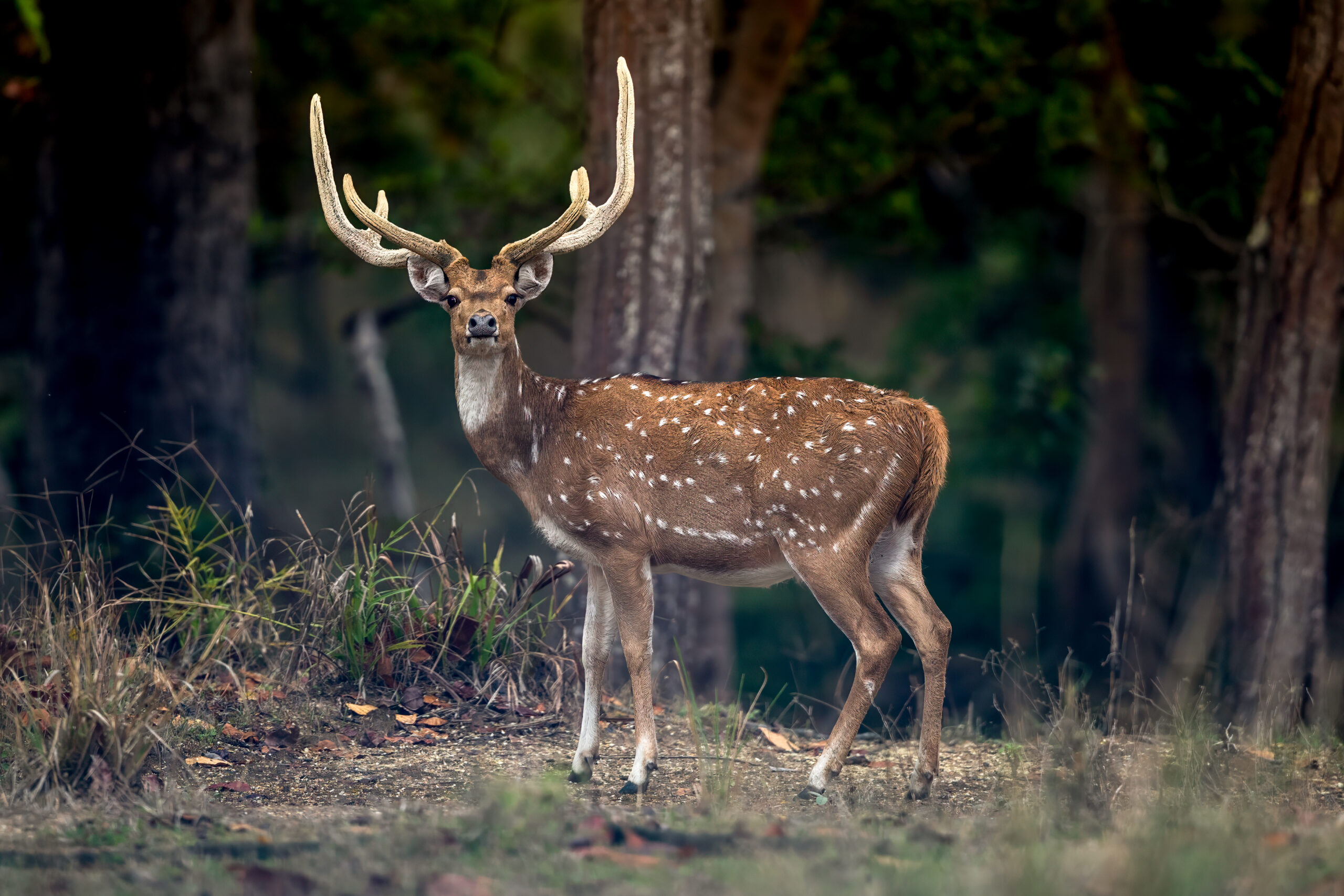
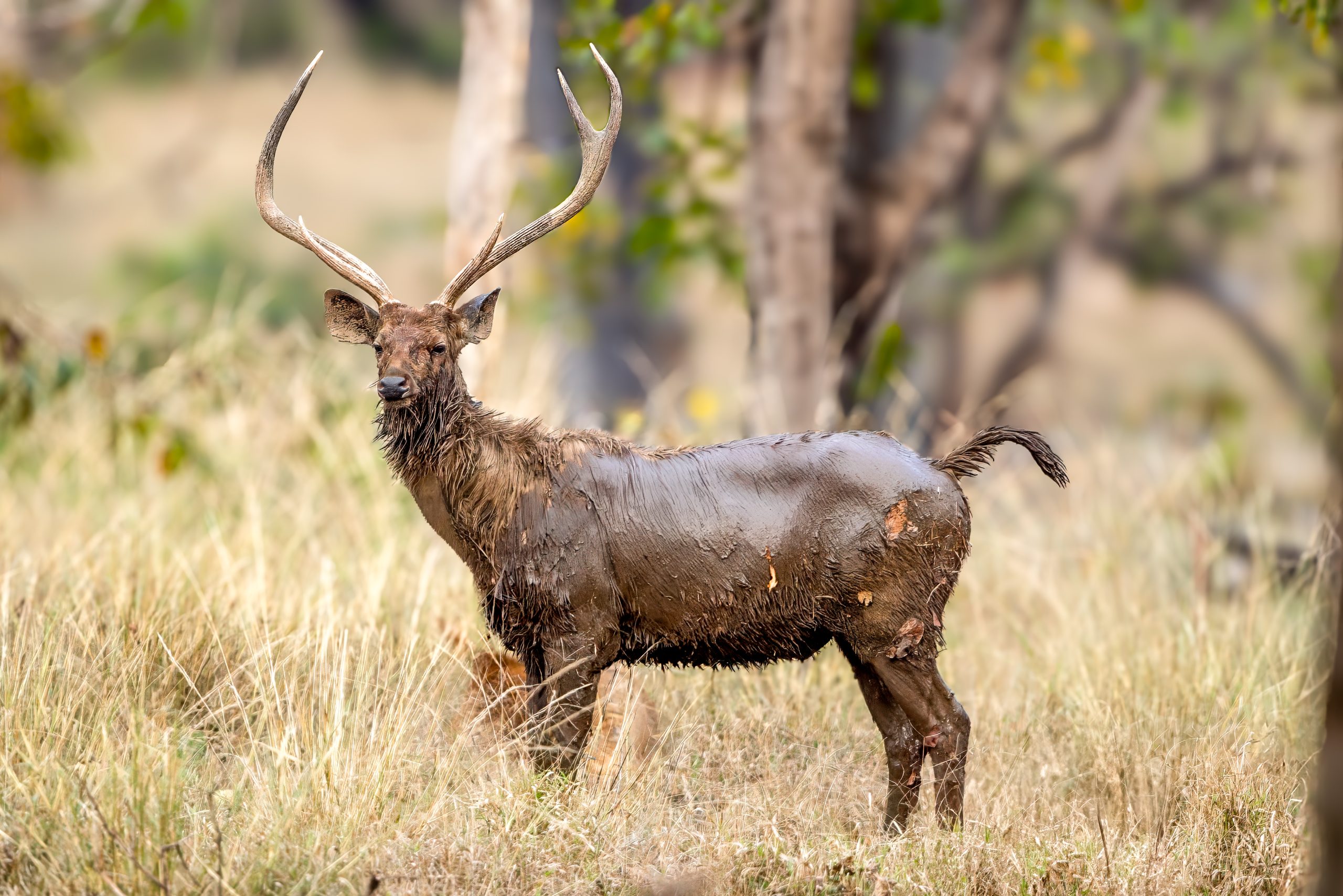
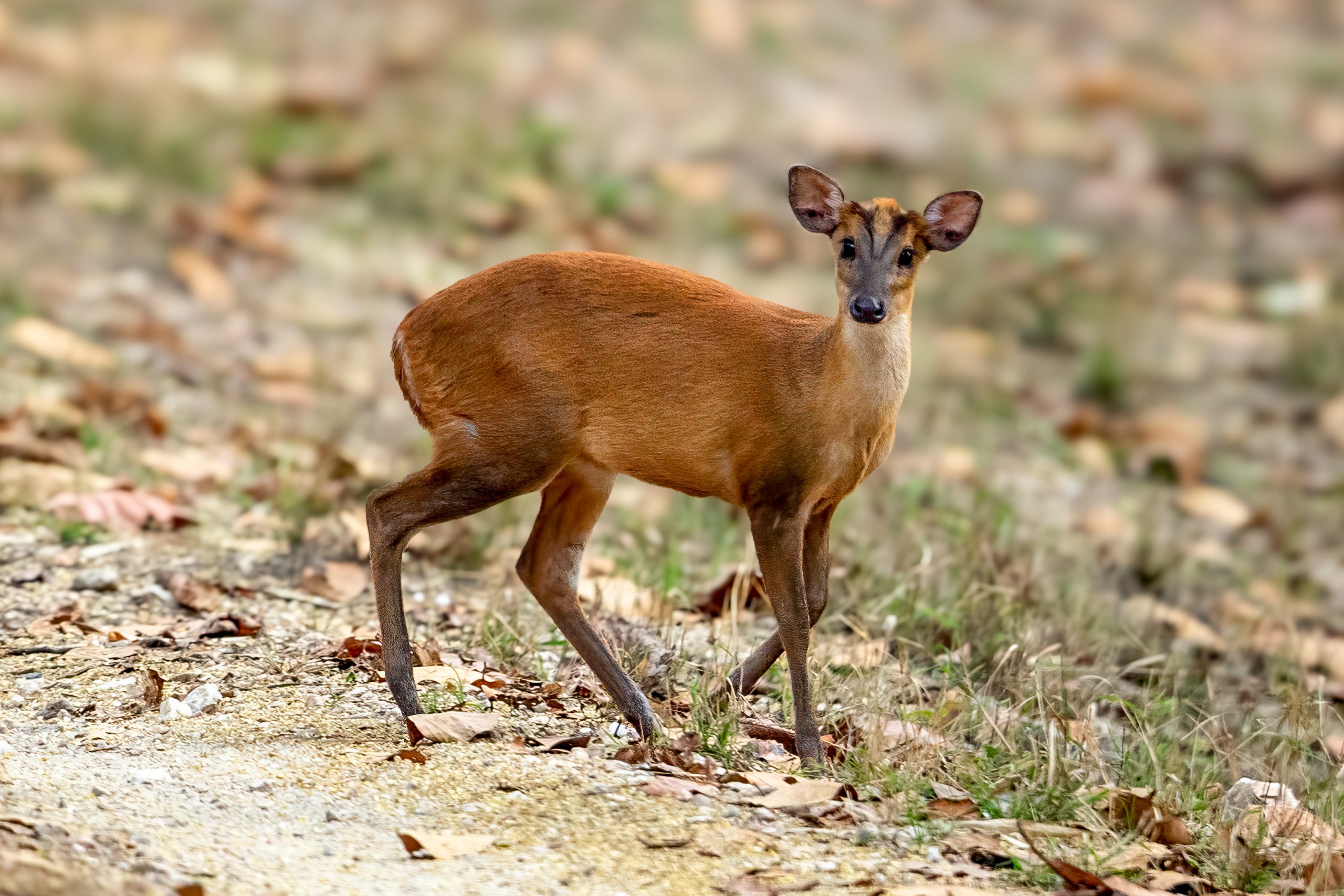
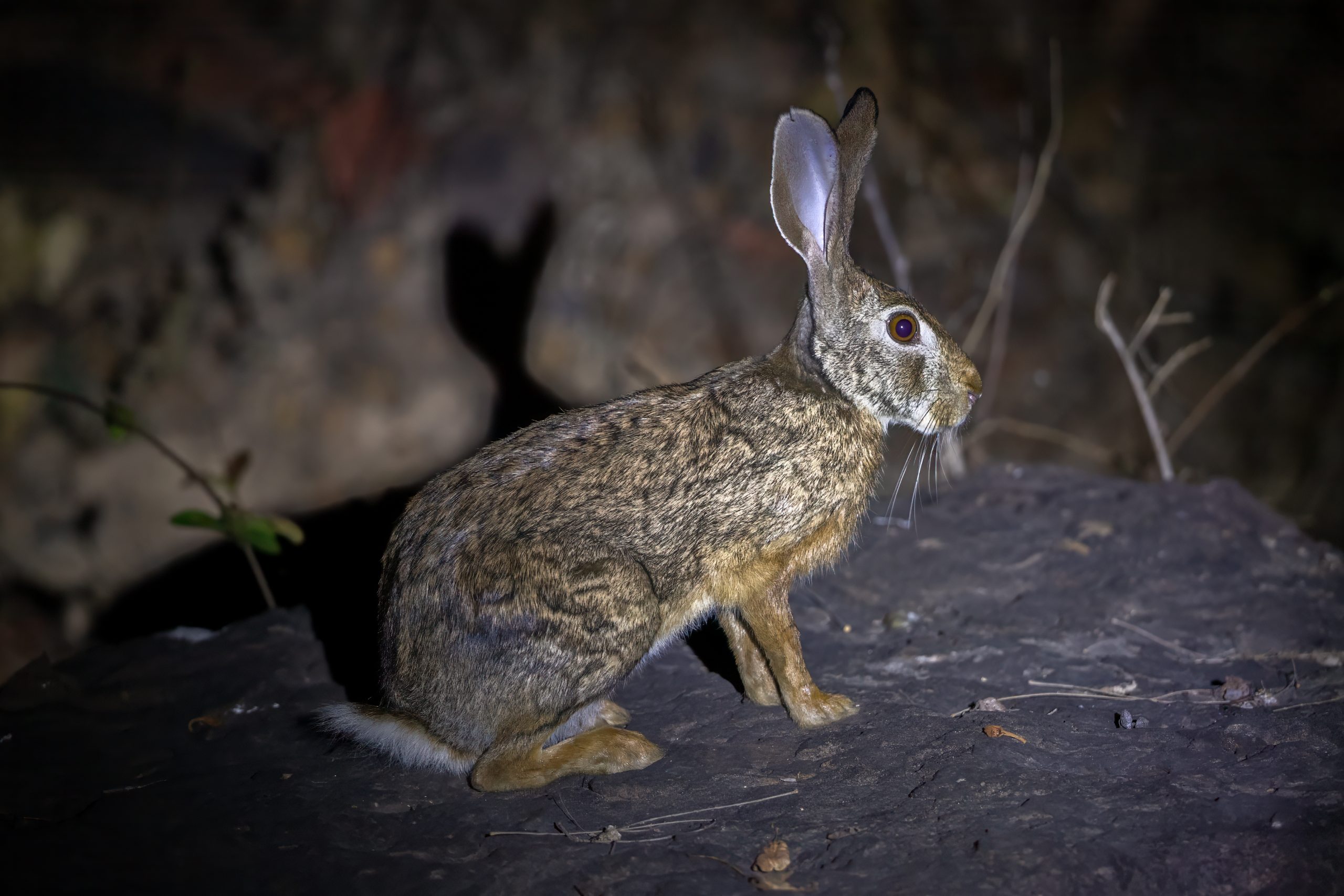
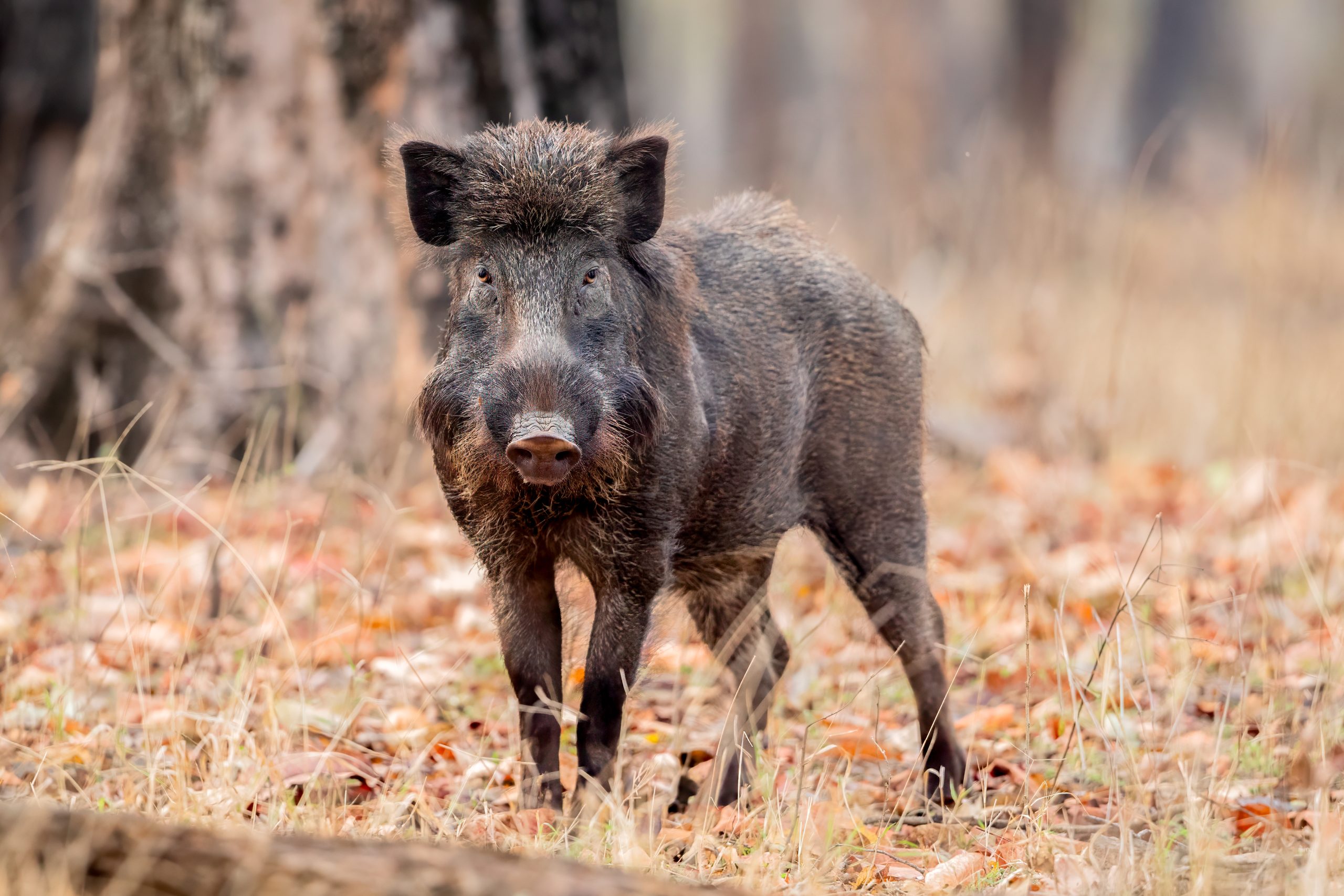
The researchers summarised the diet in two complementary ways. Frequency of occurrence (FOO) is the percentage of scat samples in which a prey species was detected at all. Chital (Axis axis) occurred in 70.4% of samples and sambar (Rusa unicolor) in 66.9%, followed by northern red muntjac (Muntiacus vaginalis; reported as M. muntjak in the study) at 55.6%, Indian hare (Lepus nigricollis) at 30.8%, wild boar (Sus scrofa) at 26.6% and four-horned antelope (Tetracerus quadricornis) at 11.2%.
FOO shows how regularly a prey species appears across scats, but it does not directly measure how much meat that prey contributed. A small prey animal can appear frequently without supplying as much biomass as a large ungulate.
The second measure, relative read abundance (RRA), is the share of prey-DNA sequence reads assigned to each species. Chital accounted for 33.1% of dietary reads, sambar 25.9%, Indian hare 14.5% and wild boar 10.8%. Northern red muntjac and four-horned antelope each accounted for 5.1%, while all other detected prey species were below 1%.
RRA can sometimes track relative dietary contribution better than occurrence alone, but it is not a direct measurement of biomass either. Different prey tissues can digest differently, DNA can survive unevenly, and PCR can amplify some taxa more efficiently than others. The two measures are therefore most useful when interpreted together.
Diet broadened during the monsoon
Diet composition varied with season and location in the reserve. Monsoon samples showed broader and more variable prey profiles, whereas winter samples were more consistent and more strongly dominated by large-bodied prey. Samples from the protected core zone also showed broader dietary profiles than those from buffer areas with more mixed land use.
The study does not by itself show whether these differences were caused by prey abundance, seasonal accessibility or changes in hunting behaviour. The authors interpret them as consistent with seasonal foraging constraints, habitat quality and the availability of wild prey.
Domestic prey contributed very little
Cattle and domestic buffalo appeared only rarely in both diet measures. The strong dominance of wild ungulates therefore indicates that dholes in Tadoba relied overwhelmingly on a wild-prey base rather than livestock during the sampled seasons.
The study also tested a streamlined collection method in which small pinches of scat were preserved directly in lysis buffer. This approach recovered more useful diet DNA while reducing amplification of dhole DNA compared with preserving larger scat samples in silica.
Ecologically, the result reinforces the importance of maintaining diverse wild prey populations in and around dhole strongholds. It also shows why metabarcoding benefits from multiple diet metrics: presence in many scats and contribution to the sequencing reads describe related but not identical aspects of predator diet.
Ecology
Related news
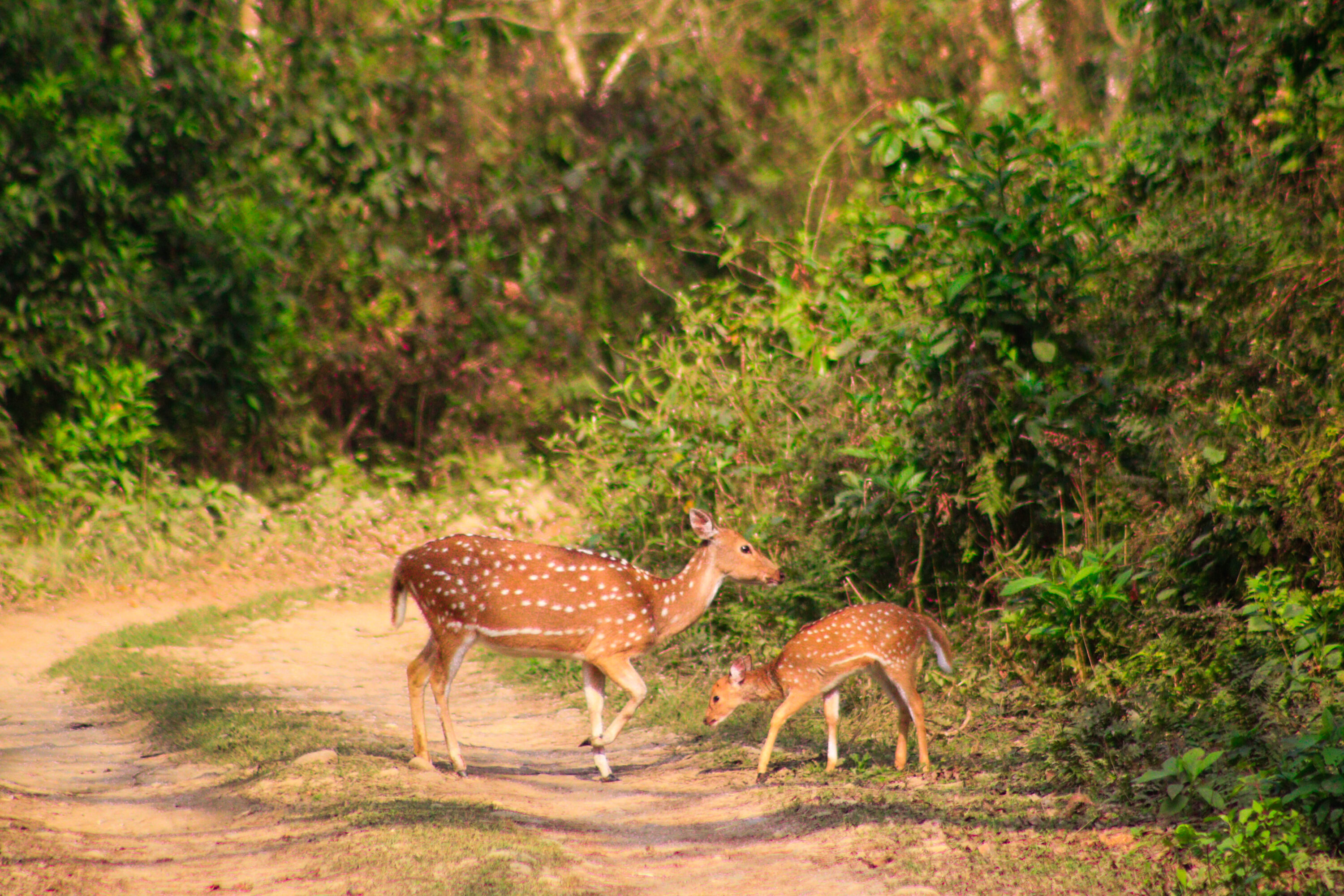
Human Activity and Large Wildlife Overlapped Most in Chitwan’s Buffer Zone
Camera traps across Chitwan National Park and surrounding forests showed the greatest overlap of human activity with large…
Read story →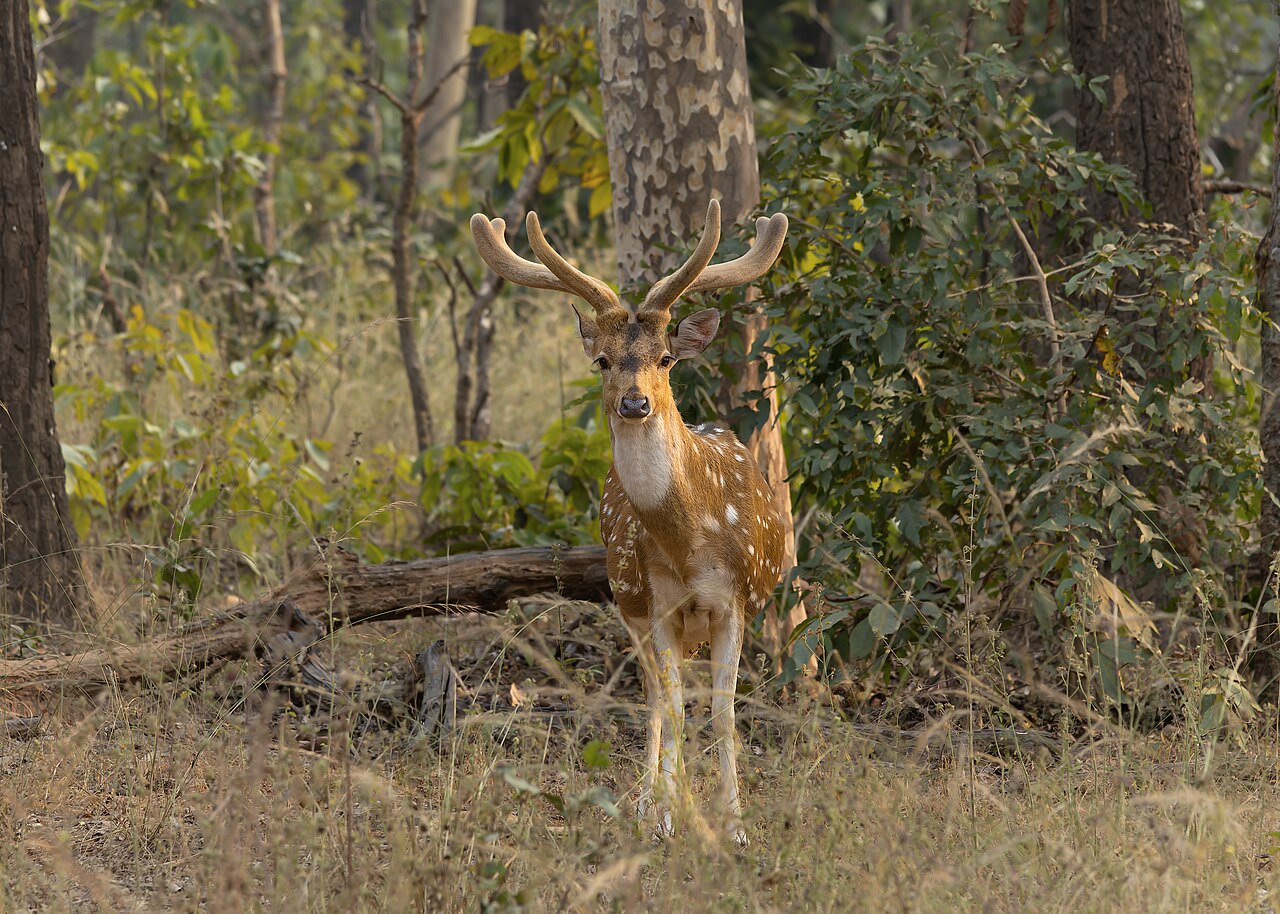
How Deer and Gaur Share Kanha’s Food Supply
In India’s Kanha National Park, Sambar and Gaur ate much the same food in winter but found it…
Read story →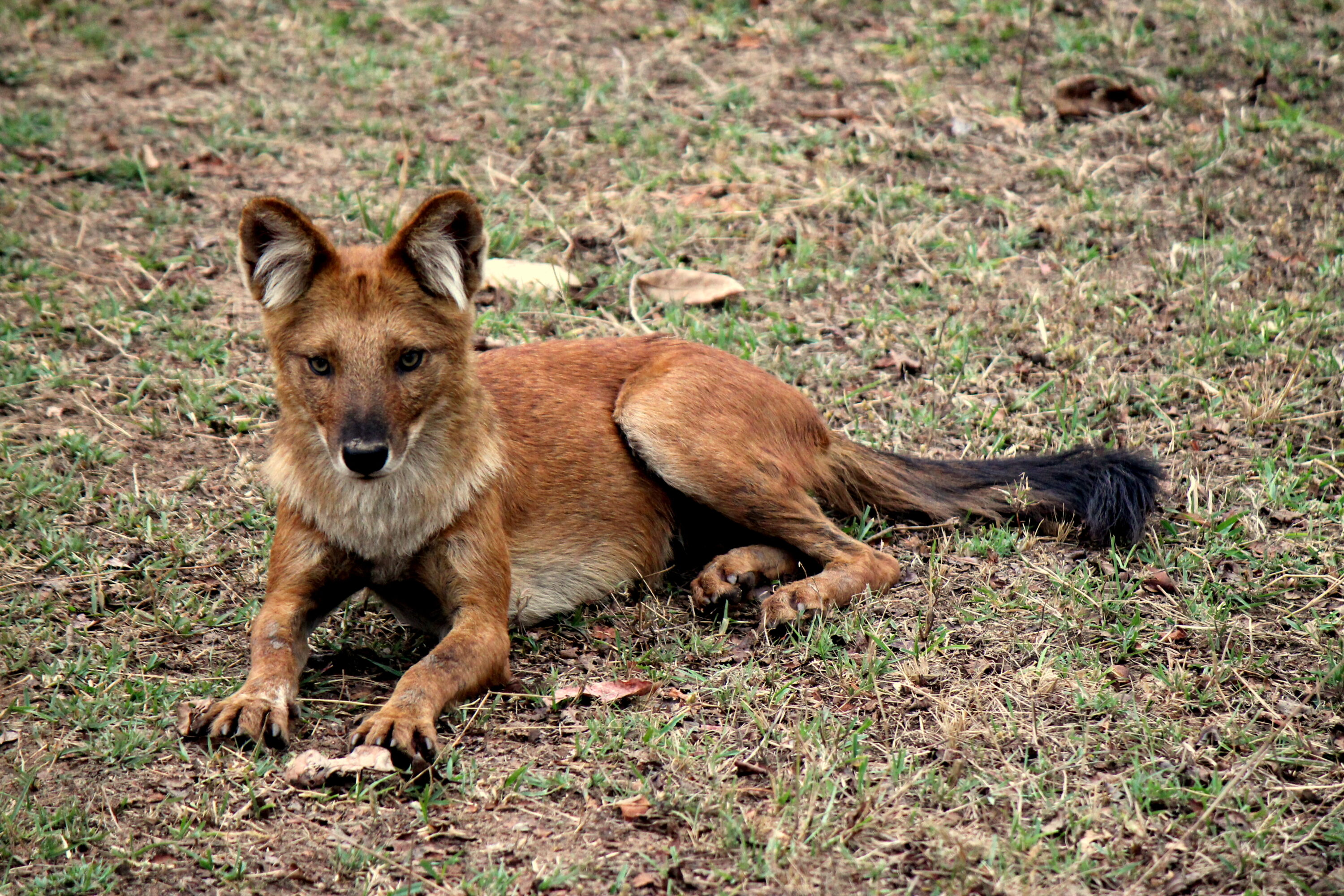
Dhole Gets Its First Chromosome-Level Genome Assembly
Researchers assembled a 2.42-billion-base genome for the dhole, anchoring 97.0% of its sequence to 39 chromosomes. The resource…
Read story →SPECIES IN THIS STORY
Species in this story
Independent research and conservation news archive
Did you find this information useful?
Wildlife Vagabond is independently built and maintained. Voluntary support helps cover source verification, hosting and continued work on research and conservation news.
Support Wildlife VagabondThe news archive will remain freely available.