
Diversified Crop Patches Had More Bird Observations Than Conventional Fields in Germany
A three-year study in Brandenburg, Germany, found more bird observations in a diversified patch-cropping field than in three neighbouring conventional fields. The patch field averaged 20.0 observations per hectare, compared with 8.8–12.1 in the reference fields. Within the diversified field, breeding-season models consistently linked bird occurrence with management types that reduced pesticide use and included other diversification measures. Higher weed cover was an additional positive predictor in 2022, while crop type itself never entered the best models.
The researchers worked at the patchCROP experimental platform in eastern Brandenburg. A 70-hectare arable field had been divided according to soil and yield conditions, including 30 crop patches of about half a hectare each. These patches carried a varied rotation of cereals, maize, soybean, sunflower, lupin and other crops, with management ranging from standard practice to more targeted pesticide and weed control and, in some areas, perennial flower strips. Three nearby fields with larger single-crop areas served as references.
From September 2020 to August 2023, an ornithologist mapped birds seen or heard along fixed routes. Birds merely flying over were excluded. After restricting the data to comparable observation zones away from outer field edges, the analyses included 1,853 records of 51 species.
Skylarks dominated the bird records
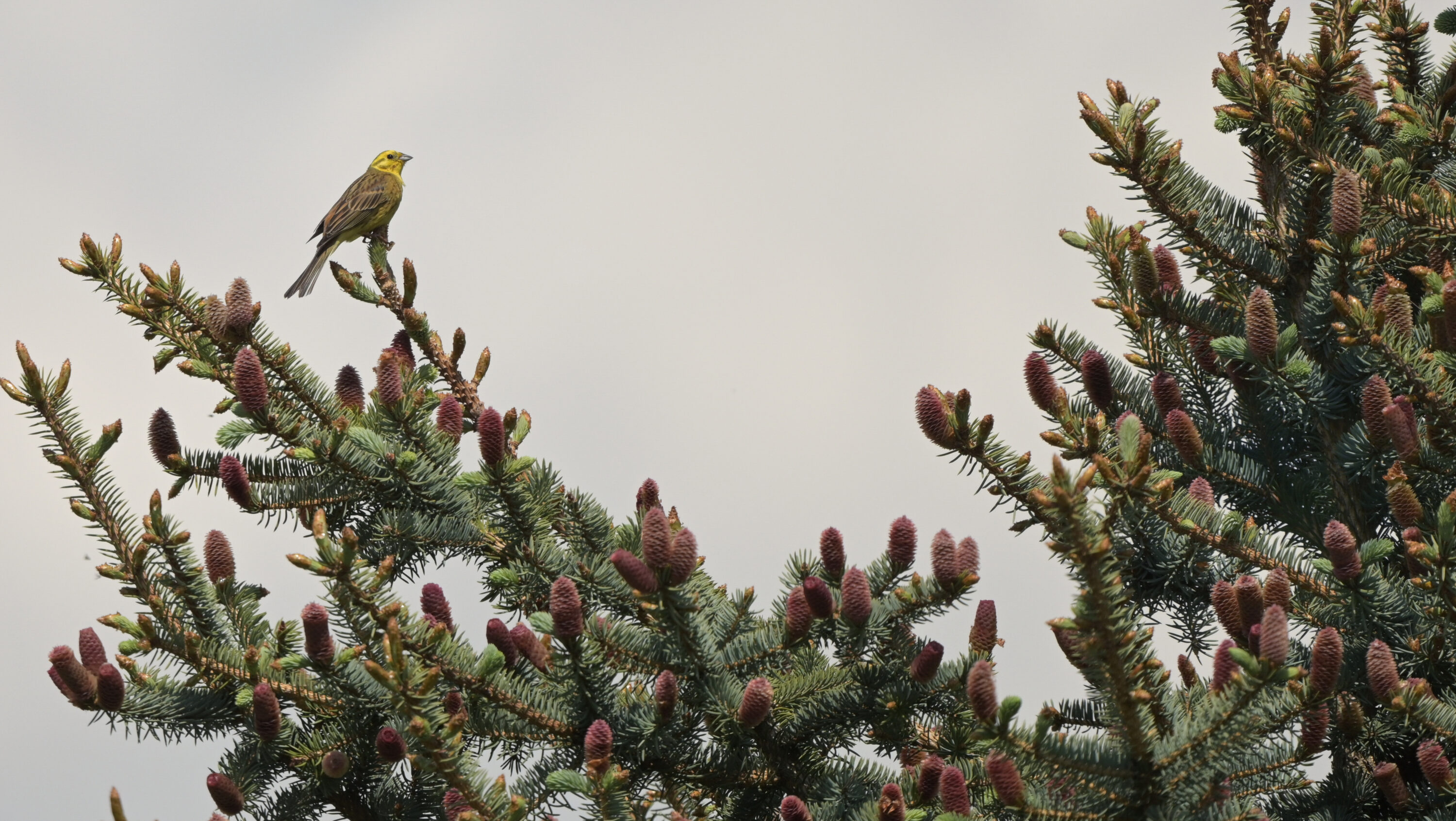
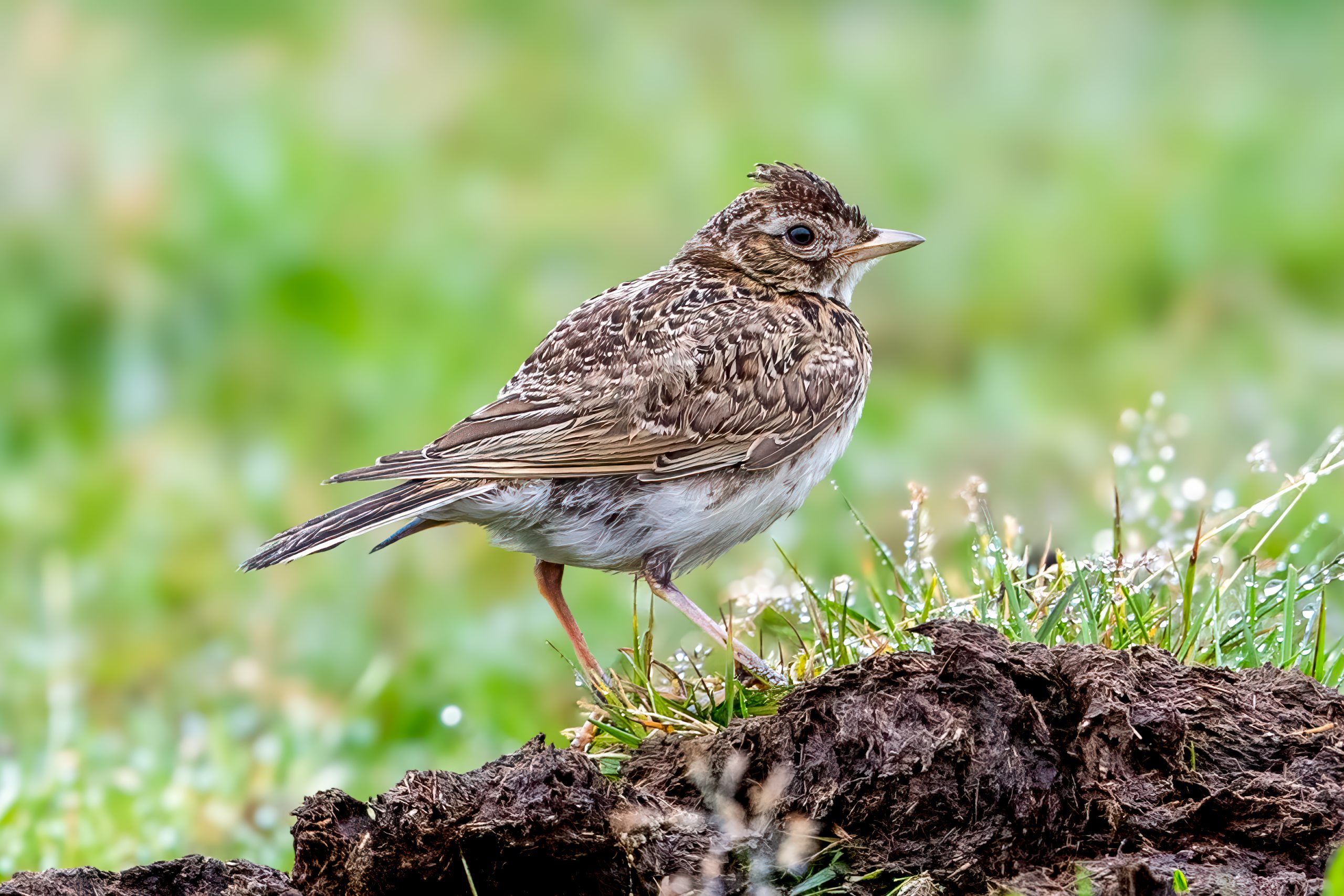
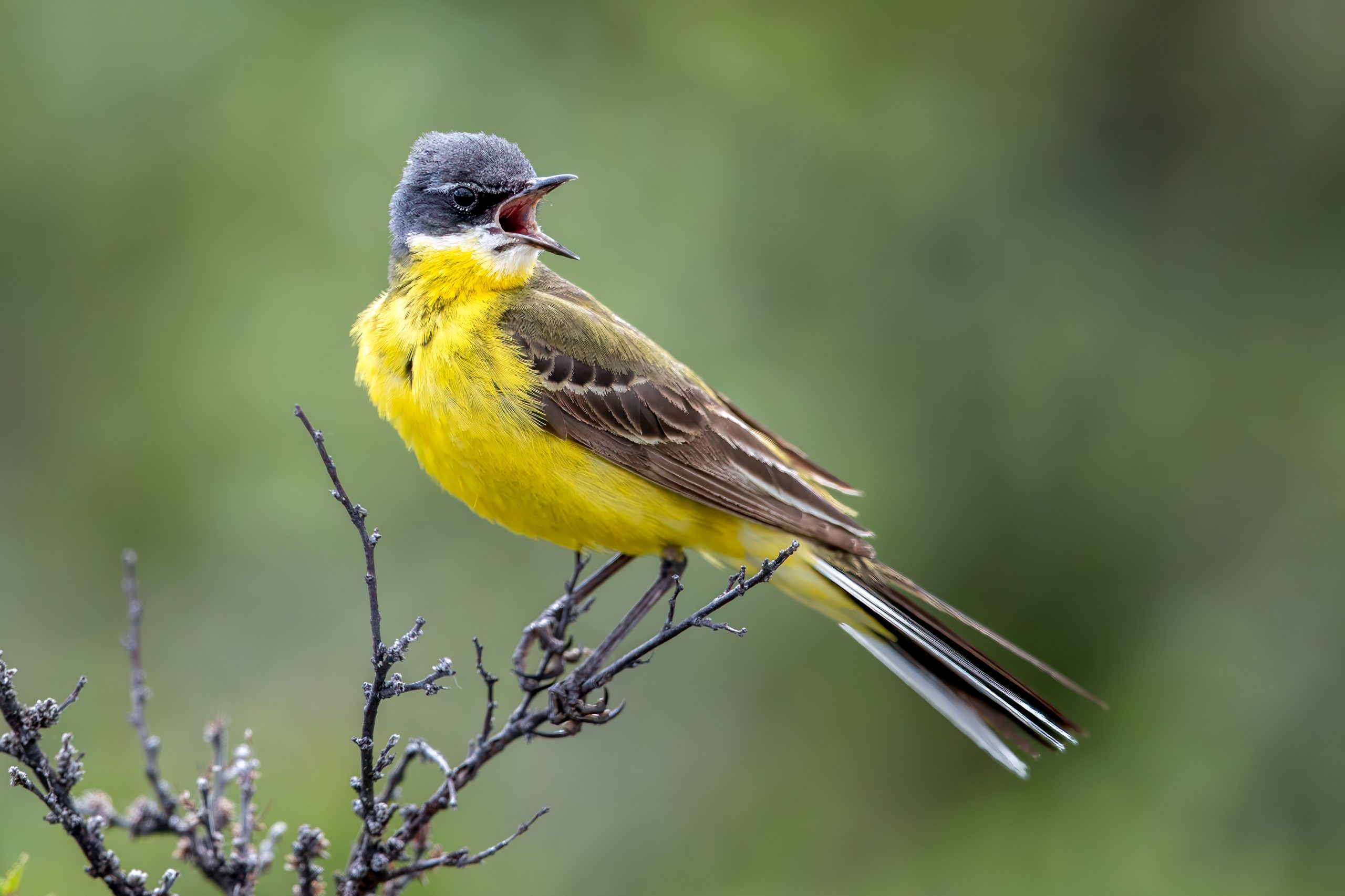
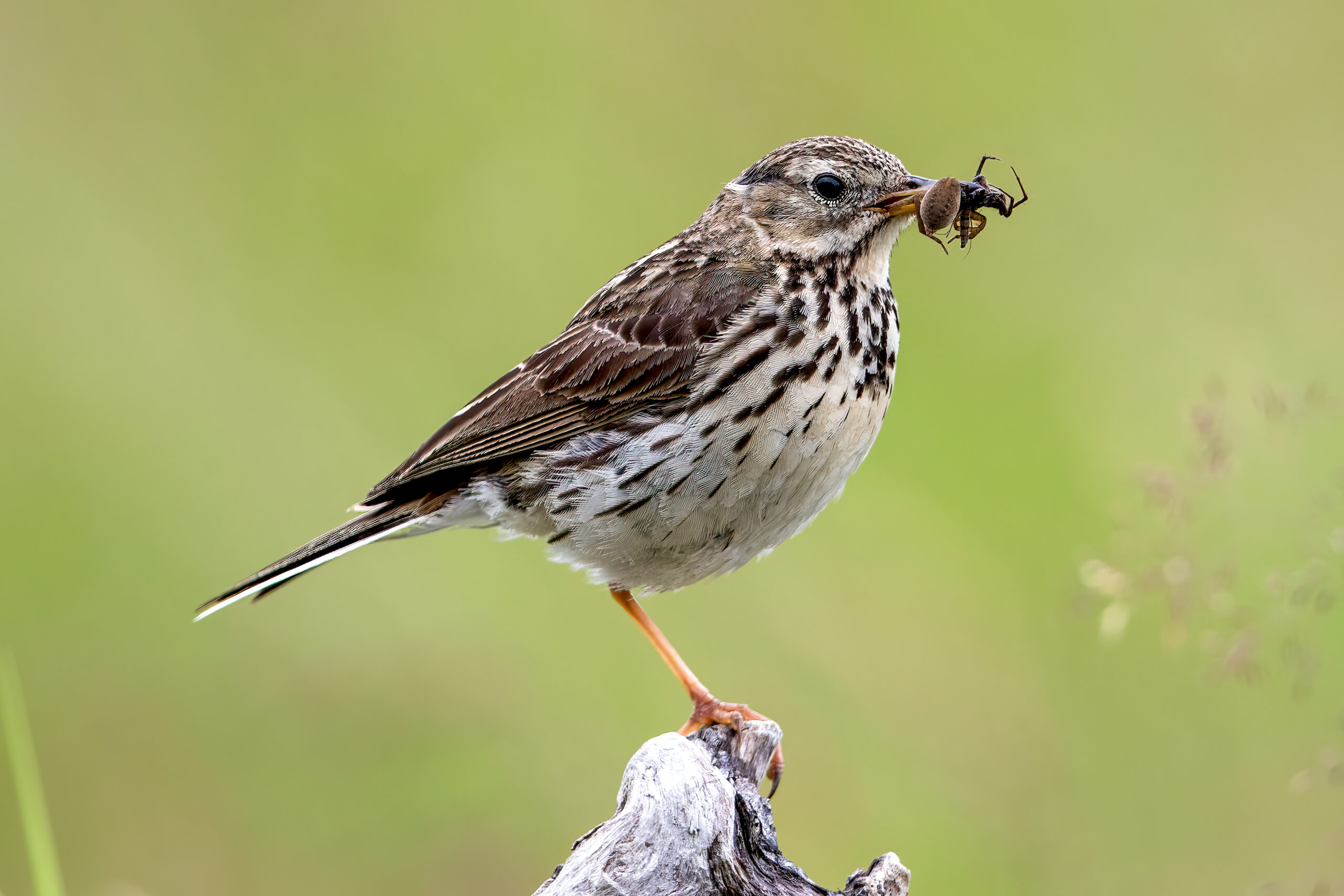
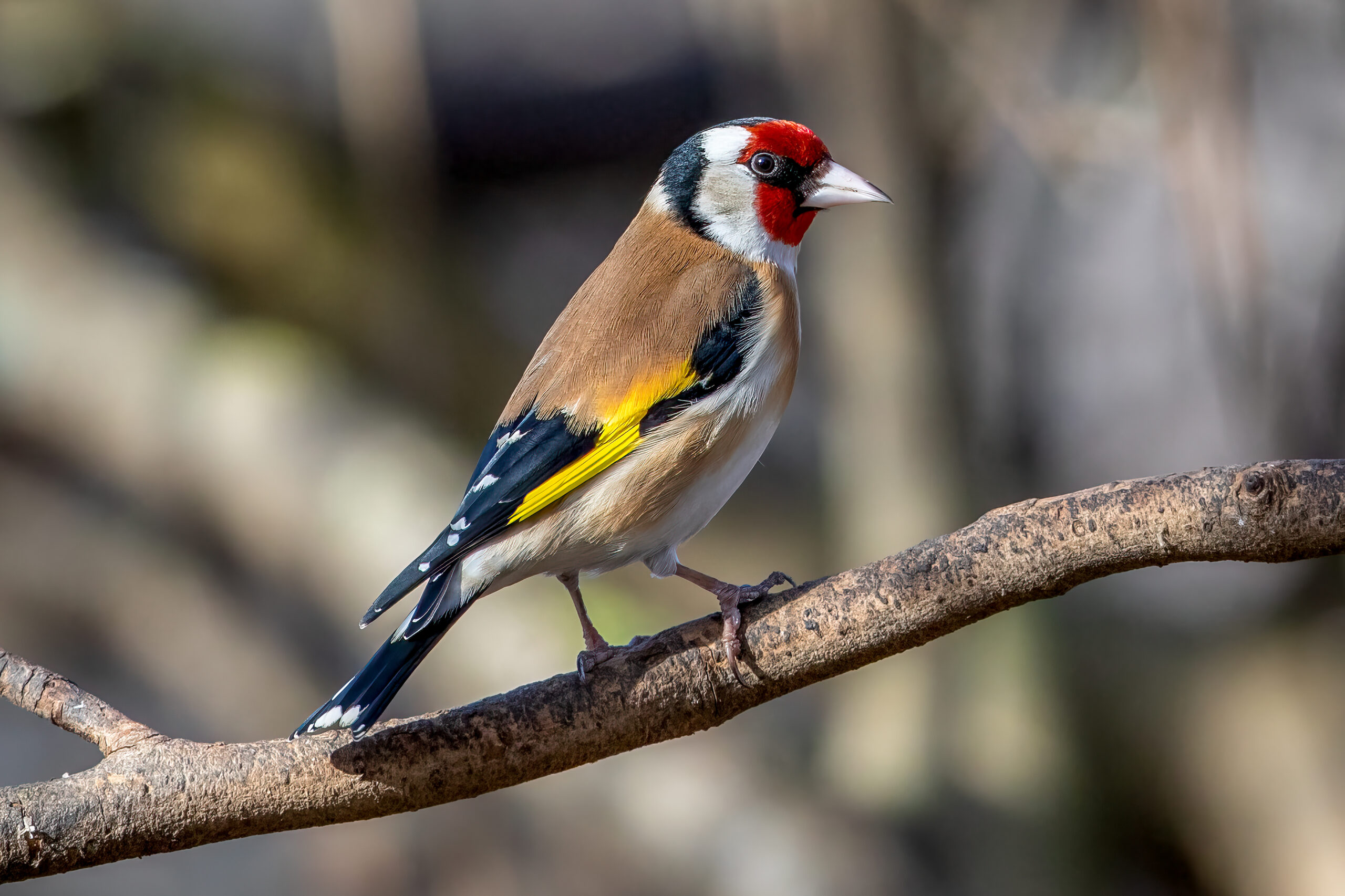
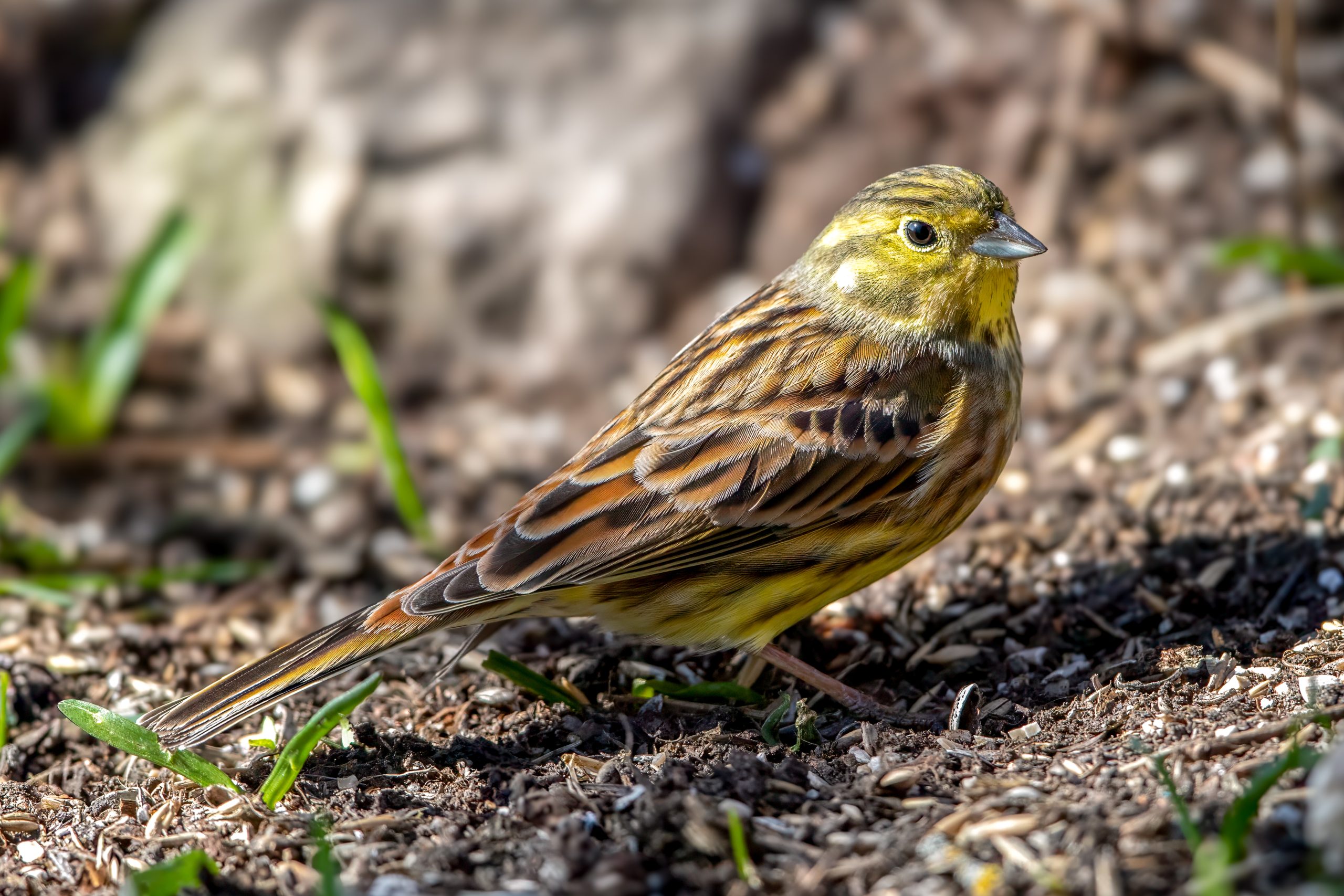
Eurasian skylark (Alauda arvensis) dominated the dataset, accounting for about 70% of all observations, while western yellow wagtails of the subspecies Motacilla flava flava contributed about 10%. During the breeding season, these two taxa together made up roughly 75–80% of the records. The diversified field held 33 species. Meadow pipit (Anthus pratensis), European goldfinch (Carduelis carduelis), corn bunting (Emberiza calandra) and yellowhammer (Emberiza citrinella) were also highlighted as particularly abundant there compared with the reference fields.
Bird observations clustered more strongly in the diversified field
The main spatial analyses pooled all bird species rather than modelling each species separately, so the dominant Eurasian skylarks strongly influenced the overall pattern. Bird observations were not only more frequent in the patch field but also more strongly clustered within it. The authors interpret the higher density as more intensive habitat use in a structurally heterogeneous, less intensively managed field. They also report specifically that Eurasian skylark occurrence increased in areas with reduced pesticide use and higher weed cover.
One experimental field limits causal conclusions
The study nevertheless cannot show that the patch system itself caused the differences. It compared one complex patch-cropping field with three neighbouring reference fields and lacked independent field-scale replicates. Detailed spatial management data were also available only for the patch field. The results therefore describe habitat use and spatial associations, not population growth or proven causal effects on individual species.
Ecology
Related news
Polish Maize Fields Had Fewer Breeding Bird Species and Lower Bird Density
Across 122 plots in Poland, maize fields had fewer breeding bird species and lower bird density than mosaics…
Read story →
Satellite Data Found Bird-Rich Areas More Reliably Than Individual Species in Central Norway
Long-term counts from 89 routes in Trøndelag and Møre og Romsdal showed that satellite and climate data captured…
Read story →
Type A Trichomonas Was More Than Twice as Prevalent in British Birds at Supplementary-fed Sites
Type A of the bird parasite Trichomonas gallinae was more than twice as prevalent in British birds at…
Read story →SPECIES IN THIS STORY
Species in this story
Independent research and conservation news archive
Did you find this information useful?
Wildlife Vagabond is independently built and maintained. Voluntary support helps cover source verification, hosting and continued work on research and conservation news.
Support Wildlife VagabondThe news archive will remain freely available.