
Willow Tits Were Much Less Likely to Be Recorded Beyond 50 Metres From Green Corridors in Oulu
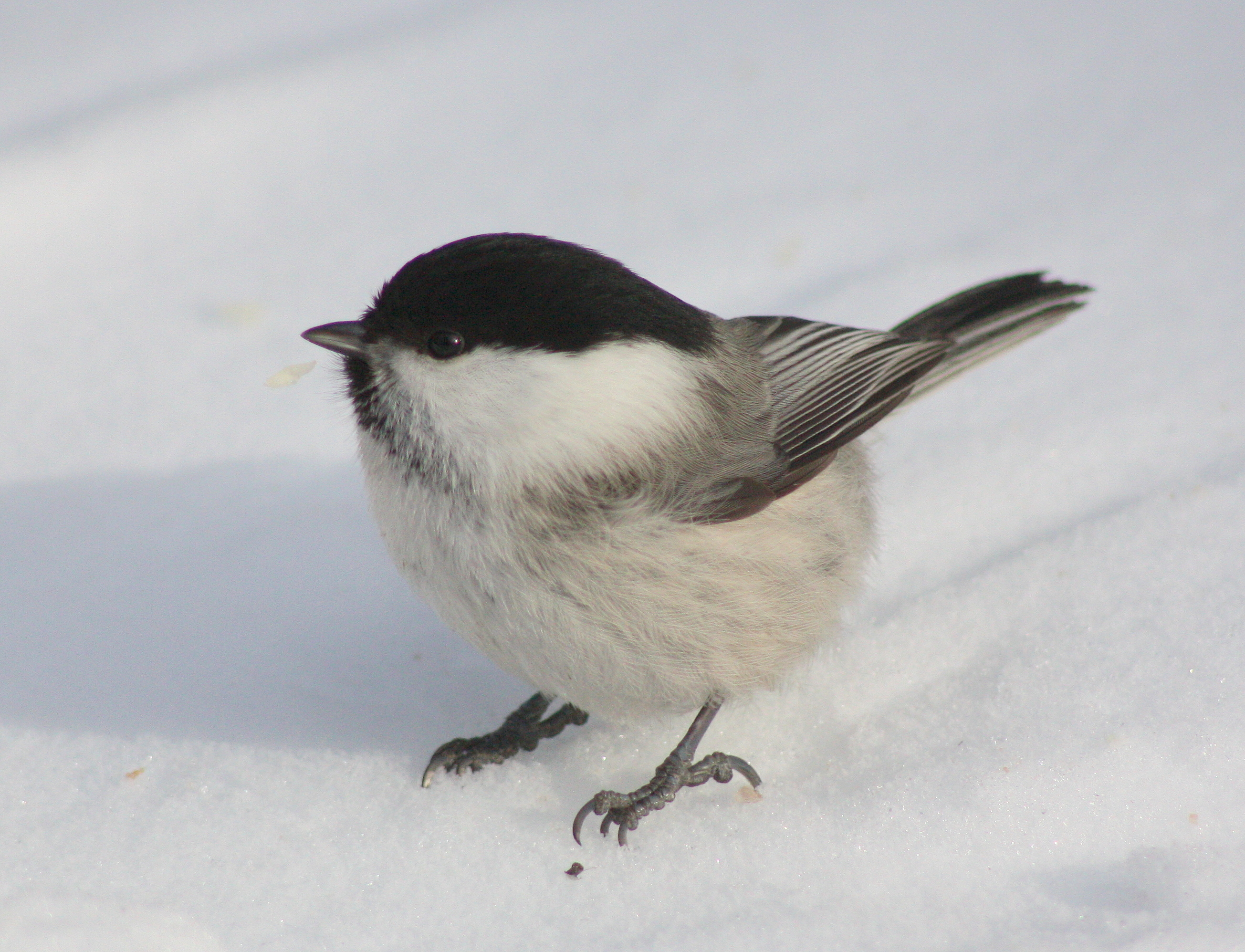
A University of Oulu, Finland master’s thesis examined how willow tits (Poecile montanus) use urban forests in winter and how mixed winter bird communities change along Oulu’s urban gradient. Fieldwork in winter 2024–2025 covered 153 forest patches in the city centre, suburban zone and surrounding forest zone, yielding 483 flock records.
The study focused on willow tits but also followed great tit (Parus major), Eurasian blue tit (Cyanistes caeruleus), crested tit (Lophophanes cristatus), coal tit (Periparus ater), Eurasian treecreeper (Certhia familiaris) and goldcrest (Regulus regulus). The study compared willow tit detections with forest-patch connectivity, habitat suitability, size and shape, while the full dataset was used to compare winter-community composition across the three urban zones.
Green-corridor connectivity was the clearest habitat signal
Willow tits were recorded in only 2% of flocks in the city centre, compared with 30% in the suburban zone and 54% in the forest zone. The strongest habitat relationship was with connectivity: detection probability dropped sharply when forest patches lay more than about 50 metres from a green corridor formed by connected woodland. The amount of suitable winter habitat also mattered, while the prediction that willow tits would favour more circular forest patches was not supported.
Forest area still mattered for the space available to winter flocks. The thesis estimated that a flock averaging about two willow tits corresponded to roughly 13 hectares of forest, which the author treats as a minimum estimate for an average winter territory in these data. In a more fragmented urban landscape, the total area needed is likely to be larger.
The results also suggest that an urban forest patch does not have to be compact and circular to function as winter habitat. Elongated patches can contribute if they are sufficiently connected and contain enough suitable forest. Narrower wooded strips may still serve as movement corridors even when they do not provide enough area for a winter territory.
The winter bird community changed toward the forest edge of the city
Species richness increased along the same urban gradient. The median number of study species per forest patch rose from two in the city centre to three in the suburban zone and four in the forest zone. Willow tit, crested tit, coal tit, goldcrest and Eurasian treecreeper were most strongly associated with the forest end of the gradient, whereas great tit and Eurasian blue tit were common in more urban areas as well.
The suburban zone therefore formed an important transition between the simplified city-centre community and the more diverse forest-zone community. In the author’s interpretation, connected suburban woodland can extend a green network from the surrounding forest farther into the city.
For urban planning, connectivity mattered as much as individual patches
The thesis recommends protecting connections among urban forest patches rather than judging each patch only in isolation. Lower-quality woodland can still be valuable when it links better habitat, while larger, high-quality urban forests provide the space needed for winter territories and more diverse flock communities.
These results concern winter habitat use. The study did not test willow tit breeding-habitat requirements, so the thresholds identified here should be understood as tools for winter urban-forest planning rather than general requirements for the species throughout the year.
Ecology
Related news

Mean Eurasian Blue Tit Winter Count Rose Fourfold in Finnish Urban Survey Plots
Across 31 Finnish settlements, mean Eurasian blue tit counts rose from 2.8 birds per standardised urban plot in…
Read story →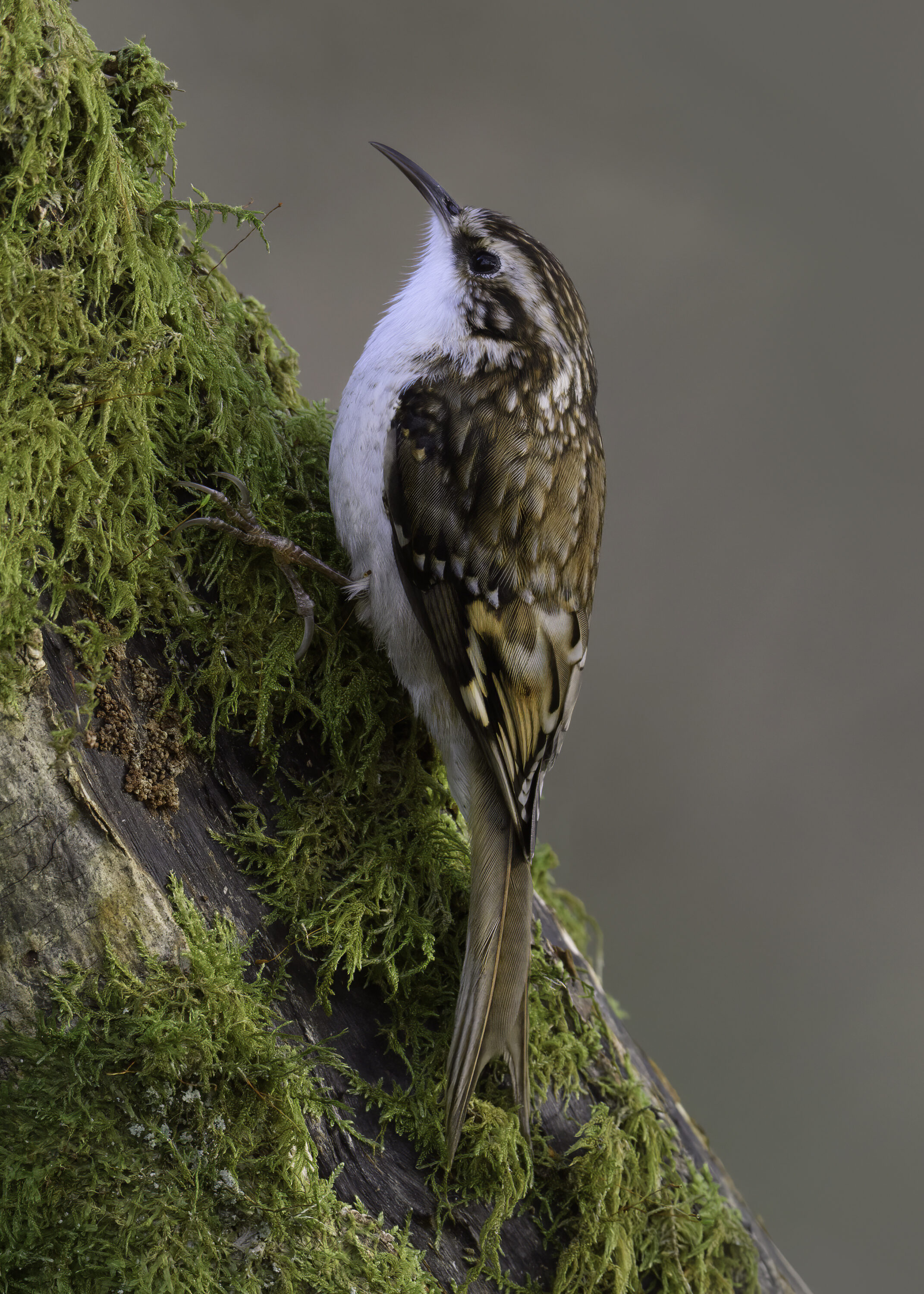
Eurasian Treecreeper Vocal Activity Declined Even at Low-impact Clearcut Sites
A Finnish before-and-after study found lower Eurasian treecreeper vocal activity even where less than one-third of nearby forest…
Read story →
Urban Bird Diversity Was More Strongly Linked to Forest Structure Than the Surrounding City
Across 12 urban forests in three Italian cities, researchers recorded 2,035 birds from 52 species. Local forest structure…
Read story →SPECIES IN THIS STORY
Species in this story
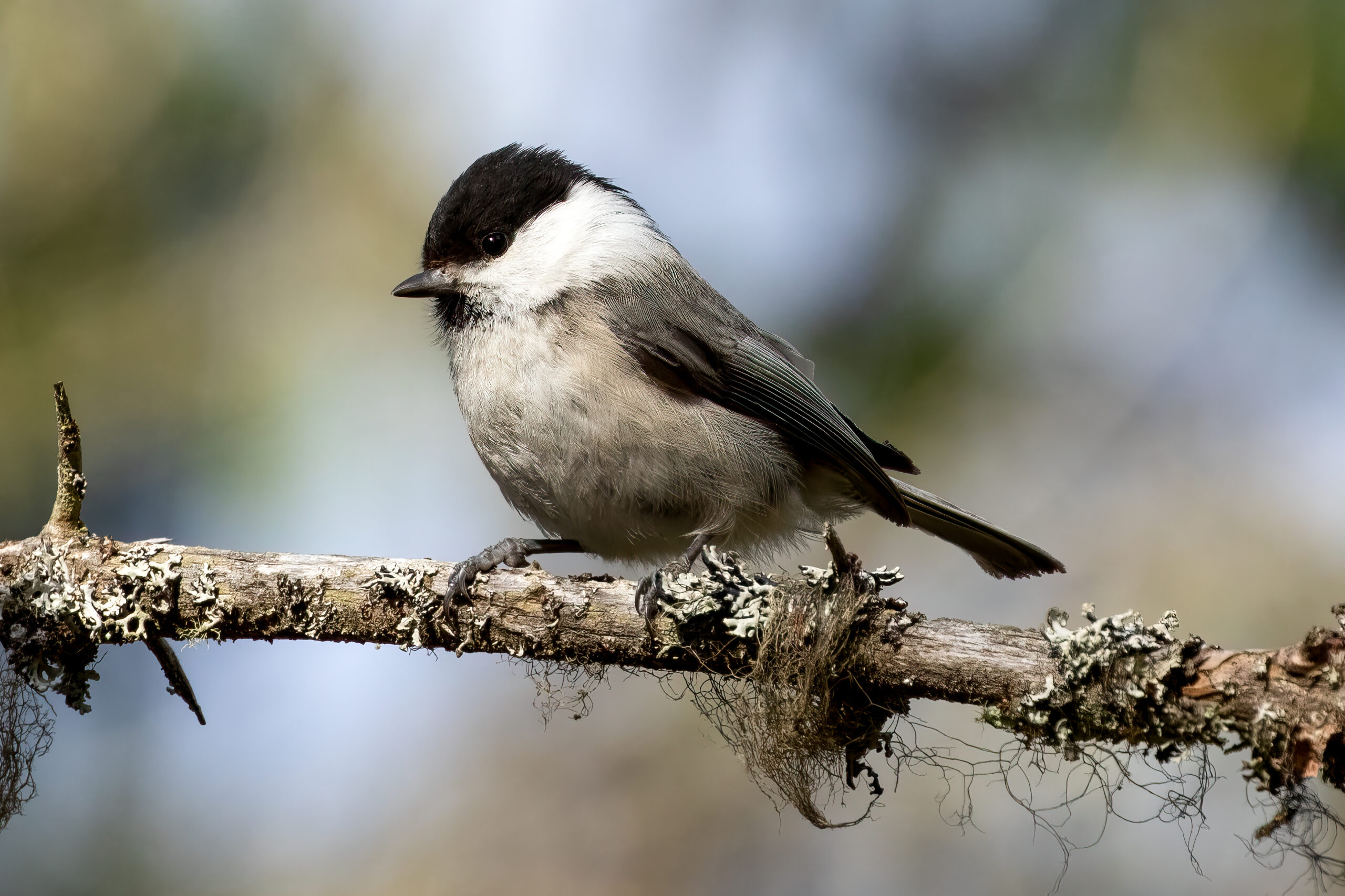 Willow Tit
Poecile montanus Explore species →
Willow Tit
Poecile montanus Explore species →
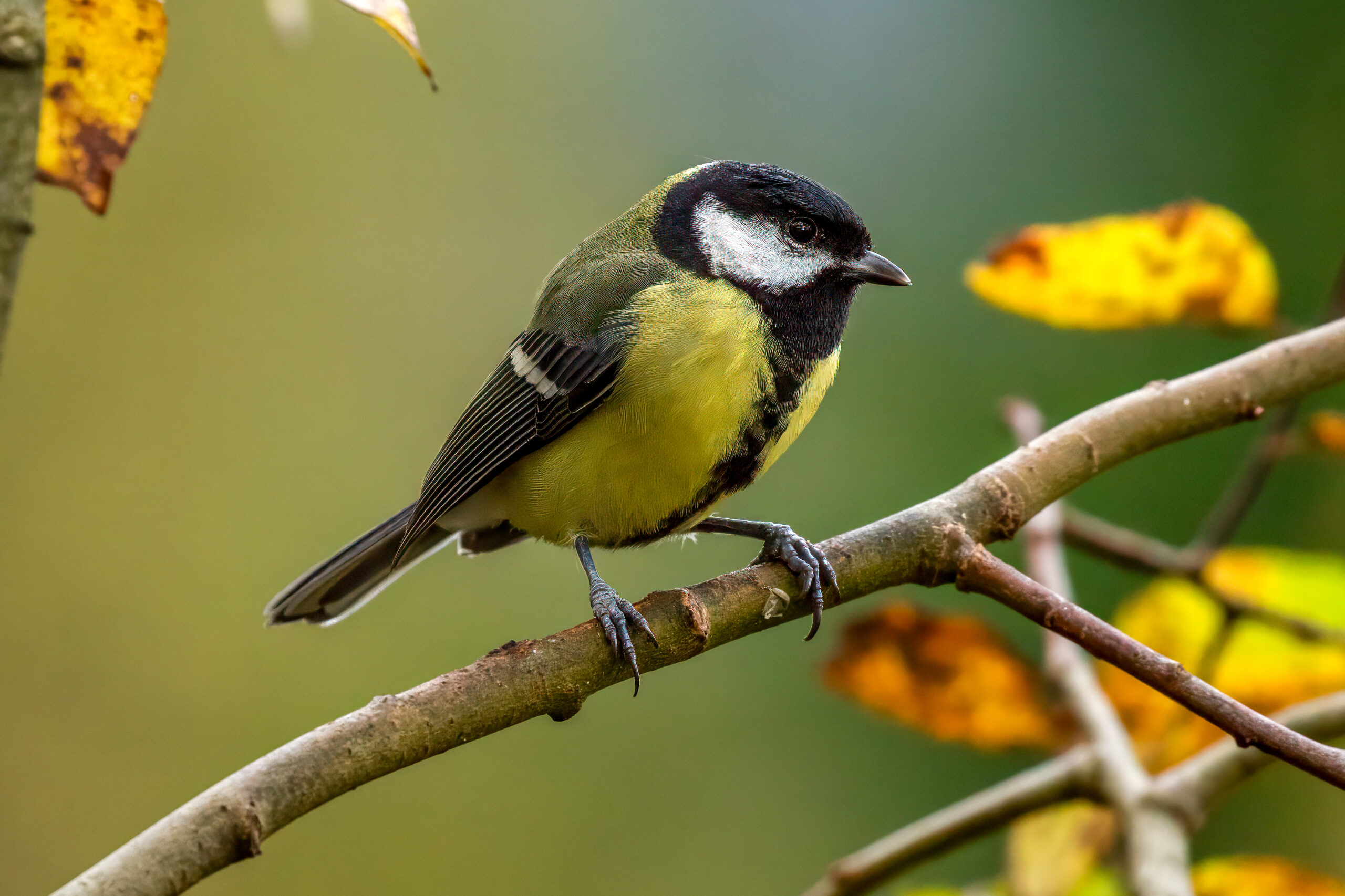 Great Tit
Parus major Explore species →
Great Tit
Parus major Explore species →
 Eurasian Blue Tit
Cyanistes caeruleus Explore species →
Eurasian Blue Tit
Cyanistes caeruleus Explore species →
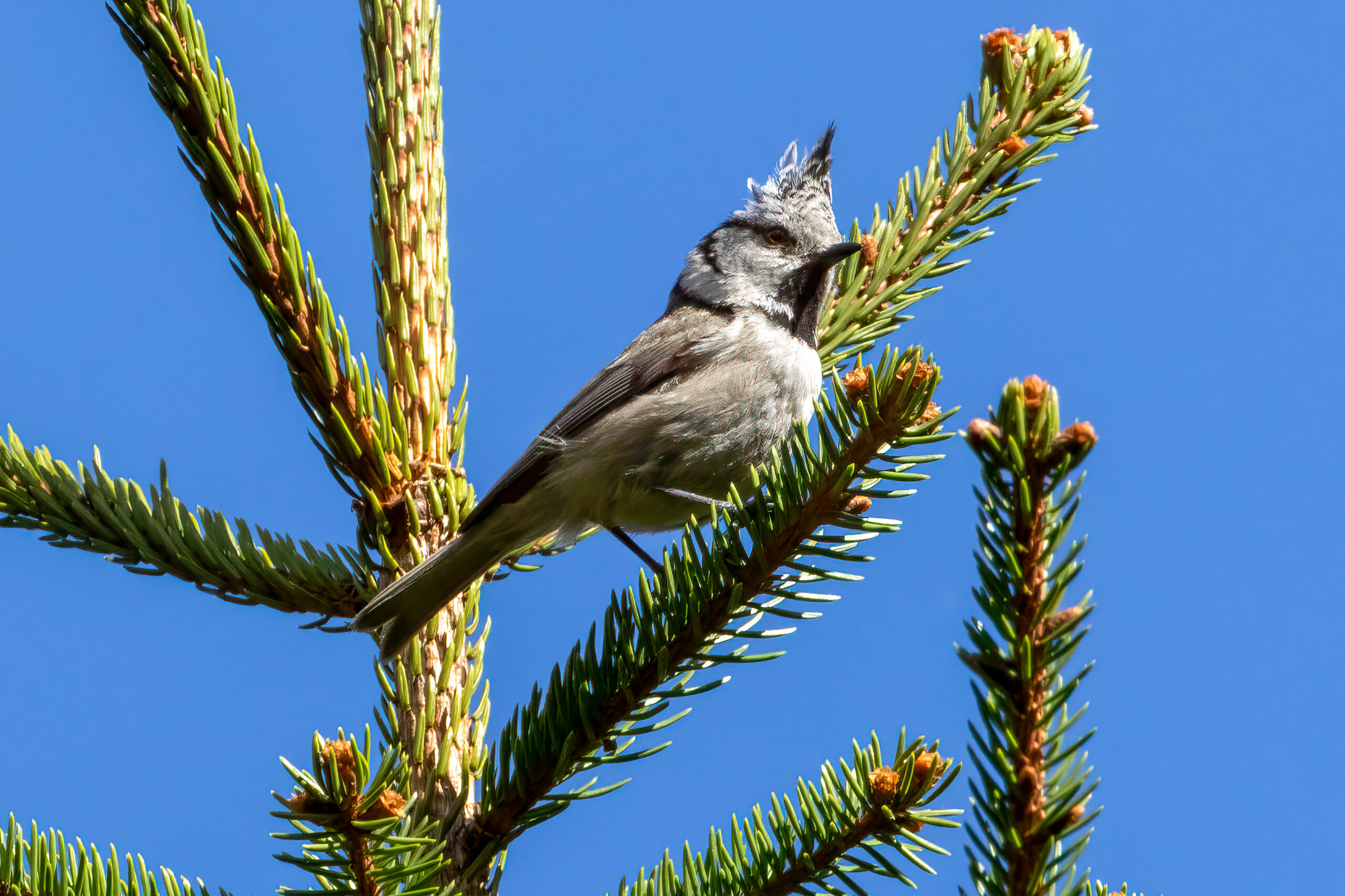 Crested Tit
Lophophanes cristatus Explore species →
Crested Tit
Lophophanes cristatus Explore species →
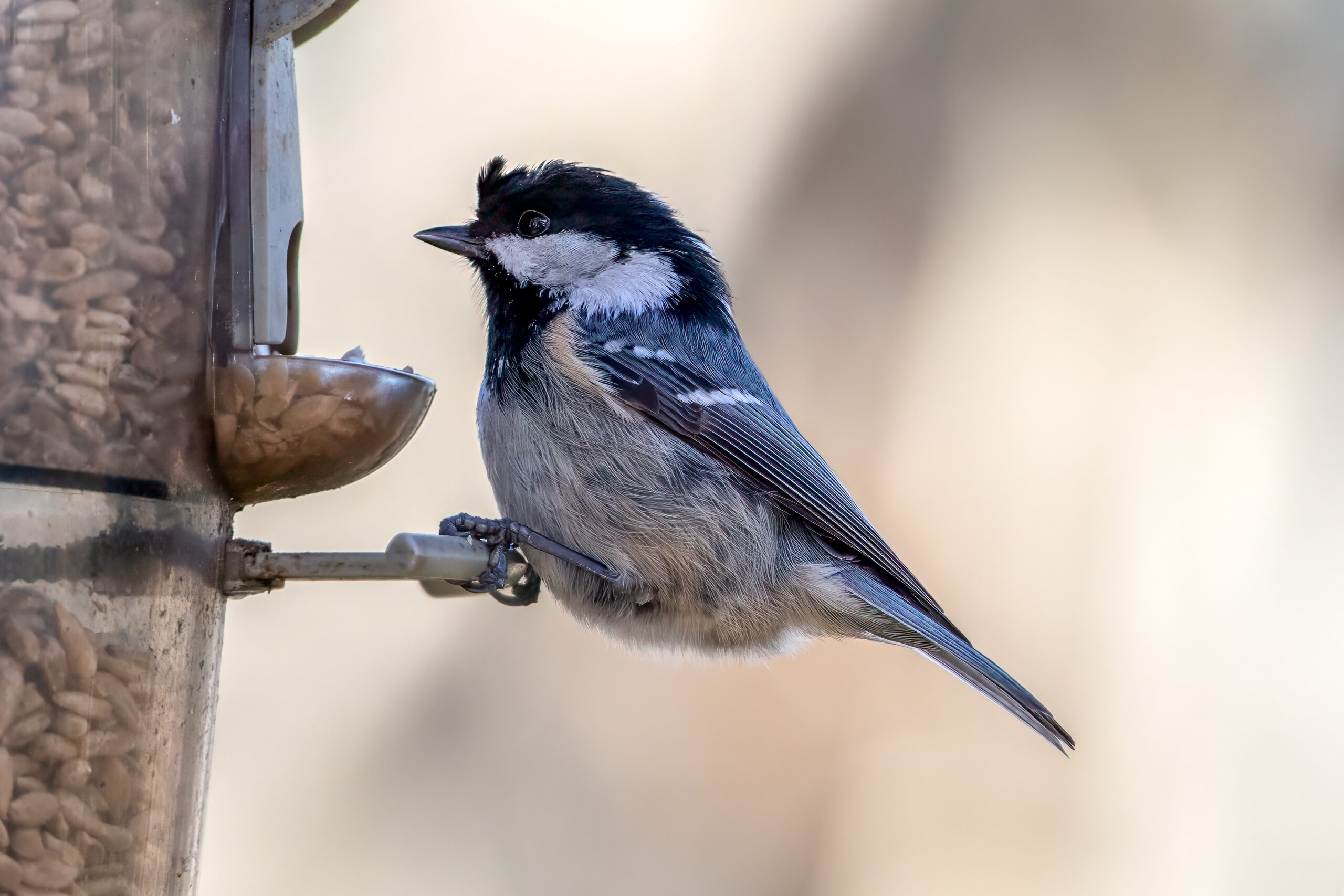 Coal Tit
Periparus ater Explore species →
Coal Tit
Periparus ater Explore species →
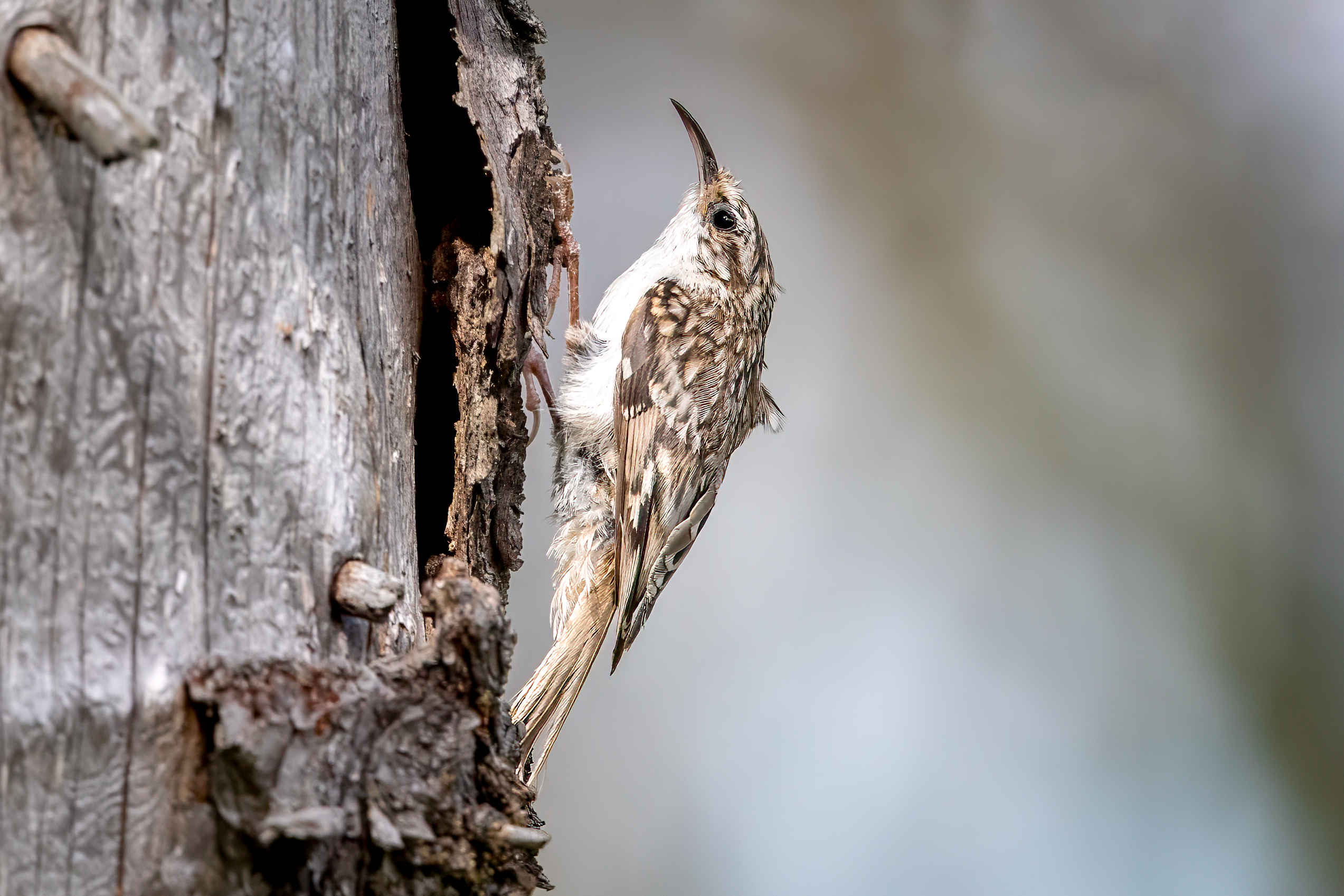 Eurasian Treecreeper
Certhia familiaris Explore species →
Eurasian Treecreeper
Certhia familiaris Explore species →
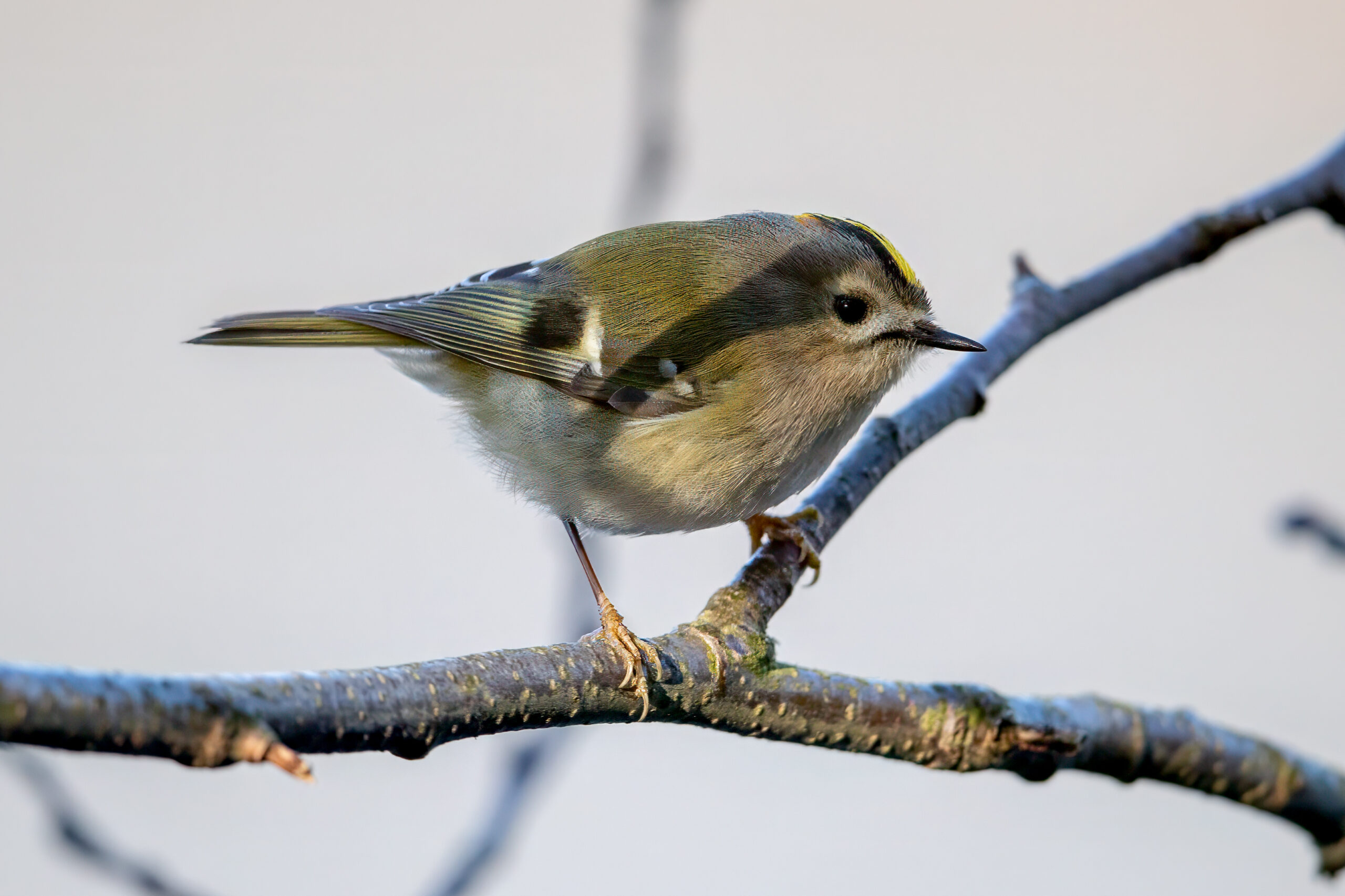 Goldcrest
Regulus regulus Explore species →
Goldcrest
Regulus regulus Explore species →
Independent research and conservation news archive
Did you find this information useful?
Wildlife Vagabond is independently built and maintained. Voluntary support helps cover source verification, hosting and continued work on research and conservation news.
Support Wildlife VagabondThe news archive will remain freely available.