
Tiger Site Use Increased While Several Prey Species Became More Diurnal During Bardia’s Lockdown
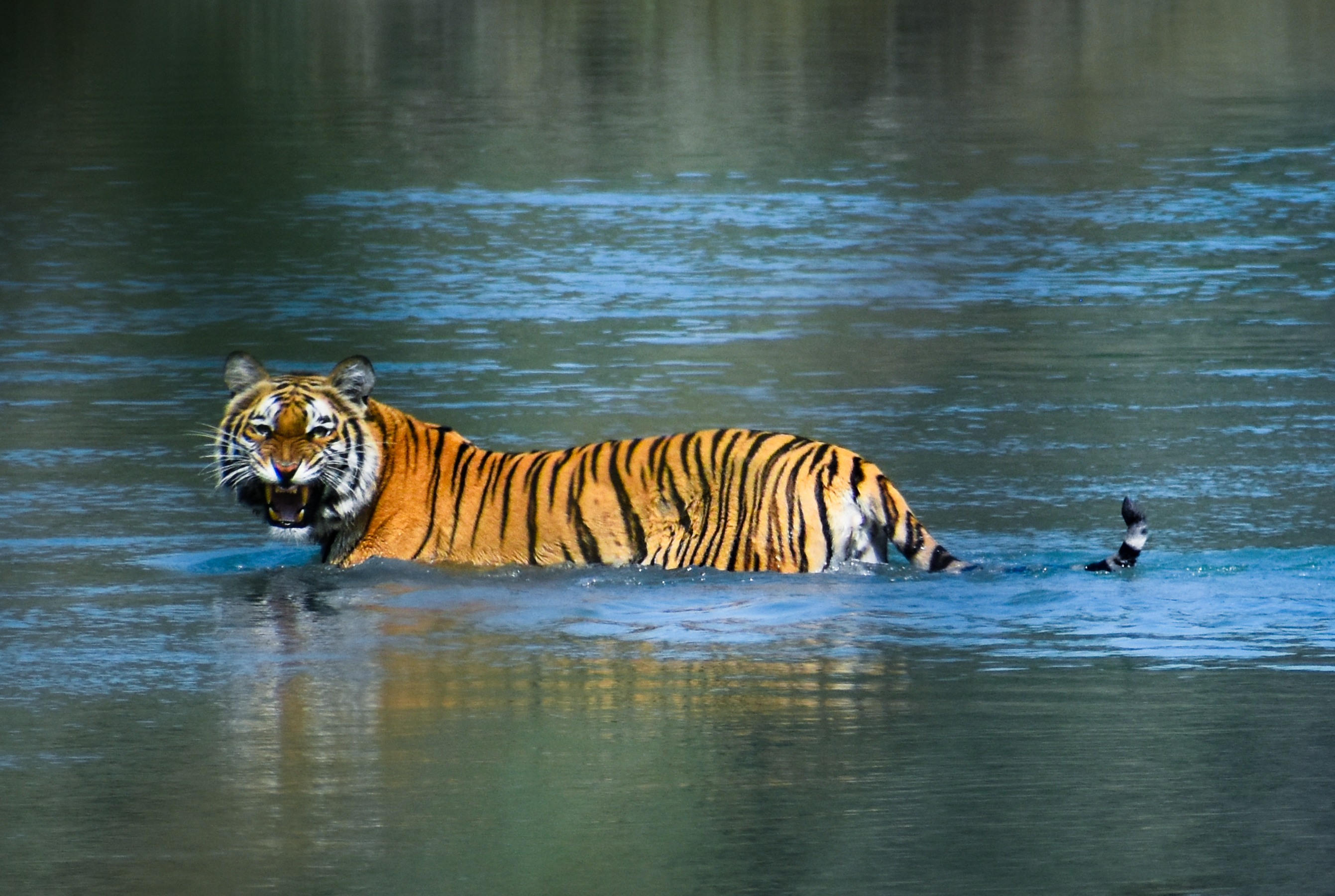
Nepal’s COVID-19 lockdown created an unusual natural experiment in Bardia National Park. Tourism and recreation stopped, while patrols and essential research continued. Researchers compared the same 49 camera stations during identical 48-day periods from 24 March to 10 May in 2019 and 2020 to see whether the sudden drop in recreation changed both where large mammals used space and when they were active.
Because each camera sampled only a small part of an animal’s home range, the spatial analysis estimated local site use around the camera stations rather than true occupancy of the wider landscape. The study followed tiger (Panthera tigris) and nine other predator or ungulate species, including wild boar (Sus scrofa), nilgai (Boselaphus tragocamelus), chital (Axis axis), northern red muntjac (Muntiacus vaginalis), hog deer (Axis porcinus) and sambar (Rusa unicolor).
Local site use increased for tiger, wild boar and nilgai
The clearest spatial increases occurred in tiger, wild boar and nilgai. Estimated mean site use rose from 0.49 to 0.55 for tiger, from 0.41 to 0.61 for wild boar and from 0.60 to 0.74 for nilgai. These increases were spread across many camera stations rather than being driven by only a few locations.
Chital showed almost no spatial change. Northern red muntjac, hog deer, sambar, barasingha (Rucervus duvaucelii) and four-horned antelope (Tetracerus quadricornis) had more uncertain changes, while leopard (Panthera pardus) was recorded too rarely for its spatial response to be interpreted reliably.
Several prey species shifted back toward daylight
The temporal response did not mirror the spatial response. Tiger activity changed little overall, and its estimated probability of daytime activity actually fell, although the uncertainty around that change was large.
Several ungulates changed their daily schedules more clearly. Chital and northern red muntjac became more diurnal and shifted their mean activity times about 2.7 and 2.6 hours later. Hog deer showed the strongest reshaping of its activity curve and shifted about 2.4 hours earlier. Sambar moved from a broadly nocturnal pattern toward pronounced peaks around dawn and dusk and also became more diurnal. Wild boar showed a smaller, uncertain increase in daytime activity.
The authors describe the broader prey response as “reclaiming daylight” after recreational pressure relaxed. This was an assemblage-level tendency rather than a uniform response by every prey species.
Space and time responded only partly together
Relationships between site use and vegetation greenness, elevation and recorded human disturbance remained broadly similar in the two years. What changed most was the overall level of predicted site use, which was generally higher during lockdown. The authors interpret this as greater habitat permeability: reduced recreation allowed animals to use more of the same landscape rather than causing a wholesale shift to different habitat conditions.
The combined pattern is therefore more informative than a simple claim that wildlife “benefited” from lockdown. Tigers expanded local site use while changing their daily timing little, whereas several prey species changed their timing more strongly than their spatial use. The study shows that wildlife can respond to reduced human disturbance along spatial and temporal dimensions that do not necessarily move together.
The comparison covered only one matched spring period in two consecutive years, and rare species produced substantial uncertainty. It therefore cannot show whether the behavioural changes persisted after tourism returned.
Behaviour
Related news
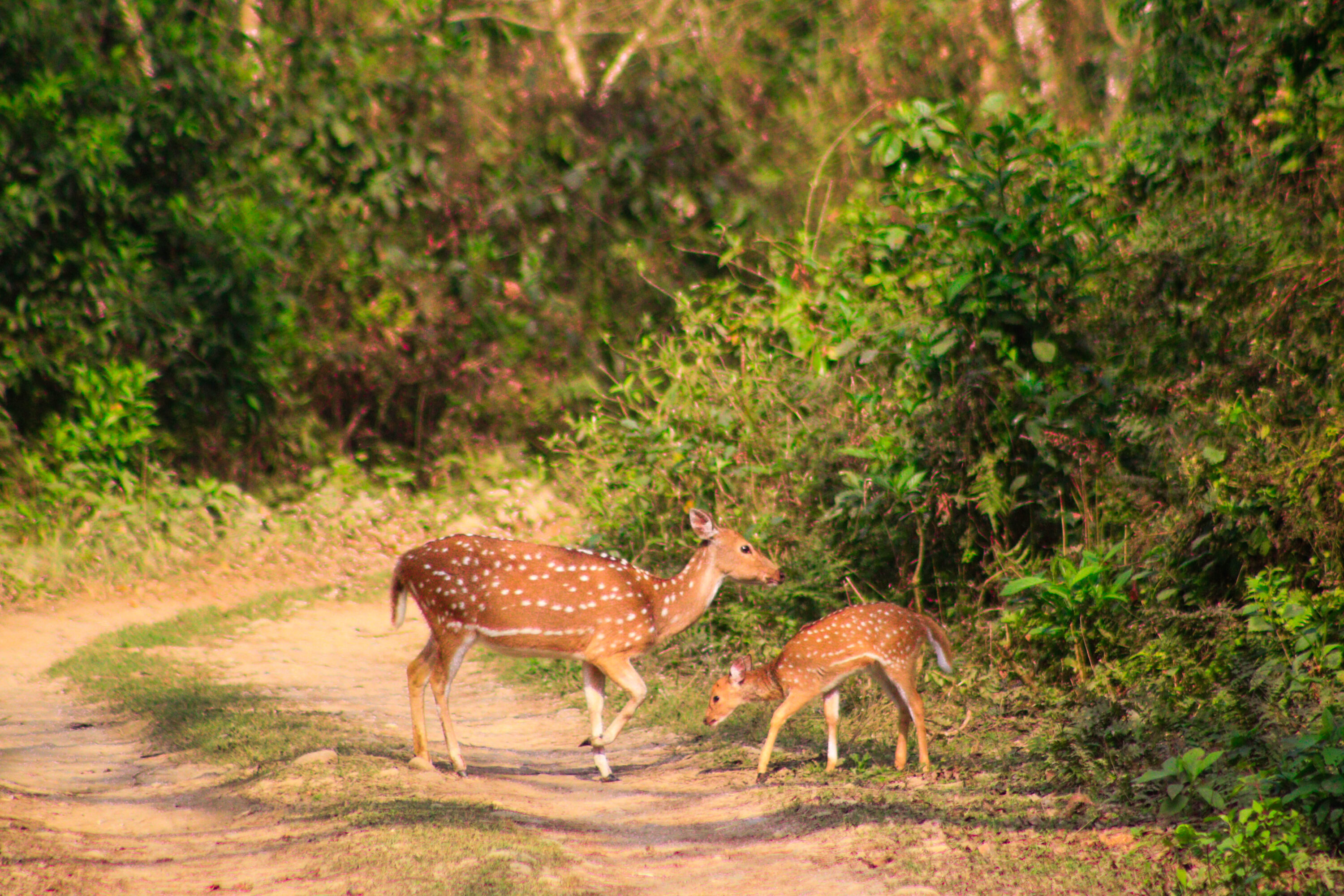
Human Activity and Large Wildlife Overlapped Most in Chitwan’s Buffer Zone
Camera traps across Chitwan National Park and surrounding forests showed the greatest overlap of human activity with large…
Read story →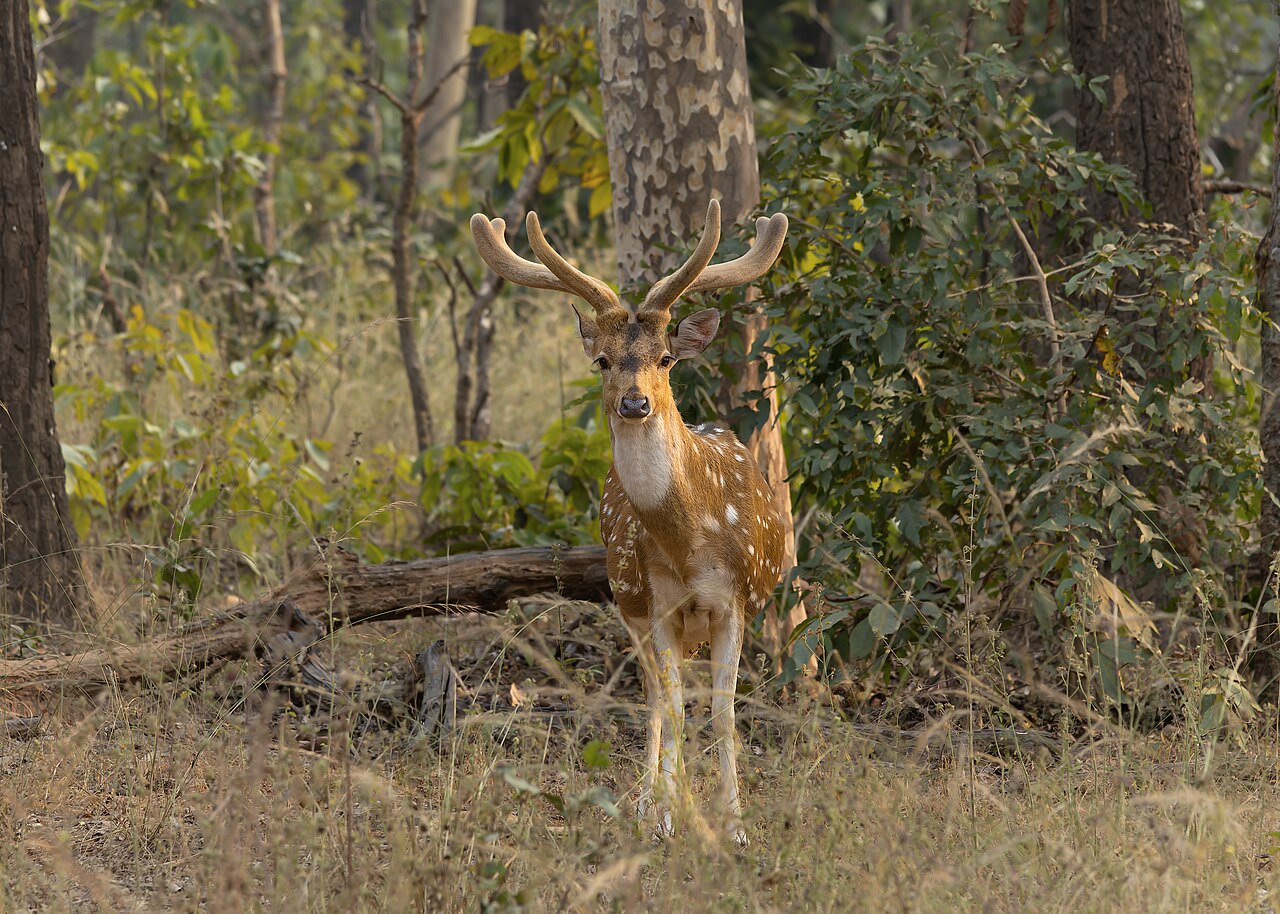
How Deer and Gaur Share Kanha’s Food Supply
In India’s Kanha National Park, Sambar and Gaur ate much the same food in winter but found it…
Read story →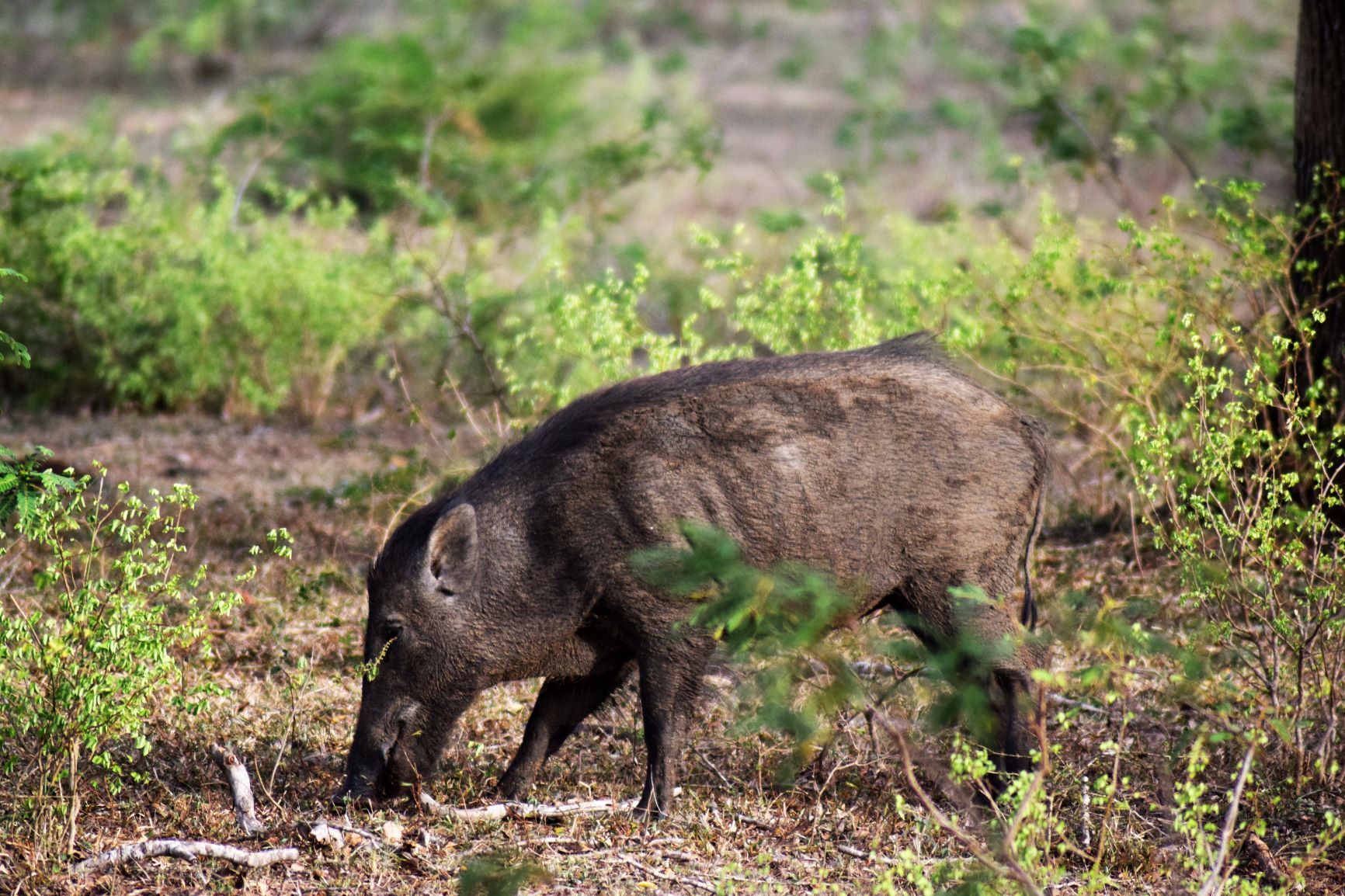
Maps Show Where Wild Boar Could Thrive and Spread on Jeju Island
Researchers mapped potentially suitable wild-boar habitat across roughly 36% of Jeju Island and identified eight possible corridors linking…
Read story →SPECIES IN THIS STORY
Species in this story
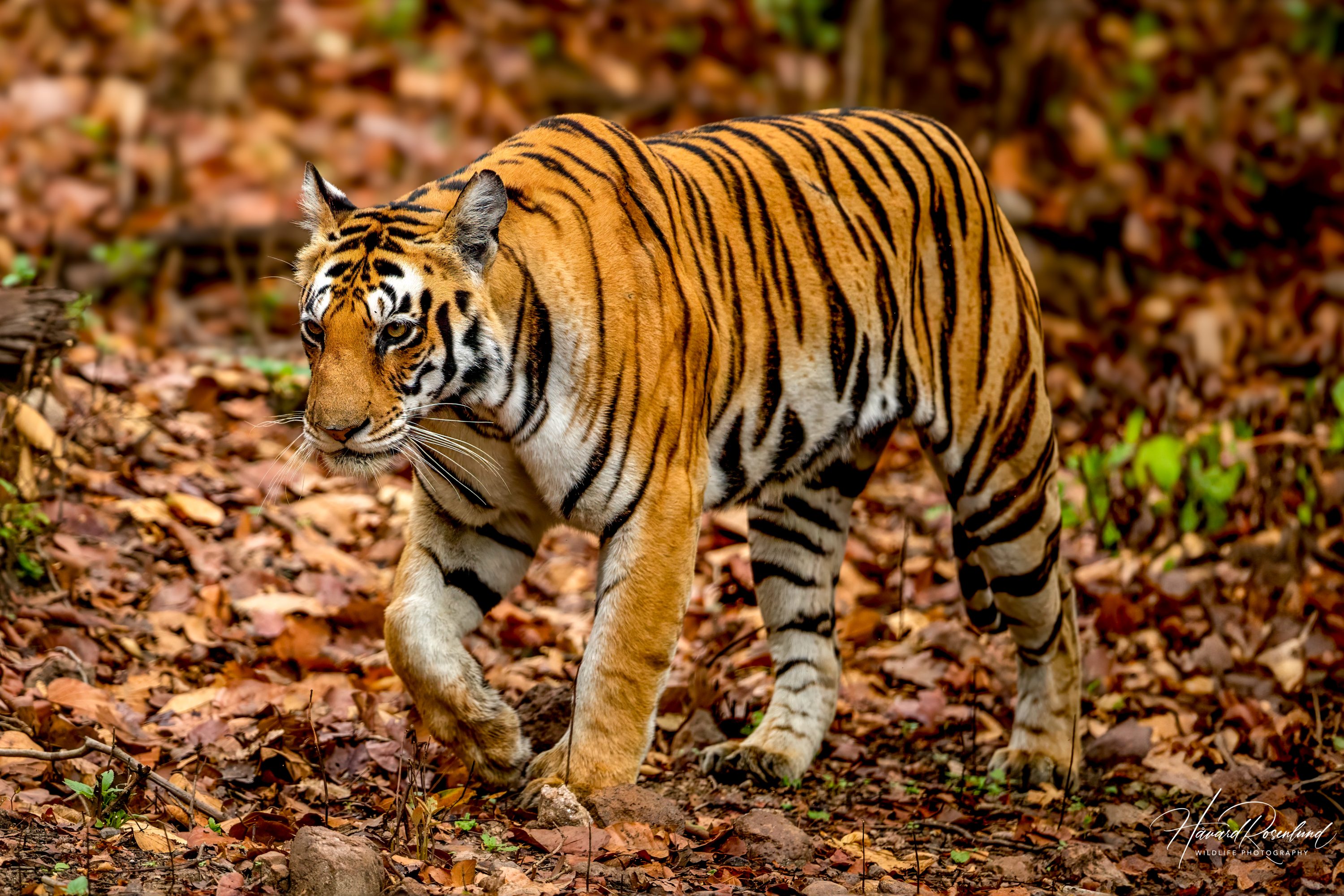 Tiger
Panthera tigris Explore species →
Tiger
Panthera tigris Explore species →
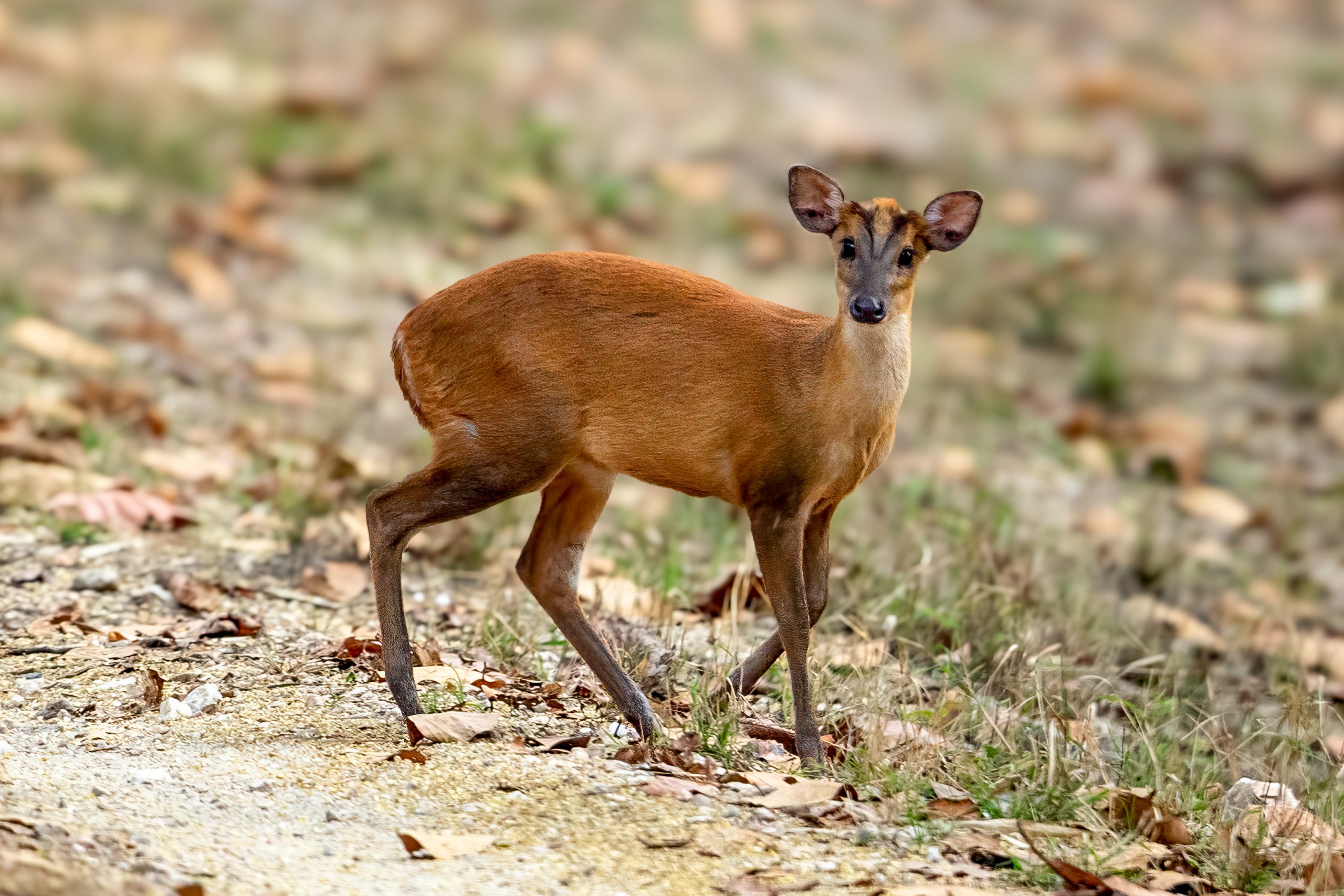 Northern Red Muntjac
Muntiacus vaginalis Explore species →
Northern Red Muntjac
Muntiacus vaginalis Explore species →
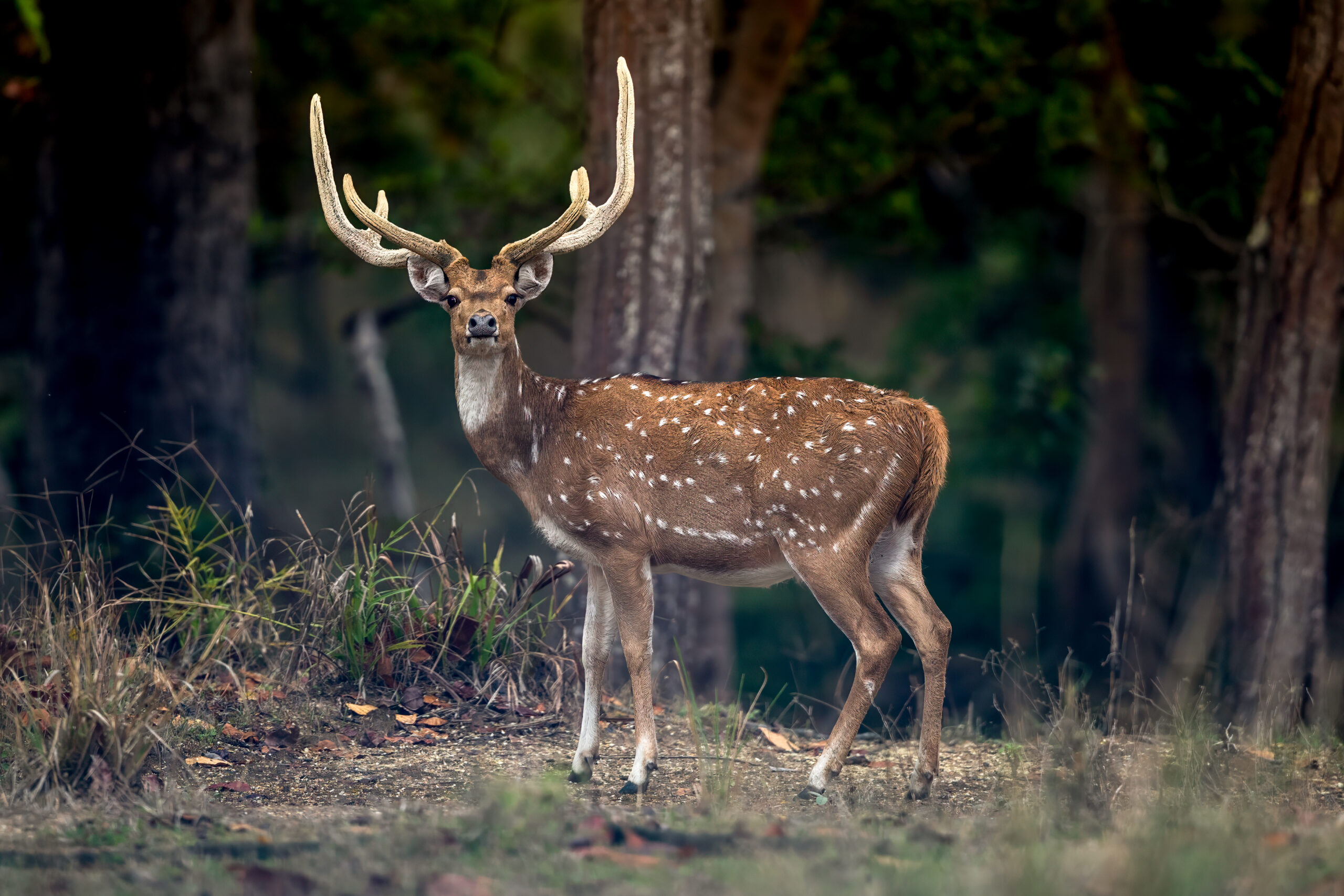 Chital
Axis axis Explore species →
Chital
Axis axis Explore species →
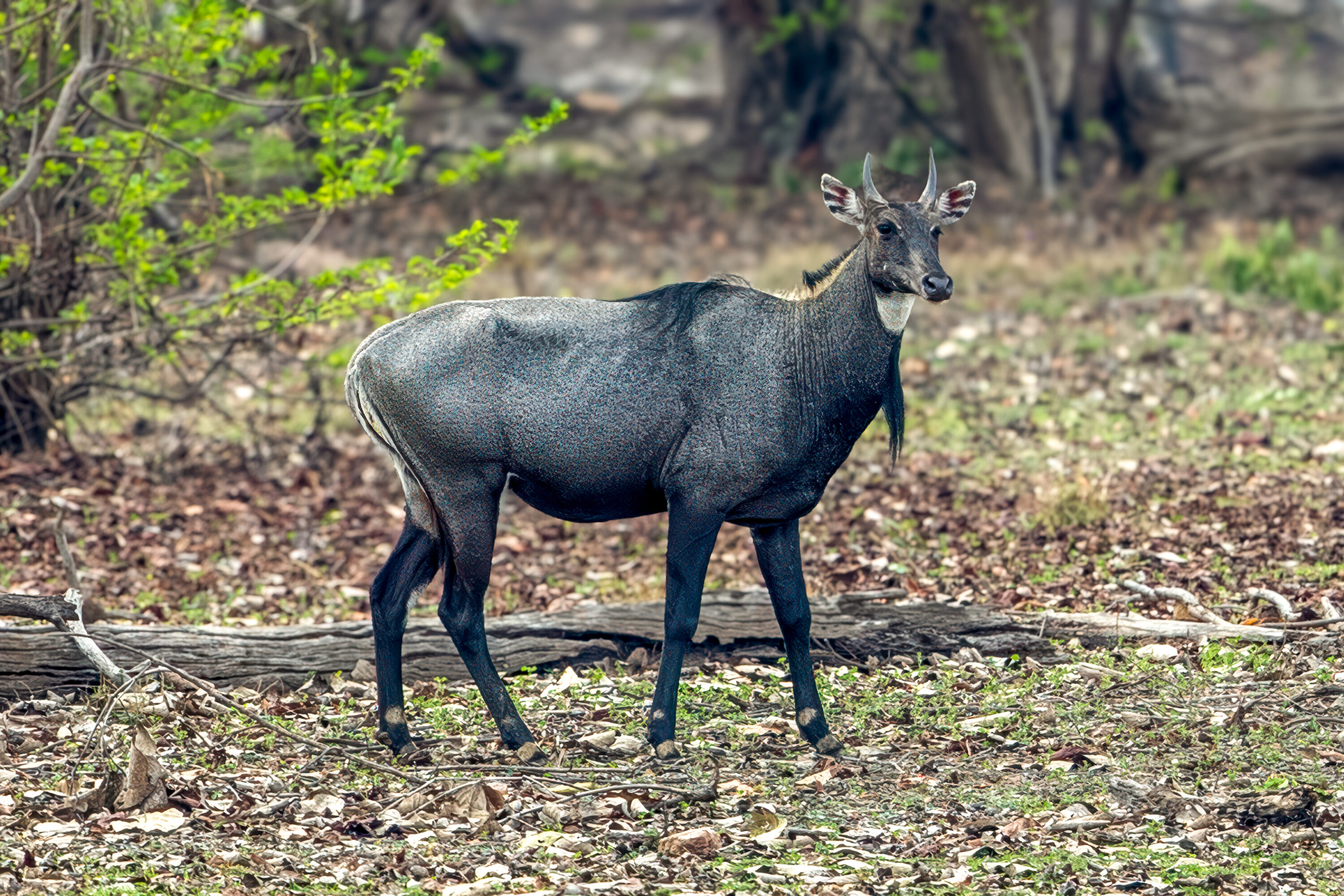 Nilgai
Boselaphus tragocamelus Explore species →
Nilgai
Boselaphus tragocamelus Explore species →
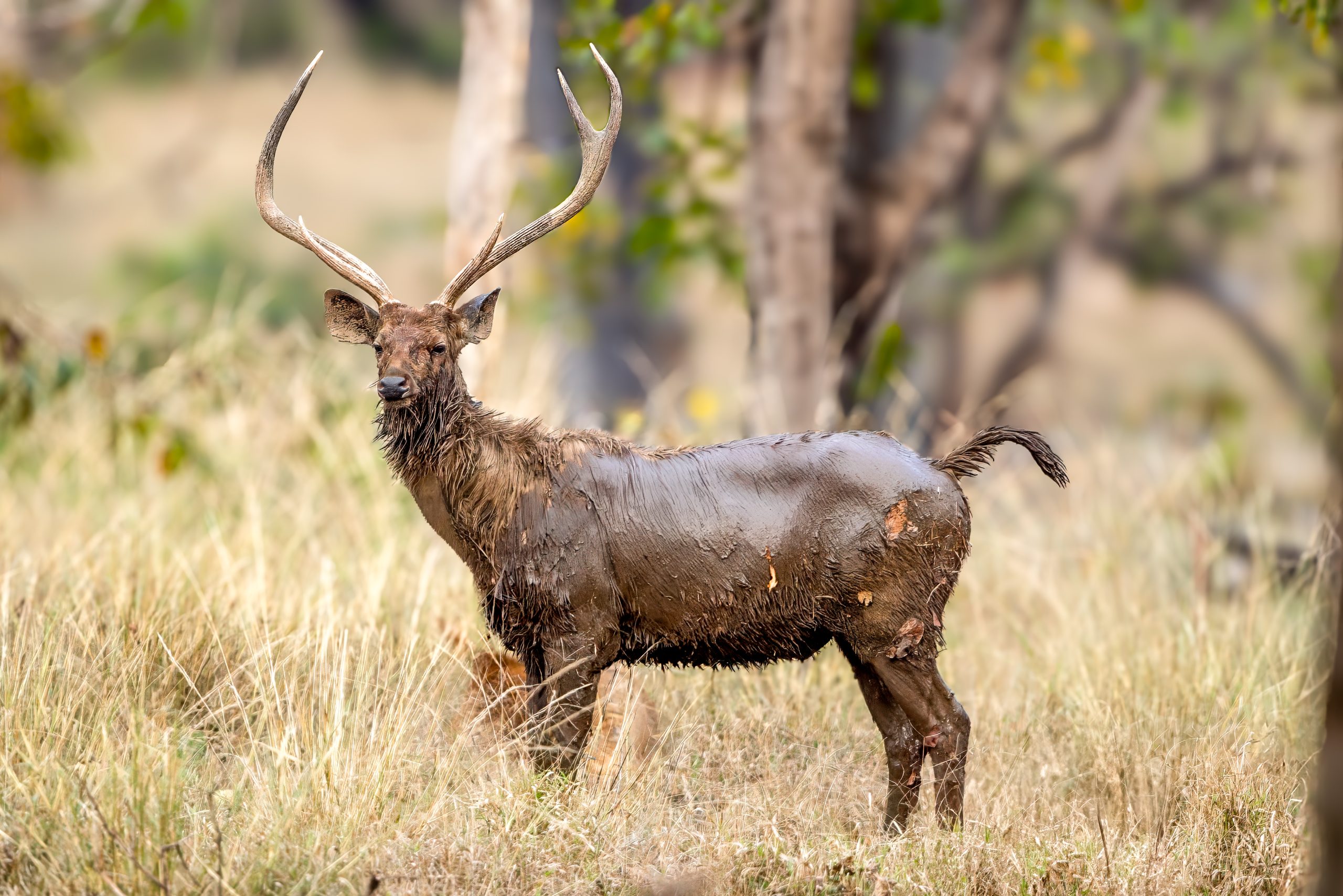 Sambar
Rusa unicolor Explore species →
Sambar
Rusa unicolor Explore species →
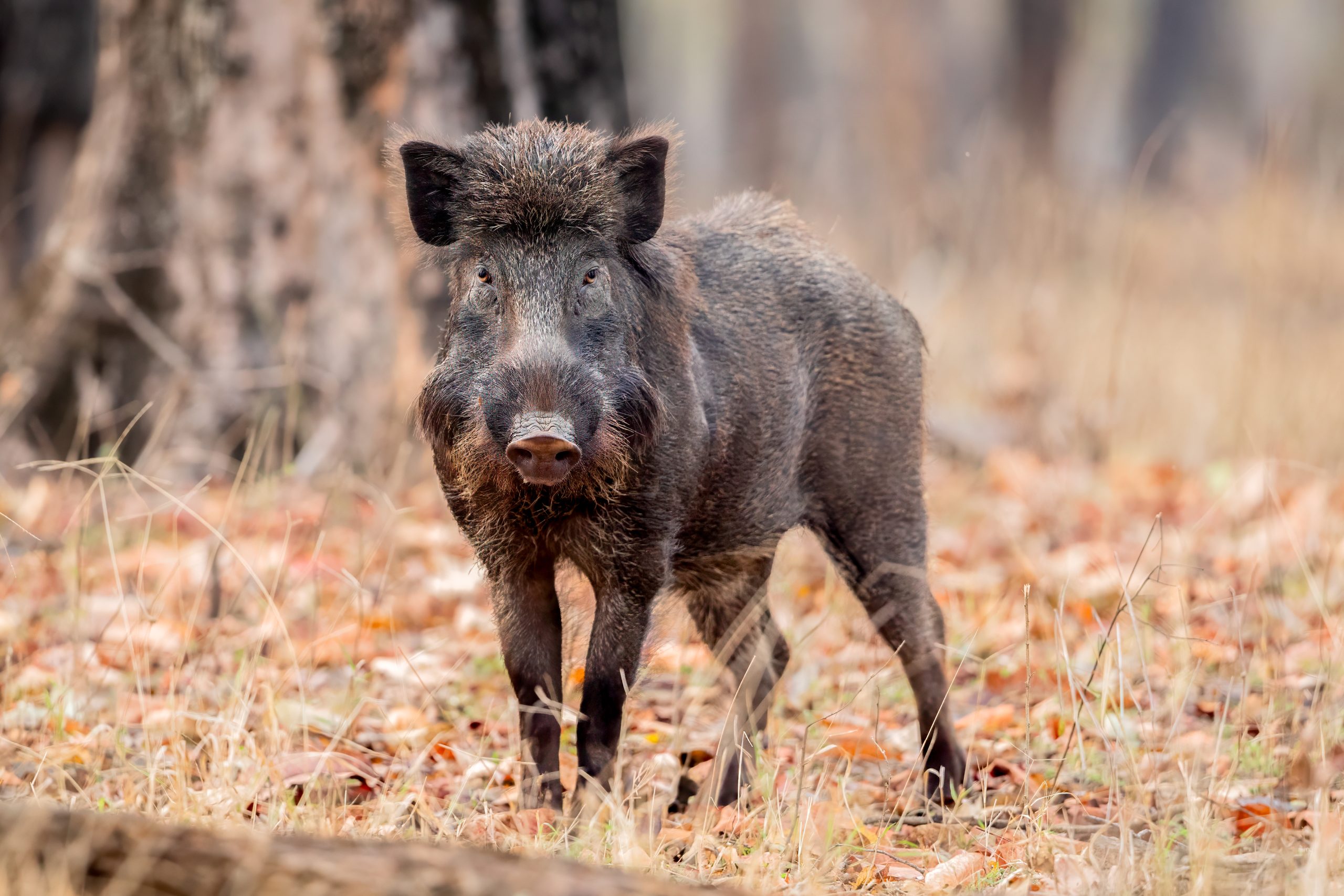 Wild Boar
Sus scrofa Explore species →
Wild Boar
Sus scrofa Explore species →
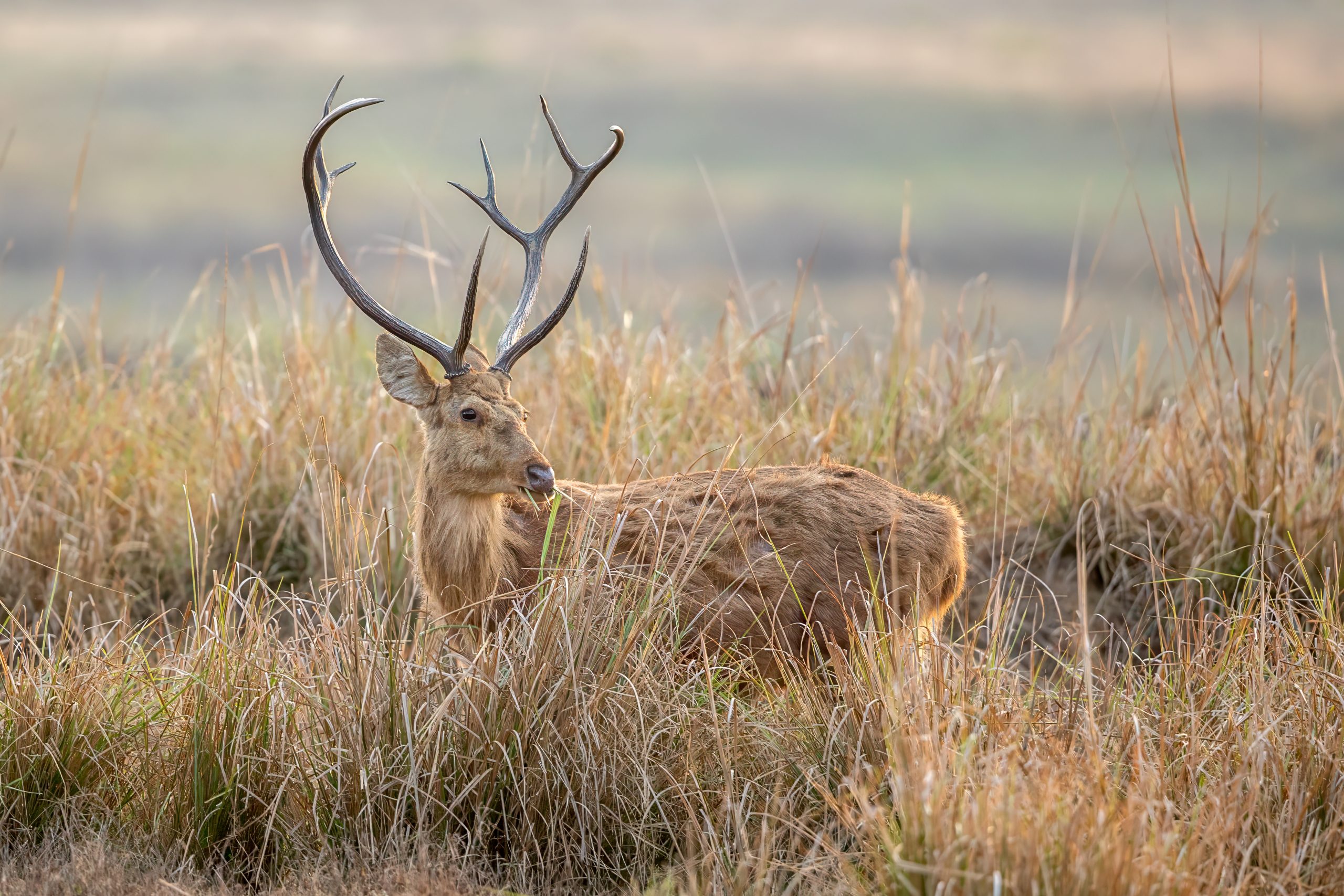 Barasingha
Rucervus duvaucelii Explore species →
Barasingha
Rucervus duvaucelii Explore species →
Independent research and conservation news archive
Did you find this information useful?
Wildlife Vagabond is independently built and maintained. Voluntary support helps cover source verification, hosting and continued work on research and conservation news.
Support Wildlife VagabondThe news archive will remain freely available.