
Human Disturbance Was Linked to 28 Abandoned Nests at Punjab Village Ponds
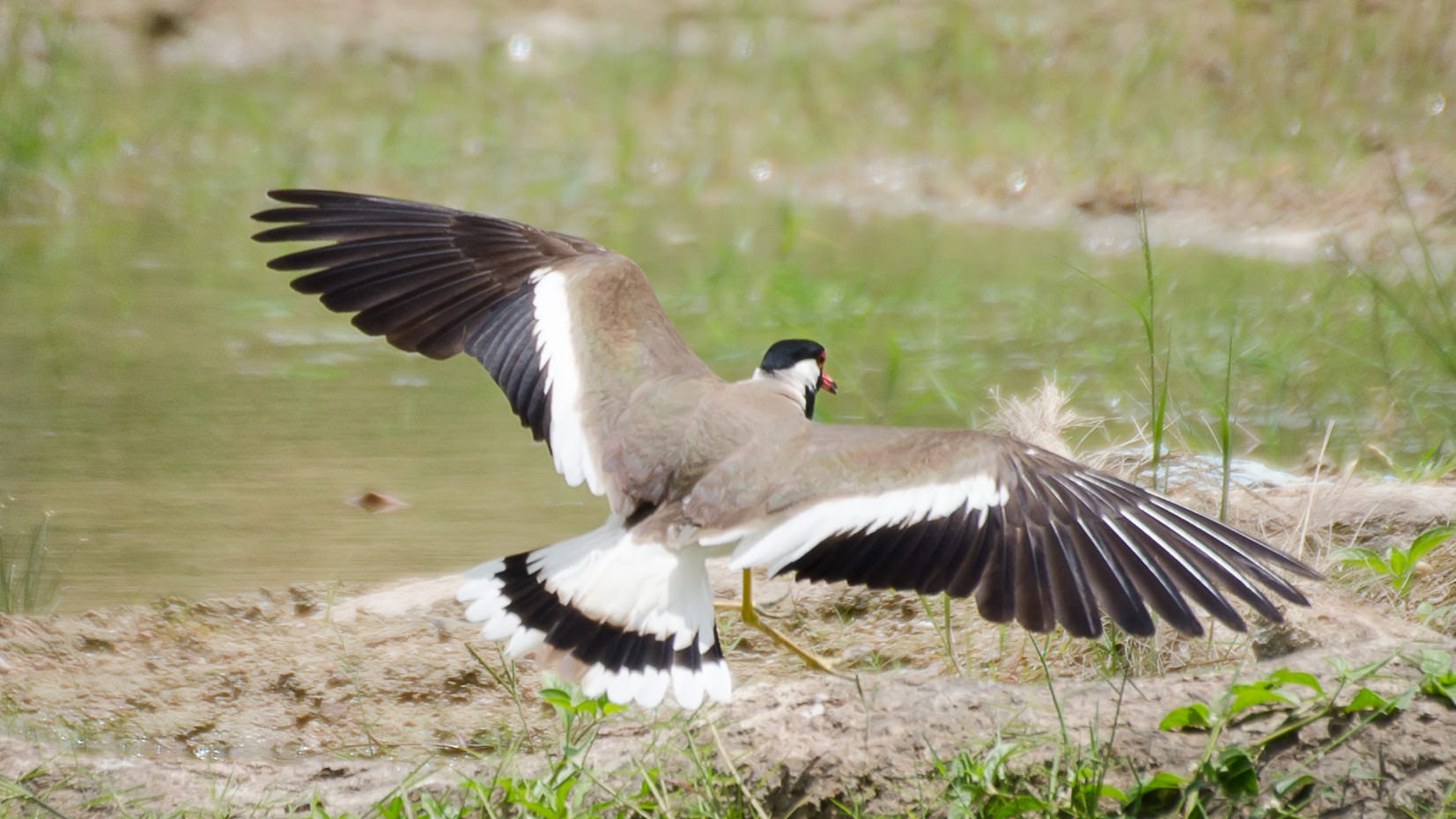
A field study at village ponds in Punjab, India, monitored 67 nests belonging to eight bird species and recorded 28 abandoned nests linked to human disturbance. The research was carried out from March to September 2023 at ponds in Fatehgarh Sahib, Patiala and Ludhiana districts and was first published online on 18 February 2026.
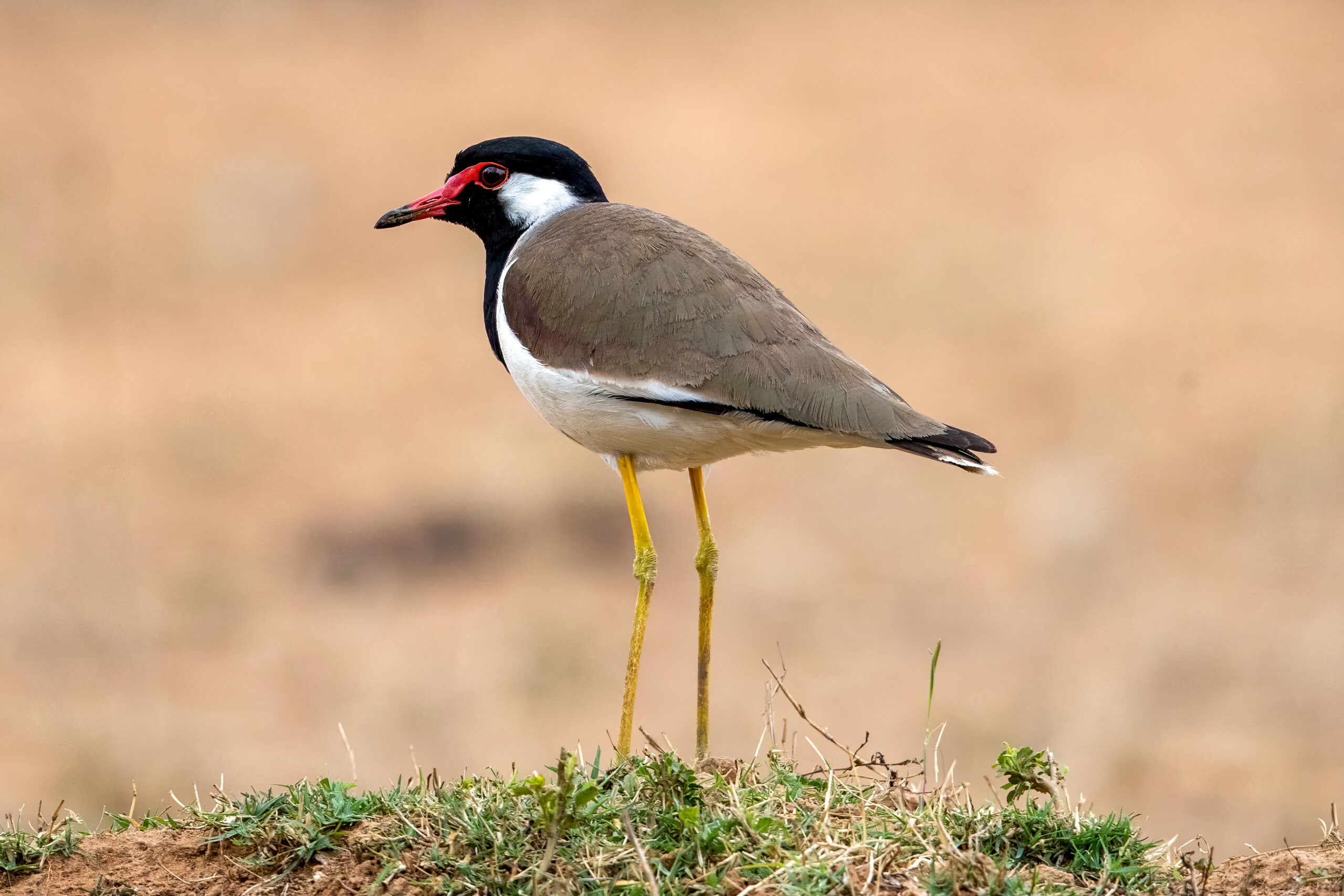
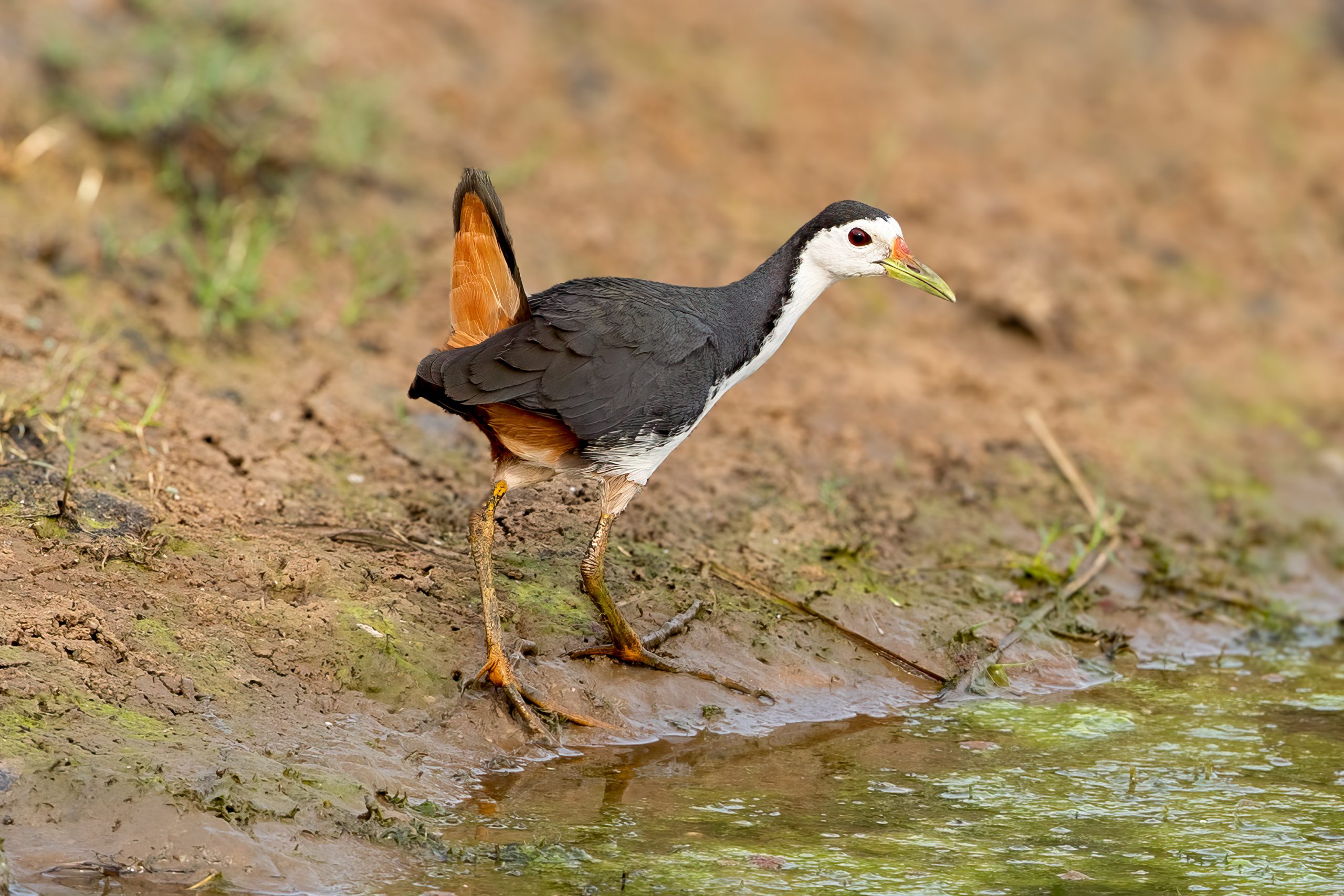
The nesting species were black-winged stilt (Himantopus himantopus), baya weaver (Ploceus philippinus), eastern cattle egret (Ardea coromanda; treated as cattle egret, Bubulcus ibis, in the study), common moorhen (Gallinula chloropus), purple swamphen (Porphyrio porphyrio in the study), purple sunbird (Cinnyris asiaticus), red-wattled lapwing (Vanellus indicus) and white-breasted waterhen (Amaurornis phoenicurus).
Common moorhen had the most abandoned nests
Common moorhen had the highest number of abandoned nests, with six of 11 nests abandoned. Four of seven black-winged stilt nests and four of eight red-wattled lapwing nests were also abandoned. Three abandoned nests were recorded for each of eastern cattle egret, purple swamphen, purple sunbird and white-breasted waterhen, while two of 14 baya weaver nests were abandoned.
Six of the eight nesting species were waterbirds, and the study showed how strongly breeding depended on the vegetation around and within the ponds. Four species used Acacia nilotica as a nesting tree, while common moorhens, purple swamphens and white-breasted waterhens also nested in or among dense aquatic vegetation such as Alternanthera philoxeroides and water hyacinth. Most waterbirds built open or floating-platform nests from reeds, weeds, mud and other material available at the pond edge.
Human disturbance took several forms
The researchers described several forms of disturbance around the ponds. Removal of aquatic vegetation during pond cleaning disturbed nesting black-winged stilts, common moorhens, purple swamphens and white-breasted waterhens. Weed removal and tree pruning during the breeding season were linked to nest abandonment by cattle egrets and purple sunbirds, while combine harvesters directly damaged nests or nesting habitat used by ground-nesting red-wattled lapwings. Waste disposal around ponds also attracted scavenging birds and stray animals that could disturb nesting birds.
The authors recommend protecting breeding sites from disruptive activities during the nesting season and improving local awareness of the value of wild vegetation around village ponds as nesting habitat.
Reproduction & development
Related news
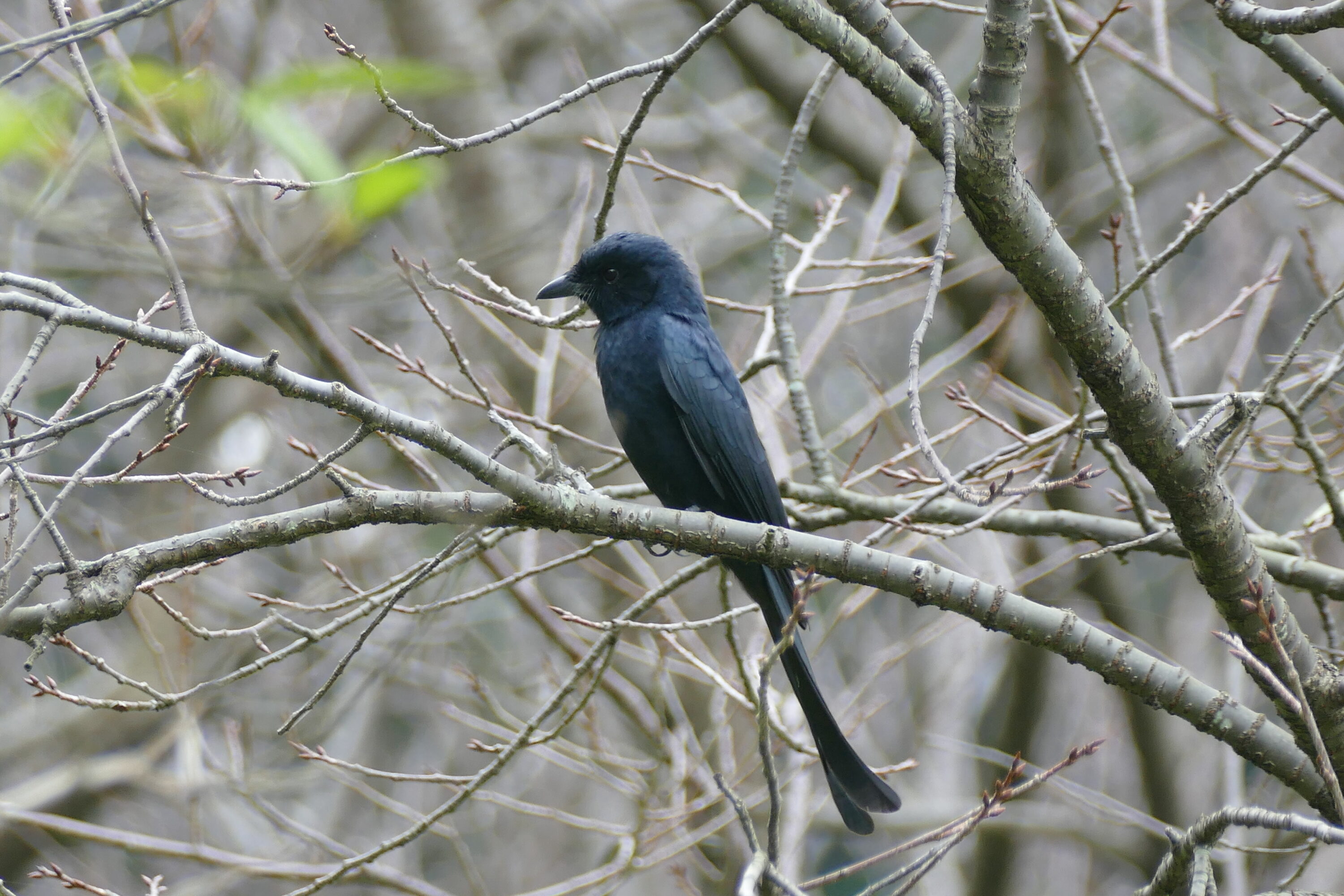
114,357 ha of Taiwan Farmland Was Modelled as Suitable for Four Bird Species
Suitable habitat for black drongo, common moorhen, zitting cisticola and scaly-breasted munia overlapped across 114,357 hectares of Taiwan…
Read story →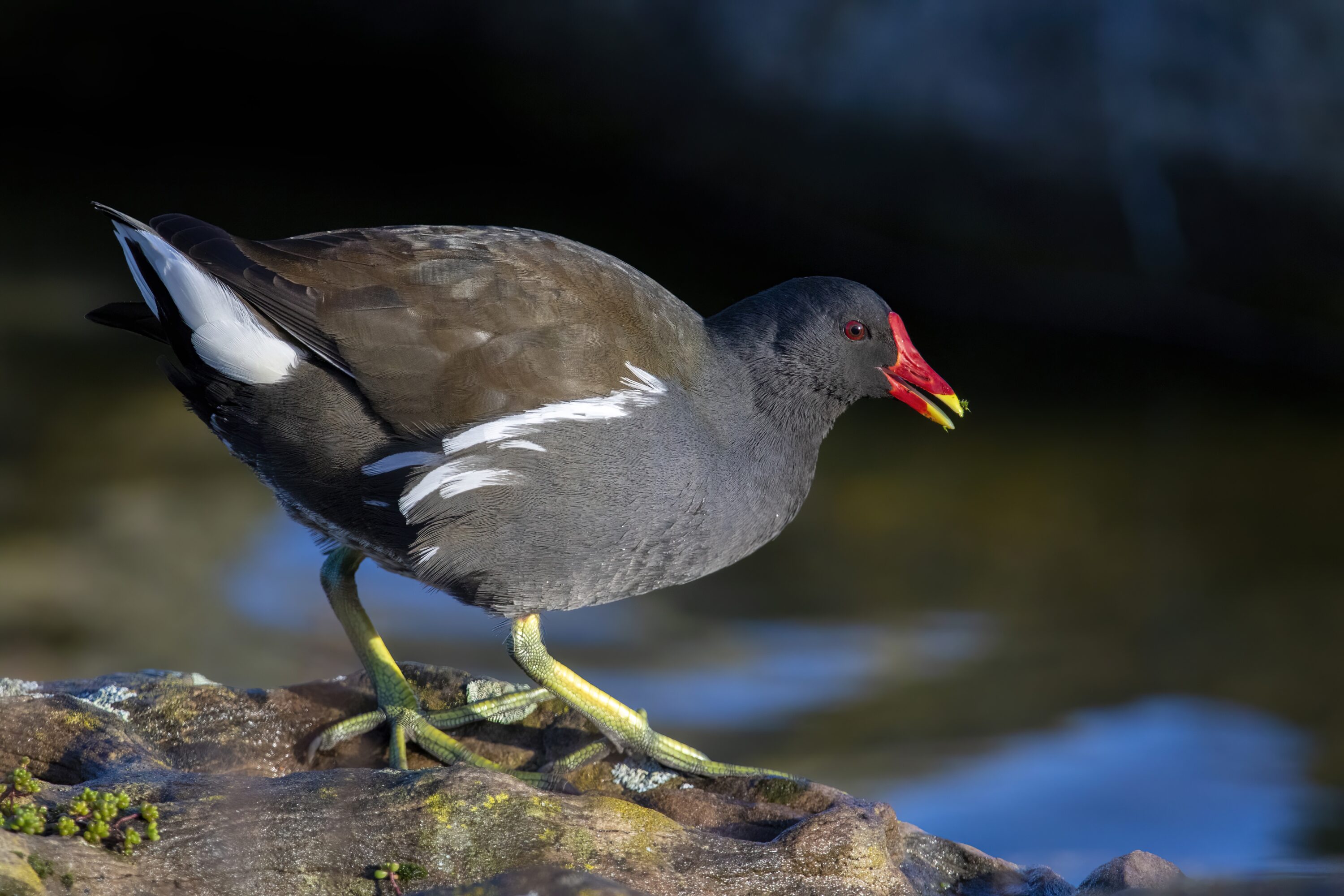
Common Moorhens See Nearly 300 Degrees Around Them Despite a Narrow Binocular Field
Common moorhens have a binocular field only about 34° wide at its maximum, but nearly 300° of combined…
Read story →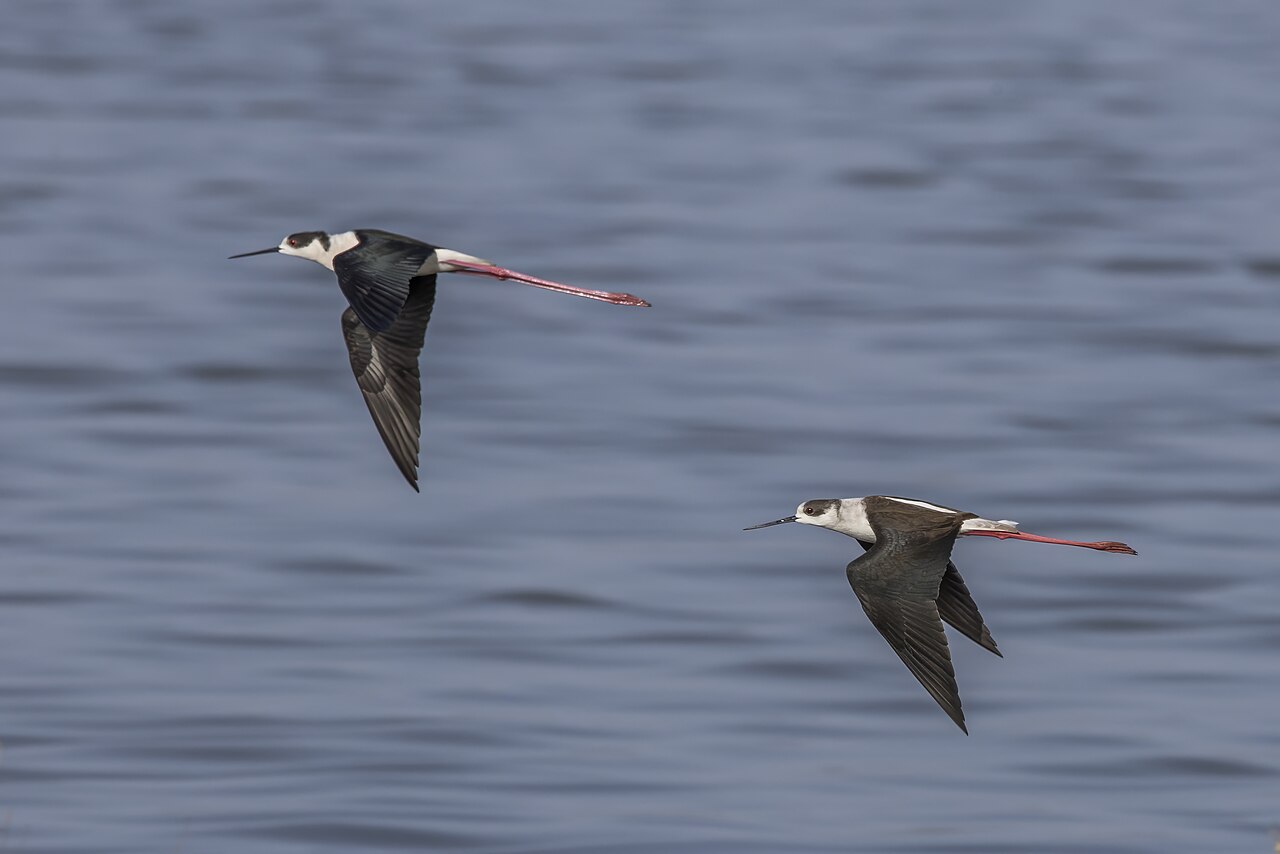
GPS Tracks and Wind Modelling Suggest Black-winged Stilts May Fly Above 7,000 Metres
Two GPS-tracked black-winged stilts moved rapidly between Mallorca and West Africa, while wind modelling identified atmospheric layers compatible…
Read story →SPECIES IN THIS STORY
Species in this story
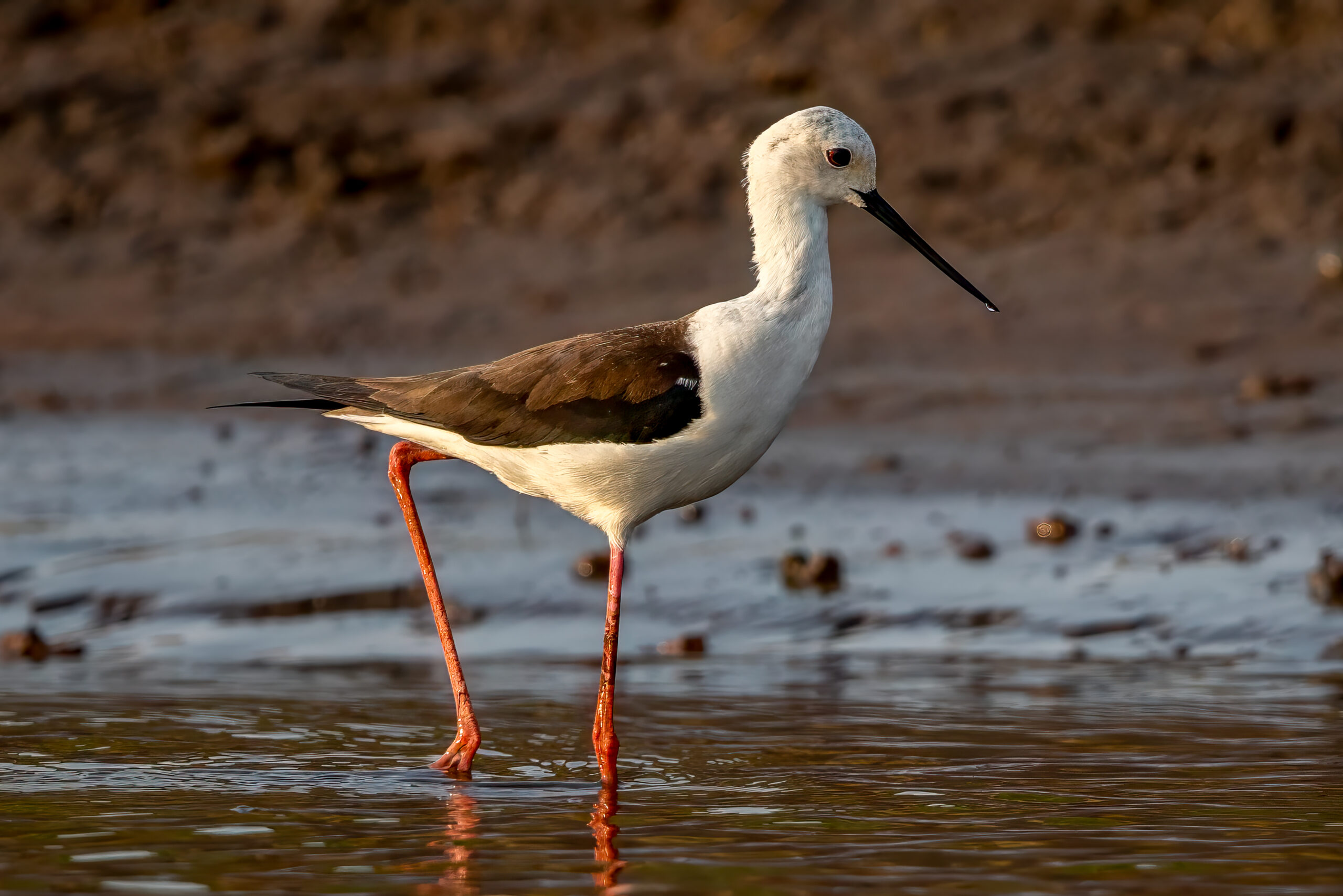 Black-winged Stilt
Himantopus himantopus Explore species →
Black-winged Stilt
Himantopus himantopus Explore species →
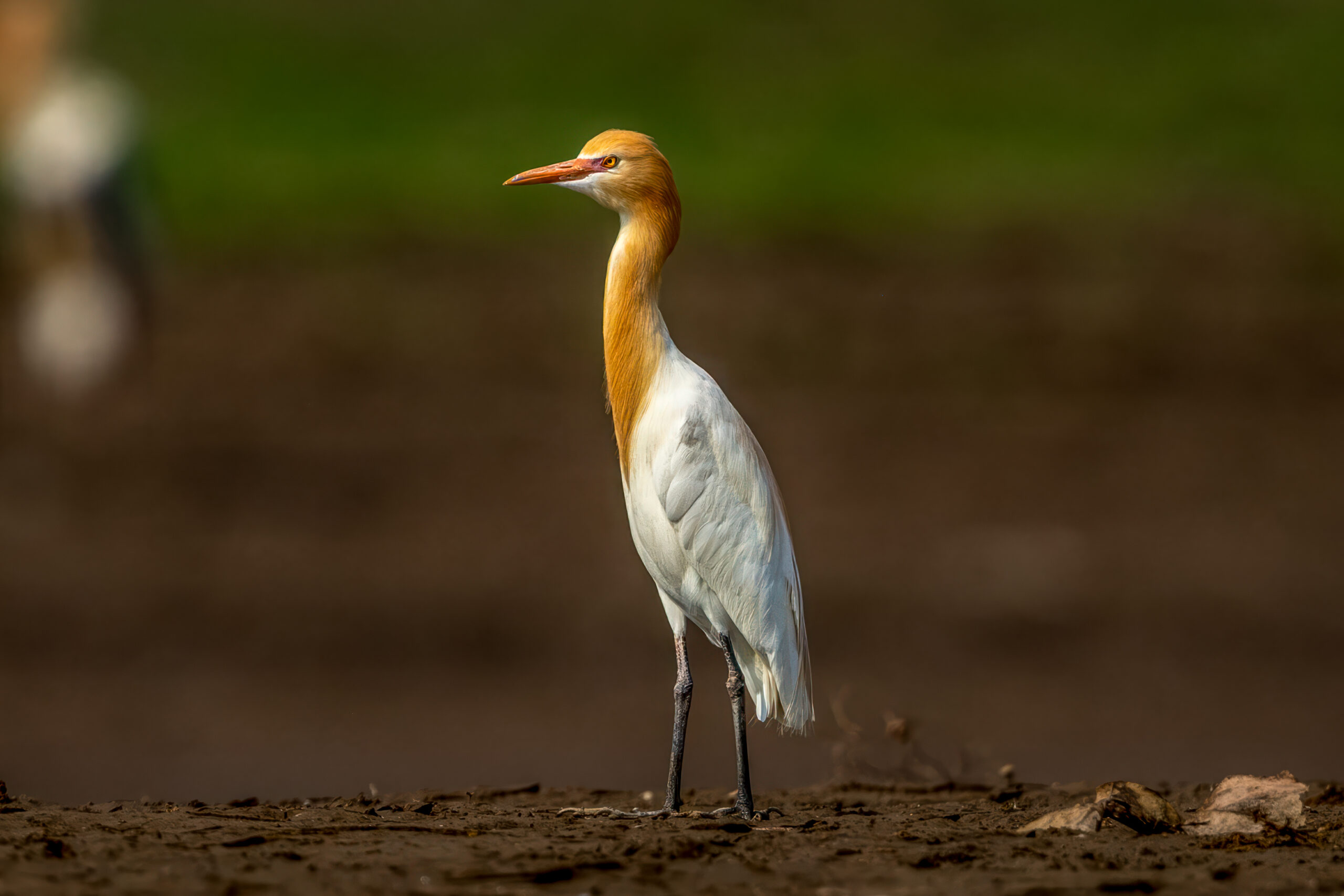 Eastern Cattle Egret
Ardea coromanda Explore species →
Eastern Cattle Egret
Ardea coromanda Explore species →
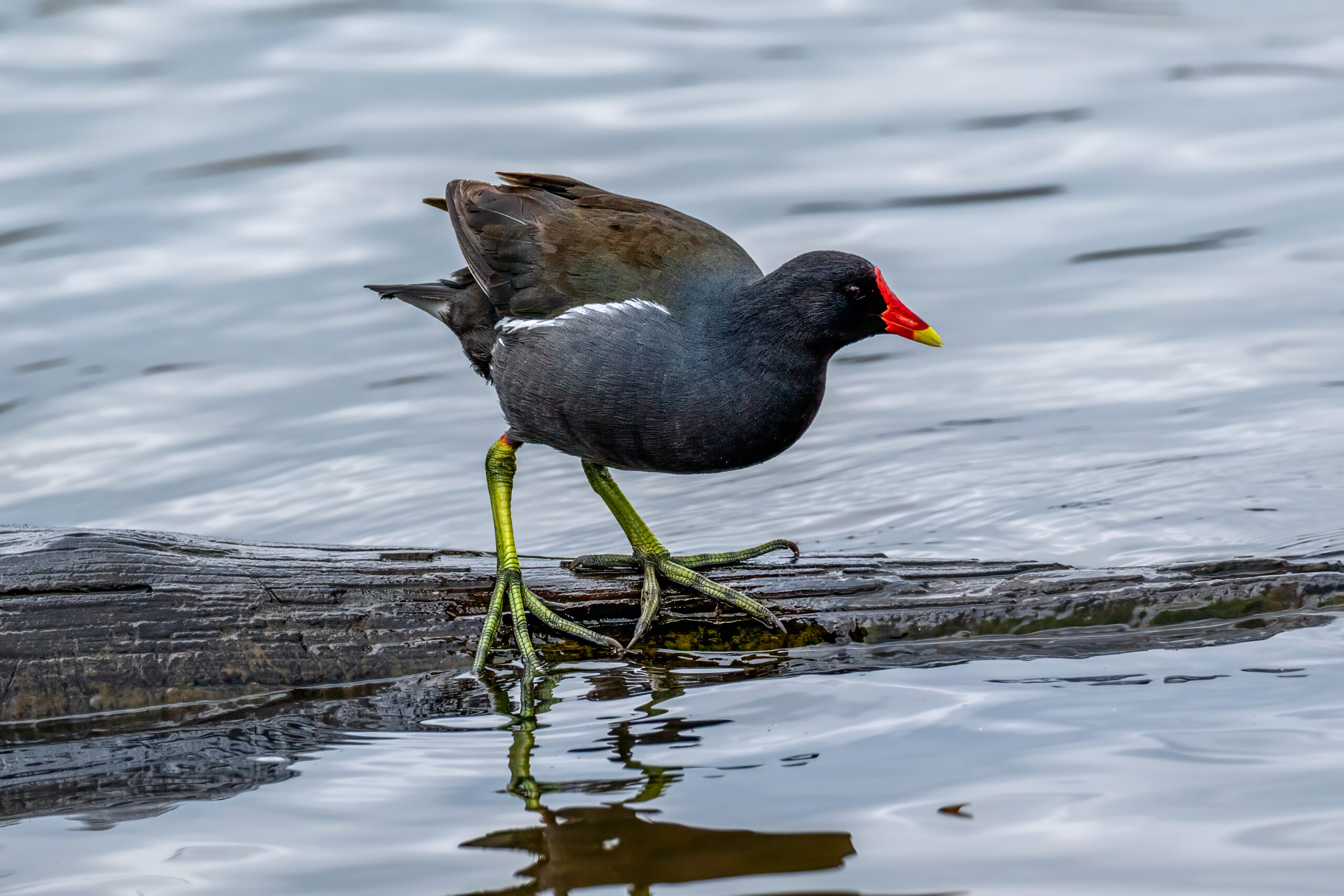 Common Moorhen
Gallinula chloropus Explore species →
Common Moorhen
Gallinula chloropus Explore species →
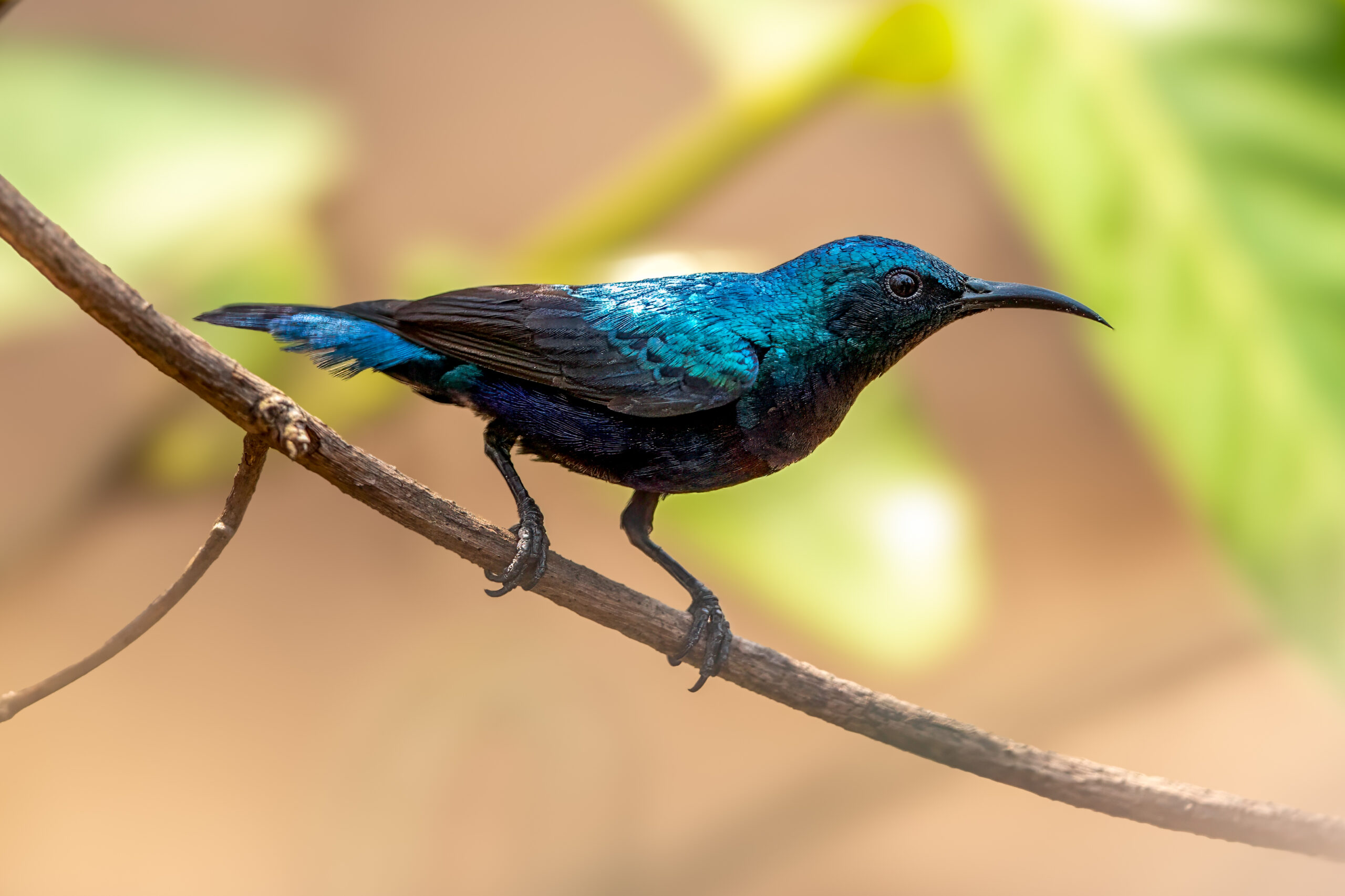 Purple Sunbird
Cinnyris asiaticus Explore species →
Purple Sunbird
Cinnyris asiaticus Explore species →
 Red-wattled Lapwing
Vanellus indicus Explore species →
Red-wattled Lapwing
Vanellus indicus Explore species →
 White-breasted Waterhen
Amaurornis phoenicurus Explore species →
White-breasted Waterhen
Amaurornis phoenicurus Explore species →
Independent research and conservation news archive
Did you find this information useful?
Wildlife Vagabond is independently built and maintained. Voluntary support helps cover source verification, hosting and continued work on research and conservation news.
Support Wildlife VagabondThe news archive will remain freely available.